






Direct Drive DD Torque Motor
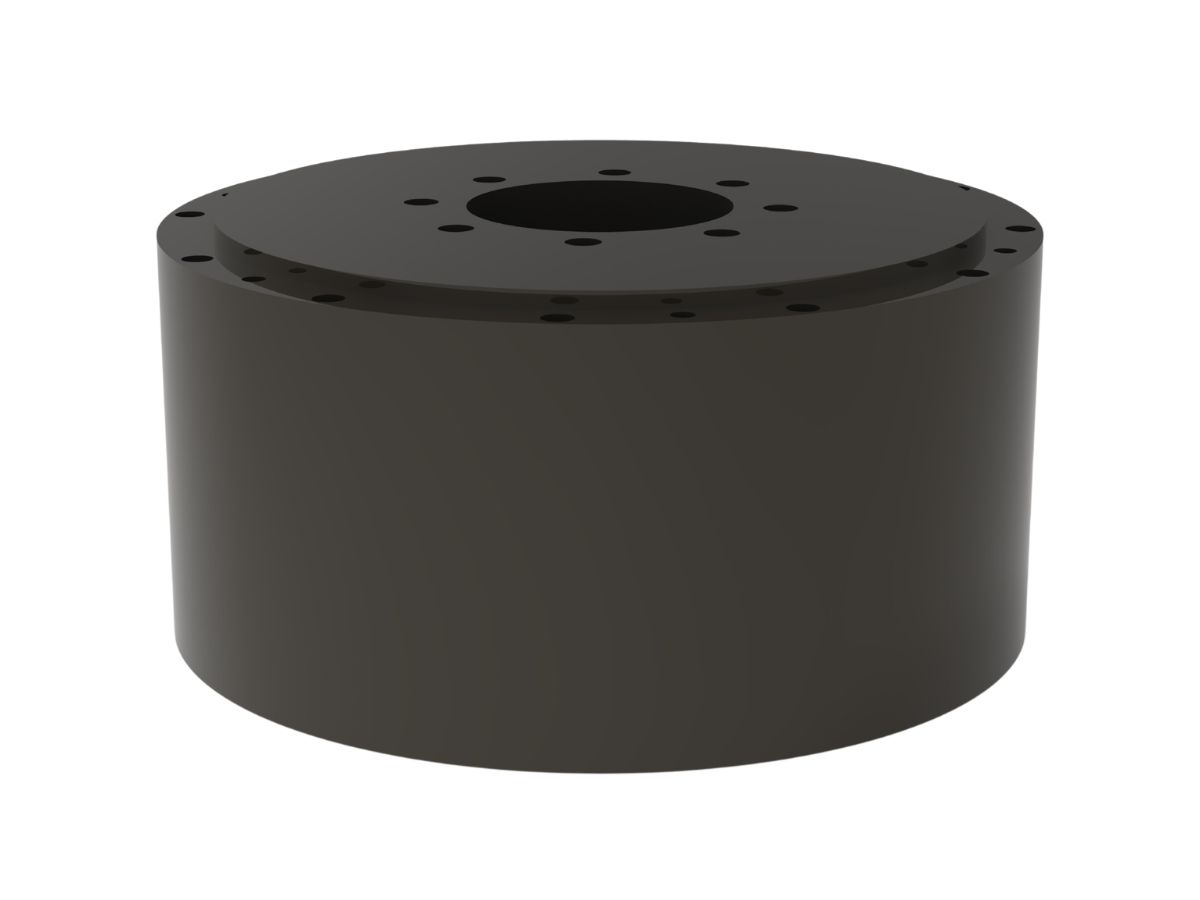
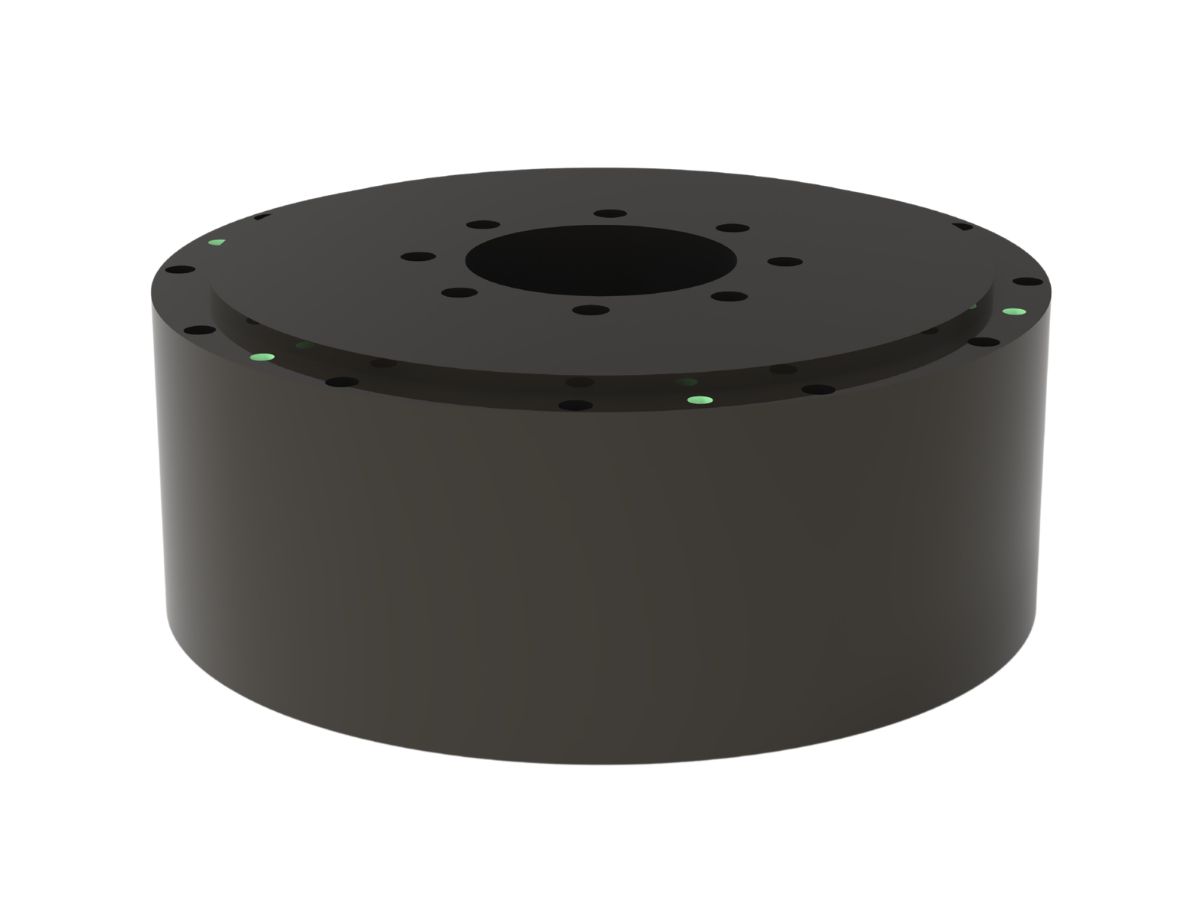
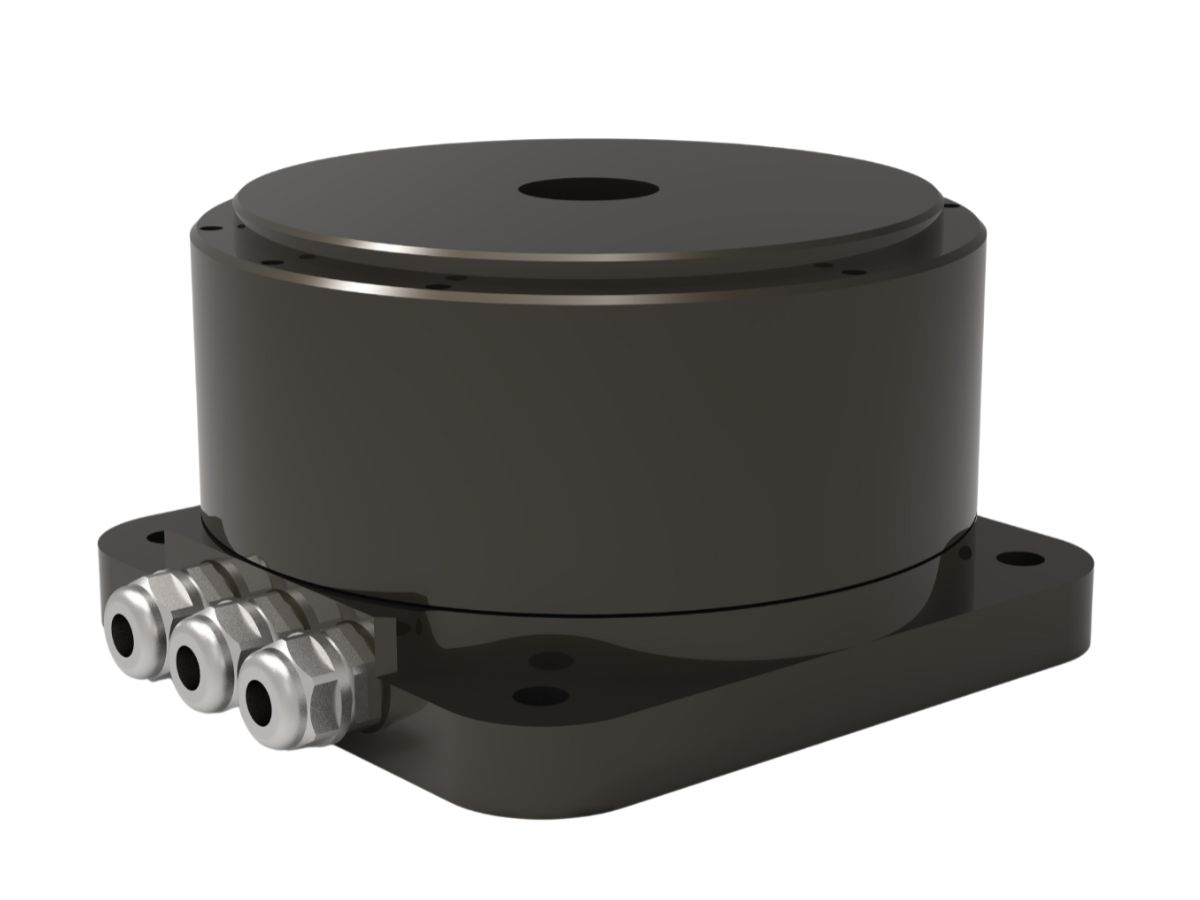
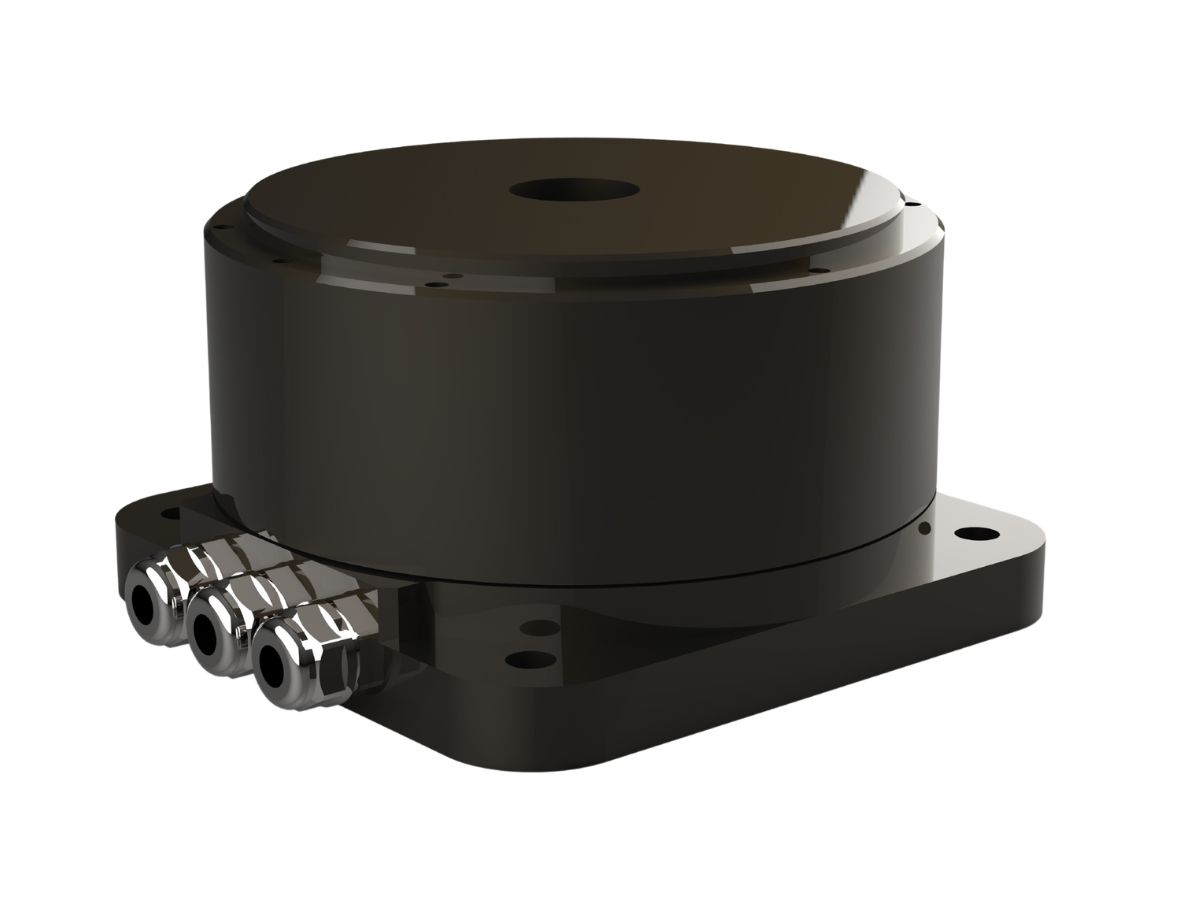
A Direct Drive Motor (DDR) is a motor that directly drives a load without any mechanical transmission mechanisms (such as gearboxes or belts). This type of motor is also known as a torque motor. By using high-energy permanent magnets, it can generate high torque. Unlike traditional motors, its high torque allows it to be directly connected to the motion system, eliminating the need for reducers, gearboxes, belts, and other transmission components. Therefore, it is called a direct drive motor.
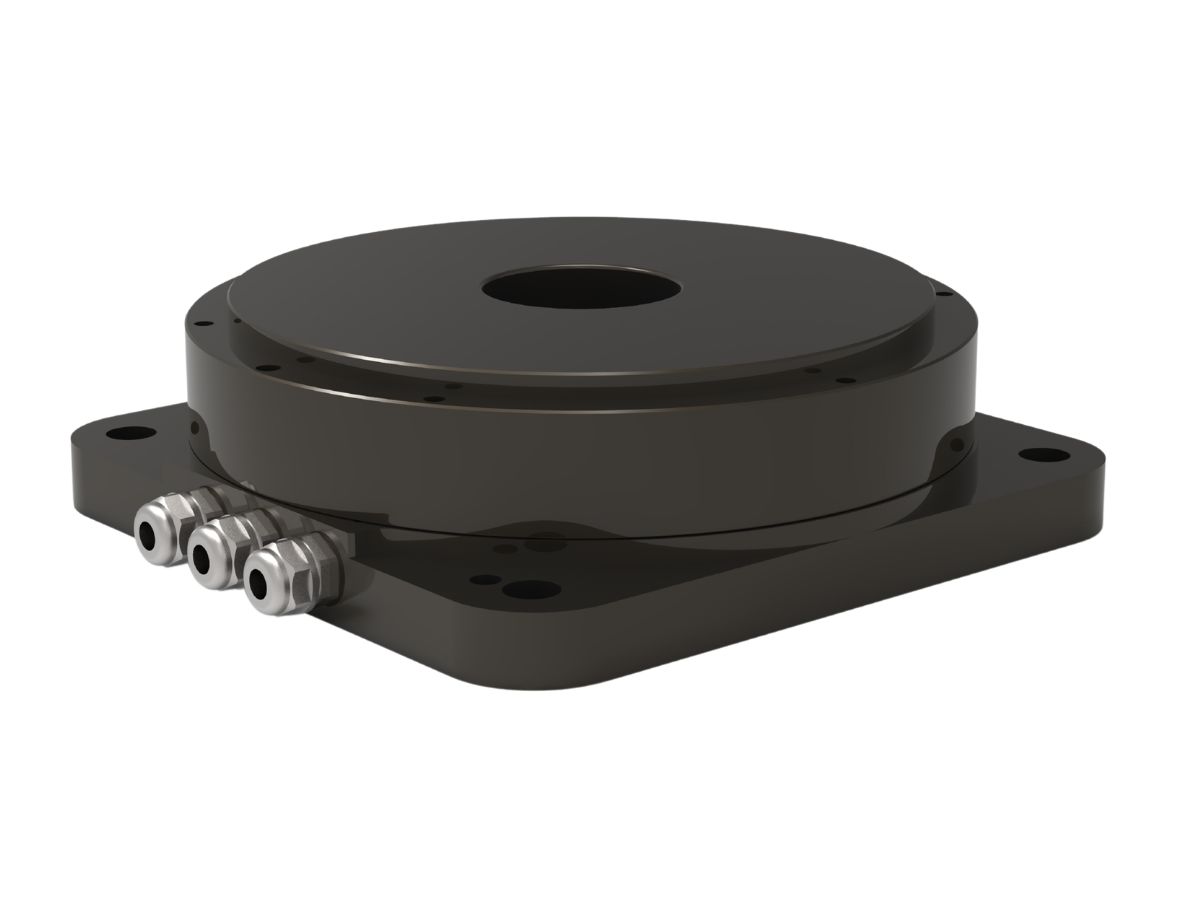
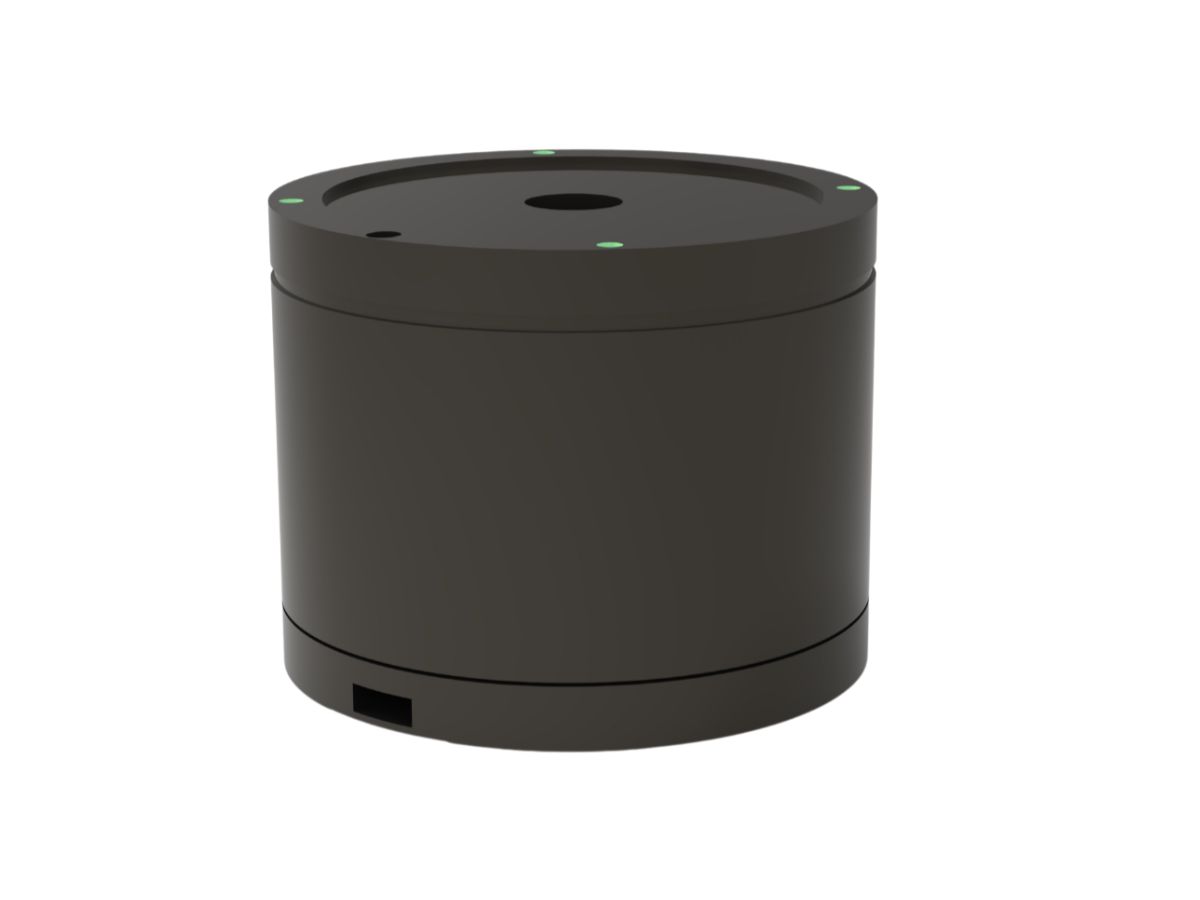
 Integrated Absolute Encoder Mechanical DD Motor for Automation SystemThe load of the TDB-263-138-NH-RD DD motor is mounted directly onto the motor rotor, eliminating mechanical backlash and achieving exceptionally high servo stiffness. It features an integrated high-end absolute encoder, which significantly enhances the efficiency and safety of automation systems. This direct coupling allows for a more responsive control loop in precision equipment. We offer comprehensive support for customized designs and contract manufacturing (OEM/ODM). If your precision applications require direct drive technology, please contact us for a professional solution.Details
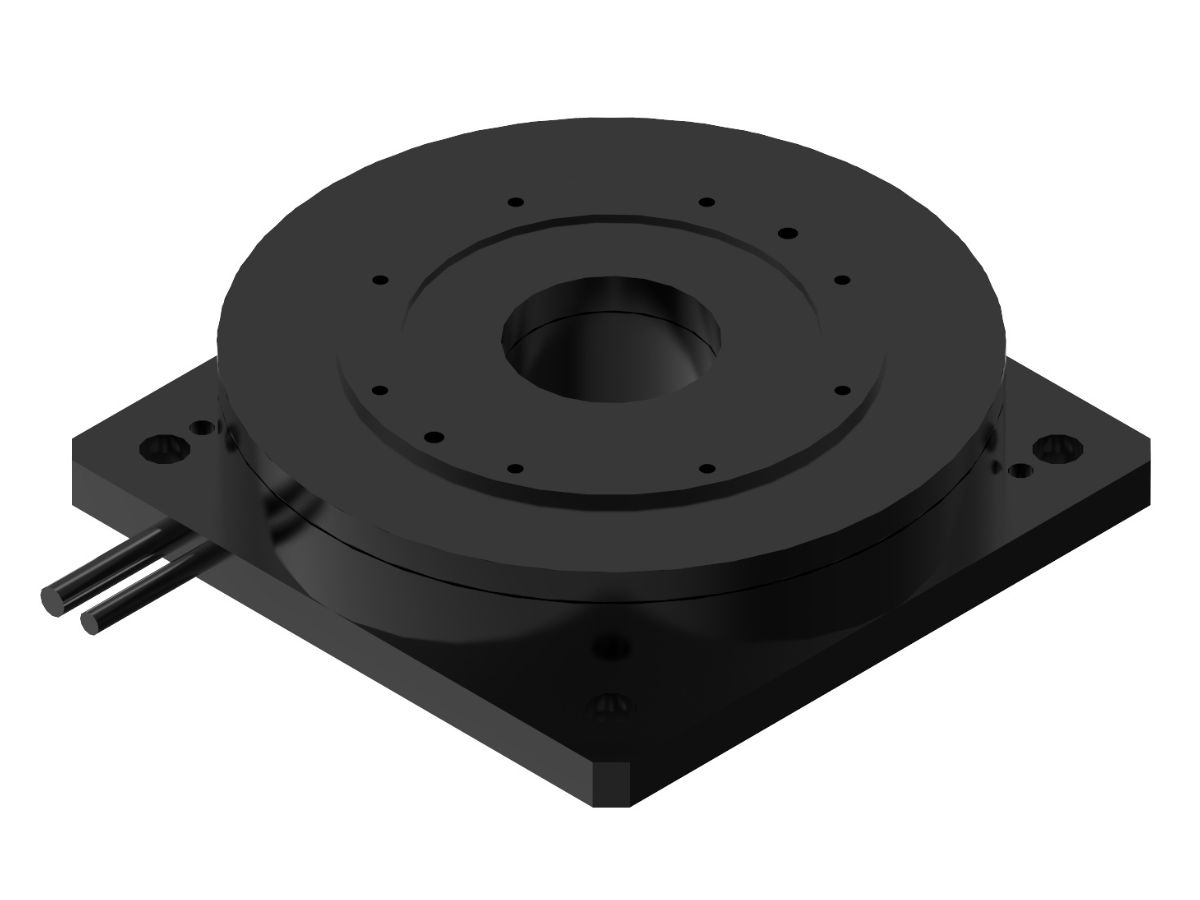
- External Rotor Continuous Incremental Encoder Torque Direct Drive Torque MotorThe TDB-150-037-NH-A direct drive torque motor features a flat, low-profile design with a 150 mm outer diameter, delivering 1 N·m continuous torque and 3.5 N·m peak torque. Its external rotor architecture provides superior torque density within a compact footprint. Closed-loop commutation is achieved through an incremental encoder, ensuring precise and reliable motion control. The direct drive structure eliminates the need for gearboxes, making maintenance significantly easier — offering the best cost-performance ratio without compromising positioning accuracy.Details
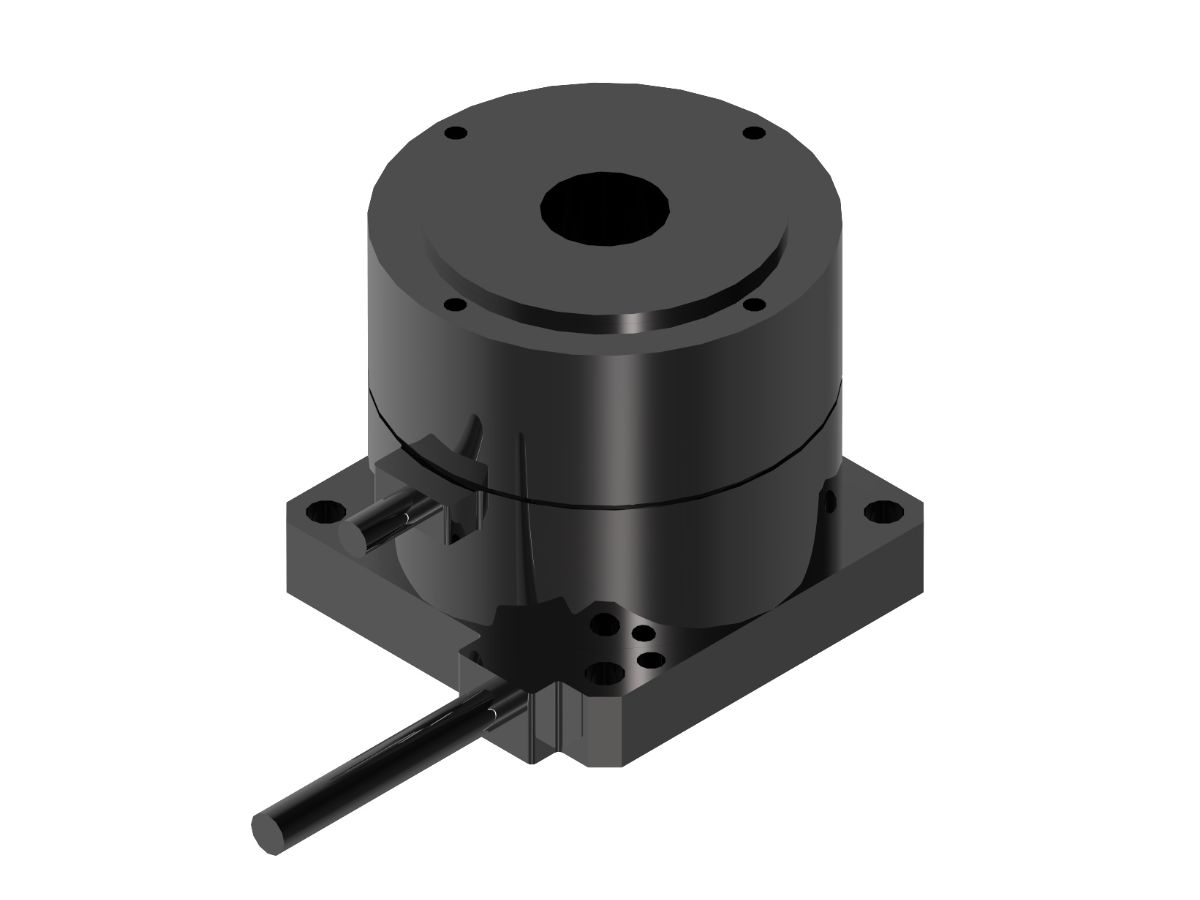
- High Torque DD Torque Rotary Motor for Precision Automated EquipmentThe TDB-080-050-NH-RD-T DD motor features a compact direct-drive structure with an outer diameter of 80 mm and a height of 50 mm, making it suitable for applications requiring high-precision rotary positioning and stable torque output. This model provides a continuous torque of 0.6 N·m, a peak torque of 2 N·m, and a maximum speed of 450 rpm. Equipped with an RD encoder and a sensorless design without Hall sensors, it offers fast response, minimal backlash, smooth operation, and high positioning accuracy. It is well suited for applications such as automated rotary tables, precision inspection systems, semiconductor equipment, and high-end medical devices.Details
- Compact Design High Precision Direct Drive Torque MotorThe TDB-040-038-NH-AY direct drive (DD) torque motor features a compact structure, high precision, and fast response, making it suitable for high-precision positioning and direct drive applications. Combining compact size with strong performance, it is well suited for semiconductor equipment, precision stages, and automation systems.Details
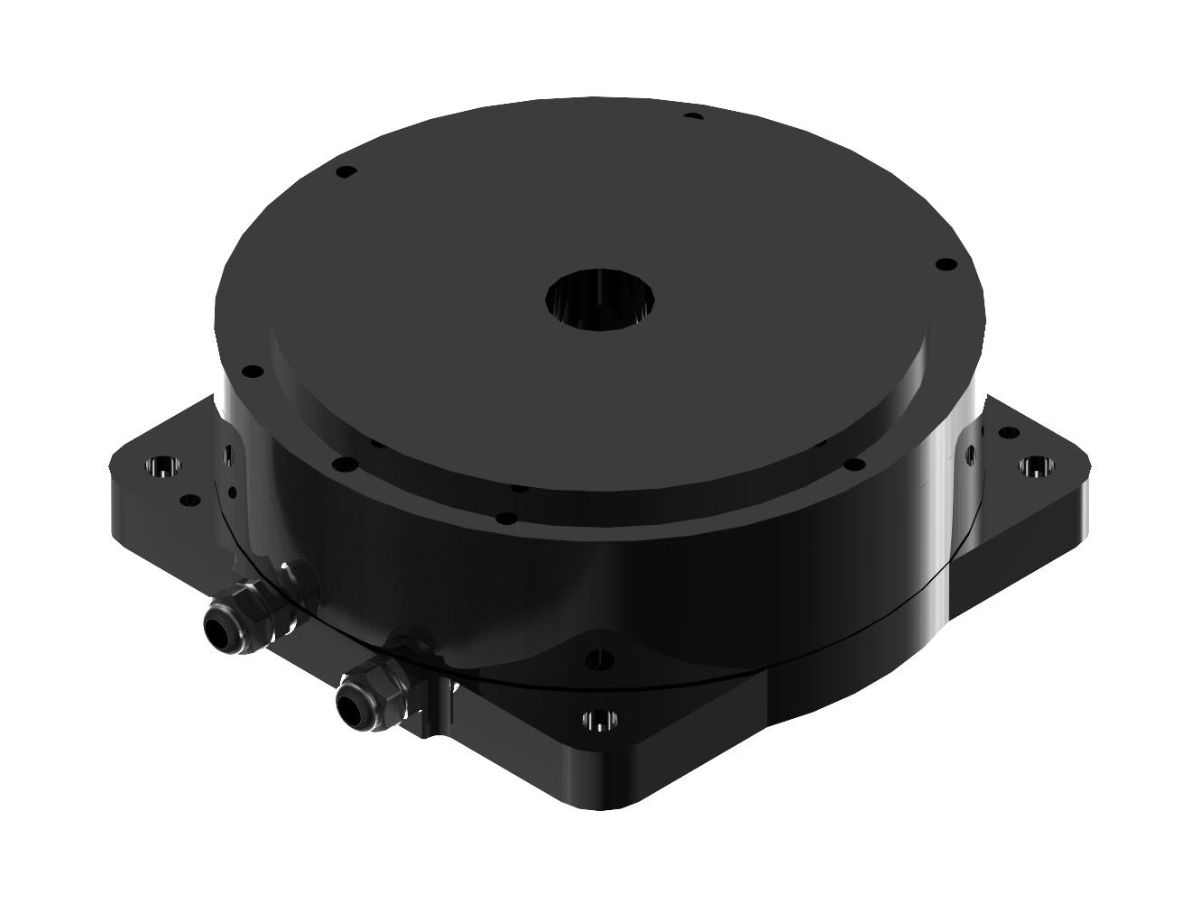
- High Torque TDB-263-113-NH-A Direct Drive Torque Motor for Automation and Precision ApplicationThe TDB-263-113-NH-A is a large direct drive torque motor that combines high torque, high rigidity, and high precision positioning. Its outer rotor structure, Hall‑sensor‑free design, and high‑resolution incremental encoder configuration enable stable and efficient operation in heavy‑duty automation equipment and precision manufacturing applications.
Compared with traditional servo motors, direct drive torque motors offer the following advantages:higher precision,greater torque,higher efficiency,simpler maintenance,more compact installation footprint.Details - Industrial Servo Drives Direct Drive DD Torque Motor with Hall SensorTDB-170-125-NH-B direct drive DD torque motor, with its outstanding structural design and stable control performance, is widely used in CNC rotary tables, semiconductor equipment, robotic joints, precision inspection, and other fields. This model adopts an outer rotor structure (all TDB series feature outer rotor design), which structurally makes it easier to achieve higher moment of inertia and a larger output radius, making it suitable for high dynamic response and high-load applications. It is designed for drive solutions that do not require Hall sensors for startup and is well compatible with most industrial servo drives, facilitating easy commissioning and deployment.Details
- Outer Rotor Direct Drive Torque Motor with Hall Sensors and Incremental EncoderTDB-170-095-NH-A Direct Drive Torque Motor adopts an outer rotor design, which structurally makes it easier to achieve higher moment of inertia and a larger output radius. It comes with Hall sensors for easier startup and better compatibility with a wide range of drives. Equipped with an incremental encoder, it is suitable for most servo control systems. With a positioning accuracy of ±20 arc seconds and repeatability of ±1.5 arc seconds, it meets the requirements of precision machining and inspection. It is widely used in applications such as CNC rotary tables, semiconductor equipment, robotic joints, and precision inspection.Details
- High Torque Speed Precision Encoder Direct Drive MotorThe TDB-112-065-NH-A direct-drive motor is structurally composed of four main parts: the stator (stationary part), the rotor (rotating part), the bearings, and the encoder (a sensor used to detect rotational position). The motor has a diameter of 112 mm, a height of 65 mm, and a weight of 2.8 kg. It delivers a continuous torque of 3 N·m and a peak torque of up to 9 N·m, with a rated power of 110 W, a continuous current of 2.5 Arms, and a peak current of 7.5 Arms. Its key features include high dynamic performance, high precision, optimal speed control, ultra-compact structure, excellent MTBF, and reduced maintenance requirements.Details
- DC Torque Motor for Precision Automation Equipment and CNC MachinesThe TDB-170-050-NH-A torque motor is a low-speed, high-torque DC motor with precise control. Its key features include the elimination of transmission errors, high rigidity with low vibration, fast response, and low maintenance requirements. It is commonly used in precision automation equipment such as semiconductor wafer processing machines, precision indexing tables, high-accuracy direct-drive turntables, and LCD panel handling systems.Details
- Compact Structure High Precision DD DC Torque MotorThe TDB-080-067-NH-A-T DD torque motor is a high-precision, low-speed, high-torque DC motor, suitable for applications such as robotic joints, precision motion platforms, and automated equipment. This model has a diameter of 80 mm, a height of 67 mm, and weighs only 1.6 kg. It features a 22-pole design, delivering a continuous torque of 1 N·m and a peak torque of up to 3.5 N·m, with a continuous current of 1.7 Arms, a peak current of 5.9 Arms, and a rated power of 32 W. The TDB series torque motors are characterized by a compact structure, high torque density, and precise control performance, making them an ideal choice for precision automation and intelligent equipment applications.Details
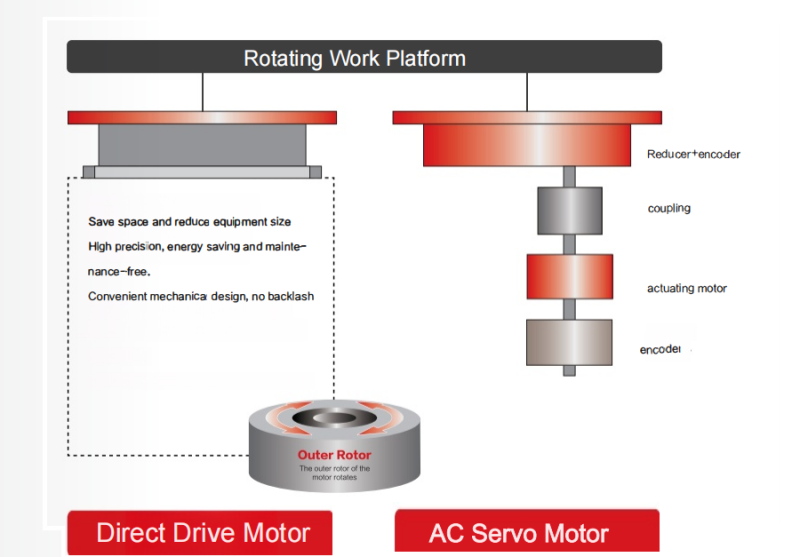
Advantages of Direct Drive Motors Compared to Traditional AC Servo Motors
Due to the integrated structure of direct drive motors from Tongri Electric, the load can be directly mounted on the motor’s mounting surface. As a result, there is no loss of accuracy between the motor and the indexing table, which improves overall equipment precision. Since there is no mechanical structure such as a gearbox, there is no energy loss as seen in traditional AC servo motors. With direct drive, changing positions or stations via programming becomes much easier.
Direct Drive Torque Motor FAQ
The FAQs above are based on Honpine's experience serving customers across a wide range of industries. If you have additional questions, feel free to contact us. Our engineering team is ready to provide expert advice, application support, and comprehensive Direct Drive Motor documentation to help you select the right solution for your project.
A Direct Drive (DD) motor connects the load directly to the rotor without gears, belts, or reducers. This eliminates backlash, improves positioning accuracy, increases system rigidity, and reduces maintenance. Fewer mechanical components also mean higher efficiency, faster response, and better long-term reliability.
Inner-rotor DD motors are ideal for high-speed, light-load applications with fast acceleration. Outer-rotor models provide higher torque and are better suited for heavy loads and large inertia. The best choice depends on your load inertia, speed, and torque requirements.
Industrial DD motors typically achieve positioning accuracy of ±5 arc-sec and repeatability of ±2 arc-sec. High-end models with absolute encoders can reach ±1 arc-sec, making them ideal for semiconductor, optical, and precision automation equipment.
Standard DD motors are designed for clean indoor environments with IP20 or IP40 protection. For applications involving dust, moisture, or oil mist, IP65 or higher protection and customized sealing solutions are recommended.
DD motors can be mounted horizontally, vertically, or upside down. Proper load distribution, mounting rigidity, and torque calculation are essential. Vertical or inverted installations may require a holding brake for added safety.
Load inertia directly affects acceleration, positioning, and servo stability. An oversized inertia ratio can reduce dynamic performance and increase settling time. Providing load weight, radius, speed, and acceleration allows engineers to recommend the correct motor.
Continuous torque is the motor's long-term operating capability and should be the primary selection criterion. Peak torque is available only for short periods during acceleration or deceleration.
Incremental encoders require homing after power loss and offer a cost-effective solution. Absolute encoders retain position without homing, making them ideal for multi-axis machines, CNC equipment, and high-end automation systems.
Yes. Honpine offers customization for mounting dimensions, center bore size, encoder type, protection rating, brakes, and cooling solutions to match your machine design and application requirements.
A DD motor provides direct rotary motion, while a linear motor produces direct linear motion. DD motors are used for rotary tables and indexing systems, whereas linear motors are ideal for precision stages, gantries, and high-speed linear positioning.
Advantages and Disadvantages of Direct Drive Motors
Advantages of Direct Drive Motors
Direct drive, high rigidity, and high dynamic response.
High precision (dependent on the feedback encoder), with low cogging effect.
Low thermal resistance: with proper heat dissipation and cooling methods, heat can be effectively transferred, improving continuous torque performance.
Suitable for compact design: flat motors often feature a large central bore, allowing slip rings, pipes, and cables to pass through, enabling compact system integration.
Low maintenance: with fewer intermediate transmission components, there are fewer mechanical parts. Typically, the only wear components are guide rails, reducing maintenance workload and increasing mean time between failures.
High efficiency: eliminates intermediate mechanical friction and inertia, improving energy efficiency.
Disadvantages of Direct Drive Motors
In a simple 1:1 comparison, direct drive motors are more expensive than traditional motors. However, considering the elimination of intermediate gears, couplings, and related maintenance, along with overall mechanical simplification, direct drive motors are often more cost-effective. Moreover, as direct drive motors become more widely adopted and stronger Nd-Fe-B (neodymium-iron-boron) magnets are developed, their cost continues to decrease.
Applications of Direct Drive Motors
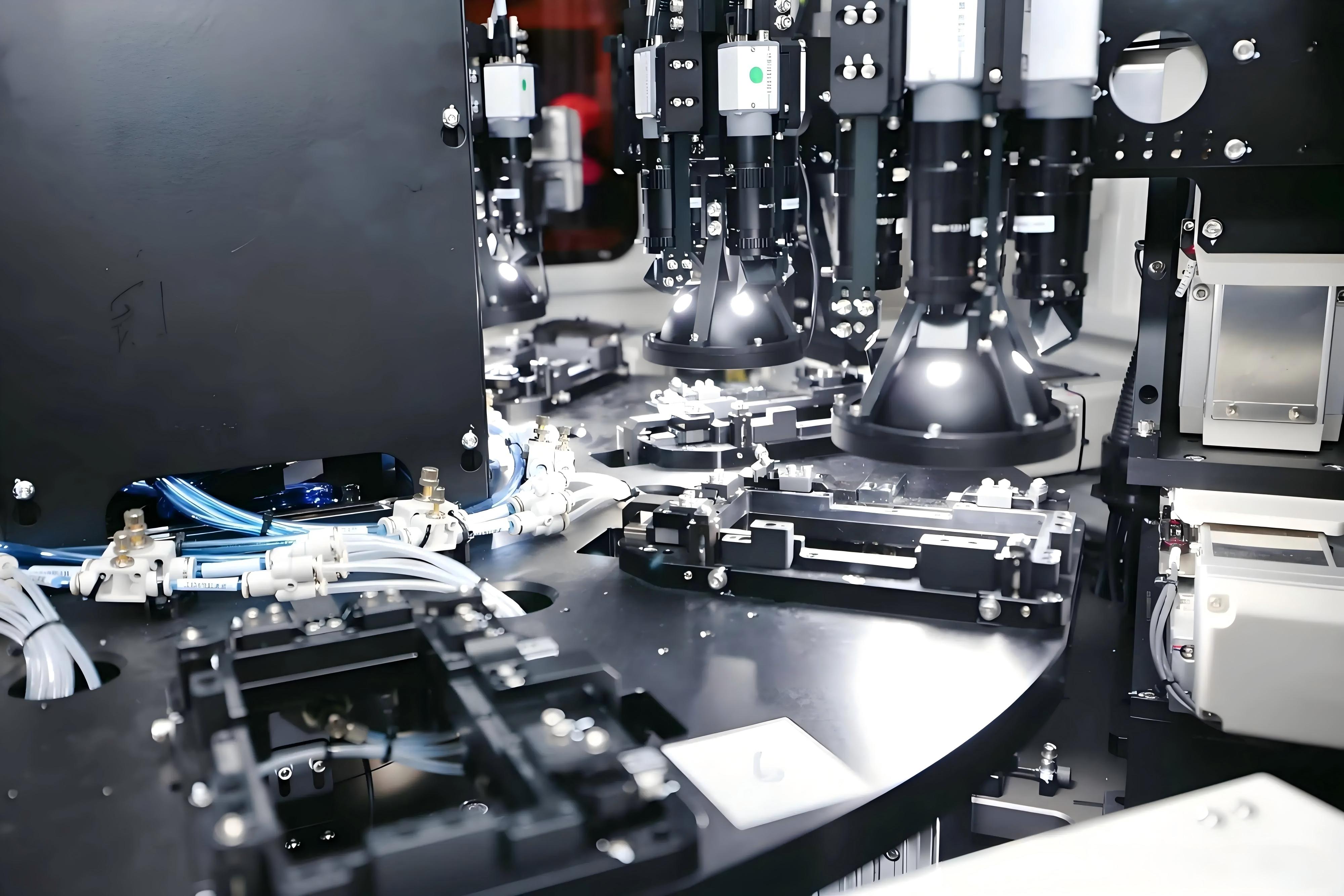
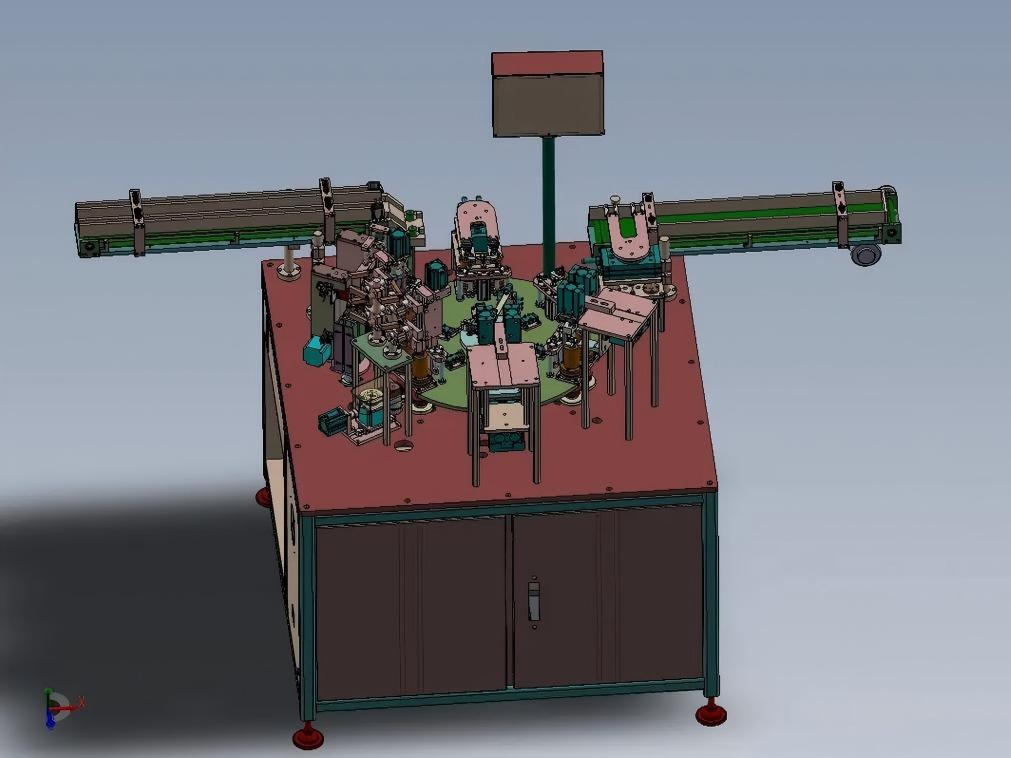
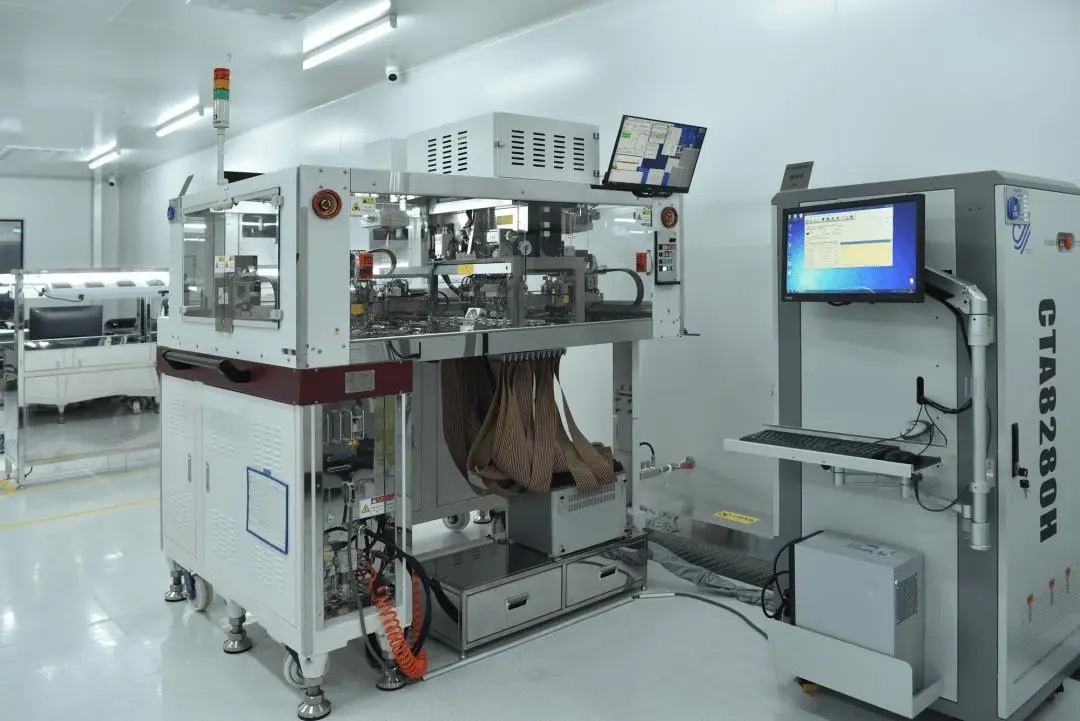
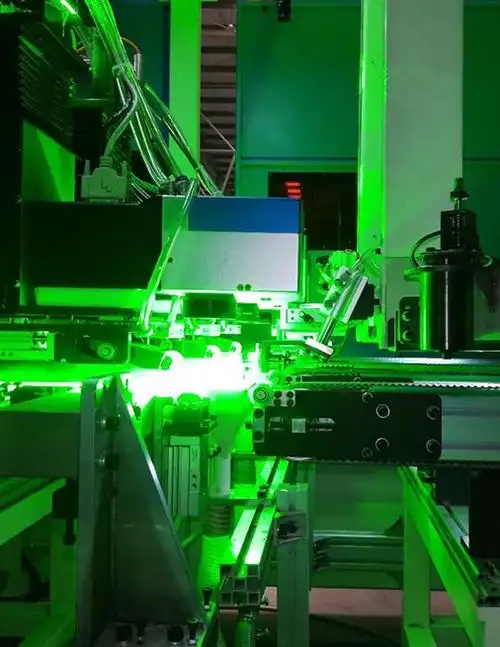
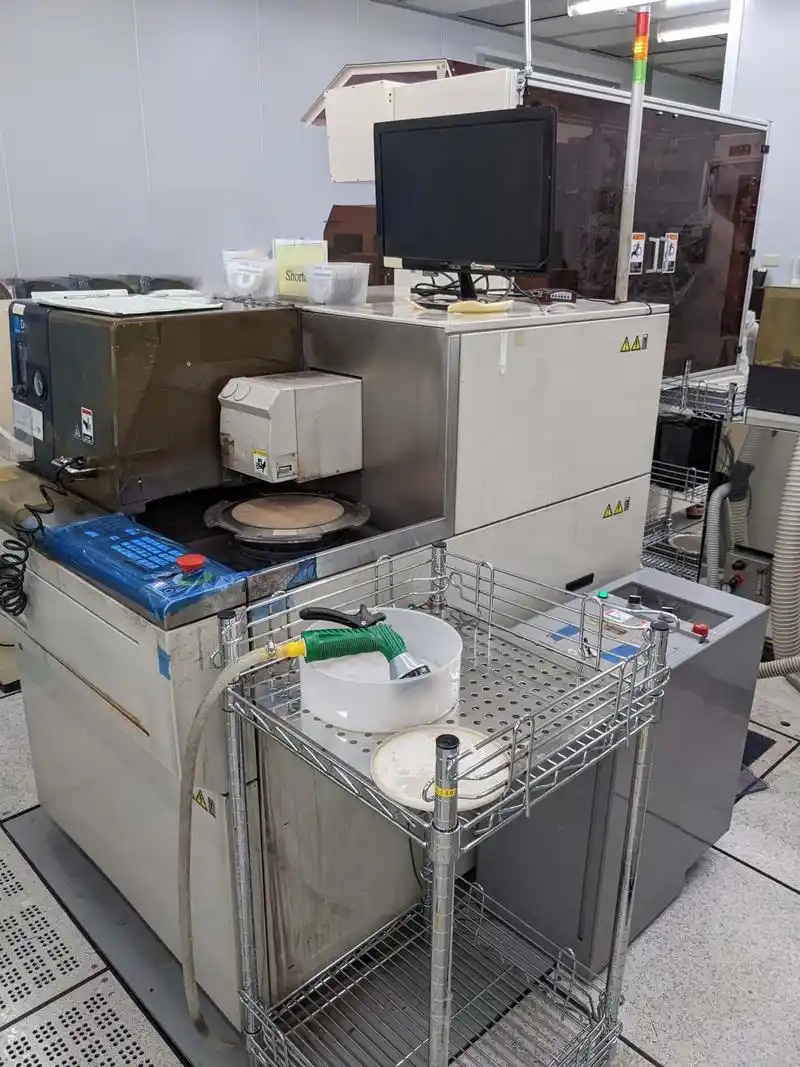
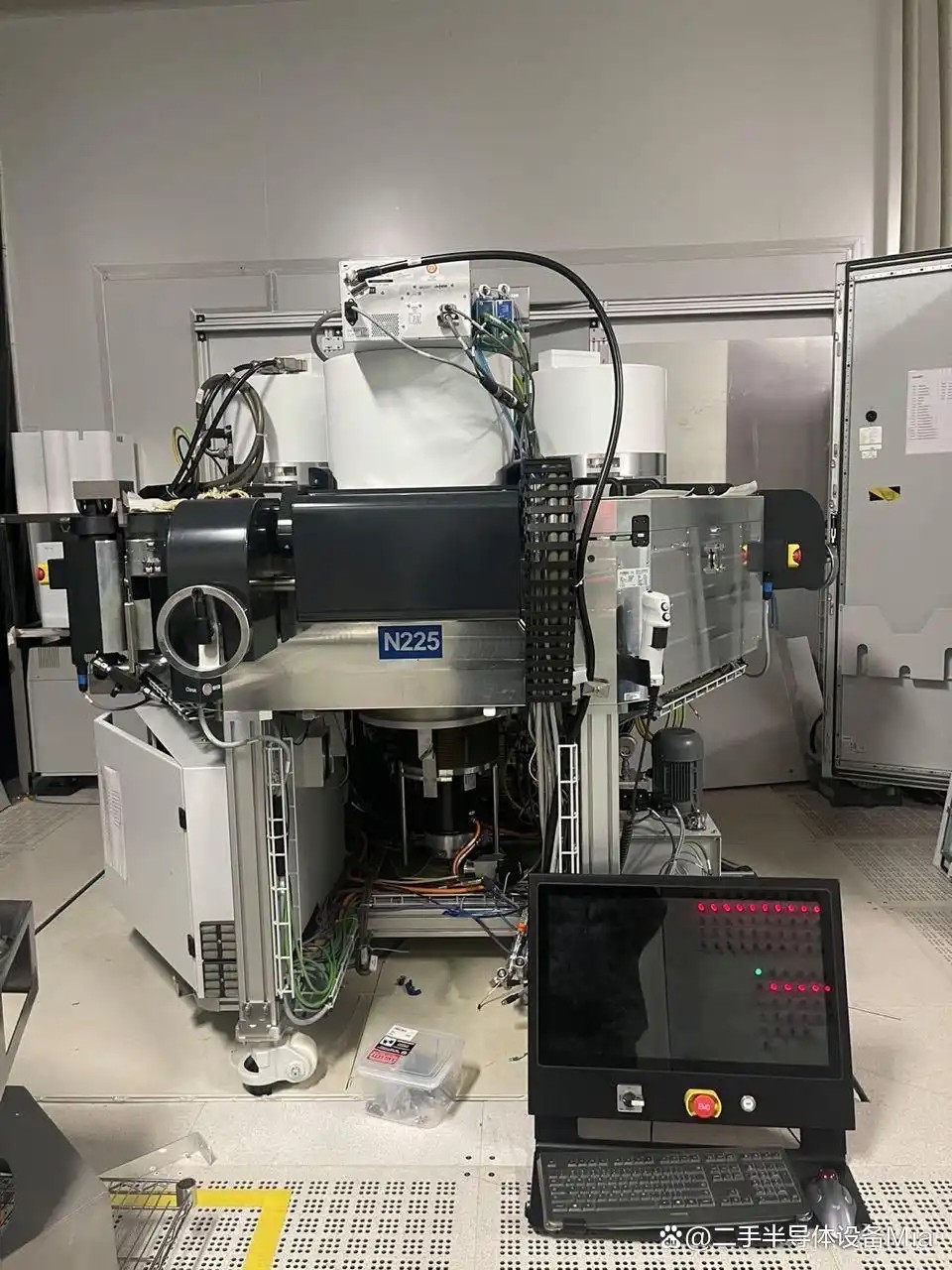
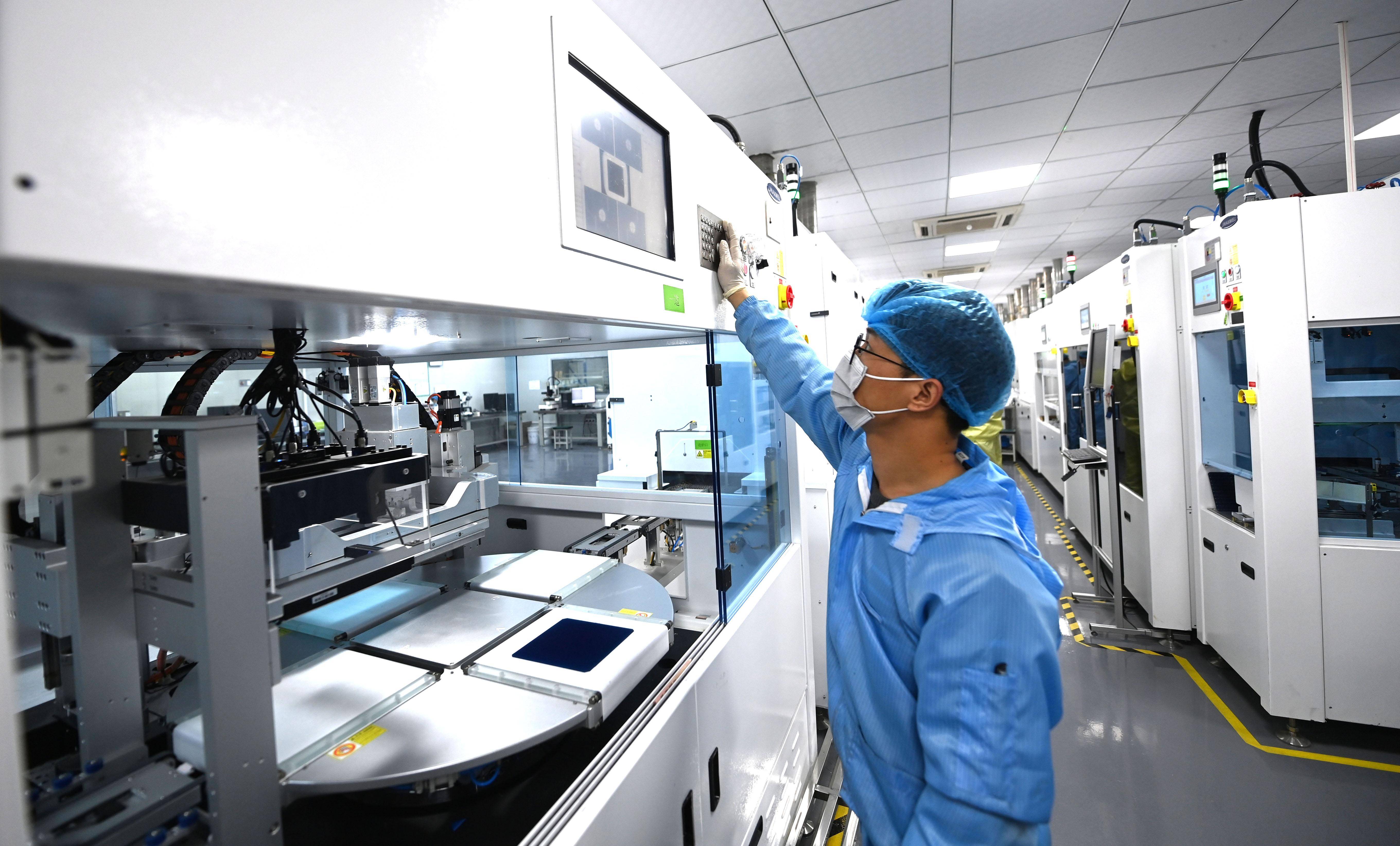
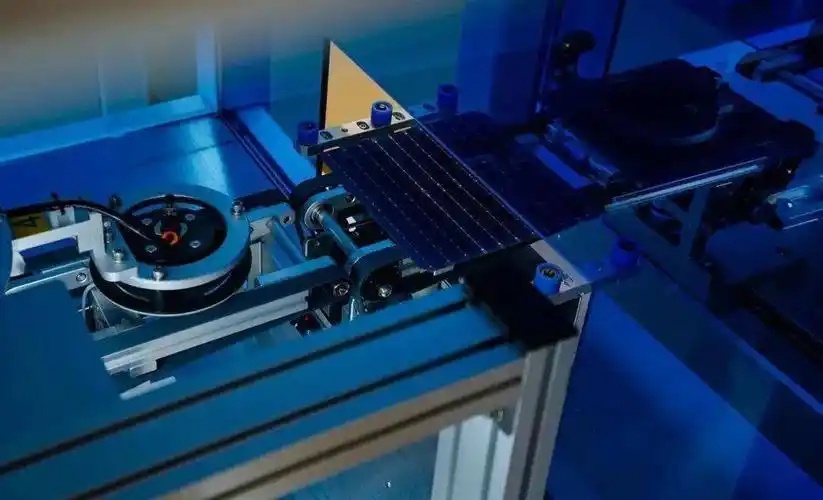
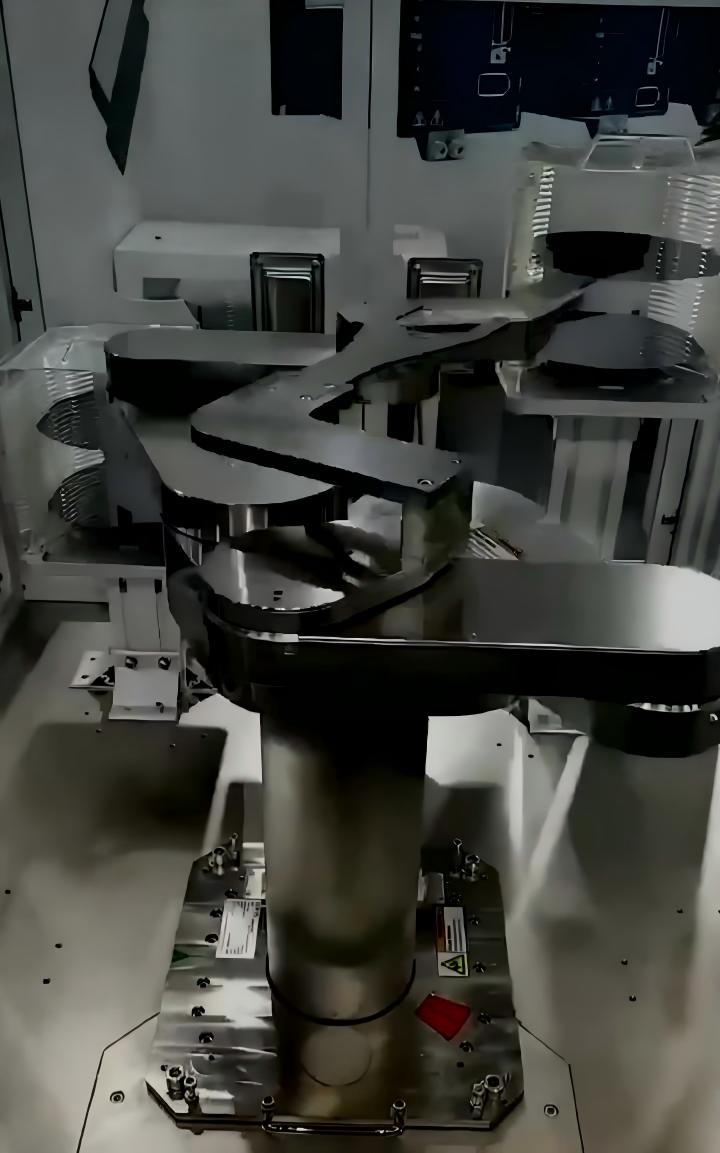
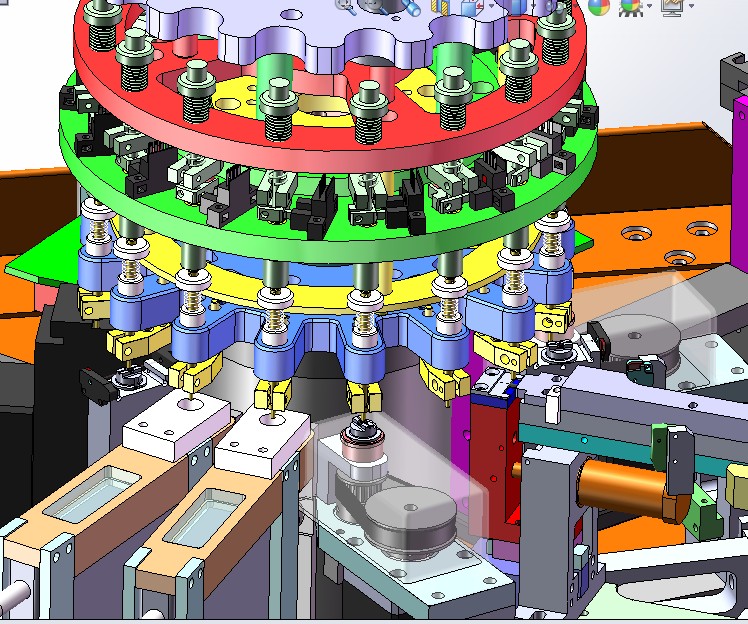
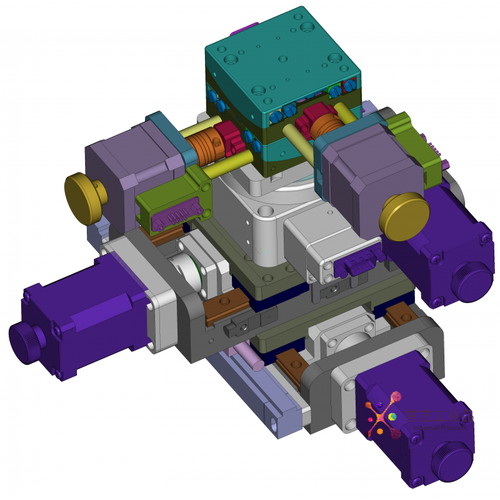
Honpine Direct Drive Motors have been tested and validated in real-world application platforms across various industries, including semiconductor equipment, automated production systems, new energy and photovoltaic equipment, optical inspection systems, and signal positioning systems. Below are some representative application cases. For more technical information and detailed application data, please contact us.
‹
›
Applications of DD Motors in Semiconductor Equipment
HONPINE DD motor applications in semiconductor equipment include semiconductor alignment and correction, wafer handling, wafer dicing, small semiconductor sorting machines, semiconductor automated assembly lines, sorting machines, die bonding machines, dicing machines, inspection equipment, chip testing, wafer handling, and wafer thinning machines.
Applications of DD Motors in New Energy Equipment
HONPINE DD motor applications in the new energy field include photovoltaic laser doping equipment, photovoltaic screen printing, photovoltaic automated production lines, winding machines, lithium battery welding equipment, vision inspection equipment, coating machines, and lithium battery PACK lines.
Applications of DD Motors in Scientific Research Equipment
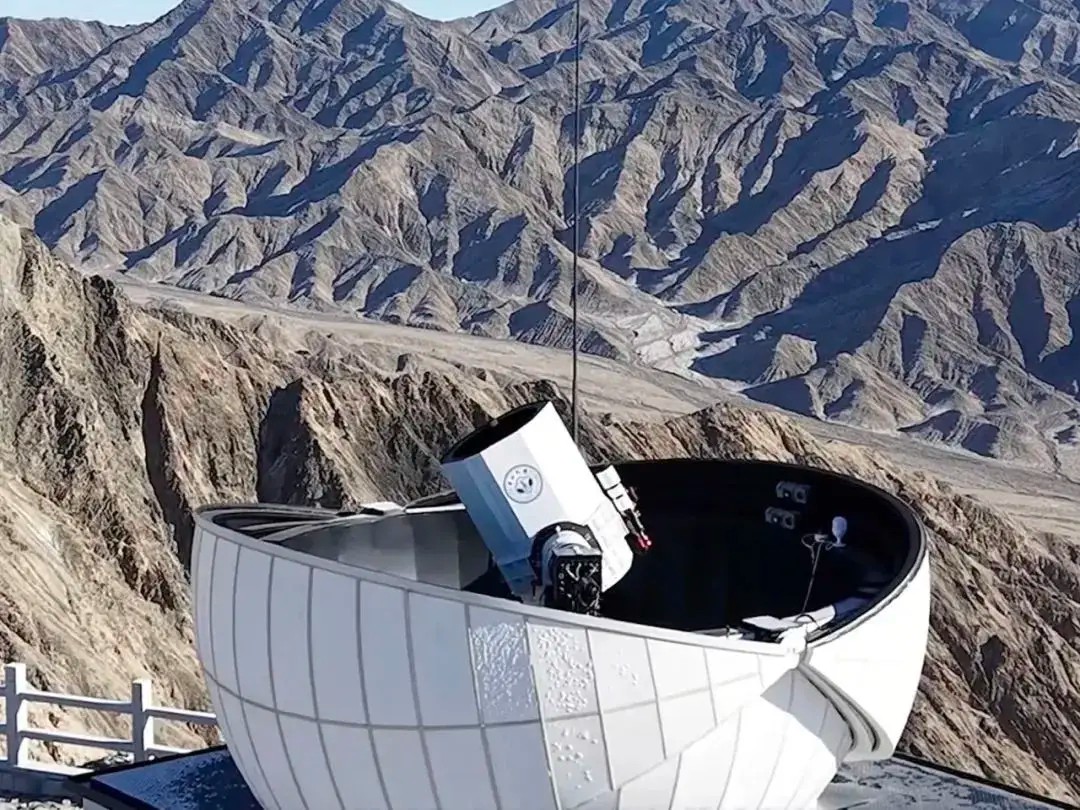
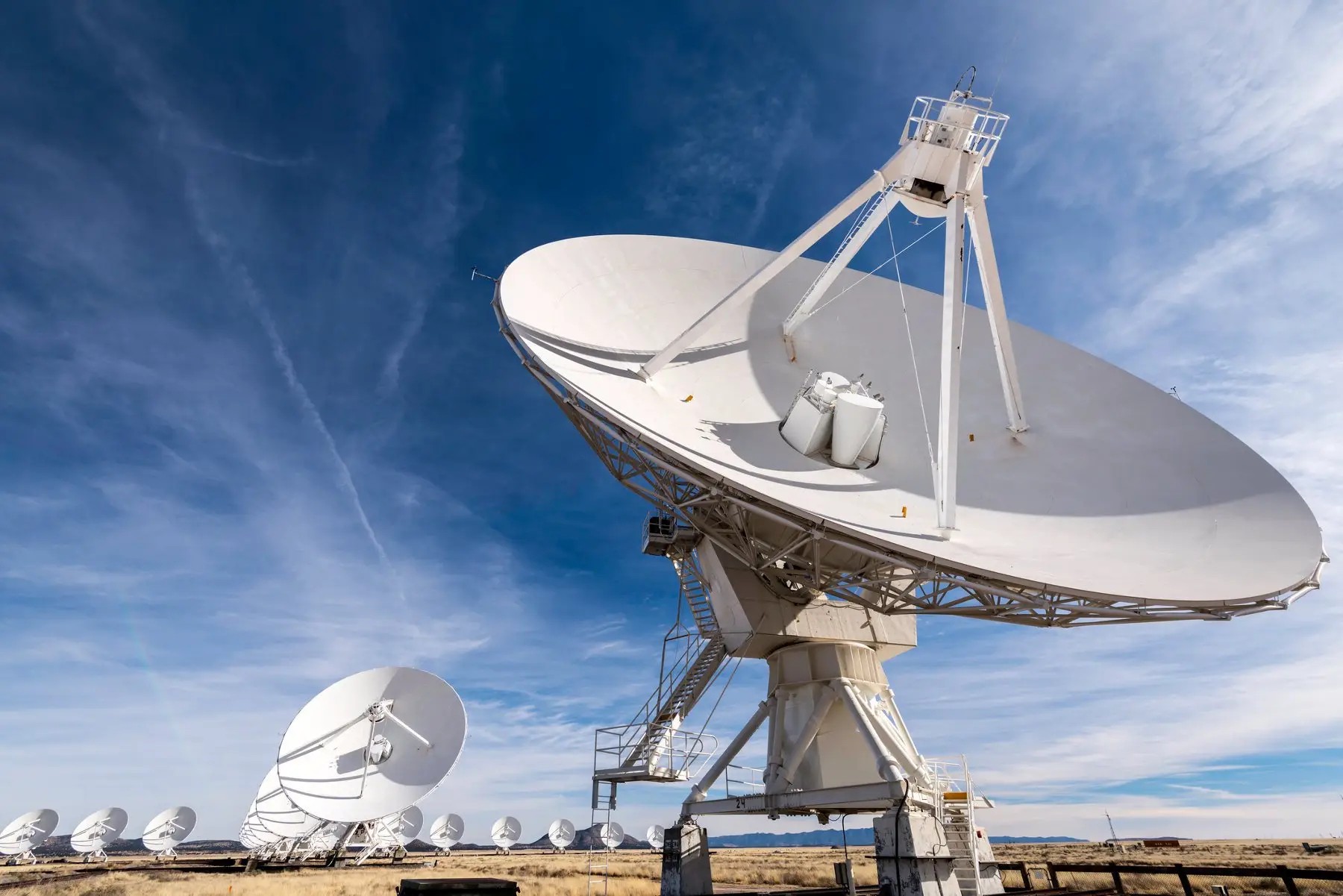
HONPINE DD motor applications in scientific research equipment include precision optical inspection, radar signal equipment, astronomical telescopes, and machine vision inspection.
Applications of DD Motors in Automation Machine
Applications of DD motors in automated production lines include 3C industry automated assembly lines, automotive parts manufacturing, automatic bottle cap indexing tables in the food industry, automated rotary processing units, automated assembly lines, multi-station assembly machines, FMCG automated production lines, and pharmaceutical automated assembly lines.