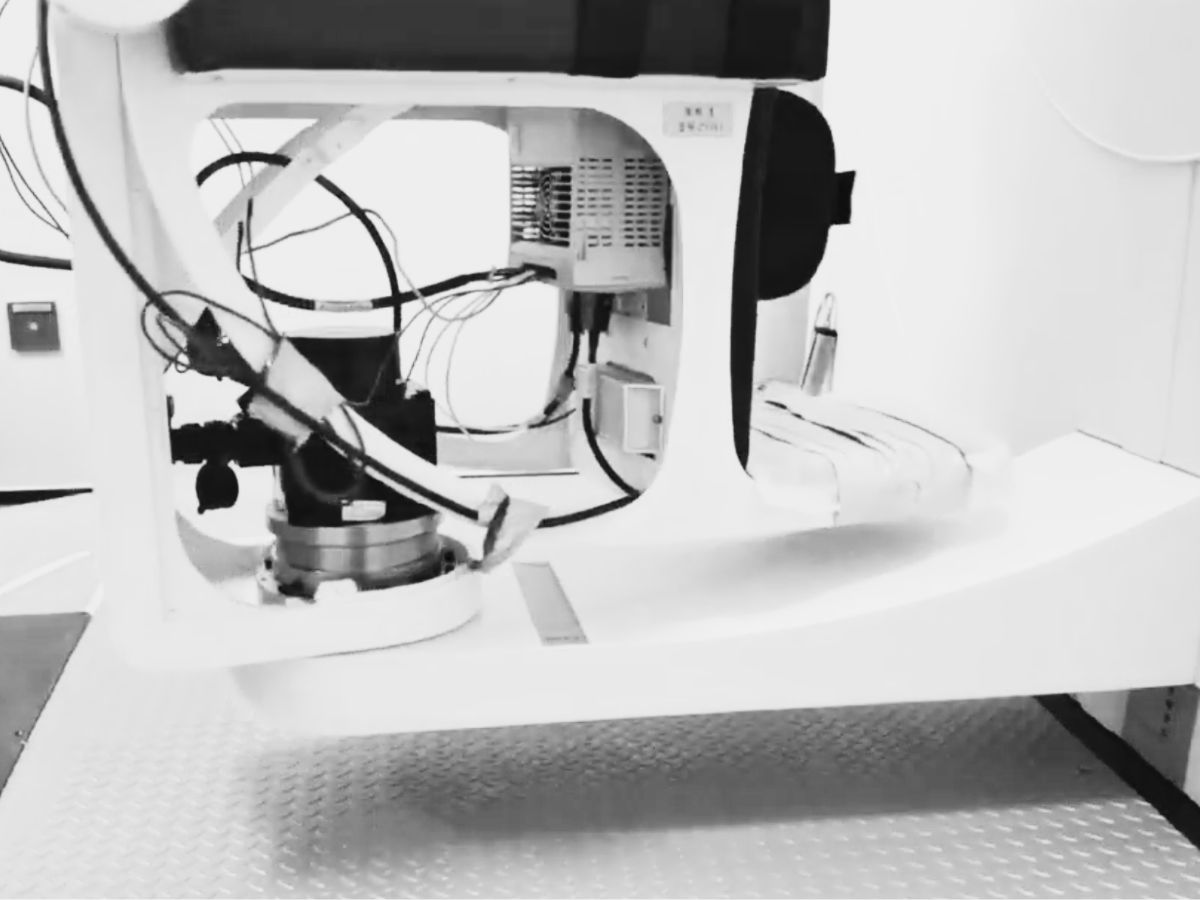









Harmonic Drive Precision Rotary Actuator Unit
The rotary actuator unit is a power unit specifically designed for precision machine tools, industrial automation, and semiconductor applications. It typically integrates an inner-rotor frameless torque motor with components such as a reducer and encoder to form a complete rotary actuator unit. The control unit (driver) usually adopts an external drive configuration to achieve high-precision motion control for connected equipment.
Harmonic Drive Servo Actuator offer flexible voltage compatibility, supporting both high-voltage AC220V and low-voltage DC48V power inputs. They are widely used in fields requiring high precision and compact spatial integration, such as:Precision machine tool rotary tables,High-accuracy medical devices,5-axis laser cutting systems,Semiconductor manufacturing equipment.
Based on technical design differences, rotary actuators are categorized into two main types:
Standard Harmonic Gear Rotary Actuators
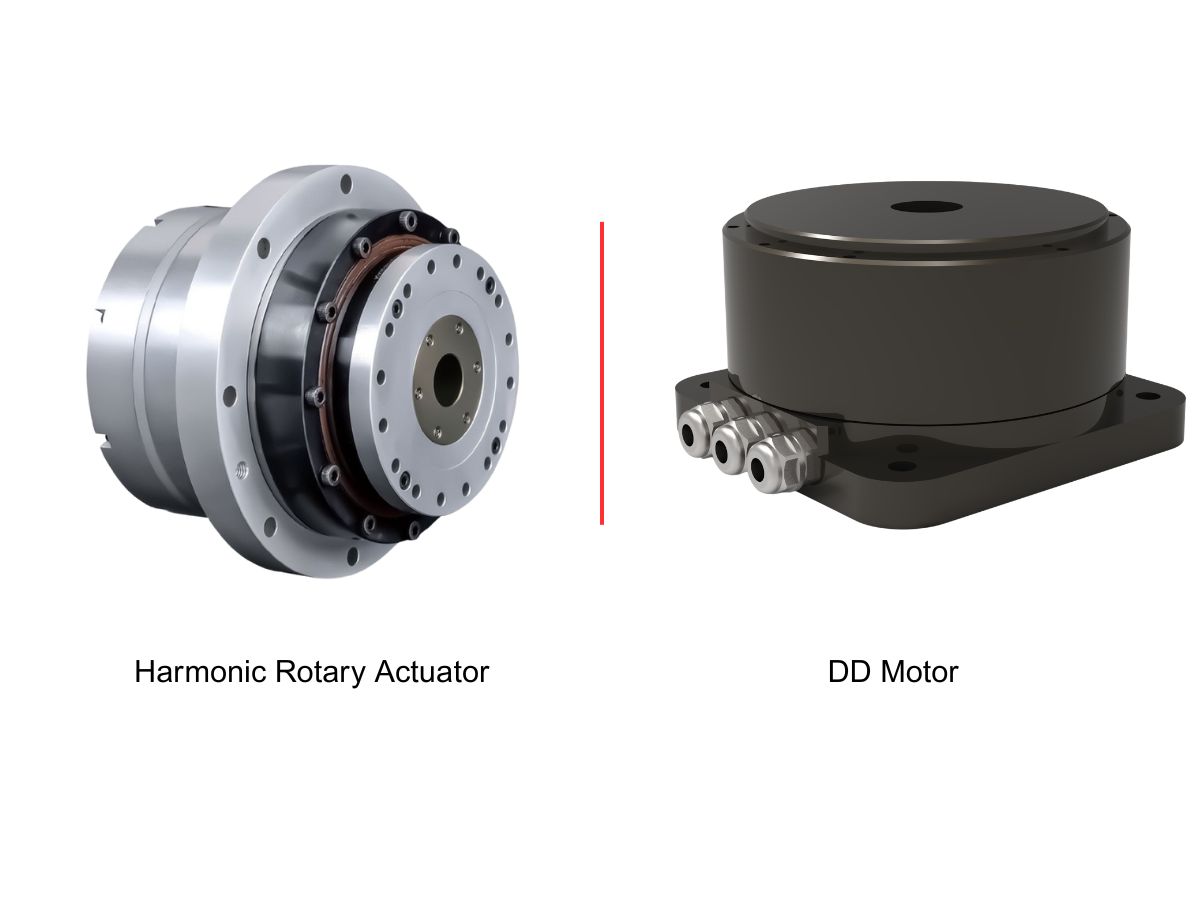
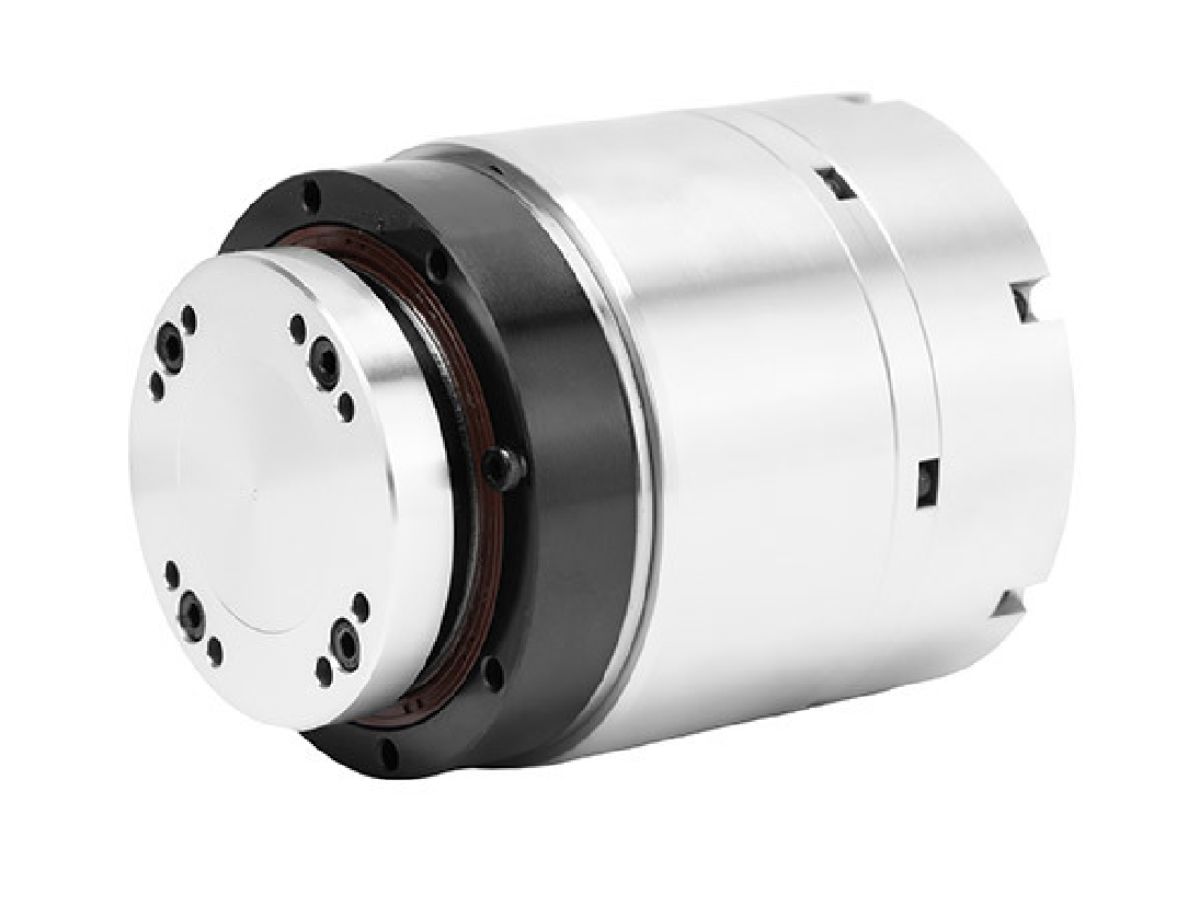
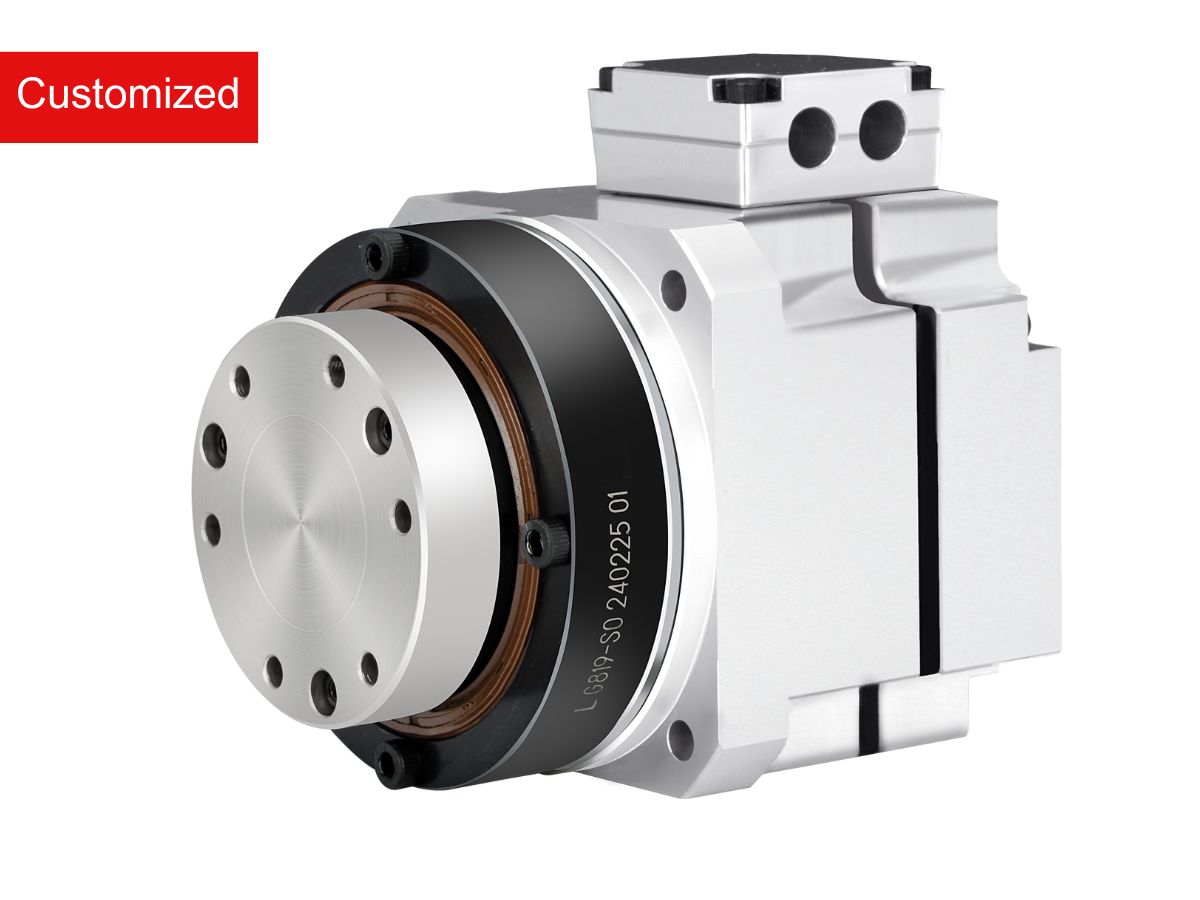
The harmonic rotary actuator integrates a high-precision harmonic reducer, encoder, and frameless torque motor. It is compatible with mainstream external drives, ensuring stable performance and long-term accuracy retention. Based on the characteristics of HONPINE’s high-precision harmonic reducer and motor rigidity, it achieves zero backlash. Optional features include a multi-turn absolute encoder and an integrated electromagnetic brake.The 220V version is widely used in precision CNC machine tools, 3C equipment, precision laser processing, inspection equipment, printing equipment, medical devices, glass polishing equipment, and more. The 48V version is widely used in robotic arms, AGV vehicles, mobile camera gimbals, and similar applications.
 Integrated Flange Harmonic Servo Rotary Actuators for Axial and Radial LoadsThe HATF Harmonic Servo Rotary Actuators support harmonic drives of models 11, 14, 17, 20, 25, 32, 40, 50, and 58, with rated torque from 4 N·m to 1200 N·m. They feature multi-turn absolute encoders with Tamagawa protocol: single-turn 17-bit / multi-turn 16-bit, or single-turn 23-bit / multi-turn 16-bit. Dual-encoder configurations are also available.Based on the HAS solid model, the HATF actuators add an integrated flange, allowing mounting when end-face installation is not possible. This design provides better support for axial and radial loads, while enhancing vibration and impact resistance.Details
 Space Limited Hollow Shaft Harmonic Drive Dual Encoder Rotary ActuatorThe HAT Hollow and Standard Harmonic Servo Rotary Actuators support harmonic drives of models 11, 14, 17, 20, 25, 32, 40, 50, and 58, with rated torque from 4 N·m to 1200 N·m and outer diameters ranging from 62 mm to 220 mm.They feature multi-turn absolute encoders with Tamagawa protocol:Single-turn 17-bit, multi-turn 16-bit, or Single-turn 23-bit, multi-turn 16-bit.Custom dual-encoder configurations are also available. The harmonic actuators can be directly mounted via the end face, making them ideal for lightweight or space-constrained applications.Details
 Integrated Flange Harmonic Drive Servo Rotary ActuatorThe HASF Solid Standard Harmonic Servo Rotary Actuator includes harmonic drives of models 11, 14, 17, 20, and 25, with rated torque from 4 N·m to 133 N·m. It features a multi-turn absolute encoder with Tamagawa protocol: single-turn 23-bit, multi-turn 16-bit.Based on the standard HASF solid model, this version adds an integrated flange, allowing mounting when end-face installation is not possible. The flange provides better support for axial and radial loads and enhances vibration and impact resistance.Details
 Harmonic Drive Frameless Torque Motor Precision Encoder Rotary ActuatorThe HAS Solid Standard Harmonic Rotary Actuator integrates a frameless torque motor, multi-turn absolute encoder, and harmonic drive. It supports five harmonic drive models: 11, 14, 17, 20, and 25, with rated torque from 4 N·m to 133 N·m and outer diameters ranging from 62 mm to 110 mm.
It features a multi-turn absolute encoder with Tamagawa protocol: single-turn 23-bit, multi-turn 16-bit. The actuator can be directly mounted via the end face, making it ideal for lightweight or space-constrained applications.Details High Torque Compact Integrated Harmonic Drive Rotary ActuatorsStandard rotary actuators typically integrate frameless inner rotor torque motors with harmonic drives and absolute encoders to form a complete rotary actuator unit. The control component (drive unit) usually adopts an external configuration to enable high-precision motion control of connected equipment. These actuators are commonly applied in fields requiring high precision and space efficiency, such as:machine tool rotary tables,precision medical equipment,5-axis laser cutting systems,semiconductor manufacturing equipment.Details
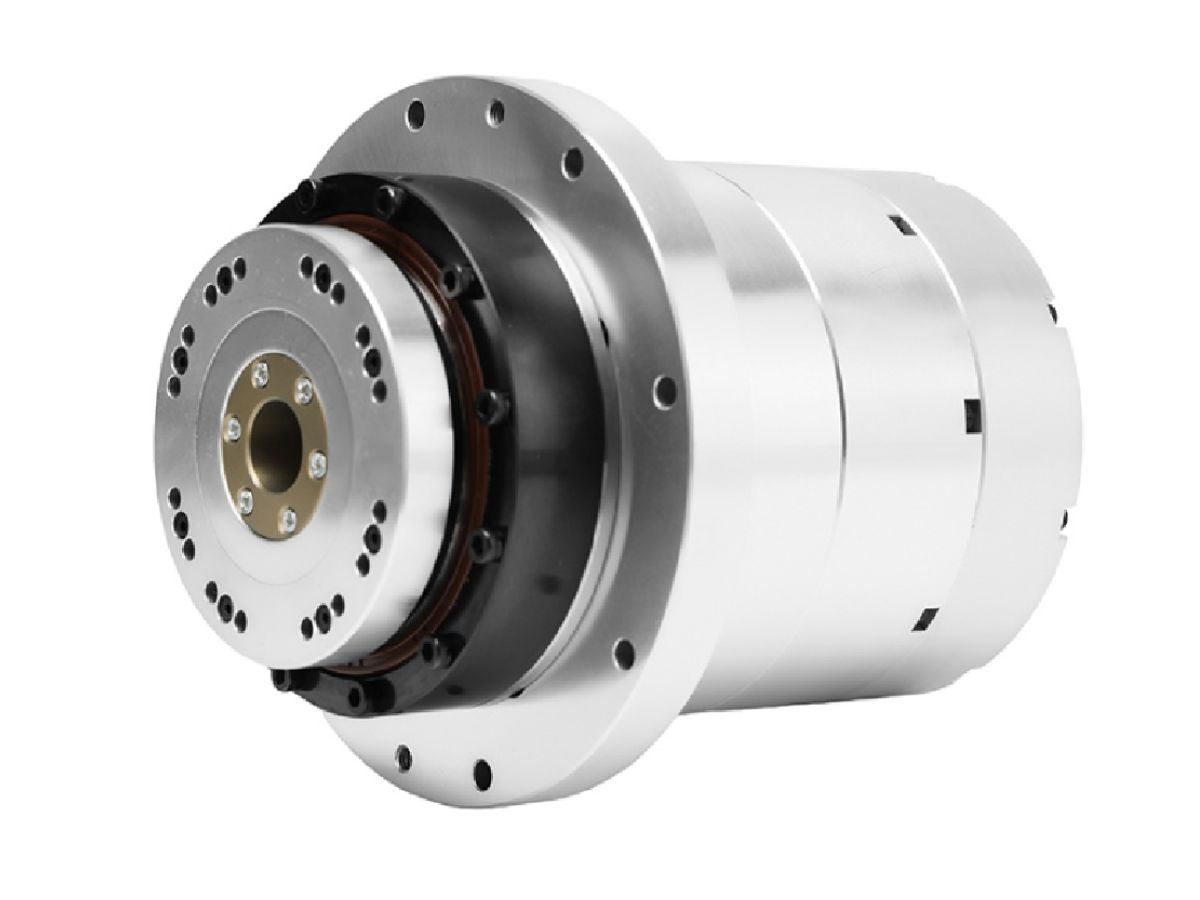
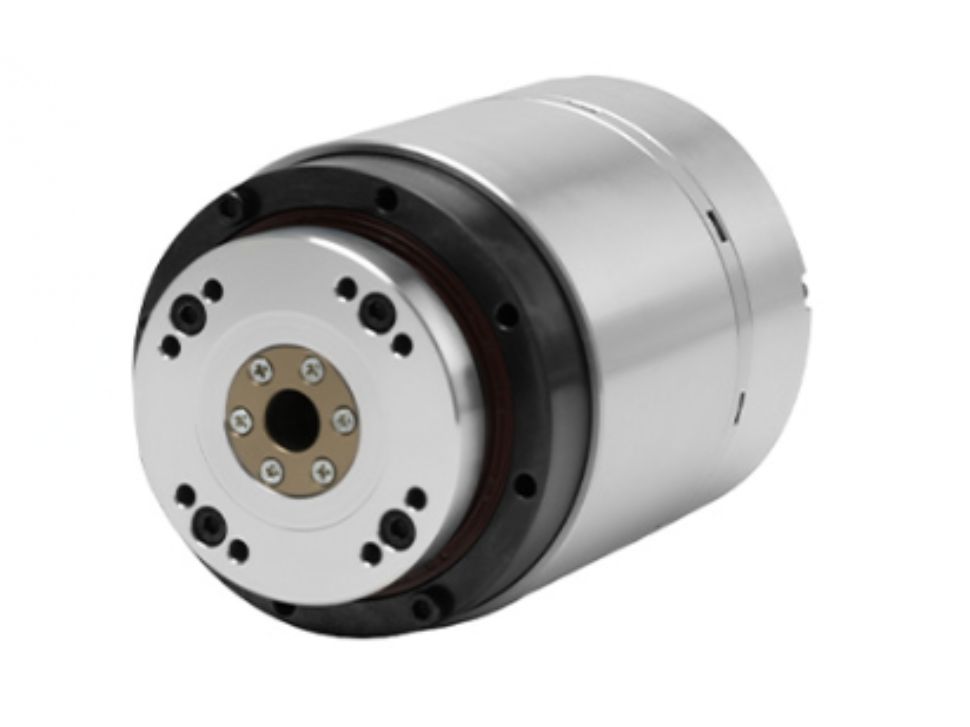
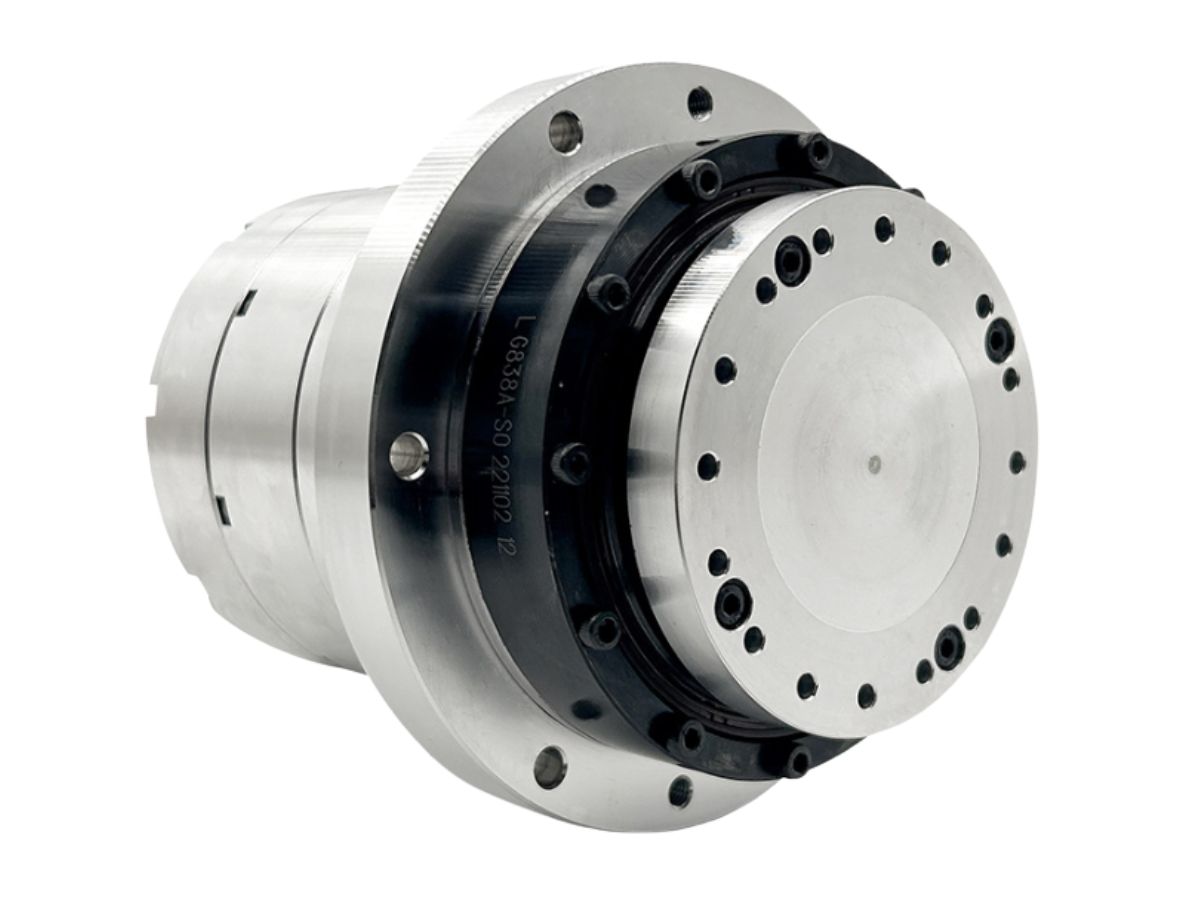
Large Hollow Shaft Harmonic Drive Rotary Actuators
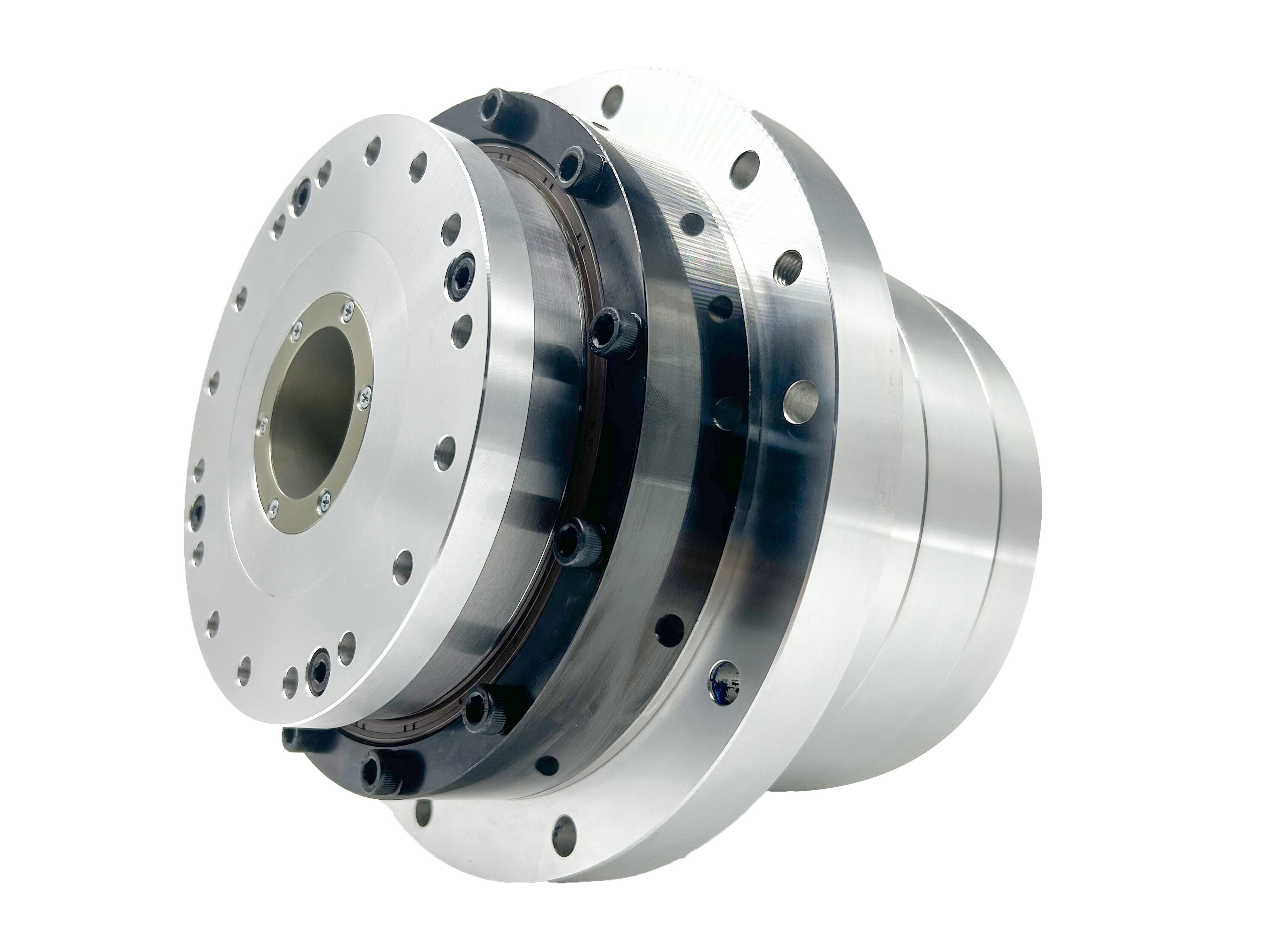
The HONPINE large hollow harmonic drive actuator is an upgraded version of the standard harmonic rotary actuator with an enlarged central bore, allowing more cables, air tubes, and other lines to pass through. Based on a high-torque frameless torque motor, it features extremely low torque ripple, excellent dynamic response, high torque, high precision, and high rigidity. It offers IP65 protection, with customizable IP67 for special applications.
It is commonly used in electronics and semiconductor equipment, precision CNC machine tools, 3C equipment, precision laser processing equipment, LED equipment, inspection systems, medical devices, robotics and specialized robotic arms, printing machinery, digital printing equipment, glass processing equipment, and precision measurement instruments.
High Precision CNC Semiconductor Machinery Rotary Actuators
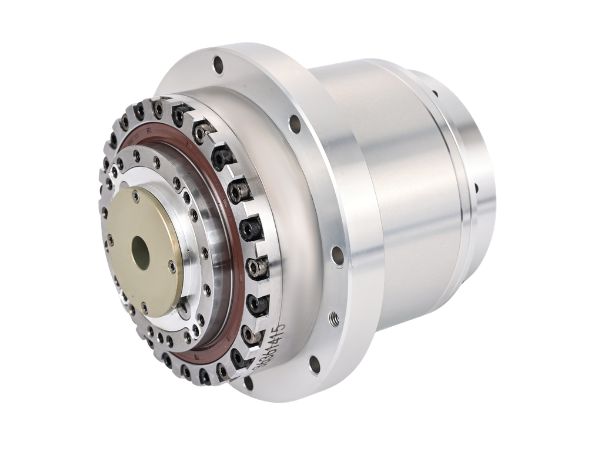
The HONPINE backlash-eliminating planetary reducer rotary actuator is designed to meet machine-tool-grade precision standards. Under standardized high-end testing conditions, its bidirectional positioning accuracy and repeat positioning accuracy outperform conventional planetary gear systems, cycloidal reducers, and even some German backlash-free reducers.
Its positioning accuracy can reach up to 5 arc-seconds, with extremely high torsional rigidity. It features a built-in rotary table bearing, making it suitable for machine tool rotary tables, tilting heads, panel manufacturing equipment, and measurement systems that require high load capacity, high precision, and high rigidity. It is widely used in industrial robots, five-axis machine tools, high-end equipment, and consumer robotics applications.
Servo Driven Rotary Actuators
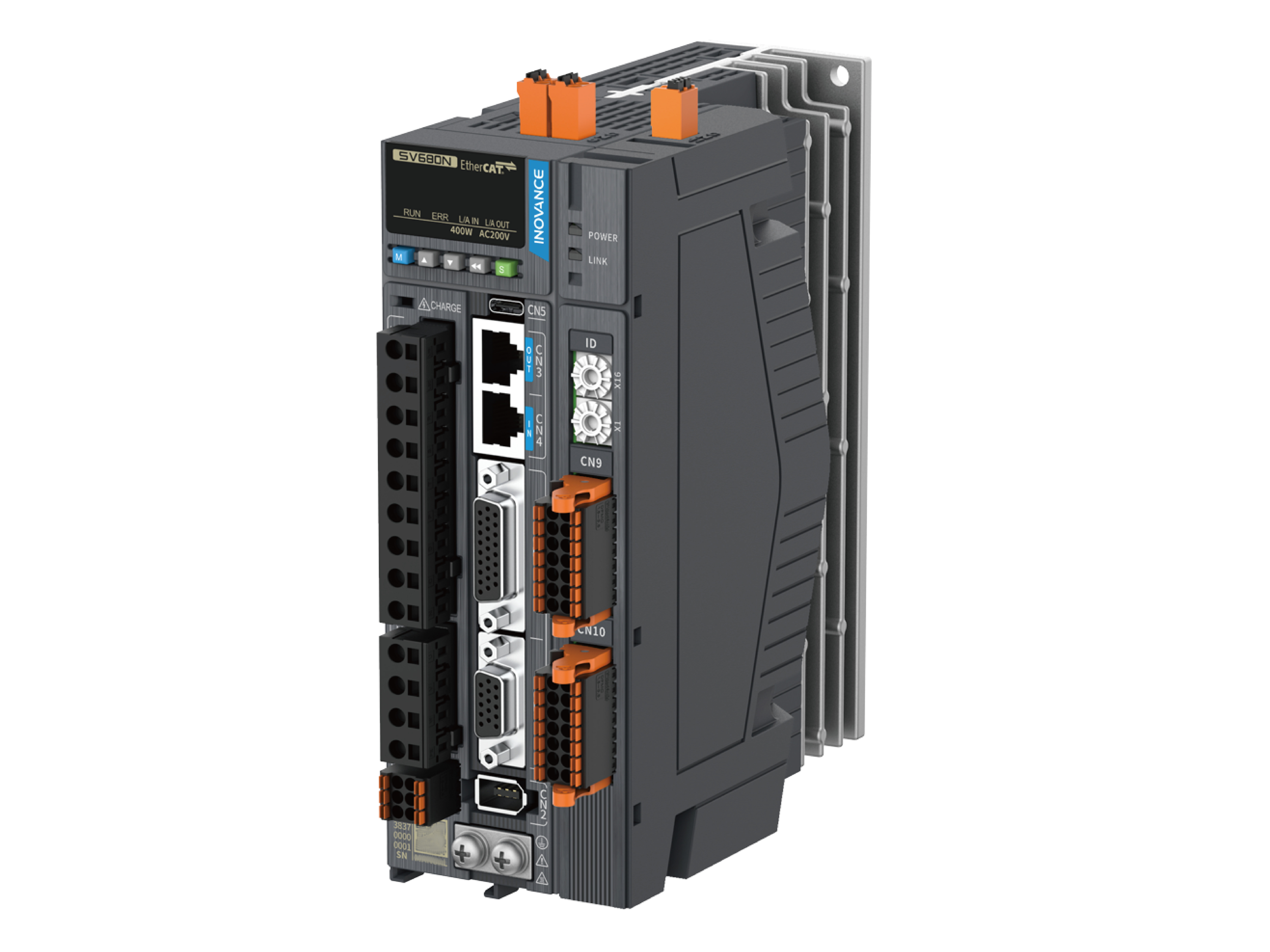
Harmonic Drive Rotary Actuator Principle
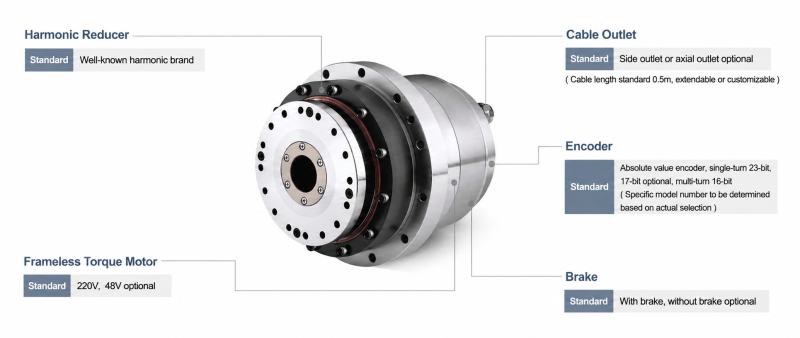
A harmonic rotary actuator is an AC servo rotary actuator that integrates a high-torque precision harmonic reducer, a frameless torque motor, an optional hollow-shaft multi-turn absolute optical encoder, an electromagnetic brake, and a servo drive into one compact unit.
Light Weight Harmonic Joint Actuator Solutions
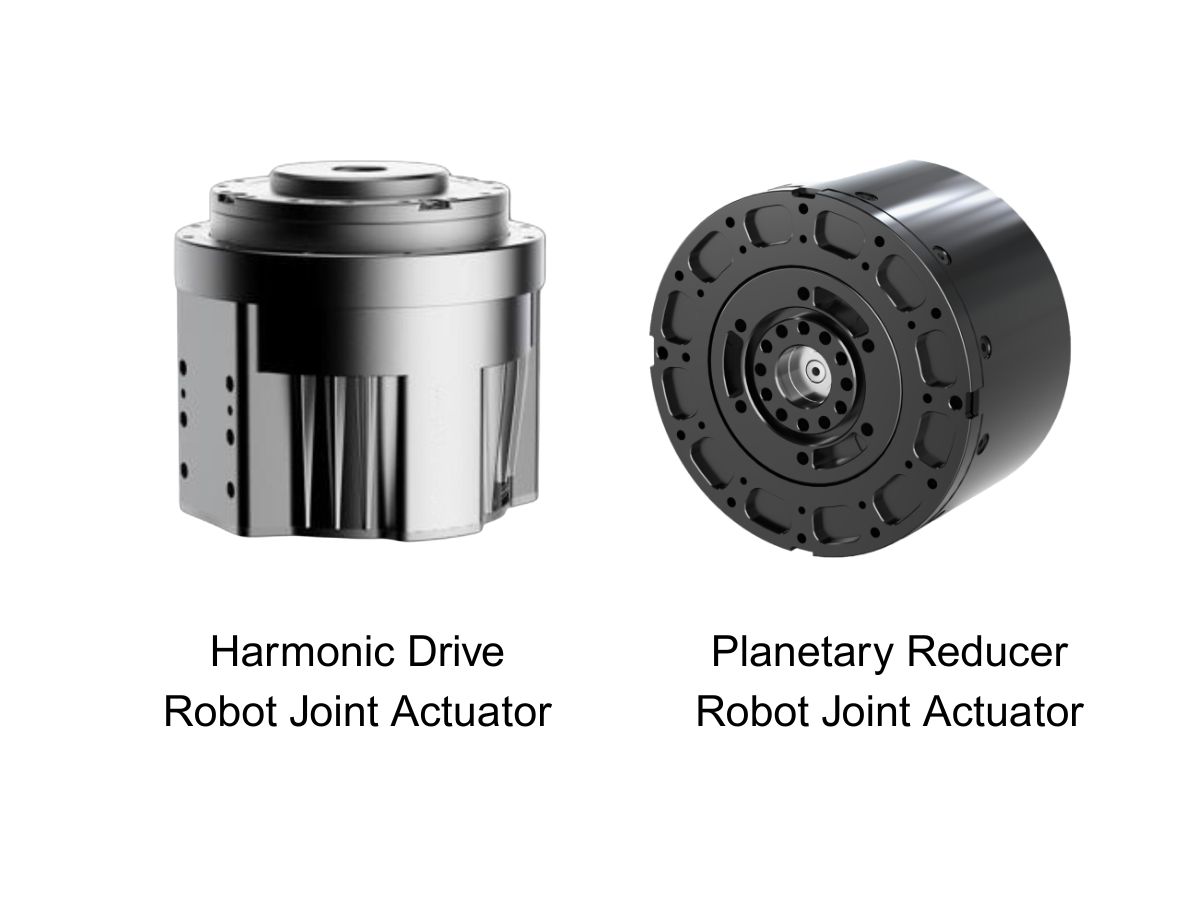
The Honpine light weight harmonic joint actuator is a product developed and designed to address the issue of lightweight and precise transmission equipment. It is commonly used in automation equipment with space and torque requirements, such as industries involving humanoid robots and intelligent robots.
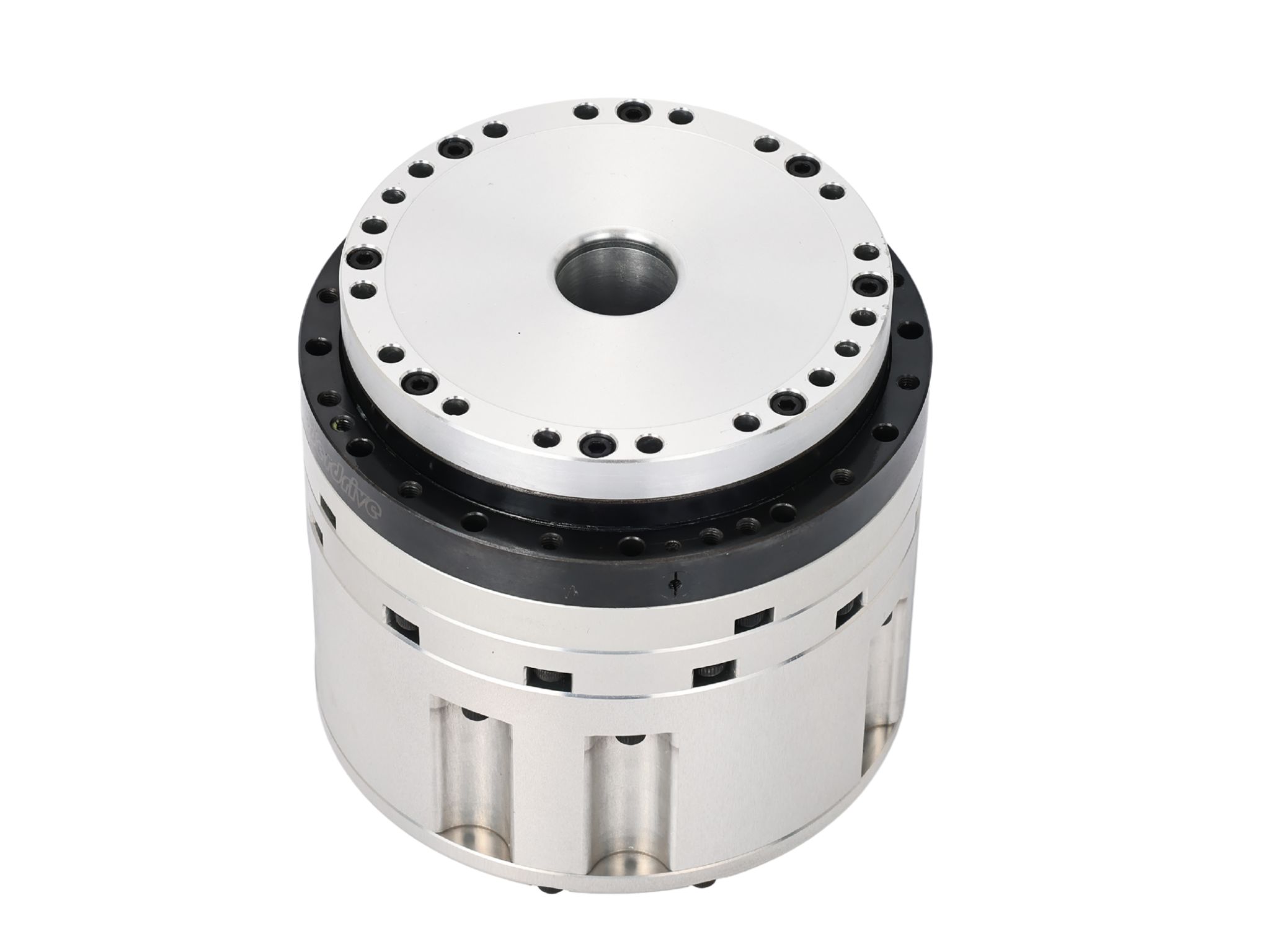
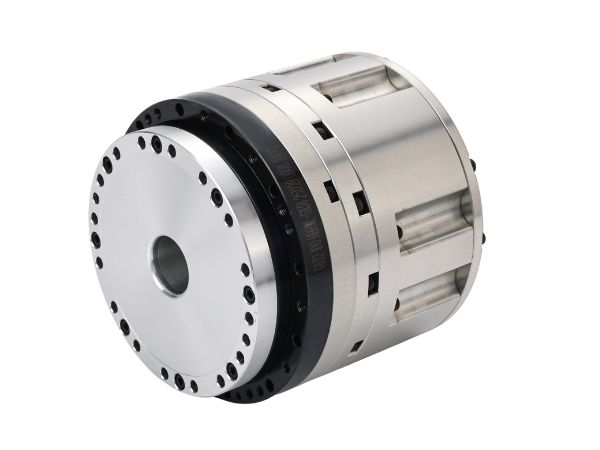
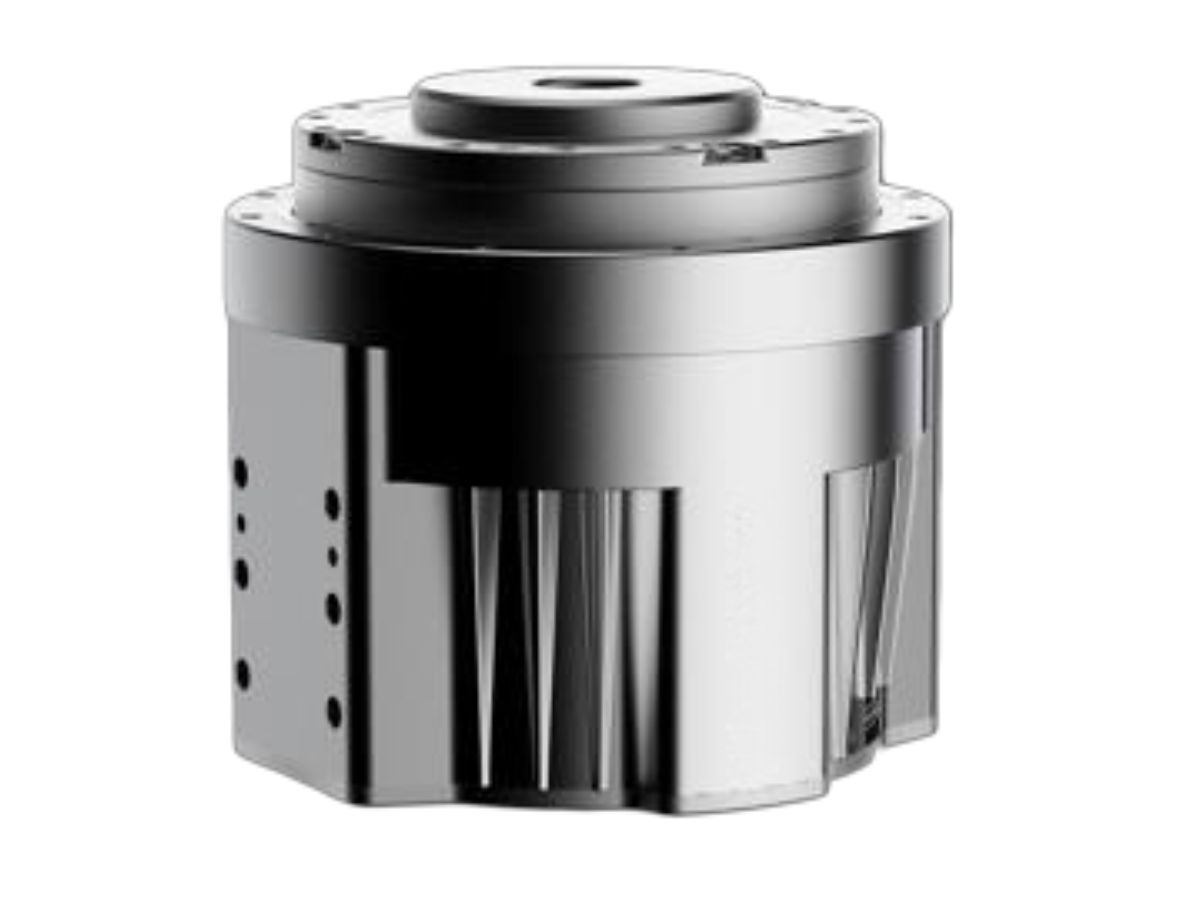

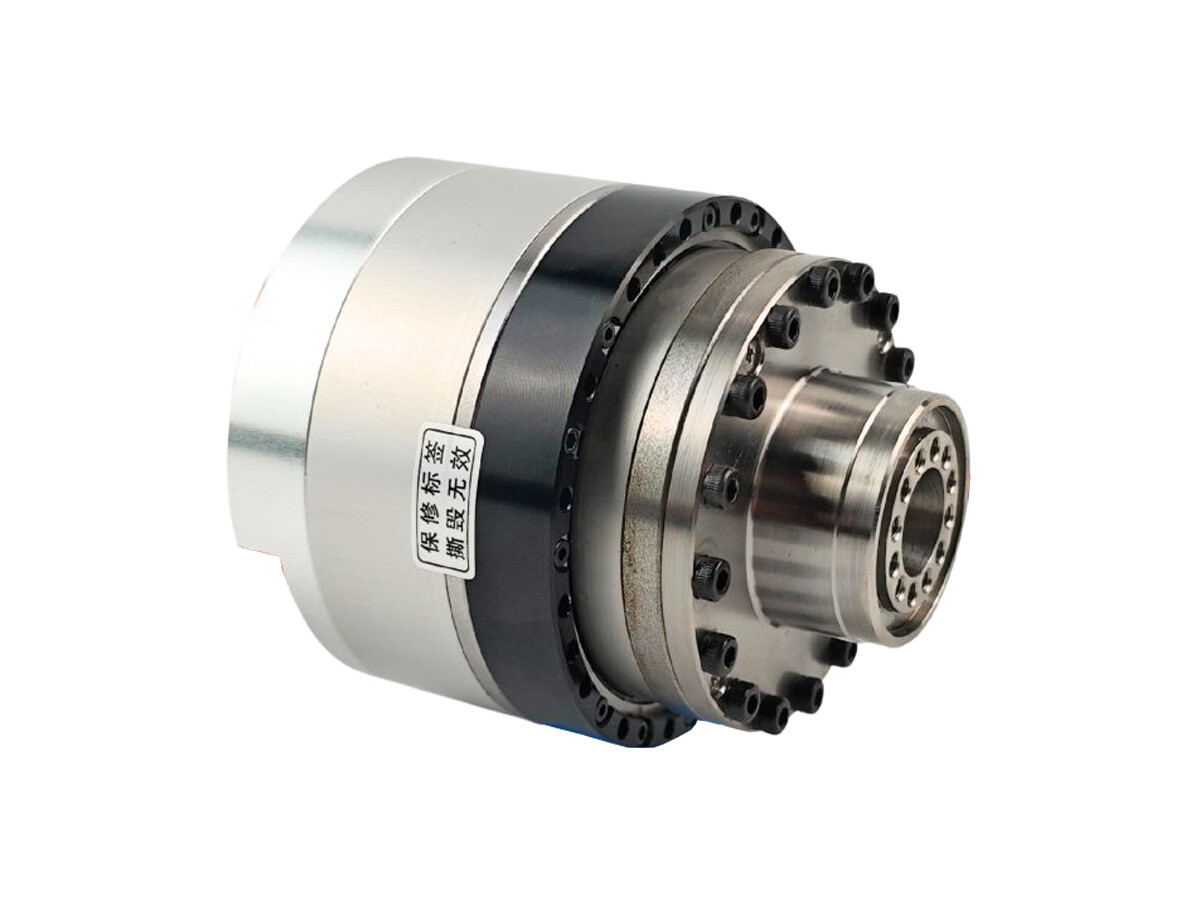
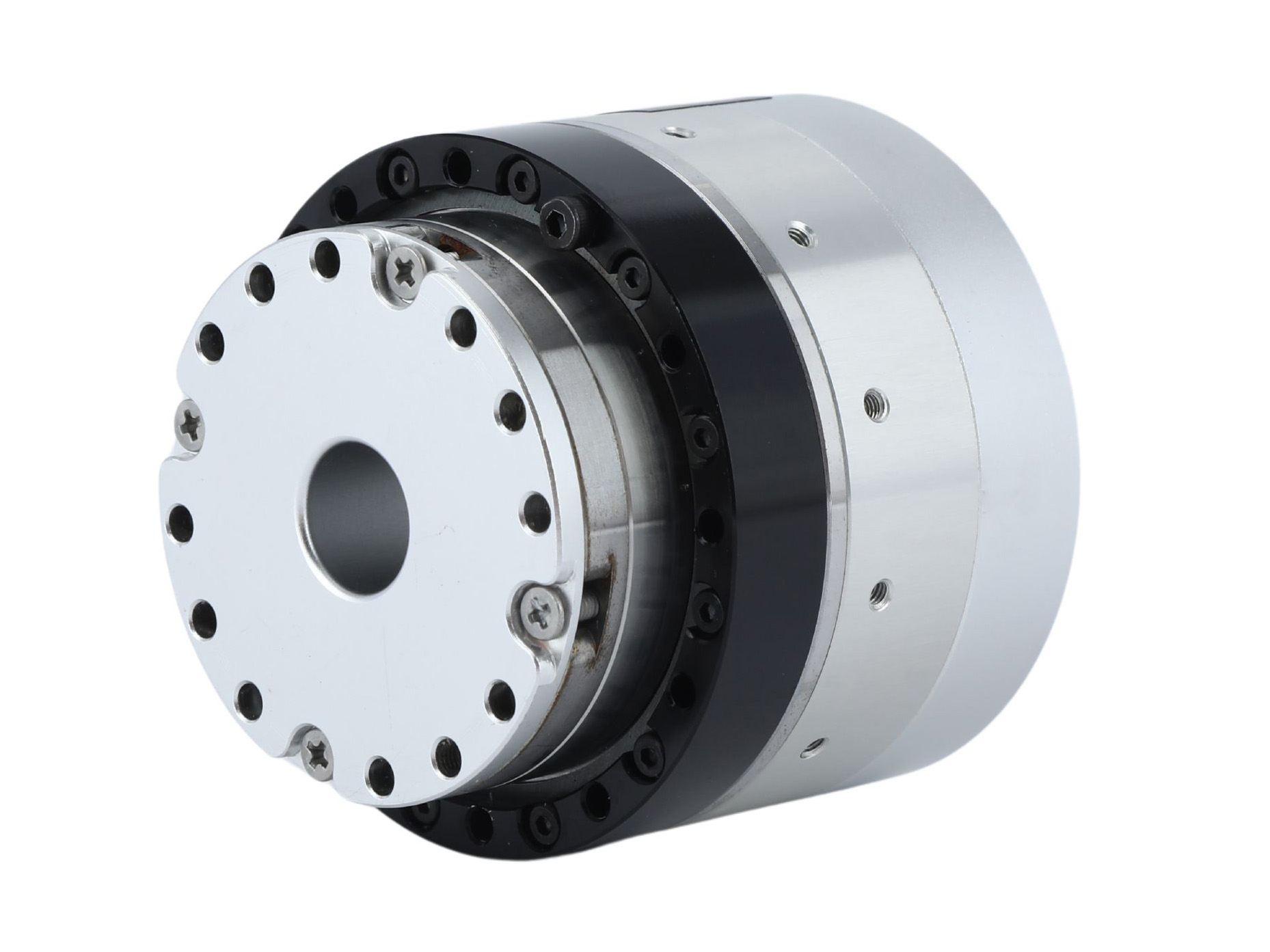
High Precision High Rigidity Harmonic Drive Rotary Actuator
The Harmonic drive rotary actuator mentioned here is mainly designed to meet industrial demands and is commonly used in semiconductor industries, 3C automation, CNC machines, laser processing equipment, and other application scenarios where high precision and space requirements are necessary.
Application of Harmonic Drive Strain Wave Reducer Rotary Actuator
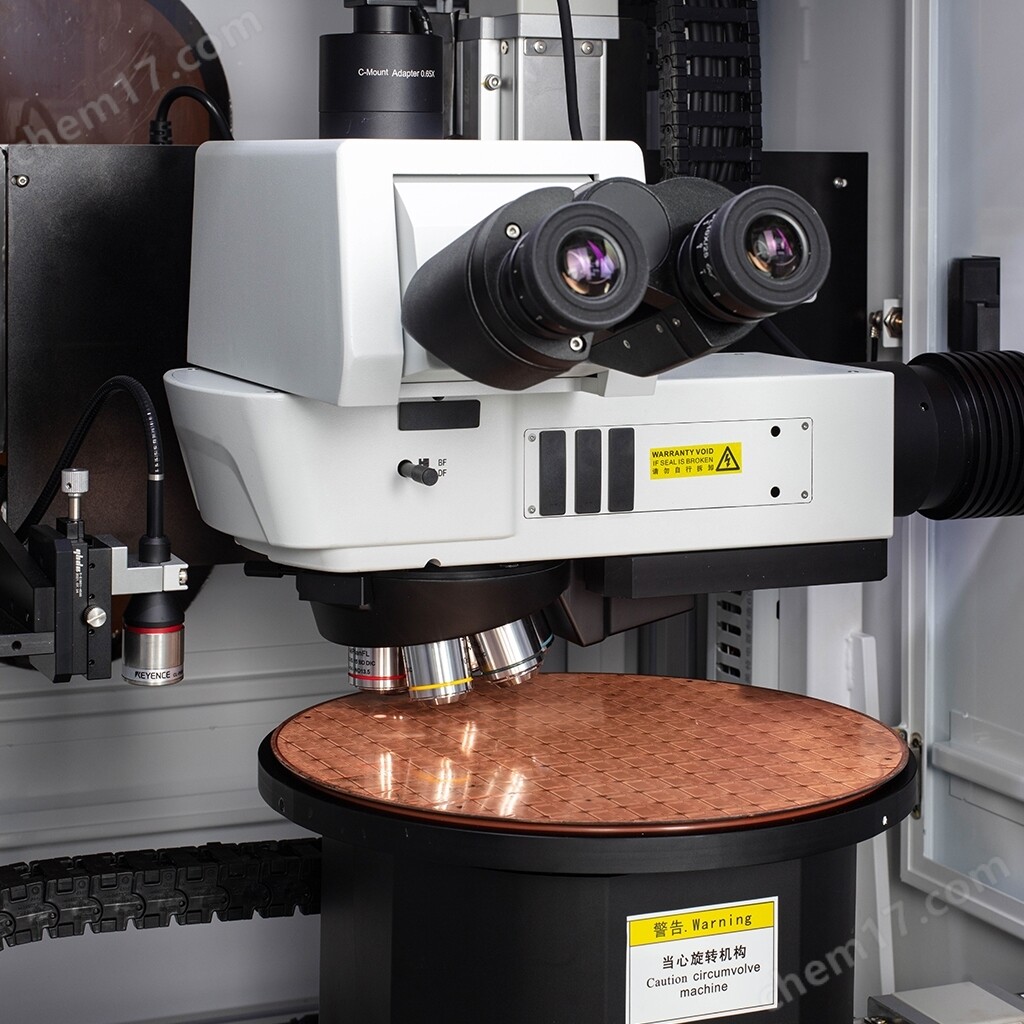
Harmonic Drive Rotary Actuator integrates a high-precision harmonic reducer, encoder, and frameless torque motor. Compatible with mainstream external drives, it ensures stable performance and long-term accuracy. The large hollow shaft simplifies cable routing. Its modular design enables easy, low-cost maintenance, even after the reducer's service life. Rated IP65 (IP67 optional), it is fully sealed, easy to install, and ready to use. The 220V version suits CNC machine tools, 3C equipment, laser processing, and medical devices, while the 48V model fits robotic joints, AGVs, and PTZ cameras.
Harmonic Drive Rotary Actuator integrates a high-precision harmonic reducer, encoder, and frameless torque motor. Compatible with mainstream external drives, it ensures stable performance and long-term accuracy. The large hollow shaft simplifies cable routing. Its modular design enables easy, low-cost maintenance, even after the reducer's service life. Rated IP65 (IP67 optional), it is fully sealed, easy to install, and ready to use. The 220V version suits CNC machine tools, 3C equipment, laser processing, and medical devices, while the 48V model fits robotic joints, AGVs, and PTZ cameras.
‹

›
Harmonic AC Servo Rotary Actuator - FAQ
Compared to the harmonic DC joint motor, the harmonic AC servo rotary actuator has higher repeatability and rigidity, making it an industrial-grade harmonic actuator.
The core principle of a rotary actuator is based on harmonic drive technology, which transmits motion through the engagement of a flexible spline and a rigid spline.
Its structure typically consists of three main components: a wave generator, a flex spline, and a circular spline. The wave generator drives the flex spline to deform elastically, engaging periodically with the circular spline. This converts high-speed, low-torque input into low-speed, high-torque output.
This design reduces mechanical backlash and improves transmission accuracy. In addition, optimized materials and heat treatment processes extend the service life of key components.
A Harmonic Rotary Actuator is a highly integrated precision motion control unit that combines a harmonic drive reducer, frameless torque motor, absolute encoder, and optional electromagnetic brake into a compact assembly.
Unlike conventional servo systems that require separate motors, gearboxes, and couplings, an Integrated Harmonic Actuator provides a complete rotary motion solution with high positioning accuracy, zero backlash, and a significantly simplified mechanical design.
HONPINE offers both standard Harmonic Drive Rotary Actuators and Large Hollow Harmonic Rotary Actuators for demanding industrial automation applications.
In industrial robotics, rotary actuators must meet requirements for high load capacity and high repeat positioning accuracy. For example, in six-axis robotic arms, their compact structure saves installation space, while low-friction design reduces energy consumption and supports long-term continuous operation.
In precision machining equipment, micron-level transmission accuracy helps ensure high surface quality of processed workpieces.
In addition, some models integrate sealed structures to improve dust and water resistance, making them suitable for environments with strict cleanliness requirements such as automotive manufacturing and food processing.
A Large Hollow Harmonic Rotary Actuator features an oversized through-hole that allows cables, pneumatic tubes, fiber optics, laser beams, and other utilities to pass directly through the actuator center.
Compared with traditional solid-shaft rotary actuators, the large hollow structure offers several benefits:
Cleaner and more organized cable routing
Reduced installation space
Improved machine appearance
Less cable bending and wear
Lower risk of signal interference
Easier integration into compact equipment
This design is especially suitable for collaborative robots, semiconductor equipment, laser processing systems, and precision automation.
The energy-saving advantages of rotary actuators mainly come from two aspects:
First, improved transmission efficiency reduces energy loss—for example, by using low-friction coatings or optimized lubrication systems to reduce mechanical friction.
Second, lightweight design reduces overall weight, thereby lowering the load requirements on the driving motor.
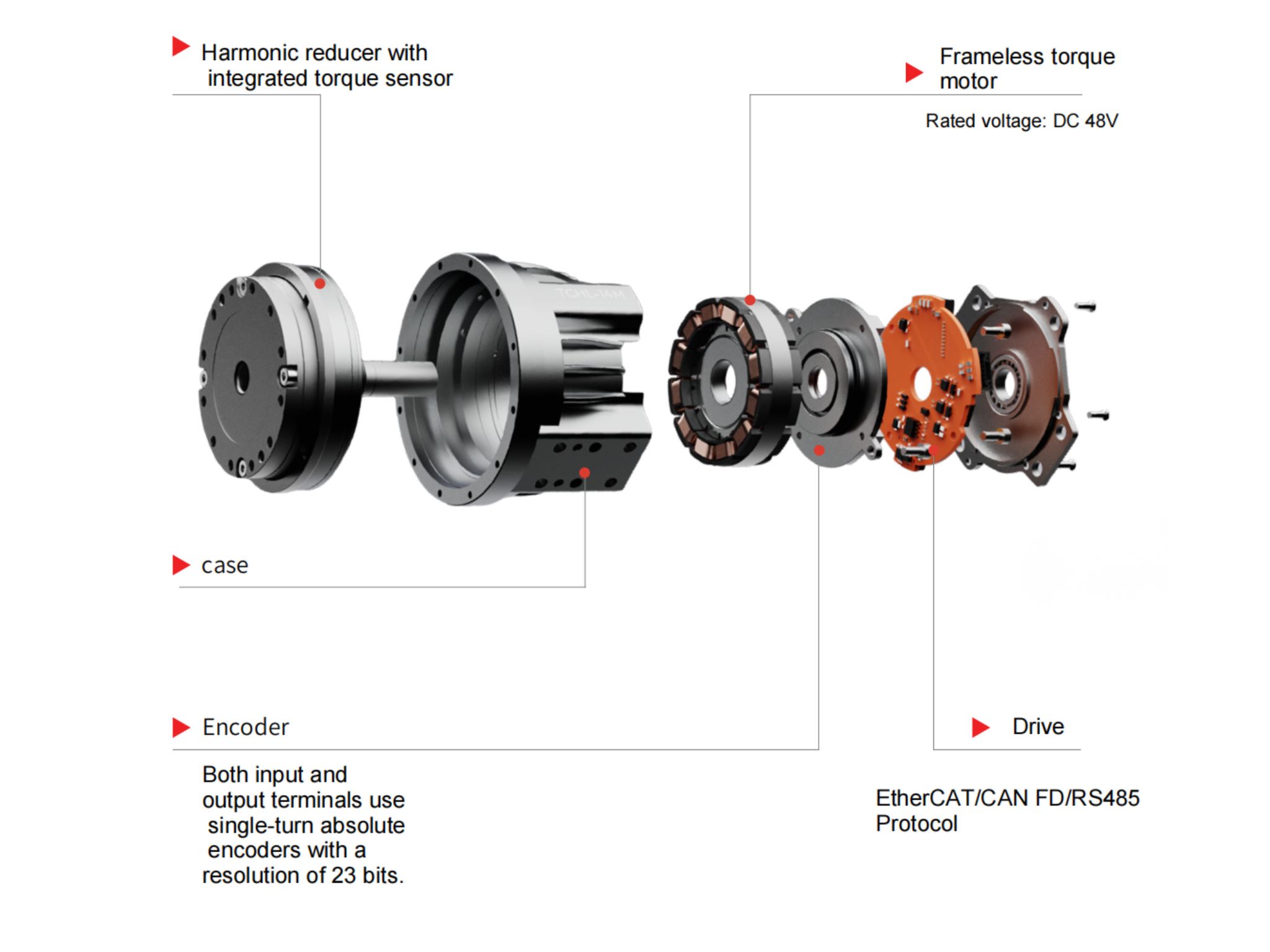
A HONPINE Integrated Harmonic Actuator typically includes:
High-precision harmonic drive reducer
Frameless torque servo motor
Multi-turn absolute encoder
Optional electromagnetic brake
Integrated bearing system
Compact housing and sealing structure
This integrated design minimizes assembly errors while improving overall system rigidity and reliability.
HONPINE Harmonic Gear Actuators provide several key advantages:
Zero backlash transmission
High positioning accuracy
Large hollow shaft design
Compact integrated structure
High torsional rigidity
Maintenance-free operation
IP65 protection as standard (IP67 optional)
Easy installation
Long service life exceeding 15,000 operating hours under rated load
Through proprietary optimization algorithms, HONPINE also significantly improves overall actuator rigidity compared with conventional harmonic drive systems.
Under rated operating conditions, the positioning accuracy of a HONPINE Harmonic Drive Rotary Actuator can be maintained for more than 15,000 hours.
The actuator features a sealed, maintenance-free design that eliminates the need for periodic lubrication replacement, reducing overall maintenance costs throughout its lifetime.
Harmonic rotary actuators offer stable performance with a precision retention life of more than 15,000 hours.
With a direct-drive integrated design and a fully sealed structure, installation is simple and truly plug-and-play.
For applications with limited space, heavy loads, and high precision requirements, harmonic mechatronic actuators provide an ideal solution.
Harmonic servo actuators are widely used in:
Machine tool rotary tables
Laser cutting systems
Electronics and semiconductor equipment
Precision CNC machine tools
3C (computer, communication, consumer electronics) equipment
Precision laser processing equipment
LED manufacturing equipment
Inspection and testing equipment
Medical devices
Robots and special robotic arms
Printing machinery and inkjet equipment
Glass processing equipment
Precision measuring instruments
The actuator combines high overturning rigidity, high torque load capacity, and smooth operation, featuring zero backlash and low noise.
With a service life exceeding 15,000 hours, it is maintenance-free and does not require lubricant replacement.
The hollow shaft design allows easy routing of cables and pneumatic lines. It is compatible with standard servo drives and supports plug-and-play installation.
HONPINE Rotary Joint Actuators are widely used in industries requiring high precision, compact installation, and flexible cable routing, including:
Semiconductor equipment
Wafer handling systems
Precision CNC rotary tables
Laser cutting and laser marking machines
Electronic assembly equipment
Medical devices
Surgical robots
Collaborative robots (Cobots)
Industrial robot joints
Inspection and metrology equipment
Printing machinery
Glass processing equipment
Automation production lines
Operating life: 15,000 hours
Operating temperature: −20 °C to +75 °C
The harmonic rotary actuator is equipped with a 23-bit encoder compliant with the Tamagawa protocol.
The motor is designed to work with a 48 V servo drive. Customers may use their own Tamagawa-compatible encoders, or HONPINE can provide an external drive for added convenience.
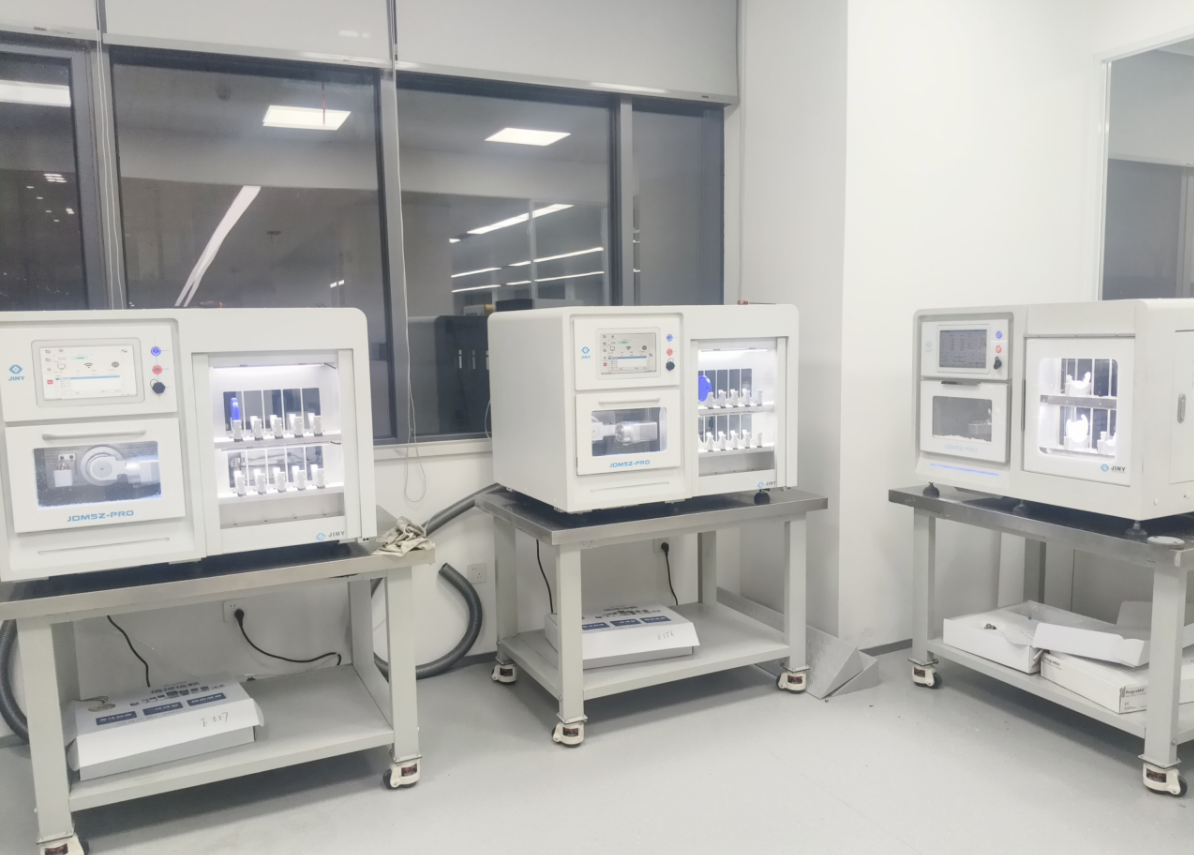
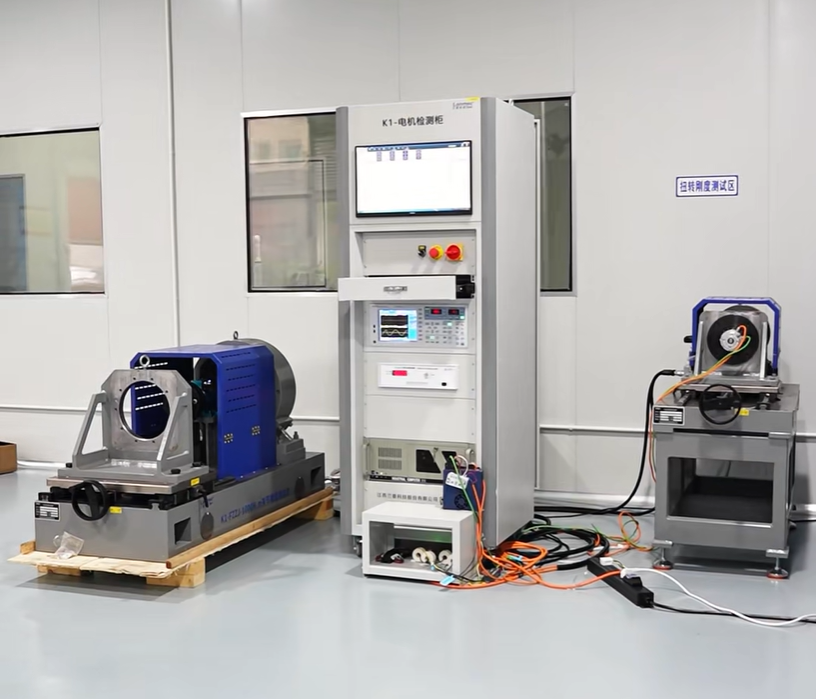
HONPINE operates two comprehensive test benches rated at 0–100 N·m and 100–1000 N·m, covering the full size range from 11 to 58.
High-precision power analyzers accurately measure current, torque, efficiency, and other parameters, automatically generating performance curves and torque-speed (T-n) curves.
This ensures all specifications are verified by actual output performance, not theoretical estimates. Additional equipment is used for accuracy and rigidity testing.
To address common industry challenges, HONPINE has introduced the upgraded HAT-G series rotary actuator.
While conventional models may deform and rebound under load, the HAT-G series uses advanced proprietary control algorithms to achieve over three times higher rigidity. Under identical loading conditions, dial indicator deflection is almost negligible.
An optional high-precision encoder is available, enabling positioning accuracy of ≤5 arc-seconds.
HONPINE uses high-precision power analyzers to accurately measure current, torque, efficiency, and other key parameters, automatically generating data curves and torque-speed (T-n) curves.
All performance data is validated through real output testing, supported by additional accuracy and rigidity measurement equipment, ensuring reliable and truthful specifications.
HONPINE Servo Rotary Actuators support mainstream industrial communication protocols, including:
EtherCAT
CANopen
Standard encoder options include:
Multi-turn absolute encoder
Tamagawa 23-bit protocol
Nikon 24-bit protocol
These encoder options provide high-resolution position and speed feedback for precise motion control.
HONPINE Harmonic Rotary Actuators feature a flange-mounted integrated design for quick installation.
For optimal performance:
Ensure proper shaft alignment
Follow recommended mounting torque specifications
Route cables through the hollow shaft whenever possible
Use compatible servo drives based on motor specifications
The integrated design significantly reduces installation time compared with conventional motor-gearbox assemblies.
No.
HONPINE Integrated Harmonic Actuators are designed for maintenance-free operation.
Under normal operating conditions, users do not need to:
Replace grease
Perform periodic internal maintenance
Disassemble the actuator
Routine inspection is recommended to monitor vibration, operating temperature, and abnormal noise for preventive maintenance.
Standard operating conditions include:
Operating temperature: 0–40°C
Storage temperature: –20–60°C
Relative humidity: 20–80% RH (non-condensing)
Vibration resistance: 24.5 m/s² (10–400 Hz)
Protection rating: IP65 standard
Optional protection: IP67
The actuator is intended for indoor industrial environments free from corrosive gases, excessive dust, oil mist, and explosive atmospheres.
Yes.
As a professional Harmonic Actuator Manufacturer, HONPINE offers extensive customization services, including:
Custom flange dimensions
Mounting hole configurations
Hollow shaft sizes
Brake options
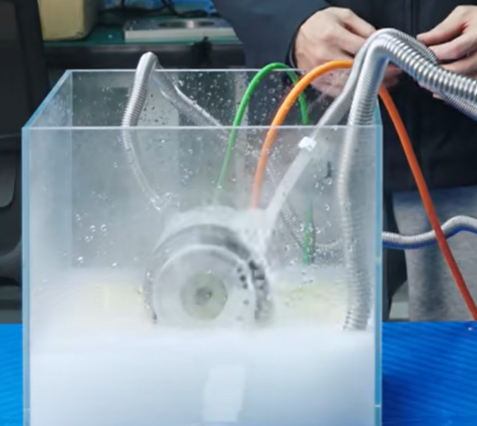
IP67 waterproof protection
Connector types
Cable outlet directions
Mechanical interface modifications
Our engineering team works closely with customers to optimize actuator integration for specific applications.
The actuator and servo drive are installed separately.
Servo drives should be selected according to the actuator's motor specifications, including:
Rated voltage
Rated current
Torque constant
Encoder type
Communication protocol
HONPINE provides professional drive selection support to ensure optimal system performance.
HONPINE provides comprehensive technical resources for every Harmonic Rotary Actuator, including:
Product catalogs
Selection guides
Dimensional drawings
3D CAD models
Electrical documentation
Performance data
Technical consultation before and after purchase
Please contact the HONPINE sales team to request the complete documentation package.
HONPINE uses high-precision power analyzers to accurately measure current, torque, efficiency, and other key parameters, automatically generating data curves and torque-speed (T-n) curves.
All performance data is validated through real output testing, supported by additional accuracy and rigidity measurement equipment, ensuring reliable and truthful specifications.
HONPINE operates two comprehensive test benches rated at 0–100 N·m and 100–1000 N·m, covering the full size range from 11 to 58.
High-precision power analyzers accurately measure current, torque, efficiency, and other parameters, automatically generating performance curves and torque-speed (T-n) curves.
This ensures all specifications are verified by actual output performance, not theoretical estimates. Additional equipment is used for accuracy and rigidity testing.
Simply put, the precision of a reducer refers to the deviation between the actual output position and the theoretical position after the motor’s rotation is transmitted through the gearbox.
For example, if the motor inputs 180°, and the reduction ratio is 10:1, the theoretical output should be 18°. However, in reality, the gearbox rarely stops exactly at 18°. If it stops at 18.02°, then the 0.02° difference is the positioning error. Converting this into a smaller unit, 0.02° equals 1.2 arcminutes. This is what we refer to as gearbox positioning accuracy error.
The harmonic rotary actuator is equipped with a 23-bit encoder compliant with the Tamagawa protocol.
The motor is designed to work with a 48 V servo drive. Customers may use their own Tamagawa-compatible encoders, or HONPINE can provide an external drive for added convenience.
This is because any mechanical transmission involves clearances, friction, and elastic deformation between components. These are the main “culprits” that cause positioning errors.
It is worth noting that many gearboxes on the market claiming “zero backlash” are often misleading. “Zero backlash” does not mean “zero positioning error.” Backlash is only one factor affecting accuracy. Even if gear-to-gear backlash is eliminated, components such as bearings and couplings still have clearances, and achieving true zero backlash between gears is extremely difficult.
Therefore, when purchasing a gearbox, it is important to confirm its actual positioning accuracy.
The performance parameters of HONPINE harmonic rotary actuators are based on real test data, whereas many reducers and actuators on the market publish specifications that often differ from actual performance.
Torsional rigidity refers to the amount of deformation at the output shaft under a unit load, reflecting the actuator’s resistance to deformation.
Under balanced loading conditions, torsional rigidity has little effect on positioning accuracy. However, under eccentric or unbalanced loads, it has a significant impact.
For example, consider a 170 mm rotary table used in a machine tool, vertically mounted. If a 20 kg eccentric load is applied with a 100 mm offset from the rotation center, then when positioning at 90°, this load generates a torque on the output shaft of:
20 × 9.8 × 0.1 ≈ 20 N·m
In machine tool rotary tables and tilting heads, higher torsional rigidity allows for machining harder materials and larger cutting volumes, significantly improving the performance and efficiency of multi-axis machine tools. This is critical for machine tool applications.
Ranking of torsional rigidity (from low to high)
Harmonic < RV < SPINEA cycloidal = roller cam < Sumitomo cycloidal < PSC b
Key Parameters of Harmonic Rotary Actuators
A harmonic rotary actuator typically integrates a permanent magnet brushless motor (BLDC/PMSM), harmonic drive reducer, sensors, bearings, and other key components into a compact unit. Its performance is primarily evaluated based on output capability, positioning accuracy, dynamic response, thermal management, and reliability.
1. Output Performance
Torque
Torque includes both rated torque (the continuous output torque under normal operating conditions) and peak torque (the maximum instantaneous torque available during short-term overload, acceleration, or startup). Harmonic drive actuators offer high torque density and are commonly used in medium- and small-payload applications, such as robotic arms with payloads below 20 kg.
Speed
Speed specifications include rated speed (the maximum continuous operating speed) and maximum allowable speed. The selected speed and torque should match the load inertia and dynamic performance requirements. In general, an inertia ratio of 5:1 to 10:1 is recommended for optimal control performance.
2. Accuracy and Precision
Positioning Accuracy and Repeatability
Positioning accuracy refers to the deviation between the commanded position and the actual position, often reaching arc-second-level precision. Repeatability measures the actuator's ability to return to the same position consistently. Thanks to the near-zero backlash characteristics of harmonic drives, repeatability is exceptionally high.
Backlash
Because harmonic drives transmit motion through the elastic deformation of the flexspline, they achieve near-zero backlash. This is essential for high-precision positioning and smooth trajectory control.
Torsional Stiffness
Torsional stiffness measures the actuator's resistance to angular deformation under applied torque (N·m/rad). Higher torsional stiffness minimizes angular displacement under load, ensuring greater positioning accuracy and stability during dynamic motion.
3. Dynamic Performance
Control Bandwidth
Control bandwidth indicates how quickly the actuator can respond to high-frequency control commands. A higher bandwidth enables faster dynamic response and is particularly important for applications such as humanoid robot joints that require rapid and precise motion.
Response Speed and Acceleration
The actuator's response speed and acceleration depend on the motor characteristics, gear reduction ratio, and system inertia. These parameters determine how accurately and quickly the actuator follows motion commands.
4. Size and Integration
Dimensions, Weight, and Power Density
Harmonic rotary actuators feature a compact structure, lightweight design, and high power density. Their highly integrated architecture combines the motor, harmonic reducer, and sensors into a single unit, making them ideal for space-constrained applications such as robotic forearms and wrists.
Mechanical Interfaces
Important mechanical specifications include mounting dimensions, hollow shaft diameter, center bore size, and output flange configuration. These interfaces must be compatible with the robot structure and payload mounting requirements.
5. Thermal Management and Service Life
Temperature Rise
Temperature rise during continuous operation or frequent acceleration and deceleration directly affects actuator performance, reliability, and service life. Effective thermal management and heat dissipation are therefore critical.
Service Life
The service life of a harmonic rotary actuator is influenced by factors such as flexspline fatigue, lubrication quality, and operating conditions. Lifetime is typically specified in operating hours and should meet the expected duty cycle of the target application.
6. Environmental Protection and Reliability
Protection Rating (IP Rating)
Ingress Protection (IP) ratings, such as IP67, indicate the actuator's resistance to dust and water. Higher protection levels improve reliability in demanding industrial environments.
Vibration and Noise (NVH)
Low vibration and low noise characteristics are essential for precision motion systems. Superior NVH performance contributes to smoother operation, higher positioning accuracy, and improved user experience.
Selection Considerations
When selecting a harmonic rotary actuator, engineers should evaluate these parameters according to the specific application, whether for industrial robots, humanoid robots, collaborative robots, or precision rotary tables. Factors such as payload, motion profile, operating environment, and control requirements should all be considered to achieve the optimal balance of performance, reliability, and cost.
How to ensure the performance parameters of a HONPINE Harmonic rotary actuator?
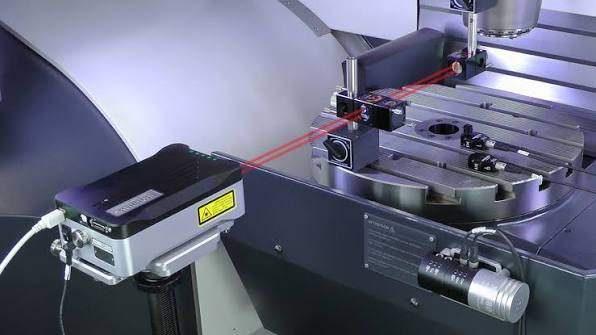
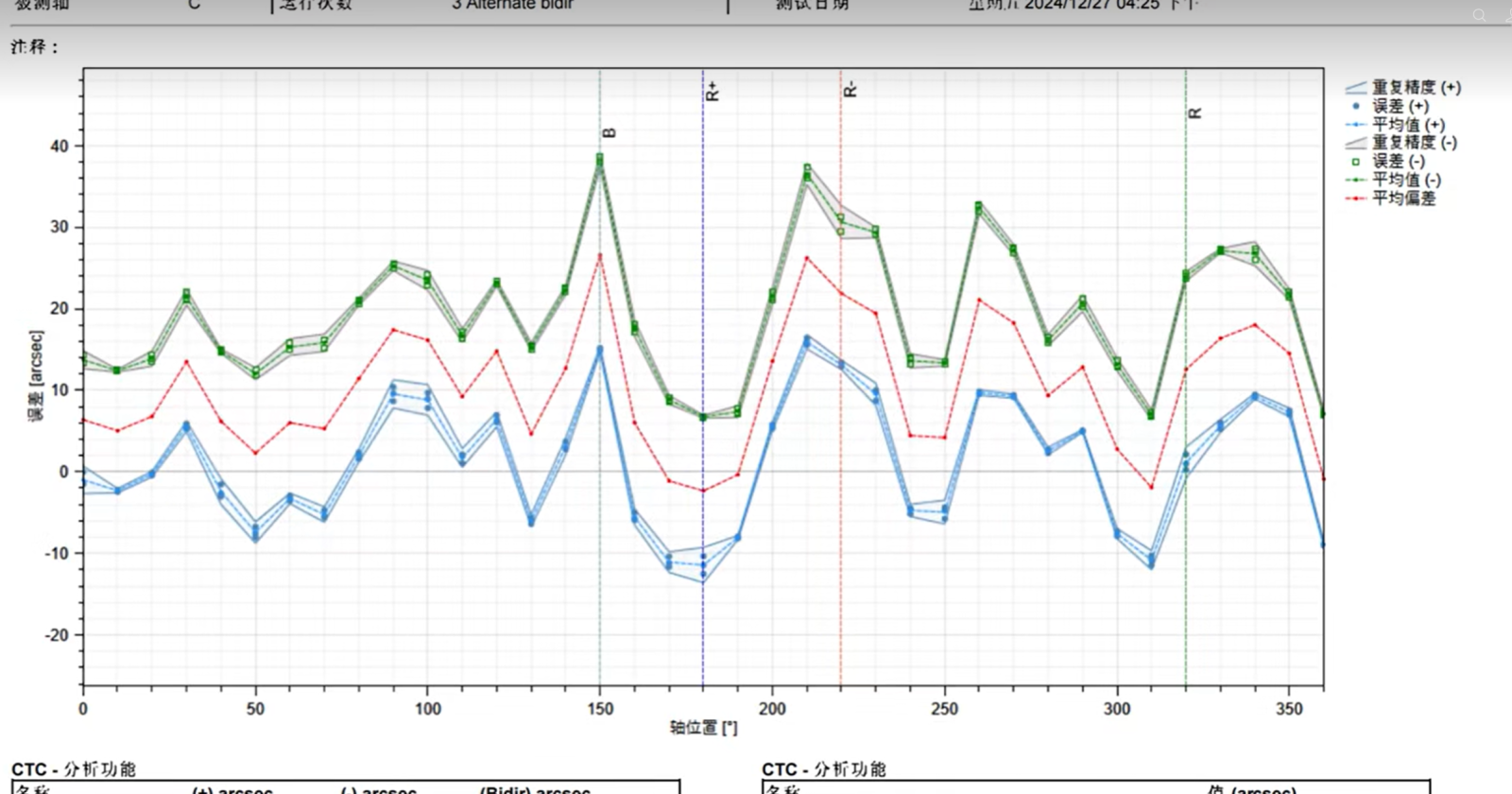
HONPINE Harmonic Drive Rotary Actuators are products we are truly proud of. Every specification we publish is based on real performance data validated in the HONPINE Laboratory rather than theoretical calculations. Using high-precision power analyzers and advanced testing equipment, we accurately measure current, torque, speed, motor efficiency, overall efficiency, temperature rise, voltage, input power, shaft output power, and total power, while the testing system automatically generates complete performance curves and detailed data reports. In addition, each actuator undergoes precision angle accuracy verification using a laser interferometer, where a dedicated drive script controls continuous rotation from 0° to 360° to generate a complete angular accuracy curve. All published values for angular transmission accuracy, positioning accuracy, repeatability, backlash error, and bidirectional positioning error are obtained from actual laboratory measurements, ensuring reliable, transparent, and trustworthy performance for every HONPINE actuator.
Industry Trends
- 00
0000-00
What is robot joint actuator?How to Choose the Best Robot Rotary Joint Actuator?
- 00
0000-00
DD Motors VS Harmonic Rotary Actuators
- 00
0000-00
OMG Ultra Compact Harmonic Drive Joint Module with Built-in Torque Sensor
- 00
0000-00
The Role of Harmonic Drive Gears in Achieving 5–10 μm Accuracy in Dental Milling Machines
- 00
0000-00
Why Are Harmonic Rotary Actuators Perfect for Medical Equipment?