





Integrated Harmonic Actuators Are Gradually Replacing the Traditional Harmonic Drive Reducer + Servo Motor Solution and It Is Developing Fastly
In recent years, with the introduction of integrated harmonic actuators, an increasing number of automation equipment manufacturers have begun to replace the traditional configuration of harmonic drive reducers combined with servo motors. Through continuous practical application, harmonic actuators have evolved into a wide variety of forms.
Manufacturers now offer harmonic actuators in multiple models based on mainstream market demands, while their customization capabilities continue to improve, allowing better adaptation to different application scenarios.
What Are the Drawbacks of the Traditional Harmonic Drive Reducer + Servo Motor Configuration?
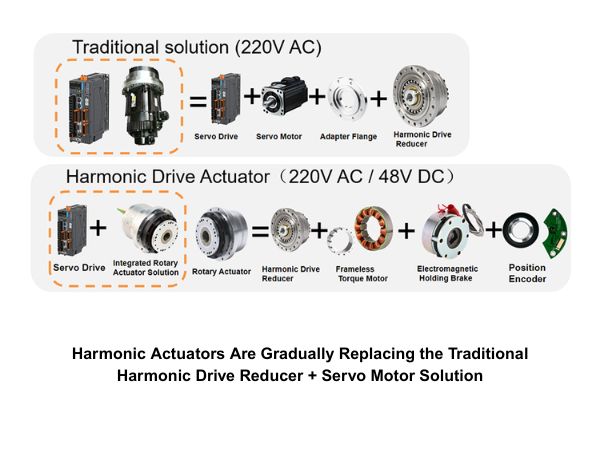
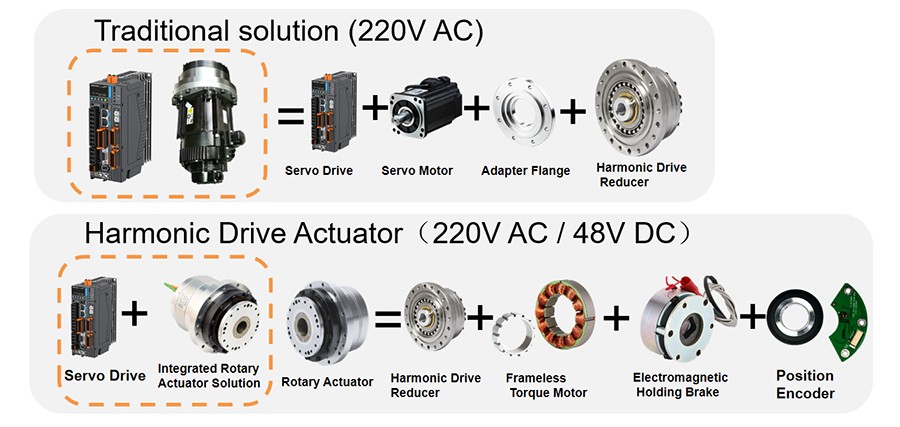
The traditional combination of a harmonic drive reducer and a servo motor relies heavily on manual assembly. Assembly accuracy and cable routing depend largely on the skills and experience of installation engineers.
In addition, overall system rigidity and dynamic performance are limited. The motor, reducer, and drive system must be carefully matched and tuned. For machine builders with less-developed supply chains, this results in higher integration costs and longer commissioning cycles.
Why Integrated Harmonic Actuators Are More Than Simple Integration?
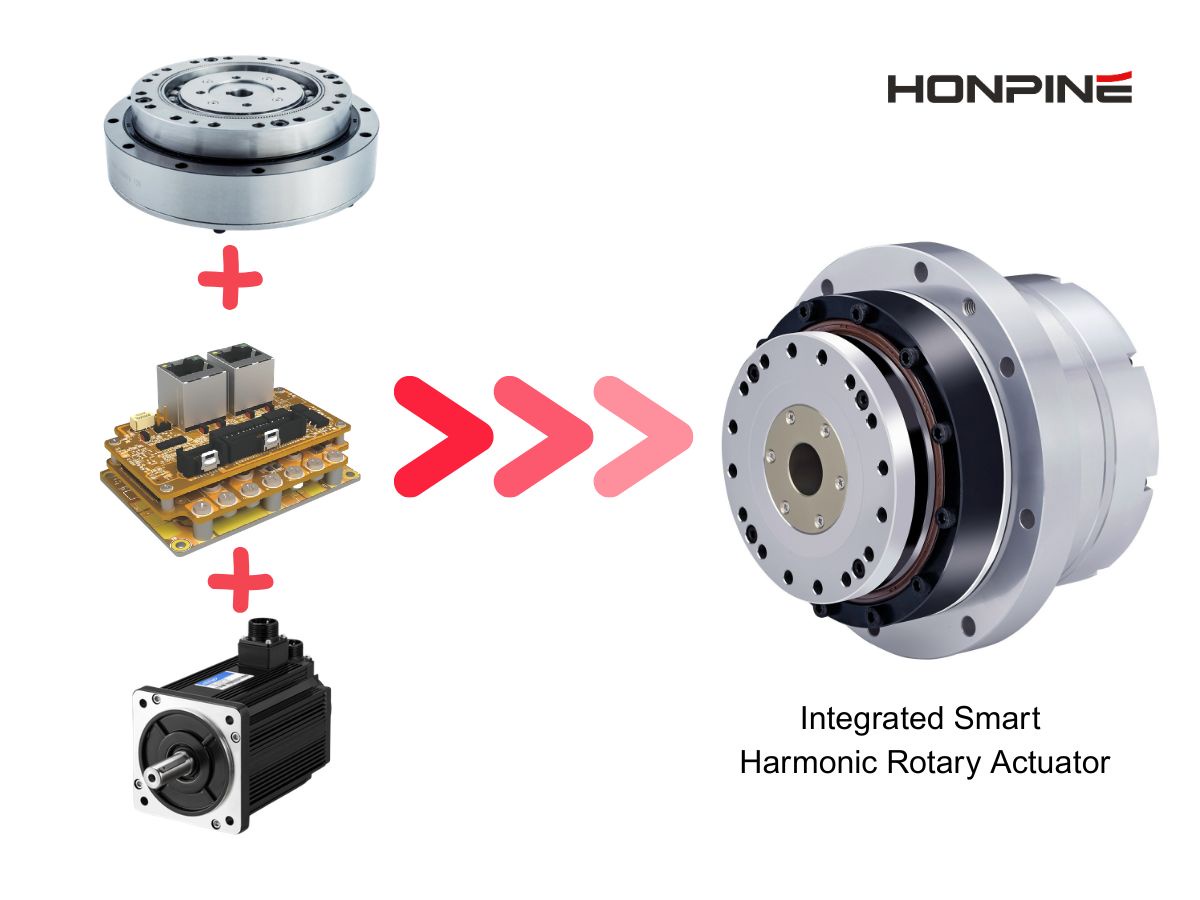
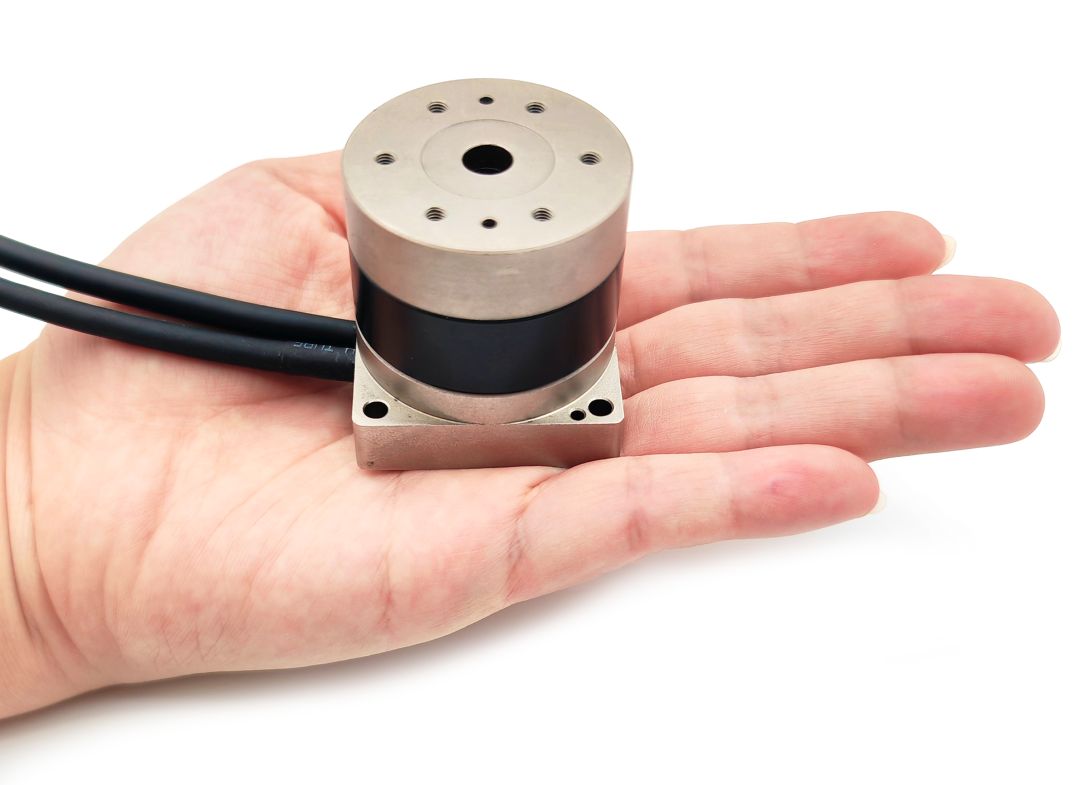
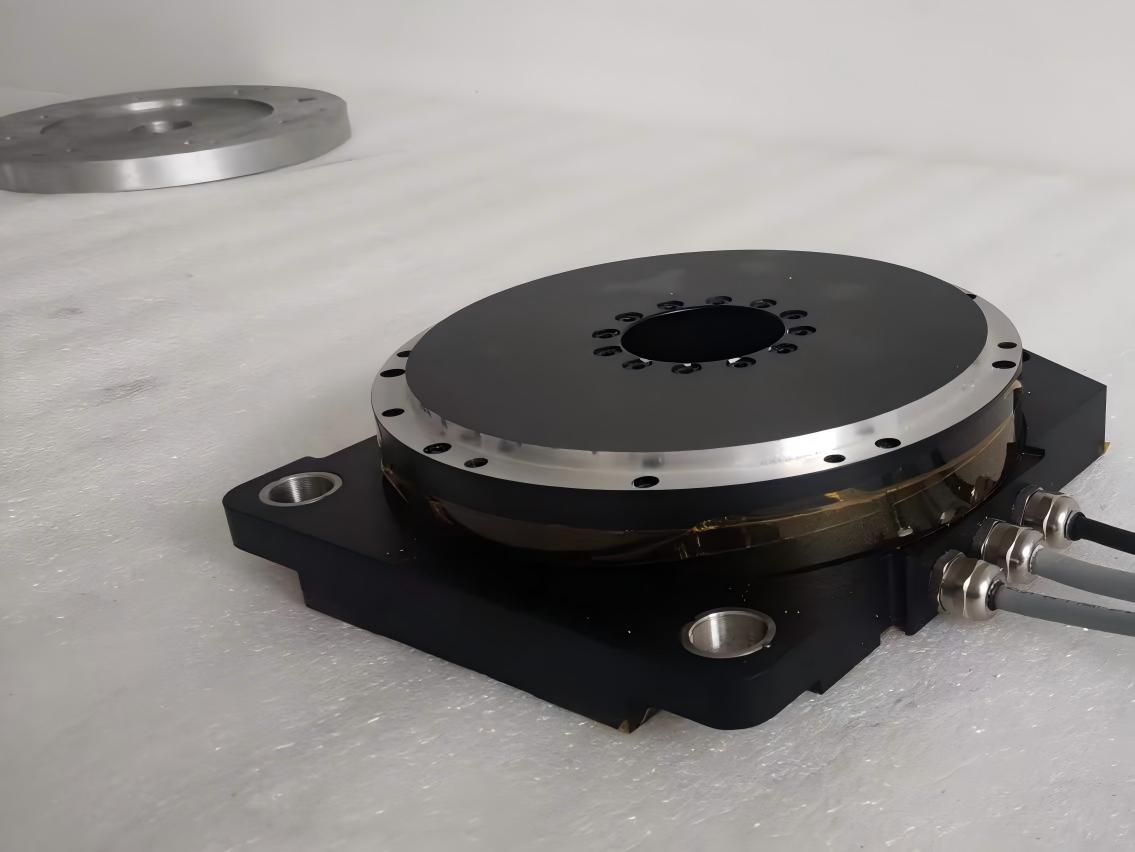
A rotary harmonic actuator typically consists of a harmonic drive reducer, frameless torque motor, encoder, and an optional brake.
Compared with the traditional servo motor + harmonic reducer configuration, this architecture eliminates the need for mechanical engineers to design and validate the connection between the motor and the reducer. Integrated harmonic actuators incorporate ultra-thin frameless torque motors and high-precision encoders into a single module, significantly reducing component matching complexity while improving control accuracy.
Harmonic rotary actuators are not merely an assembly of components, but the result of secondary structural optimization. This integrated design enables simultaneous improvements in repeat positioning accuracy, torque density, and dynamic response performance.
Future Development Trends of Harmonic Actuators
With the rapid advancement of AI and robotics technologies, harmonic actuators are evolving toward greater diversification. Two main development paths are emerging: harmonic AC actuators and harmonic DC actuators.
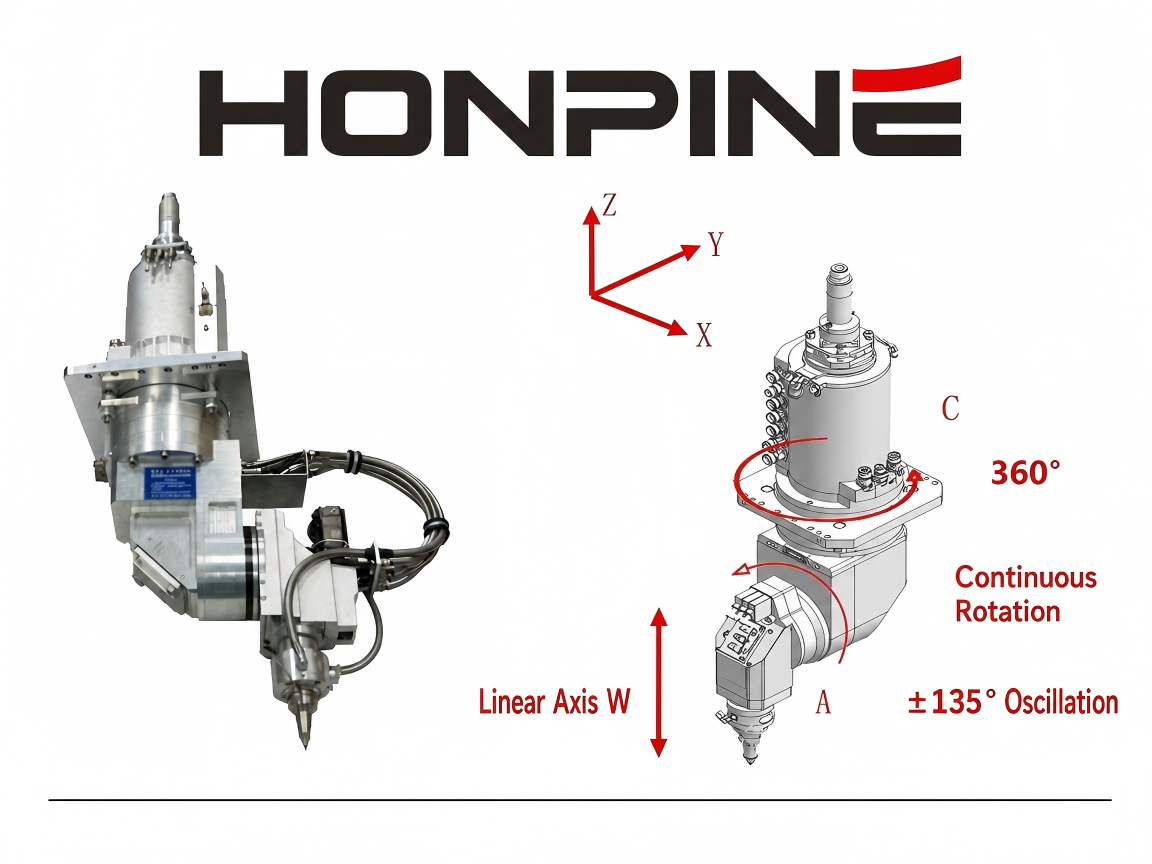
Harmonic AC actuators focus on achieving higher precision and greater rigidity. They are typically used in applications such as CNC machine tools, semiconductor equipment, 3C automation, laser processing equipment, printing machinery, inkjet systems, glass processing equipment, and precision measurement instruments.
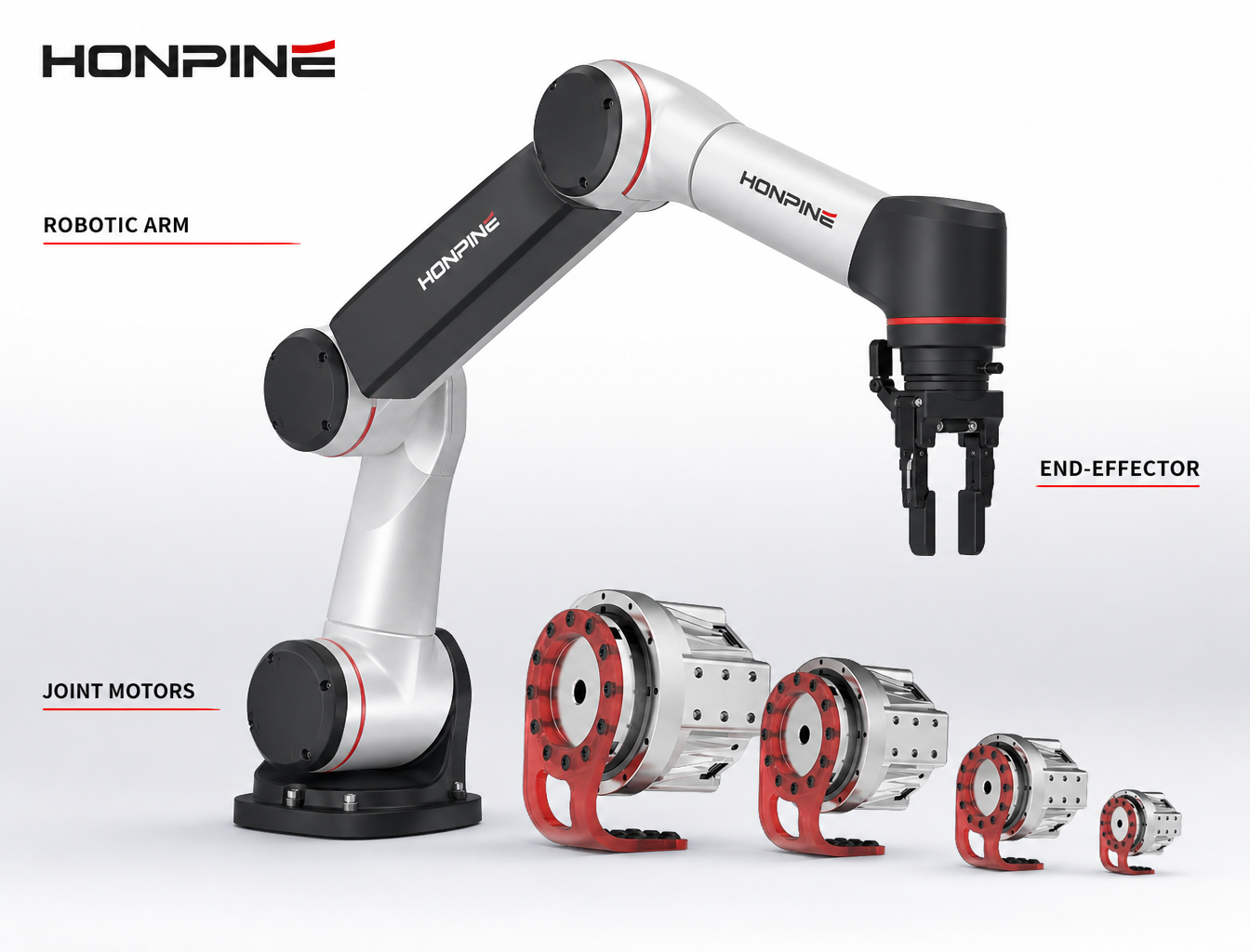
Harmonic DC actuators emphasize lighter weight and higher torque output. They are commonly applied in humanoid robots, quadruped robots, medical devices, and other systems designed to emulate human or animal motion.
What Is Your View on Harmonic Actuators?
As harmonic actuators continue to evolve in terms of performance, integration, and application diversity, they are becoming a key enabling technology for the next generation of automation equipment and intelligent robots.
Read More
Learn more about the story of HONPINE and industry trends related to precision transmission.
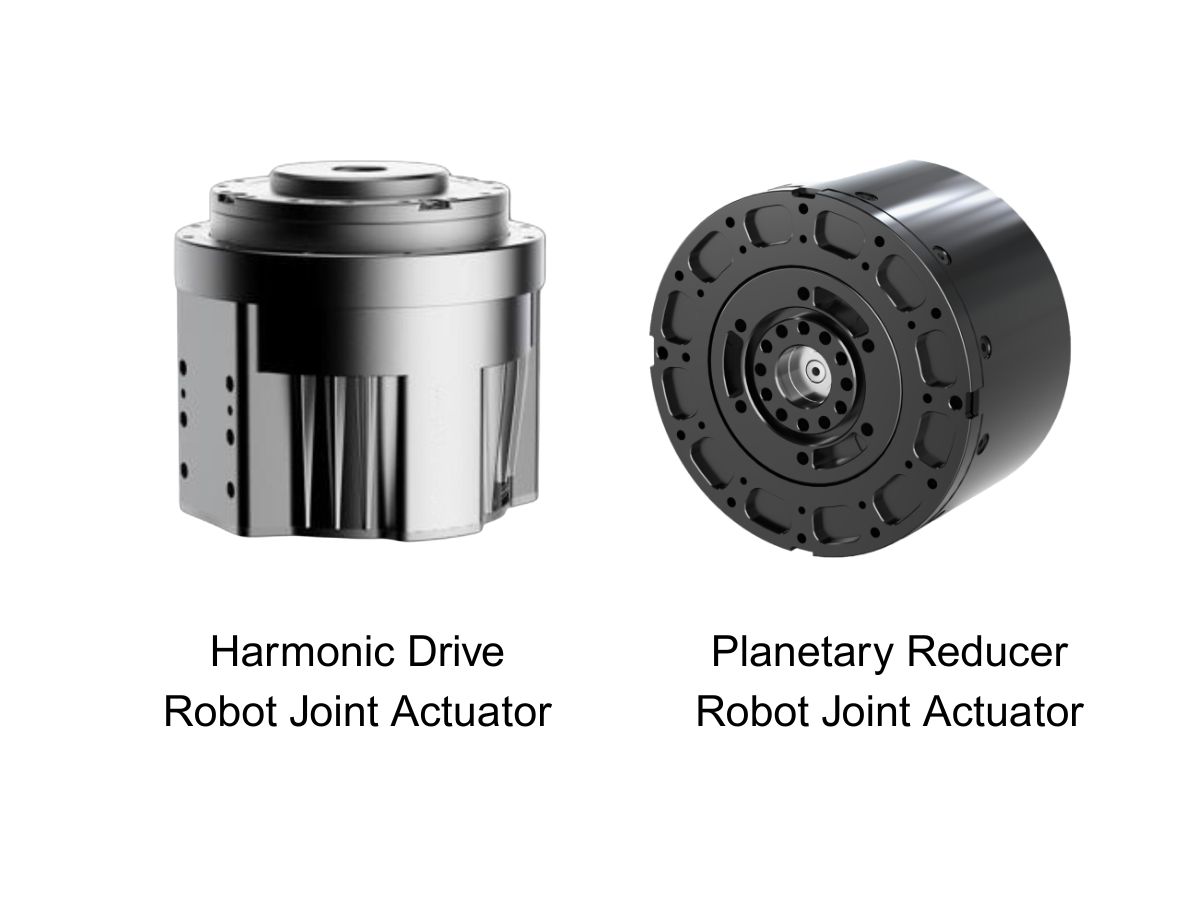
 What is robot joint actuator?How to Choose the Best Robot Rotary Joint Actuator?In core robot joint transmission solutions, planetary and harmonic rotary actuators each have their own strengths. Choosing the right type based on application requirements is essential to achieve the optimal balance between performance and cost.
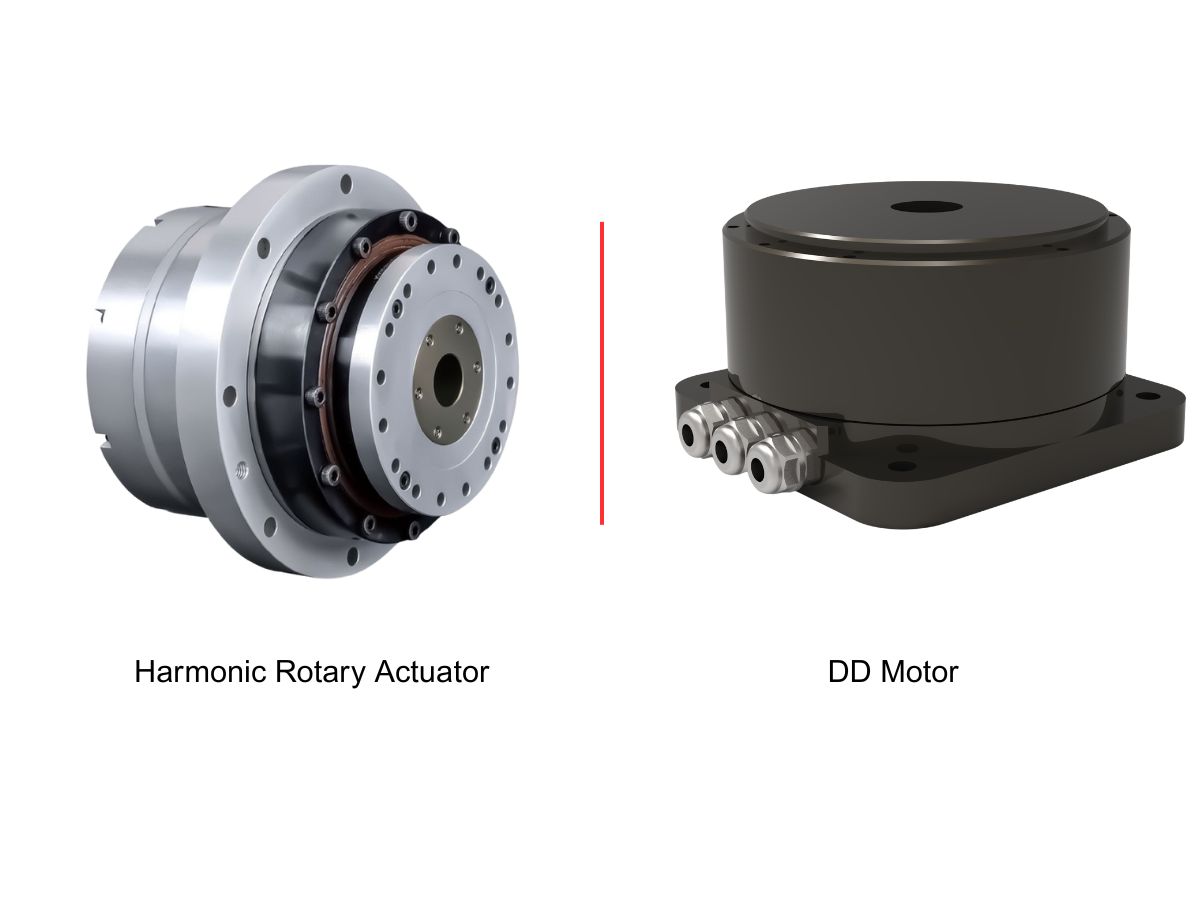
 DD Motors VS Harmonic Rotary ActuatorsThis article provides an in-depth comparison between Direct Drive (DD) motors and harmonic rotary actuators, covering their transmission principles, advantages and disadvantages, and typical application fields.
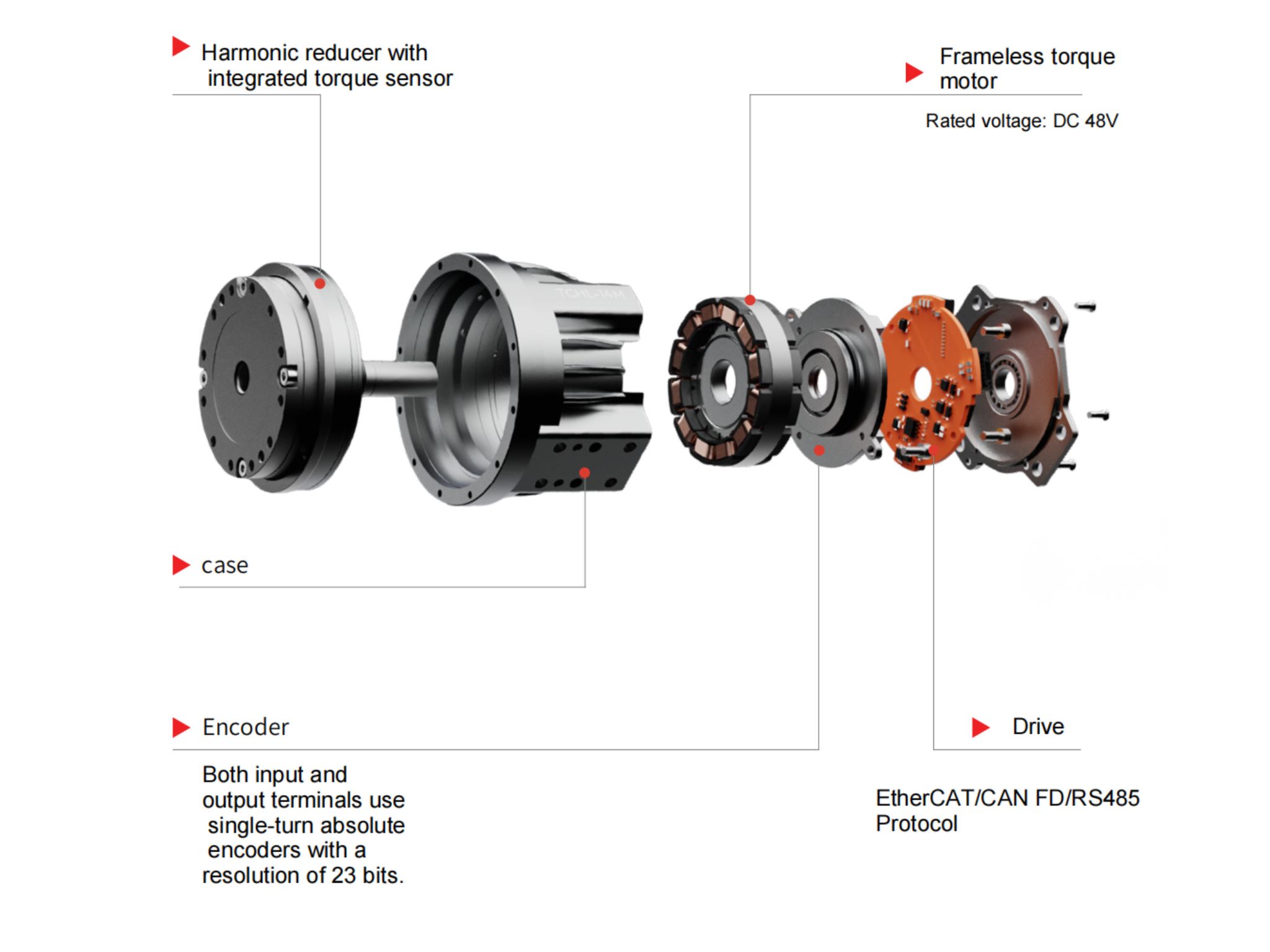
 OMG Ultra Compact Harmonic Drive Joint Module with Built-in Torque SensorHONPINE TCHL series harmonic drive joint module is a game-changing product that achieves disruptive improvements in multiple aspects such as lightweight design, integration level, and connection convenience. This article will analyze its revolutionary enhancements with you.
 The Role of Harmonic Drive Gears in Achieving 5–10 μm Accuracy in Dental Milling MachinesA dental milling machine is a CNC machining system used to directly process digital dental models into restorations such as crowns, bridges, veneers, inlays, and implant abutments. Dental milling machines require far higher operational accuracy and motion stability than ordinary equipment. This article explains how harmonic drive gear help dental milling machines achieve stable, continuous, and controllable operation.
 Why Are Harmonic Rotary Actuators Perfect for Medical Equipment?Harmonic rotary actuators (typically integrated systems consisting of a harmonic drive reducer, frameless torque motor, encoder, and optional brake) are regarded as key components in medical equipment. The core reason is that they simultaneously meet the most stringent medical requirements for precision, compact size, safety, and controllability. The following explanation is structured from three perspectives: technical characteristics, application scenarios, and medical value.
 High-Precision RV Reducers Perfectly Matched for Walking RobotsThe walking axis of a robot is a core component for power transmission and support. RV reducers provide extremely high rigidity, precision, and torque while maintaining a compact size and exceptional reliability, making them an ideal match for the demanding requirements of walking robot joints in terms of load capacity, impact resistance, and precision.
 HONPINE HAG Harmonic Joint Actuator Real Load Test for Heavy Duty Robot ArmTest the HONPINE HAG40 harmonic joint actuator with an 80 kg payload, 800 N·m peak torque and 557 N·m rated torque for heavy-duty robotic arms.
 Small Size DD Motor for Precision Rotary Motion and Industrial AutomationAs industrial automation equipment becomes smaller, faster, and more precise, rotary motion systems require higher performance within increasingly limited installation space. A Small Size DD Motor provides a direct-drive solution that eliminates the need for a conventional reduction gearbox, offering a direct torque transmission path, high dynamic response, and precise rotary motion control. From 3C electronics and semiconductor equipment to laser processing, inspection systems, and precision rotary tables, Direct Drive Motor technology offers a compact alternative to traditional geared systems. However, when applications require higher output torque and torque density, a Harmonic Servo Actuator may be a more suitable solution. This article explains the working principles, advantages, applications, and key selection factors of small DD motors, while comparing direct-drive and harmonic actuator architectures from an engineering perspective.
 Why Laser Wobble Welding Systems Need a High-Precision Harmonic Rotary Actuator?Laser wobble welding is increasingly used in battery manufacturing, busbar welding, electronics, medical devices, robotic welding, and other precision manufacturing applications where beam movement must remain accurate and repeatable. In mechanical wobble welding systems, however, weld quality depends not only on laser parameters but also on the precision of the rotary motion mechanism driving the wobble head. Backlash, insufficient torsional rigidity, limited torque density, and positioning errors can directly affect the actual beam trajectory and molten pool stability. This is why a high-precision rotary motion solution is becoming an important part of modern laser wobble welding equipment. A Harmonic Rotary Actuator combines precision transmission, high rigidity, low backlash, and compact integration, making it well suited for mechanical wobble heads that require controlled rotary motion under dynamic loads.
 How to Choose a Robot Joint Motor for Better End-Effector Performance?
Choosing a robot joint motor is not only about selecting the highest torque or the smallest joint. The performance of a robotic arm is ultimately determined by what happens at the end-effector. Tool mass, payload, center of gravity, rotational inertia, motion speed, acceleration, and settling performance can all influence the requirements of each robot joint. Depending on the application, a harmonic joint motor or planetary joint motor may provide a different balance between torque, speed, compactness, and system dynamics. This article explains how to select a robot joint motor by starting with end-effector requirements and evaluating the complete robotic arm as a motion system. How to Size Robot Joint Modules for a Robotic Arm? A Practical Engineering Guide?Choosing a suitable robot joint module is one of the most important decisions when designing a robotic arm. The right selection is not determined by payload or rated torque alone. Link mass, center of gravity, rotational inertia, acceleration, joint weight, torque density, installation space, and operating cycle can all affect the final joint requirements. An oversized joint may increase the robot's mass and inertia, while an undersized joint can limit motion performance and reliability. This guide explains a practical engineering approach to selecting a robot joint module, helping robotic arm designers evaluate torque, weight, dimensions, dynamic performance, and system integration before finalizing their joint architecture.
 Ultra-Thin Direct Drive Rotary Actuator for High-Precision Automation and InspectionDiscover how an ultra-thin direct drive rotary actuator and direct drive rotary motor improve positioning accuracy, smooth motion, and compact machine integration for semiconductor inspection, AOI systems, optical alignment, chip sorting, photovoltaic wafer inspection, and precision automation equipment.
Double Click
We provide harmonic drive reducer,planetary reducer,robot joint motor,robot rotary actuators,RV gear reducer,robot end effector,dexterous robot hand
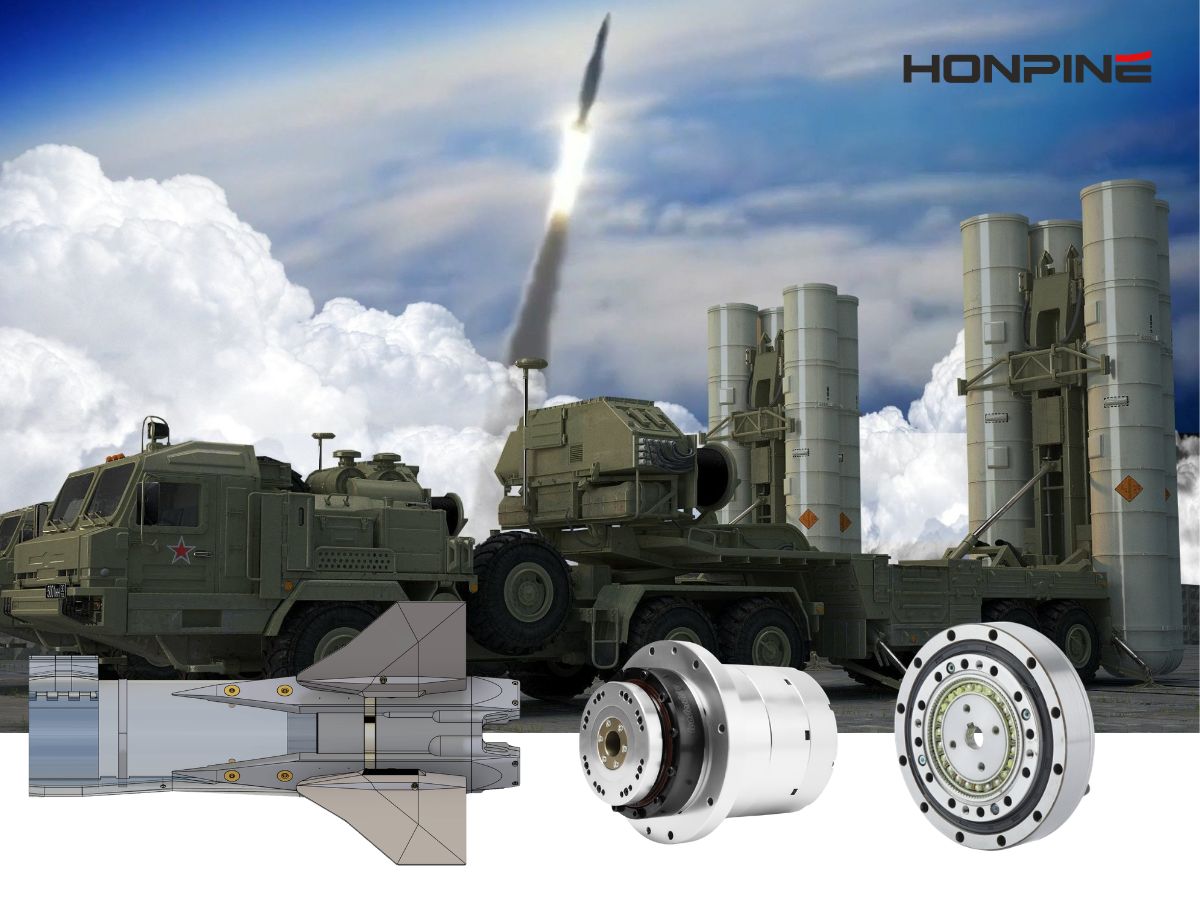
 Why Harmonic Drive Gear Systems Are Ideal for Missile Guidance and Precision Control Applications?Harmonic drive gear systems and harmonic drive actuator systems are highly suitable for applications such as turret rotation, missile fin control, and stabilized sensor gimbal systems.
This is mainly because they offer unique advantages in precision, compact size, fast response, and reliability, making them ideal for high-precision electromechanical systems. 7 Steps to Help You Choose the Most Suitable Harmonic Gear Rotary ActuatorHow do you choose the harmonic gear rotary actuator that best suits your needs?
This article introduces the selection and calculation process from the perspectives of confirming the reduction ratio, torque calculation, bearing load calculation, load inertia confirmation, and driver matching. 2026 Is the Time to Start Using Smart Harmonic ActuatorsEven in 2026, many systems are still built using the traditional combination of motor + gearbox + encoder + drive.
However, in recent years, smart harmonic drive servo actuators have been rapidly replacing this conventional architecture.
By significantly simplifying mechanical design, shortening R&D cycles, and delivering clear performance advantages, smart actuators are becoming the new standard for modern intelligent equipment. Integrated Harmonic Actuators Are Gradually Replacing the Traditional Harmonic Drive Reducer + Servo Motor Solution and It Is Developing FastlyIn recent years, with the introduction of integrated harmonic actuators, an increasing number of automation equipment manufacturers have begun to replace the traditional configuration of harmonic drive reducers combined with servo motors. Through continuous practical application, harmonic actuators have evolved into a wide variety of forms.