








Robot Communication Protocols: Why EtherCAT and CAN Are the Future
According to statistics released by the EtherCAT Technology Group (ETG) in 2024, EtherCAT has captured 39.2% of the global industrial robot communication protocol market, with an annual growth rate of 12.7%, significantly outperforming other competing protocols. Its advantages are particularly evident in key application scenarios: from multi-joint real-time coordinated control in humanoid robots, to multi-sensor fusion in autonomous driving, and human–machine collaboration in Industry 4.0. EtherCAT is redefining how intelligent systems interact with the physical world.
Why EtherCAT Is Gaining Increasing Attention?
EtherCAT is one of the mainstream communication methods for robot joints, widely used in industrial robots and humanoid robot joint control. Leading robot manufacturers such as KUKA and FANUC extensively adopt EtherCAT as their control bus to support complex tasks including welding, material handling, and spraying.
EtherCAT is particularly well suited for applications with strict real-time requirements. Robot joint control typically involves three nested loops—current, velocity, and position—which require a fast closed-loop process of signal acquisition → computation → output.
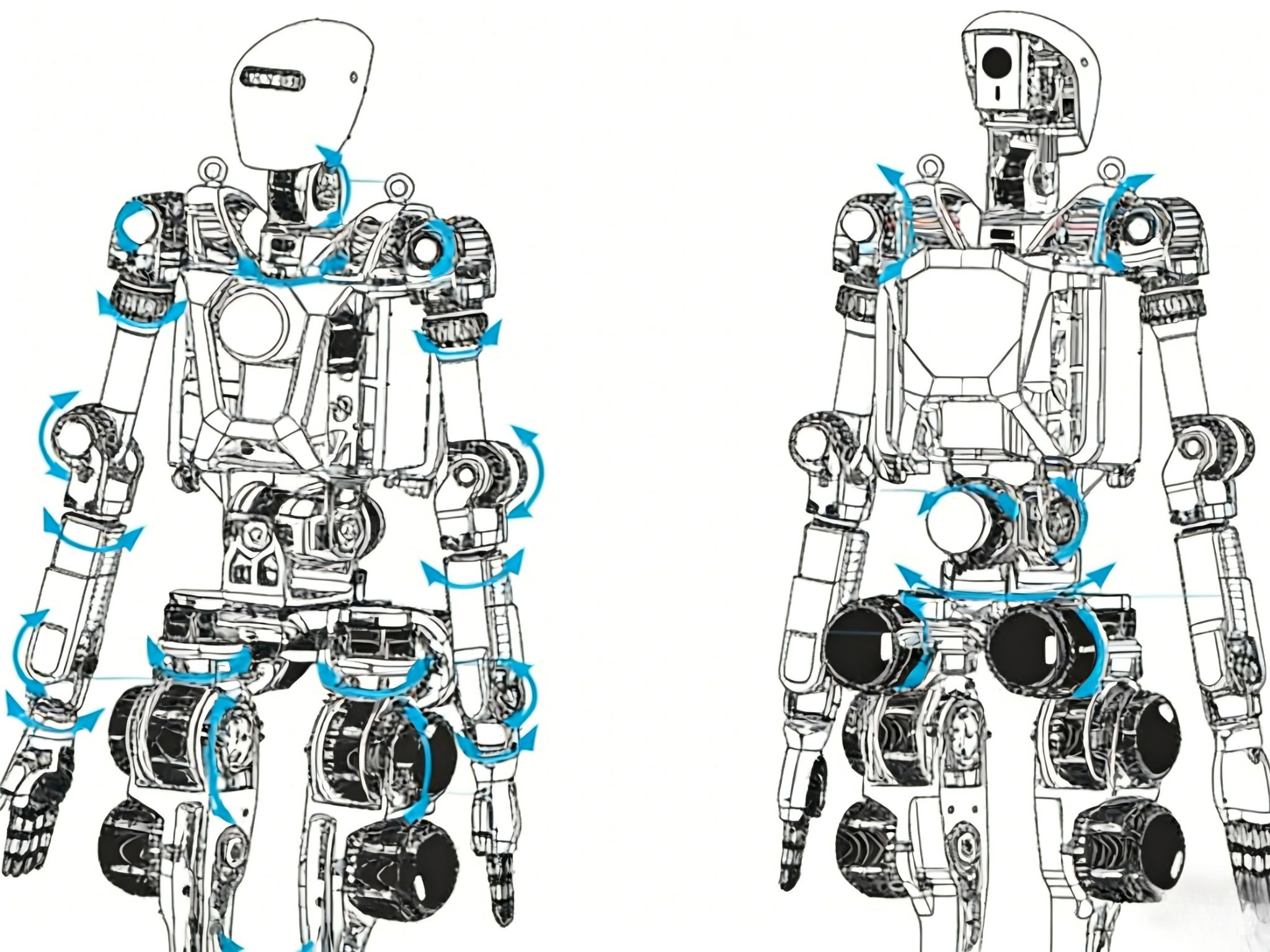
EtherCAT also supports a unified full-body communication architecture for robots. In some systems, it is combined with CAN—for example, EtherCAT for the upper body and CAN for the lower body.
EtherCAT (Ethernet for Control Automation Technology) was first introduced in 2003 by Beckhoff Automation (Germany). At the time, the industrial sector urgently needed a high-speed, efficient, and low-cost communication solution. EtherCAT emerged to overcome the limitations of traditional Ethernet in industrial automation and quickly gained widespread attention. One of its most notable features is its extremely high data transmission speed, enabling nanosecond-level synchronization accuracy.
EtherCAT uses only three protocol layers—physical layer, data link layer, and application layer—similar to traditional fieldbuses. However, compared with other real-time Ethernet protocols such as PROFINET and EtherNet/IP, EtherCAT’s protocol stack is far more streamlined. This enables ultra-high-speed data exchange within very short cycles, fully meeting the real-time control requirements of robots and allowing rapid command response and high-precision motion control.
Its Distributed Clock (DC) technology ensures precise synchronization of all devices on the network, allowing robot joints to move in perfect coordination and avoiding motion errors caused by timing deviations.
“Processing on the Fly”: EtherCAT’s Core Competitive Advantage
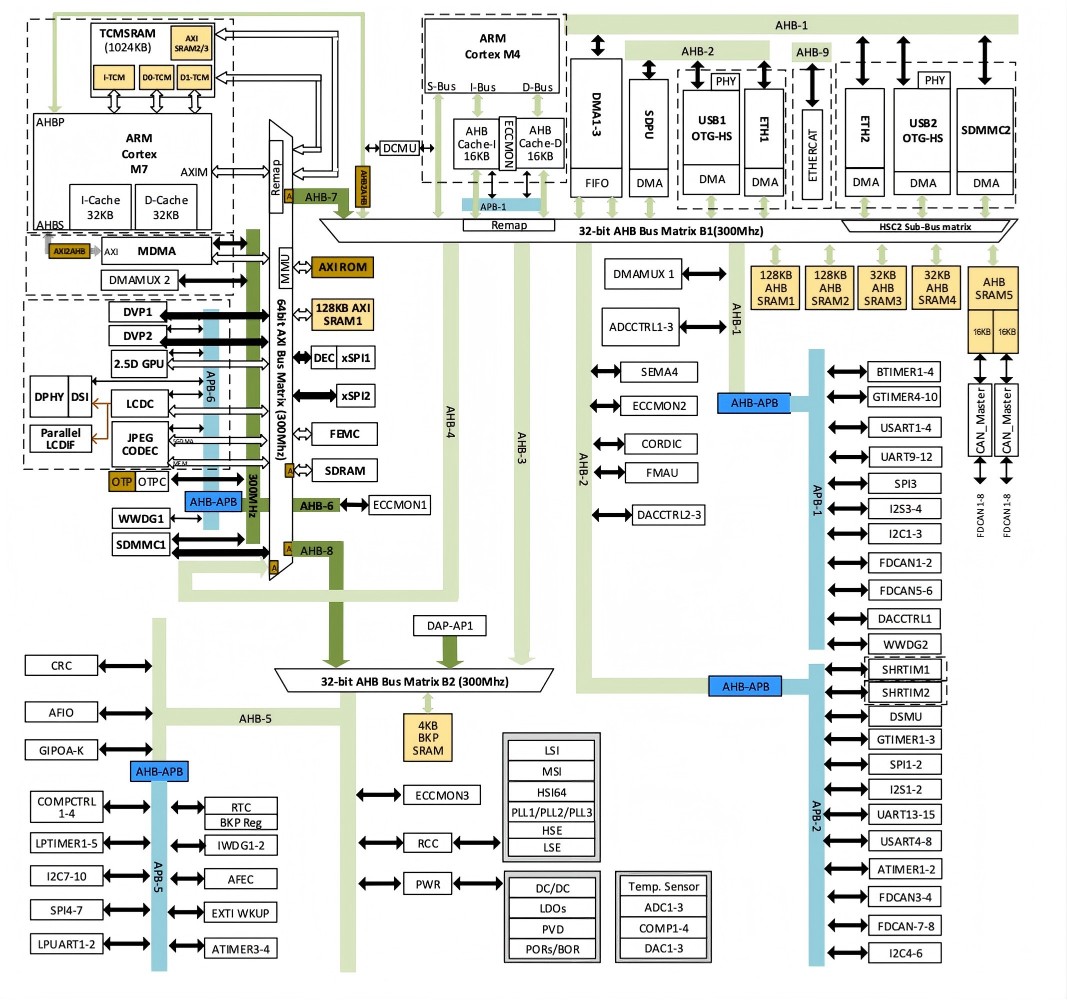
On-the-Fly / Processing on the Fly is often regarded as EtherCAT’s technological moat. Engineers note that this feature is currently unique to EtherCAT and does not rely on IP-based communication. It is the core design that enables EtherCAT’s exceptional performance, allowing slave devices to read or write data directly as frames pass through—without storing the entire frame—achieving microsecond-level real-time communication.
Unlike traditional Ethernet protocols that rely on store-and-forward mechanisms, EtherCAT slaves process data directly during frame transmission. The per-node processing delay is as low as 1 μs. Key technical implementations include:
Distributed clock synchronization: Using master–slave clock offset compensation algorithms, network-wide synchronization accuracy better than 100 ns, compliant with enhanced IEEE 1588 standards.
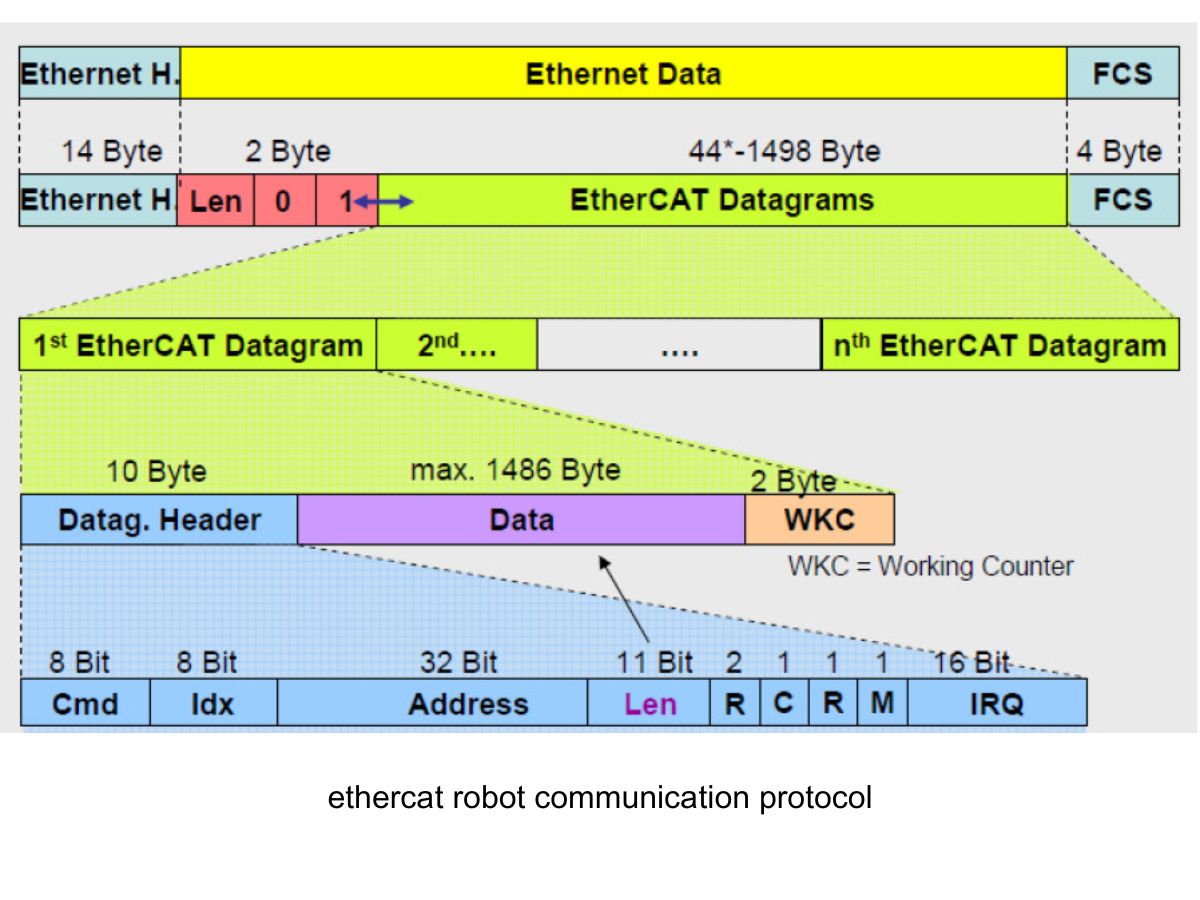
Optimized frame structure: An ultra-compact 8-byte frame header, achieving up to 98% data payload efficiency (compared to ~60% for PROFINET), significantly improving bandwidth utilization.
From both performance and safety perspectives, EtherCAT is extremely powerful. However, another major reason for its dominance lies in its openness.
From an engineer’s point of view, EtherCAT may not be as easy to use as CAN, but for motion-control-intensive applications, EtherCAT offers the best cost-performance ratio.
Today, MCU manufacturers place great strategic importance on EtherCAT.
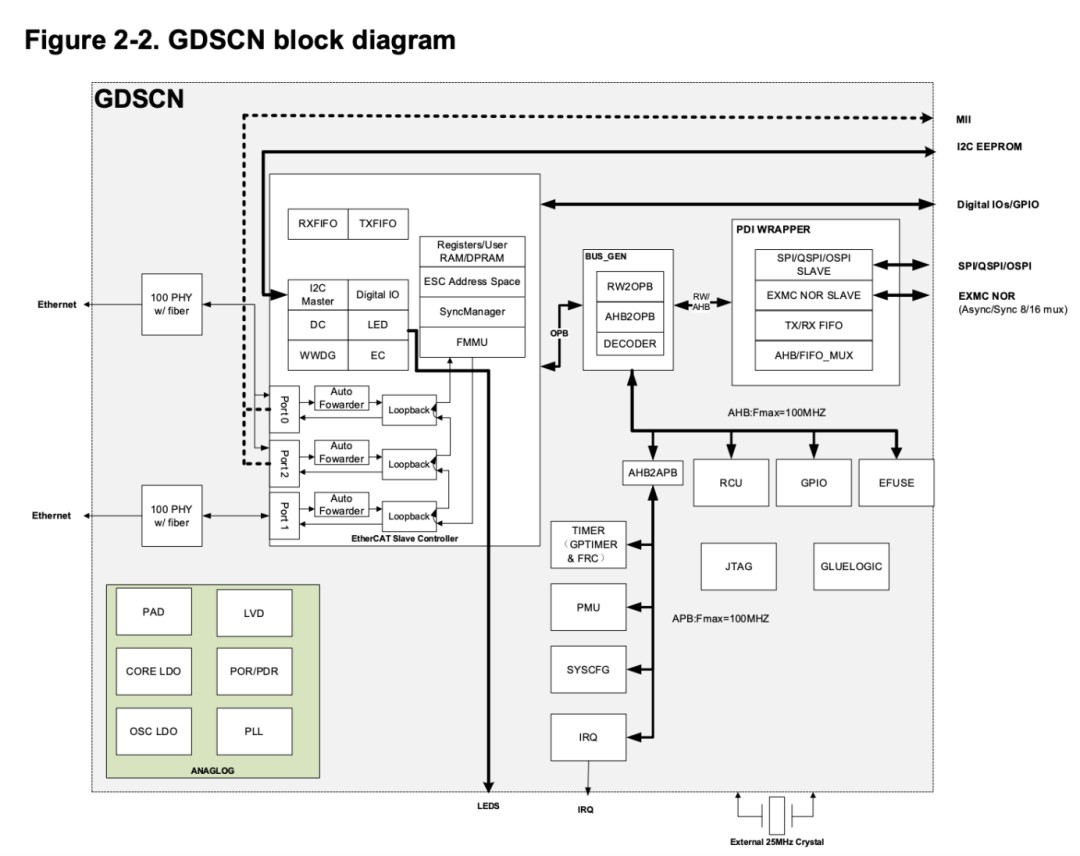
As early as December 2023, HPMicro announced China’s first high-performance MCU series with an officially licensed EtherCAT Slave Controller (ESC) from Beckhoff—the HPM6E00 series—followed by the robot-focused HPM6E8Y. At CES 2026, HPMicro introduced the HPM5E3Y, a high-performance MCU specifically designed for robot joints. It integrates an EtherCAT slave controller and two Ethernet PHY transceivers, features a RISC-V core running at 480 MHz, includes 512 KB RAM and 1 MB Flash, and comes in an ultra-compact package as small as 9 × 9 mm, making it ideal for space-constrained robot joint designs. Together, HPM5E3Y and HPM6E8Y form the world’s most complete robot joint MCU product lineup.
Why Many Customers Still Choose CAN?
CAN (and its motion-control-oriented variant, CANopen) is another mainstream communication solution for robots, particularly suitable for applications with lower real-time requirements, such as robot lower bodies and wheeled robot drives.
As EtherCAT costs decline, some CAN application scenarios have been compressed. However, CAN remains widely used in robots with fewer joints and lower control frequencies, such as quadruped robots and robotic dogs. Moreover, CAN is still indispensable in humanoid robots. For example, Zhiyuan Lingxi X1 uses 100 Mbps EtherCAT at 1 kHz real-time communication, with EtherCAT gateways forwarding data to three CAN FD channels operating at up to 5 Mbps.
CAN supports multi-segment network partitioning. In humanoid robots with over 40 joints, joints can be grouped by limbs (arms, legs) into multiple CAN FD segments, reducing delays and packet loss caused by bus arbitration.
Originally designed for automotive electronics, CAN emphasizes reliability and noise immunity. It employs a Carrier Sense Multiple Access with Non-Destructive Arbitration (CSMA/CA) mechanism, allowing multiple nodes to transmit when the bus is idle. In the event of a collision, higher-priority messages (lower ID values) continue transmission, while lower-priority messages automatically back off—ensuring lossless arbitration.
This mechanism enables distributed decision-making and high reliability, making CAN ideal for transmitting switch signals and sensor data. Consequently, it is widely used in communication among automotive electronic control units (ECUs). However, when applied to multi-axis coordinated motion control with extremely high real-time and periodic requirements, CAN’s inherent limitations become apparent.
From a system selection perspective, CAN is often used to extend existing CAN-based architectures. For systems with fewer axes (e.g., fewer than six) and less stringent synchronization and dynamic performance requirements—such as desktop robots and AGVs—CAN is sufficient, economical, and well-known for its robustness in harsh environments. EtherCAT, on the other hand, is better suited for high-performance or large-scale distributed robotic systems. Although the per-node cost may be higher, EtherCAT’s advantages in simplified wiring, elimination of repeaters, ease of debugging and maintenance, and overall performance improvement often result in a lower total cost of ownership over the long term.
The Rapid Development of the I3C Protocol
I3C is an emerging sensor communication protocol, with many companies actively promoting its use in robotic dexterous hands. It eliminates the need for external PHYs, simplifying hardware design. For example:
NXP i.MX RT1180 integrates two I3C interfaces, enabling connections to multiple servo nodes and sensors.
Infineon PSoC Edge supports I3C.
Renesas RA8 high-performance MCU series supports I3C
Microchip PIC18-Q20 series includes high-speed I3C modules.
STMicroelectronics STM32N6, STM32H5, STM32H7, and STM32U3 all support I3C.
I3C is well suited for multi-motor control in dexterous hands and high-density sensor data acquisition (such as electronic skin and torque sensors), especially in space-constrained environments like robot fingers.
At present, CAN FD remains the mainstream solution for dexterous hands. Due to ecosystem immaturity, I3C has not yet been widely adopted. Some engineers also believe that I3C offers weaker noise immunity, making large-scale deployment in dexterous hands challenging.
Nevertheless, technology continues to evolve. Some domestic chip manufacturers are incorporating I3C into their R&D roadmaps and will advance mass production based on market demand, while also keeping a close eye on emerging protocols such as CAN XL. As a result, the communication protocol landscape is likely to undergo further transformation in the future.
Read More
Learn more about the story of HONPINE and industry trends related to precision transmission.
 What is robot joint actuator?How to Choose the Best Robot Rotary Joint Actuator?In core robot joint transmission solutions, planetary and harmonic rotary actuators each have their own strengths. Choosing the right type based on application requirements is essential to achieve the optimal balance between performance and cost.
 DD Motors VS Harmonic Rotary ActuatorsThis article provides an in-depth comparison between Direct Drive (DD) motors and harmonic rotary actuators, covering their transmission principles, advantages and disadvantages, and typical application fields.
 OMG Ultra Compact Harmonic Drive Joint Module with Built-in Torque SensorHONPINE TCHL series harmonic drive joint module is a game-changing product that achieves disruptive improvements in multiple aspects such as lightweight design, integration level, and connection convenience. This article will analyze its revolutionary enhancements with you.
 The Role of Harmonic Drive Gears in Achieving 5–10 μm Accuracy in Dental Milling MachinesA dental milling machine is a CNC machining system used to directly process digital dental models into restorations such as crowns, bridges, veneers, inlays, and implant abutments. Dental milling machines require far higher operational accuracy and motion stability than ordinary equipment. This article explains how harmonic drive gear help dental milling machines achieve stable, continuous, and controllable operation.
 Why Are Harmonic Rotary Actuators Perfect for Medical Equipment?Harmonic rotary actuators (typically integrated systems consisting of a harmonic drive reducer, frameless torque motor, encoder, and optional brake) are regarded as key components in medical equipment. The core reason is that they simultaneously meet the most stringent medical requirements for precision, compact size, safety, and controllability. The following explanation is structured from three perspectives: technical characteristics, application scenarios, and medical value.
 High-Precision RV Reducers Perfectly Matched for Walking RobotsThe walking axis of a robot is a core component for power transmission and support. RV reducers provide extremely high rigidity, precision, and torque while maintaining a compact size and exceptional reliability, making them an ideal match for the demanding requirements of walking robot joints in terms of load capacity, impact resistance, and precision.
 Why Are Harmonic Reducers Suitable for High-Precision Automation Equipment?Precision automation equipment depends on consistent rotary motion, reliable positioning and compact transmission design. From dispensing head orientation and component angular alignment to automated inspection indexing, harmonic reducers offer a practical solution for applications requiring low backlash and high reduction ratios in limited installation space. This article explains how harmonic reducers support repeatable motion, compares key design configurations, and outlines how to select a suitable reduction ratio and reducer structure based on load, speed, accuracy and machine cycle-time requirements.
 Why Are Servo Motors and Gear Reducers an Ideal Match?Servo motors provide fast, precise motion control, while gear reducers adapt their speed and torque to the load. This guide explains how servo motors and gear reducers work together through torque multiplication, reflected inertia reduction and finer theoretical position resolution. Learn how inertia matching, backlash, torsional stiffness and reduction ratio influence performance in robotics and industrial automation.
 How to Select and Use Robotic Joint Modules?How do you take robotic joint modules from selection to controlled motion? Using the HONPINE HPJM harmonic joint module as an example, Technical Director Theodore Li explains the key steps in mechanical installation, electrical wiring, CAN and EtherCAT configuration, and control commissioning. Learn what to confirm before integration and how to approach setup so each joint can respond correctly to your controller.
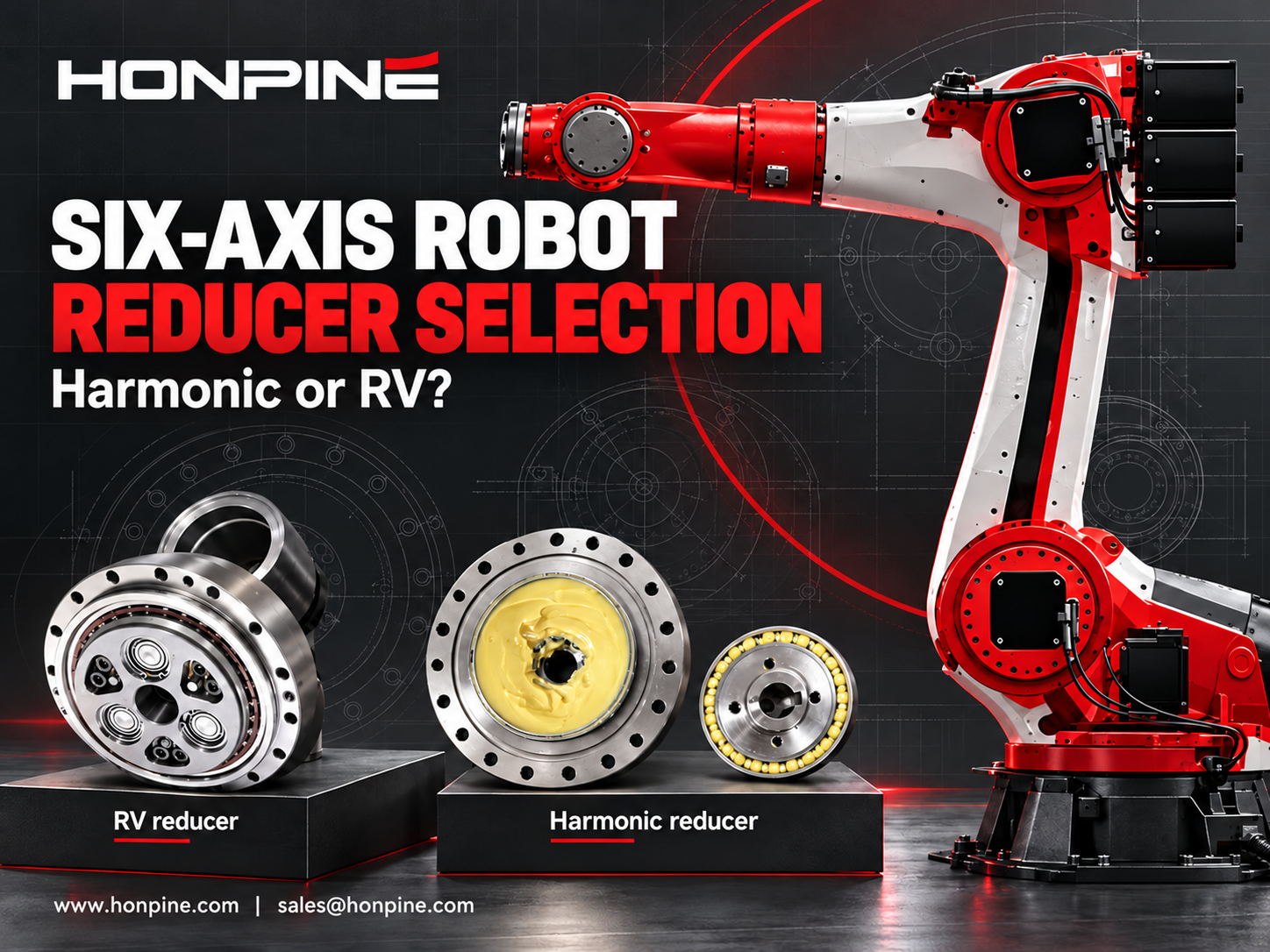
 How to Select Harmonic and RV Reducers for Each Axis of a Six-Axis Robot?What determines whether a six-axis robot joint needs a harmonic reducer or an RV reducer? The answer depends on torque, inertia, impact loads, bearing loads and installation space. This guide explains how to evaluate harmonic and RV reducers for the base, shoulder, elbow and wrist, with practical checks for stiffness, backlash and service life. Use the requirements of each axis to select a suitable reducer configuration.
 Top 7 RV Reducer Gearbox Manufacturers: Why Does Nabtesco Still Dominate?What sets RV reducer gearbox manufacturers apart, and why does Nabtesco remain a benchmark in this market? RV reducer production demands precise component machining, careful assembly and extensive engineering know-how. This article introduces seven manufacturers across RV reducers and related transmission technologies, examines the strengths behind Nabtesco's position, and explores HONPINE's development capabilities to help you understand the supplier landscape.
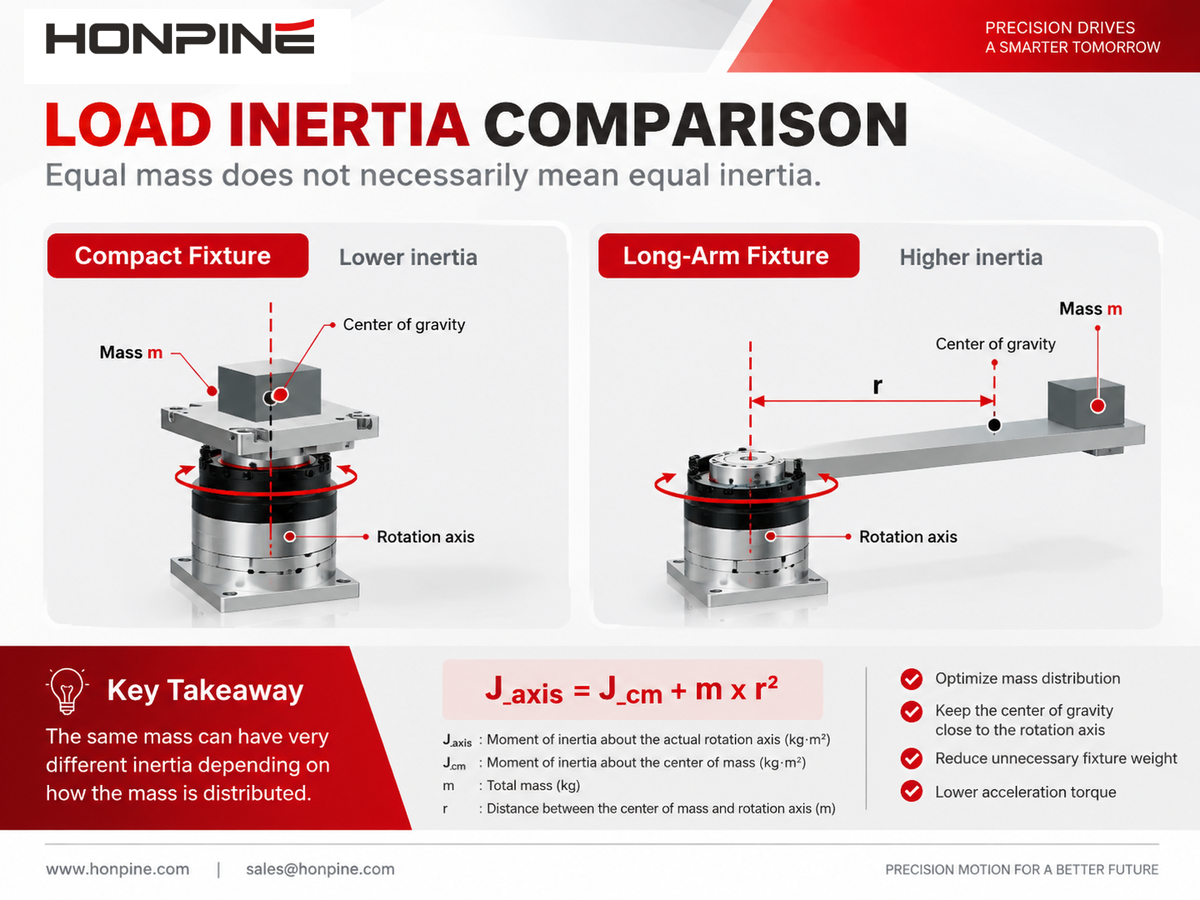
 How to Calculate Torque for a Harmonic Rotary Actuator in a Flipping Mechanism?How much torque does a harmonic rotary actuator need to flip a 10 kg load through 180 degrees? The answer depends on more than weight. Center-of-gravity offset, load inertia, acceleration and operating frequency all affect actuator selection. In this guide, Theodore Li, Technical Director at HONPINE, explains the calculation process using a horizontal-axis flipping example and outlines the checks needed for peak torque, continuous operation, output speed and bearing loads.

Double Click
We provide harmonic drive reducer,planetary reducer,robot joint motor,robot rotary actuators,RV gear reducer,robot end effector,dexterous robot hand
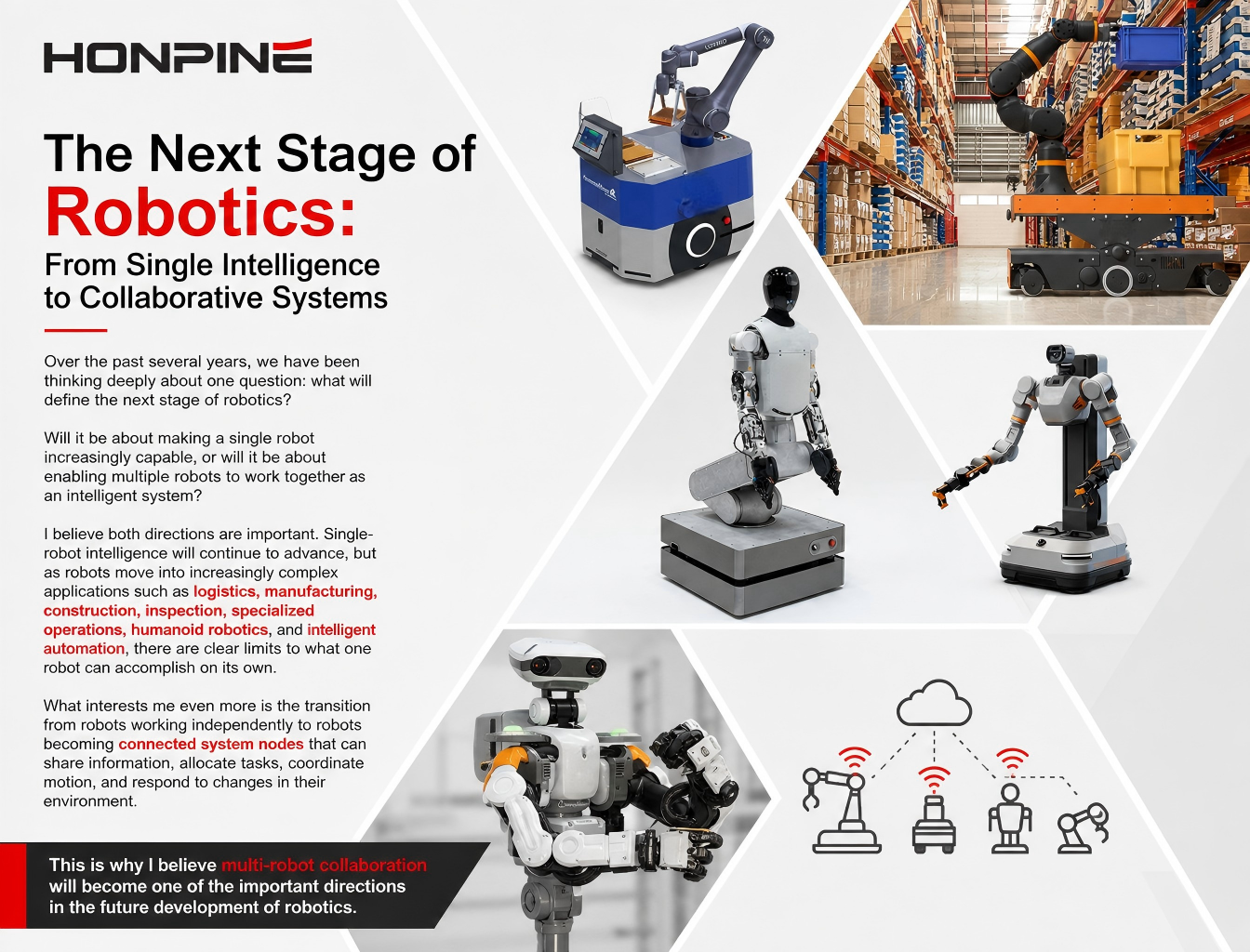
 Multi-Robot Collaboration: From Single-Robot Intelligence to System IntelligenceHello, I’m Allen Li, Founder of HONPINE. As robotics continues to evolve, I believe the next major step will not come only from making individual robots more intelligent, but from enabling multiple robots to work together as coordinated systems. Multi-robot collaboration introduces new requirements for communication, task allocation, motion coordination, state awareness, and safety. This evolution also changes the role of the robot joint. A future intelligent robot joint will need to do more than generate precise motion. With technologies such as dual encoders, torque sensing, integrated drives, real-time communication, and safety functions, the robot joint can become an intelligent motion node connecting robot intelligence with physical movement. In this article, I would like to share how I see the relationship between multi-robot collaboration, system intelligence, and the next generation of HONPINE robot joint modules.
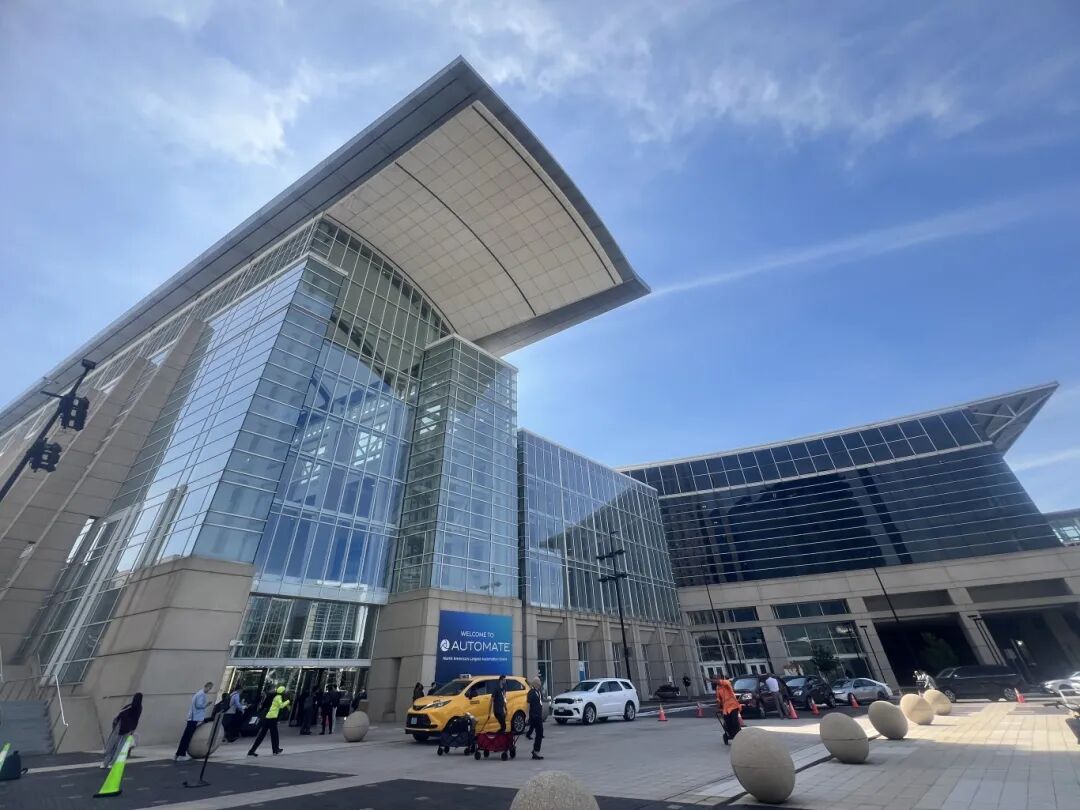
 Automate 2026 Sends a New Signal: Humanoid Robots Enter the Era of AccountabilityAUTOMATE is the leading industrial automation and robotics exhibition in North America. Organized by the Association for Advancing Automation (A3), it is widely recognized as a global benchmark event in the automation industry.
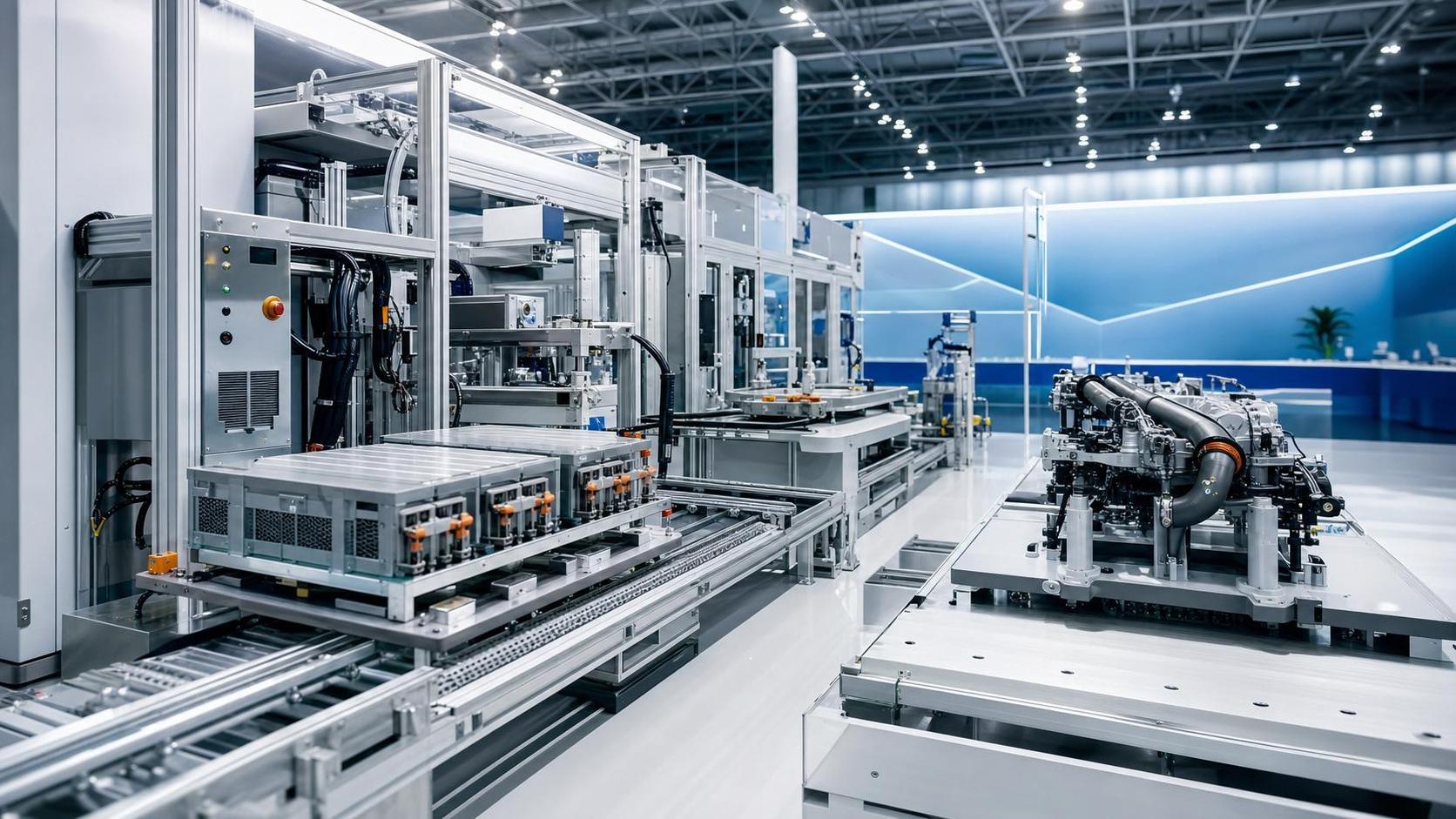
 Thailand Industrial Show Opens With Smart Manufacturing FocusAutomation production line insights from the Thailand Industrial Show: explore smart manufacturing trends, energy storage EOL testing, and automotive module assembly opportunities in Southeast Asia.
 EU CE Rule Makes PL Certification MandatoryEU CE Rule Makes PL Certification Mandatory: learn how new EU requirements affect harmonic reducers, ISO 13849-1 PLd compliance, customs clearance, and market access.
 China Pavilion at INNOPROM 2026 Expands by 50%China Pavilion at INNOPROM 2026 expands by 50%, spotlighting AI smart factory solutions, CNC machine tools, robotics, and new opportunities for Russia-CIS industrial markets.
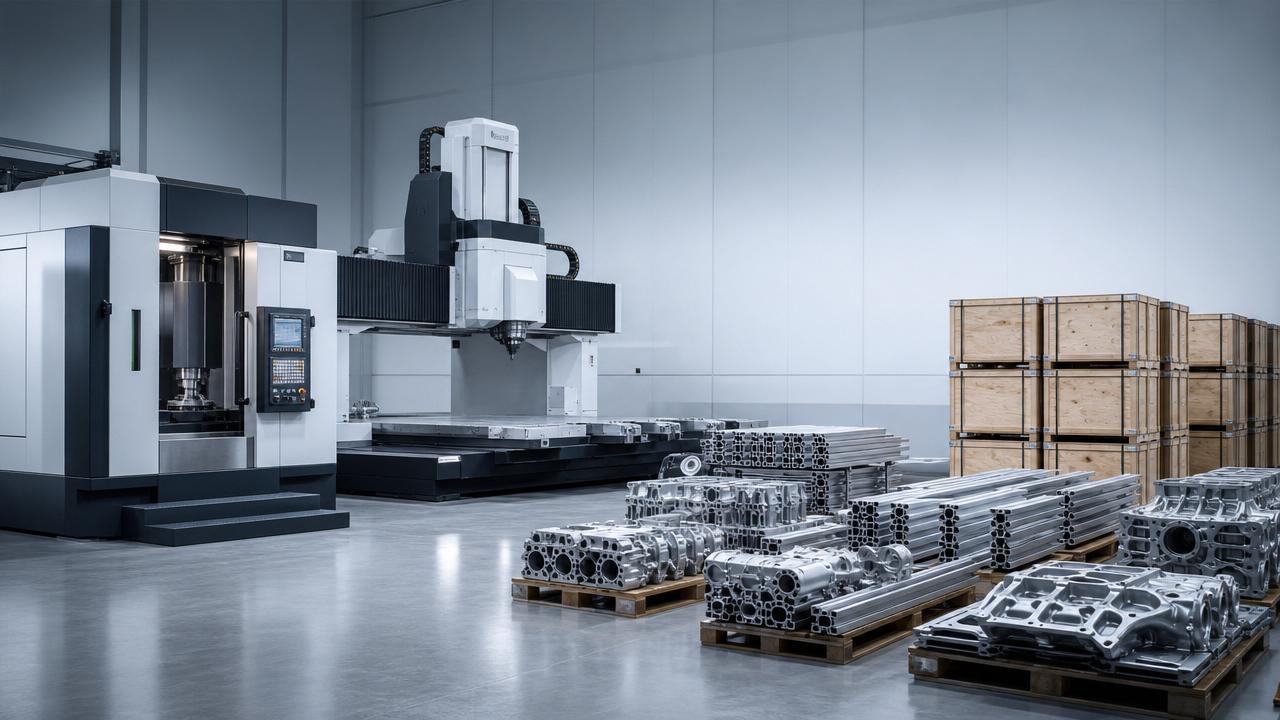
 India Tops China Machine Tool Exports, Up 41.2%India tops China machine tool exports as Q1 shipments rise 41.2%. See what this shift means for CNC suppliers, tenders, delivery risks, and after-sales strategy.
 Embedded vs. External Torque Sensors in Robotic Joints Module: Engineering Trade-offs and Future TrendsIn recent years, with the rapid growth of humanoid robots and collaborative robots, high-precision force control has become a core capability for achieving compliant and safe interaction. At the heart of this capability lies a critical component inside the robotic joint module: the torque sensor, responsible for perceiving force.
However, the installation method of torque sensors directly determines joint performance, reliability, and cost. Today, two main technical approaches dominate the market: embedded (integrated) and external (add-on) torque sensors.
This distinction goes beyond simply “built-in” versus “attached.” The fundamental difference lies in whether the torque sensing structure is an intrinsic part of the mechanical transmission chain and integrated within the joint itself. A Complete Guide to Choosing Single-Encoder vs. Dual-Encoder Robot Joint ActuatorsIn a robot joint, encoders play a role similar to human vision and proprioception. They continuously measure the position and speed of both the motor rotor and the output shaft, feeding this information back to the controller to form a precise closed-loop control system.
Encoders are also one of the core components of HONPINE joint actuators, directly determining motion accuracy, stability, and safety. Robot Communication Protocols: Why EtherCAT and CAN Are the FutureAccording to statistics released by the EtherCAT Technology Group (ETG) in 2024, EtherCAT has captured 39.2% of the global industrial robot communication protocol market, with an annual growth rate of 12.7%, significantly outperforming other competing protocols. Its advantages are particularly evident in key application scenarios: from multi-joint real-time coordinated control in humanoid robots, to multi-sensor fusion in autonomous driving, and human–machine collaboration in Industry 4.0. EtherCAT is redefining how intelligent systems interact with the physical world.
 Why Is It So Difficult for the Price of High-Performance Humanoid Robots to Decrease?And Why Are Harmonic Joint Modules Still Irreplaceable?The core reason lies in one unavoidable requirement: high degrees of freedom.
High DOF is essential for humanoid robots, and this directly leads to harmonic joint modules accounting for a consistently high proportion of total system value. Harmonic Drive Systems VS Nabtesco VS HONPINE Harmonic Drive MotorThe integrated harmonic joint motor is a highly integrated, high-performance robotic joint solution that combines the motor, reducer, encoder, sensors, and other key components into one unit. It provides powerful drive capability and precise motion control for robots. Regarded as the “heart” of humanoid robot motion, it is installed at various joints to control their movement and directly determines the robot’s overall performance. Therefore, choosing a reliable harmonic joint motor is crucial for humanoid robot development.
 How to Find a Reliable Supplier Amid Soaring Demand for Harmonic Drives and Harmonic Actuators?Under the driving forces of AI, embodied intelligence, and other key technologies, the humanoid robot industry is experiencing explosive growth. The demand for harmonic drives and harmonic actuators has surged accordingly, making it increasingly difficult for machinery companies to find reliable suppliers. So, how is HONPINE responding to this surge in demand?