





Current tag:actuator
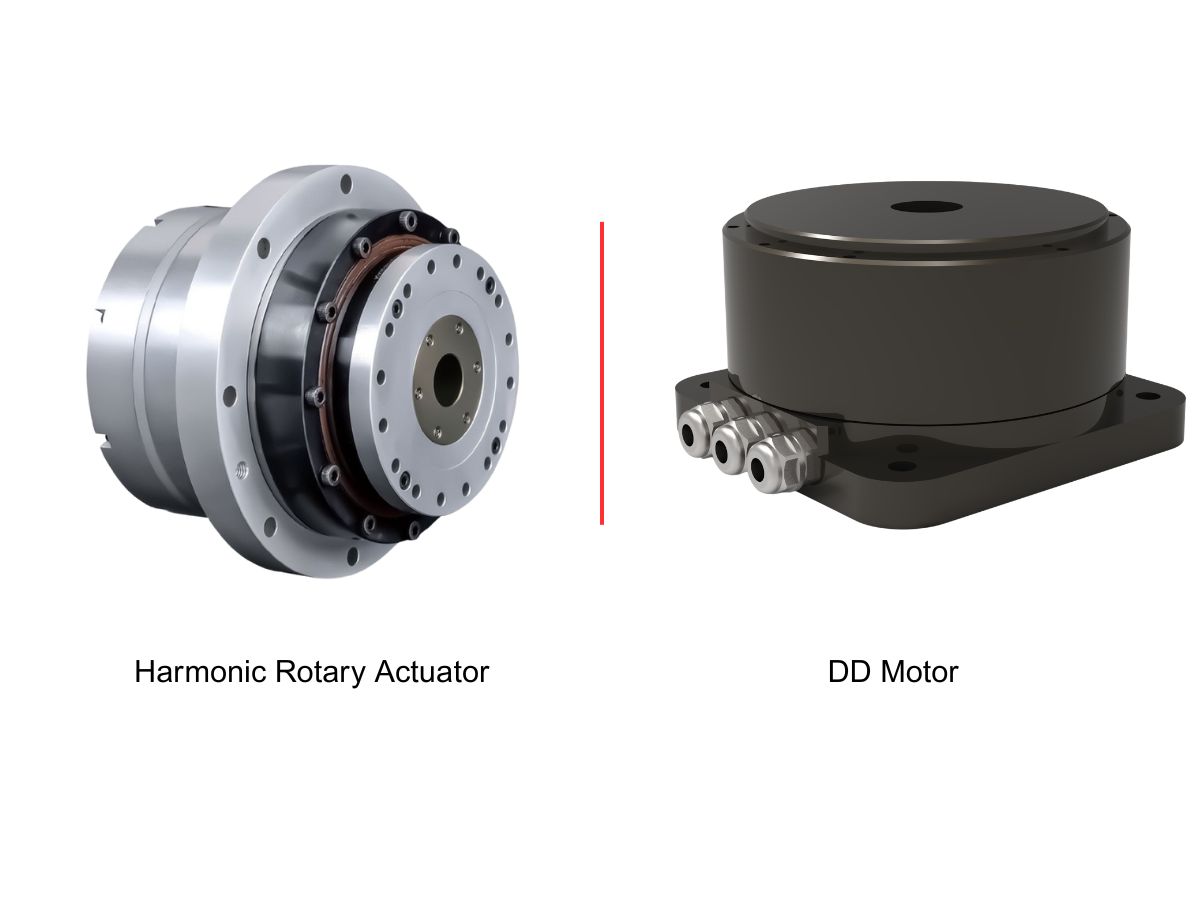
 DD Motors VS Harmonic Rotary ActuatorsThis article provides an in-depth comparison between Direct Drive (DD) motors and harmonic rotary actuators, covering their transmission principles, advantages and disadvantages, and typical application fields.
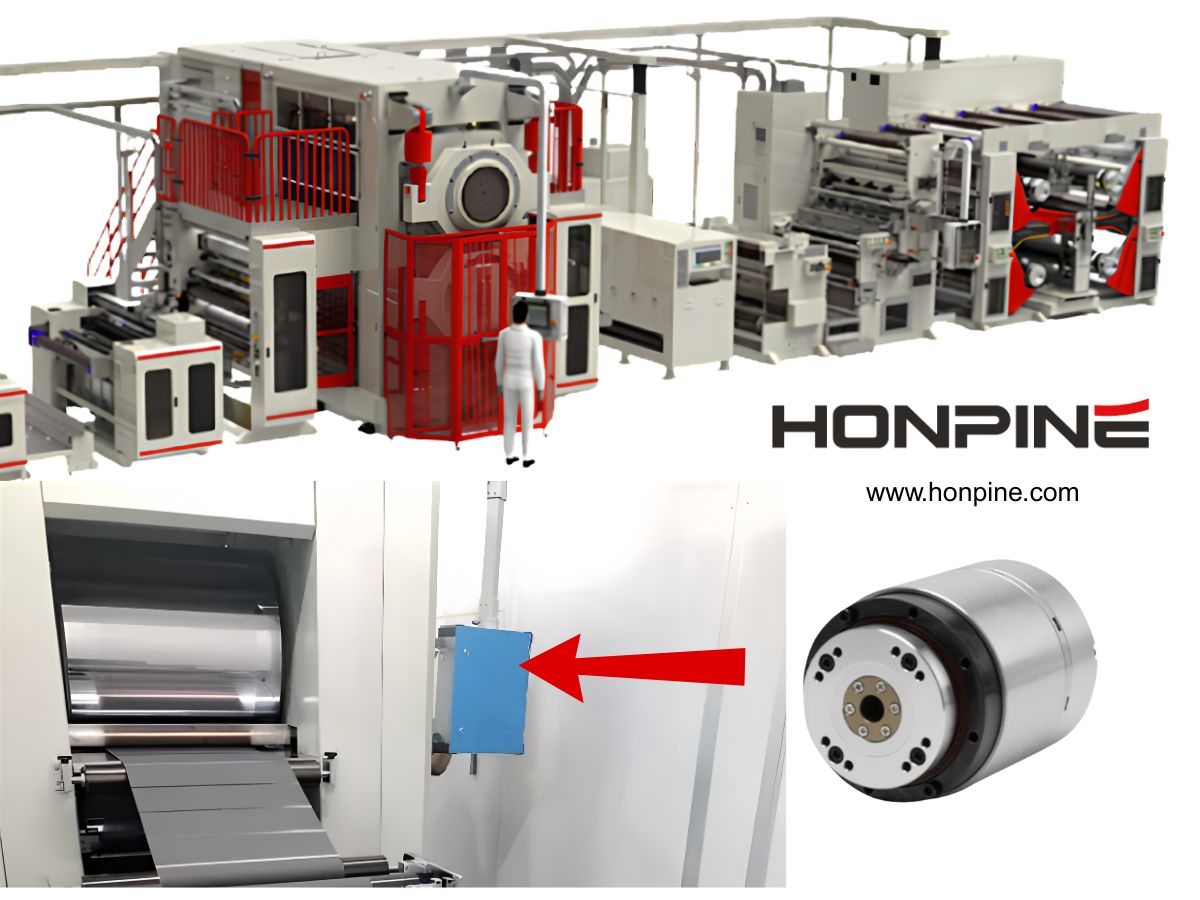
- Harmonic Rotary Actuator for Lithium Battery Roller Press EquipmentLithium battery manufacturing equipment requires higher precision, stability, and integration efficiency as production processes continue to evolve. In roller press equipment, accurate roller positioning, pressure control, and dynamic response are critical for ensuring electrode quality and consistency. HONPINE harmonic rotary actuators provide high precision, high rigidity, fast response, and compact integration for lithium battery roller press equipment. With near-zero backlash, high torque density, and reliable motion control performance, they help improve equipment accuracy and production stability.
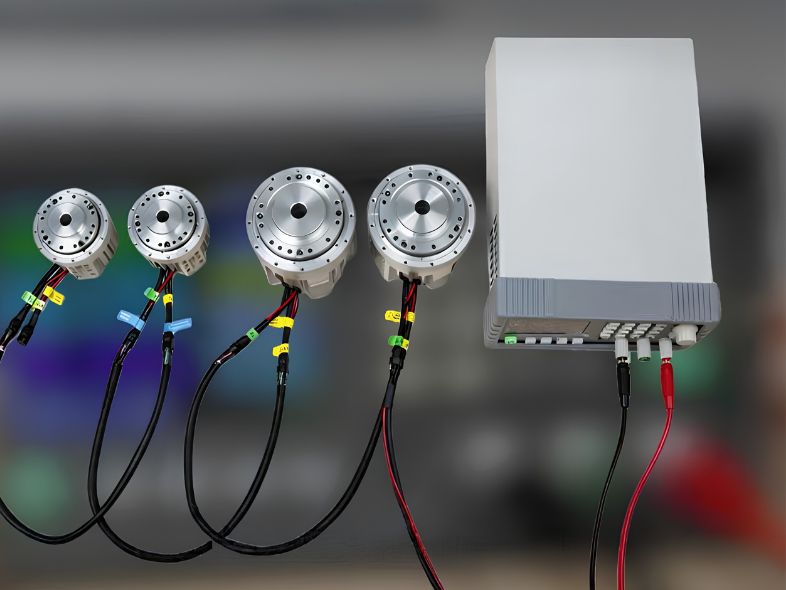
 How Integrated Robot Joint Modules Are Reshaping Robot Wiring and Control Architecture?Integrated robot joint modules are changing how robots are designed by combining the motor, reducer, drive, encoder, and sensing components into a compact motion unit. Compared with traditional distributed architectures, this integrated approach can reduce cable complexity, simplify power and communication connections, and support more compact robot structures. As humanoid robots demand higher levels of motion coordination, response speed, precision, and integration, robot joint modules are becoming an increasingly important interface between intelligent control systems and physical movement. This article explains how integrated robot joint modules reshape robot wiring and control architecture, using the HONPINE TCHL harmonic drive robot joint module as an example.
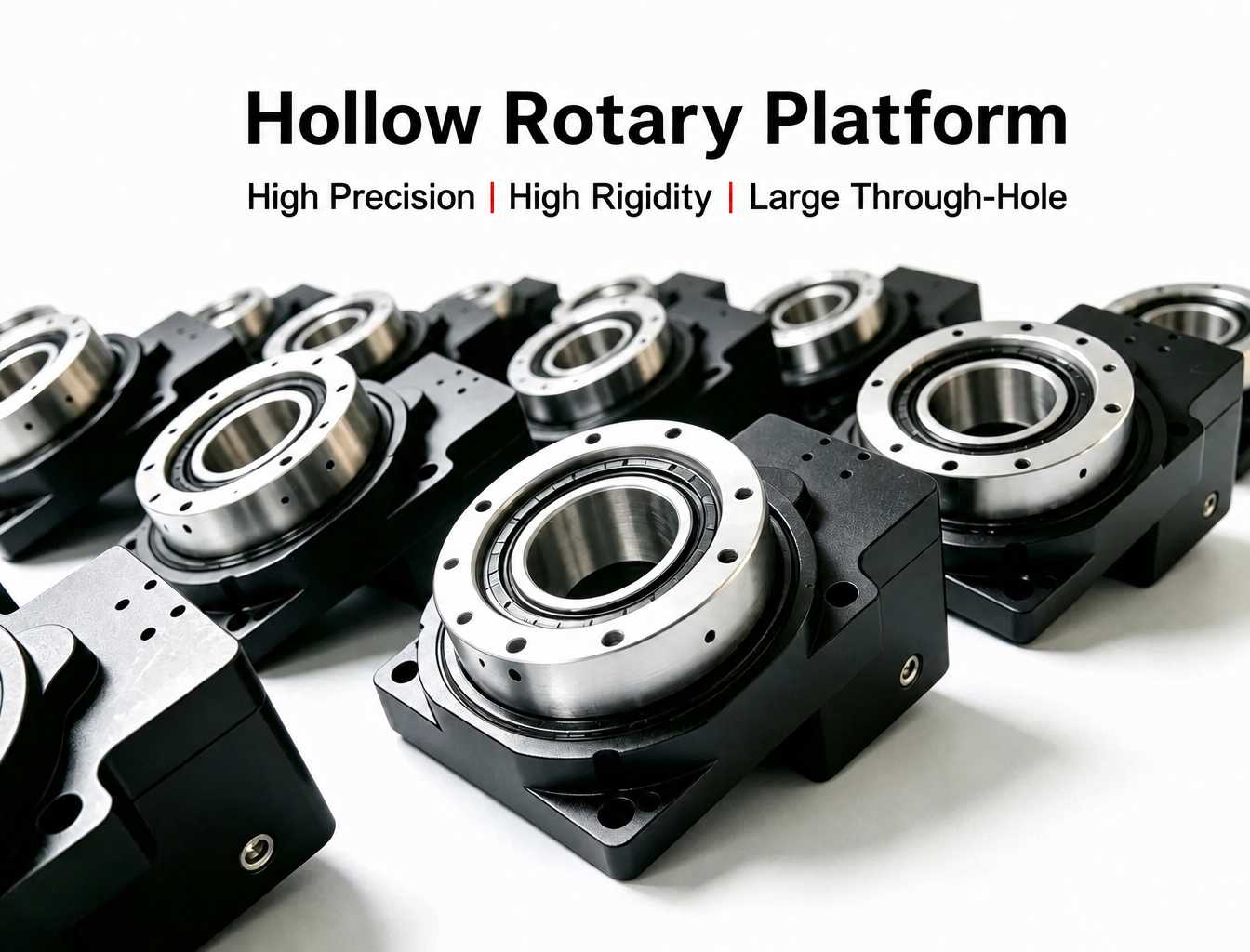
 How to Choose a Hollow Rotary Platform: A Complete Selection Guide?A hollow rotary platform is widely used in precision automation where rotary positioning, compact integration, and cable routing through the rotation axis are required. However, choosing the right platform involves more than comparing rated torque or maximum speed. Load, eccentricity, overturning moment, inertia, positioning accuracy, hollow bore, acceleration, duty cycle, and installation conditions all affect the actual performance of the rotary system. This guide explains the key parameters engineers should consider when selecting a hollow rotary platform for CNC indexing, wafer handling, vision inspection, laser processing, dispensing, and other precision rotary applications.