


Current tag:honpine
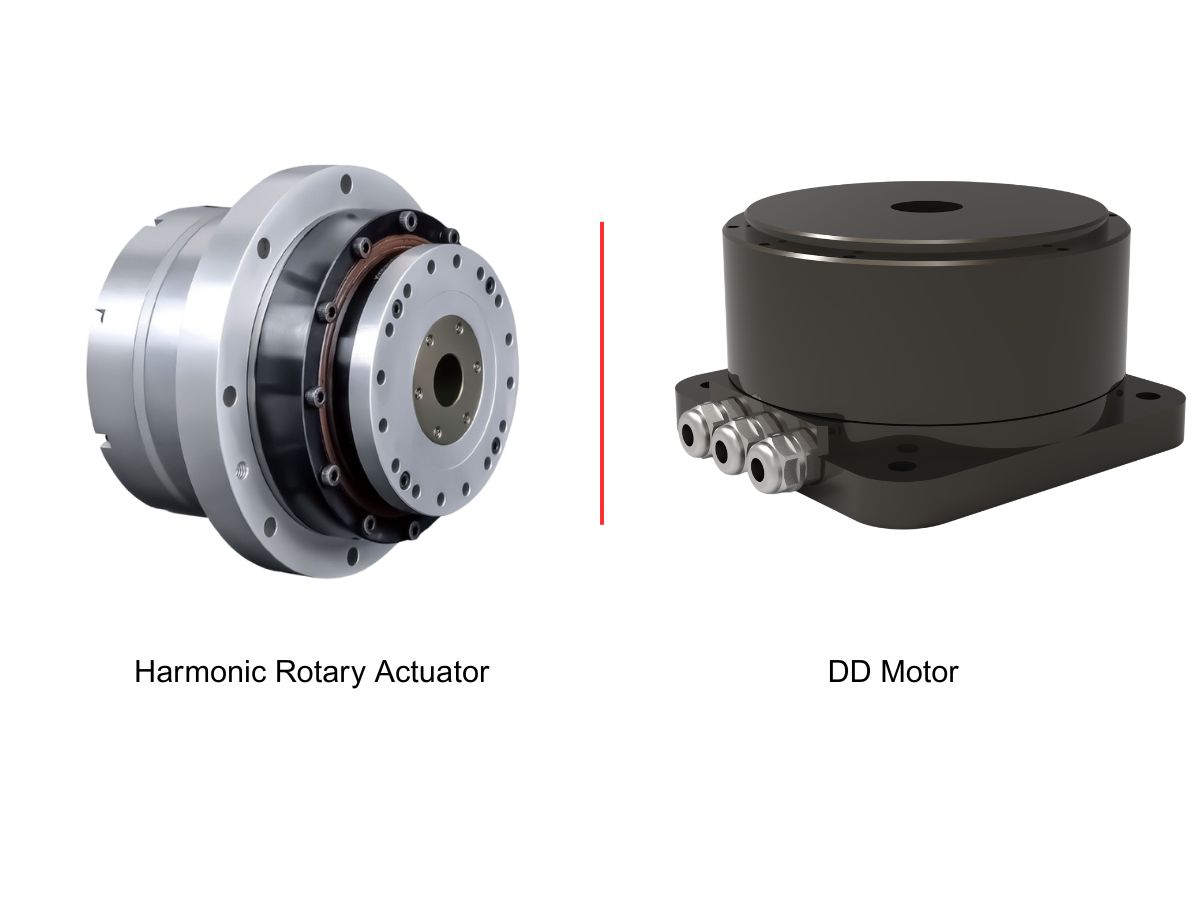
 DD Motors VS Harmonic Rotary ActuatorsThis article provides an in-depth comparison between Direct Drive (DD) motors and harmonic rotary actuators, covering their transmission principles, advantages and disadvantages, and typical application fields.
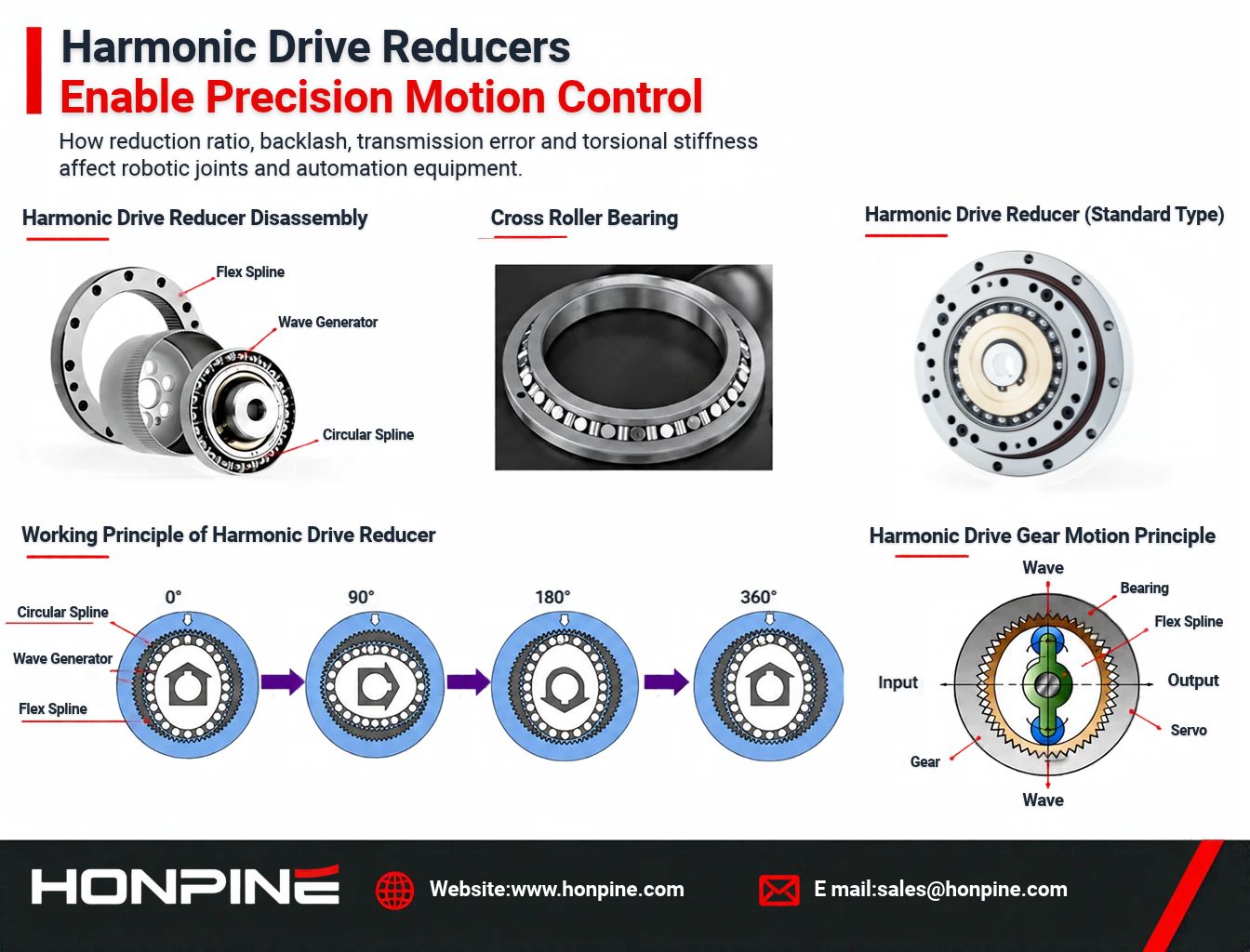
 How Does a Harmonic Drive Reducer Affect Precision Motion Control?This article explains how harmonic drive reducers influence precision motion control in robotic joints and automation equipment. It explores the effects of reduction ratio, backlash, transmission error, and torsional stiffness, while examining how encoder feedback, torque sensing, and servo drives work together to achieve accurate positioning and stable motion. Accurate motion control depends on more than motor performance. In robotic systems, the mechanical transmission between the motor and the load also affects positioning accuracy, speed regulation, and torque response. A harmonic drive reducer provides a high reduction ratio in a compact structure, but its backlash, transmission error, and torsional stiffness influence how accurately motion reaches the output shaft. Understanding how these mechanical characteristics interact with encoder feedback and servo control is essential for designing robotic joints and precision automation systems.
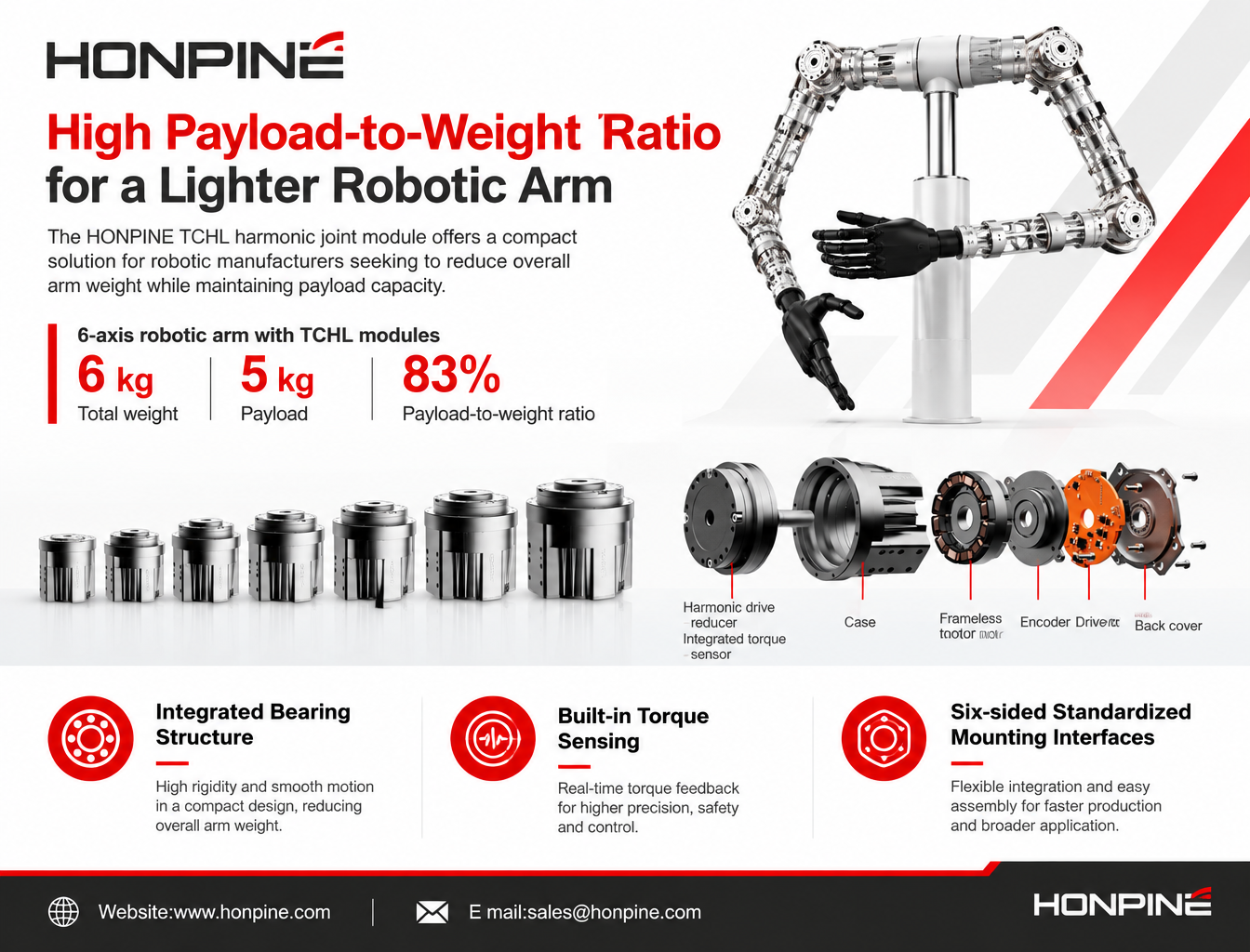
- How Does the HONPINE TCHL Harmonic Joint Module Achieve an 83% Payload-to-Weight Ratio?Discover how the HONPINE TCHL harmonic joint module helps a 6 kg robotic arm achieve an 83% payload-to-weight ratio through integrated bearing design, built-in torque sensing, and six-sided mounting interfaces.
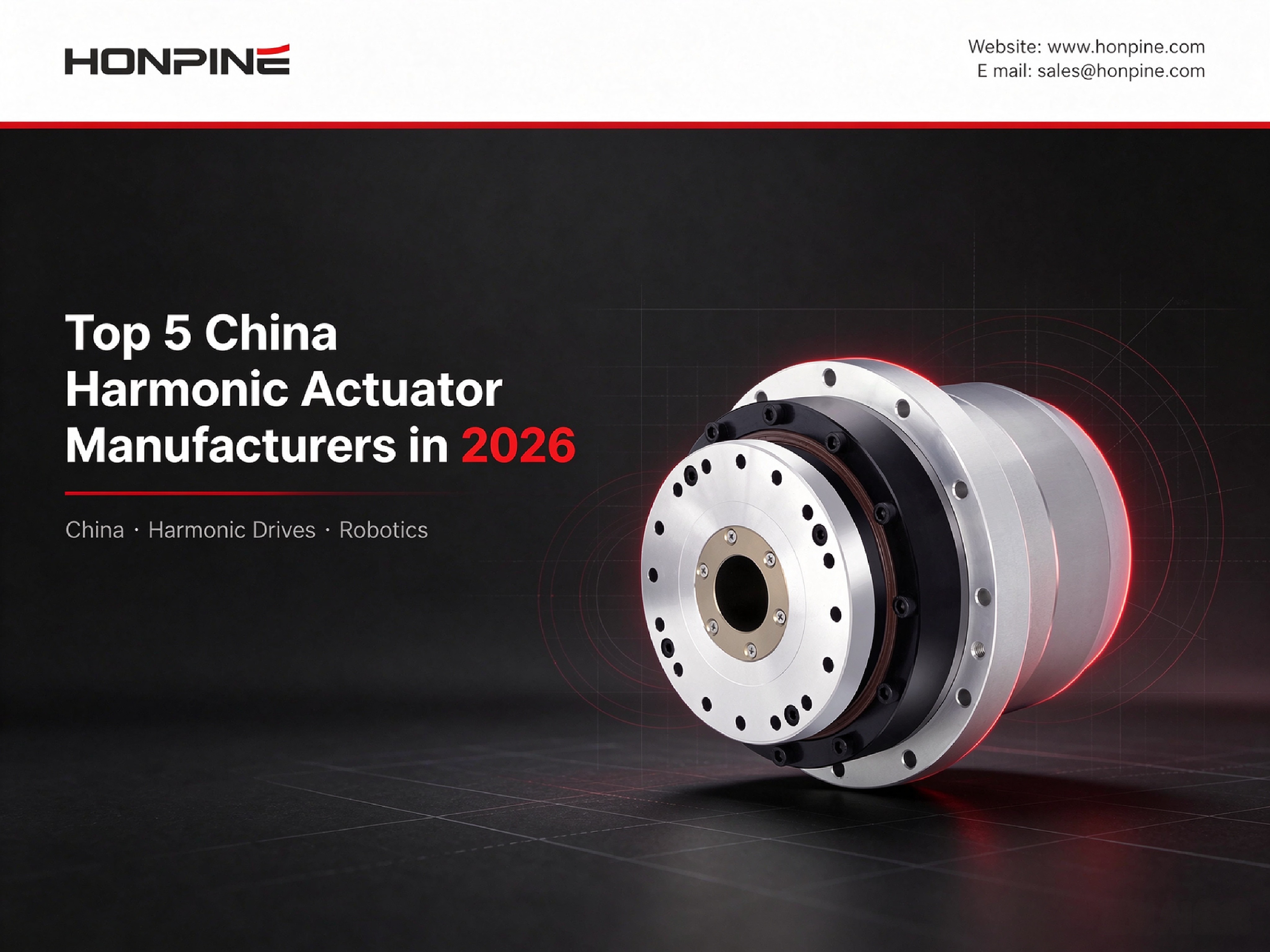
- Top 5 China Harmonic Actuator Manufacturers in 2026Japan has traditionally been a major source of precision harmonic drive technology. However, China's robotics industry and precision manufacturing sector have developed rapidly, creating new opportunities for domestic harmonic actuator manufacturers. Today, Chinese suppliers offer a growing range of harmonic reducers, integrated rotary actuators, and robotic joint modules for humanoid robots, industrial automation, medical equipment, and precision machinery. In this article, we introduce five Chinese harmonic actuator manufacturers in 2026, comparing their company backgrounds, product portfolios, and technical capabilities to help buyers identify potential suppliers.

{item.title}
{item.description}