







What Is a Joint Motor?
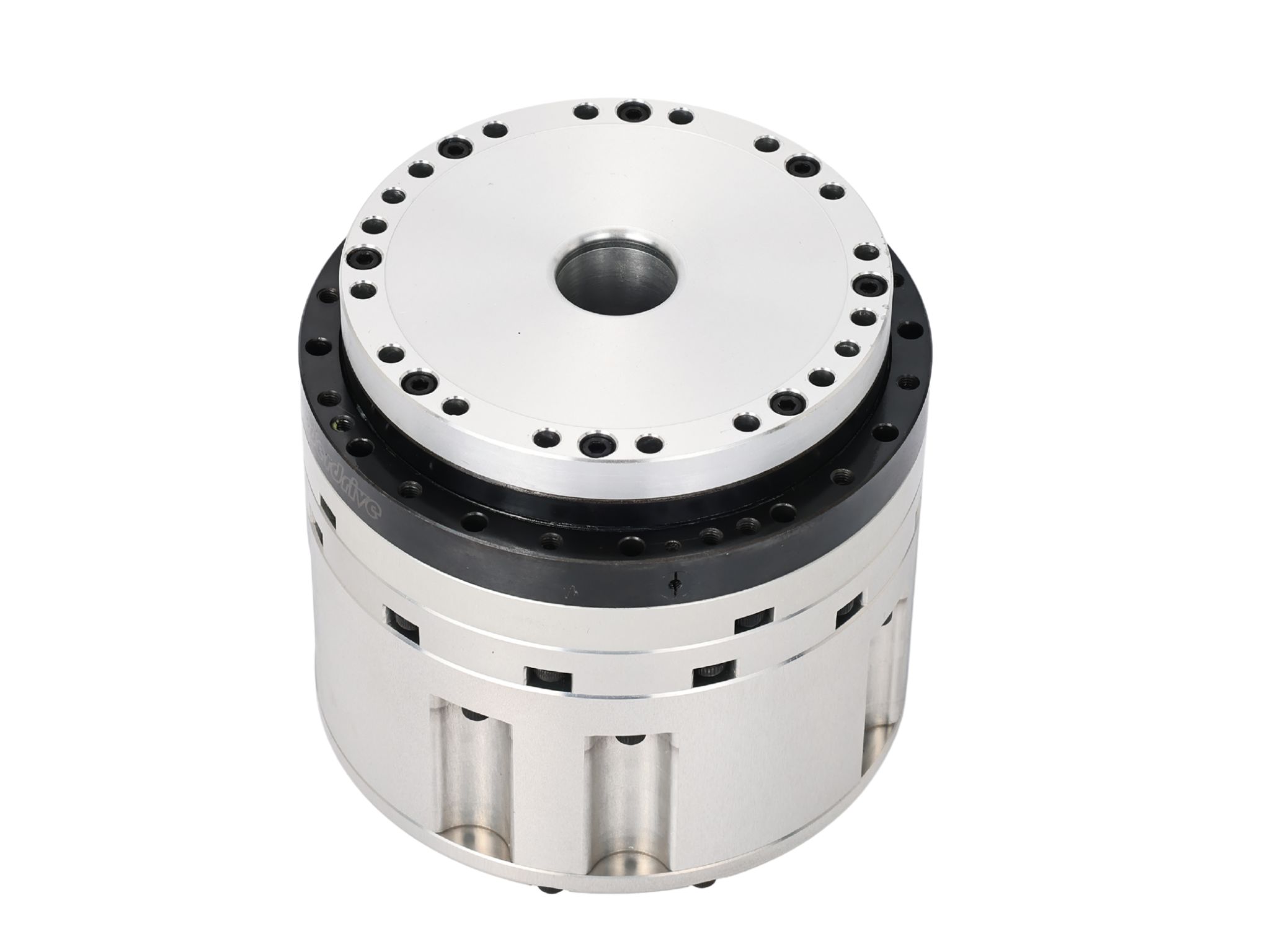
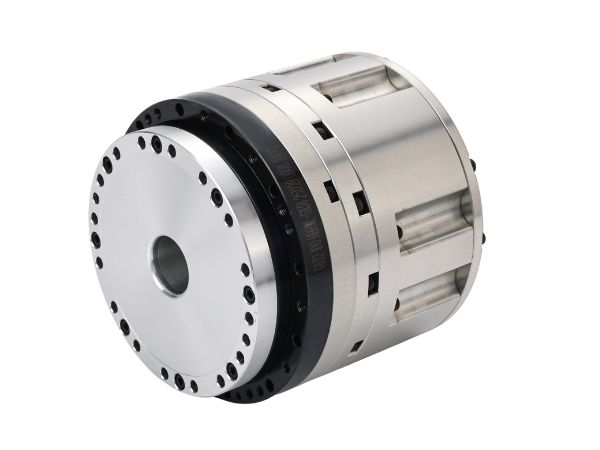
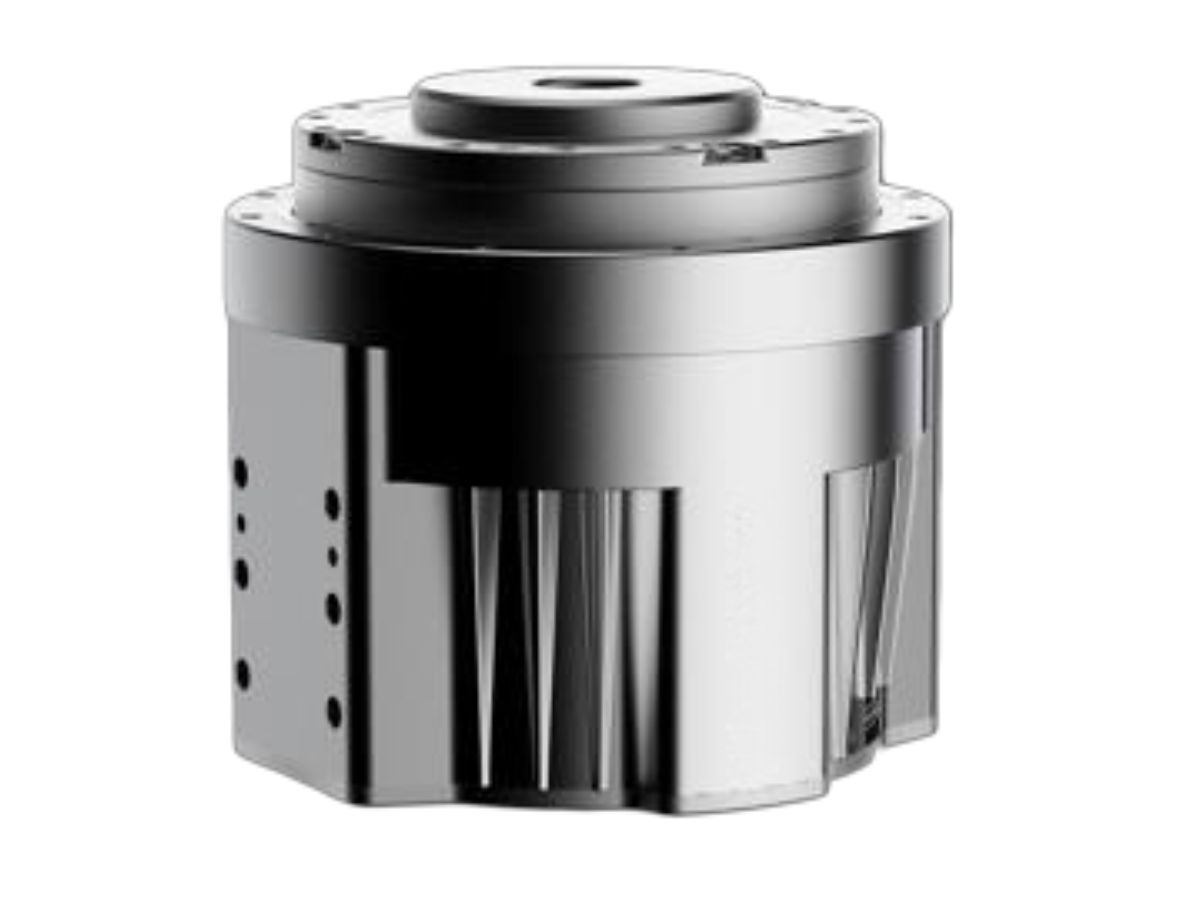
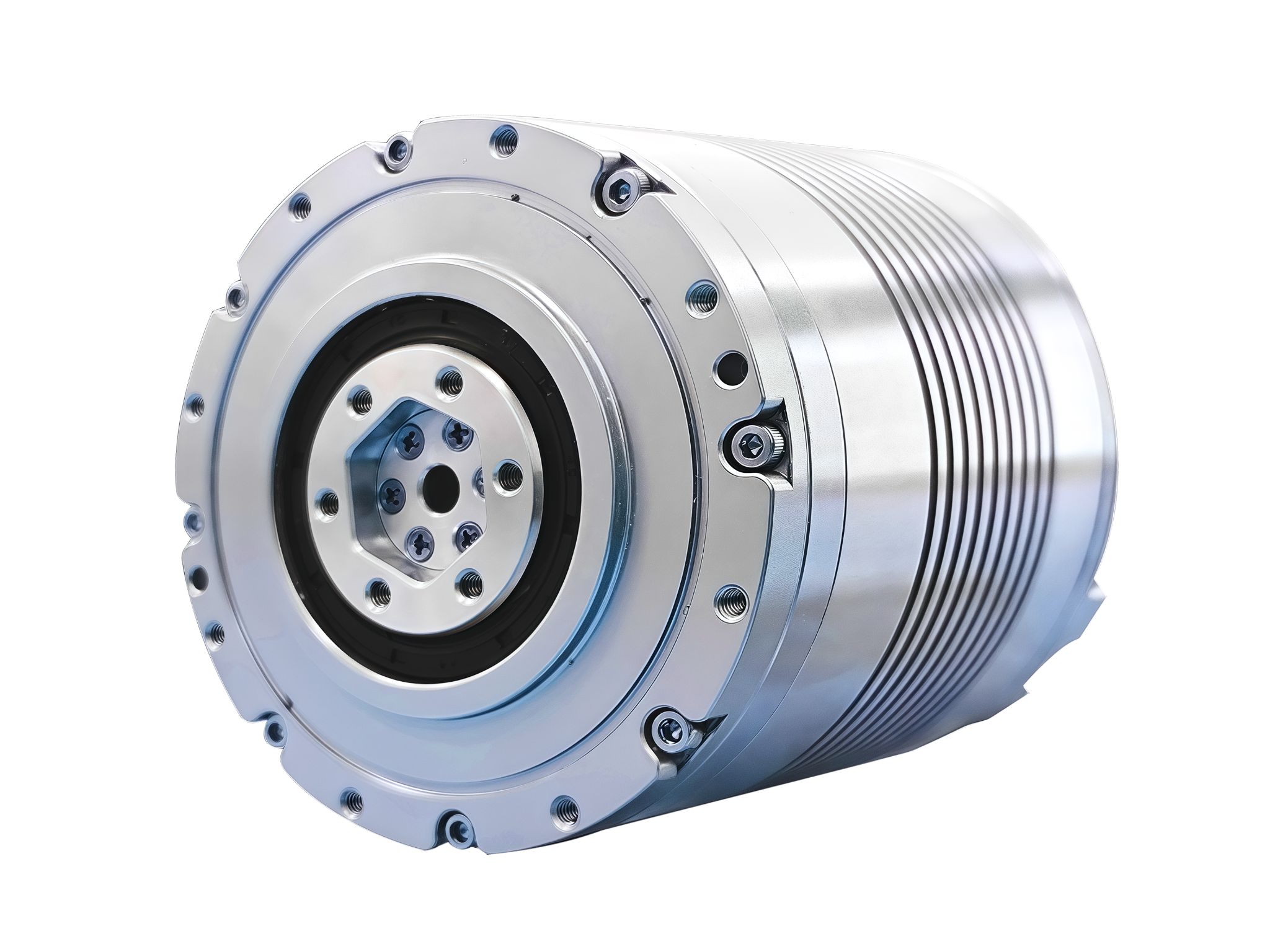
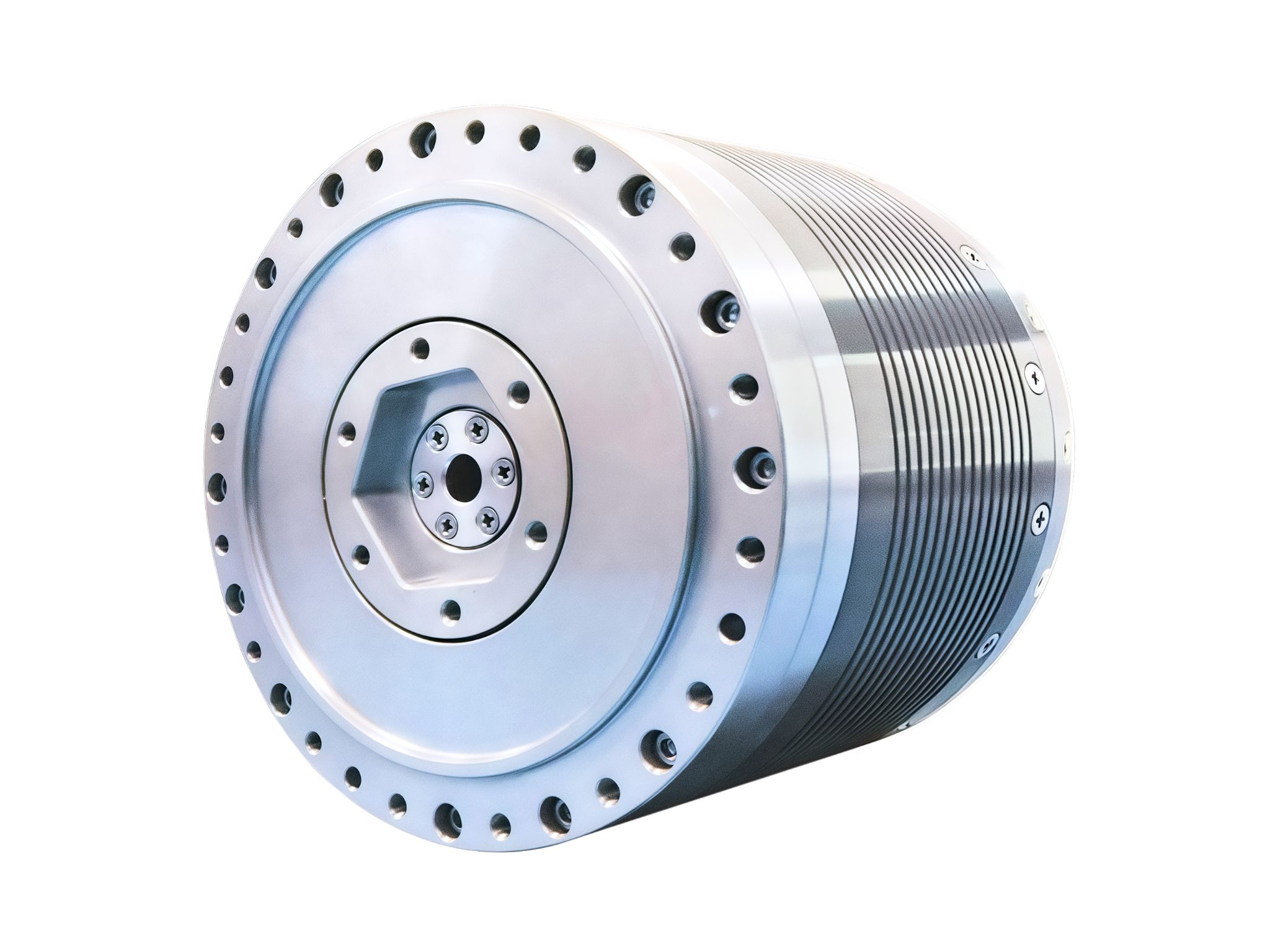
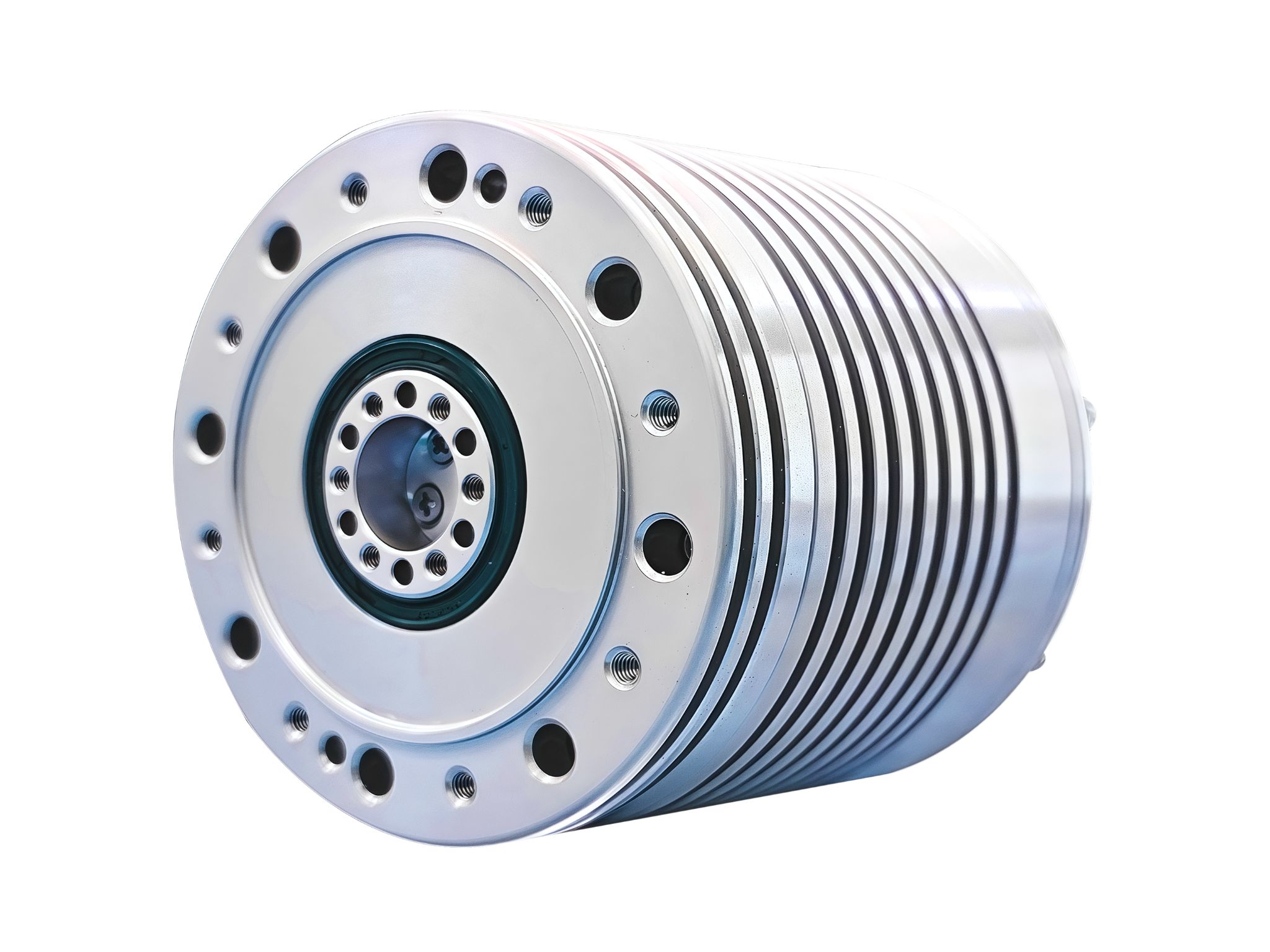
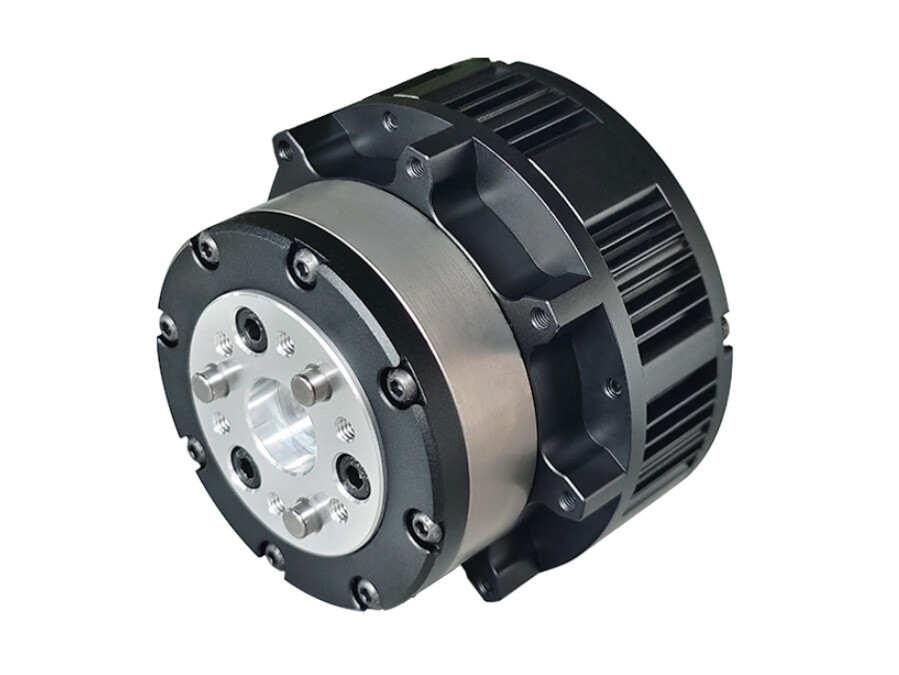
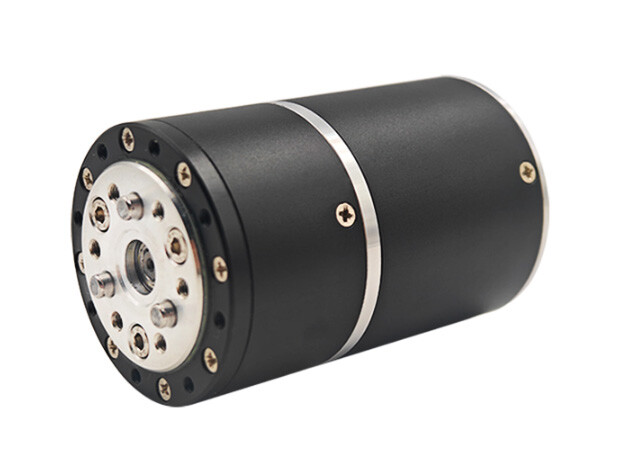
A joint motor is a motor specifically designed to control the movement of mechanical joints. It is a core component that enables flexible motion in robots and automated equipment. Joint motors are widely used in humanoid robots, quadruped robots, collaborative robotic arms, industrial automation equipment, medical robots, and wearable smart devices. They are one of the key technologies that enable agile movement and intelligent operation.
Features of Joint Motors
High Precision
Using servo motor technology, joint motors provide precise motion control, supporting delicate operations and natural walking movements.
High Torque
They deliver strong power and high torque output, improving robot stability and reducing the risk of imbalance.
Flexibility
Joint motors support multiple motion modes such as rotation, tilting, and bending. Different motor options can be selected to enhance adaptability for various applications.
Fast Response
Modern joint motors can rapidly process sensor feedback and adjust movements in real time to respond to environmental changes.
Compact and Lightweight
Advanced materials and technologies make motors smaller and lighter, enabling compact designs and improved flexibility.
Low Energy Consumption
Designed with energy efficiency in mind, joint motors reduce power consumption and extend operating time, making them suitable for long-duration operation.
The Role of Frameless Torque Motors in Joint Motors
Working Principle
Compared with traditional motors, frameless torque motors do not include a shaft, bearings, housing, or end caps. They consist only of a rotor and stator. When powered by a driver, an electromagnetic field is generated to drive the permanent-magnet rotor to rotate.
Performance Advantages
High efficiency
Compact structure
High torque density
Easy maintenance
Low noise operation
What Is an Integrated Joint Motor?
An integrated joint motor combines the motor, reducer, encoder, driver, and brake into a single compact unit.
From an engineering perspective, the value of a robotic joint is not simply to “make the axis rotate.” Instead, it must achieve the optimal balance between output torque, motion accuracy, control response, structural size, and reliability within limited space. Therefore, understanding robotic joints requires viewing them not as individual components, but as a complete electromechanical system.
HONPINE HAG harmonic joint motors can be optionally equipped with STO (Safe Torque Off) functionality.
HONPINE TCHL series also achieves built-in torque sensor integration, providing a more compact structure and higher system integration level.
- What is robot joint actuator?How to Choose the Best Robot Rotary Joint Actuator?Apr 14, 2026In core robot joint transmission solutions, planetary and harmonic rotary actuators each have their own strengths. Choosing the right type based on application requirements is essential to achieve the optimal balance between performance and cost.
- DD Motors VS Harmonic Rotary ActuatorsApr 01, 2026This article provides an in-depth comparison between Direct Drive (DD) motors and harmonic rotary actuators, covering their transmission principles, advantages and disadvantages, and typical application fields.
- OMG Ultra Compact Harmonic Drive Joint Module with Built-in Torque SensorJan 27, 2026HONPINE TCHL series harmonic drive joint module is a game-changing product that achieves disruptive improvements in multiple aspects such as lightweight design, integration level, and connection convenience. This article will analyze its revolutionary enhancements with you.
- AGV Suspension: Should You Choose a Balance Beam or a Spring-Loaded Steering Drive Unit?Oct 08, 2026Choosing an AGV suspension system starts with the vehicle’s load range and floor conditions. Balance beams and spring-loaded steering drive units offer different approaches to maintaining wheel contact and managing wheel loads. This HONPINE guide compares both options and explains how to evaluate traction, suspension travel, installation space, and maintenance before choosing a configuration.
- Hollow Rotary Platform Motor Matching: A Complete GuideOct 08, 2026Selecting the right motor for a hollow rotary platform is essential for achieving precise positioning, stable operation, and efficient automation. This guide explains how to match servo motors, stepper motors, and brushless DC motors with hollow rotary platforms based on torque, speed, inertia, accuracy, and installation requirements. Explore practical motor selection guidelines, typical application combinations, and space-saving mounting solutions to find the right configuration for your automation project.