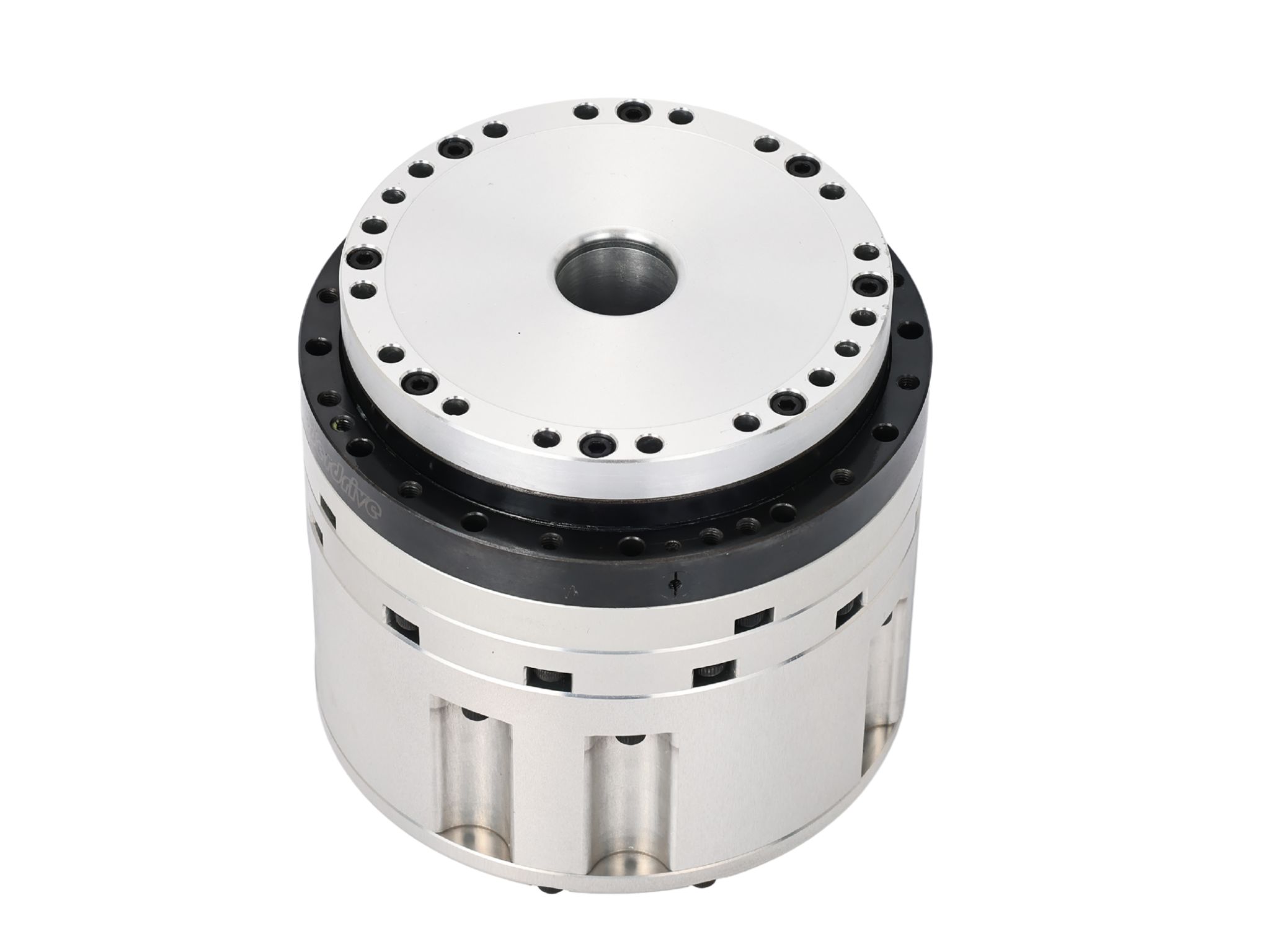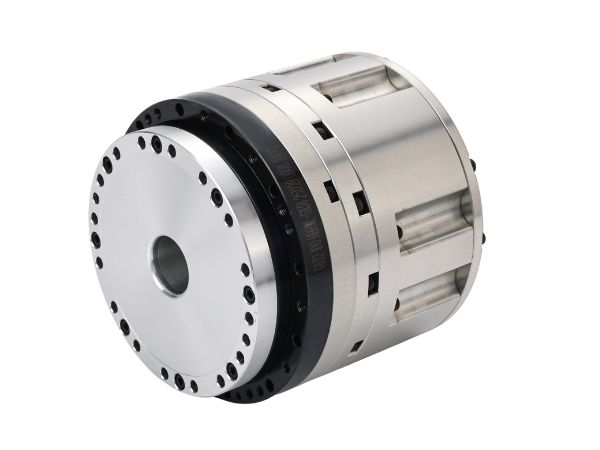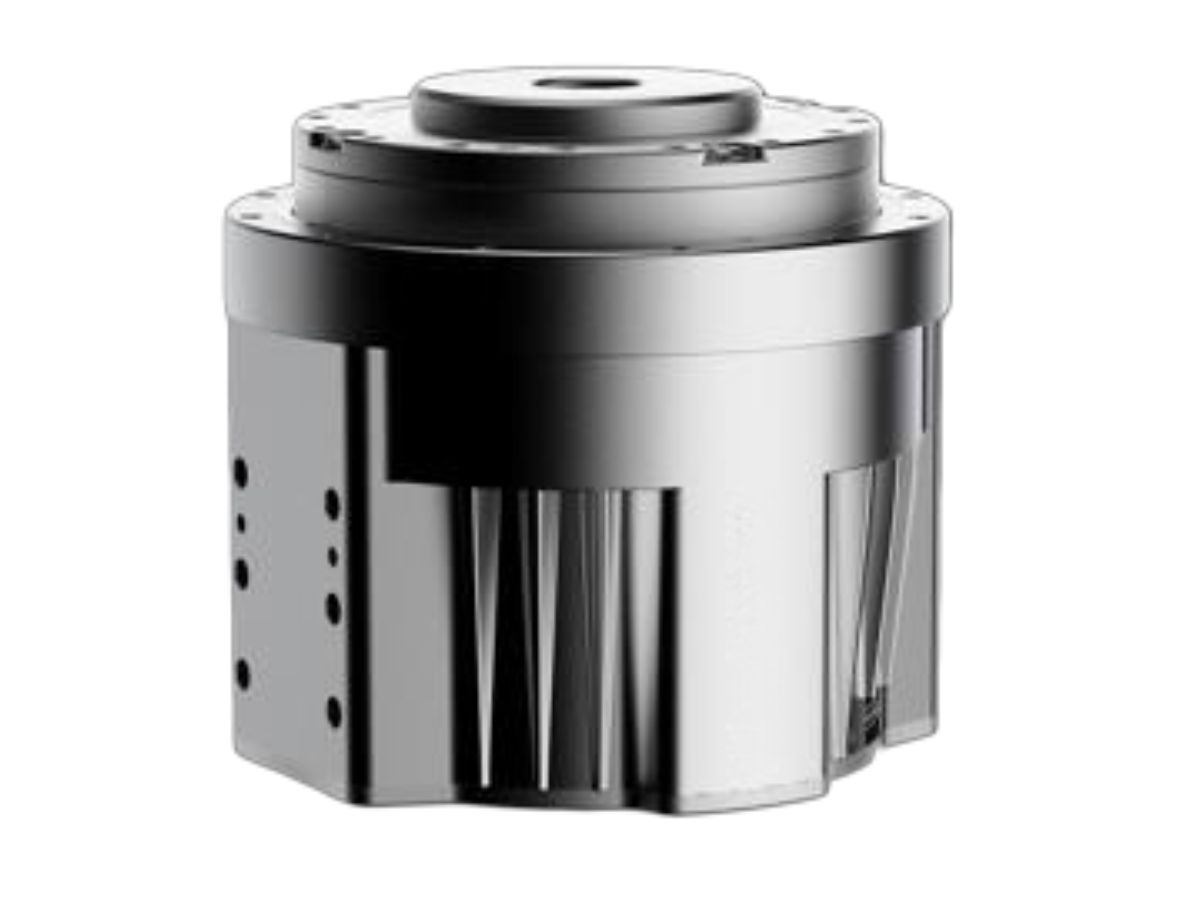






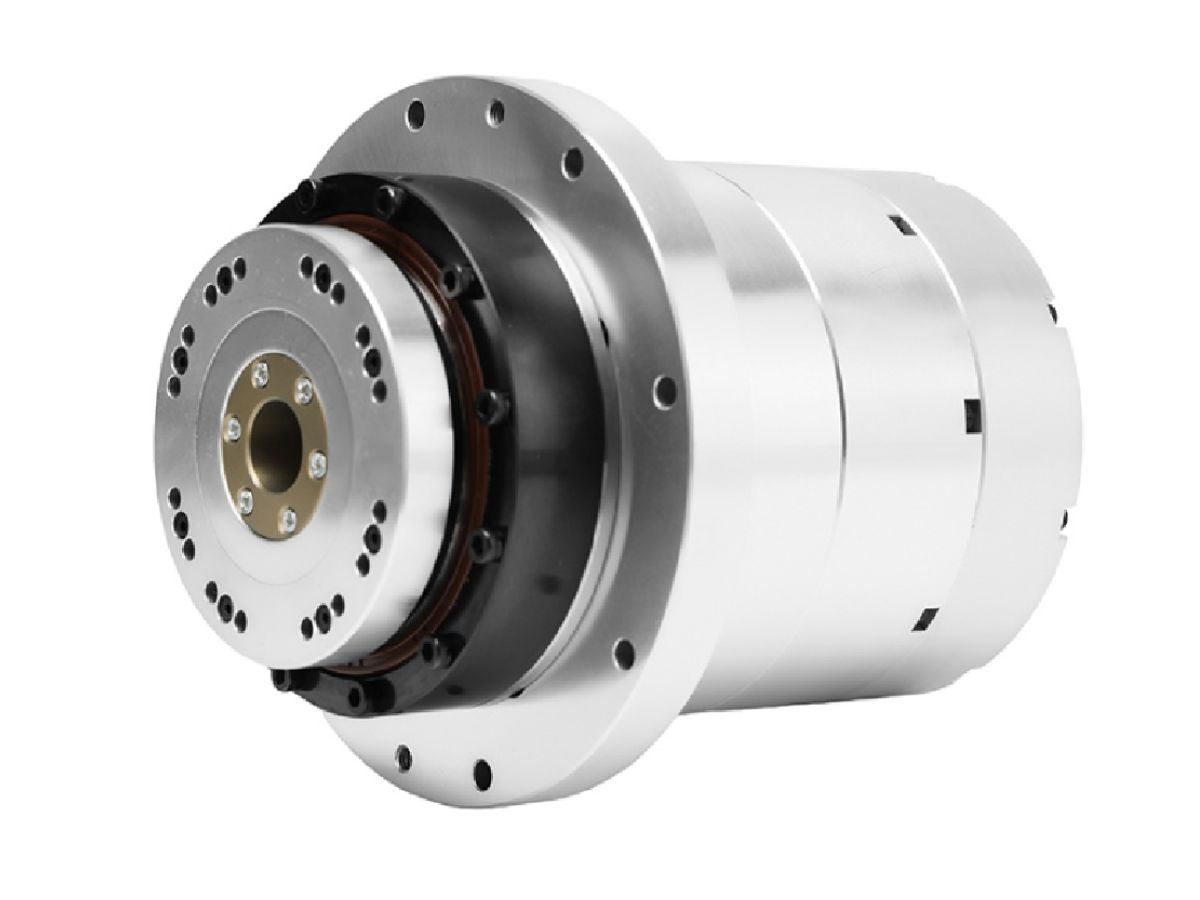

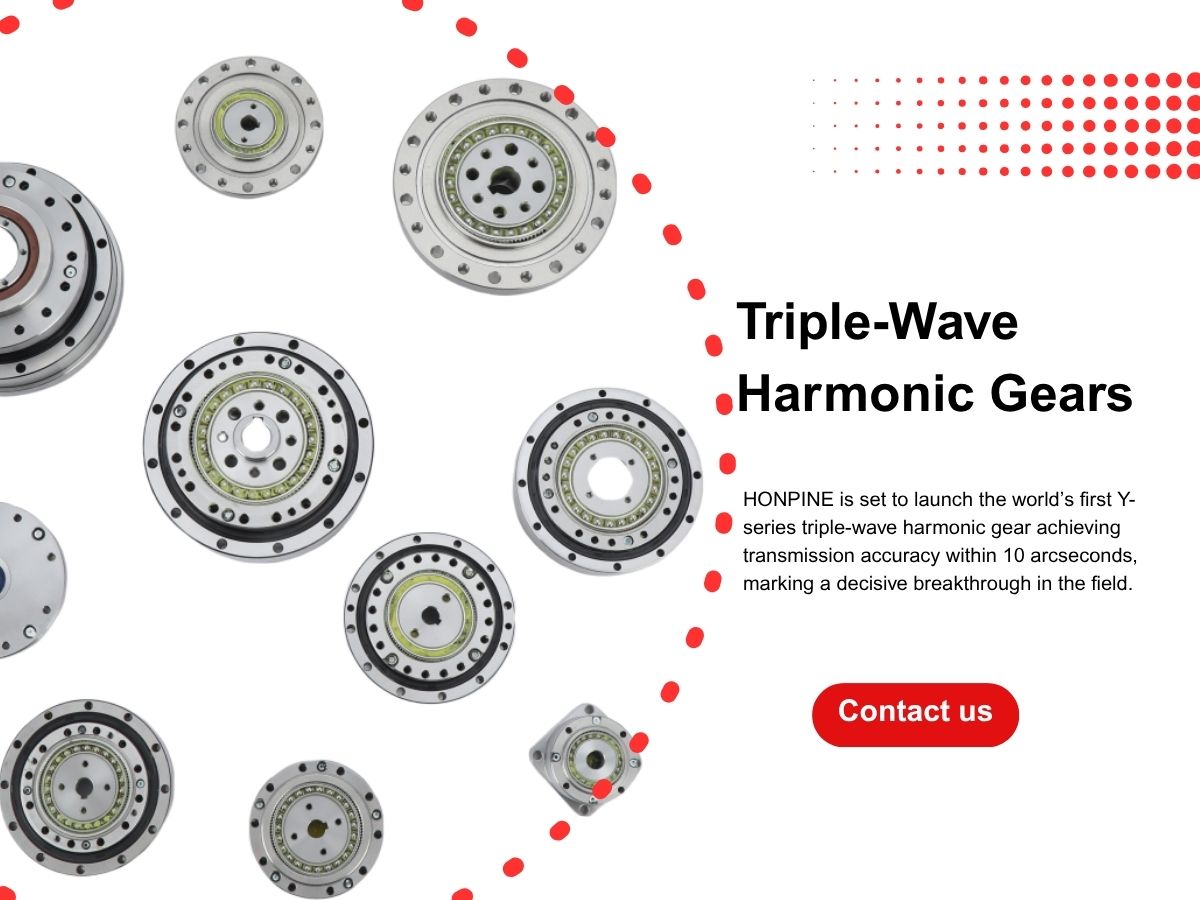
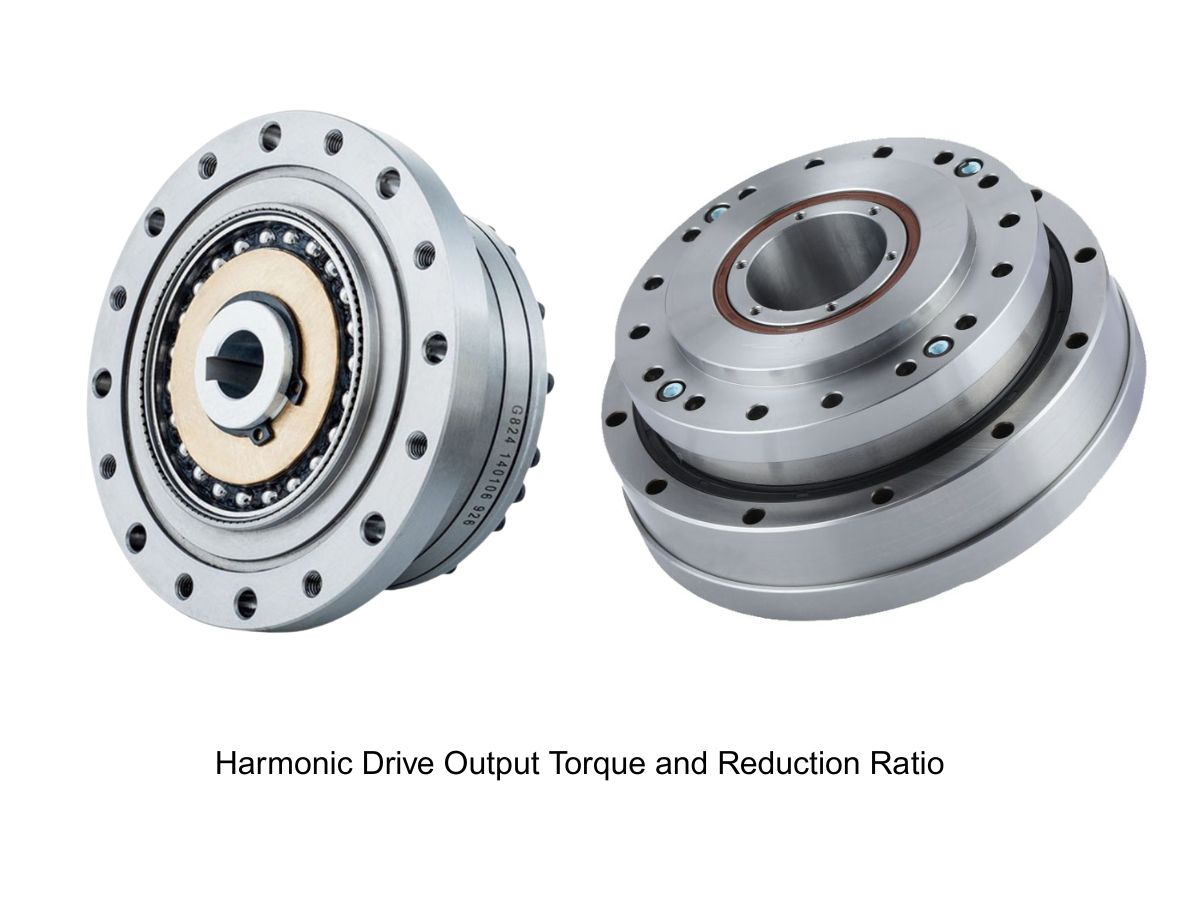

The harmonic gear harmonic reducer plays a critical role in a harmonic actuator. It is the core component that enables high-precision, high-torque, and compact motion control in harmonic actuators.
What Is a Harmonic Actuator?
A harmonic actuator is a precision drive unit that integrates a servo motor with a harmonic reducer. It combines the advantages of harmonic transmission technology and is widely used in automation applications that require high precision and high dynamic response.
Features of a Harmonic Actuator
High Precision
Thanks to the zero-backlash characteristics of harmonic gearing, extremely high positioning accuracy can be achieved (typically down to arc-second level). It is ideal for applications requiring ultra-precise motion control, such as robotic joints, semiconductor equipment, and precision instruments.
High Torque Density
It delivers high torque output within a compact size and lightweight structure, making it suitable for high-load and space-constrained applications such as small robotic arms and miniature actuators.
High Rigidity
The structural characteristics of harmonic gears provide strong resistance to load disturbances, ensuring stable positioning and motion control even under varying loads.
Compact and Lightweight
With an integrated design combining the motor, reducer, and encoder, the actuator saves space and is easy to install in compact systems.
What Role Does the Harmonic Reducer Play in a Harmonic Actuator?
In most precision actuator applications, extremely high speed is not required. Instead, what is needed is higher output torque and more stable, controllable low-speed motion. Therefore, the harmonic reducer mainly serves two purposes:
1. Speed Reduction and Torque Amplification
The motor typically operates at high speed but with limited torque. After passing through the reducer, the output shaft rotates more slowly but delivers significantly higher torque, enabling it to drive heavier loads.
2. Improving Output Resolution
After speed reduction, a small angular change on the motor side corresponds to a much finer motion at the output side. This effectively improves control resolution and is beneficial for high-precision joint control.
What Are the Disadvantages of Harmonic Gears in Harmonic Actuators?
Despite their advantages, harmonic reducers also introduce certain drawbacks. They can lead to friction, compliance (elastic deformation), efficiency losses, and hysteresis (backlash-like behavior under load).
In other words, while the reducer solves the torque amplification problem, it also increases the complexity of motion control. Therefore, robotic joint design is never about maximizing the reduction ratio, but about finding the right balance between output capability and control performance.
- What is robot joint actuator?How to Choose the Best Robot Rotary Joint Actuator?Apr 14, 2026In core robot joint transmission solutions, planetary and harmonic rotary actuators each have their own strengths. Choosing the right type based on application requirements is essential to achieve the optimal balance between performance and cost.
- DD Motors VS Harmonic Rotary ActuatorsApr 01, 2026This article provides an in-depth comparison between Direct Drive (DD) motors and harmonic rotary actuators, covering their transmission principles, advantages and disadvantages, and typical application fields.
- OMG Ultra Compact Harmonic Drive Joint Module with Built-in Torque SensorJan 27, 2026HONPINE TCHL series harmonic drive joint module is a game-changing product that achieves disruptive improvements in multiple aspects such as lightweight design, integration level, and connection convenience. This article will analyze its revolutionary enhancements with you.
- DD Motor Servo System: How to Understand Mechanical Resonance and Solve Machine Vibration?Sep 18, 2026This article explains the relationship between DD motor servo tuning, mechanical resonance, and servo bandwidth in direct drive motion systems. It examines why vibration and instability can occur even after repeated servo parameter adjustments, and explains how mechanical stiffness, moving mass, bearing conditions, load distribution, and structural geometry affect resonance frequency. The article also compares approaches for high- and low-frequency resonance, explains when digital notch filtering can be effective, and provides a practical tuning strategy for engineers working with DD motors, direct drive torque motors, and linear motors.
- High Precision Harmonic Drive Robot Joint Actuator Solution for Robotic ElbowsSep 18, 2026The robotic elbow joint plays a critical role in arm flexion, posture adjustment, and end-effector positioning. As humanoid robots, collaborative robots, and robotic arms become more capable, elbow actuators need to deliver high torque and precise motion within increasingly limited installation spaces. A high precision harmonic drive robot joint actuator integrates the harmonic reducer, motor, encoder, brake, and drive system into a compact unit, providing low backlash, high stiffness, high torque density, and accurate motion control. In this article, HONPINE introduces three joint actuator series suitable for robotic elbow applications, covering different requirements for size, torque, speed, precision, and integration.