



Italy Pavilion at CCMT2026: 22 Machine Tool Firms Focus on Green Manufacturing & CE 2026 Compliance
From April 21–25, 2026, a national pavilion organized by the Italian Trade Agency (ITA) and UCIMU—Sistema Confindustria showcased 22 Italian machine tool manufacturers at CCMT2026 in Shanghai. The delegation emphasized low-carbon CNC systems, regenerative braking servo drives, and carbon-traceable machining centers aligned with EU Regulation 2025/XXXX (entering force in 2026) and the revised Machinery Directive 2026. This event signals growing regulatory convergence between EU sustainability mandates and China’s advanced manufacturing supply chain—making it especially relevant for exporters, Tier-1 suppliers, and OEMs engaged in cross-border industrial equipment trade.
Event Overview
The Italian National Pavilion at CCMT2026, held from April 21 to 25, 2026, featured 22 member companies of UCIMU—Sistema Confindustria, coordinated by the Italian Trade Agency (ITA). Exhibits centered on machinery compliant with the upcoming EU 2025/XXXX Energy Efficiency Regulation and the 2026 revision of the CE Machinery Directive. Demonstrated technologies included low-carbon numerical control systems, servo drives with regenerative braking, and machining centers with verifiable product carbon footprint documentation. On-site, several Italian firms signed joint development agreements with Chinese suppliers to co-create localized solutions meeting EU green public procurement criteria.
Which Subsectors Are Affected
Direct Exporters & Importers of Industrial Machinery
These enterprises face tightening conformity requirements for machinery placed on the EU market post-2026. The new CE Machinery Directive revision introduces stricter obligations for technical documentation, risk assessment transparency, and environmental performance claims—impacting how exported machines are certified, labeled, and supported post-sale.
Chinese Tier-1 Suppliers & Component Manufacturers
Suppliers providing motion control units, power electronics, or structural subassemblies to EU-facing OEMs may be required to provide energy consumption data, material declarations, or lifecycle assessment inputs. Joint development agreements signed at CCMT2026 suggest increasing demand for component-level traceability and interoperability with EU-compliant system architectures.
Domestic OEMs Integrating Imported Subsystems
OEMs integrating Italian or other EU-sourced CNC controllers, drives, or spindles must verify whether those subsystems carry updated CE declarations covering the 2026 Machinery Directive scope—and whether their own final assembly processes meet new requirements for integrated energy labeling and carbon footprint reporting.
Supply Chain & Certification Service Providers
Notified Bodies, testing labs, and technical documentation consultants active in EU machinery compliance will likely see increased demand for verification of energy efficiency parameters, regeneration capability validation, and carbon accounting integration—especially for hybrid or retrofit solutions targeting both EU and domestic markets.
What Relevant Enterprises or Practitioners Should Focus On & How to Respond Now
Monitor official EU Commission updates on EN standards harmonized under Regulation 2025/XXXX
Analysis shows that formal adoption of supporting EN standards (e.g., for measuring regenerative braking efficiency or defining carbon footprint boundaries for machine tools) remains pending. Enterprises should track CEN/CENELEC work programs—not just the regulation’s entry-into-force date—to anticipate test method requirements.
Review current technical files and declarations for CE-marked subsystems used in final assemblies
Observably, many existing CE declarations reference the 2006/42/EC Machinery Directive without addressing the 2026 revision’s expanded scope (e.g., software-defined safety functions, networked machine behavior, environmental performance claims). Cross-check supplier documentation now—not after non-conformance is flagged during market surveillance.
Distinguish between policy signal and operational readiness
Current more appropriately understood as a signal: while EU 2025/XXXX and the 2026 Machinery Directive revision are legally adopted, full implementation timelines—including grace periods for legacy models and transitional provisions—have not yet been published. Avoid premature re-engineering; instead, map current product families against known new requirements and prioritize high-volume or high-risk export SKUs.
Initiate internal alignment on data collection infrastructure for energy and carbon metrics
From industry perspective, traceable carbon footprint reporting requires consistent metering of electricity use per operational mode, material sourcing data, and transport logistics. Begin assessing ERP/MES capabilities to capture and structure this data—not to meet immediate deadlines, but to avoid bottlenecks when mandatory reporting frameworks roll out.
Editorial Perspective / Industry Observation
This Italian pavilion at CCMT2026 is less an isolated trade promotion and more an early-stage alignment exercise. Analysis shows it reflects coordinated preparation—not just by manufacturers, but by national trade institutions—for regulatory shifts that will reshape technical cooperation across the EU-China machine tool value chain. It is currently best interpreted as a preparatory signal: not yet triggering immediate compliance actions, but clearly indicating where certification workflows, supplier audits, and R&D roadmaps need recalibration over the next 12–24 months. Continued attention is warranted because these developments are tightly coupled with broader EU industrial policy goals—including the Net-Zero Industry Act and the upcoming Ecodesign for Sustainable Products Regulation (ESPR).
Conclusion
CCMT2026’s Italian pavilion underscores a structural shift: environmental performance is no longer a differentiator but a baseline requirement for market access in key jurisdictions. For stakeholders across the machine tool ecosystem, this moment is better understood not as a deadline-driven compliance checkpoint, but as a marker of evolving technical expectations—one that demands proactive data governance, supplier engagement, and regulatory horizon-scanning rather than reactive certification.
Information Source
Main source: Official announcement by the Italian Trade Agency (ITA) and UCIMU—Sistema Confindustria regarding participation in CCMT2026. Note: Specific text of EU Regulation 2025/XXXX and exact provisions of the 2026 Machinery Directive revision remain subject to official publication in the Official Journal of the European Union; ongoing monitoring is recommended.
Read More
Learn more about the story of HONPINE and industry trends related to precision transmission.
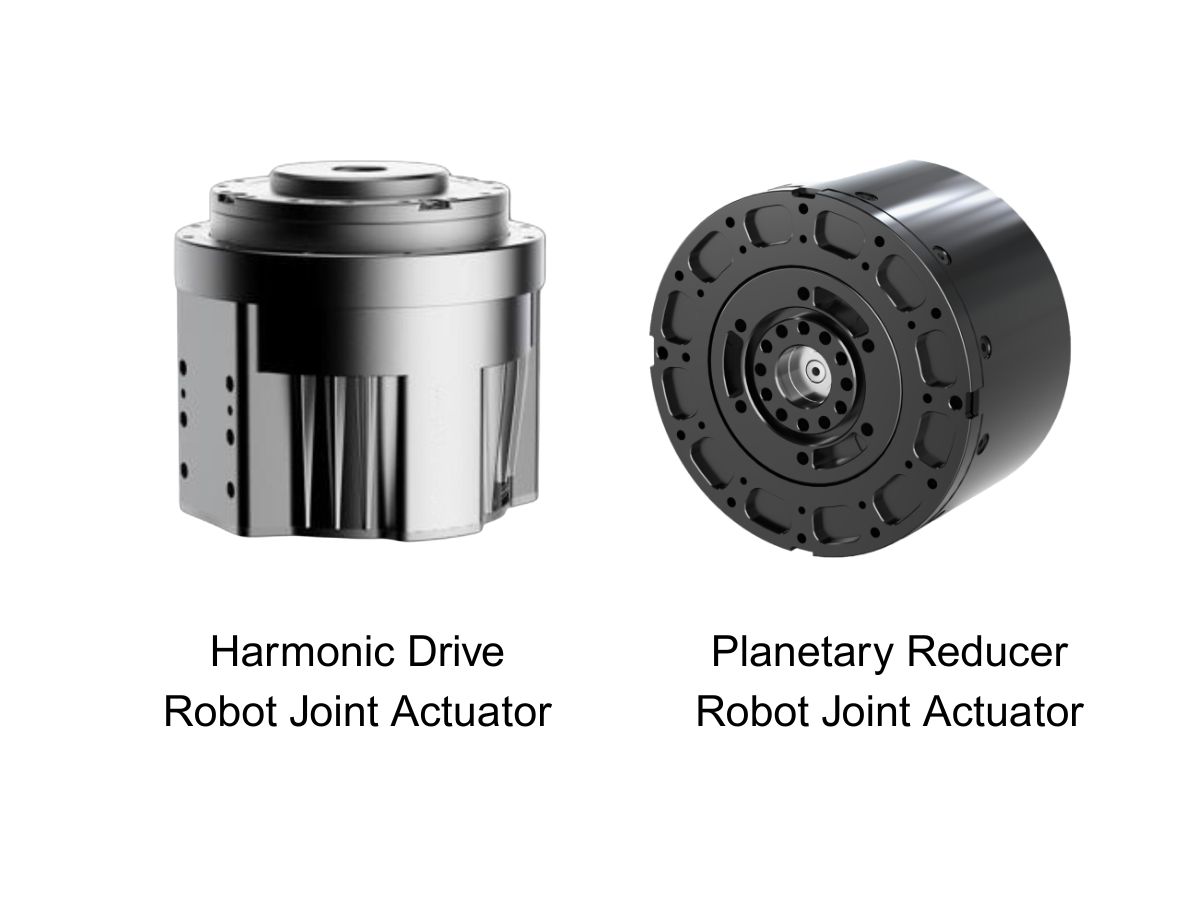
 What is robot joint actuator?How to Choose the Best Robot Rotary Joint Actuator?In core robot joint transmission solutions, planetary and harmonic rotary actuators each have their own strengths. Choosing the right type based on application requirements is essential to achieve the optimal balance between performance and cost.
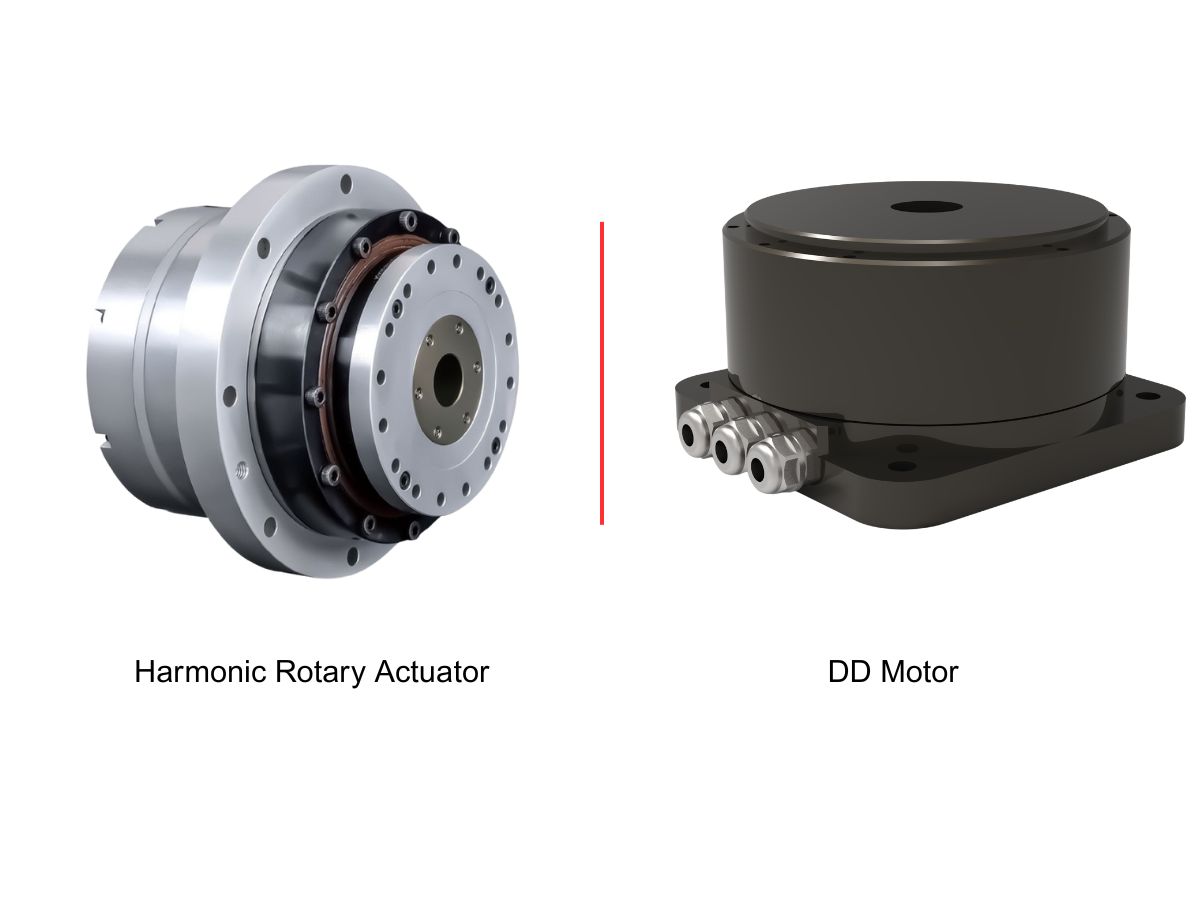
 DD Motors VS Harmonic Rotary ActuatorsThis article provides an in-depth comparison between Direct Drive (DD) motors and harmonic rotary actuators, covering their transmission principles, advantages and disadvantages, and typical application fields.
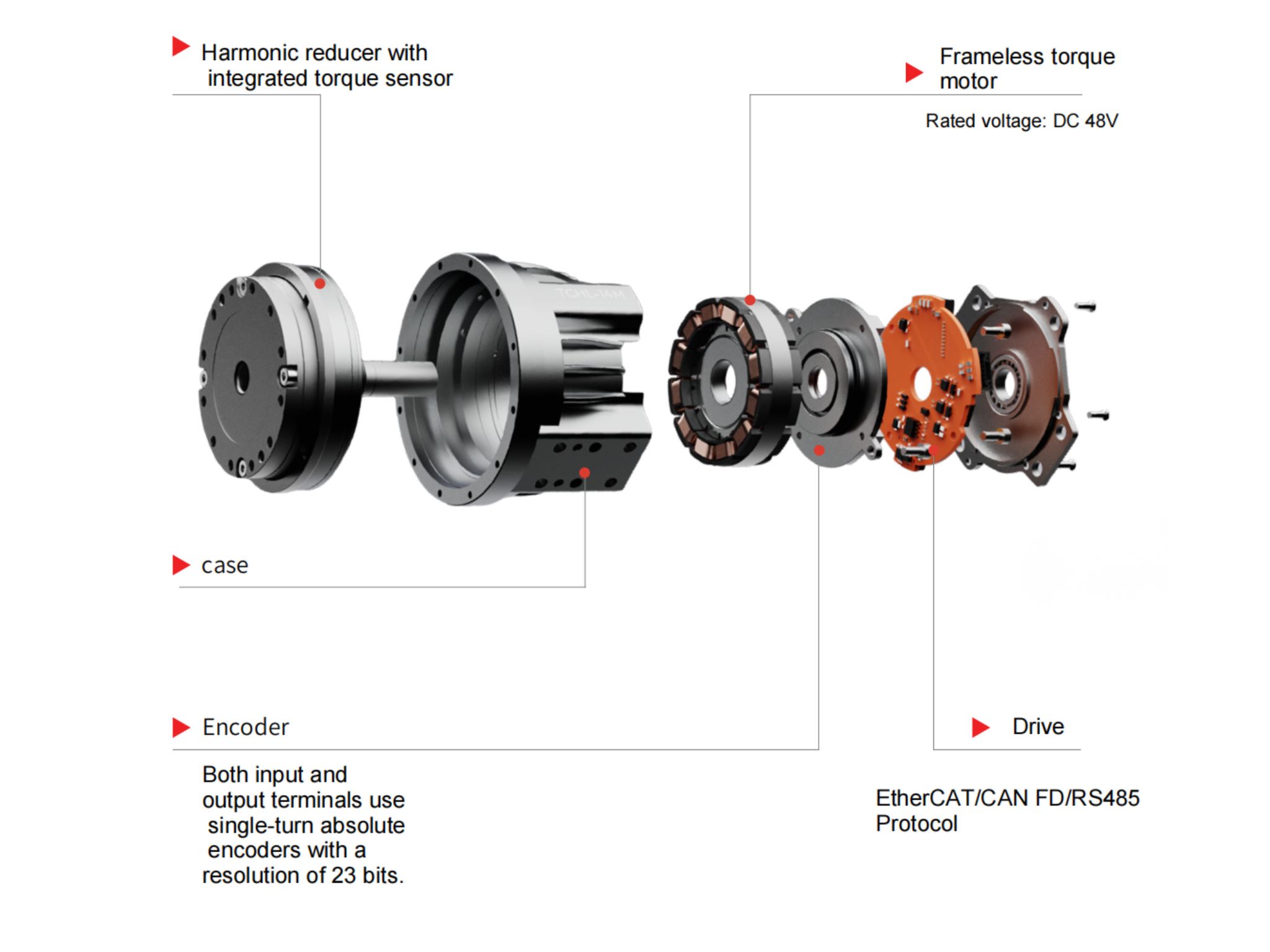
 OMG Ultra Compact Harmonic Drive Joint Module with Built-in Torque SensorHONPINE TCHL series harmonic drive joint module is a game-changing product that achieves disruptive improvements in multiple aspects such as lightweight design, integration level, and connection convenience. This article will analyze its revolutionary enhancements with you.
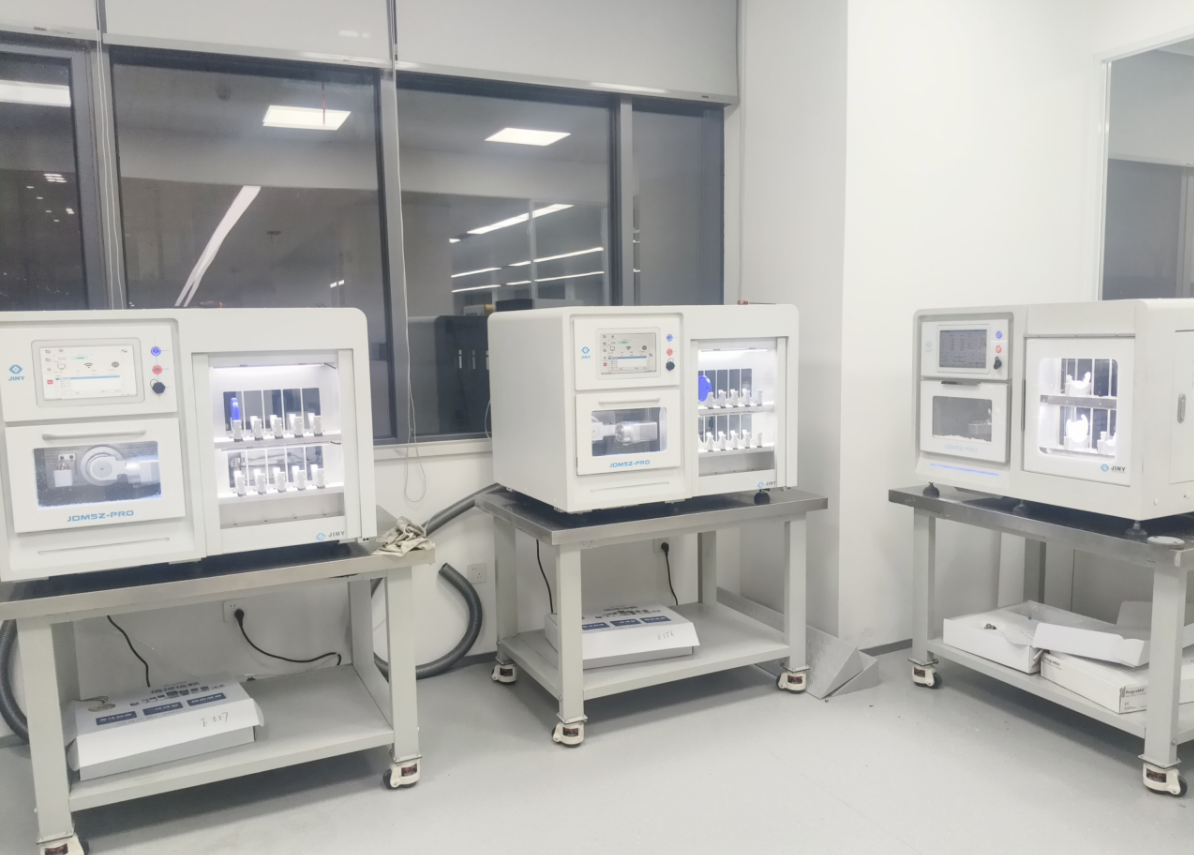
 The Role of Harmonic Drive Gears in Achieving 5–10 μm Accuracy in Dental Milling MachinesA dental milling machine is a CNC machining system used to directly process digital dental models into restorations such as crowns, bridges, veneers, inlays, and implant abutments. Dental milling machines require far higher operational accuracy and motion stability than ordinary equipment. This article explains how harmonic drive gear help dental milling machines achieve stable, continuous, and controllable operation.
 Why Are Harmonic Rotary Actuators Perfect for Medical Equipment?Harmonic rotary actuators (typically integrated systems consisting of a harmonic drive reducer, frameless torque motor, encoder, and optional brake) are regarded as key components in medical equipment. The core reason is that they simultaneously meet the most stringent medical requirements for precision, compact size, safety, and controllability. The following explanation is structured from three perspectives: technical characteristics, application scenarios, and medical value.
 High-Precision RV Reducers Perfectly Matched for Walking RobotsThe walking axis of a robot is a core component for power transmission and support. RV reducers provide extremely high rigidity, precision, and torque while maintaining a compact size and exceptional reliability, making them an ideal match for the demanding requirements of walking robot joints in terms of load capacity, impact resistance, and precision.
![]() CCMT2026 Attendance Up 22.7%, Overseas Buyers Rise SharplyCCMT2026 attendance up 22.7% — overseas buyers surge 35%+ from Germany, Mexico & Vietnam. Discover key trends in five-axis machining, harmonic drives & smart tooling.
CCMT2026 Attendance Up 22.7%, Overseas Buyers Rise SharplyCCMT2026 attendance up 22.7% — overseas buyers surge 35%+ from Germany, Mexico & Vietnam. Discover key trends in five-axis machining, harmonic drives & smart tooling. How to Select Robot Joint Modules for Arms, Torso, Head, and Legs in AGV and Humanoid RobotsRobot AGV platforms, lifting legs, folding legs, torso, head, and dual arms each have different functional requirements. Therefore, different types of harmonic gear joint modules and planetary joint modules should be selected accordingly.
 What is a DD Motor? How to Select a DD Motor?DD motor, full name Direct Drive motor, is a motor that directly drives the load without using reduction devices such as gears, belts or ball screws. Its working principle is based on high torque output, allowing it to be directly connected to the moving equipment, thereby eliminating the need for intermediate connection parts such as fasteners, gearboxes and belts.
 How to choose an RV reducer Gearbox?This article will explain the key selection points, advantages and disadvantages, brands and suppliers, as well as the differences between RV reducer gearboxes and harmonic drives.
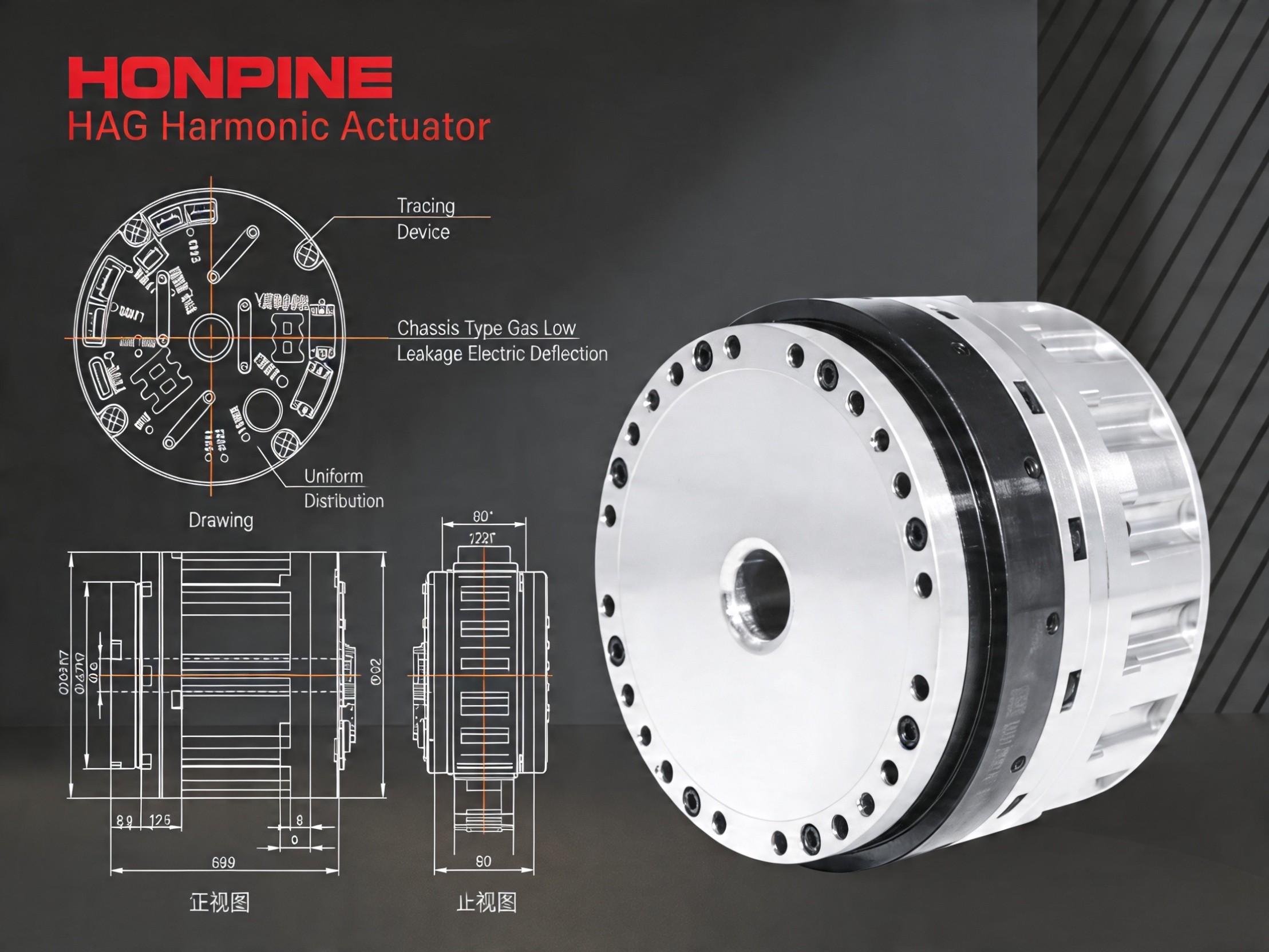
 How to Select the New HONPINE HAG Harmonic Drive Robot Joint Actuator?The newly launched HONPINE HAG harmonic drive robot joint actuator has attracted widespread attention since its release in March 2026 due to its outstanding performance parameters. This article will explain how to select the HONPINE HAG harmonic drive robot joint actuator.
 What Are the 9 Hidden Advantages of the HONPINE HAG Harmonic Drive Robot Joint Motor?The HONPINE HAG harmonic drive robot joint motor has quickly attracted strong interest since its launch this year, with many long-term customers already lining up to request samples for testing. Compared to the HPJM series, it features a higher-precision harmonic reducer and offers optional STO (Safe Torque Off) and a torque sensor.

Double Click
We provide harmonic drive reducer,planetary reducer,robot joint motor,robot rotary actuators,RV gear reducer,robot end effector,dexterous robot hand