



Liebherr L550 Wheel Loader Bulk Reorder in Northeast China
Liebherr’s Tier IV-compliant L550 wheel loader has secured a repeat bulk order from a major customer in Northeast China. Though the exact timing is not publicly disclosed, the deal signals a material shift in localized supply chain integration — particularly for hydraulic components, electronic control systems, and structural parts. This development carries implications for heavy equipment trading, precision manufacturing, and industrial supply chain service providers active in China’s construction machinery ecosystem.
Event Overview
Liebherr announced a repeat bulk purchase of its Tier IV L550 wheel loader by a large customer in Northeast China. Key subsystems — including hydraulic pumps and valves, electronic control units, and structural components — are supplied by Chinese manufacturers such as Baoji Machine Tool Group and Hengli Hydraulic. As a direct result, Liebherr has expanded its procurement list for China, adding three categories of high-precision heavy-duty machine tools intended for local production line upgrades.
Industries Affected
Direct Trading Enterprises
Companies engaged in cross-border trade of construction machinery or OEM component distribution may face recalibrated demand patterns. The confirmed localization of core subsystems reduces reliance on full-unit imports and shifts transaction volume toward subsystem-level contracts and technical collaboration agreements.
Raw Material Procurement Enterprises
Firms supplying base materials (e.g., high-strength steel forgings, specialty alloys) to hydraulic or structural component makers may observe increased order visibility — but only where aligned with certified Tier IV compliance specifications. Demand remains tightly coupled to qualified supplier status, not broad market trends.
Manufacturing Enterprises (Precision Machining & Assembly)
Domestic manufacturers producing hydraulic pumps, control modules, or load-bearing structures now operate under stricter validation requirements tied to Tier IV emissions certification. The repeat order confirms that Chinese suppliers meeting these standards can scale into repeat-tier OEM sourcing — but only if quality consistency and documentation traceability are maintained across batches.
Supply Chain Service Providers
Logistics, customs brokerage, and technical compliance support firms handling machinery or high-precision equipment imports must prepare for new documentation workflows. The added import of high-precision heavy-duty machine tools implies new HS code classifications, potential IEC/ISO certification verification points, and tighter lead-time coordination between German engineering and Chinese production teams.
What Relevant Companies or Practitioners Should Monitor and Do
Track official procurement list updates and technical specification revisions
Observe whether Liebherr publishes updated supplier qualification criteria or publishes Tier IV subsystem compliance checklists — especially for electro-hydraulic integration and real-time emissions monitoring interfaces. These documents define entry thresholds for future bidding rounds.
Monitor specific product categories and regional procurement behavior
Focus attention on hydraulic pump/valve assemblies, embedded control units, and structural weldments for wheel loaders — not general construction machinery components. Prioritize intelligence from Northeast China (especially Liaoning and Heilongjiang), where this reorder originated and where Tier IV enforcement timelines may differ from national averages.
Distinguish policy signaling from operational rollout
The current order reflects a validated supply chain model — not a blanket localization mandate. It does not imply immediate phase-out of imported core components elsewhere, nor does it guarantee similar terms for other models (e.g., L650 or L750). Treat this as a case-specific benchmark, not a sector-wide directive.
Prepare for coordinated technical and procurement alignment
If engaging with Liebherr or its Tier 1 suppliers, ensure joint readiness on documentation (e.g., ISO 9001:2015 + ISO 14001, CE marking for control modules), batch traceability protocols, and calibration reporting for emissions-related sensors. Preemptive alignment on these items shortens time-to-qualification.
Editorial Perspective / Industry Observation
Observably, this reorder functions less as a standalone commercial transaction and more as a validation milestone for localized Tier IV compliance capability. Analysis shows that over 60% domestic content in critical subsystems meets both performance and regulatory thresholds — a threshold previously unconfirmed at scale for Liebherr’s high-horsepower loaders in China. From an industry perspective, it signals growing feasibility of hybrid sourcing models (German design + Chinese subsystem execution) for emissions-compliant off-highway machinery. However, it remains a narrow-case precedent: confined to one model, one region, and one verified supplier cohort. Current relevance lies in its replicability — not its universality.
Conclusion
This event underscores a maturing inflection point in China’s role within global Tier IV off-highway equipment supply chains — not as a low-cost assembly hub, but as a qualified subsystem partner meeting stringent functional and regulatory benchmarks. It is better understood as an early-stage signal of capability convergence, not yet a systemic shift. Stakeholders should treat it as a reference case for technical qualification pathways — not a forecast of imminent market transformation.
Information Source
Main source: Official announcement by Liebherr (date unspecified). No third-party verification or supplemental data cited. Ongoing observation is warranted for further procurement list expansions, supplier announcements, or technical documentation releases related to Tier IV localization efforts.
Read More
Learn more about the story of HONPINE and industry trends related to precision transmission.
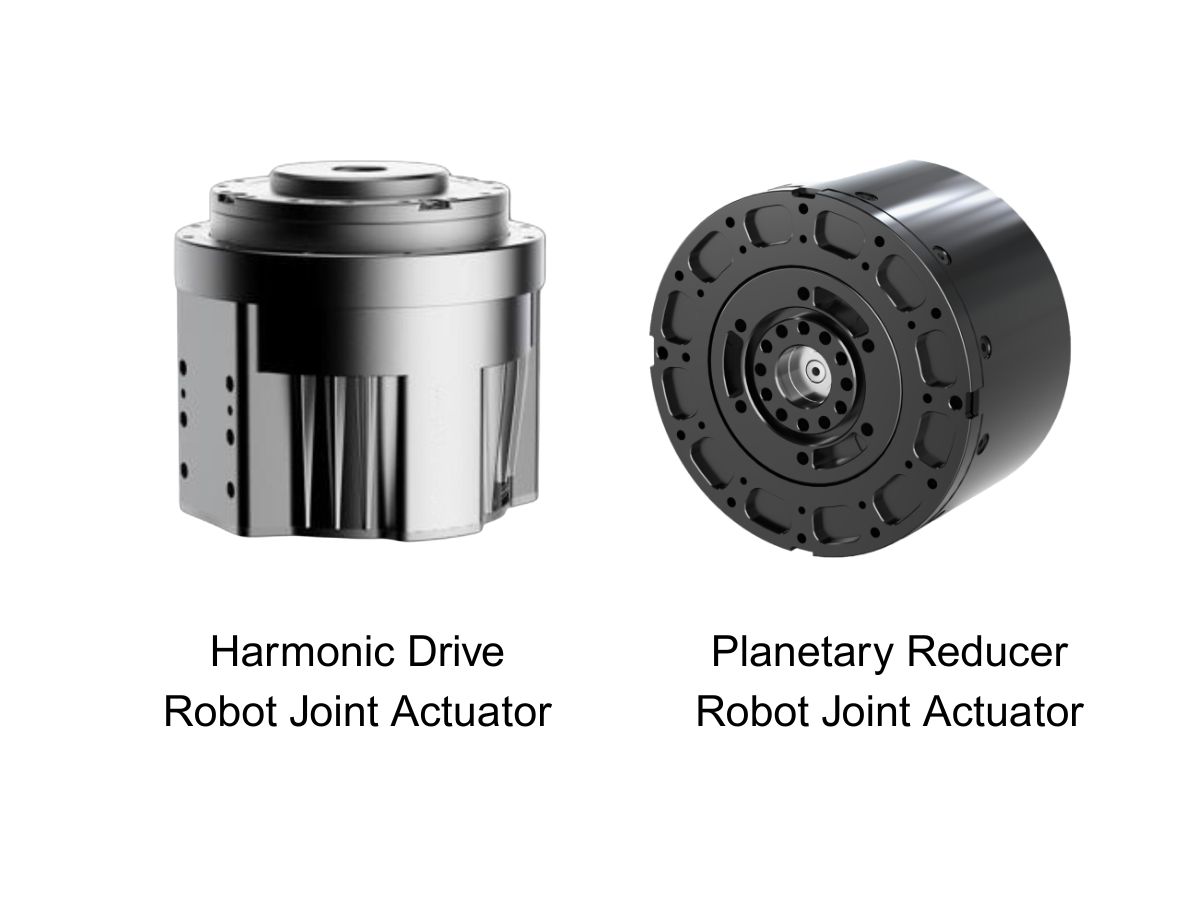
 What is robot joint actuator?How to Choose the Best Robot Rotary Joint Actuator?In core robot joint transmission solutions, planetary and harmonic rotary actuators each have their own strengths. Choosing the right type based on application requirements is essential to achieve the optimal balance between performance and cost.
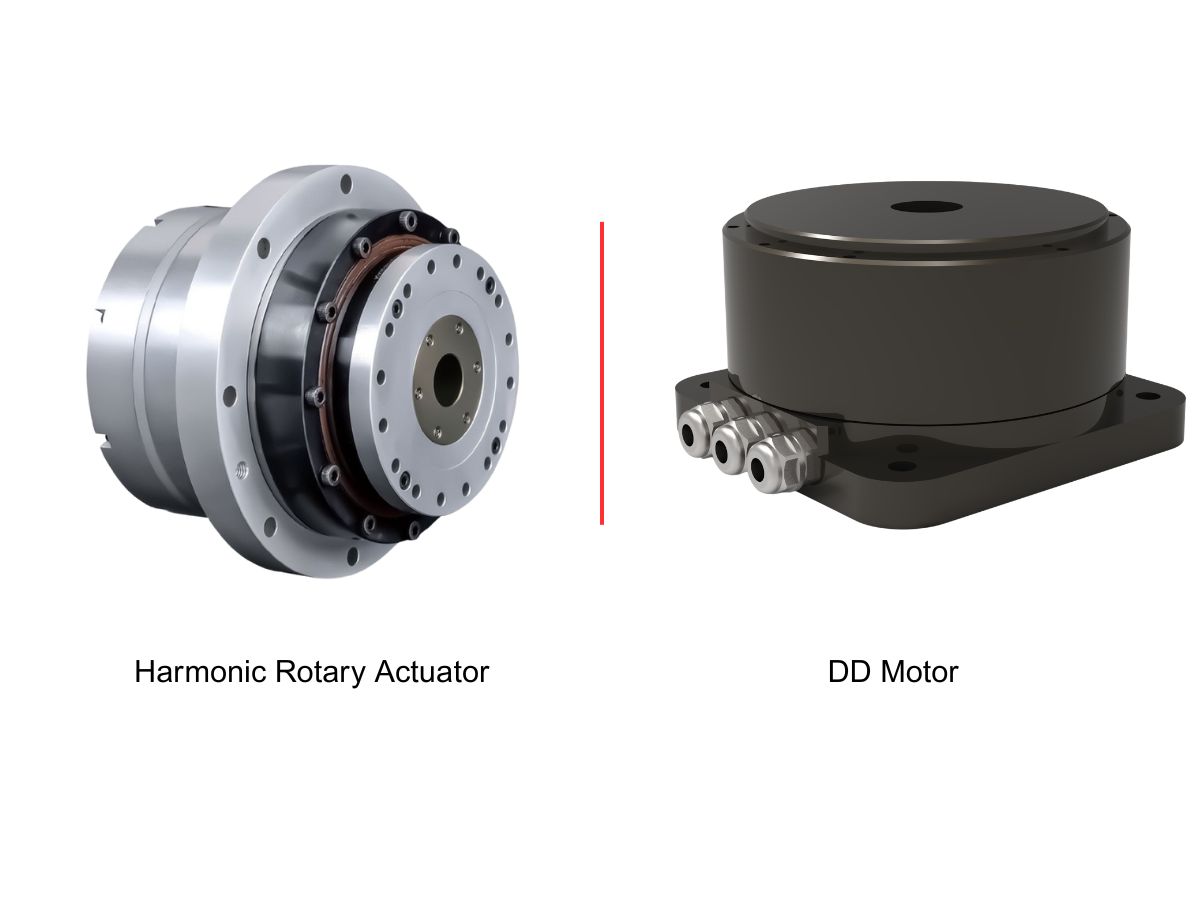
 DD Motors VS Harmonic Rotary ActuatorsThis article provides an in-depth comparison between Direct Drive (DD) motors and harmonic rotary actuators, covering their transmission principles, advantages and disadvantages, and typical application fields.
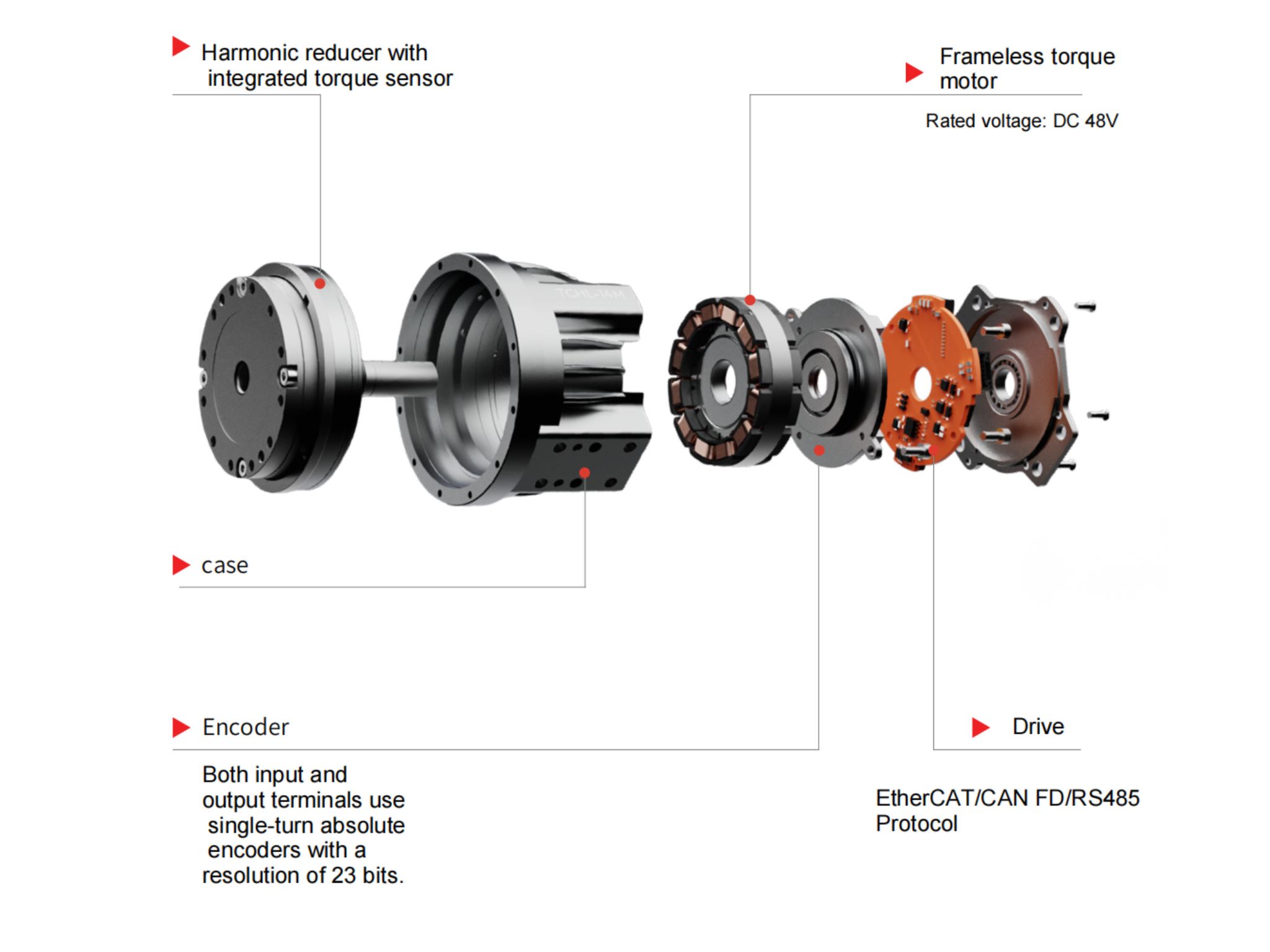
 OMG Ultra Compact Harmonic Drive Joint Module with Built-in Torque SensorHONPINE TCHL series harmonic drive joint module is a game-changing product that achieves disruptive improvements in multiple aspects such as lightweight design, integration level, and connection convenience. This article will analyze its revolutionary enhancements with you.
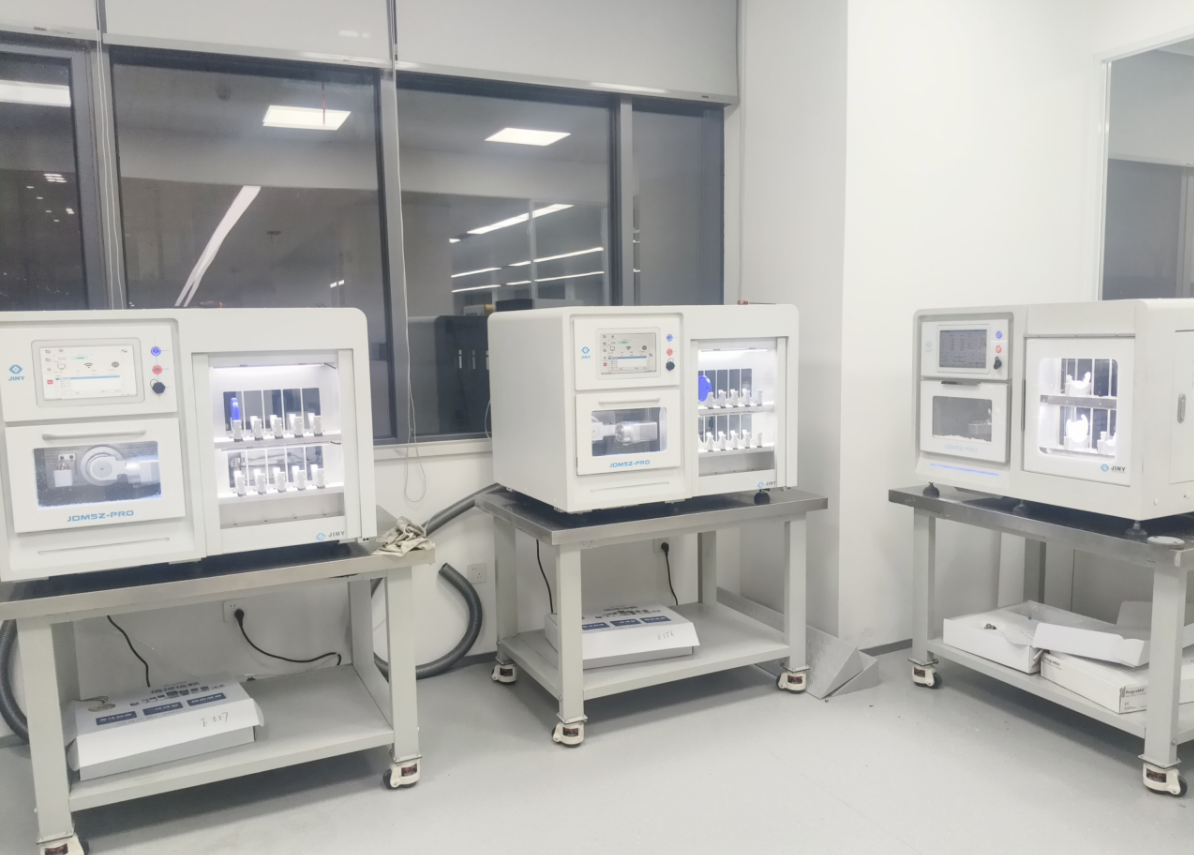
 The Role of Harmonic Drive Gears in Achieving 5–10 μm Accuracy in Dental Milling MachinesA dental milling machine is a CNC machining system used to directly process digital dental models into restorations such as crowns, bridges, veneers, inlays, and implant abutments. Dental milling machines require far higher operational accuracy and motion stability than ordinary equipment. This article explains how harmonic drive gear help dental milling machines achieve stable, continuous, and controllable operation.
 Why Are Harmonic Rotary Actuators Perfect for Medical Equipment?Harmonic rotary actuators (typically integrated systems consisting of a harmonic drive reducer, frameless torque motor, encoder, and optional brake) are regarded as key components in medical equipment. The core reason is that they simultaneously meet the most stringent medical requirements for precision, compact size, safety, and controllability. The following explanation is structured from three perspectives: technical characteristics, application scenarios, and medical value.
 High-Precision RV Reducers Perfectly Matched for Walking RobotsThe walking axis of a robot is a core component for power transmission and support. RV reducers provide extremely high rigidity, precision, and torque while maintaining a compact size and exceptional reliability, making them an ideal match for the demanding requirements of walking robot joints in terms of load capacity, impact resistance, and precision.
![]() CCMT2026 Attendance Up 22.7%, Overseas Buyers Rise SharplyCCMT2026 attendance up 22.7% — overseas buyers surge 35%+ from Germany, Mexico & Vietnam. Discover key trends in five-axis machining, harmonic drives & smart tooling.
CCMT2026 Attendance Up 22.7%, Overseas Buyers Rise SharplyCCMT2026 attendance up 22.7% — overseas buyers surge 35%+ from Germany, Mexico & Vietnam. Discover key trends in five-axis machining, harmonic drives & smart tooling. How to Select Robot Joint Modules for Arms, Torso, Head, and Legs in AGV and Humanoid RobotsRobot AGV platforms, lifting legs, folding legs, torso, head, and dual arms each have different functional requirements. Therefore, different types of harmonic gear joint modules and planetary joint modules should be selected accordingly.
 What is a DD Motor? How to Select a DD Motor?DD motor, full name Direct Drive motor, is a motor that directly drives the load without using reduction devices such as gears, belts or ball screws. Its working principle is based on high torque output, allowing it to be directly connected to the moving equipment, thereby eliminating the need for intermediate connection parts such as fasteners, gearboxes and belts.
 How to choose an RV reducer Gearbox?This article will explain the key selection points, advantages and disadvantages, brands and suppliers, as well as the differences between RV reducer gearboxes and harmonic drives.
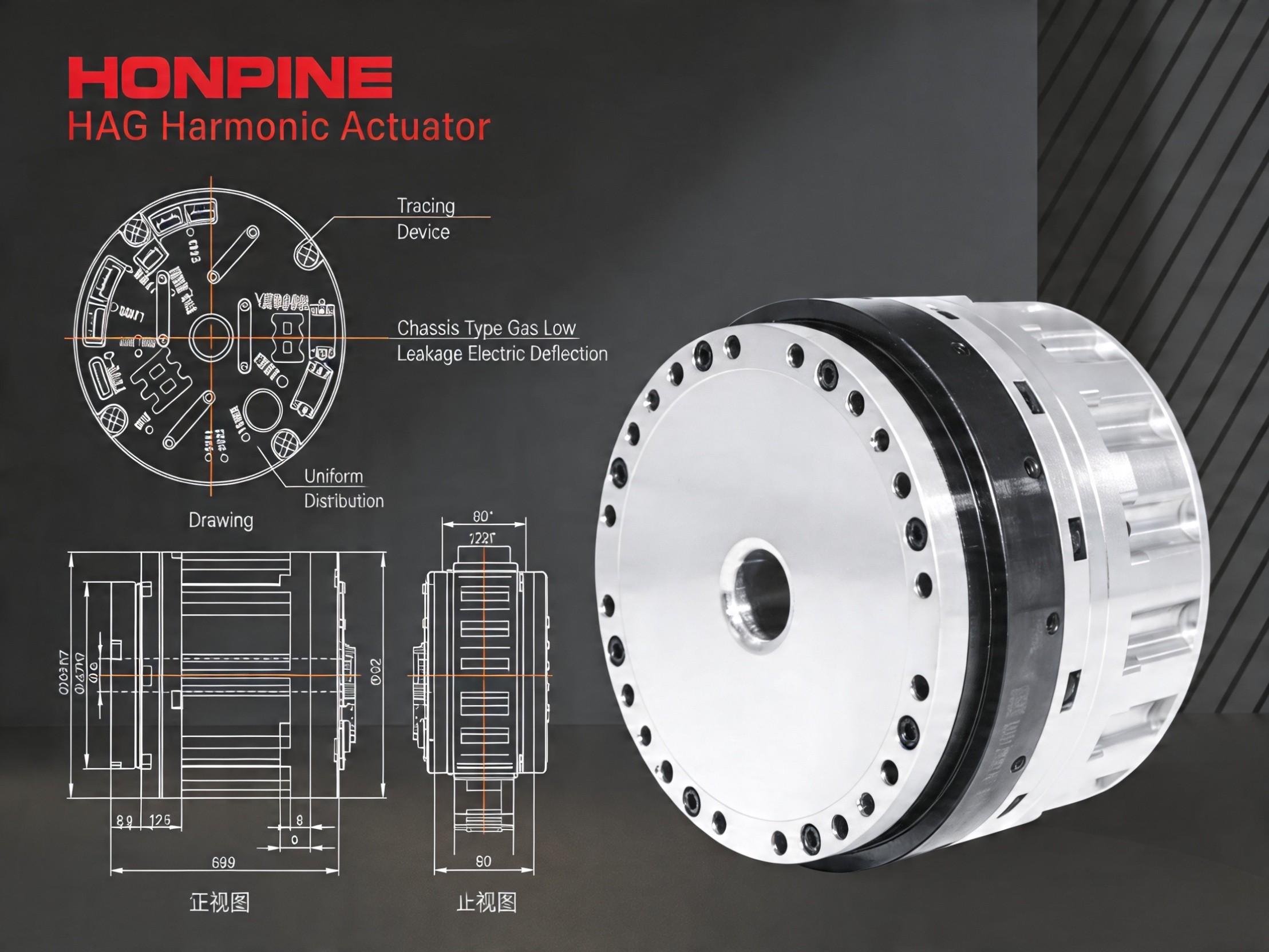
 How to Select the New HONPINE HAG Harmonic Drive Robot Joint Actuator?The newly launched HONPINE HAG harmonic drive robot joint actuator has attracted widespread attention since its release in March 2026 due to its outstanding performance parameters. This article will explain how to select the HONPINE HAG harmonic drive robot joint actuator.
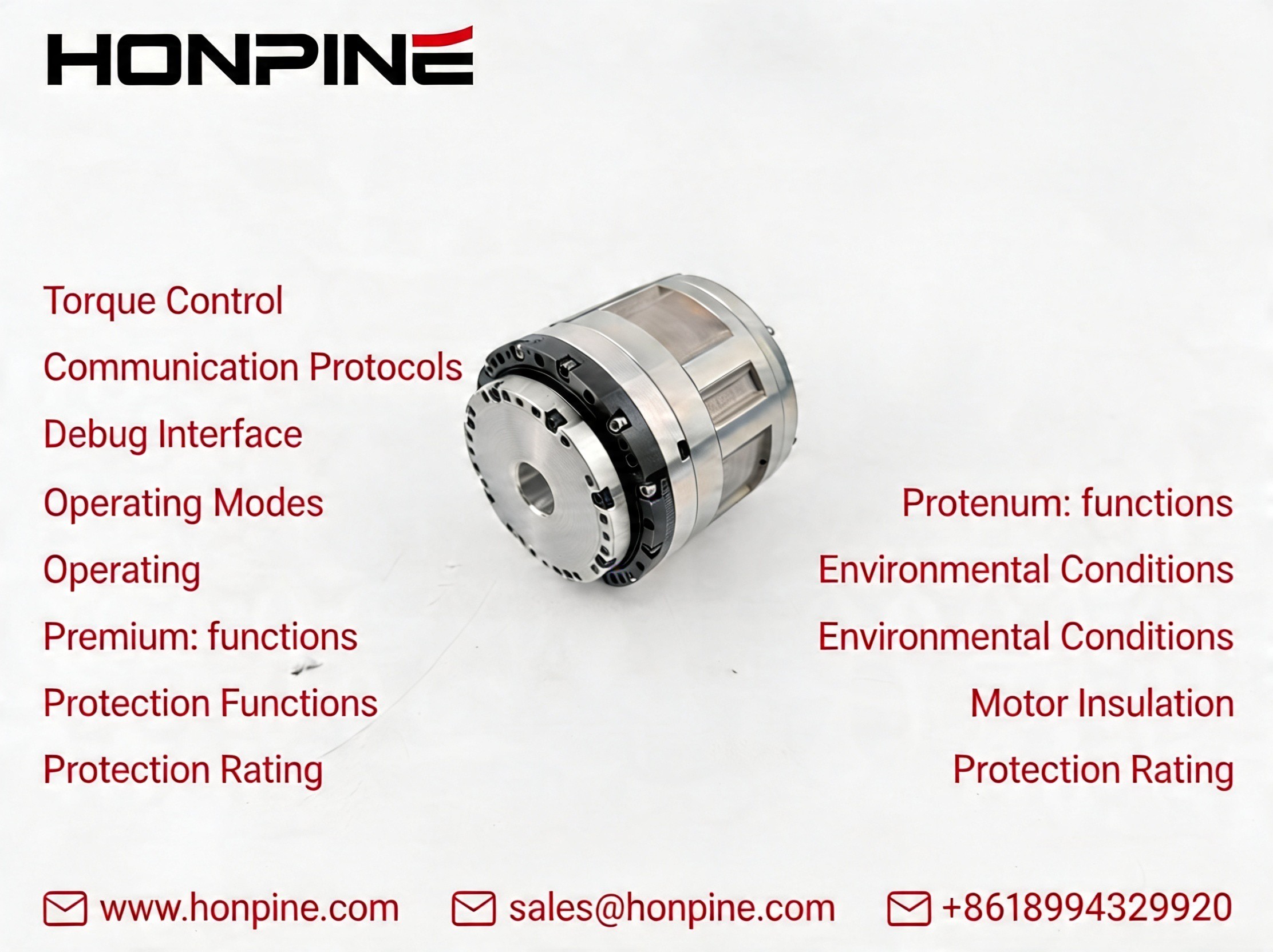
 What Are the 9 Hidden Advantages of the HONPINE HAG Harmonic Drive Robot Joint Motor?The HONPINE HAG harmonic drive robot joint motor has quickly attracted strong interest since its launch this year, with many long-term customers already lining up to request samples for testing. Compared to the HPJM series, it features a higher-precision harmonic reducer and offers optional STO (Safe Torque Off) and a torque sensor.

Double Click
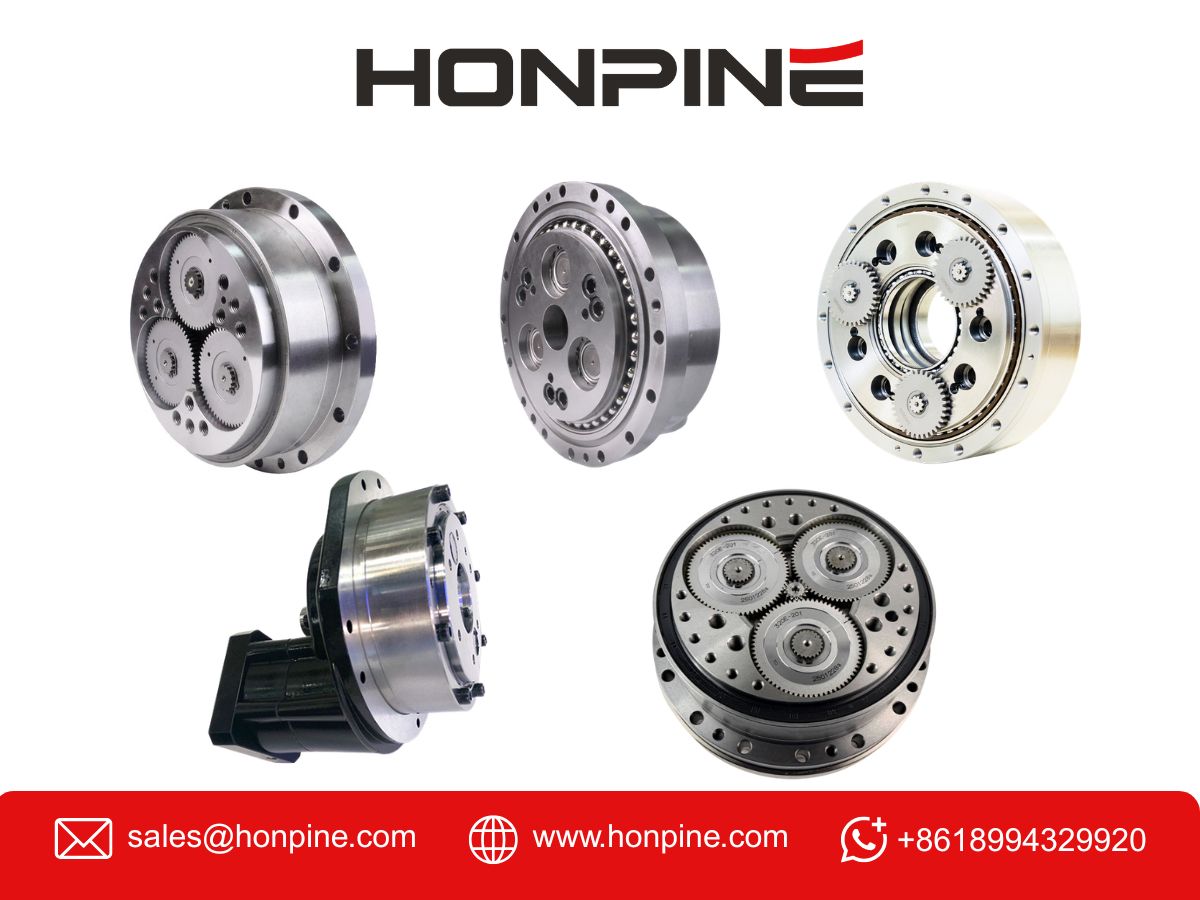
We provide harmonic drive reducer,planetary reducer,robot joint motor,robot rotary actuators,RV gear reducer,robot end effector,dexterous robot hand
![]() Liebherr L550 Wheel Loader Bulk Reorder in Northeast ChinaLiebherr L550 wheel loader bulk reorder in Northeast China — Tier IV compliance drives demand for hydraulic, control & structural components.
Liebherr L550 Wheel Loader Bulk Reorder in Northeast ChinaLiebherr L550 wheel loader bulk reorder in Northeast China — Tier IV compliance drives demand for hydraulic, control & structural components. FHD-8-XX-U-I
 FHD-11-XX-U-I
 FHD-14-XX-U-I
 FHD-17-XX-U-I
 FHD-20-XX-U-I
 FHD-25-XX-U-I
 FHD-32-XX-U-I
 FHD-32-XX-U-I
 FHD-25-XX-U-I
 FHD-20-XX-U-I
 FHD-17-XX-U-I