

Baoji Machine Tool & Songde Tools: ASEAN Strategy
On April 3, 2026, Baoji Machine Tool Group and Songde Tools (Zhejiang) signed a strategic cooperation agreement to jointly build a high-value-for-money, machine-tool-and-cutting-tool integrated delivery system targeting small- and medium-sized manufacturing enterprises in Southeast Asia—including Vietnam, Thailand, and Indonesia. This initiative signals a coordinated shift toward localized, turnkey solutions in regional industrial upgrading efforts, making it especially relevant for metalworking equipment distributors, tooling supply chain operators, and ASEAN-based contract manufacturers.
Event Overview
On April 3, 2026, Baoji Machine Tool Group and Songde Tools (Zhejiang) formally signed a strategic cooperation agreement. Under the agreement, the two parties will integrate domestically produced mid-tier vertical machining centers and turning centers with modular carbide cutting tool systems, packaging them as ‘turnkey’ localized delivery solutions for Southeast Asian markets. The initial target is to export over 200 combined machine-tool-and-consumables packages annually, supporting local factories in rapidly replacing imported production lines in Vietnam, Thailand, and Indonesia.
Industries Affected
Machine Tool Distributors in ASEAN
Distributors handling Chinese mid-tier CNC equipment may face intensified competition from bundled offerings that include both machines and compatible tooling—reducing reliance on third-party tool sourcing. Impact manifests in tighter margin pressure, shifting customer expectations toward integrated support, and increased demand for after-sales technical coordination between machine and tooling systems.
Cutting Tool Wholesalers & Resellers
Independent tool suppliers not aligned with OEM machine vendors may see reduced cross-selling opportunities in projects involving Baoji-sourced equipment. The integration of Songde’s modular tool systems directly into machine quotations could compress standalone tool order volumes—especially for standard carbide inserts and toolholders used in general-purpose milling and turning.
Contract Manufacturers Serving Export-Oriented SMEs
ASEAN-based job shops serving electronics, automotive components, or precision hardware may gain faster access to calibrated, pre-validated machine-tool combinations. This reduces setup time and trial-and-error in process development—but also increases dependency on vendor-specific tooling ecosystems, potentially limiting flexibility in future tooling upgrades or substitutions.
Local Industrial Park Operators & Trade Facilitators
Parks promoting ‘Made-in-ASEAN’ manufacturing capacity may leverage this collaboration as an infrastructure enabler—offering turnkey production cells to attract foreign-invested SMEs. Impact includes heightened relevance of technical localization support (e.g., bilingual training, spare parts warehousing), and growing need for harmonized customs classification of bundled shipments (machines + consumables).
What Relevant Enterprises or Practitioners Should Monitor and Do Now
Track official rollout details beyond the signing ceremony
The agreement outlines intent—not implementation. Stakeholders should monitor whether Baoji and Songde publish joint technical documentation (e.g., recommended tooling parameters per machine model), shared warranty terms, or localized service network maps—these define actual operational readiness.
Assess exposure to Vietnam, Thailand, and Indonesia across procurement and sales channels
Companies with existing distribution agreements or inventory commitments in these three countries should review product compatibility matrices. For example: Does current stock of non-Songde carbide tools meet the recommended specs for Baoji’s latest VMC series? Are local service technicians trained on integrated diagnostics?
Distinguish between policy signaling and near-term commercial impact
This is a strategic alignment—not an immediate market displacement event. The ‘200 units/year’ target reflects early-stage volume; it does not imply broad pricing disruption or rapid channel consolidation. Focus instead on whether pilot deployments yield verifiable cycle-time or scrap-rate improvements versus legacy setups.
Prepare for bundled logistics and documentation requirements
Turnkey deliveries require harmonized HS codes, unified invoicing, and coordinated import clearance for mixed cargo (capital goods + consumables). Forwarders and customs brokers serving ASEAN manufacturing clients should verify whether national customs authorities have issued guidance on classifying such bundles—and whether preferential tariff treatment applies under existing trade agreements.
Editorial Perspective / Industry Observation
Observably, this partnership reflects a maturing phase in China’s industrial export strategy—shifting from component-level competitiveness to system-level value delivery. It is less about price undercutting and more about reducing total cost of ownership for end users through interoperability and localization. Analysis shows the move targets structural friction points: long lead times for spare parts, mismatched tooling performance, and fragmented technical support. However, it remains an early-phase signal—not yet a proven model. Its significance lies not in scale, but in direction: a deliberate effort to embed Chinese-made manufacturing assets deeper into regional production workflows, rather than treating them as discrete imports.
Conclusion: This agreement marks a tactical step—not a market transformation. It signals growing emphasis on interoperability, localized service, and consumption-integrated delivery in China’s machine tool exports. Current interpretation should emphasize its role as a test case for coordinated hardware-software-tooling ecosystems in emerging manufacturing hubs—not as evidence of imminent competitive displacement.
Information Source: Official announcement released by Baoji Machine Tool Group and Songde Tools (Zhejiang) on April 3, 2026. Ongoing developments—including country-specific rollout timelines, technical specifications, and service network deployment—remain subject to further official disclosure.
Read More
Learn more about the story of HONPINE and industry trends related to precision transmission.
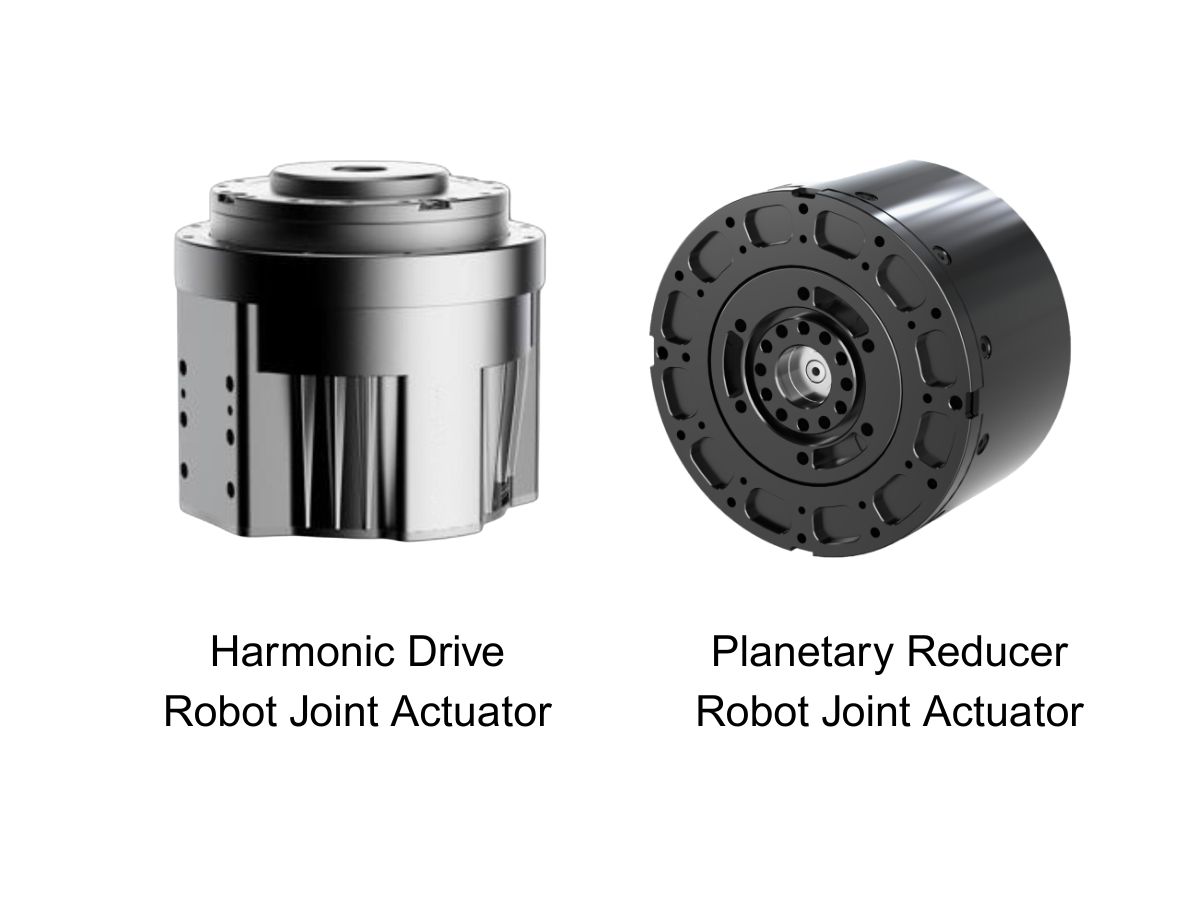
 What is robot joint actuator?How to Choose the Best Robot Rotary Joint Actuator?In core robot joint transmission solutions, planetary and harmonic rotary actuators each have their own strengths. Choosing the right type based on application requirements is essential to achieve the optimal balance between performance and cost.
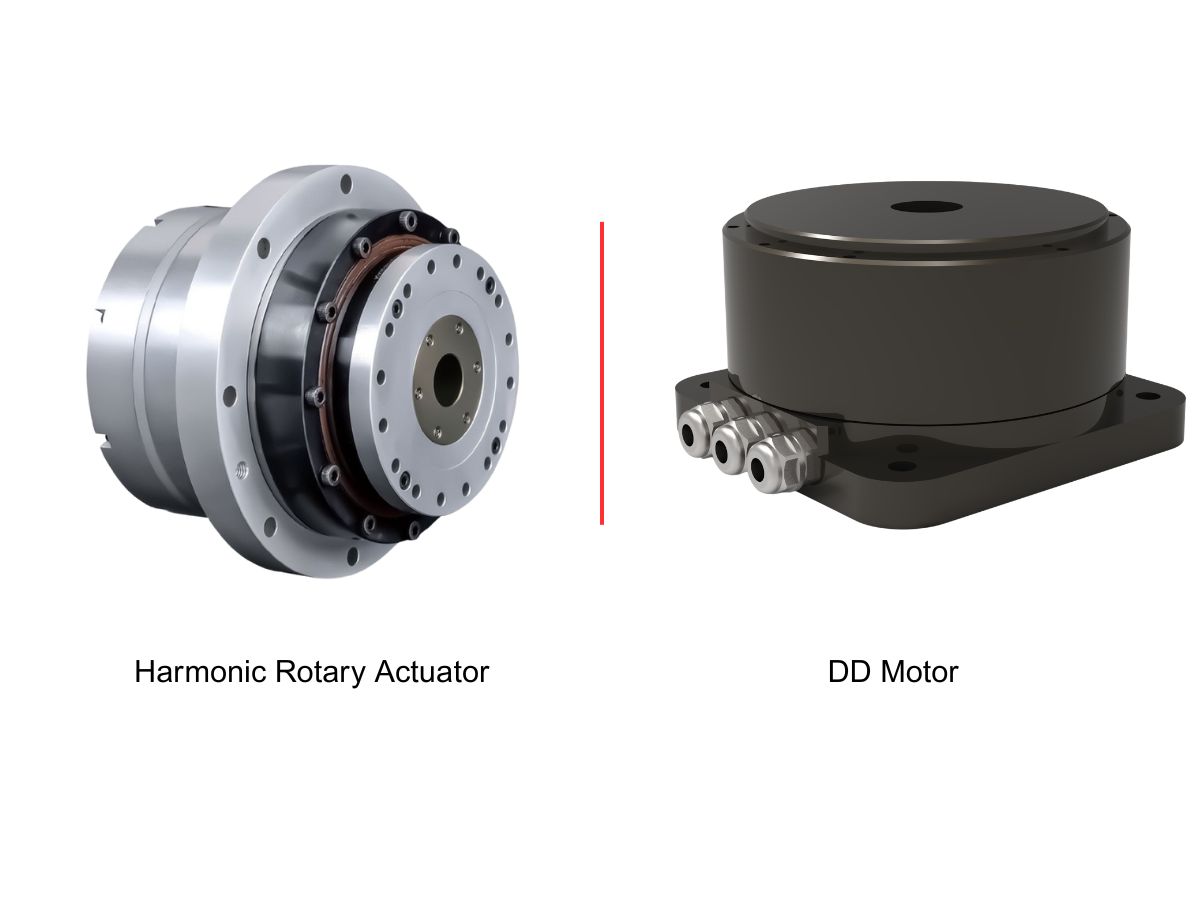
 DD Motors VS Harmonic Rotary ActuatorsThis article provides an in-depth comparison between Direct Drive (DD) motors and harmonic rotary actuators, covering their transmission principles, advantages and disadvantages, and typical application fields.
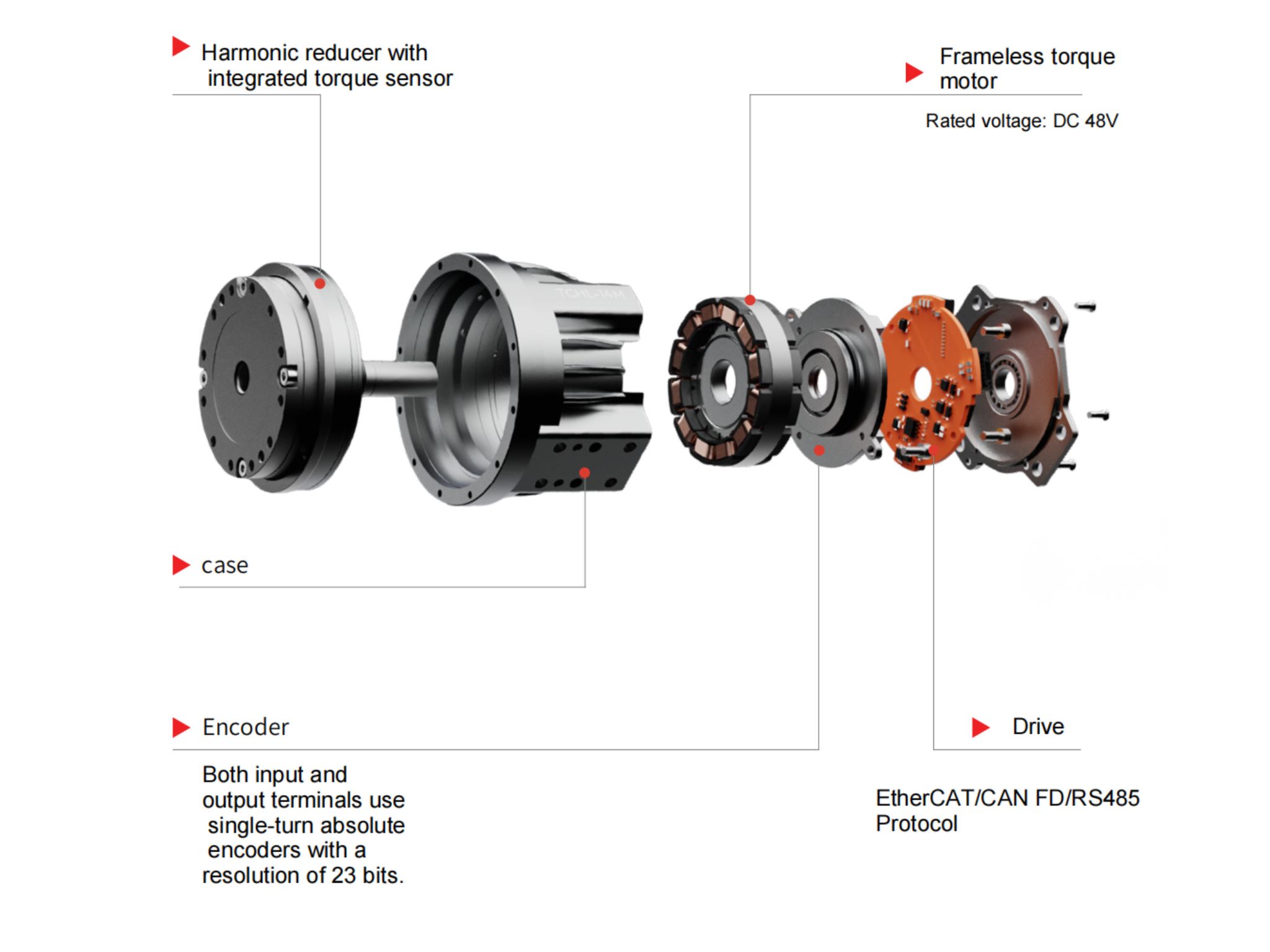
 OMG Ultra Compact Harmonic Drive Joint Module with Built-in Torque SensorHONPINE TCHL series harmonic drive joint module is a game-changing product that achieves disruptive improvements in multiple aspects such as lightweight design, integration level, and connection convenience. This article will analyze its revolutionary enhancements with you.
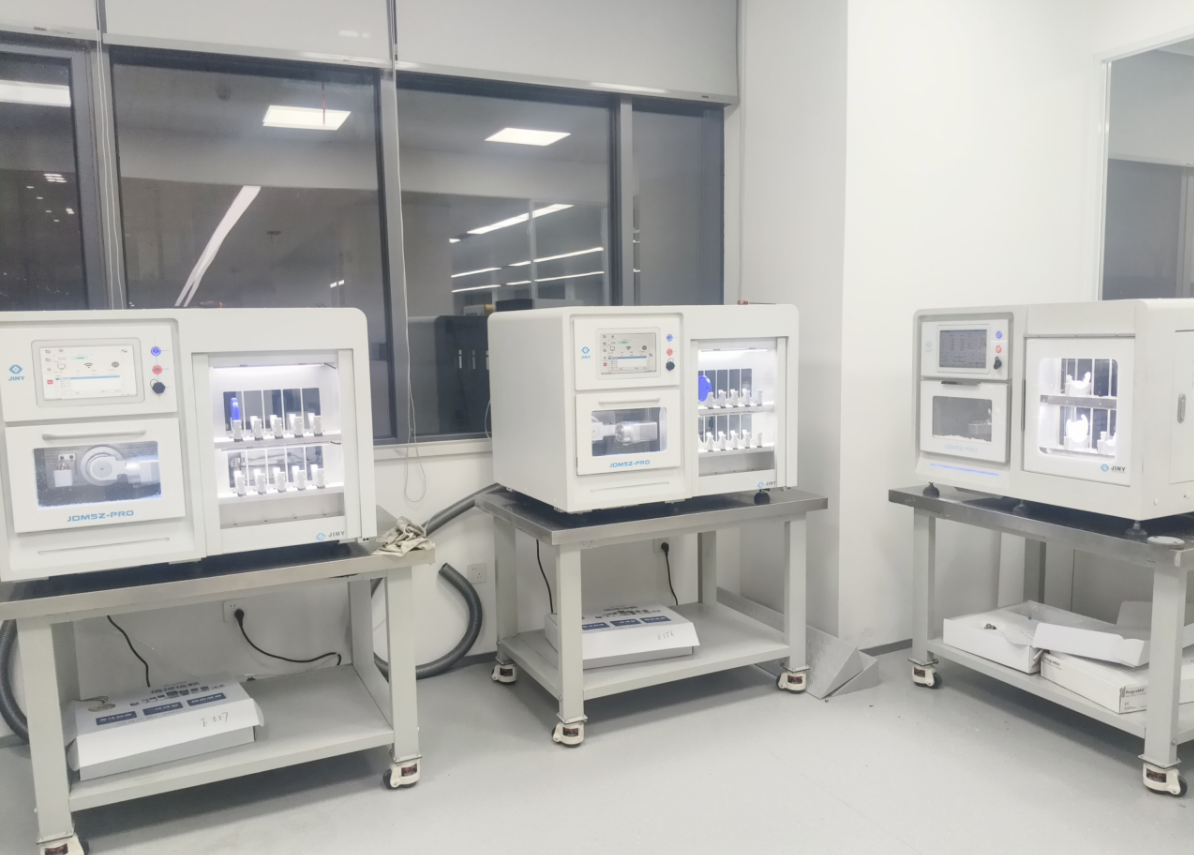
 The Role of Harmonic Drive Gears in Achieving 5–10 μm Accuracy in Dental Milling MachinesA dental milling machine is a CNC machining system used to directly process digital dental models into restorations such as crowns, bridges, veneers, inlays, and implant abutments. Dental milling machines require far higher operational accuracy and motion stability than ordinary equipment. This article explains how harmonic drive gear help dental milling machines achieve stable, continuous, and controllable operation.
 Why Are Harmonic Rotary Actuators Perfect for Medical Equipment?Harmonic rotary actuators (typically integrated systems consisting of a harmonic drive reducer, frameless torque motor, encoder, and optional brake) are regarded as key components in medical equipment. The core reason is that they simultaneously meet the most stringent medical requirements for precision, compact size, safety, and controllability. The following explanation is structured from three perspectives: technical characteristics, application scenarios, and medical value.
 High-Precision RV Reducers Perfectly Matched for Walking RobotsThe walking axis of a robot is a core component for power transmission and support. RV reducers provide extremely high rigidity, precision, and torque while maintaining a compact size and exceptional reliability, making them an ideal match for the demanding requirements of walking robot joints in terms of load capacity, impact resistance, and precision.
![]() CCMT2026 Attendance Up 22.7%, Overseas Buyers Rise SharplyCCMT2026 attendance up 22.7% — overseas buyers surge 35%+ from Germany, Mexico & Vietnam. Discover key trends in five-axis machining, harmonic drives & smart tooling.
CCMT2026 Attendance Up 22.7%, Overseas Buyers Rise SharplyCCMT2026 attendance up 22.7% — overseas buyers surge 35%+ from Germany, Mexico & Vietnam. Discover key trends in five-axis machining, harmonic drives & smart tooling. How to Select Robot Joint Modules for Arms, Torso, Head, and Legs in AGV and Humanoid RobotsRobot AGV platforms, lifting legs, folding legs, torso, head, and dual arms each have different functional requirements. Therefore, different types of harmonic gear joint modules and planetary joint modules should be selected accordingly.
 What is a DD Motor? How to Select a DD Motor?DD motor, full name Direct Drive motor, is a motor that directly drives the load without using reduction devices such as gears, belts or ball screws. Its working principle is based on high torque output, allowing it to be directly connected to the moving equipment, thereby eliminating the need for intermediate connection parts such as fasteners, gearboxes and belts.
 How to choose an RV reducer Gearbox?This article will explain the key selection points, advantages and disadvantages, brands and suppliers, as well as the differences between RV reducer gearboxes and harmonic drives.
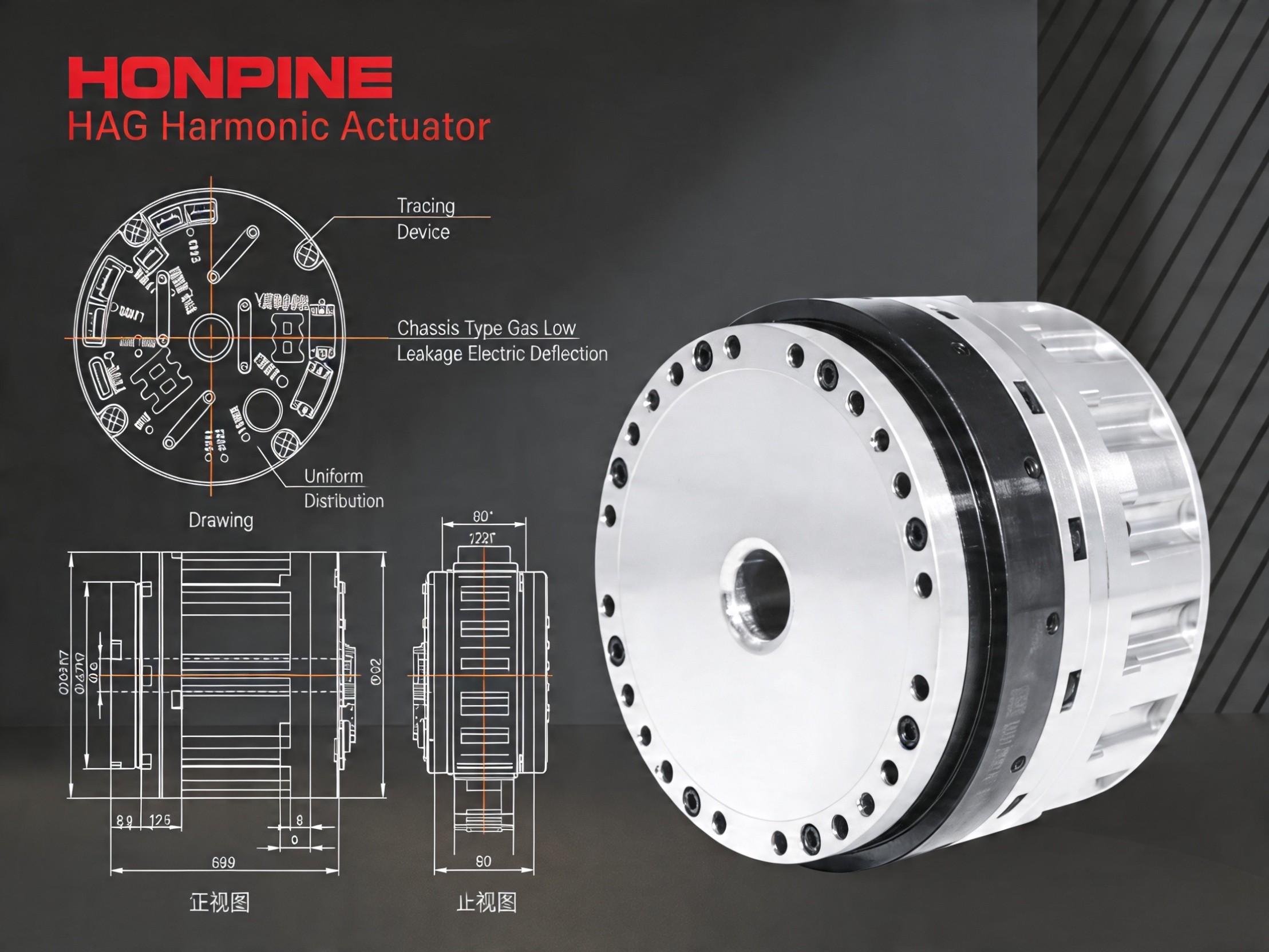
 How to Select the New HONPINE HAG Harmonic Drive Robot Joint Actuator?The newly launched HONPINE HAG harmonic drive robot joint actuator has attracted widespread attention since its release in March 2026 due to its outstanding performance parameters. This article will explain how to select the HONPINE HAG harmonic drive robot joint actuator.
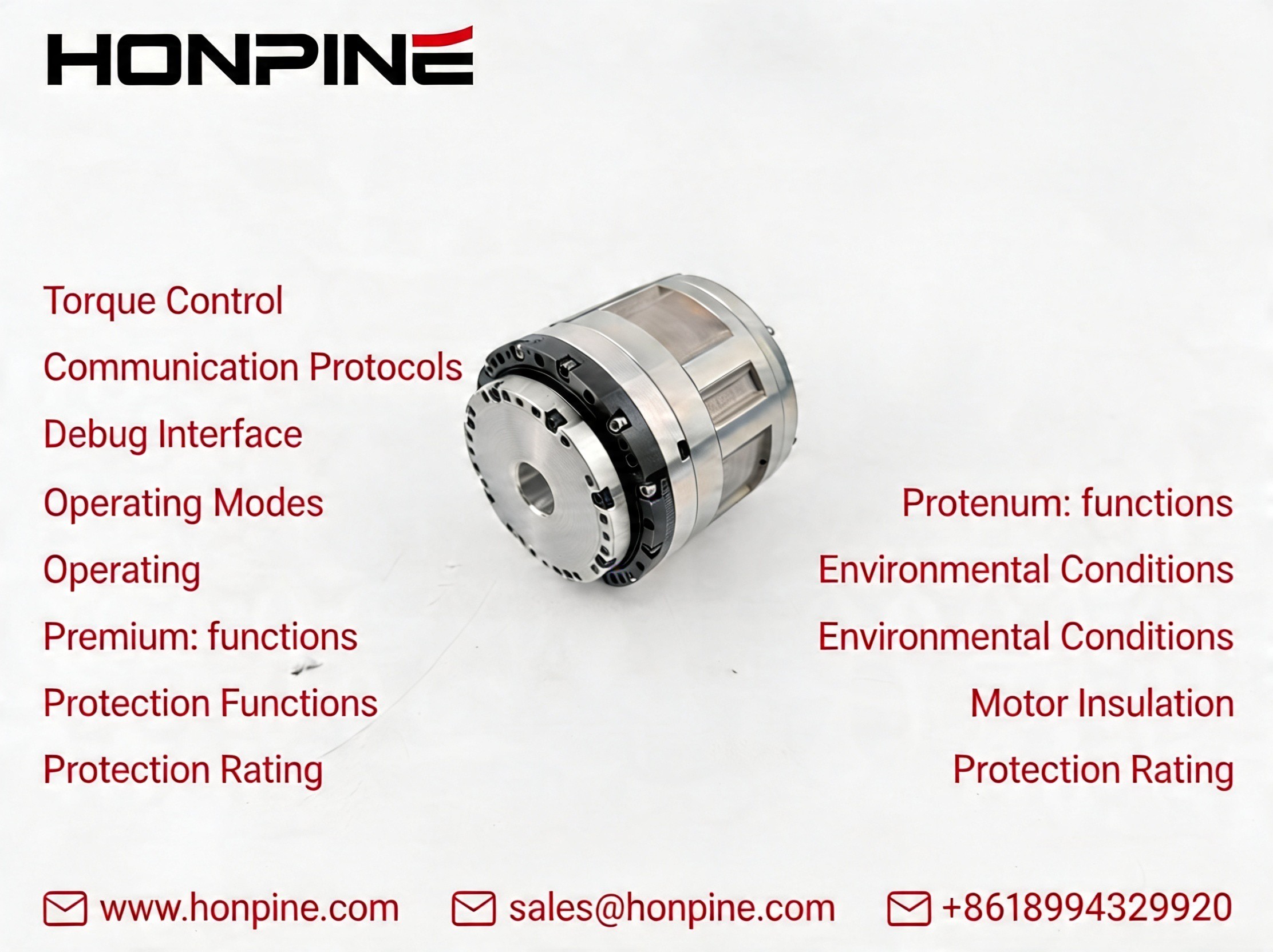
 What Are the 9 Hidden Advantages of the HONPINE HAG Harmonic Drive Robot Joint Motor?The HONPINE HAG harmonic drive robot joint motor has quickly attracted strong interest since its launch this year, with many long-term customers already lining up to request samples for testing. Compared to the HPJM series, it features a higher-precision harmonic reducer and offers optional STO (Safe Torque Off) and a torque sensor.

Double Click
We provide harmonic drive reducer,planetary reducer,robot joint motor,robot rotary actuators,RV gear reducer,robot end effector,dexterous robot hand
![]() Baoji Machine Tool & Songde Tools: ASEAN StrategyBaoji Machine Tool & Songde Tools launch ASEAN turnkey strategy—integrated CNC machines + cutting tools for Vietnam, Thailand, Indonesia SMEs.
Baoji Machine Tool & Songde Tools: ASEAN StrategyBaoji Machine Tool & Songde Tools launch ASEAN turnkey strategy—integrated CNC machines + cutting tools for Vietnam, Thailand, Indonesia SMEs. FSG-32-XX-U-II
 FSG-32-XX-U-II
 FSG-25-XX-U-II
 FSG-25-XX-U-II
 FSG-20-XX-U-II
 FSG-20-XX-U-II
 FSG-17-XX-U-II
 FSG-17-XX-U-II
 FSG-14-XX-U-II
 FSG-14-XX-U-II
 FSG-40-XX-U-I