









Harmonic Drive Reducers Manufacturer
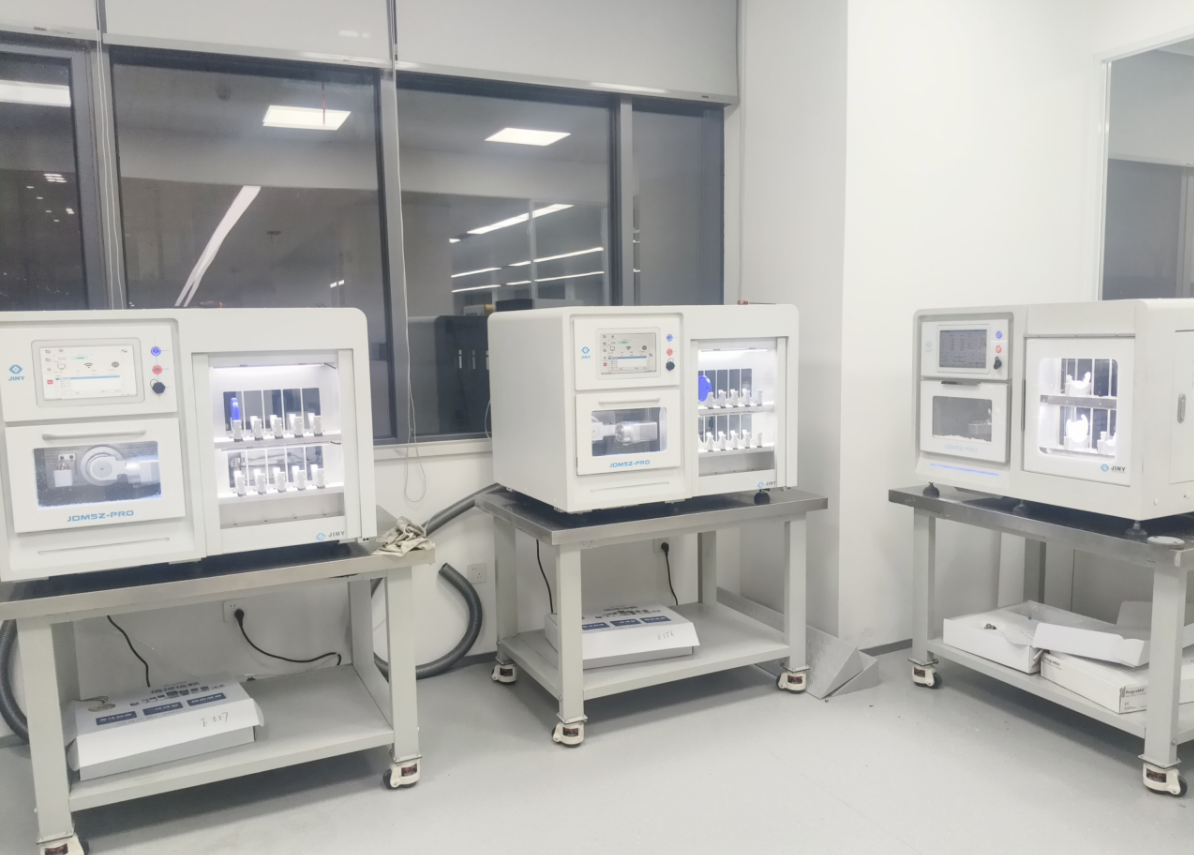
 The Role of Harmonic Drive Gears in Achieving 5–10 μm Accuracy in Dental Milling Machines2026-01-30A dental milling machine is a CNC machining system used to directly process digital dental models into restorations such as crowns, bridges, veneers, inlays, and implant abutments. Dental milling machines require far higher operational accuracy and motion stability than ordinary equipment. This article explains how harmonic drive gear help dental milling machines achieve stable, continuous, and controllable operation.
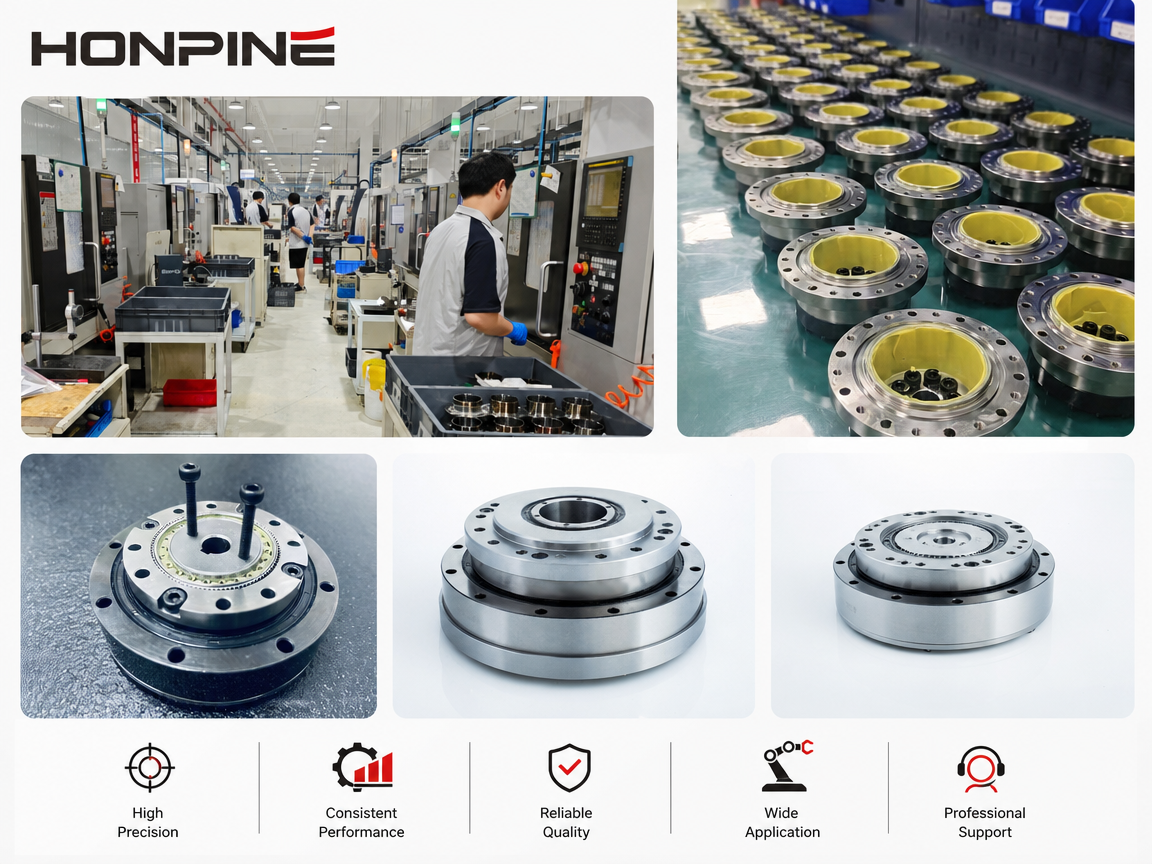
 How HONPINE Manufactures Precision Harmonic Reducers: Technology, Quality and Manufacturing Challenges?2026-09-07A precision harmonic reducer is more than a compact high-ratio transmission component. Its actual performance depends on how accurately every critical component is designed, manufactured, assembled, and tested. Tooth profile accuracy, flexspline material, heat treatment, machining tolerances, wave generator geometry, assembly precision, and production consistency can all influence backlash, torsional stiffness, efficiency, durability, and positioning accuracy. For robotics, CNC equipment, semiconductor manufacturing, optical inspection, and other precision automation applications, these factors become even more important. This article explores how HONPINE manufactures precision harmonic reducers, the key technologies and manufacturing challenges involved, and why stable production capability is essential for achieving reliable transmission performance at scale.
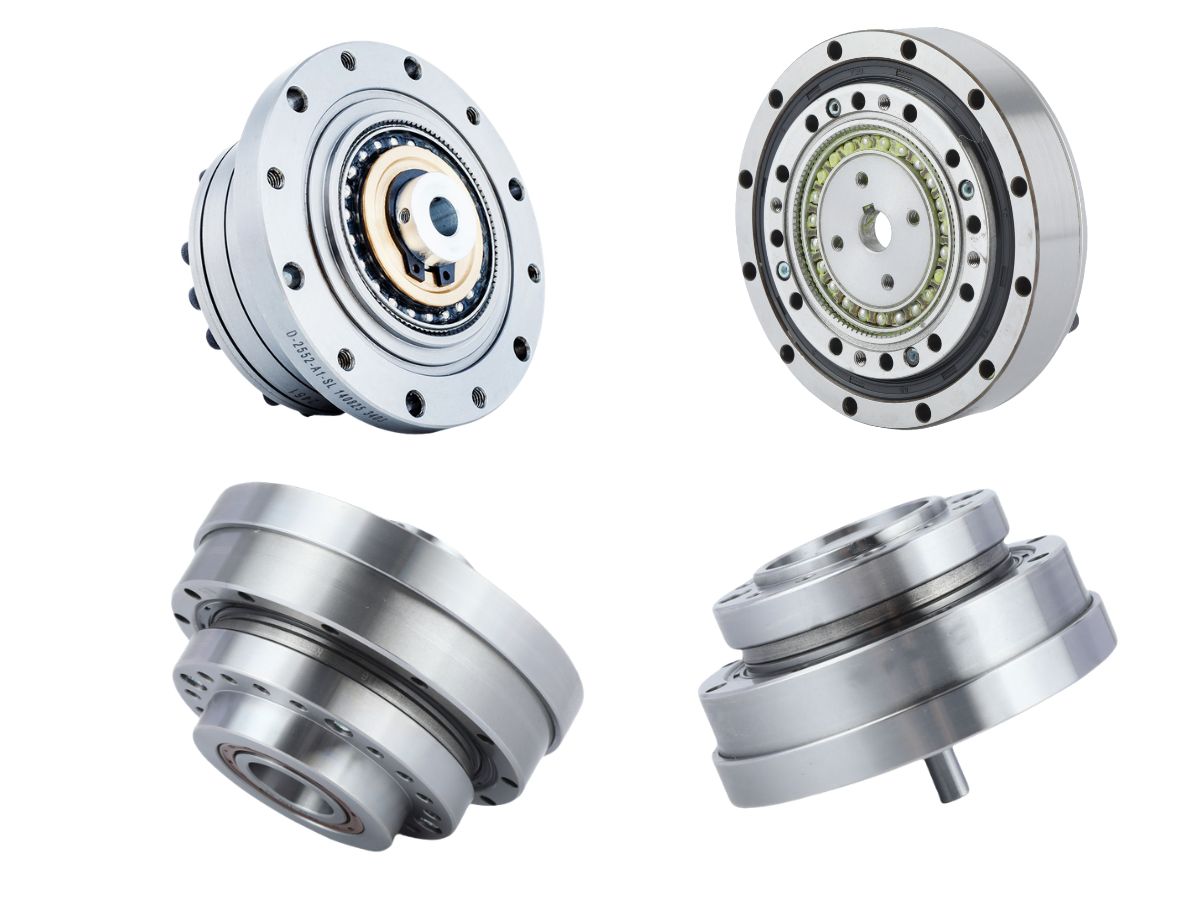
- Cup Type vs. Hat Type vs. Pancake Harmonic Reducer: How to Choose the Right Strain Wave Gear Introduction2026-08-17As industrial automation equipment becomes more compact and precise, the structural design of a harmonic reducer has become an important factor in motion system selection. Cup type, hat type, and pancake harmonic reducers use the same basic strain wave gearing principle, but their different flexspline structures result in different characteristics in axial size, torque capacity, rigidity, hollow space, and mechanical integration. For applications such as 3C automation, semiconductor equipment, CNC machinery, and precision inspection systems, choosing the right configuration requires more than simply comparing reduction ratios or dimensions. This article compares the three major harmonic reducer configurations and explains how to select the most suitable solution based on the actual requirements of an industrial motion system.
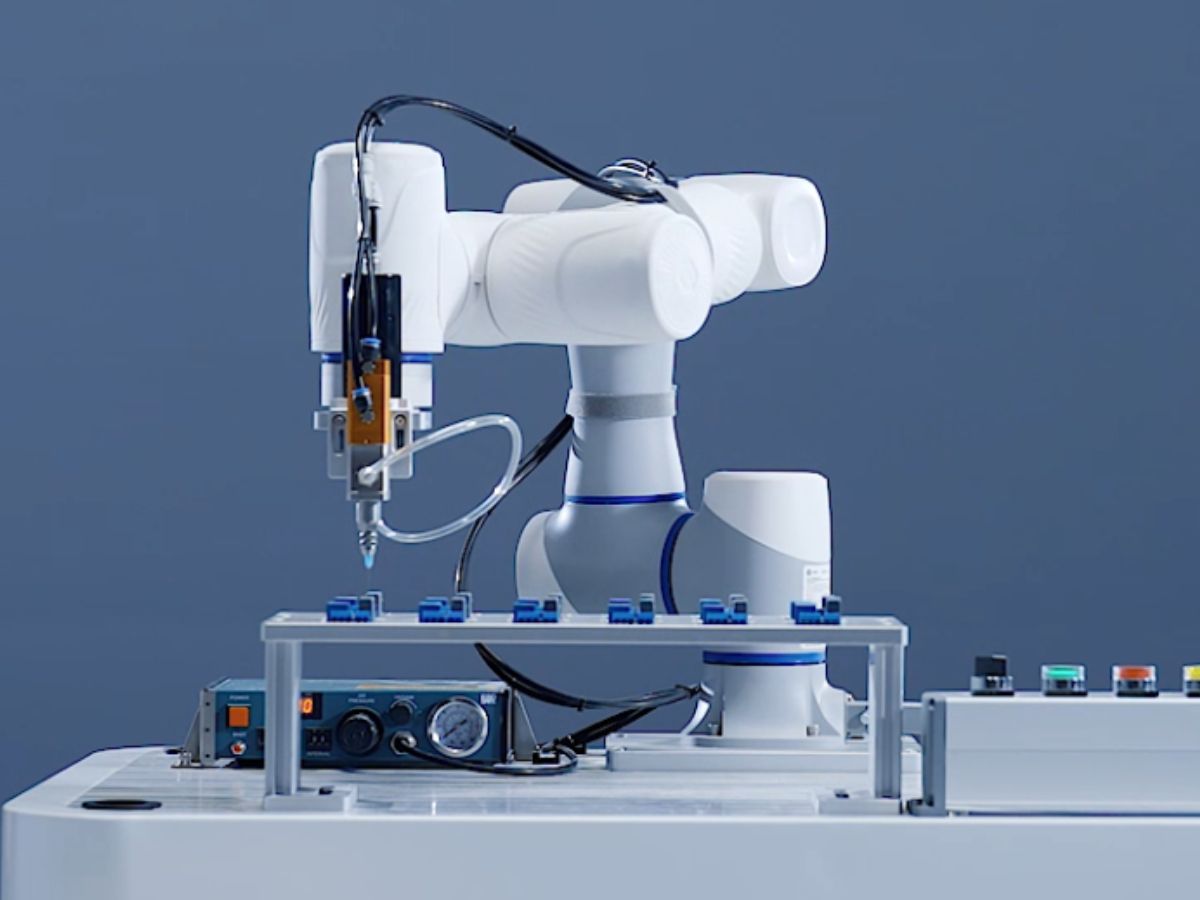
- Mini Harmonic Reducer for Small Robot Arms and Desktop 6-Axis Robots2026-08-14
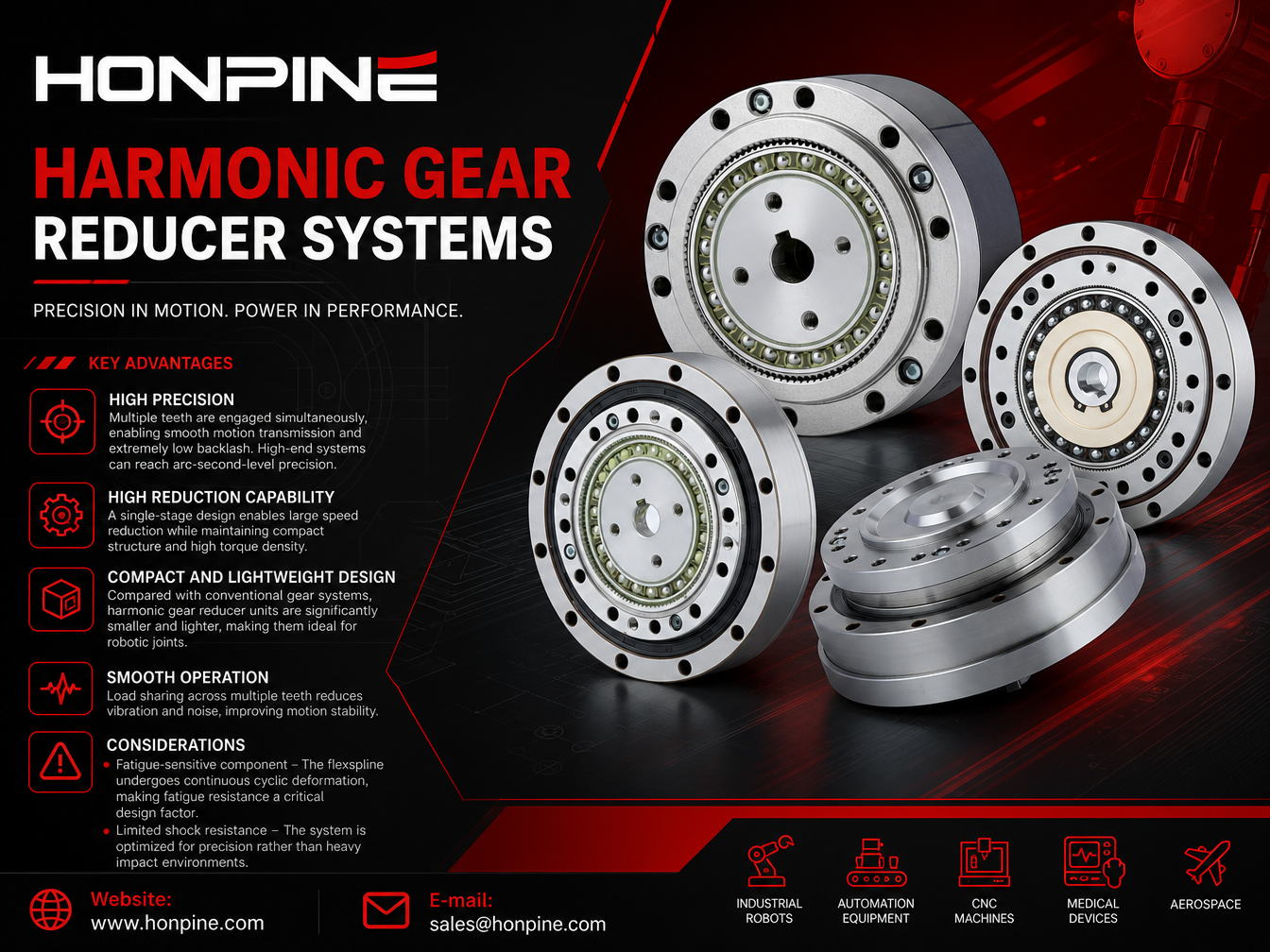
- Harmonic Gear Reducer Technology: Working Principle, Manufacturing Barriers, and Industry Insights2026-06-26Globally, only a limited number of manufacturers are capable of producing high-precision harmonic gear reducer systems. This article explains how these precision transmission systems work, why they are difficult to manufacture, and HONPINE’s perspective on the global supply chain.
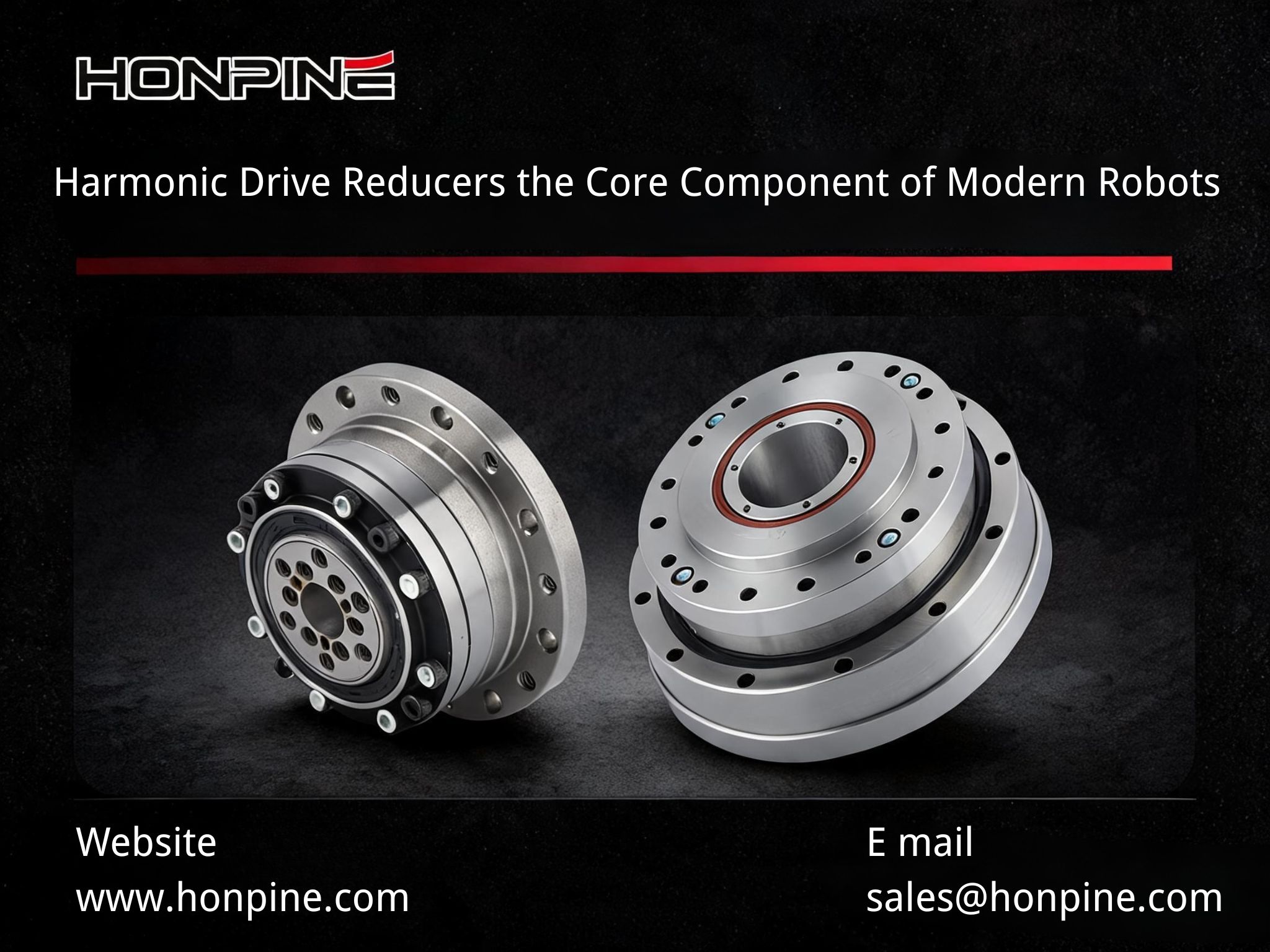
- Why Are Harmonic Drive Reducers the Core Component of Modern Robots?2026-06-26As the core transmission component inside robotic joints, the design, manufacturing quality, and selection of a harmonic drive reducer directly determine a robot's motion accuracy, reliability, and service life. Whether in industrial robots, collaborative robots, or next-generation humanoid robots, harmonic drives have become one of the most critical enabling technologies for high-performance motion control.
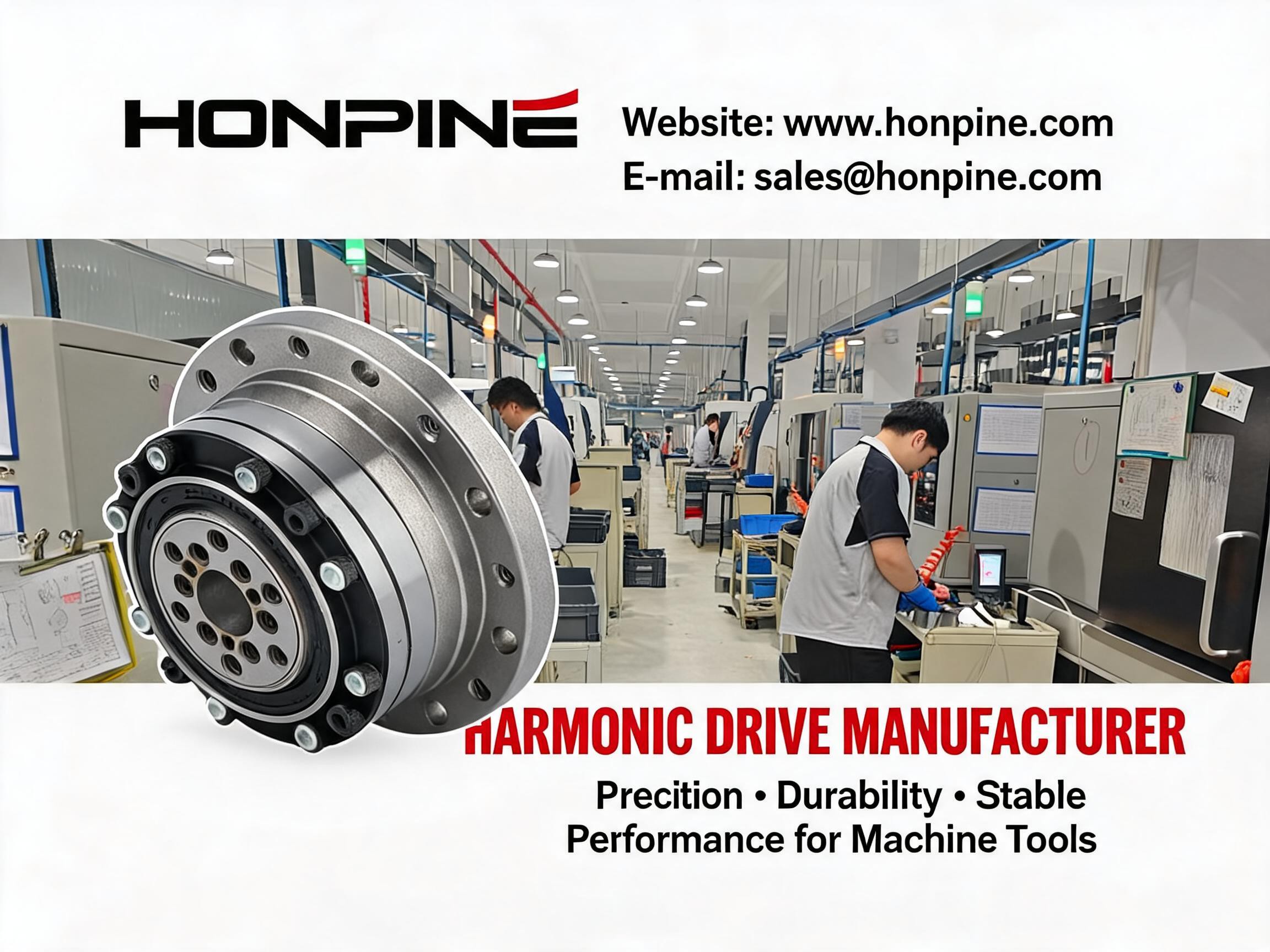
- How to Choose a Reliable Harmonic Drive Manufacturer in China2026-06-23How to Choose a Reliable Harmonic Drive Manufacturer in China: learn how machine tool buyers can assess precision, quality control, customization, and delivery reliability before sourcing.
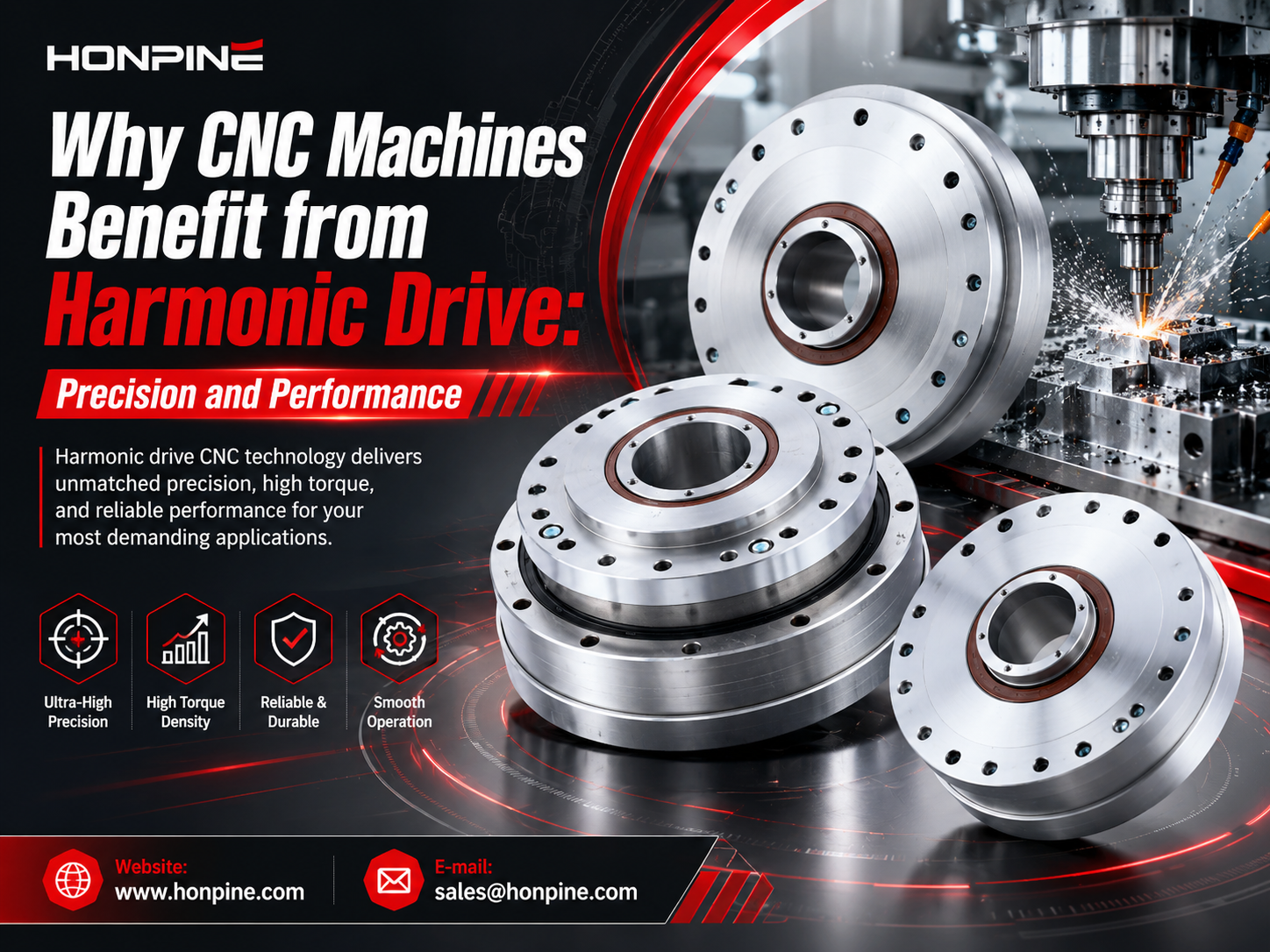
- Why CNC Machines Benefit from Harmonic Drive: Precision and Performance?2026-06-08In modern manufacturing, CNC machines are widely used for turning, taper turning, drilling, tapping, contouring with linear and circular interpolation, and threading (both parallel and tapered). While these machines excel at traditional operations, performing milling tasks on standard CNC turning centers presents significant challenges. This is where harmonic drive CNC technology comes into play, offering a solution that addresses these limitations effectively.

{item.title}
{item.edit_time}
{item.description}
Search
Categories