


CCMT2026: 37% Order Intent Rise from MENA & LatAm, Local After-sales Consortium Demand Surges
On May 2, 2026, the CCMT2026 Organizing Committee released its official post-show report, revealing a 37% year-on-year increase in order intent from buyers in the Middle East and Latin America — with particularly strong engagement from Saudi Arabia, the UAE, Mexico, and Brazil. Notably, 62.3% of overseas buyers explicitly requested collaboration on a ‘Local After-sales Consortium’ model. This development signals shifting procurement priorities in emerging markets and warrants attention from machine tool exporters, after-sales service providers, and industrial equipment OEMs.
Event Overview
The CCMT2026 Organizing Committee published its closing report on May 2, 2026. According to the report, order intent value from Middle Eastern and Latin American buyers rose by 37% year-on-year. Buyers from Saudi Arabia, the United Arab Emirates, Mexico, and Brazil showed above-average participation intensity. Additionally, 62.3% of overseas buyers — for the first time — formally proposed establishing a ‘Local After-sales Consortium’, defined as a joint initiative between Chinese manufacturers and local service partners to co-develop spare parts centers, technical training bases, and rapid-response service teams.
Which Sub-sectors Are Affected
Direct Exporters (OEMs & Tier-1 Machine Tool Manufacturers)
These firms face increased demand for integrated service commitments beyond hardware supply. The rise in consortium requests implies that competitive bidding in MENA and LatAm now hinges not only on price and performance but also on verifiable local service infrastructure readiness. Impact includes longer sales cycles, higher pre-contract due diligence requirements, and potential adjustments to product modularity and spare parts standardization.
After-sales Service Providers & Technical Training Operators
Entities specializing in field service, technician certification, or spare parts logistics are seeing new partnership pathways — but also heightened expectations for scalability and localization depth. The 62.3% figure reflects growing buyer insistence on embedded, on-the-ground support capacity, which may pressure service providers to formalize joint ventures or franchise-like models with regional partners ahead of tender submissions.
Industrial Equipment Distributors & Channel Partners in Emerging Markets
Distributors in target countries are transitioning from transactional intermediaries to strategic co-investors. The consortium model requires them to commit capital or operational capacity to shared infrastructure (e.g., warehousing, training labs), altering traditional margin structures and risk allocation. Their role is increasingly evaluated on service delivery capability — not just market access.
Supply Chain Enablers (Spare Parts Logistics, Certification & Compliance Support)
Companies facilitating cross-border parts movement, local regulatory compliance, or technical documentation must now align with consortium-level timelines and standards. For example, localized spare parts inventory planning and bilingual technical manuals are no longer optional add-ons but baseline prerequisites cited in buyer briefings.
What Relevant Enterprises or Practitioners Should Focus On
Monitor official follow-up guidance from CCMT and MOFCOM on consortium-related policy pilots
While the 62.3% figure reflects buyer sentiment at CCMT2026, it does not yet indicate formal government-endorsed frameworks. Observably, any upcoming pilot programs — e.g., export credit support for joint after-sales facilities — would materially shift implementation feasibility.
Prioritize evaluation of high-intent markets (Saudi Arabia, UAE, Mexico, Brazil) for consortium pilot feasibility
Analysis shows these four markets accounted for disproportionate share of consortium inquiries. Firms should assess existing local partnerships, regulatory pathways for joint ventures, and minimum viable scope (e.g., starting with spare parts hubs before expanding to training centers) before committing resources.
Distinguish between buyer expression of interest and contractual obligation
The report documents stated preferences — not binding terms. From an operational standpoint, current consortium discussions remain largely conceptual. Enterprises should avoid premature CAPEX commitments; instead, focus on developing modular service blueprints and partner qualification criteria that can scale incrementally.
Prepare internal alignment across sales, service, and supply chain functions ahead of RFP cycles
Consortium proposals require synchronized input from engineering (for parts standardization), logistics (for hub location strategy), and HR/training (for curriculum localization). Cross-functional readiness — not just external outreach — is now a prerequisite for responding to tenders in targeted regions.
Editorial Perspective / Industry Observation
This data point is best understood as an early-stage signal — not yet an established market norm. Observably, the ‘Local After-sales Consortium’ concept emerged organically from buyer-side pain points (long lead times, language barriers, inconsistent technician competency), rather than top-down policy mandates. Its rapid uptake at CCMT2026 suggests growing buyer sophistication in evaluating total cost of ownership — especially where production downtime carries high economic penalty. Analysis shows this trend is accelerating faster in capital-intensive sectors such as automotive component manufacturing and metal fabrication, where unplanned maintenance directly impacts throughput. However, widespread adoption remains contingent on resolution of three practical hurdles: shared IP governance, local regulatory recognition of jointly delivered certifications, and financing mechanisms for shared infrastructure. The sector should treat this as a directional marker — one requiring structured observation over the next 12–18 months, rather than immediate large-scale restructuring.
The CCMT2026 report highlights a structural evolution in how emerging-market buyers evaluate industrial equipment suppliers: service integration is no longer a differentiator — it is becoming a gatekeeper criterion. Yet the data reflects expressed intent, not finalized contracts or standardized implementation. Current evidence supports viewing the ‘Local After-sales Consortium’ demand as a maturing procurement expectation — one that rewards preparedness, not speculation. Enterprises benefit most by treating it as a planning horizon signal, not a trigger for wholesale operational overhaul.
Source: CCMT2026 Organizing Committee — Official Closing Report, published May 2, 2026.
Note: Ongoing monitoring is recommended for official announcements related to consortium framework guidelines, export incentive schemes, or bilateral trade facilitation initiatives involving after-sales infrastructure — none of which have been publicly confirmed as of the report’s release date.
Read More
Learn more about the story of HONPINE and industry trends related to precision transmission.
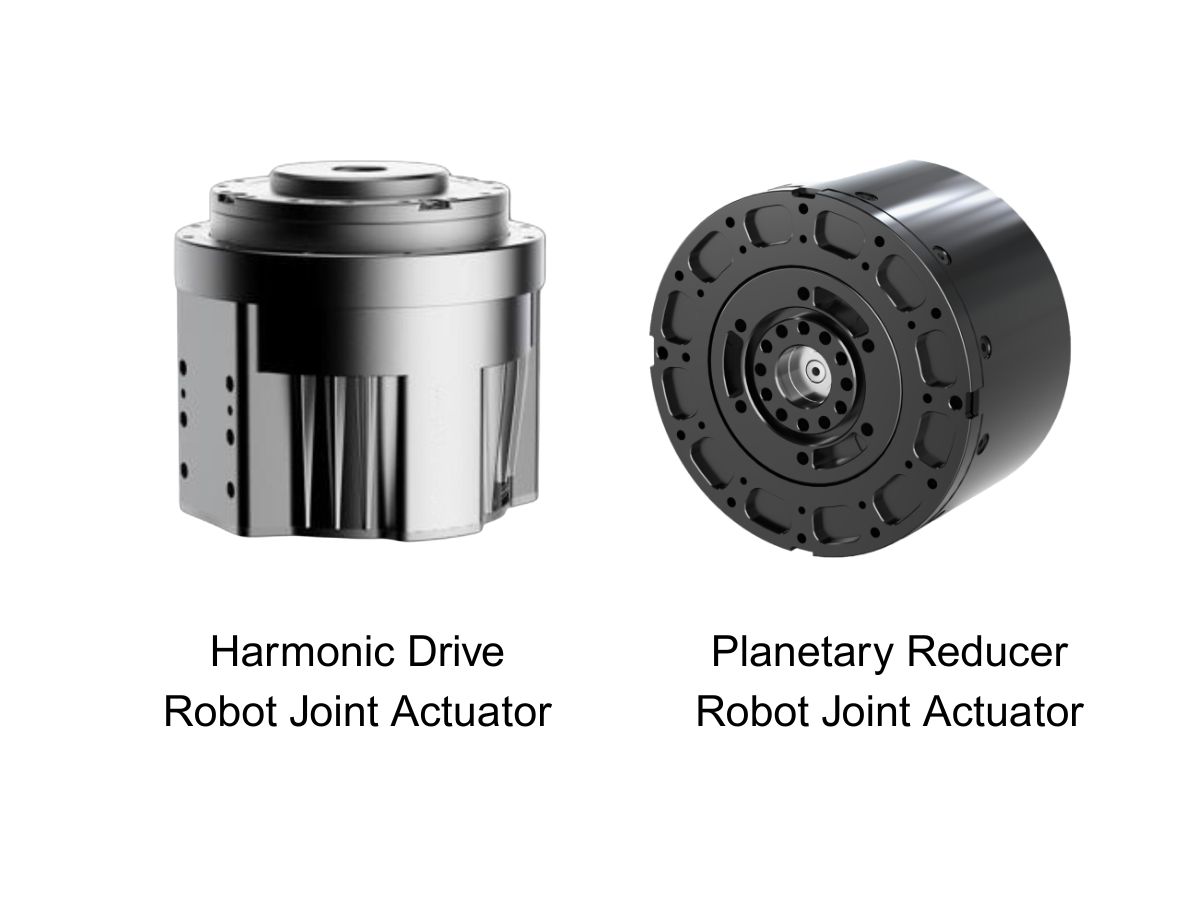
 What is robot joint actuator?How to Choose the Best Robot Rotary Joint Actuator?In core robot joint transmission solutions, planetary and harmonic rotary actuators each have their own strengths. Choosing the right type based on application requirements is essential to achieve the optimal balance between performance and cost.
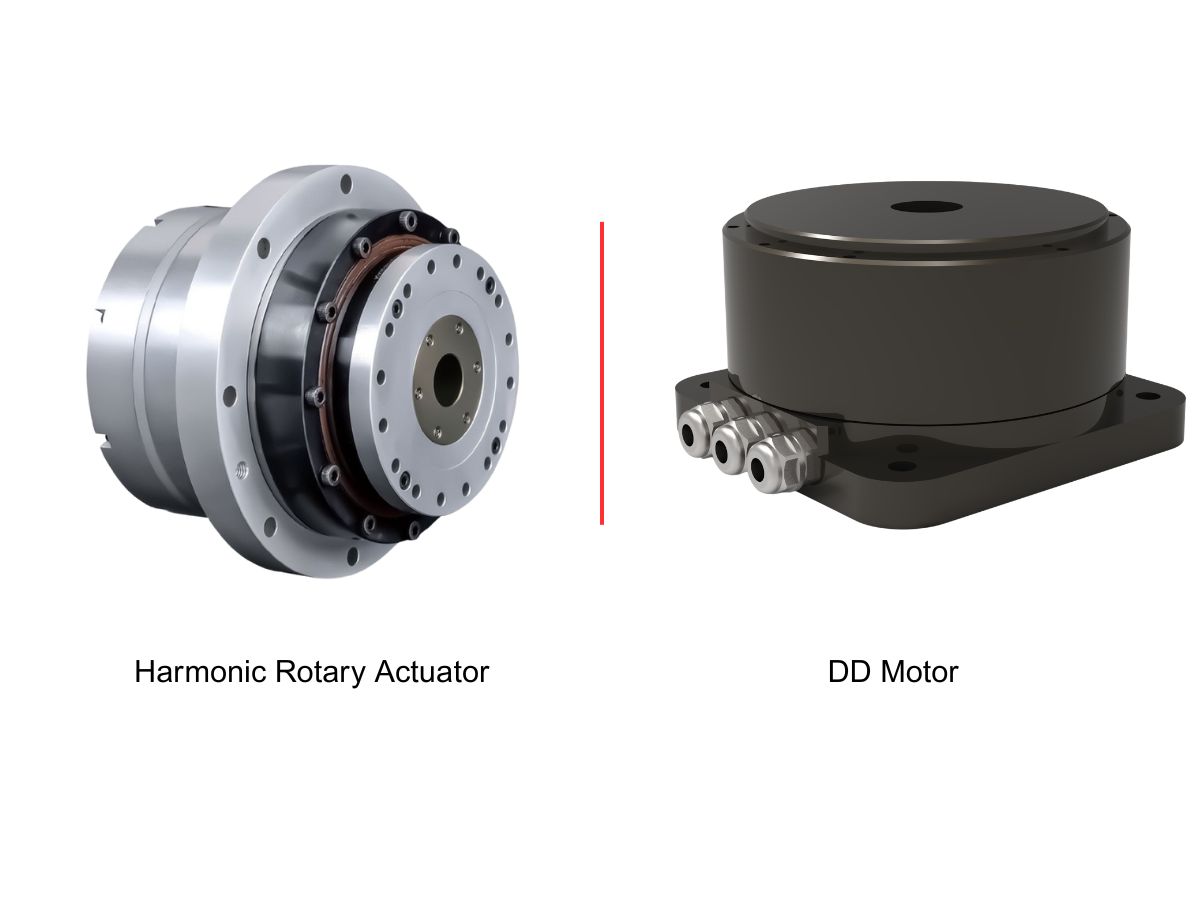
 DD Motors VS Harmonic Rotary ActuatorsThis article provides an in-depth comparison between Direct Drive (DD) motors and harmonic rotary actuators, covering their transmission principles, advantages and disadvantages, and typical application fields.
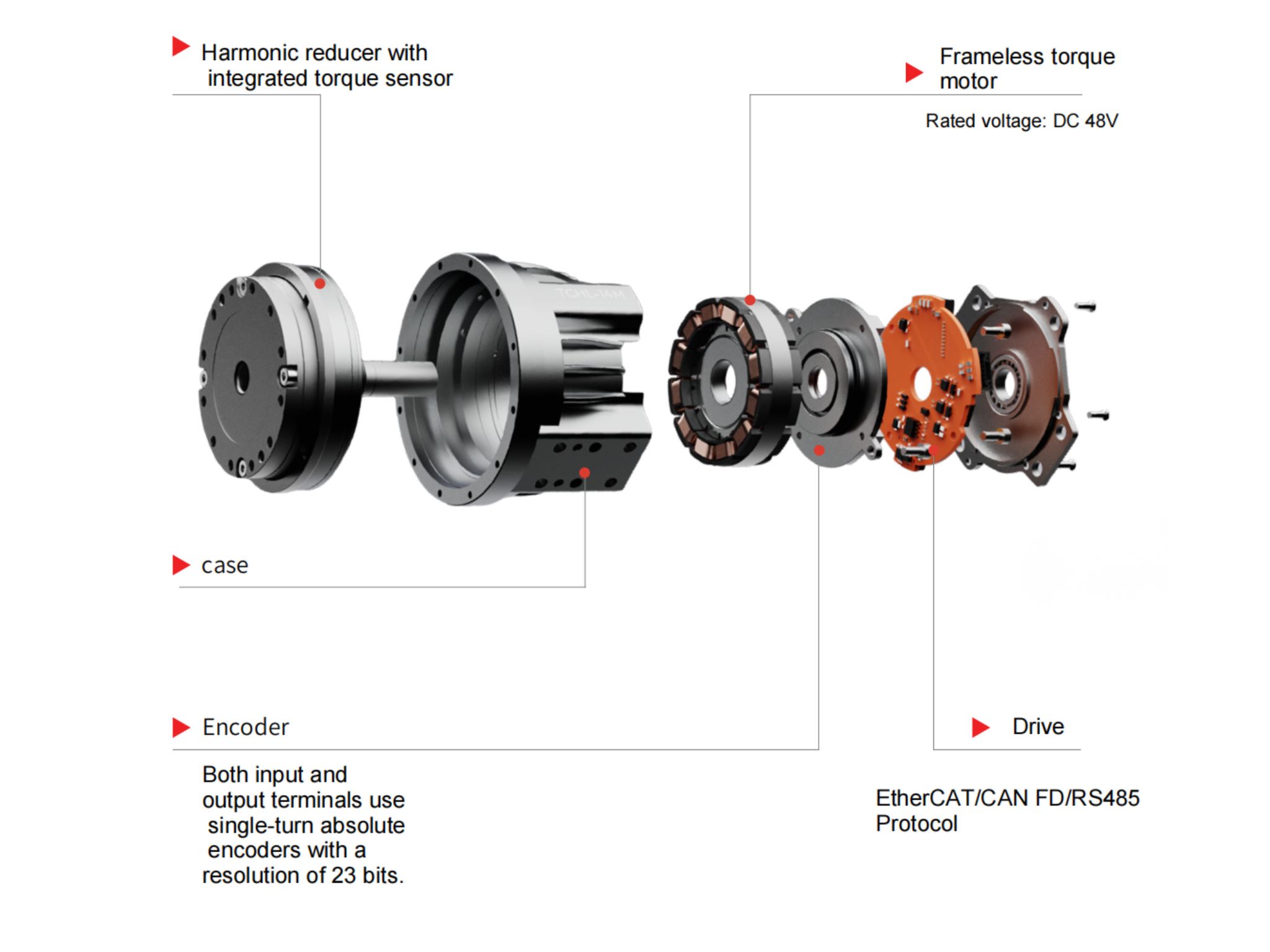
 OMG Ultra Compact Harmonic Drive Joint Module with Built-in Torque SensorHONPINE TCHL series harmonic drive joint module is a game-changing product that achieves disruptive improvements in multiple aspects such as lightweight design, integration level, and connection convenience. This article will analyze its revolutionary enhancements with you.
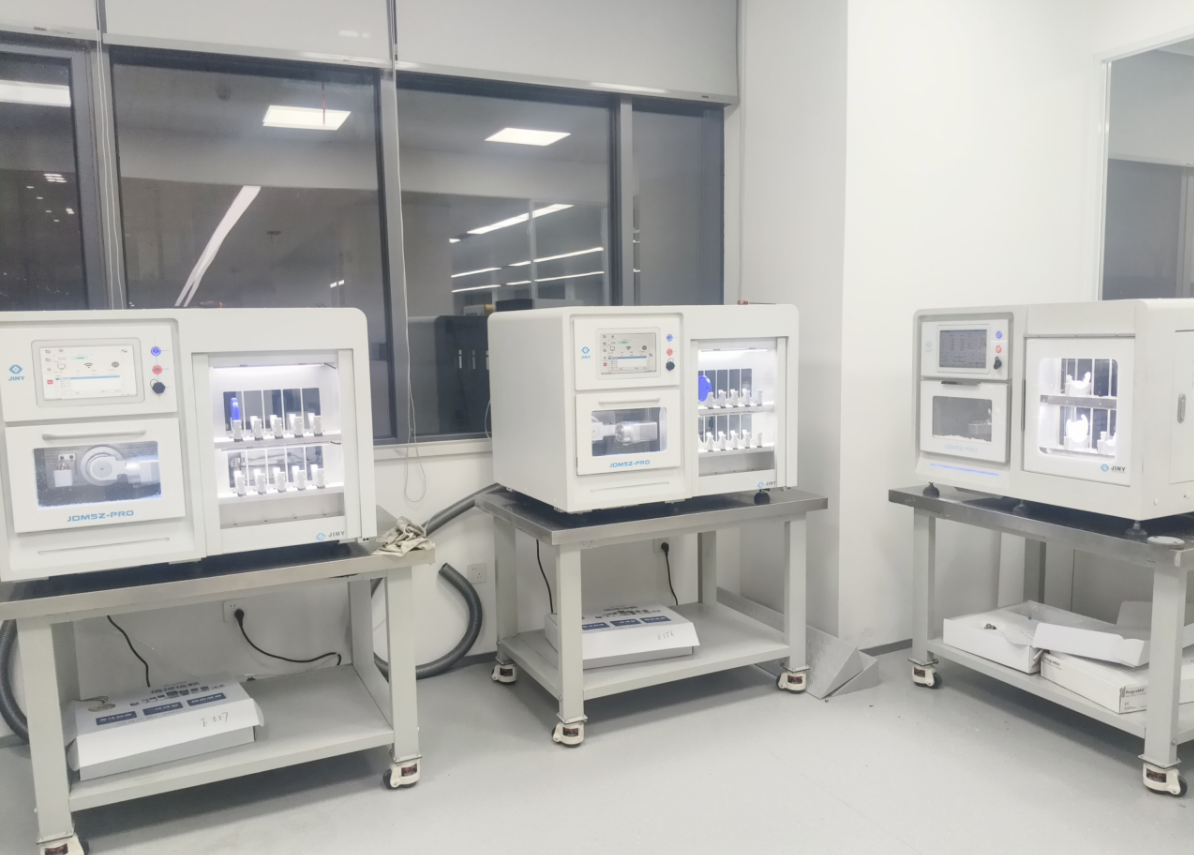
 The Role of Harmonic Drive Gears in Achieving 5–10 μm Accuracy in Dental Milling MachinesA dental milling machine is a CNC machining system used to directly process digital dental models into restorations such as crowns, bridges, veneers, inlays, and implant abutments. Dental milling machines require far higher operational accuracy and motion stability than ordinary equipment. This article explains how harmonic drive gear help dental milling machines achieve stable, continuous, and controllable operation.
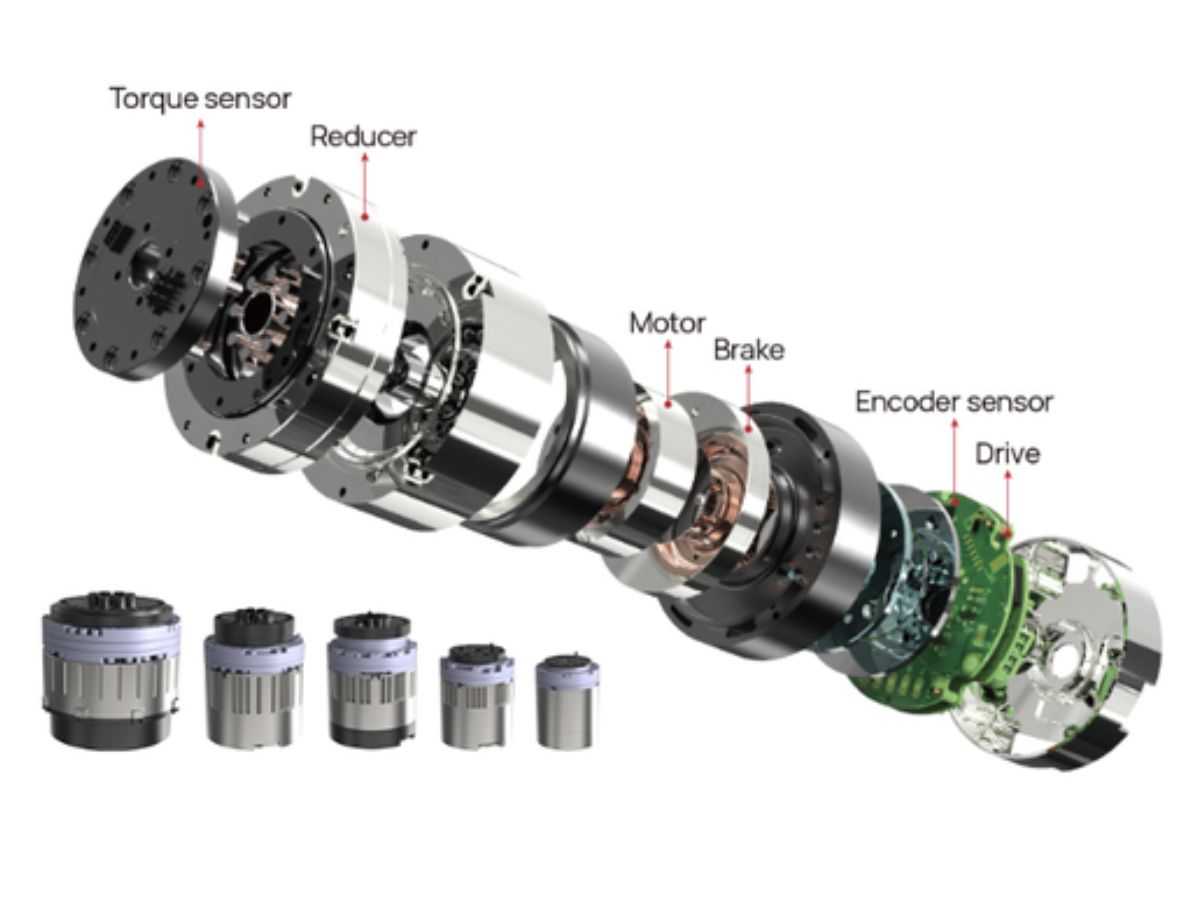
 Why Are Harmonic Rotary Actuators Perfect for Medical Equipment?Harmonic rotary actuators (typically integrated systems consisting of a harmonic drive reducer, frameless torque motor, encoder, and optional brake) are regarded as key components in medical equipment. The core reason is that they simultaneously meet the most stringent medical requirements for precision, compact size, safety, and controllability. The following explanation is structured from three perspectives: technical characteristics, application scenarios, and medical value.
 High-Precision RV Reducers Perfectly Matched for Walking RobotsThe walking axis of a robot is a core component for power transmission and support. RV reducers provide extremely high rigidity, precision, and torque while maintaining a compact size and exceptional reliability, making them an ideal match for the demanding requirements of walking robot joints in terms of load capacity, impact resistance, and precision.
![]() CCMT2026: 37% Order Intent Rise from MENA & LatAm, Local After-sales Consortium Demand SurgesCCMT2026 reveals 37% order intent surge from MENA & LatAm — with 62.3% of buyers demanding Local After-sales Consortium models. Discover strategic implications for machine tool exporters and service providers.
CCMT2026: 37% Order Intent Rise from MENA & LatAm, Local After-sales Consortium Demand SurgesCCMT2026 reveals 37% order intent surge from MENA & LatAm — with 62.3% of buyers demanding Local After-sales Consortium models. Discover strategic implications for machine tool exporters and service providers.![]() CCMT2026 Closes with 37% Rise in Overseas Order IntentionsCCMT2026 drives 37% surge in overseas order intentions — discover how CNC machine tool exporters can leverage localization-based after-sales joint entities for competitive advantage.
CCMT2026 Closes with 37% Rise in Overseas Order IntentionsCCMT2026 drives 37% surge in overseas order intentions — discover how CNC machine tool exporters can leverage localization-based after-sales joint entities for competitive advantage.![]() CCMT2026 Attendance Up 22.7%, Overseas Buyers Rise SharplyCCMT2026 attendance up 22.7% — overseas buyers surge 35%+ from Germany, Mexico & Vietnam. Discover key trends in five-axis machining, harmonic drives & smart tooling.
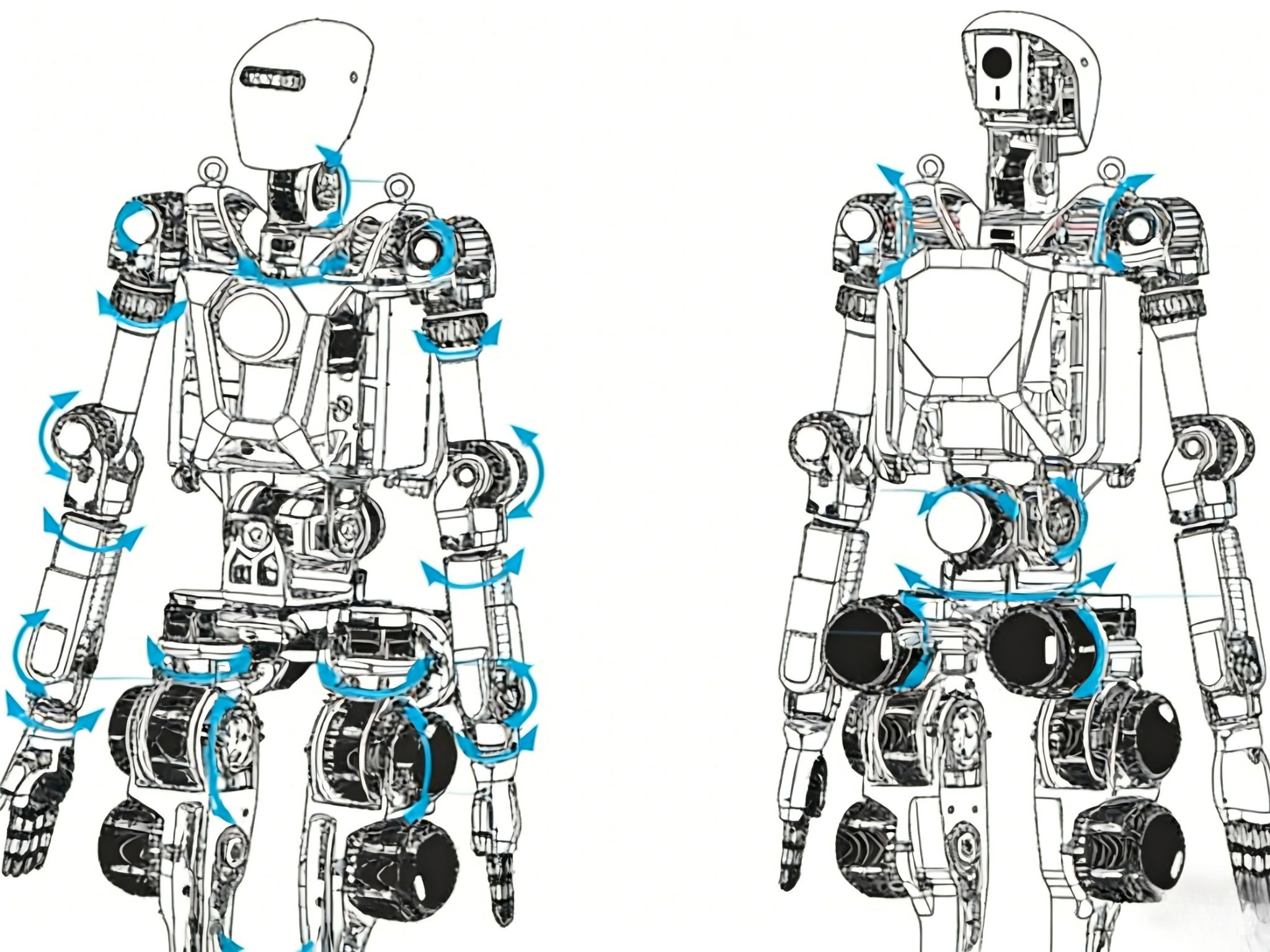
CCMT2026 Attendance Up 22.7%, Overseas Buyers Rise SharplyCCMT2026 attendance up 22.7% — overseas buyers surge 35%+ from Germany, Mexico & Vietnam. Discover key trends in five-axis machining, harmonic drives & smart tooling. How to Select Robot Joint Modules for Arms, Torso, Head, and Legs in AGV and Humanoid RobotsRobot AGV platforms, lifting legs, folding legs, torso, head, and dual arms each have different functional requirements. Therefore, different types of harmonic gear joint modules and planetary joint modules should be selected accordingly.
 What is a DD Motor? How to Select a DD Motor?DD motor, full name Direct Drive motor, is a motor that directly drives the load without using reduction devices such as gears, belts or ball screws. Its working principle is based on high torque output, allowing it to be directly connected to the moving equipment, thereby eliminating the need for intermediate connection parts such as fasteners, gearboxes and belts.
 How to choose an RV reducer Gearbox?This article will explain the key selection points, advantages and disadvantages, brands and suppliers, as well as the differences between RV reducer gearboxes and harmonic drives.

Double Click
We provide harmonic drive reducer,planetary reducer,robot joint motor,robot rotary actuators,RV gear reducer,robot end effector,dexterous robot hand
![]() CCMT2026: 37% Order Intent Rise from MENA & LatAm, Local After-sales Consortium Demand SurgesCCMT2026 reveals 37% order intent surge from MENA & LatAm — with 62.3% of buyers demanding Local After-sales Consortium models. Discover strategic implications for machine tool exporters and service providers.
CCMT2026: 37% Order Intent Rise from MENA & LatAm, Local After-sales Consortium Demand SurgesCCMT2026 reveals 37% order intent surge from MENA & LatAm — with 62.3% of buyers demanding Local After-sales Consortium models. Discover strategic implications for machine tool exporters and service providers.![]() CCMT2026 Closes with 37% Rise in Overseas Order IntentionsCCMT2026 drives 37% surge in overseas order intentions — discover how CNC machine tool exporters can leverage localization-based after-sales joint entities for competitive advantage.
CCMT2026 Closes with 37% Rise in Overseas Order IntentionsCCMT2026 drives 37% surge in overseas order intentions — discover how CNC machine tool exporters can leverage localization-based after-sales joint entities for competitive advantage.![]() CCMT2026 Attendance Up 22.7%, Overseas Buyers Rise SharplyCCMT2026 attendance up 22.7% — overseas buyers surge 35%+ from Germany, Mexico & Vietnam. Discover key trends in five-axis machining, harmonic drives & smart tooling.
CCMT2026 Attendance Up 22.7%, Overseas Buyers Rise SharplyCCMT2026 attendance up 22.7% — overseas buyers surge 35%+ from Germany, Mexico & Vietnam. Discover key trends in five-axis machining, harmonic drives & smart tooling. Embedded vs. External Torque Sensors in Robotic Joints Module: Engineering Trade-offs and Future TrendsIn recent years, with the rapid growth of humanoid robots and collaborative robots, high-precision force control has become a core capability for achieving compliant and safe interaction. At the heart of this capability lies a critical component inside the robotic joint module: the torque sensor, responsible for perceiving force.
However, the installation method of torque sensors directly determines joint performance, reliability, and cost. Today, two main technical approaches dominate the market: embedded (integrated) and external (add-on) torque sensors.
This distinction goes beyond simply “built-in” versus “attached.” The fundamental difference lies in whether the torque sensing structure is an intrinsic part of the mechanical transmission chain and integrated within the joint itself. A Complete Guide to Choosing Single-Encoder vs. Dual-Encoder Robot Joint ActuatorsIn a robot joint, encoders play a role similar to human vision and proprioception. They continuously measure the position and speed of both the motor rotor and the output shaft, feeding this information back to the controller to form a precise closed-loop control system.
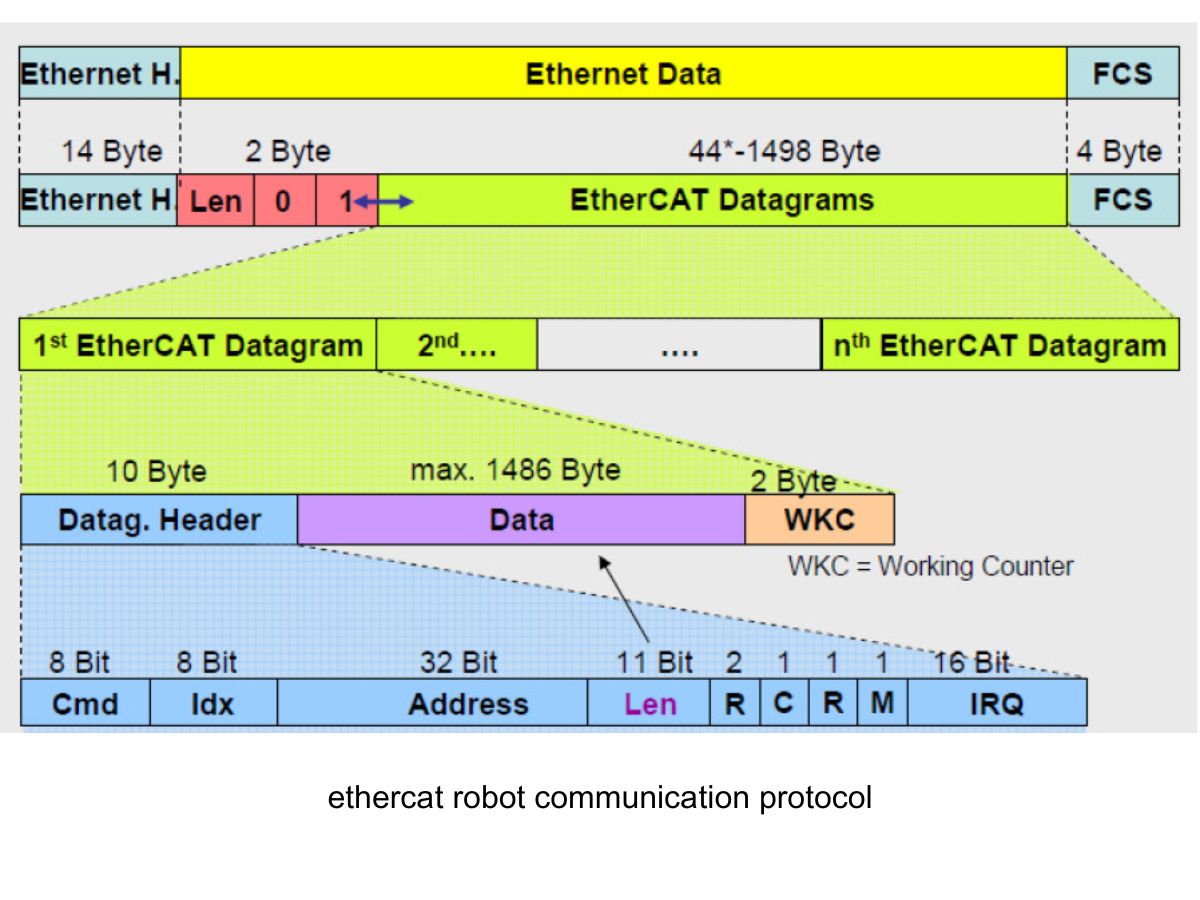
Encoders are also one of the core components of HONPINE joint actuators, directly determining motion accuracy, stability, and safety. Robot Communication Protocols: Why EtherCAT and CAN Are the FutureAccording to statistics released by the EtherCAT Technology Group (ETG) in 2024, EtherCAT has captured 39.2% of the global industrial robot communication protocol market, with an annual growth rate of 12.7%, significantly outperforming other competing protocols. Its advantages are particularly evident in key application scenarios: from multi-joint real-time coordinated control in humanoid robots, to multi-sensor fusion in autonomous driving, and human–machine collaboration in Industry 4.0. EtherCAT is redefining how intelligent systems interact with the physical world.
 Why Is It So Difficult for the Price of High-Performance Humanoid Robots to Decrease?And Why Are Harmonic Joint Modules Still Irreplaceable?The core reason lies in one unavoidable requirement: high degrees of freedom.
High DOF is essential for humanoid robots, and this directly leads to harmonic joint modules accounting for a consistently high proportion of total system value. Harmonic Drive Systems VS Nabtesco VS HONPINE Harmonic Drive MotorThe integrated harmonic joint motor is a highly integrated, high-performance robotic joint solution that combines the motor, reducer, encoder, sensors, and other key components into one unit. It provides powerful drive capability and precise motion control for robots. Regarded as the “heart” of humanoid robot motion, it is installed at various joints to control their movement and directly determines the robot’s overall performance. Therefore, choosing a reliable harmonic joint motor is crucial for humanoid robot development.
 How to Find a Reliable Supplier Amid Soaring Demand for Harmonic Drives and Harmonic Actuators?Under the driving forces of AI, embodied intelligence, and other key technologies, the humanoid robot industry is experiencing explosive growth. The demand for harmonic drives and harmonic actuators has surged accordingly, making it increasingly difficult for machinery companies to find reliable suppliers. So, how is HONPINE responding to this surge in demand?
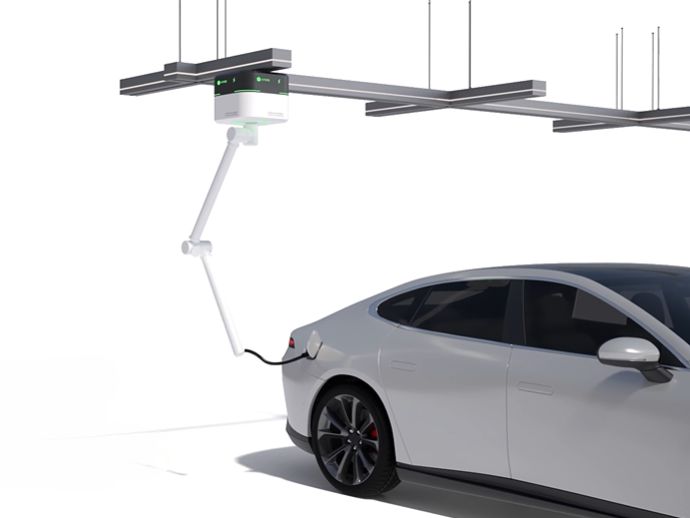
 Harmonic Rotary Actuator Helps Implement the World’s First Track-Changing Aerial Mobile Smart EV DC Charging StationChina’s first track-changing aerial mobile smart EV DC charging station has begun trial operations in over 10 cities. This project utilizes three major technologies: aerial track free lane switching, AI robotic automatic charging, and suspended installation design. The high precision, high torque, and lightweight characteristics of the harmonic rotary actuator have been crucial to the successful implementation of this project.
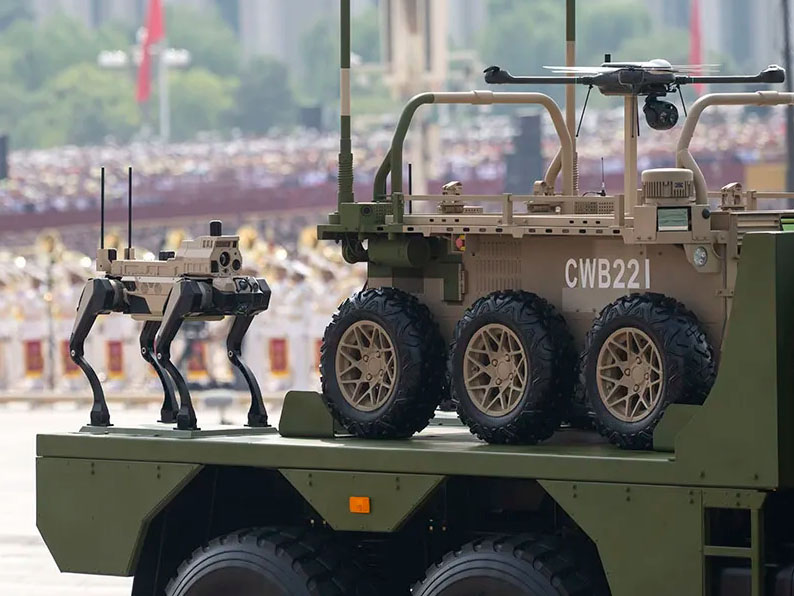
 Robot Dogs with Planetary Joint Motors Performed Well in China's 93rd Victory DayOn September 3, 2025, China held a large-scale military parade for 93rd victory day, during which it showcased the "Mechanical Wolf," a robotic dog belonging to the Army's unmanned combat unit. The HONPINE planetary joint motor perfectly matches the joint requirements of robot dogs.
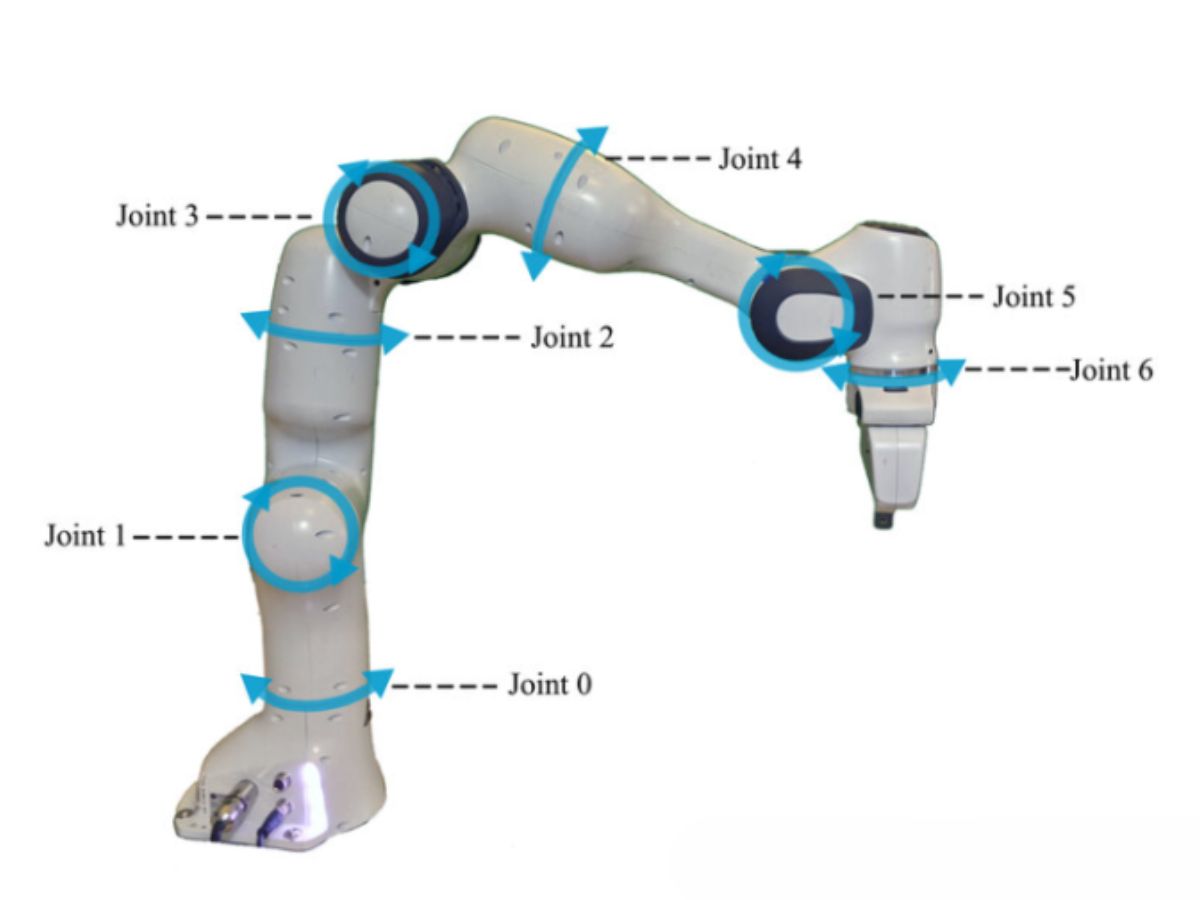
 Robot Joint Motors Empower Robots with Flexible Movement in Multiple Degrees of FreedomRobot Joint motors can be freely combined to form multi-degree-of-freedom (DOF) robotic arms and serve as the internal framework for service robots, breaking the industry's conventional product design paradigms. They not only meet performance requirements but also foster innovation within the sector. For instance, the smallest models can be applied in gimbals and drones, while the largest models are suitable for humanoid robots and robotic arms. Applications span industrial robots, civilian service robots, specialized robots, machining industries, precision instruments, transportation vehicles, and medical equipment.