








Current tag:joint motors
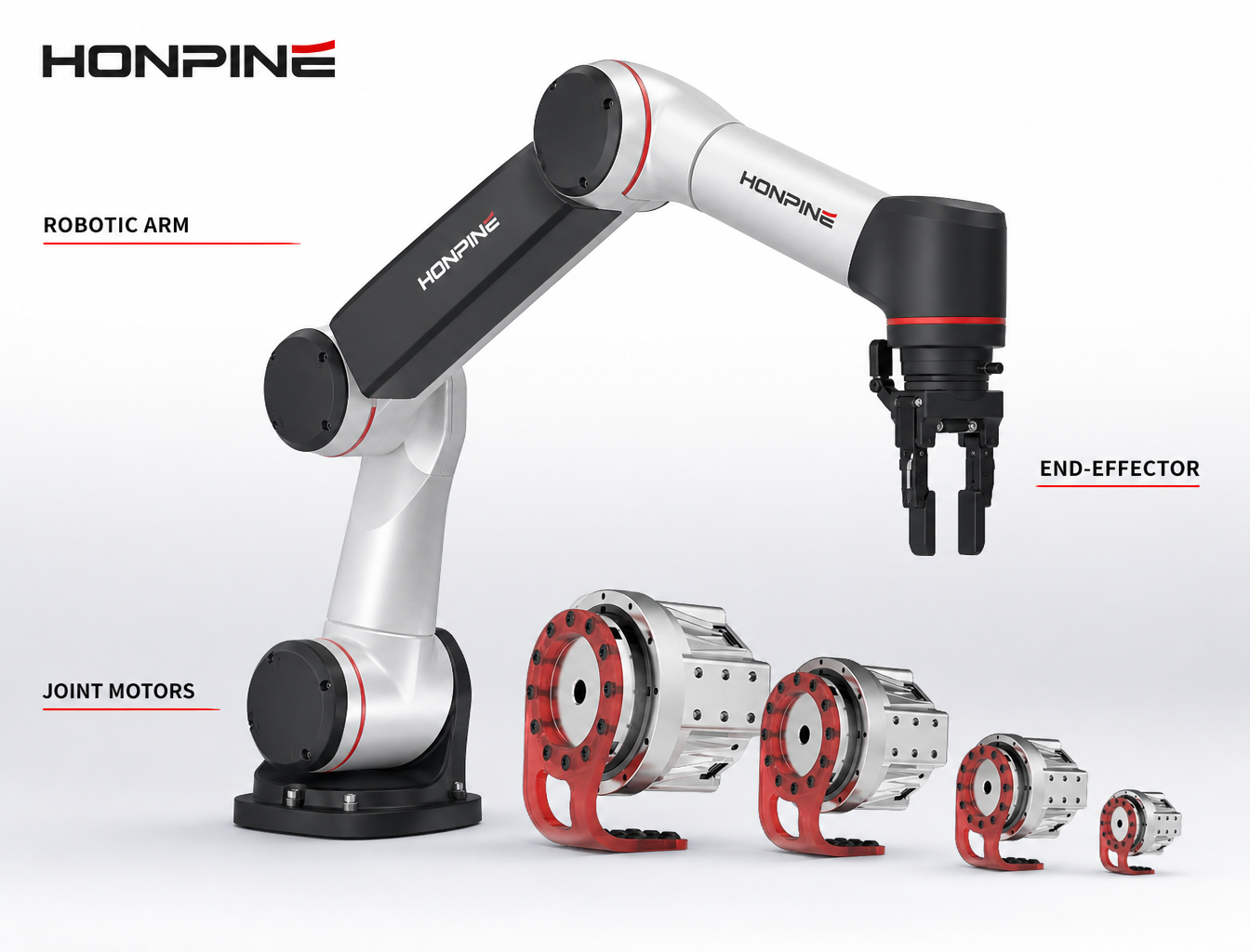
 How to Choose a Robot Joint Motor for Better End-Effector Performance?Choosing a robot joint motor is not only about selecting the highest torque or the smallest joint. The performance of a robotic arm is ultimately determined by what happens at the end-effector. Tool mass, payload, center of gravity, rotational inertia, motion speed, acceleration, and settling performance can all influence the requirements of each robot joint. Depending on the application, a harmonic joint motor or planetary joint motor may provide a different balance between torque, speed, compactness, and system dynamics. This article explains how to select a robot joint motor by starting with end-effector requirements and evaluating the complete robotic arm as a motion system.
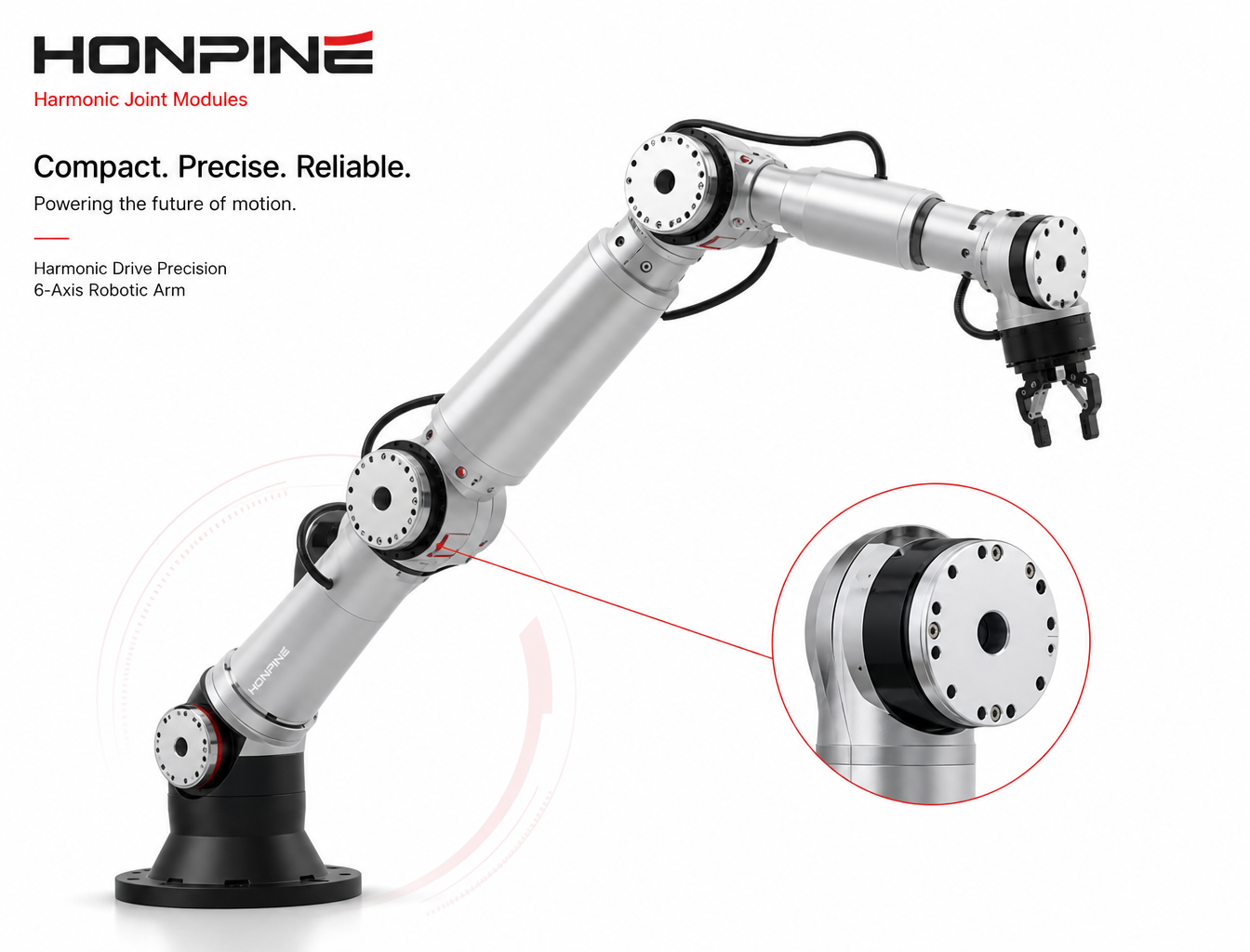
- How to Size Robot Joint Modules for a Robotic Arm? A Practical Engineering Guide?Choosing a suitable robot joint module is one of the most important decisions when designing a robotic arm. The right selection is not determined by payload or rated torque alone. Link mass, center of gravity, rotational inertia, acceleration, joint weight, torque density, installation space, and operating cycle can all affect the final joint requirements. An oversized joint may increase the robot's mass and inertia, while an undersized joint can limit motion performance and reliability. This guide explains a practical engineering approach to selecting a robot joint module, helping robotic arm designers evaluate torque, weight, dimensions, dynamic performance, and system integration before finalizing their joint architecture.
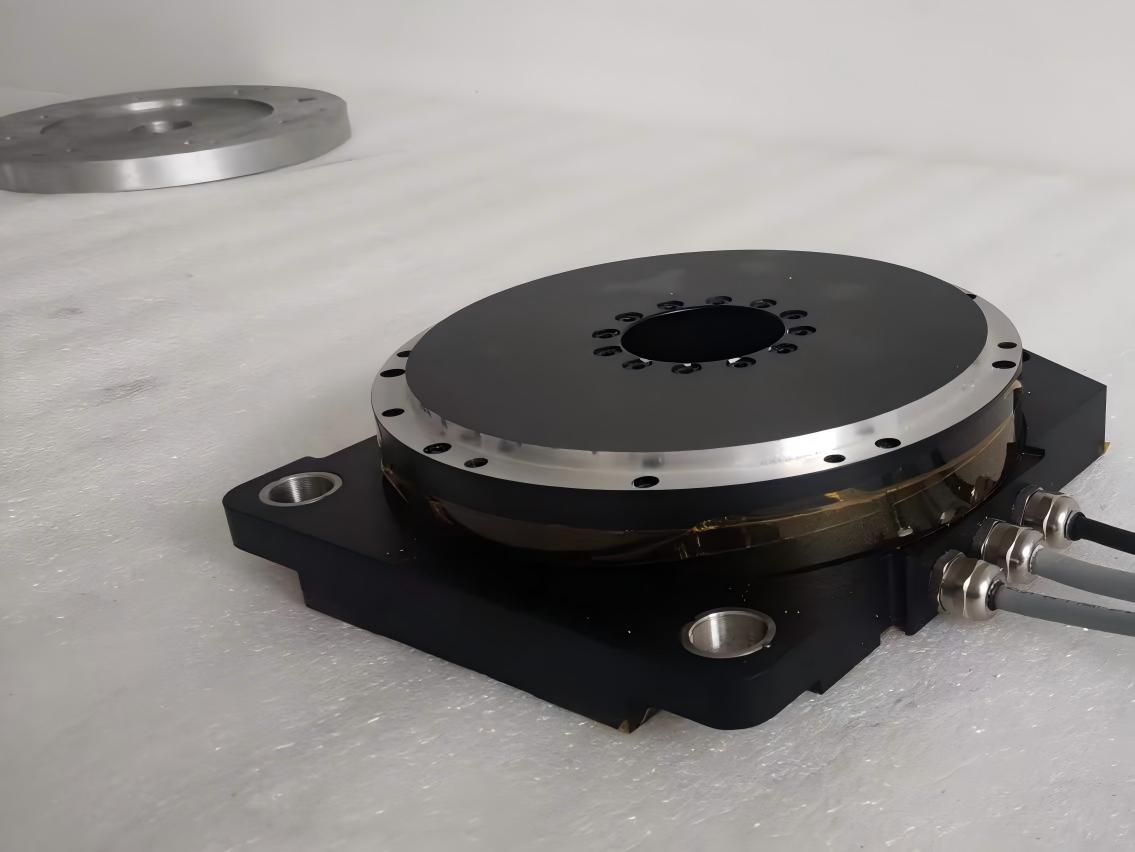
 Ultra-Thin Direct Drive Rotary Actuator for High-Precision Automation and InspectionDiscover how an ultra-thin direct drive rotary actuator and direct drive rotary motor improve positioning accuracy, smooth motion, and compact machine integration for semiconductor inspection, AOI systems, optical alignment, chip sorting, photovoltaic wafer inspection, and precision automation equipment.
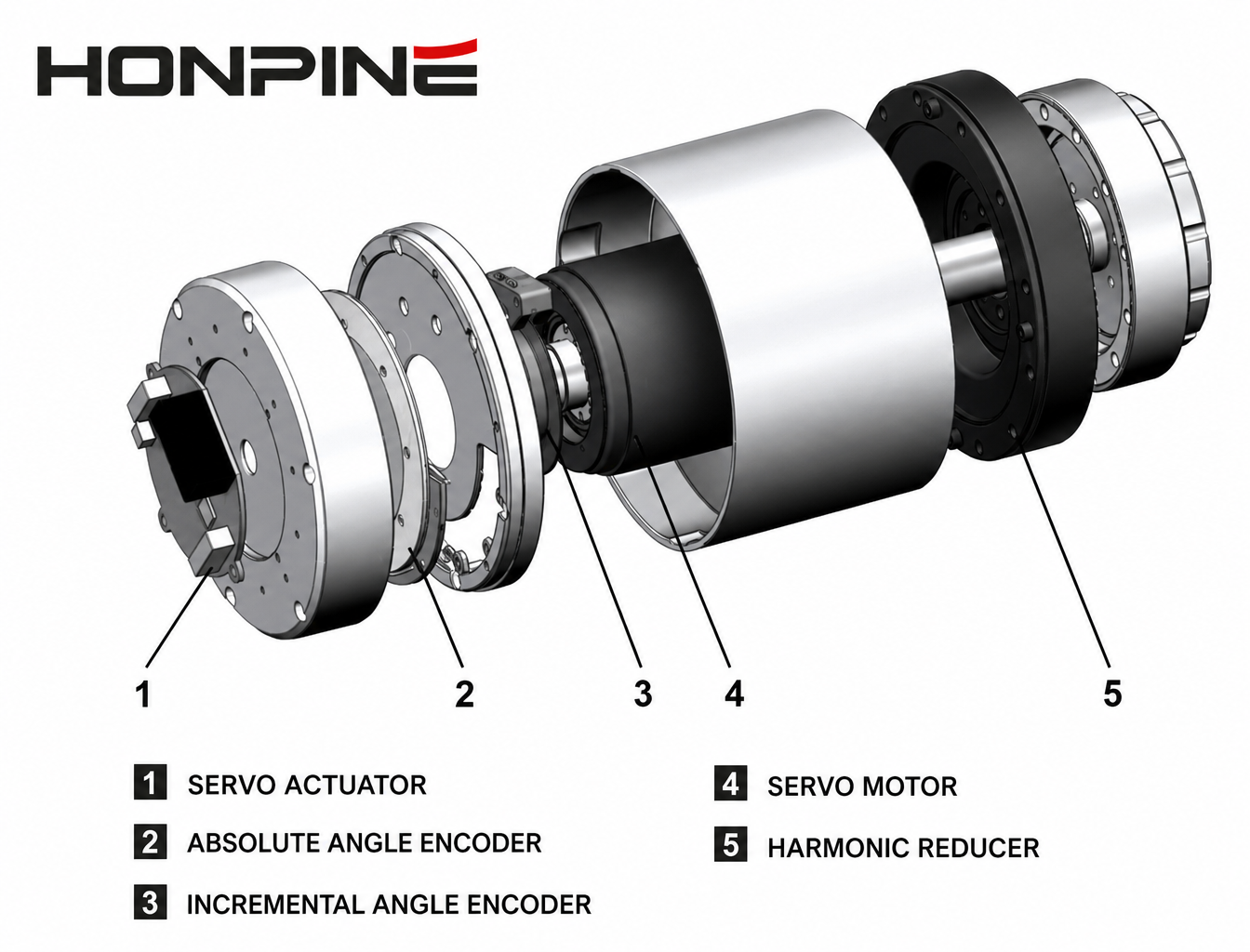
- Robot Joint Motor with Dual Encoders: How to Reduce Harmonic Reducer Backlash and Improve Position AccuracyA high-performance robot joint motor is more than a motor combined with a harmonic reducer. Actual robot joint position accuracy depends on the complete motion chain, including transmission characteristics, mechanical stiffness, encoder feedback, load variation, and control performance. Although a harmonic reducer can achieve extremely low backlash, low backlash does not automatically guarantee perfect output accuracy. A dual encoder robot joint motor adds direct output-side feedback to motor-side position measurement, allowing the control system to better understand actual joint movement and reduce the effects of transmission error and load-dependent deformation. This article explains how dual encoders can improve robot joint position accuracy in high-precision and high-dynamic applications.