

How to Choose a Robot Joint Motor for Better End-Effector Performance?
Introduction
When designing a robotic arm, selecting the right robot joint motor is not simply a matter of choosing the highest torque, the smallest size, or the most advanced transmission technology. The final purpose of every robot joint is to support the movement and performance of the end-effector.
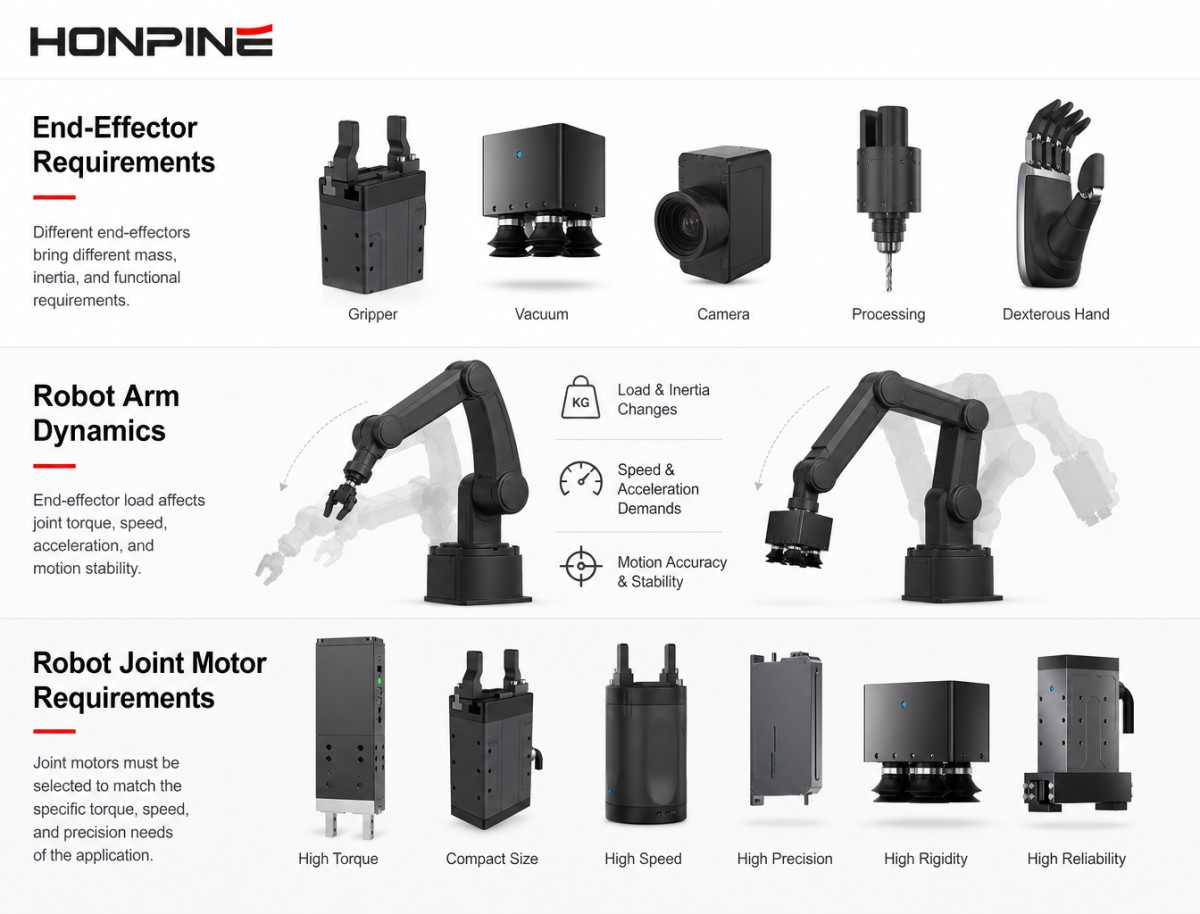
A robotic arm may use a gripper, vacuum tool, camera, welding torch, inspection device, dispensing head, screwdriver, or other specialized tool. Each end-effector creates different requirements for payload capacity, motion speed, acceleration, positioning stability, and dynamic response.
For this reason, the selection of a robot joint motor should begin with the performance required at the end of the robotic arm.
The mass, center of gravity, dimensions, motion cycle, acceleration requirements, and working task of the end-effector all influence the performance required from the robot joints. These requirements can then be translated into motor torque, output speed, reduction ratio, joint mass, and transmission characteristics.
In many robotic systems, a harmonic joint motor or a planetary joint motor can both provide an effective solution. The best choice depends on how the complete robotic arm must perform rather than on the specification of a single component.
This article explains how end-effector requirements influence robot joint motor selection and how engineers can evaluate harmonic joint motors and planetary joint motors according to real robotic arm performance.
Why Robot Joint Motor Selection Should Start With the End-Effector?
The end-effector is where a robotic arm performs its actual work.
A robot joint motor does not create value simply by generating torque. Its purpose is to move the links of the robotic arm so that the end-effector can reach, position, accelerate, decelerate, and interact with a workpiece or surrounding environment.
This means that the final performance of the robot should be evaluated at the end-effector.
A robot may have sufficient joint torque while still experiencing poor end-effector performance. The arm may vibrate after rapid movement, accelerate too slowly, require excessive time to stabilize, or experience position changes under external load.
Therefore, the first step in robot joint motor selection should be to define what the end-effector must achieve.
The required payload, tool mass, center of gravity, working range, maximum speed, acceleration, positioning stability, and operating cycle should all be considered.
Once these requirements are defined, engineers can evaluate the performance required from the complete robotic arm and then select the appropriate robot joint motor for each axis.
How End-Effector Mass Affects Robot Joint Motor Requirements?
The end-effector assembly often includes more than the tool itself.
A complete robotic end assembly may include a gripper, tool changer, force sensor, camera, cables, connectors, vacuum components, process equipment, and the workpiece.
All of these components contribute to the load carried by the robotic arm.
However, robot joint motor selection should not be based on mass alone.
The location of the center of gravity is equally important.
A compact and heavy tool may create a lower joint moment than a lighter tool that extends a significant distance from the robot flange.
For a simplified static condition, the load moment can be represented as:
T = m × g × L
where T is the required torque, m is the mass, g is gravitational acceleration, and L is the effective distance between the joint axis and the center of gravity.
As the robotic arm changes position, the effective lever arm can also change.
This means that robot joint motor requirements should be calculated according to the complete range of motion rather than a single static position.
Why Tool Inertia Matters When Selecting a Robot Joint Motor?
End-effector mass is only one part of the dynamic load.
The rotational inertia of the tool can have a major influence on robot joint motor performance.
A tool with a large offset from the axis of rotation may require significant acceleration torque even when its total mass is relatively low.
Rotational inertia can be simplified as:
J = m × r²
where J represents rotational inertia, m represents mass, and r represents the distance between the mass and the axis of rotation.
The squared relationship with distance means that increasing the distance between the tool mass and the rotation axis can significantly increase inertia.
During acceleration and deceleration, the robot joint motor must generate additional torque.
This dynamic torque can be represented as:
T = J × α
where α is angular acceleration.
For robotic arms equipped with long grippers, inspection tools, cameras, process heads, or extended tool changers, inertia should therefore be evaluated together with payload capacity.
A robot joint motor that appears sufficient according to static torque may not provide the required dynamic performance during rapid movement.
How Robot Joint Motor Mass Influences Robotic Arm Dynamics?
The mass of a robot joint motor becomes part of the robotic arm itself.
This is particularly important for joints located farther from the robot base.
A heavy joint near the end of the arm becomes a downstream load for the other robot joints. This additional mass must be accelerated and decelerated during every motion cycle.
As a result, selecting an unnecessarily large joint motor for one axis can increase the torque requirements of other axes.
The effect can become cumulative.
A larger joint motor can increase downstream mass. Higher downstream mass can require a larger upstream motor. The larger upstream motor then adds more mass to the robotic structure.
This is why robot joint motor selection should consider the mass distribution of the complete robotic arm.
For high-speed applications, reducing unnecessary distal mass can help improve end-effector acceleration and reduce the mechanical load on the entire robot.
Why Torque Density Matters for End-Effector Performance?
Torque density is an important parameter when selecting a robot joint motor because robotic systems must balance output capability with size and mass.
A compact joint motor with sufficient torque can help reduce the dimensions of the robotic arm. A lightweight joint can reduce downstream mass. Lower downstream mass can reduce the torque required from other joints.
These benefits can improve the dynamic performance of the end-effector.
However, the objective is not simply to choose the smallest possible robot joint motor.
An undersized motor may have insufficient continuous torque, limited thermal capacity, or poor overload capability.
The objective is to select a robot joint motor that provides an appropriate balance between output torque, joint mass, installation dimensions, and dynamic requirements.
This is particularly important when designing robotic arms for high-speed handling, inspection, machine tending, and automated assembly.
Harmonic Joint Motor and End-Effector Performance
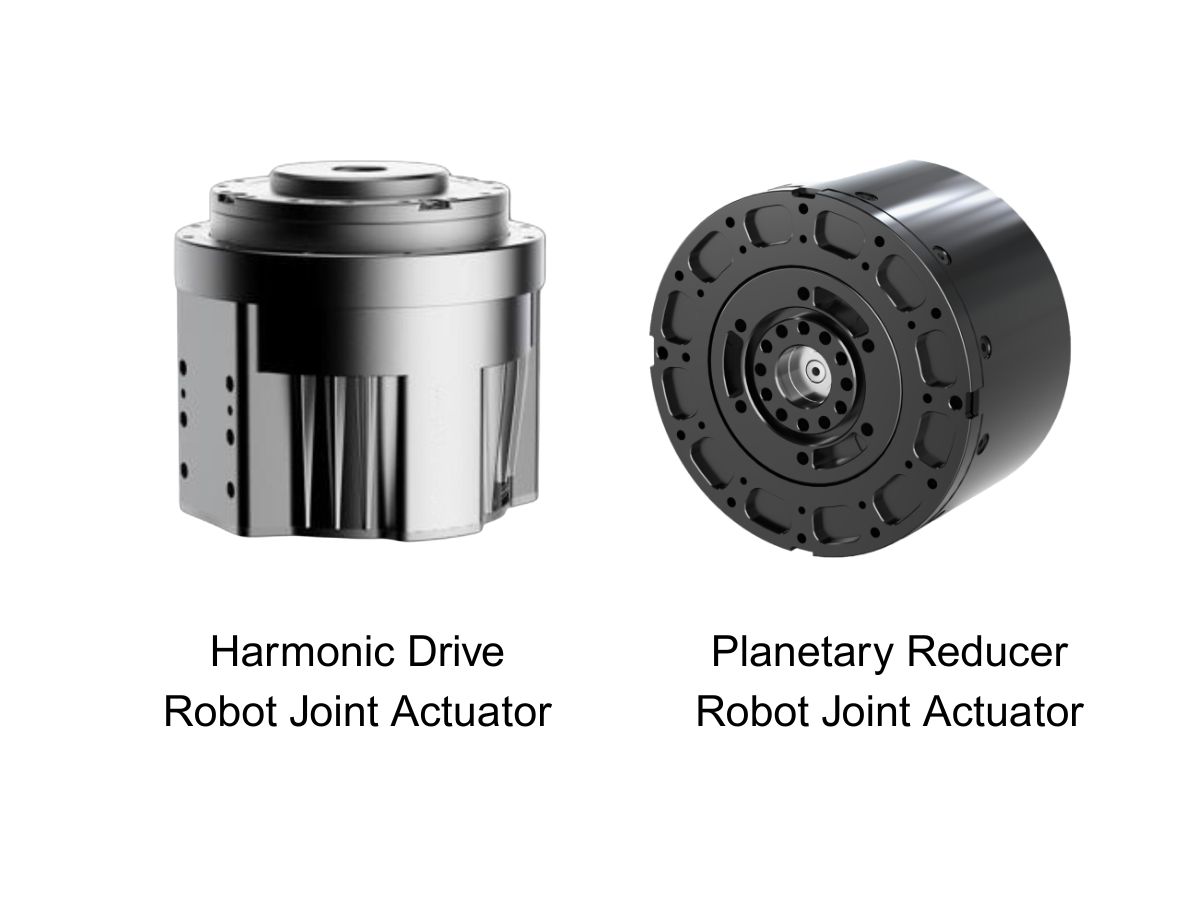
A harmonic joint motor is typically designed by combining a motor with a harmonic transmission system and other motion components within a compact joint structure.
This type of solution can be advantageous when a robotic arm requires a high reduction ratio within a compact installation space.
For robotic systems, a harmonic joint motor can support a compact mechanical architecture while providing high output torque relative to its size.
This can be valuable when installation space is limited or when reducing joint dimensions helps improve the overall design of the robotic arm.
Harmonic transmission technology can also be suitable for applications where controlled rotary positioning is important.
For example, robotic arms used for precision assembly, inspection, compact automation equipment, and controlled material handling may benefit from a harmonic joint motor when the required combination of torque, dimensions, and positioning performance matches the characteristics of the system.
However, a harmonic joint motor should still be evaluated according to the complete robot application.
The required output speed, duty cycle, external load, acceleration, mechanical stiffness, and end-effector inertia should all be considered before final selection.
Planetary Joint Motor and End-Effector Performance
A planetary joint motor uses a planetary reduction system to provide speed and torque conversion within the robot joint.
Planetary transmission systems are widely used in industrial motion applications and can offer a flexible approach to reduction ratio and performance configuration.
For robotic arms, a planetary joint motor may be suitable when the required output speed, torque, efficiency, and system configuration align with the characteristics of the application.
Different reduction ratios can support different relationships between motor speed and output speed.
This can be useful when the robotic arm requires a particular balance between fast movement and output torque.
A planetary joint motor should not be considered simply as a lower-performance alternative to a harmonic joint motor.
The two technologies have different mechanical characteristics.
The appropriate choice depends on the end-effector task, required motion profile, available installation space, output torque, speed requirements, and complete robotic arm architecture.Harmonic Joint Motor vs. Planetary Joint Motor
The comparison between a harmonic joint motor and a planetary joint motor should begin with the robotic task rather than a general statement about which technology is better.
A harmonic joint motor may be more suitable when the robotic arm requires a compact structure, high reduction ratio, strong torque density, and precise rotary motion within limited installation space.
A planetary joint motor may be appropriate when the application requires a different balance between output speed, transmission efficiency, reduction ratio, and mechanical configuration.
The final decision should consider the complete operating condition.
This includes the end-effector mass, payload, center of gravity, tool inertia, required speed, acceleration, duty cycle, robotic arm dimensions, and installation requirements.
The best robot joint motor is not necessarily the one with the highest torque or the most complex transmission technology.
It is the joint motor that allows the complete robotic arm to achieve the required end-effector performance efficiently and reliably.
How Joint Stiffness Affects End-Effector Stability?
End-effector stability is influenced by the complete mechanical structure of the robotic arm.
The joints, transmission systems, bearings, housings, mounting interfaces, and robot links can all experience small mechanical deformation under load.
These effects can accumulate throughout the robotic arm.
For a long-reach robot, a small angular displacement near the base can produce a larger position change at the end-effector.
This means that output torque alone is not enough to evaluate a robot joint motor.
Mechanical stiffness should also be considered when the application requires stable tool positioning.
This is particularly relevant for robotic applications involving precision assembly, inspection, insertion, dispensing, polishing, and other tasks where the relationship between the end-effector and the workpiece must remain stable.
The goal is to evaluate the joint motor as part of the complete mechanical system.
Dynamic Response and End-Effector Settling Time
A robot may be capable of reaching a target position quickly while the end-effector still requires additional time to stabilize.
After acceleration and deceleration, vibration within the robotic arm can affect the settling behavior of the end-effector.
This settling time can directly influence the actual production cycle.
For example, increasing the maximum robot speed does not always increase productivity if the robot must wait for vibration to decrease before the end-effector can begin its next operation.
Robot joint motor selection can influence this behavior through factors such as joint mass, output inertia, mechanical stiffness, transmission characteristics, and the dynamic interaction between the robot axes.
For high-speed automation, engineers should therefore consider how quickly the end-effector can move, stop, and stabilize.
The goal should not only be high maximum speed.
The goal should be effective motion performance throughout the complete operating cycle.
Selecting a Robot Joint Motor for Different End-Effector Tasks
Different end-effectors create different requirements for the robot joint motor.
A material handling gripper may require strong payload capacity and efficient repeated movement. A precision assembly tool may require controlled positioning and stable motion. A vision system may require low vibration and fast settling. A process tool may require continuous operation under changing external loads.
For this reason, robot joint motor selection should be based on the actual working task.
The task defines the end-effector requirements.
The end-effector requirements define the required performance of the robotic arm.
The robotic arm performance requirements then define the torque, speed, mass, stiffness, and transmission requirements of each robot joint motor.
This system-level approach helps avoid selecting robot joints based only on catalog specifications.
A System-Level Method for Robot Joint Motor Selection
A practical robot joint motor selection process begins by defining the end-effector and the task.
The complete end assembly should include the mass of the tool, payload, sensors, connectors, cables, and other installed equipment.
The center of gravity and rotational inertia should then be evaluated.
The required motion range, speed, acceleration, and cycle time can be used to establish the dynamic performance requirements of the robotic arm.
A mechanical model can then be used to estimate the static and dynamic loads experienced by each joint throughout the working range.
The required joint characteristics can then be evaluated according to output torque, continuous operating requirements, speed, mass, dimensions, transmission configuration, and installation conditions.
After preliminary joint motors have been selected, their actual mass and dimensions should be incorporated into the complete robotic arm model.
The system can then be evaluated again to determine how the selected robot joint motors influence the final end-effector performance.
This iterative approach can help engineers avoid unnecessary oversizing while maintaining sufficient performance and reliability.
HONPINE Harmonic Joint Motor and Planetary Joint Motor Solutions
HONPINE provides integrated motion products for robotic and industrial automation applications, including harmonic joint motors and planetary joint motor solutions.
Different robot applications may require different combinations of output torque, reduction ratio, speed, dimensions, and joint mass.
For this reason, robot joint motor selection should consider the complete robotic system rather than an individual specification.
Important application information can include the end-effector type, payload, tool mass, center of gravity, robotic arm reach, link mass, required output speed, acceleration, operating cycle, and available installation space.
These parameters can provide a foundation for evaluating the performance requirements of each joint.
Depending on the application, a harmonic joint motor may provide advantages for compact robotic architectures requiring high reduction ratios and strong torque density.
A planetary joint motor may provide an alternative solution when a different balance between output speed, transmission configuration, and mechanical requirements is needed.
By evaluating the complete robotic arm and the performance required at the end-effector, designers can select a more balanced joint motor architecture for the application.
Conclusion
The performance of a robotic arm is ultimately measured at the end-effector.
For this reason, robot joint motor selection should begin with the final task rather than with a product specification.
The mass and center of gravity of the end-effector influence joint loading. Tool inertia influences acceleration requirements. Joint mass affects the dynamic performance of the complete robotic arm. Mechanical stiffness influences end-effector stability. The combined performance of all robot joints affects how quickly the end-effector can move and settle.
A harmonic joint motor and a planetary joint motor can both provide effective solutions for robotic systems, but they should be selected according to the actual requirements of the application.
The best robot joint motor is not simply the most powerful, smallest, or highest-ratio solution.
It is the joint motor that provides the right balance between torque, speed, mass, dimensions, dynamic performance, and reliability for the complete robotic arm.
By starting with the requirements of the end-effector and working backward through the robotic arm, engineers can develop a more efficient and application-oriented joint motor architecture.
HONPINE provides harmonic joint motor and planetary joint motor solutions for robotic and automation applications, helping system designers evaluate integrated rotary motion solutions according to the performance requirements of their complete robotic systems.
Read More
Learn more about the story of HONPINE and industry trends related to precision transmission.
 What is robot joint actuator?How to Choose the Best Robot Rotary Joint Actuator?In core robot joint transmission solutions, planetary and harmonic rotary actuators each have their own strengths. Choosing the right type based on application requirements is essential to achieve the optimal balance between performance and cost.
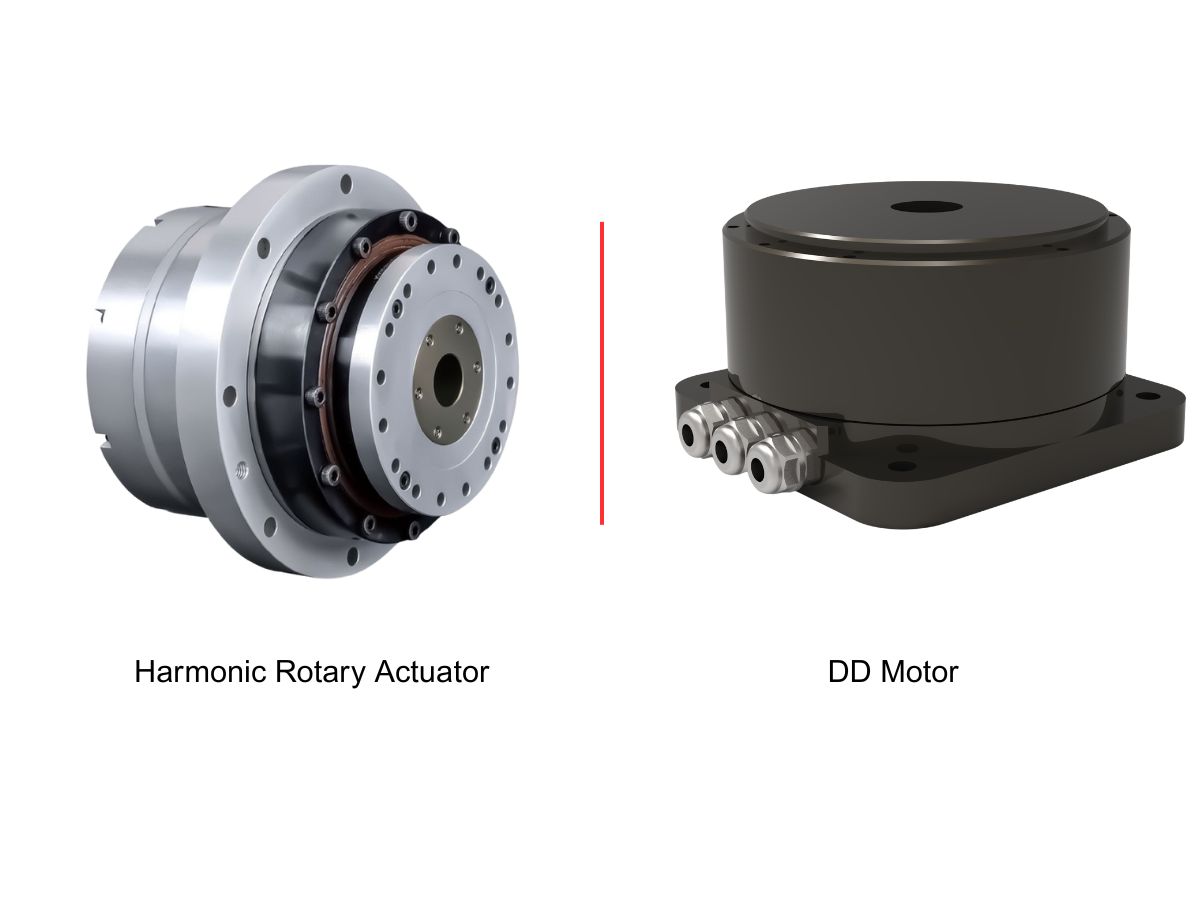
 DD Motors VS Harmonic Rotary ActuatorsThis article provides an in-depth comparison between Direct Drive (DD) motors and harmonic rotary actuators, covering their transmission principles, advantages and disadvantages, and typical application fields.
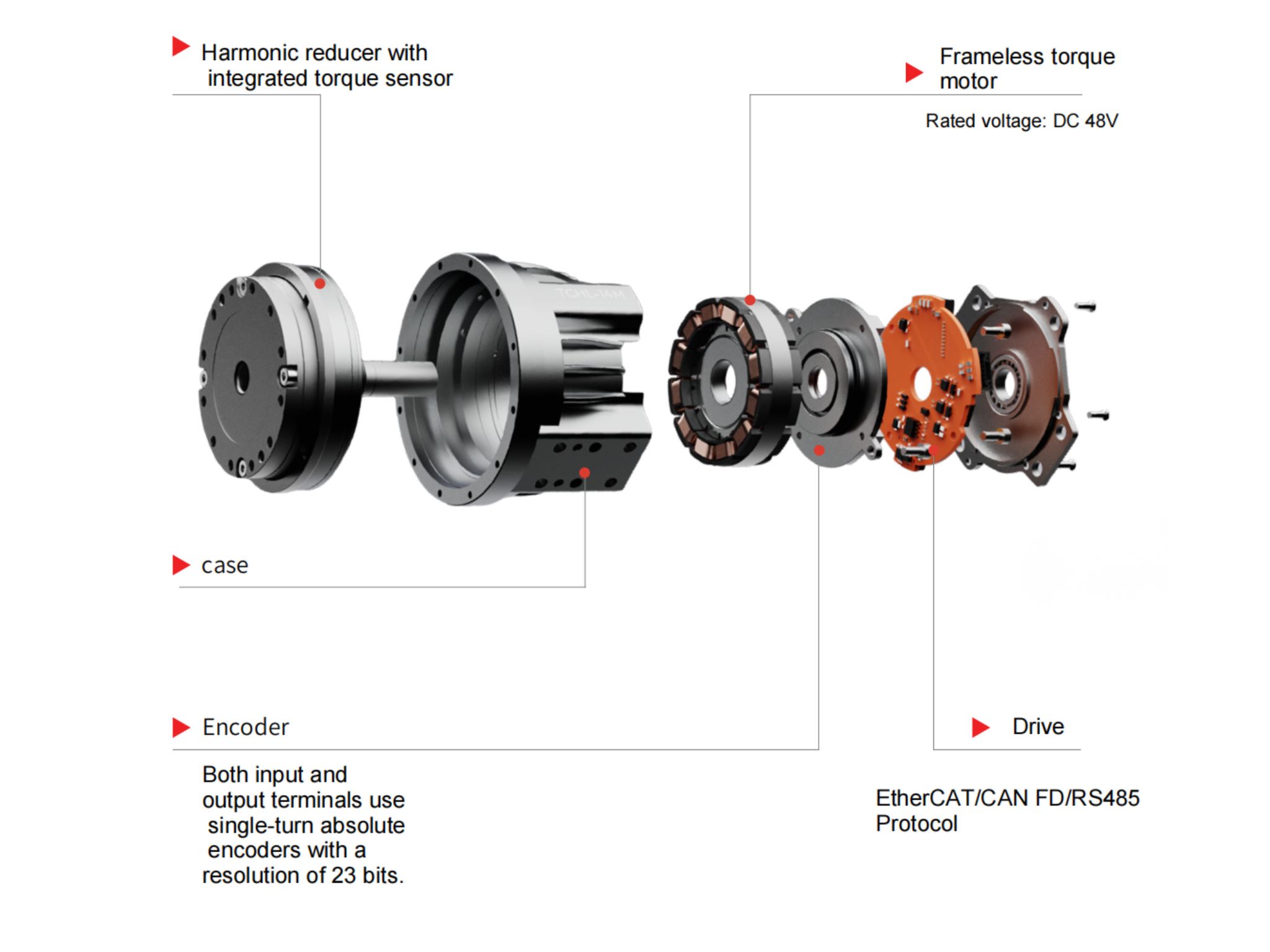
 OMG Ultra Compact Harmonic Drive Joint Module with Built-in Torque SensorHONPINE TCHL series harmonic drive joint module is a game-changing product that achieves disruptive improvements in multiple aspects such as lightweight design, integration level, and connection convenience. This article will analyze its revolutionary enhancements with you.
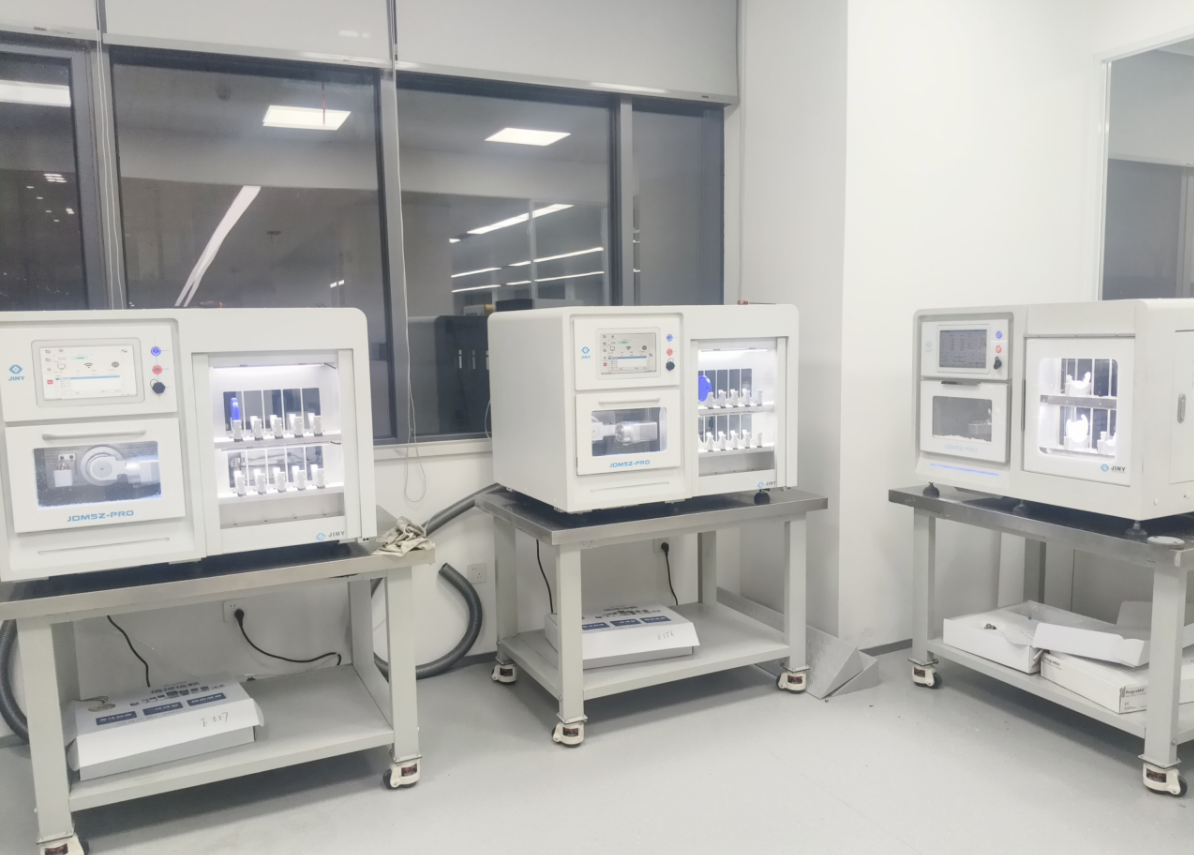
 The Role of Harmonic Drive Gears in Achieving 5–10 μm Accuracy in Dental Milling MachinesA dental milling machine is a CNC machining system used to directly process digital dental models into restorations such as crowns, bridges, veneers, inlays, and implant abutments. Dental milling machines require far higher operational accuracy and motion stability than ordinary equipment. This article explains how harmonic drive gear help dental milling machines achieve stable, continuous, and controllable operation.
 Why Are Harmonic Rotary Actuators Perfect for Medical Equipment?Harmonic rotary actuators (typically integrated systems consisting of a harmonic drive reducer, frameless torque motor, encoder, and optional brake) are regarded as key components in medical equipment. The core reason is that they simultaneously meet the most stringent medical requirements for precision, compact size, safety, and controllability. The following explanation is structured from three perspectives: technical characteristics, application scenarios, and medical value.
 High-Precision RV Reducers Perfectly Matched for Walking RobotsThe walking axis of a robot is a core component for power transmission and support. RV reducers provide extremely high rigidity, precision, and torque while maintaining a compact size and exceptional reliability, making them an ideal match for the demanding requirements of walking robot joints in terms of load capacity, impact resistance, and precision.
 How Does a Harmonic Joint Actuator with a Torque Sensor Improve Robot Force Control?Learn how the HONPINE TCHL harmonic joint actuator uses an integrated output torque sensor to support force feedback, collision detection, compliant assembly, rehabilitation robotics, and teleoperation.
 Ultra-Compact Harmonic Joint Module with a 6 mm Hollow ShaftAs humanoid robots and compact robotic systems evolve, joint modules must deliver high torque density, precise motion control, and flexible cable routing within increasingly limited installation space. The HONPINE HPJM-RE30-40-PRO harmonic joint module addresses these challenges with a compact design, a 6 mm hollow shaft, dual-encoder feedback, and an integrated motor and FOC drive. In this article, we explore its key design features and explain how its hollow-shaft structure, EtherCAT connectivity, and flexible mounting options support the development of humanoid robots, drones, optical platforms, and precision automation equipment.
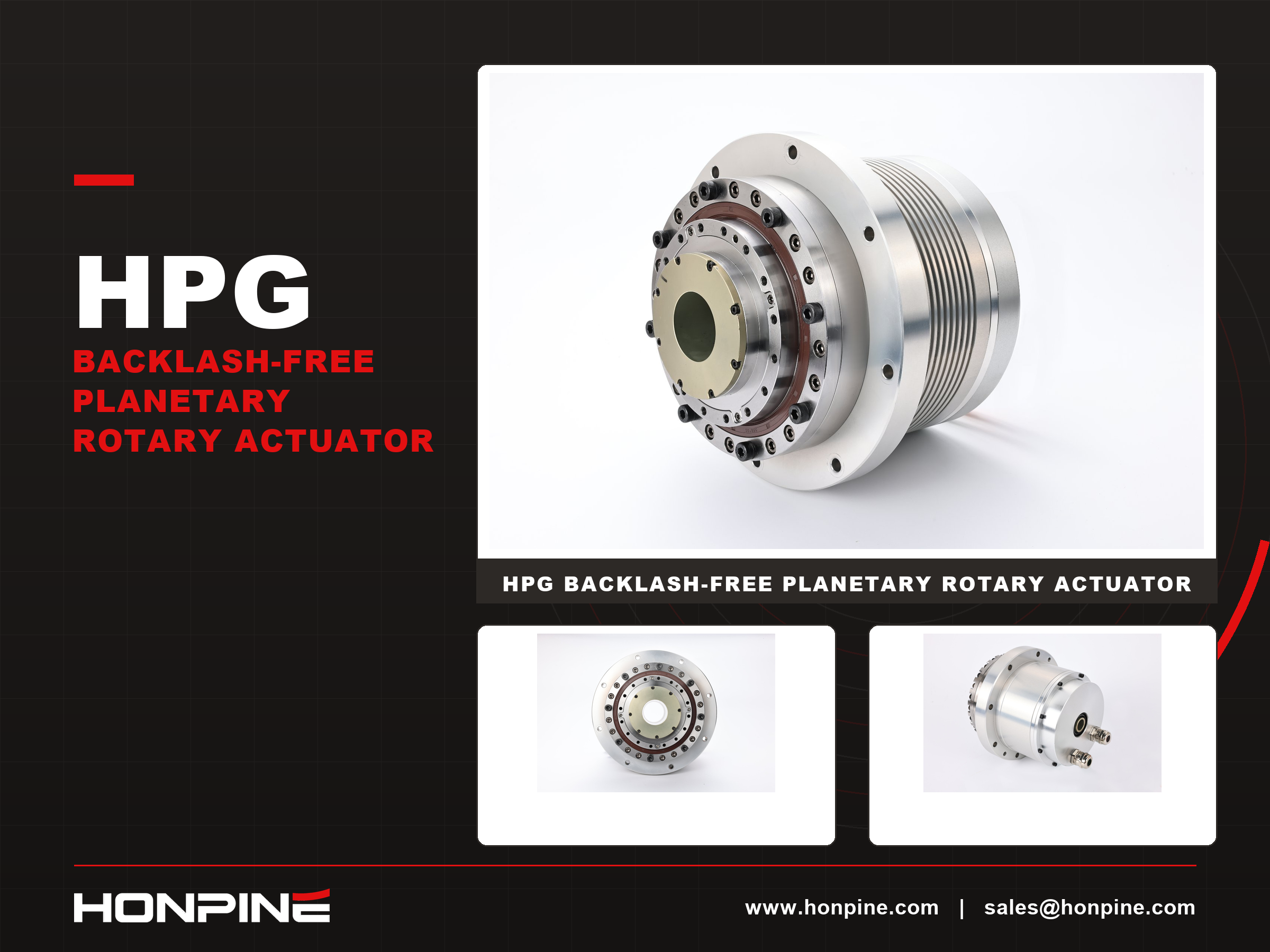
 How Does the HONPINE HPG Backlash-Free Planetary Rotary Actuator Balance CNC Accuracy and Rigidity?Discover the HONPINE HPG precision backlash-free planetary rotary actuator for CNC rotary tables. Explore positioning accuracy, torsional rigidity, low backlash, and drive selection.
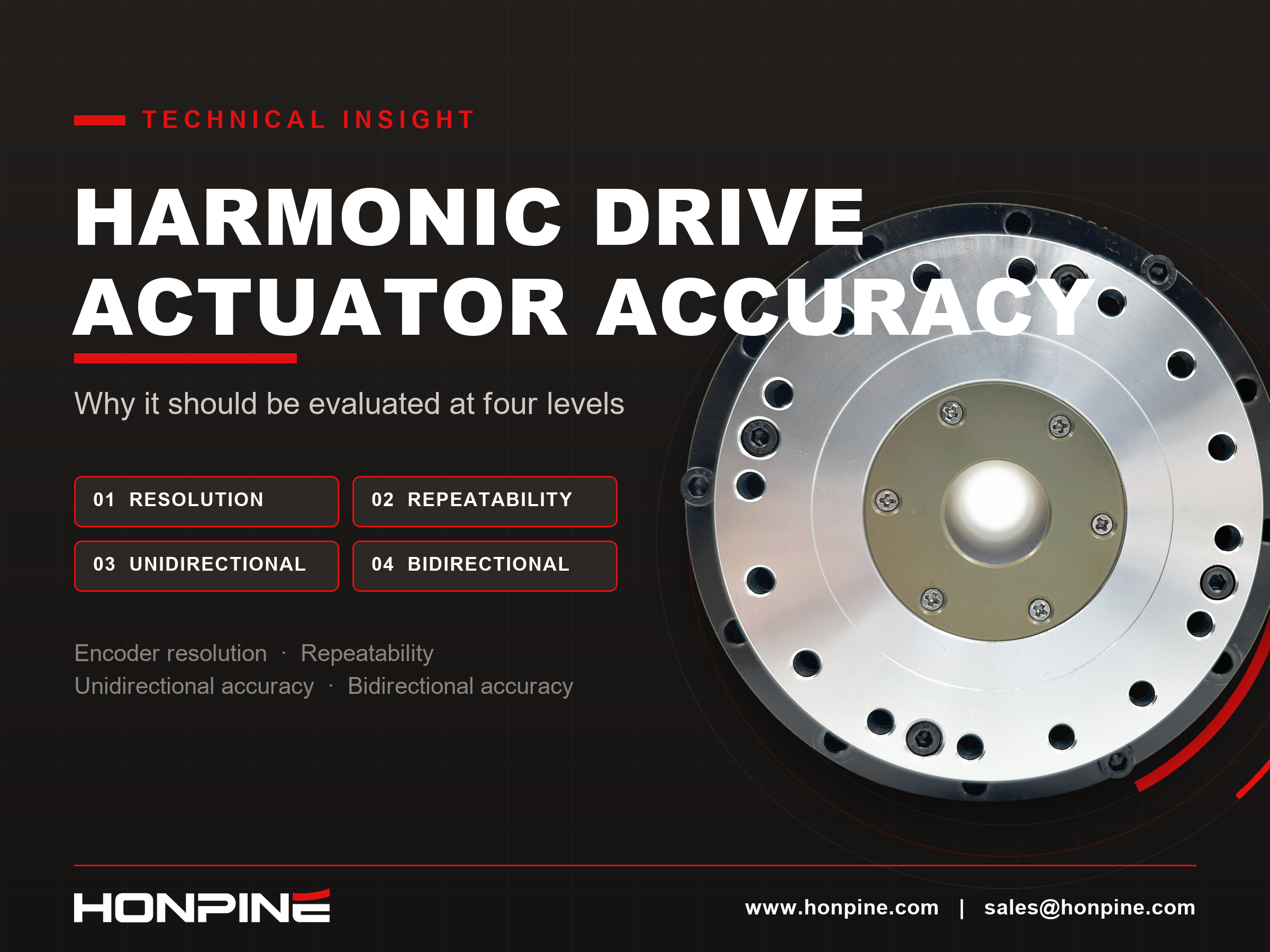
 Harmonic Drive Actuator Accuracy: Why It Should Be Evaluated at Four LevelsHarmonic drive actuator accuracy involves more than encoder resolution. Why should engineers evaluate it at four levels? Resolution, repeatability, unidirectional positioning accuracy, and bidirectional positioning accuracy describe different aspects of motion performance. Understanding these differences helps engineers select harmonic rotary actuators for semiconductor equipment, EFEM systems, and 3C automation without confusing theoretical encoder increments with actual positioning performance.
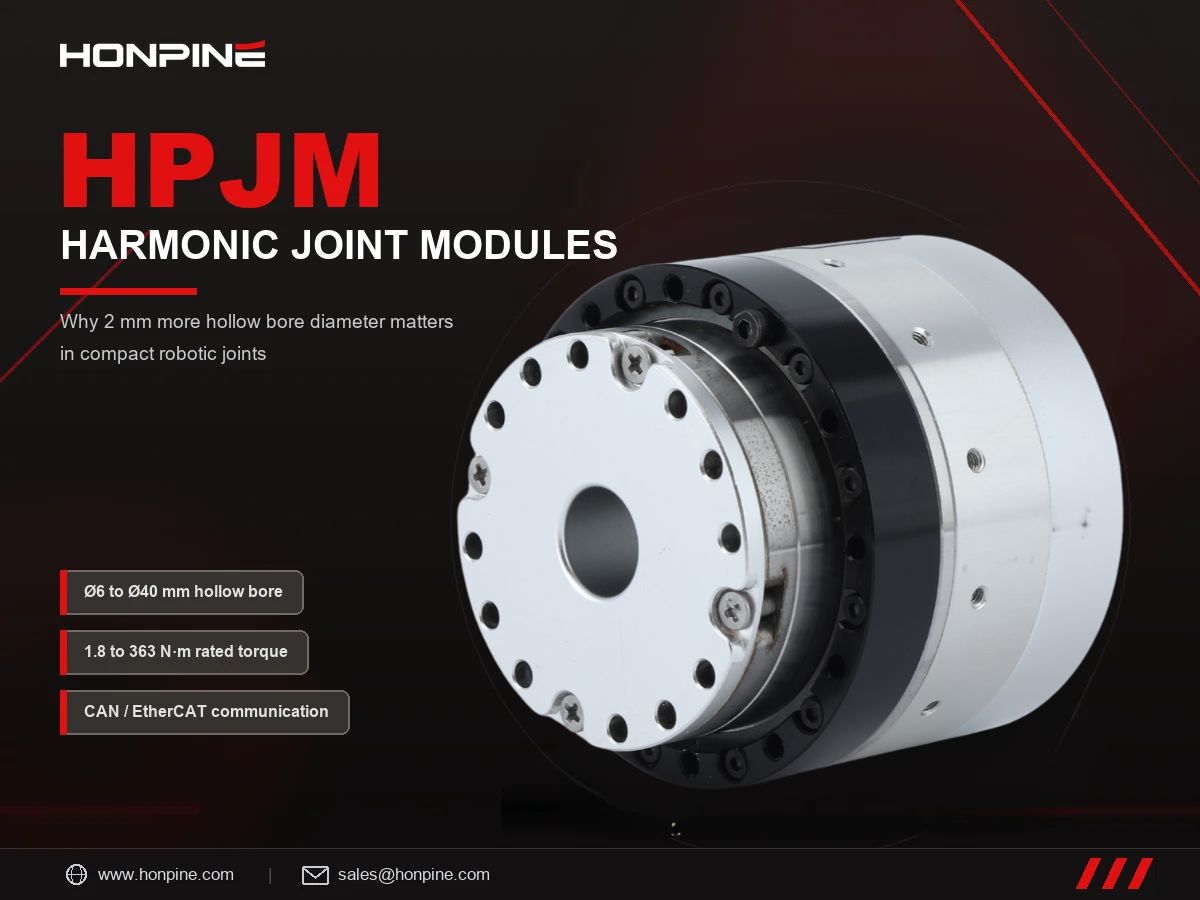
 Why Do Many Customers Choose HONPINE HPJM Harmonic Joint Modules for Just 2 mm More Hollow Bore Diameter?Why do many customers choose HONPINE HPJM harmonic joint modules for just 2 mm more hollow bore diameter? In compact robotic joints, this small dimensional difference can create a surprisingly large increase in available space. Because the cross-sectional area of a circular bore increases with the square of its diameter, an extra 2 mm can significantly improve internal cable routing and simplify system integration. This article examines the impact of hollow bore diameter, compares selected HONPINE HPJM models with comparable harmonic joint modules, and explains why bore size matters in humanoid robots, collaborative robots, and industrial automation.
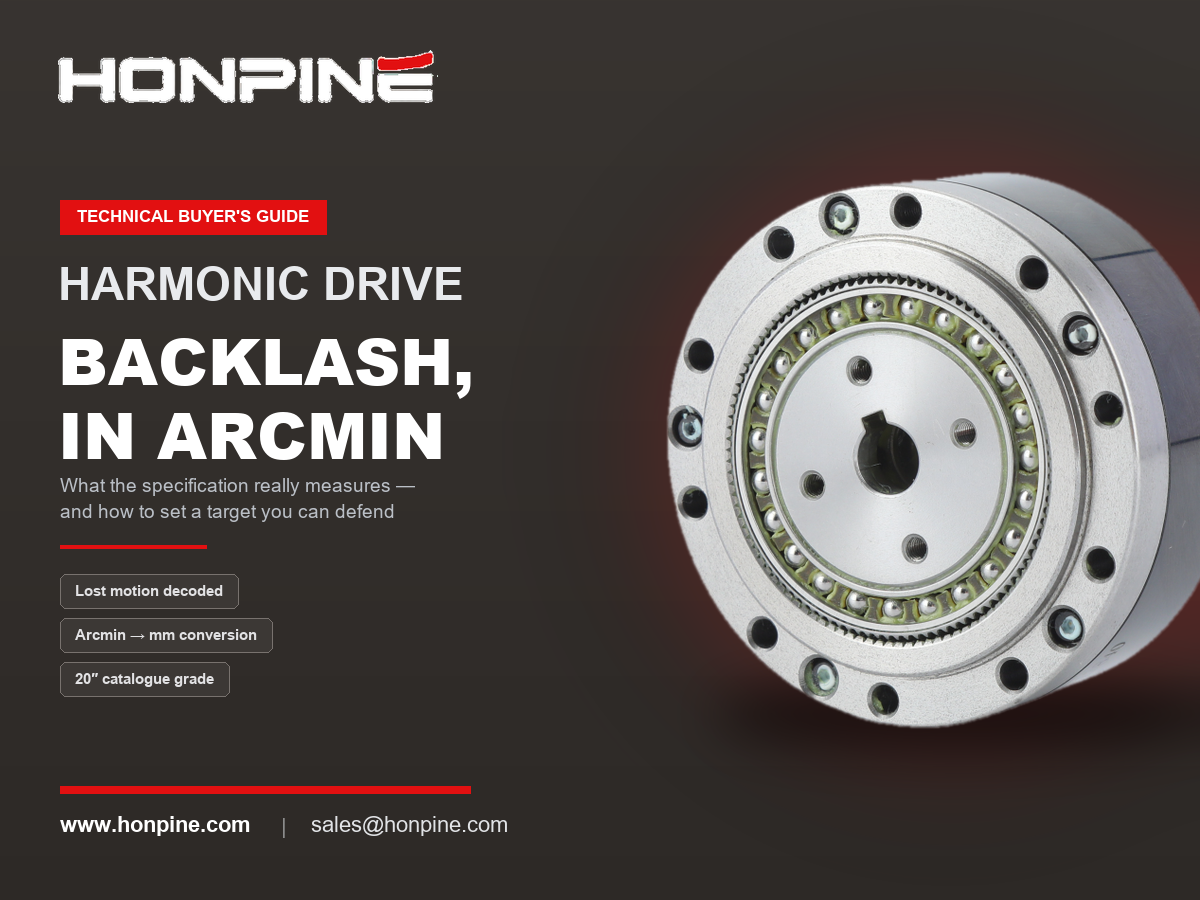
 Harmonic Drive Backlash in Arcmin: What the Specification Really Tells YouChoosing the right force control harmonic joint actuator involves more than comparing torque and dimensions. Torque sensor specifications, encoder feedback, communication protocols, functional safety, and hollow-shaft size can all affect system integration and control performance. In this guide, HONPINE Technical Director compares the TCHL and HAG harmonic joint actuator series, explaining their key differences and providing a practical selection framework for humanoid robots, collaborative manipulators, precision assembly, polishing, and other force-controlled applications.
Double Click
We provide harmonic drive reducer,planetary reducer,robot joint motor,robot rotary actuators,RV gear reducer,robot end effector,dexterous robot hand
 What is robot joint actuator?How to Choose the Best Robot Rotary Joint Actuator?In core robot joint transmission solutions, planetary and harmonic rotary actuators each have their own strengths. Choosing the right type based on application requirements is essential to achieve the optimal balance between performance and cost.
 DD Motors VS Harmonic Rotary ActuatorsThis article provides an in-depth comparison between Direct Drive (DD) motors and harmonic rotary actuators, covering their transmission principles, advantages and disadvantages, and typical application fields.
 OMG Ultra Compact Harmonic Drive Joint Module with Built-in Torque SensorHONPINE TCHL series harmonic drive joint module is a game-changing product that achieves disruptive improvements in multiple aspects such as lightweight design, integration level, and connection convenience. This article will analyze its revolutionary enhancements with you.
 How Does a Harmonic Joint Actuator with a Torque Sensor Improve Robot Force Control?Learn how the HONPINE TCHL harmonic joint actuator uses an integrated output torque sensor to support force feedback, collision detection, compliant assembly, rehabilitation robotics, and teleoperation.
 Ultra-Compact Harmonic Joint Module with a 6 mm Hollow ShaftAs humanoid robots and compact robotic systems evolve, joint modules must deliver high torque density, precise motion control, and flexible cable routing within increasingly limited installation space. The HONPINE HPJM-RE30-40-PRO harmonic joint module addresses these challenges with a compact design, a 6 mm hollow shaft, dual-encoder feedback, and an integrated motor and FOC drive. In this article, we explore its key design features and explain how its hollow-shaft structure, EtherCAT connectivity, and flexible mounting options support the development of humanoid robots, drones, optical platforms, and precision automation equipment.
 How Does the HONPINE HPG Backlash-Free Planetary Rotary Actuator Balance CNC Accuracy and Rigidity?Discover the HONPINE HPG precision backlash-free planetary rotary actuator for CNC rotary tables. Explore positioning accuracy, torsional rigidity, low backlash, and drive selection.
 Harmonic Drive Actuator Accuracy: Why It Should Be Evaluated at Four LevelsHarmonic drive actuator accuracy involves more than encoder resolution. Why should engineers evaluate it at four levels? Resolution, repeatability, unidirectional positioning accuracy, and bidirectional positioning accuracy describe different aspects of motion performance. Understanding these differences helps engineers select harmonic rotary actuators for semiconductor equipment, EFEM systems, and 3C automation without confusing theoretical encoder increments with actual positioning performance.
 Why Do Many Customers Choose HONPINE HPJM Harmonic Joint Modules for Just 2 mm More Hollow Bore Diameter?Why do many customers choose HONPINE HPJM harmonic joint modules for just 2 mm more hollow bore diameter? In compact robotic joints, this small dimensional difference can create a surprisingly large increase in available space. Because the cross-sectional area of a circular bore increases with the square of its diameter, an extra 2 mm can significantly improve internal cable routing and simplify system integration. This article examines the impact of hollow bore diameter, compares selected HONPINE HPJM models with comparable harmonic joint modules, and explains why bore size matters in humanoid robots, collaborative robots, and industrial automation.
 Harmonic Drive Backlash in Arcmin: What the Specification Really Tells YouChoosing the right force control harmonic joint actuator involves more than comparing torque and dimensions. Torque sensor specifications, encoder feedback, communication protocols, functional safety, and hollow-shaft size can all affect system integration and control performance. In this guide, HONPINE Technical Director compares the TCHL and HAG harmonic joint actuator series, explaining their key differences and providing a practical selection framework for humanoid robots, collaborative manipulators, precision assembly, polishing, and other force-controlled applications.
 How to Choose a Force Control Harmonic Joint Actuator? An In-Depth Comparison of HONPINE TCHL and HAGChoosing the right force control harmonic joint actuator involves more than comparing torque and dimensions. Torque sensor specifications, encoder feedback, communication protocols, functional safety, and hollow-shaft size can all affect system integration and control performance. In this guide, HONPINE Technical Director compares the TCHL and HAG harmonic joint actuator series, explaining their key differences and providing a practical selection framework for humanoid robots, collaborative manipulators, precision assembly, polishing, and other force-controlled applications.
 HONPINE TCHL Harmonic Joint Modules: Robotic Force Control and Real-World ApplicationsHello everyone, I’m Theodore Li, Technical Director at HONPINE.
HONPINE TCHL harmonic joint modules have been deployed in a range of robotic motion-control applications, including dual-arm humanoid robots, single-arm compliant force control, and folding waist mechanisms for wheeled humanoid robots. As integrated motion components, they support a wide range of applications in robotics, intelligent manufacturing, and industrial automation.
From core components to integrated motion units, HONPINE showcases the possibilities of precision transmission technology across different robotic applications through a diverse product portfolio and practical motion demonstrations. NEMA 17 & NEMA 23 Harmonic Drive Matching Guide: Pairing Stepper Motors with Harmonic ReducersPairing a stepper motor with a harmonic drive is not a budget compromise. A stepper's weak points — the coarse step angle, torque collapse above roughly 400 rpm, and the lack of a precision transmission — are exactly what a harmonic drive fixes: it pulls the operating point into the low-speed, high-torque sweet spot, refines a 1.8° step angle into arc-second resolution, and delivers near-zero backlash. This guide explains what NEMA frame sizes mean at the mounting interface, which harmonic frames match NEMA 17 and NEMA 23, the eight checks to run in order — including the input-side no-load starting torque most often missed — and the pairing's real weakness: silent failure. Includes HONPINE SHD and CSF specifications.