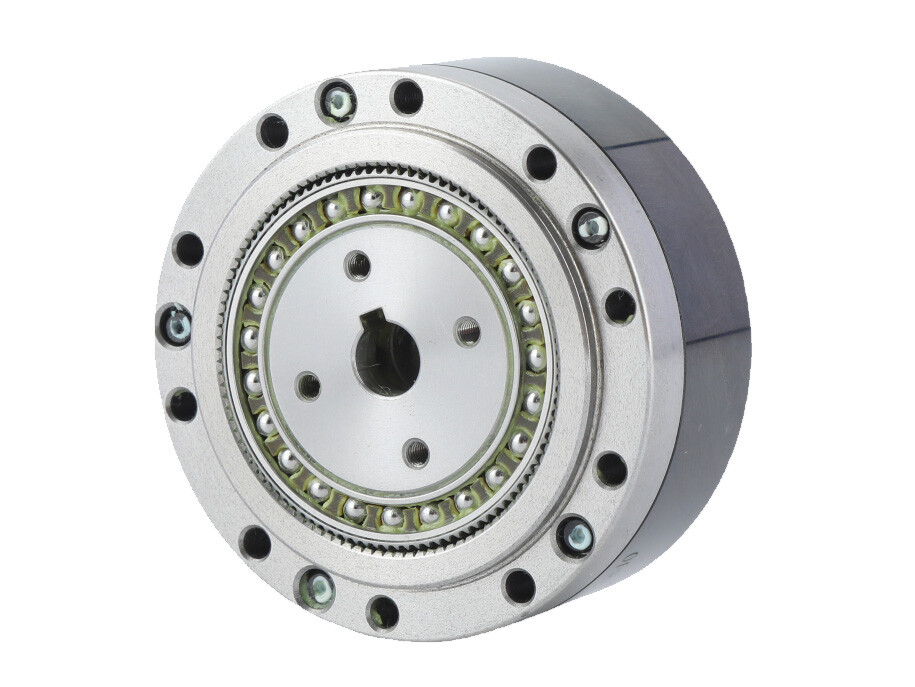



Harbin Tool Group Sends Engineers to Germany for ISO/IEC 63304 Standard Alignment
On April 27, 2026, Harbin Tool Group Co., Ltd. (a subsidiary of China General Technology Group) launched a technical exchange program in Germany for its early-career engineers, centered on alignment with the newly published ISO/IEC 63304:2026 standard for industrial robot joint modules — specifically addressing performance validation, lifetime testing, and EMC compatibility requirements for harmonic and RV reducers. This initiative is directly relevant to precision reducer manufacturers, robotics integrators, Tier-1 supplier qualification processes, and international certification service providers.
Event Overview
Harbin Tool Group initiated an overseas technical exchange program in Germany on April 27, 2026. The first cohort of young engineers focused on studying the 2026 edition of ISO/IEC 63304, particularly its updated technical provisions for harmonic and RV reducers used in robot joint modules — including new requirements for performance verification, fatigue life testing, and electromagnetic compatibility (EMC) assessment. The stated objective is to accelerate the acceptance of domestically produced precision reducers by international robot OEMs’ Tier-1 suppliers.
Which Subsectors Are Affected
Precision Reducer Manufacturers (Direct Production)
These companies are directly impacted because ISO/IEC 63304:2026 introduces revised test protocols and pass/fail criteria that differ from prior national or industry standards. Compliance is now a prerequisite for formal evaluation by global robot OEMs’ supply chain teams.
Robotics System Integrators & Joint Module Assemblers
Integrators sourcing joint modules containing harmonic or RV reducers must verify whether their current supplier documentation satisfies the updated ISO/IEC 63304:2026 validation framework — especially regarding lifetime prediction methodology and EMC test reports under dynamic load conditions.
Tier-1 Suppliers to Global Robot OEMs
Companies supplying complete joint modules or actuation subassemblies to multinational robot manufacturers face tighter technical due diligence. The new standard’s emphasis on traceable, repeatable test data increases scrutiny during qualification audits — particularly for vendors without third-party accredited test records aligned to ISO/IEC 63304:2026.
Certification & Testing Service Providers
Laboratories offering validation services for robotic components must confirm whether their current test capabilities — especially in accelerated life testing under variable torque profiles and radiated/conducted EMC testing at operational frequencies — meet the scope defined in ISO/IEC 63304:2026 Annexes A–D.
What Relevant Enterprises or Practitioners Should Monitor and Do Now
Track official interpretations and implementation timelines from ISO/IEC and national standardization bodies
ISO/IEC 63304:2026 is newly published; national adoptions (e.g., GB/T equivalents) and transition periods have not yet been announced. Enterprises should monitor updates from SAC (Standardization Administration of China) and DIN (German Institute for Standardization), as conformance deadlines may vary by market and application class.
Review existing test reports and supplier documentation against Clause 6 (Performance Validation) and Clause 7 (Lifetime Assessment)
Many current domestic test reports reference older IEC or JIS methods. Companies should identify gaps — for example, absence of temperature-compensated torque ripple measurement or insufficient cycle counts under combined radial/axial loading — before initiating formal certification submissions.
Distinguish between regulatory signaling and immediate procurement impact
Analysis shows this initiative reflects growing alignment pressure rather than an immediate import ban or certification mandate. While no mandatory enforcement date has been set, major robot OEMs are increasingly referencing ISO/IEC 63304:2026 in RFPs for next-generation collaborative and mobile robot platforms — making early alignment strategically advantageous.
Prepare for cross-border technical coordination with European test labs and notified bodies
Observably, Harbin Tool’s delegation engaged with German metrology institutes and TÜV-accredited facilities. Domestic manufacturers seeking faster path-to-certification may benefit from pre-submission technical consultations with EU-based labs familiar with both ISO/IEC 63304:2026 and EN 61000-6-4 compliance pathways.
Editorial Perspective / Industry Observation
This activity is better understood as a forward-looking signal — not an outcome. It reflects a coordinated effort by a state-owned precision tooling enterprise to proactively close technical alignment gaps ahead of anticipated tightening in global robot supply chain gatekeeping. From an industry perspective, it underscores that international standard adoption is shifting from voluntary benchmarking toward de facto entry requirements — especially where harmonized testing reduces OEM validation overhead. Current relevance lies less in immediate compliance deadlines and more in the accelerating pace at which ISO/IEC 63304 is being embedded into commercial qualification workflows outside formal regulatory mandates.
Conclusion
The Harbin Tool Group’s Germany-based technical exchange signals a maturing phase in China’s precision motion component sector — one where international standard alignment is treated as an operational priority, not just a long-term aspiration. For stakeholders, this is best interpreted not as a regulatory milestone, but as evidence of evolving technical gatekeeping practices among global robot OEMs — warranting targeted, evidence-based readiness planning rather than broad-scale process overhaul.
Source Attribution
Main source: Official announcement by Harbin Tool Group Co., Ltd., dated April 27, 2026.
Points requiring ongoing observation: National adoption timeline of ISO/IEC 63304:2026 in China (GB/T conversion status), explicit referencing of the standard in publicly available OEM supplier handbooks or RFPs.
Read More
Learn more about the story of HONPINE and industry trends related to precision transmission.
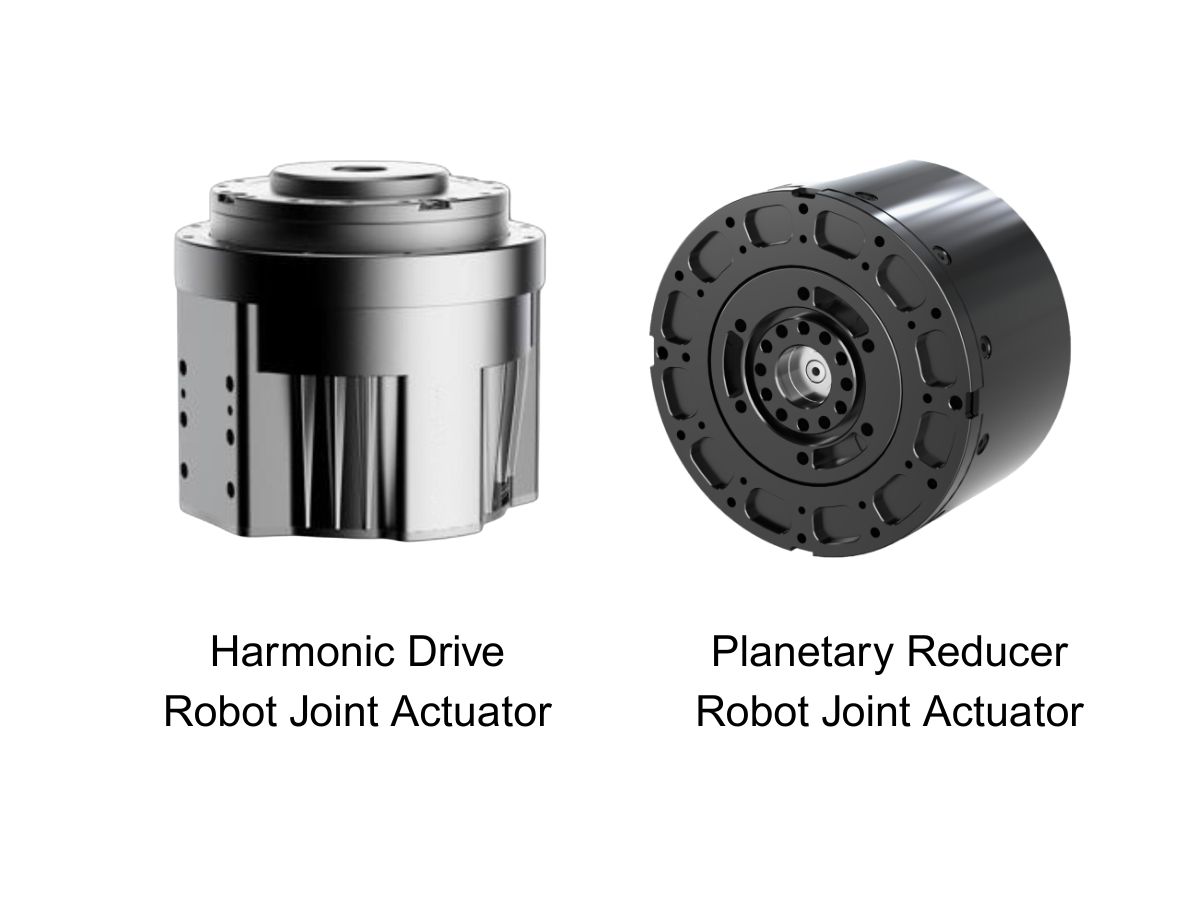
 What is robot joint actuator?How to Choose the Best Robot Rotary Joint Actuator?In core robot joint transmission solutions, planetary and harmonic rotary actuators each have their own strengths. Choosing the right type based on application requirements is essential to achieve the optimal balance between performance and cost.
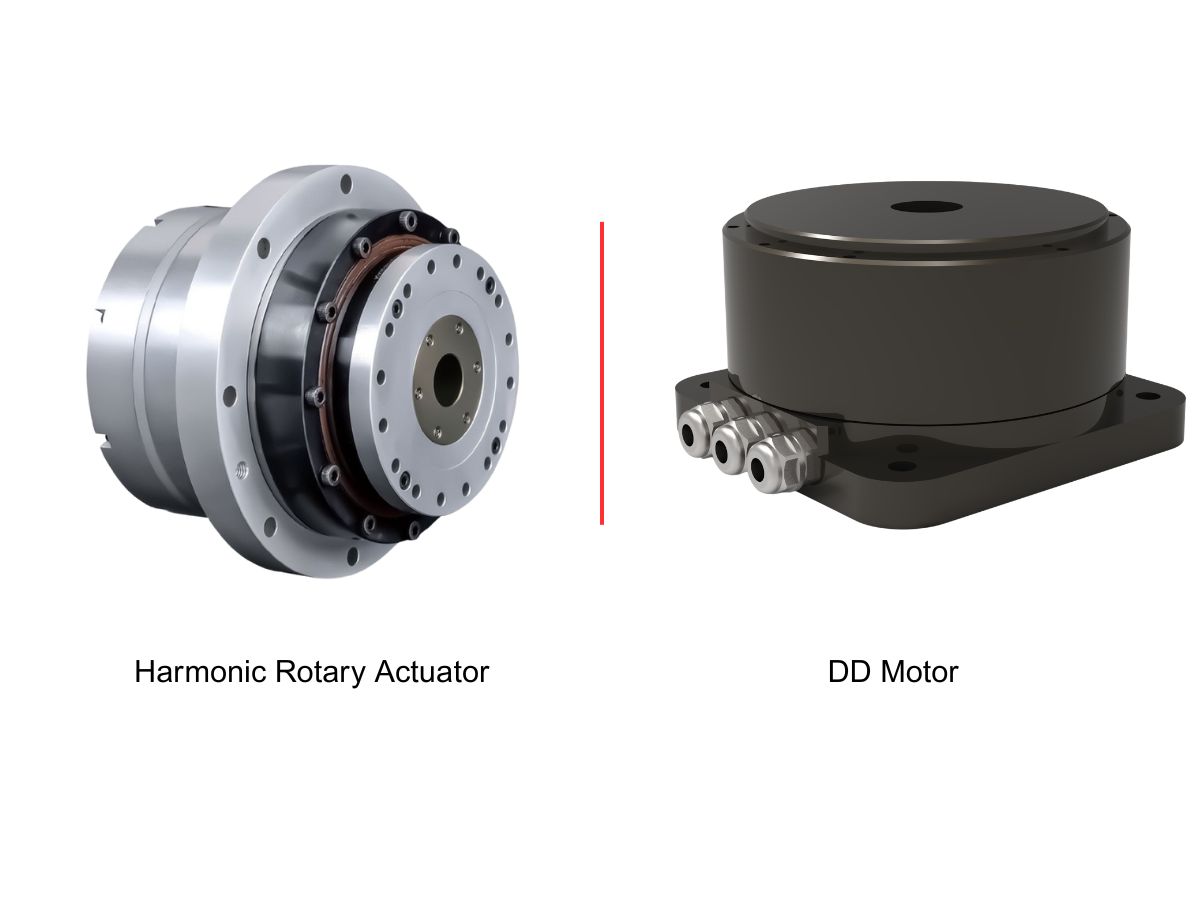
 DD Motors VS Harmonic Rotary ActuatorsThis article provides an in-depth comparison between Direct Drive (DD) motors and harmonic rotary actuators, covering their transmission principles, advantages and disadvantages, and typical application fields.
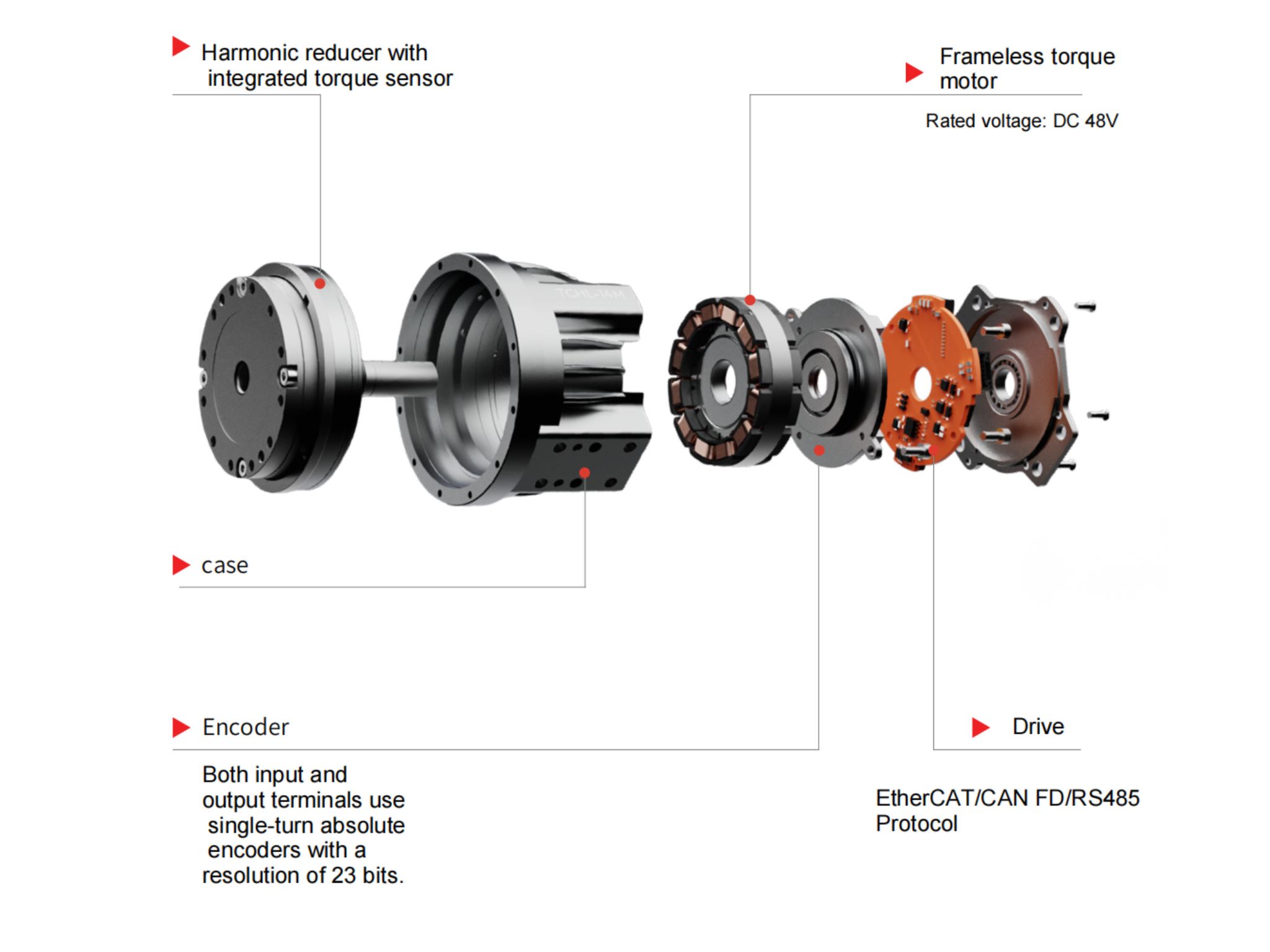
 OMG Ultra Compact Harmonic Drive Joint Module with Built-in Torque SensorHONPINE TCHL series harmonic drive joint module is a game-changing product that achieves disruptive improvements in multiple aspects such as lightweight design, integration level, and connection convenience. This article will analyze its revolutionary enhancements with you.
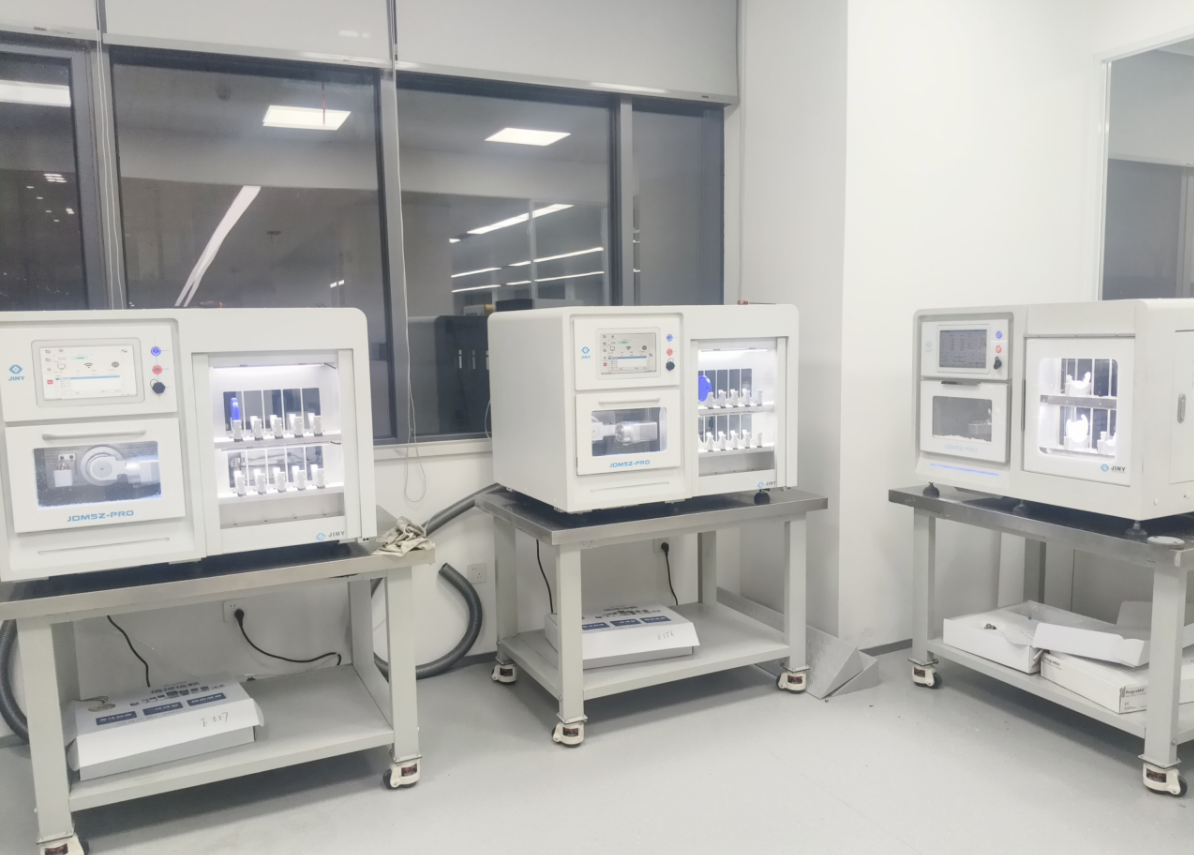
 The Role of Harmonic Drive Gears in Achieving 5–10 μm Accuracy in Dental Milling MachinesA dental milling machine is a CNC machining system used to directly process digital dental models into restorations such as crowns, bridges, veneers, inlays, and implant abutments. Dental milling machines require far higher operational accuracy and motion stability than ordinary equipment. This article explains how harmonic drive gear help dental milling machines achieve stable, continuous, and controllable operation.
 Why Are Harmonic Rotary Actuators Perfect for Medical Equipment?Harmonic rotary actuators (typically integrated systems consisting of a harmonic drive reducer, frameless torque motor, encoder, and optional brake) are regarded as key components in medical equipment. The core reason is that they simultaneously meet the most stringent medical requirements for precision, compact size, safety, and controllability. The following explanation is structured from three perspectives: technical characteristics, application scenarios, and medical value.
 High-Precision RV Reducers Perfectly Matched for Walking RobotsThe walking axis of a robot is a core component for power transmission and support. RV reducers provide extremely high rigidity, precision, and torque while maintaining a compact size and exceptional reliability, making them an ideal match for the demanding requirements of walking robot joints in terms of load capacity, impact resistance, and precision.
![]() CCMT2026 Attendance Up 22.7%, Overseas Buyers Rise SharplyCCMT2026 attendance up 22.7% — overseas buyers surge 35%+ from Germany, Mexico & Vietnam. Discover key trends in five-axis machining, harmonic drives & smart tooling.
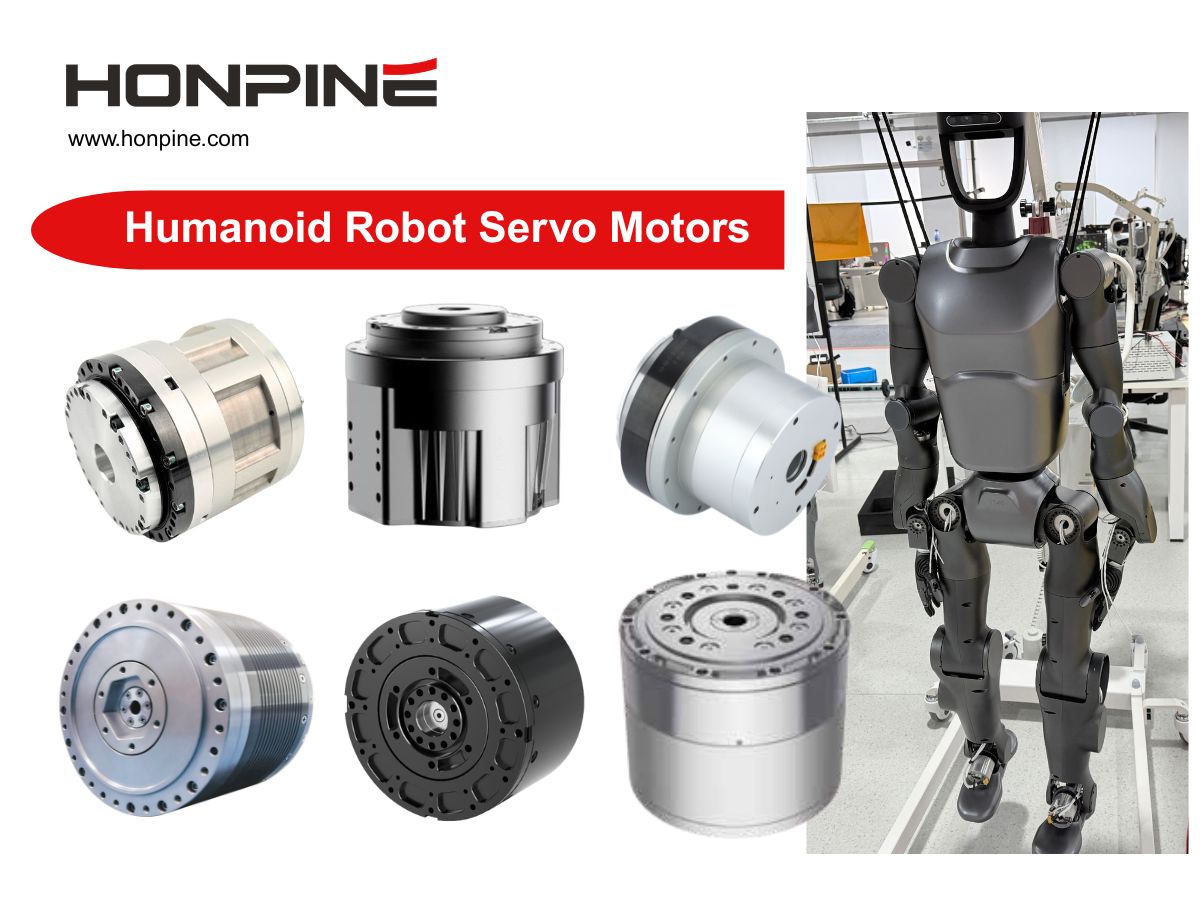
CCMT2026 Attendance Up 22.7%, Overseas Buyers Rise SharplyCCMT2026 attendance up 22.7% — overseas buyers surge 35%+ from Germany, Mexico & Vietnam. Discover key trends in five-axis machining, harmonic drives & smart tooling. How to Select Robot Joint Modules for Arms, Torso, Head, and Legs in AGV and Humanoid RobotsRobot AGV platforms, lifting legs, folding legs, torso, head, and dual arms each have different functional requirements. Therefore, different types of harmonic gear joint modules and planetary joint modules should be selected accordingly.
 What is a DD Motor? How to Select a DD Motor?DD motor, full name Direct Drive motor, is a motor that directly drives the load without using reduction devices such as gears, belts or ball screws. Its working principle is based on high torque output, allowing it to be directly connected to the moving equipment, thereby eliminating the need for intermediate connection parts such as fasteners, gearboxes and belts.
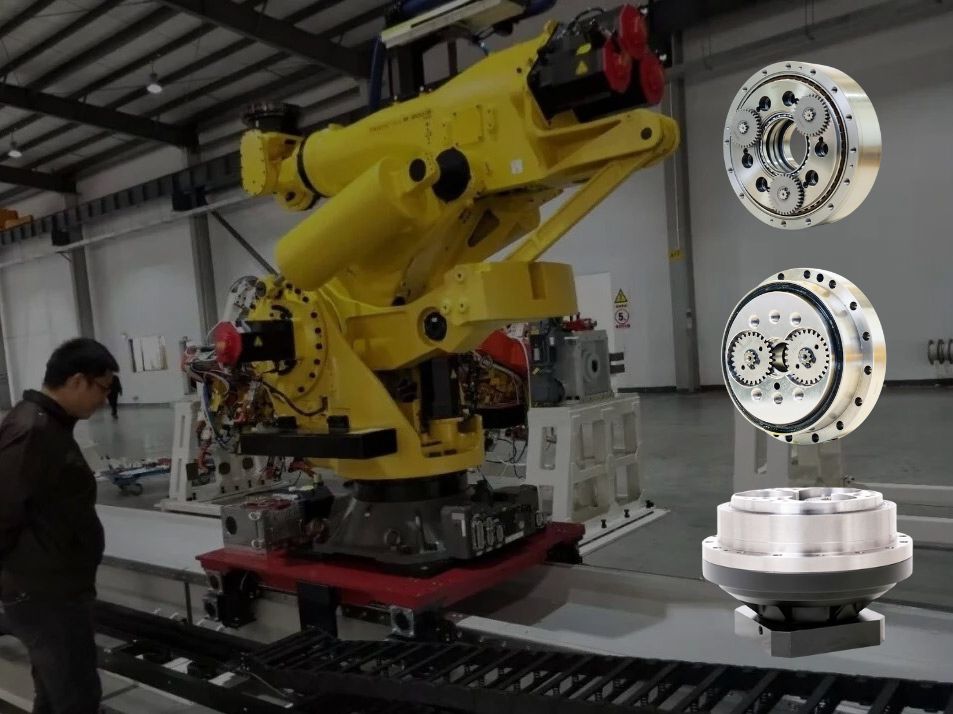
 How to choose an RV reducer Gearbox?This article will explain the key selection points, advantages and disadvantages, brands and suppliers, as well as the differences between RV reducer gearboxes and harmonic drives.
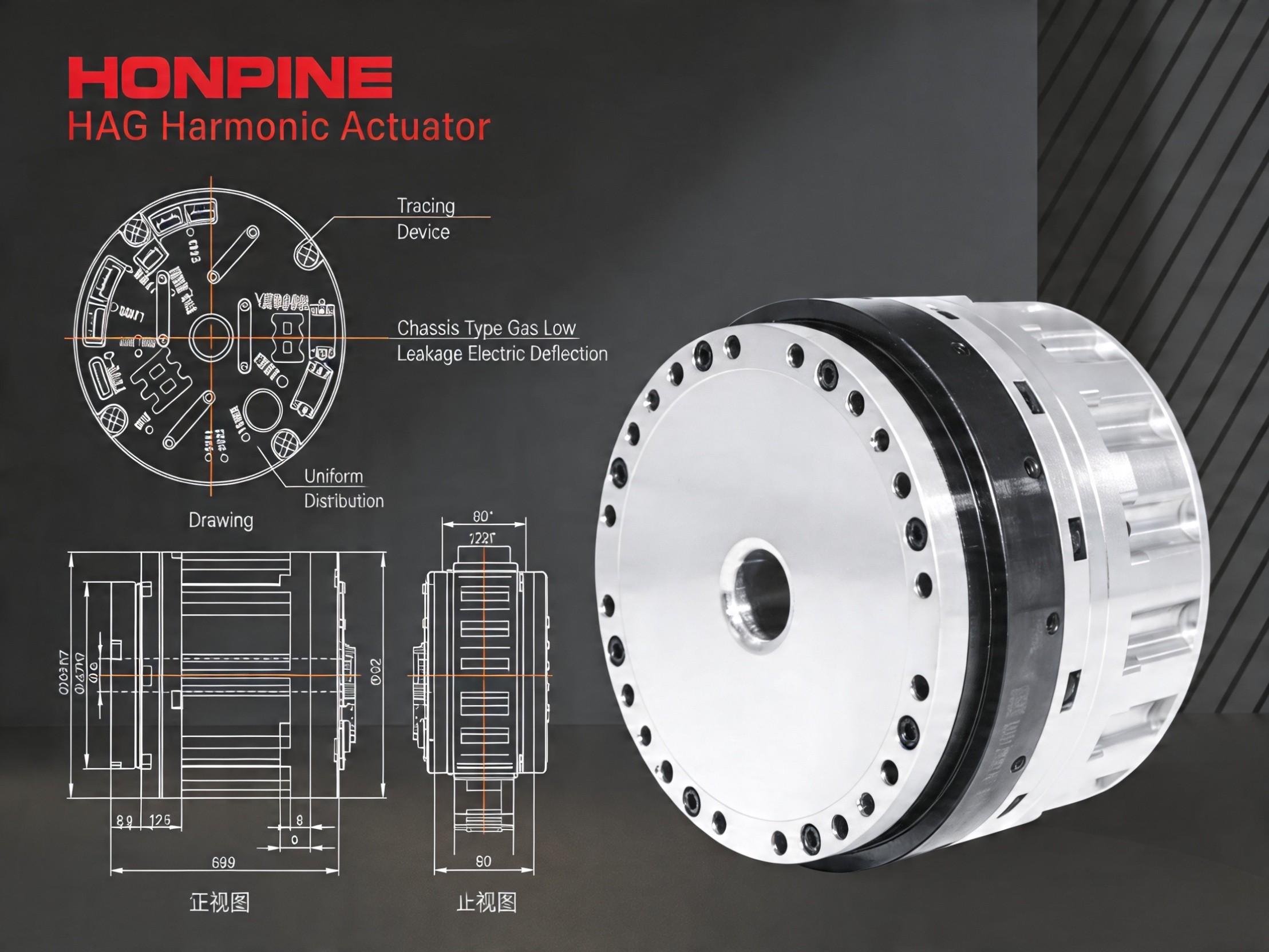
 How to Select the New HONPINE HAG Harmonic Drive Robot Joint Actuator?The newly launched HONPINE HAG harmonic drive robot joint actuator has attracted widespread attention since its release in March 2026 due to its outstanding performance parameters. This article will explain how to select the HONPINE HAG harmonic drive robot joint actuator.
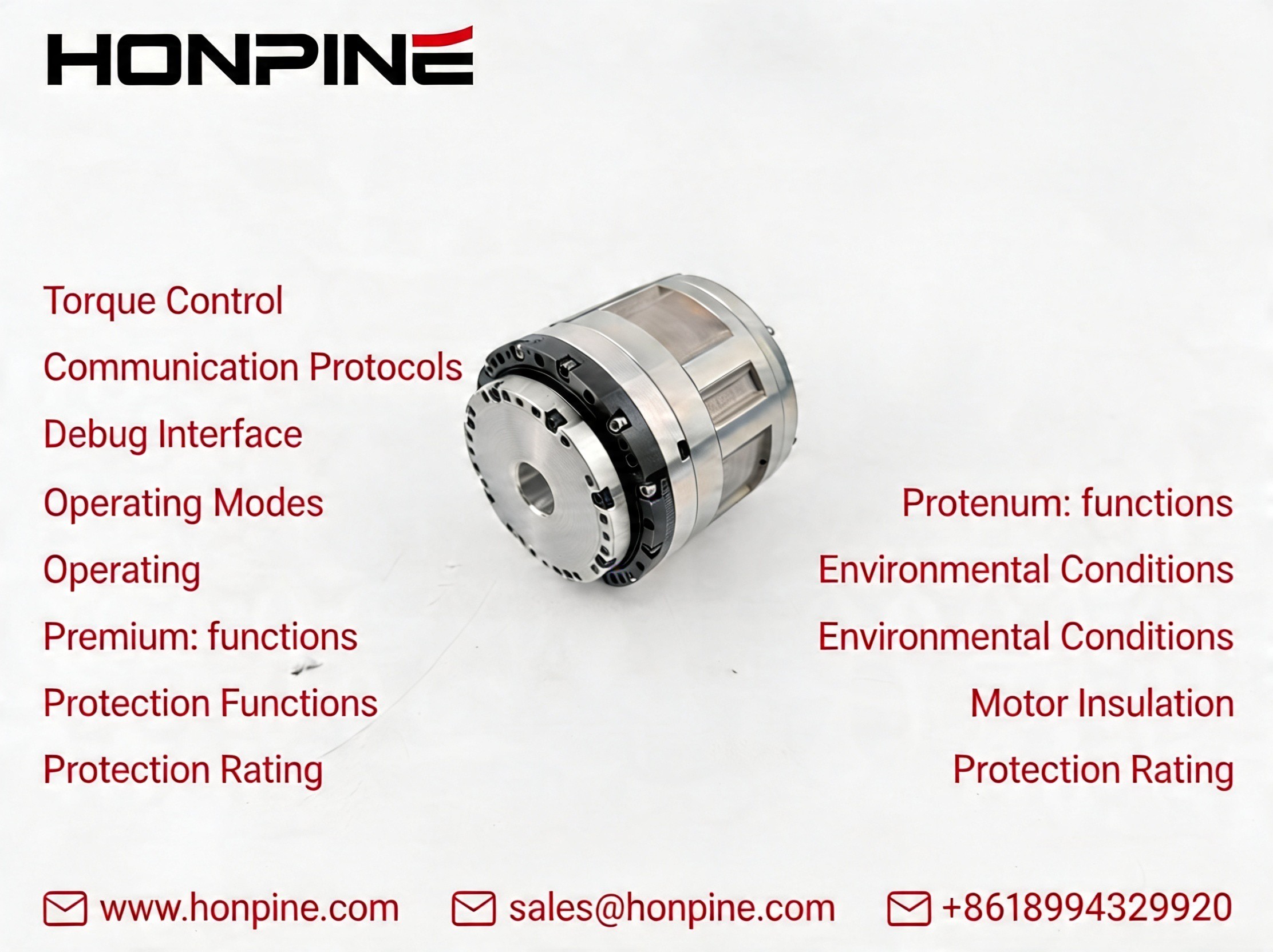
 What Are the 9 Hidden Advantages of the HONPINE HAG Harmonic Drive Robot Joint Motor?The HONPINE HAG harmonic drive robot joint motor has quickly attracted strong interest since its launch this year, with many long-term customers already lining up to request samples for testing. Compared to the HPJM series, it features a higher-precision harmonic reducer and offers optional STO (Safe Torque Off) and a torque sensor.

Double Click
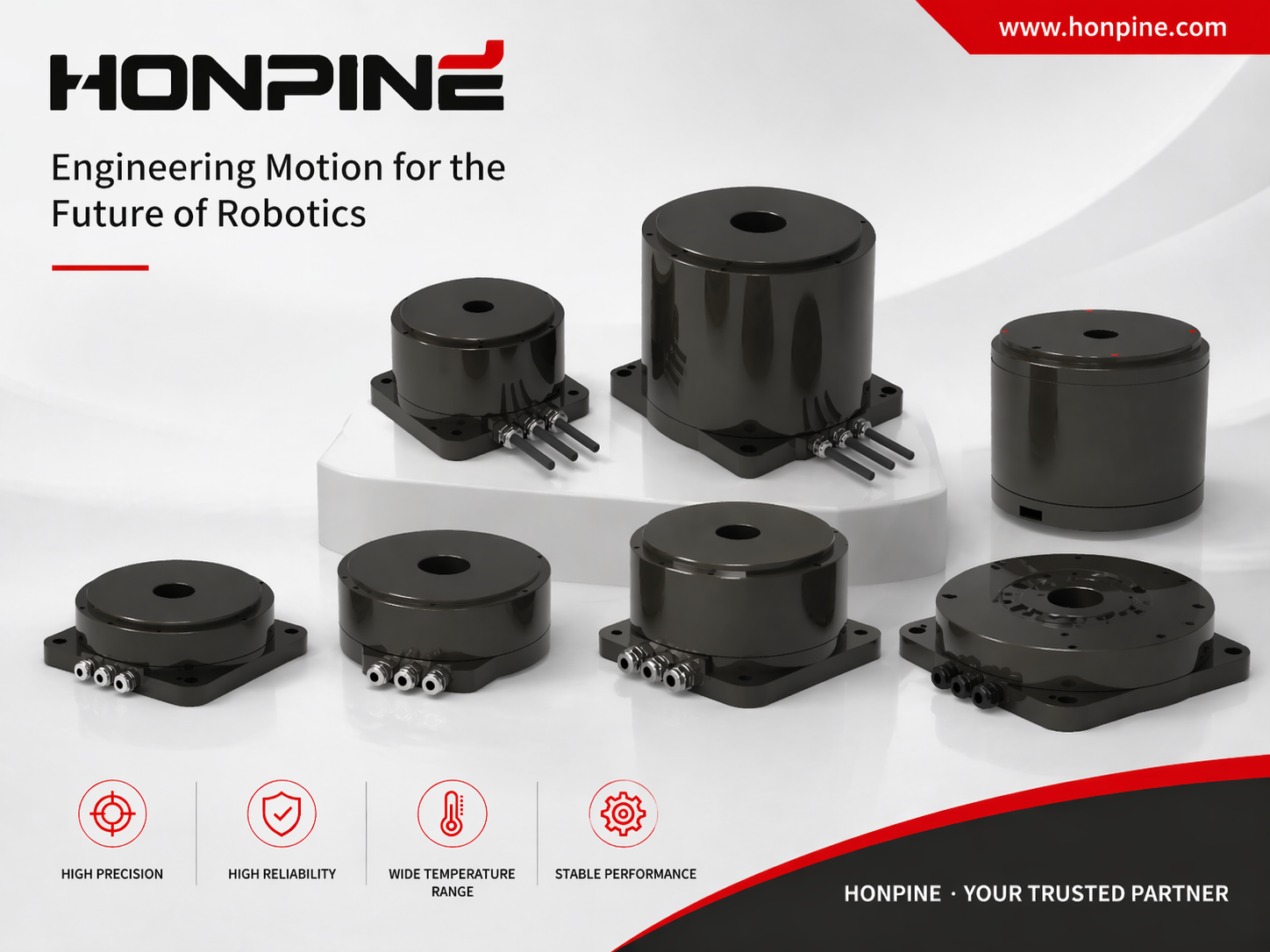
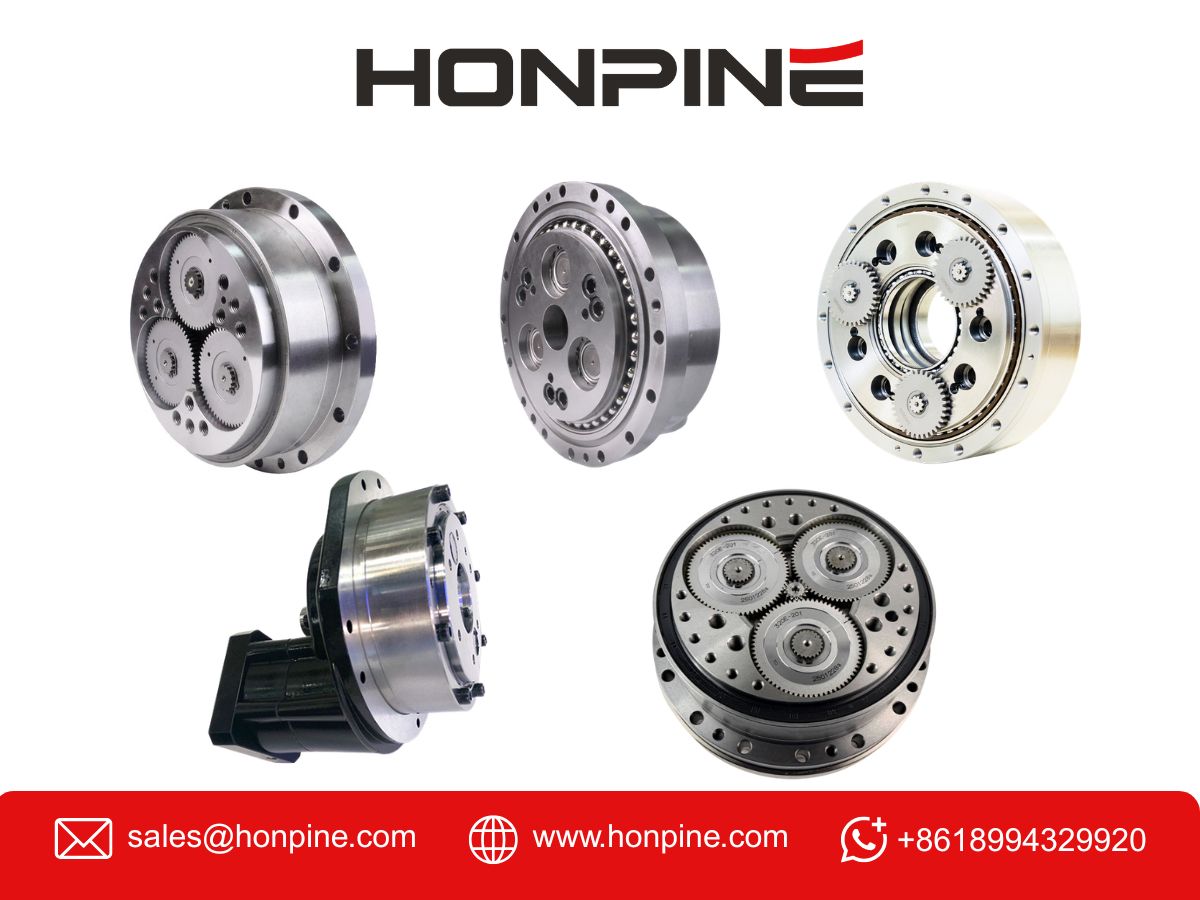
We provide harmonic drive reducer,planetary reducer,robot joint motor,robot rotary actuators,RV gear reducer,robot end effector,dexterous robot hand
![]() Harbin Tool Group Sends Engineers to Germany for ISO/IEC 63304 Standard AlignmentISO/IEC 63304:2026 alignment for harmonic & RV reducers — Harbin Tool Group’s Germany tech exchange boosts global certification readiness for precision reducer manufacturers and robotics integrators.
Harbin Tool Group Sends Engineers to Germany for ISO/IEC 63304 Standard AlignmentISO/IEC 63304:2026 alignment for harmonic & RV reducers — Harbin Tool Group’s Germany tech exchange boosts global certification readiness for precision reducer manufacturers and robotics integrators. harmonic drive reducer certifications