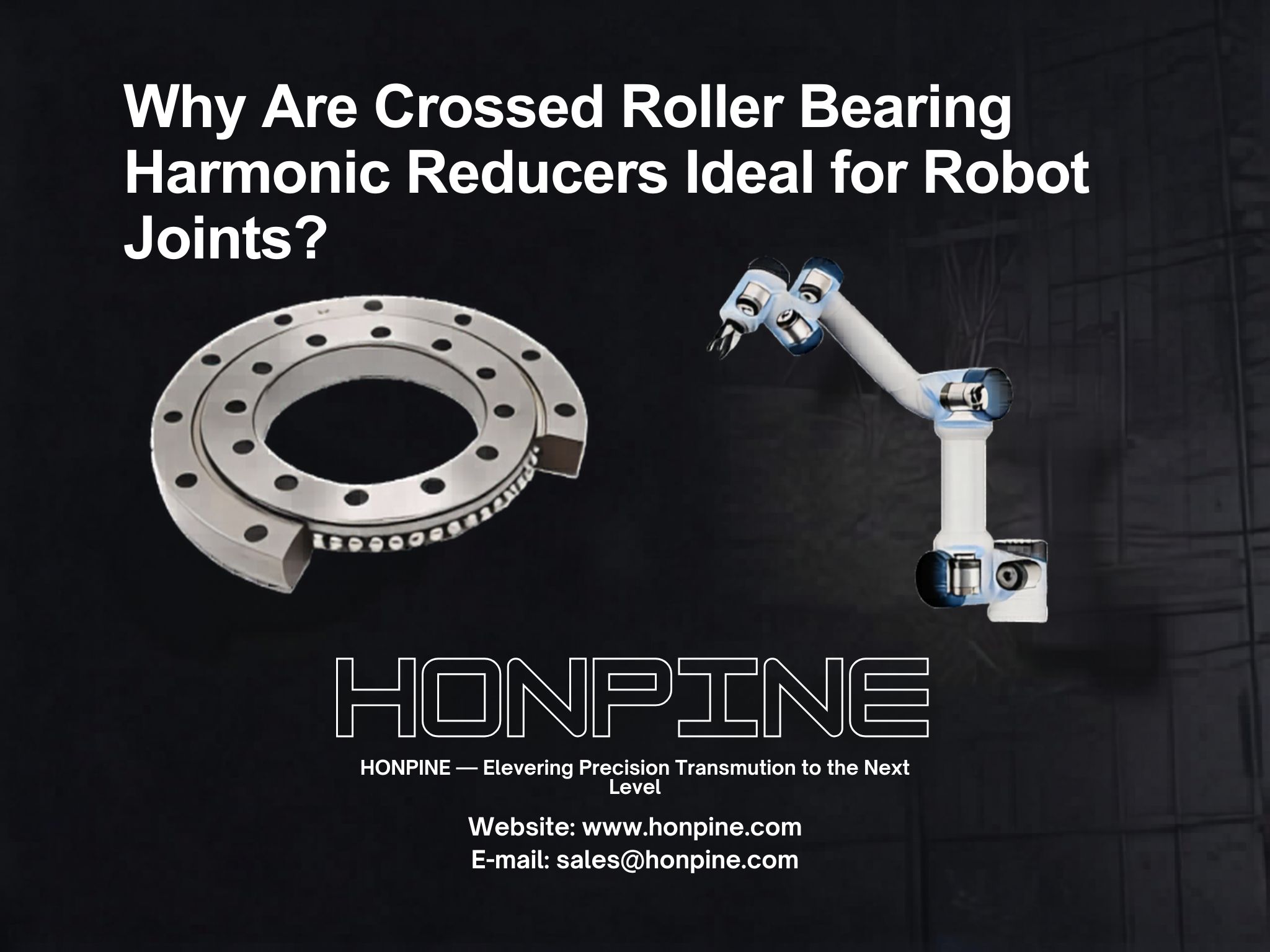









Why Are Crossed Roller Bearing Harmonic Reducers Ideal for Robot Joints?
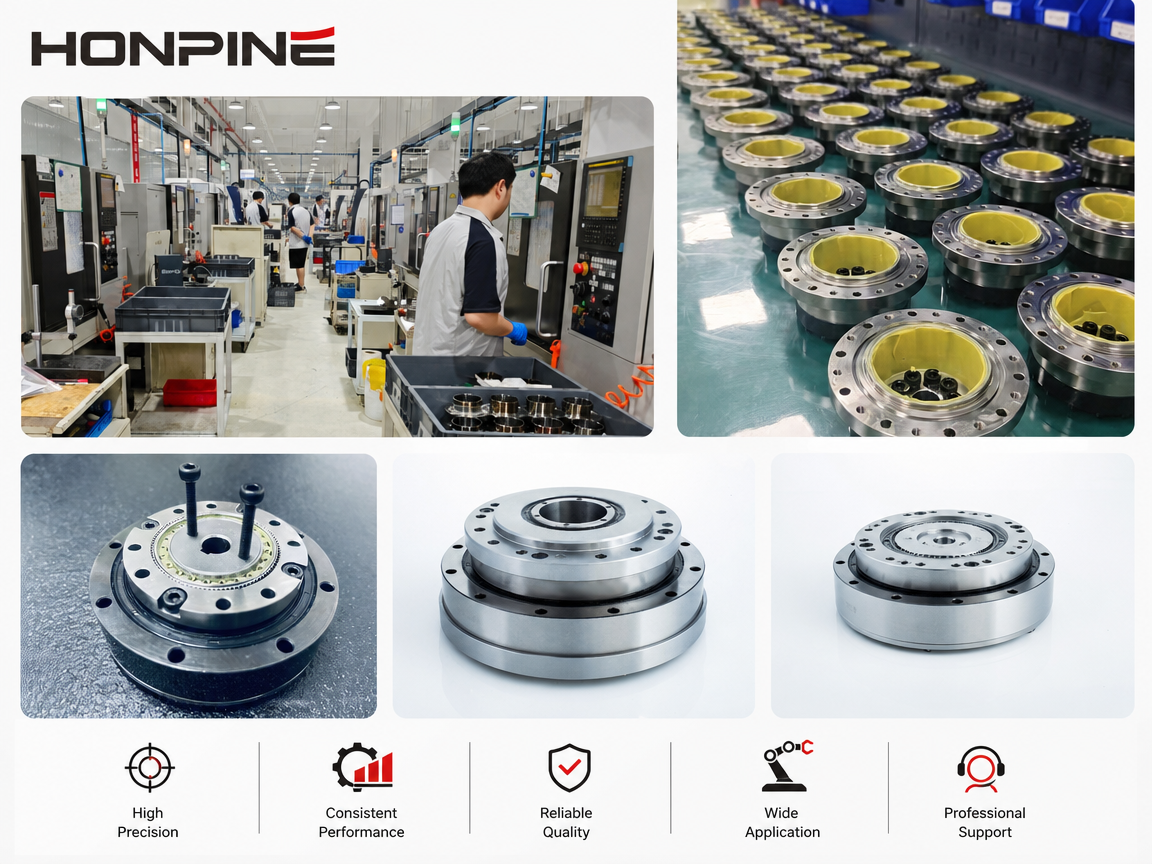
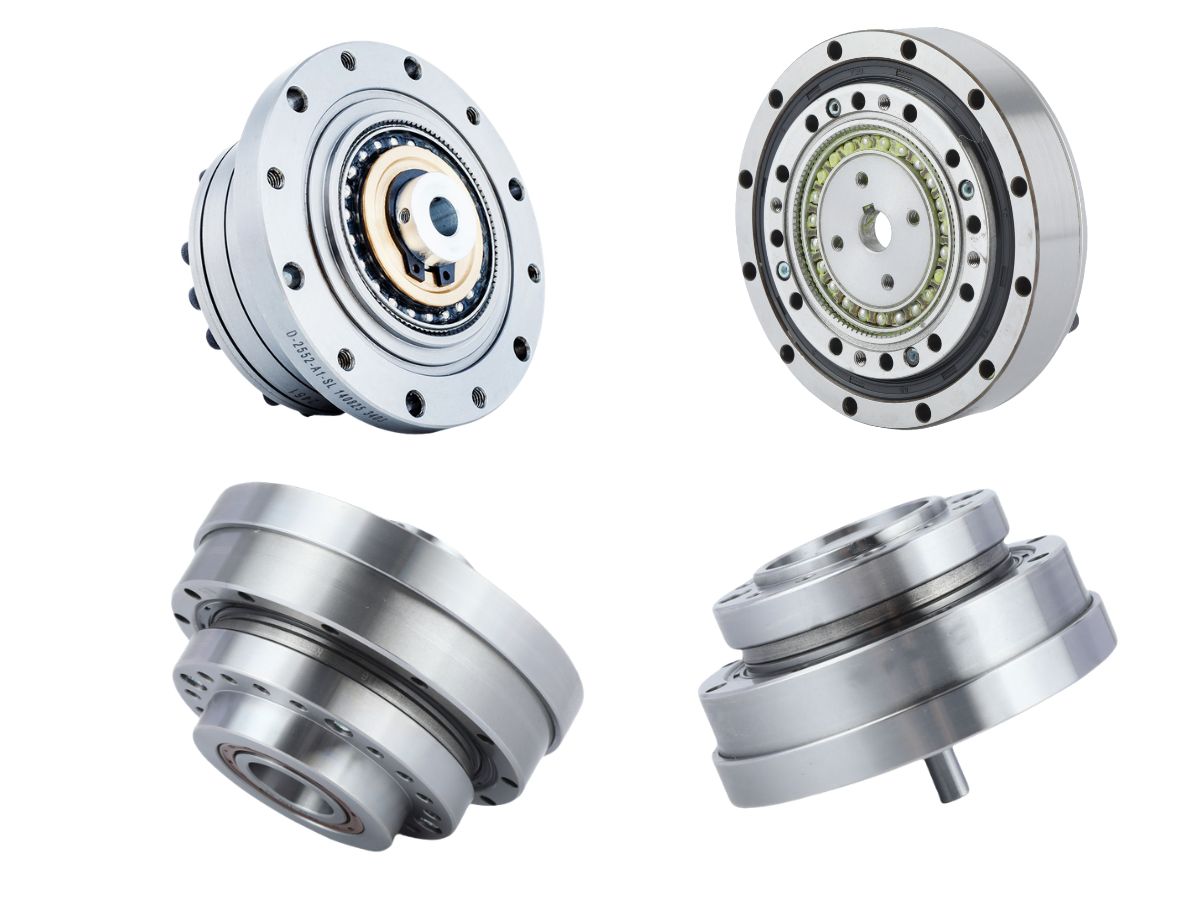
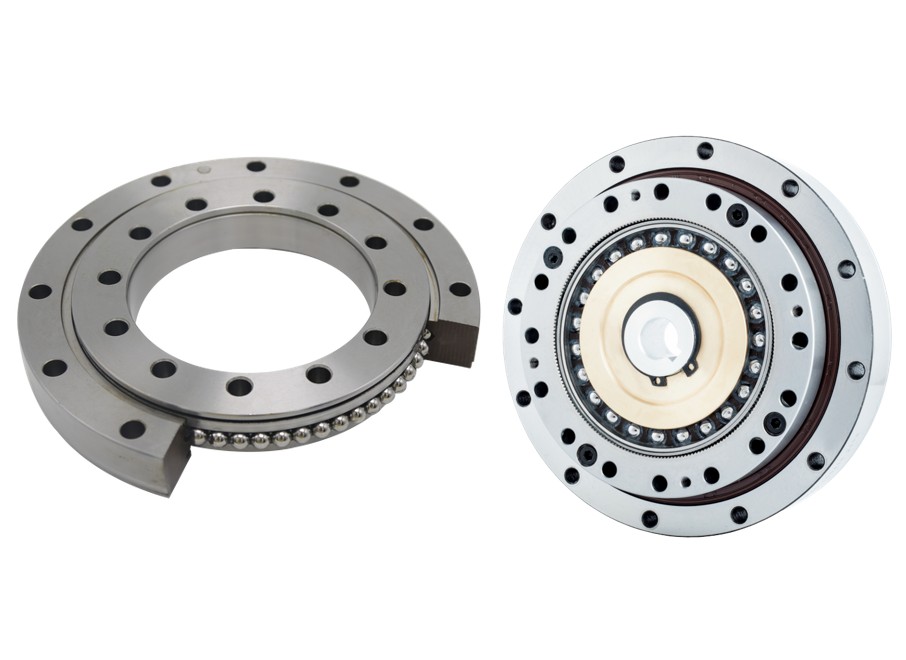
In robotic harmonic reducers, crossed roller bearings are the key components that ensure motion accuracy and structural rigidity. Their performance directly affects the robot’s repeat positioning accuracy, load capacity, and service life.
Why Are Crossed Roller Bearing Harmonic Reducers Considered Irreplaceable?
1. Bidirectional Load Capacity with Integrated Support
During operation, robot joints are subjected to both radial and axial loads simultaneously. Thanks to the 90° crossed arrangement of the rollers, crossed roller bearings can handle loads in multiple directions within a single bearing structure. This eliminates the need for complicated multi-bearing combinations and reduces space requirements.
2. High Rigidity for Precise Positioning
Unlike ball bearings, which rely on point contact, crossed roller bearings use line contact between the rollers and raceways. Combined with the dense crossed arrangement, this design provides extremely high radial and axial rigidity.
As a result, the robot experiences less deformation under load, faster response, and more accurate positioning. This fully enables the harmonic reducer’s renowned “zero backlash” and high torsional rigidity performance.
3. Compact Structure for Smaller Robot Joints
A single crossed roller bearing can replace a complex assembly consisting of multiple conventional bearings. This makes the entire harmonic reducer significantly more compact and provides essential support for the miniaturization and lightweight design of robot joints.
What are Special Characteristics of Bearing Clearance of Crossed Roller Bearings Harmonicn Drive Reducers?
1,Preload enables zero backlash.
In crossed roller bearings, radial clearance and axial clearance are interrelated and mutually influential. In high-precision applications such as robotics, preload must be applied to the bearing to intentionally create “negative clearance.”
This completely eliminates internal clearance and is the core technical method for achieving zero backlash, high rigidity, and high precision.
2. Extremely Strict Precision Requirements
Any slight runout in the bearing can be amplified into significant positioning errors at the robot end effector. Therefore, measurements of profile accuracy, straightness, angle, and surface roughness must reach sub-micron or even nanometer-level precision.
How Is the Performance of Crossed Roller Bearing Harmonic Reducers Ensured?
1. Preload Technology for Zero Backlash
The radial and axial clearances of crossed roller bearings interact with each other. In high-precision robotic applications, preload is applied to create negative clearance, completely eliminating internal play. This is the key to achieving zero backlash, high rigidity, and superior positioning accuracy.
2. Ultra-High Manufacturing Precision
Even the smallest bearing runout can result in noticeable positioning deviations at the robot’s end effector. Therefore, parameters such as profile accuracy, straightness, angular accuracy, and surface finish must be controlled at sub-micron or nanometer levels.
Why Are Crossed Roller Bearing Harmonic Reducers Suitable for Robot Joints?
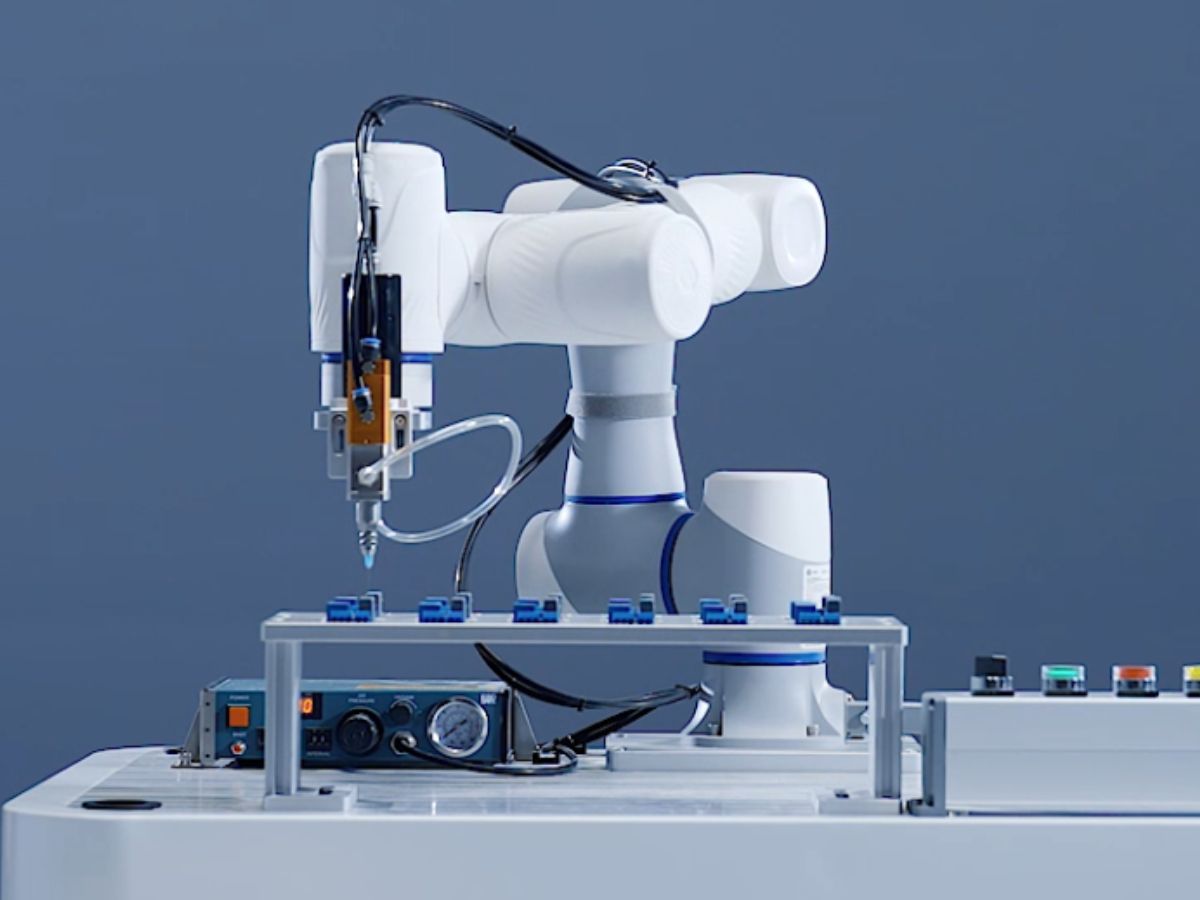
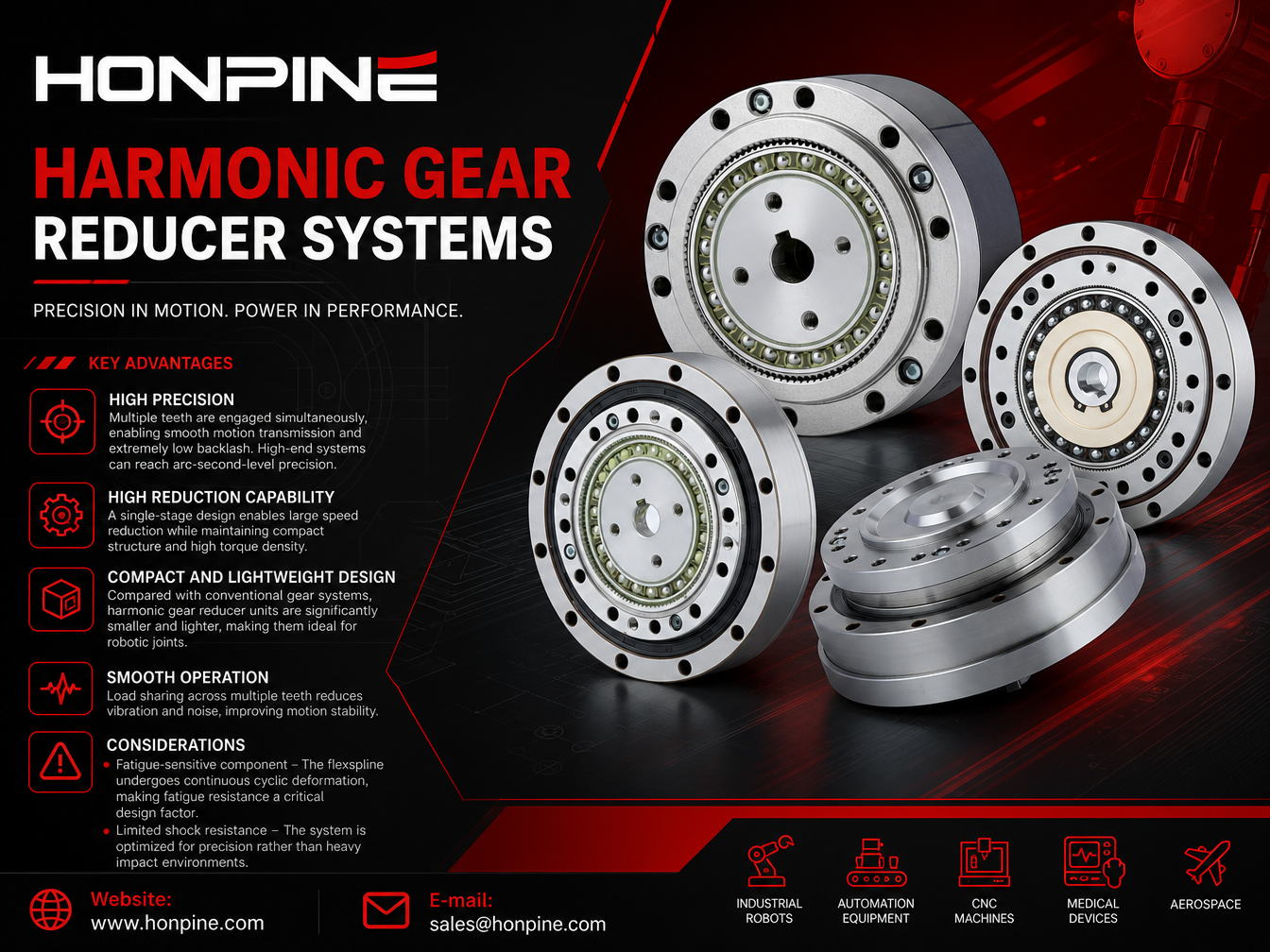
Harmonic reducers act as the “torque amplifiers” of robot joints. They feature compact size, high reduction ratio, high precision, and zero backlash, making them the standard solution for humanoid robot joints today.
Bearings are indispensable core components inside harmonic reducers.
Application Position
Inside a harmonic reducer, there is typically a crossed roller bearing or a similar flexible bearing structure.
Function
This bearing supports and guides the deformation of the flexspline within the harmonic reducer while directly transmitting rotational motion. Its performance directly determines the reducer’s precision, rigidity, and service life.
Contact us to learn more about crossed roller bearing harmonic reducers and related technical solutions.
Read More
Learn more about the story of HONPINE and industry trends related to precision transmission.
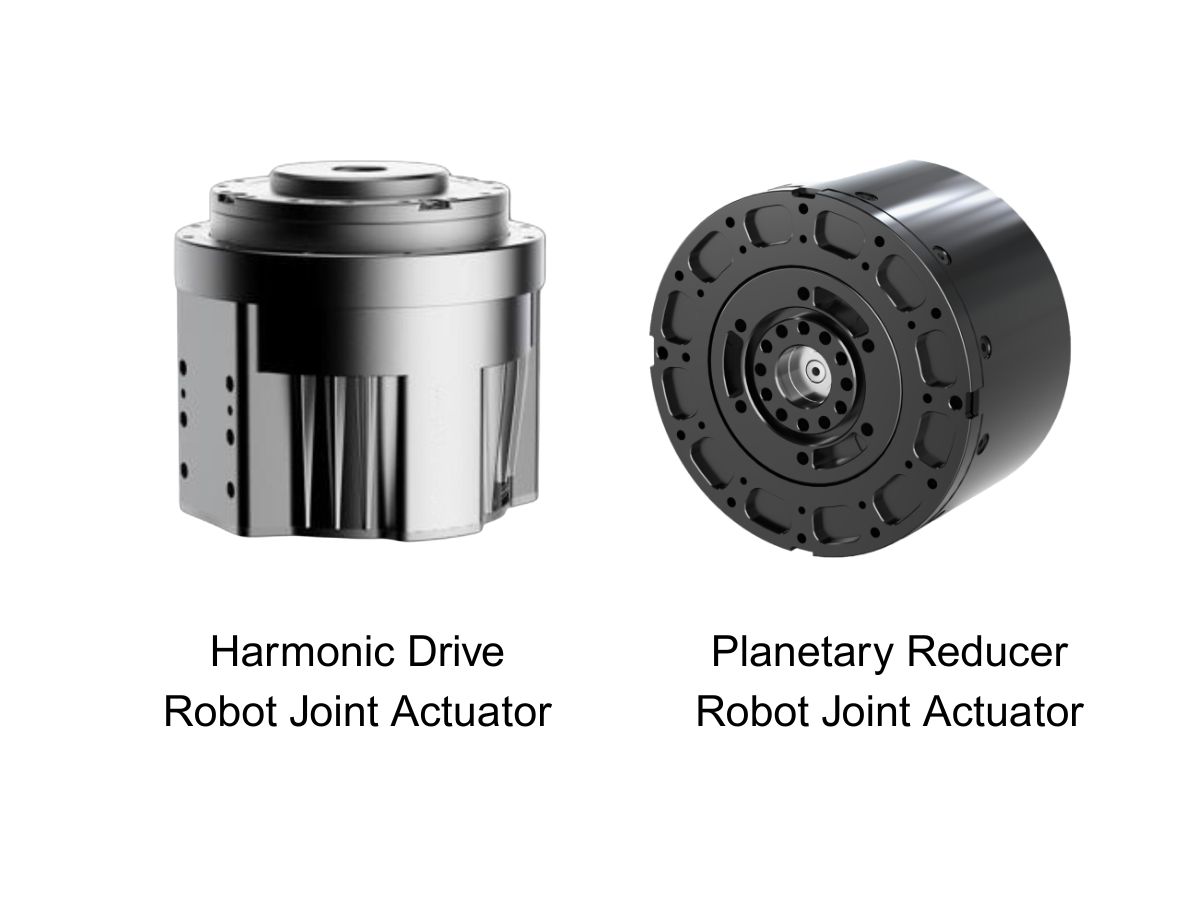
 What is robot joint actuator?How to Choose the Best Robot Rotary Joint Actuator?In core robot joint transmission solutions, planetary and harmonic rotary actuators each have their own strengths. Choosing the right type based on application requirements is essential to achieve the optimal balance between performance and cost.
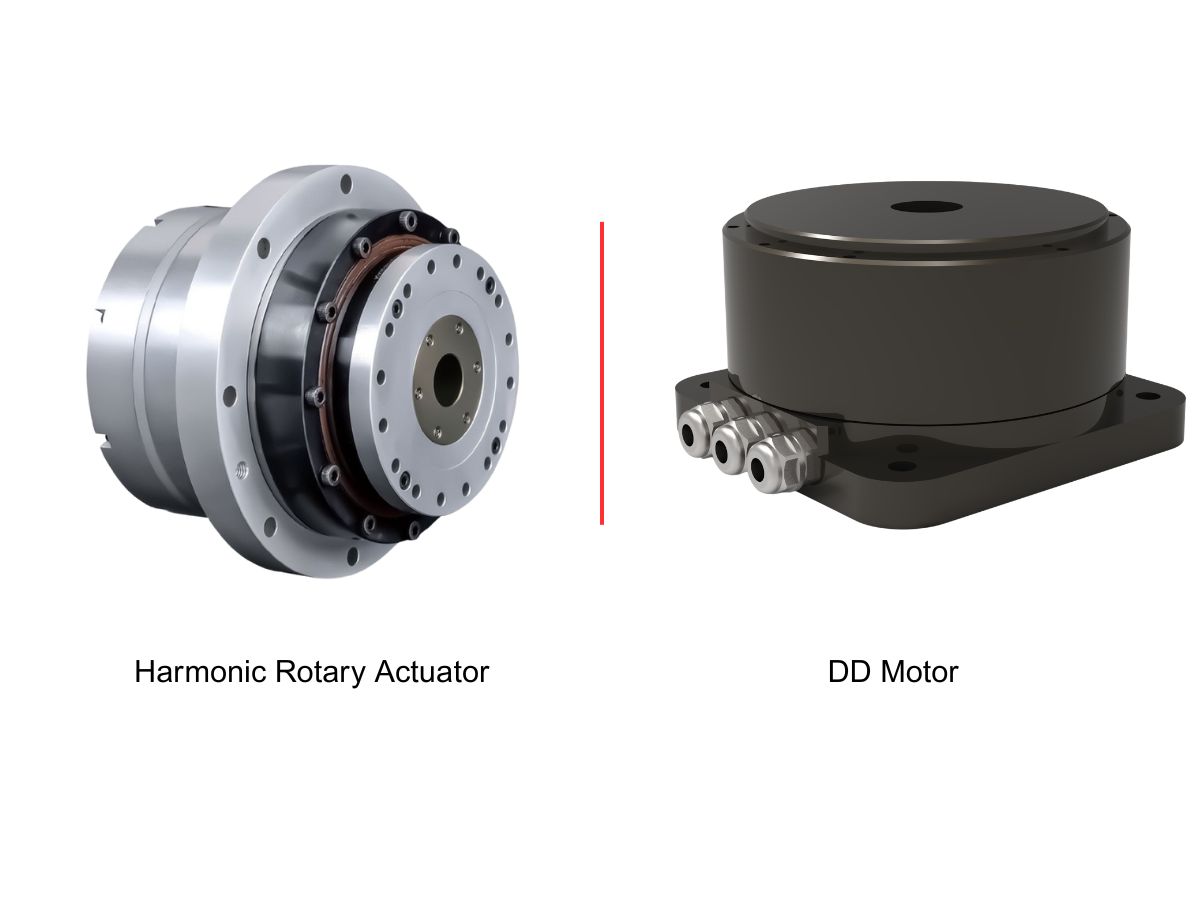
 DD Motors VS Harmonic Rotary ActuatorsThis article provides an in-depth comparison between Direct Drive (DD) motors and harmonic rotary actuators, covering their transmission principles, advantages and disadvantages, and typical application fields.
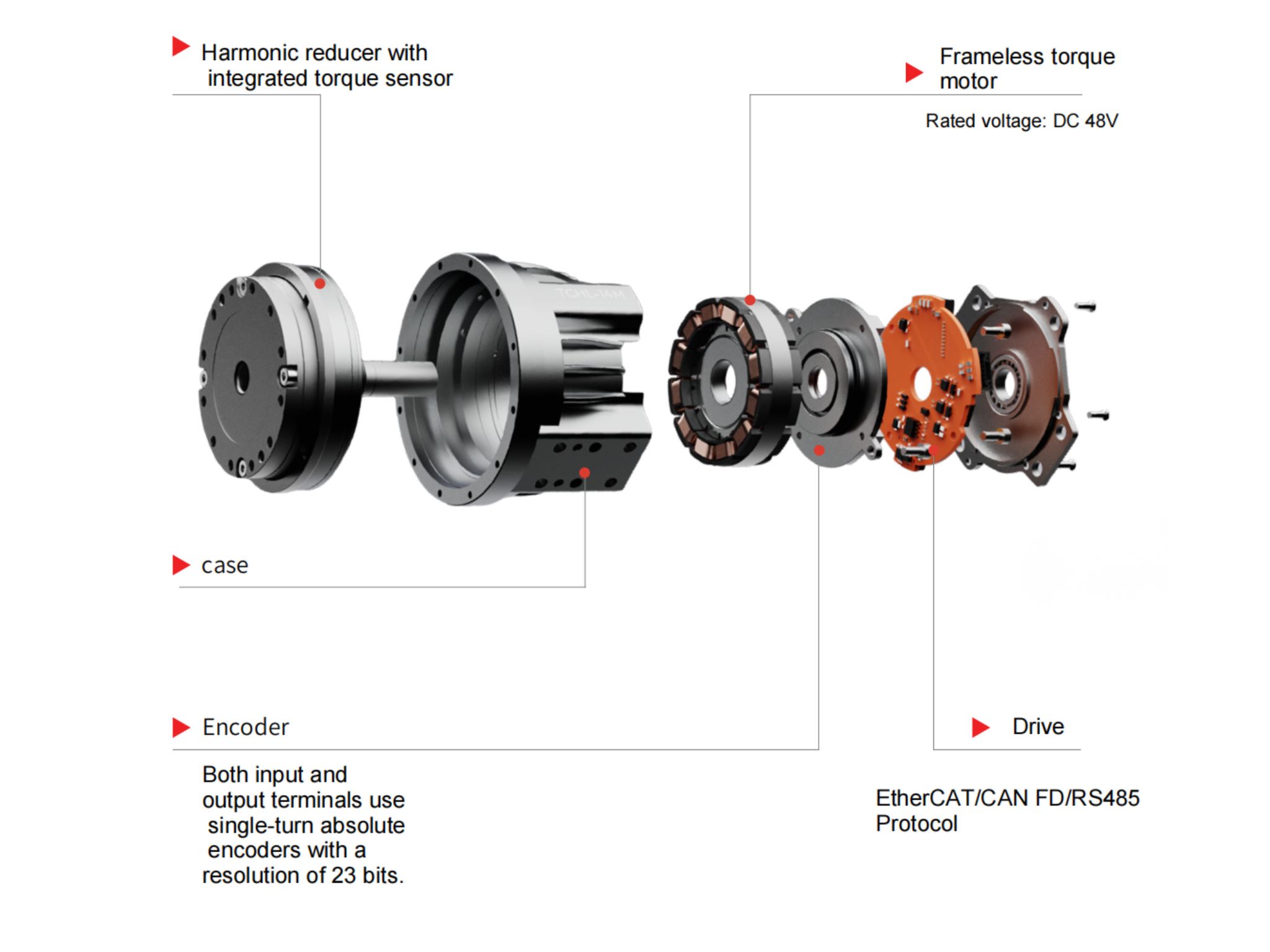
 OMG Ultra Compact Harmonic Drive Joint Module with Built-in Torque SensorHONPINE TCHL series harmonic drive joint module is a game-changing product that achieves disruptive improvements in multiple aspects such as lightweight design, integration level, and connection convenience. This article will analyze its revolutionary enhancements with you.
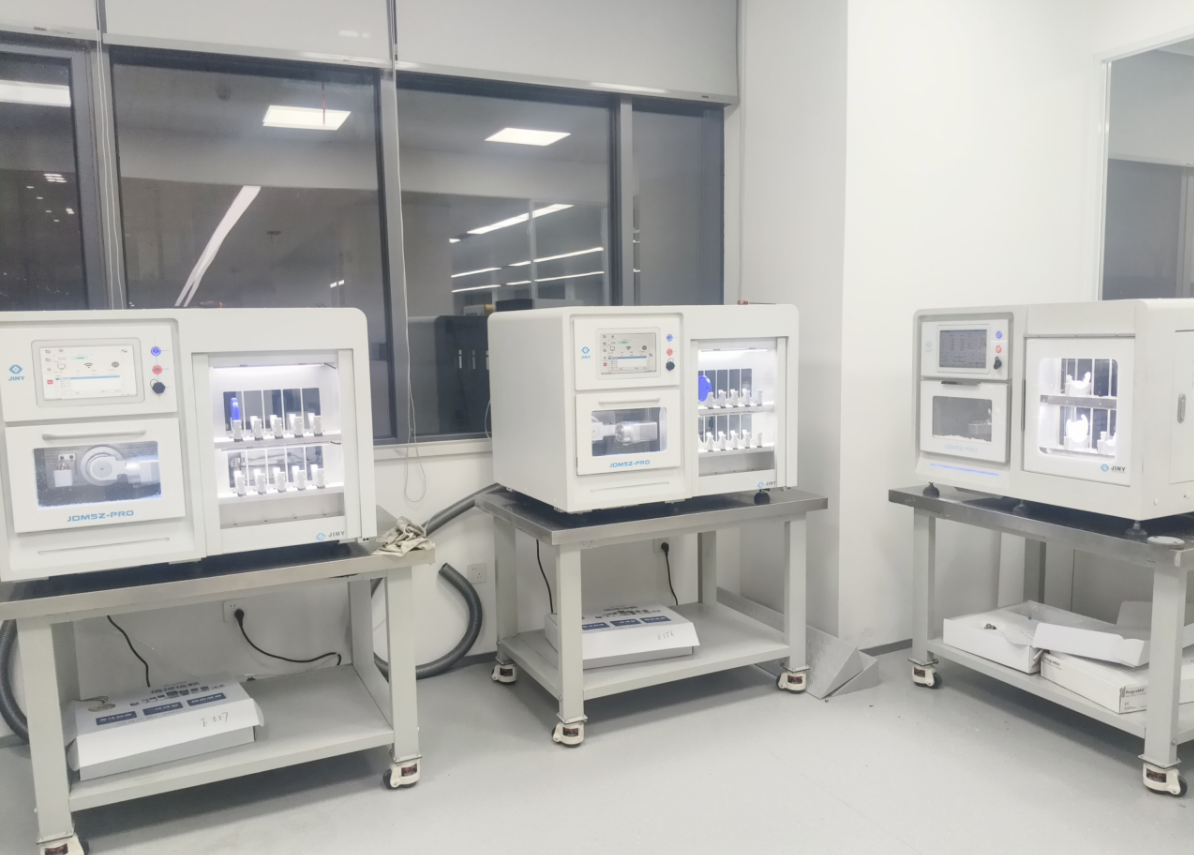
 The Role of Harmonic Drive Gears in Achieving 5–10 μm Accuracy in Dental Milling MachinesA dental milling machine is a CNC machining system used to directly process digital dental models into restorations such as crowns, bridges, veneers, inlays, and implant abutments. Dental milling machines require far higher operational accuracy and motion stability than ordinary equipment. This article explains how harmonic drive gear help dental milling machines achieve stable, continuous, and controllable operation.
 Why Are Harmonic Rotary Actuators Perfect for Medical Equipment?Harmonic rotary actuators (typically integrated systems consisting of a harmonic drive reducer, frameless torque motor, encoder, and optional brake) are regarded as key components in medical equipment. The core reason is that they simultaneously meet the most stringent medical requirements for precision, compact size, safety, and controllability. The following explanation is structured from three perspectives: technical characteristics, application scenarios, and medical value.
 High-Precision RV Reducers Perfectly Matched for Walking RobotsThe walking axis of a robot is a core component for power transmission and support. RV reducers provide extremely high rigidity, precision, and torque while maintaining a compact size and exceptional reliability, making them an ideal match for the demanding requirements of walking robot joints in terms of load capacity, impact resistance, and precision.
 How to Find a Reliable Robotic Joint Actuator Supplier?Choosing the right robotic joint actuator supplier is essential for reliable performance, smooth integration and long-term project success. Beyond product specifications, you need to understand a supplier’s technical expertise, production capacity and after-sales support. In this guide, Allen Li, Founder of HONPINE, explains how to assess these three factors when sourcing harmonic and planetary joint actuators for robotics and industrial automation.
 Harmonic Reducer vs. Harmonic Rotary Actuator: Which Is Better for CNC Machine Tools?Choosing between a harmonic reducer and a harmonic rotary actuator is an important decision in CNC machine tool design. Both solutions offer high-precision motion control, but they differ in integration, installation requirements, rigidity, and system flexibility. For CNC fourth-axis rotary tables and compact five-axis machining systems, selecting the right harmonic drive can significantly influence machine performance. In this article, HONPINE Technical Director Theodore Li compares harmonic reducers and harmonic rotary actuators to help engineers identify the most suitable solution for their CNC applications.
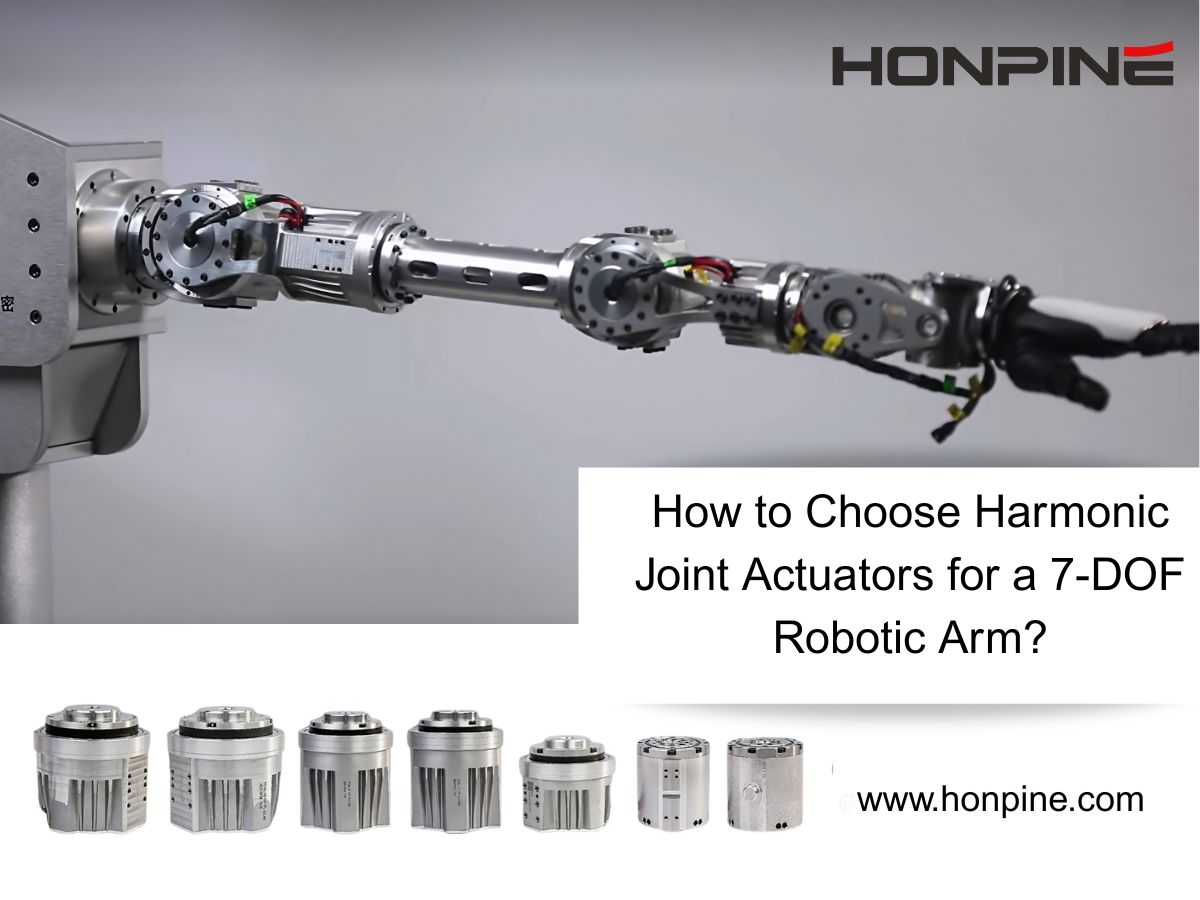
 How to Choose Harmonic Joint Actuators for a 7-DOF Robotic Arm?I'm Theodore Li, Technical Director at HONPINE. Choosing harmonic joint actuators for a 7-DOF robotic arm starts with the torque, weight, and installation needs of each joint. This guide uses a TCHL 20 shoulder and TCHL 14 wrist configuration as an example, then explores torque sensing, compliant control, and HAG Series considerations for demanding robotic applications.
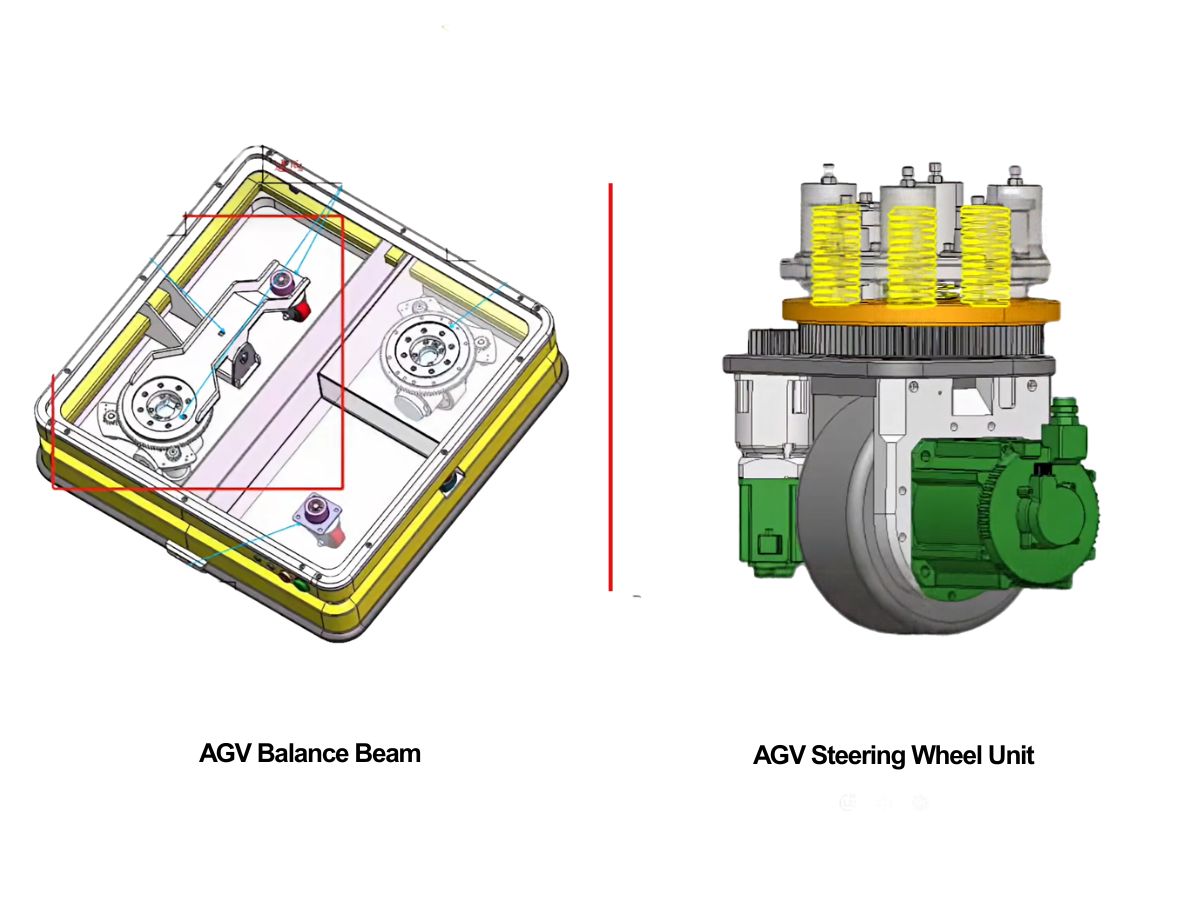
 AGV Suspension: Should You Choose a Balance Beam or a Spring-Loaded Steering Drive Unit?Choosing an AGV suspension system starts with the vehicle’s load range and floor conditions. Balance beams and spring-loaded steering drive units offer different approaches to maintaining wheel contact and managing wheel loads. This HONPINE guide compares both options and explains how to evaluate traction, suspension travel, installation space, and maintenance before choosing a configuration.
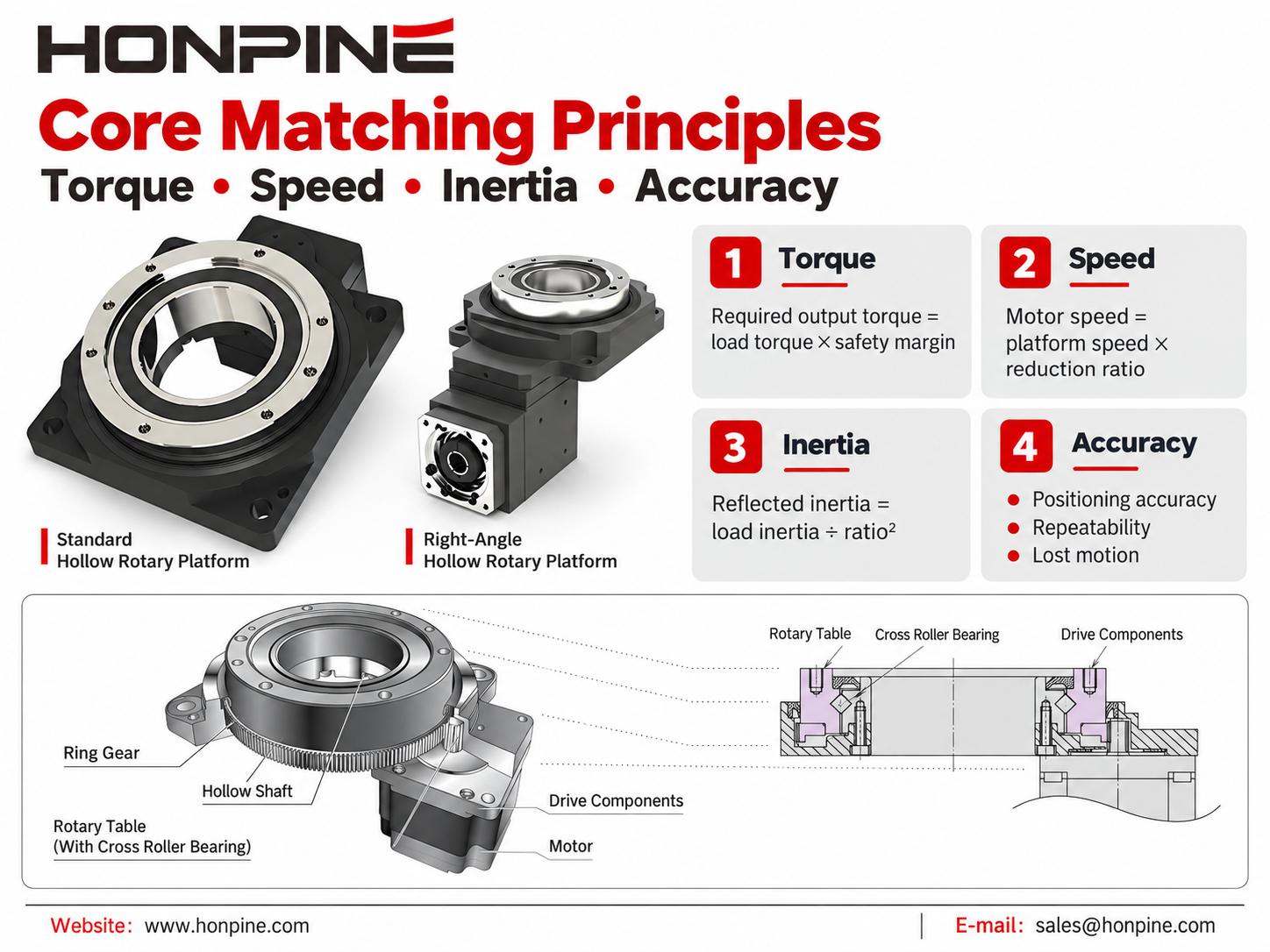
 Hollow Rotary Platform Motor Matching: A Complete GuideSelecting the right motor for a hollow rotary platform is essential for achieving precise positioning, stable operation, and efficient automation. This guide explains how to match servo motors, stepper motors, and brushless DC motors with hollow rotary platforms based on torque, speed, inertia, accuracy, and installation requirements. Explore practical motor selection guidelines, typical application combinations, and space-saving mounting solutions to find the right configuration for your automation project.
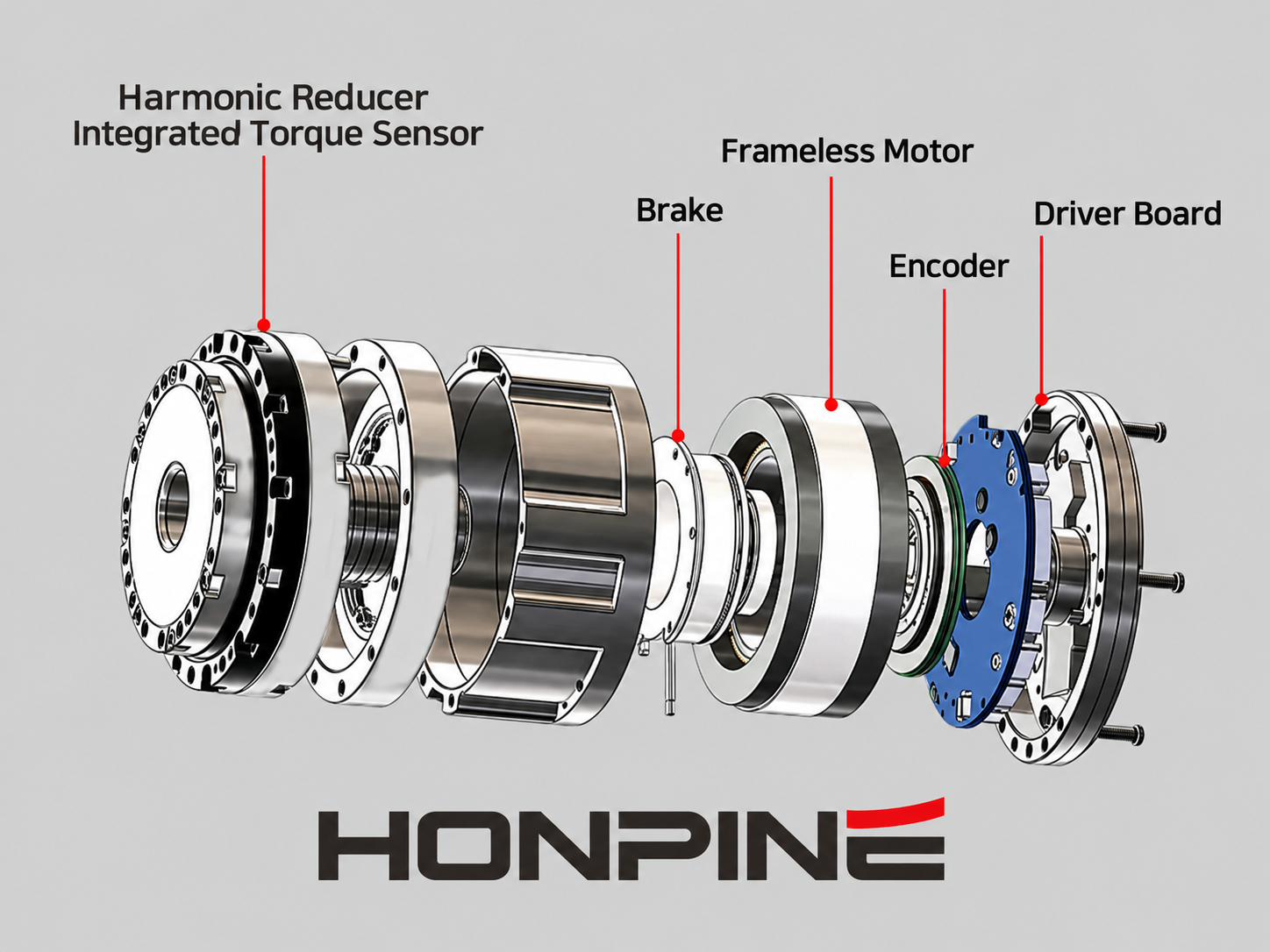
 Can Robots Feel Touch? HONPINE HAG Force-Controlled Harmonic Robot Joint MotorsCan robots respond to a gentle touch? The HONPINE HAG robot joint motor with torque sensor combines a harmonic reducer, integrated torque sensing, and closed-loop control to detect external forces and support smooth, compliant motion. In this article, HONPINE founder Allen Li demonstrates the module's response to light contact and hand-guided movement, explains its key force-control technologies, and shares the vision behind joint modules designed for practical industrial robotics.
Double Click
We provide harmonic drive reducer,planetary reducer,robot joint motor,robot rotary actuators,RV gear reducer,robot end effector,dexterous robot hand
 The Role of Harmonic Drive Gears in Achieving 5–10 μm Accuracy in Dental Milling MachinesA dental milling machine is a CNC machining system used to directly process digital dental models into restorations such as crowns, bridges, veneers, inlays, and implant abutments. Dental milling machines require far higher operational accuracy and motion stability than ordinary equipment. This article explains how harmonic drive gear help dental milling machines achieve stable, continuous, and controllable operation.
 How HONPINE Manufactures Precision Harmonic Reducers: Technology, Quality and Manufacturing Challenges?A precision harmonic reducer is more than a compact high-ratio transmission component. Its actual performance depends on how accurately every critical component is designed, manufactured, assembled, and tested. Tooth profile accuracy, flexspline material, heat treatment, machining tolerances, wave generator geometry, assembly precision, and production consistency can all influence backlash, torsional stiffness, efficiency, durability, and positioning accuracy. For robotics, CNC equipment, semiconductor manufacturing, optical inspection, and other precision automation applications, these factors become even more important. This article explores how HONPINE manufactures precision harmonic reducers, the key technologies and manufacturing challenges involved, and why stable production capability is essential for achieving reliable transmission performance at scale.
 Cup Type vs. Hat Type vs. Pancake Harmonic Reducer: How to Choose the Right Strain Wave Gear IntroductionAs industrial automation equipment becomes more compact and precise, the structural design of a harmonic reducer has become an important factor in motion system selection. Cup type, hat type, and pancake harmonic reducers use the same basic strain wave gearing principle, but their different flexspline structures result in different characteristics in axial size, torque capacity, rigidity, hollow space, and mechanical integration. For applications such as 3C automation, semiconductor equipment, CNC machinery, and precision inspection systems, choosing the right configuration requires more than simply comparing reduction ratios or dimensions. This article compares the three major harmonic reducer configurations and explains how to select the most suitable solution based on the actual requirements of an industrial motion system.
 Mini Harmonic Reducer for Small Robot Arms and Desktop 6-Axis Robots
 Harmonic Gear Reducer Technology: Working Principle, Manufacturing Barriers, and Industry InsightsGlobally, only a limited number of manufacturers are capable of producing high-precision harmonic gear reducer systems. This article explains how these precision transmission systems work, why they are difficult to manufacture, and HONPINE’s perspective on the global supply chain.
 Why Are Harmonic Drive Reducers the Core Component of Modern Robots?As the core transmission component inside robotic joints, the design, manufacturing quality, and selection of a harmonic drive reducer directly determine a robot's motion accuracy, reliability, and service life. Whether in industrial robots, collaborative robots, or next-generation humanoid robots, harmonic drives have become one of the most critical enabling technologies for high-performance motion control.
 How to Choose a Reliable Harmonic Drive Manufacturer in ChinaHow to Choose a Reliable Harmonic Drive Manufacturer in China: learn how machine tool buyers can assess precision, quality control, customization, and delivery reliability before sourcing.
 Why CNC Machines Benefit from Harmonic Drive: Precision and Performance?In modern manufacturing, CNC machines are widely used for turning, taper turning, drilling, tapping, contouring with linear and circular interpolation, and threading (both parallel and tapered). While these machines excel at traditional operations, performing milling tasks on standard CNC turning centers presents significant challenges. This is where harmonic drive CNC technology comes into play, offering a solution that addresses these limitations effectively.
 Why Are Crossed Roller Bearing Harmonic Reducers Ideal for Robot Joints?In robotic harmonic reducers, crossed roller bearings are the key components that ensure motion accuracy and structural rigidity. Their performance directly affects the robot’s repeat positioning accuracy, load capacity, and service life.
 How to Selection Harmonic Reduction Gear?This article explains how to select harmonic reduction gears based on specific equipment, covering aspects such as average load torque, input speed, start-stop peak torque, comparison of impact torque, permissible number of impact torque cycles, and service life. It concludes with a mention of Honpine's star products, harmonic reduction gears.
 Top 7 Harmonic Drive Reducer ManufacturersThis article introduces seven manufacturers of harmonic drive reducers, primarily companies from China and Japan.
 Why Harmonic Drive Gear Systems Are Ideal for Missile Guidance and Precision Control Applications?Harmonic drive gear systems and harmonic drive actuator systems are highly suitable for applications such as turret rotation, missile fin control, and stabilized sensor gimbal systems.
This is mainly because they offer unique advantages in precision, compact size, fast response, and reliability, making them ideal for high-precision electromechanical systems.