






China Implements Zero Tariffs on Machinery Exports to Africa
Beijing, May 1, 2026 — Effective May 1, 2026, China has fully implemented zero-tariff treatment for machinery exports to all 53 African countries with which it maintains diplomatic relations. The policy directly impacts the machine tool industry — particularly exporters of food processing, agricultural, construction, and textile machinery — by reducing import duties in African markets by 5–15%, thereby reshaping pricing power, delivery responsiveness, and channel strategy across the continent.
Event Overview
Starting May 1, 2026, China applied zero tariffs on complete machines—including CNC machine tools, tractors, milling equipment, and weaving looms—exported to 53 African countries with formal diplomatic ties. This measure covers both new mid-tier machines and certified pre-owned high-end machine tools. For example, a CNC machine valued at RMB 1 million now incurs no import duty in participating African countries, translating to duty savings of RMB 50,000–150,000 per unit. The tariff elimination is already reflected in real-time customs clearance systems across multiple African nations, including Kenya, Nigeria, South Africa, and Egypt.
Industries Affected
Direct Trading Enterprises
Export-oriented machinery traders face immediate margin expansion and enhanced bid competitiveness in public tenders and private procurement cycles. Impact manifests in faster order conversion (reduced price negotiation friction), improved landed-cost predictability, and greater flexibility in offering bundled after-sales or financing packages — especially where local currency volatility previously constrained pricing.
Raw Material Procurement Enterprises
Firms sourcing castings, structural steel, or precision components for export-bound machines are indirectly affected: demand signals from export order books are now more responsive to African market shifts, prompting earlier adjustments in inventory planning and supplier contracts. However, no direct tariff change applies to upstream inputs — the impact is operational, not regulatory.
Manufacturing Enterprises
Domestic machine tool manufacturers — especially those producing Class II and III CNC lathes, milling centers, and multi-axis machining cells — gain stronger commercial leverage in African markets. The zero-tariff status lowers the effective entry barrier for their mid-range product lines, enabling faster market penetration without requiring deep localization or joint ventures. It also increases pressure to maintain consistent quality control, as post-clearance inspections and local user feedback become more frequent and consequential.
Supply Chain Service Providers
Freight forwarders, customs brokers, and warranty logistics operators see revised service parameters: customs documentation requirements have simplified, but compliance verification (e.g., origin certification, conformity assessment under African regional standards) has intensified. Delivery lead time estimates are now more sensitive to port-level execution than tariff calculation — making real-time tracking and local partner vetting more critical.
Key Considerations and Recommended Actions
Review and Update African Market Pricing Models Immediately
Companies must recalculate landed costs using updated duty assumptions — especially for models previously priced with conservative tariff buffers. Delaying this adjustment risks misalignment with local distributors’ expectations and loss of tender eligibility due to outdated cost-of-goods-sold disclosures.
Validate Origin Certification Requirements Country-by-Country
Although the zero-tariff policy is multilateral, each African nation retains distinct rules of origin enforcement. Exporters must verify whether Form A, CO, or locally issued certificates are mandatory — and whether third-party verification (e.g., by chambers of commerce) is required prior to shipment.
Strengthen Local After-Sales Infrastructure Coordination
With higher unit volumes expected, spare parts availability, technician certification, and localized technical manuals are no longer optional differentiators — they are prerequisites for sustained market share. Firms should audit current distributor capabilities and co-develop capacity-building roadmaps before Q3 2026.
Editorial Perspective / Industry Observation
This policy is better understood not as a one-off trade concession, but as an infrastructure-enabling instrument aligned with broader Belt and Road cooperation frameworks and the African Continental Free Trade Area (AfCFTA) implementation timeline. Observably, the timing coincides with accelerated industrial park development in Ethiopia, Rwanda, and Senegal — suggesting coordinated intent to support downstream manufacturing capacity. Analysis shows that while short-term gains center on price competitiveness, medium-term strategic value lies in accelerating customer trust cycles and building service-led brand equity. Current more actionable insight: firms treating this solely as a tariff event — rather than a signal to deepen local institutional engagement — risk underleveraging its full operational impact.
Conclusion
The zero-tariff policy marks a structural inflection point for Chinese machinery exporters targeting Africa — shifting emphasis from cost arbitrage toward sustainable channel governance and technical partnership. Its significance extends beyond immediate margin uplift: it tests the industry’s readiness to operate at the intersection of trade policy, regional regulation, and on-the-ground service delivery. A rational conclusion is that competitive advantage will increasingly accrue to those who integrate tariff optimization with localized capability investment — not those who treat duty reduction as a standalone lever.
Source Attribution
Official announcement issued by China’s Ministry of Commerce (MOFCOM) and General Administration of Customs (GACC), May 1, 2026; cross-verified against published tariff schedules from the Kenya Revenue Authority (KRA), Nigeria Customs Service (NCS), and South African Revenue Service (SARS). Note: Implementation timelines and documentation requirements remain subject to country-specific updates — ongoing monitoring of national customs bulletins is advised.
Read More
Learn more about the story of HONPINE and industry trends related to precision transmission.
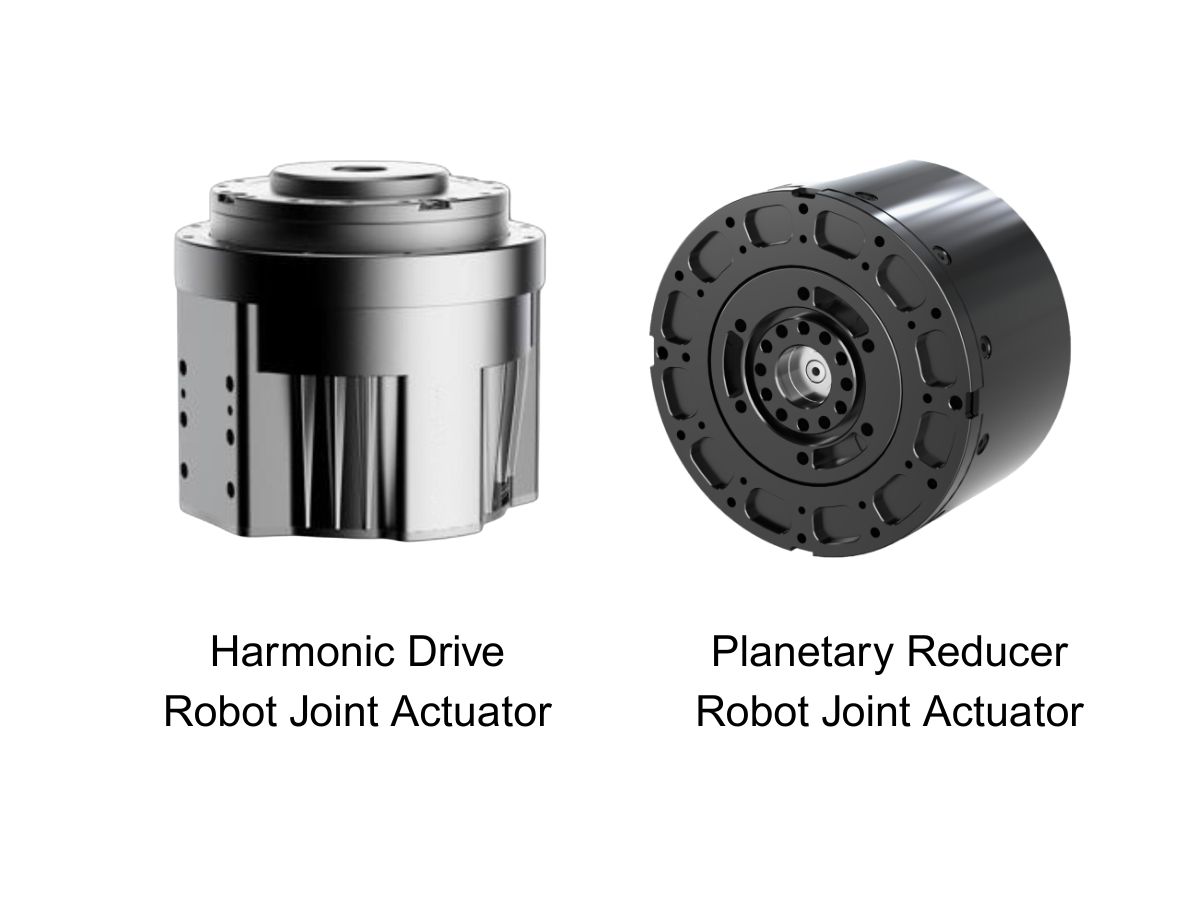
 What is robot joint actuator?How to Choose the Best Robot Rotary Joint Actuator?In core robot joint transmission solutions, planetary and harmonic rotary actuators each have their own strengths. Choosing the right type based on application requirements is essential to achieve the optimal balance between performance and cost.
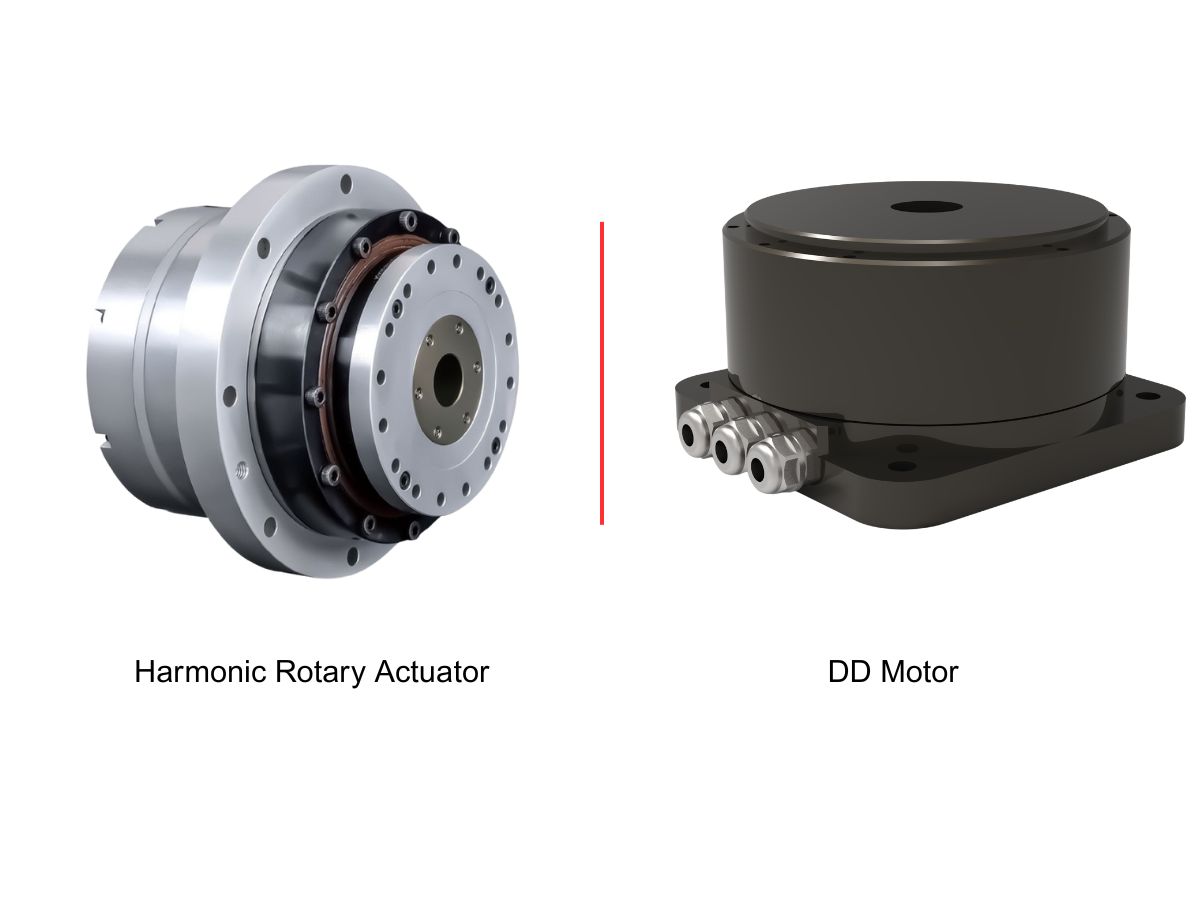
 DD Motors VS Harmonic Rotary ActuatorsThis article provides an in-depth comparison between Direct Drive (DD) motors and harmonic rotary actuators, covering their transmission principles, advantages and disadvantages, and typical application fields.
 OMG Ultra Compact Harmonic Drive Joint Module with Built-in Torque SensorHONPINE TCHL series harmonic drive joint module is a game-changing product that achieves disruptive improvements in multiple aspects such as lightweight design, integration level, and connection convenience. This article will analyze its revolutionary enhancements with you.
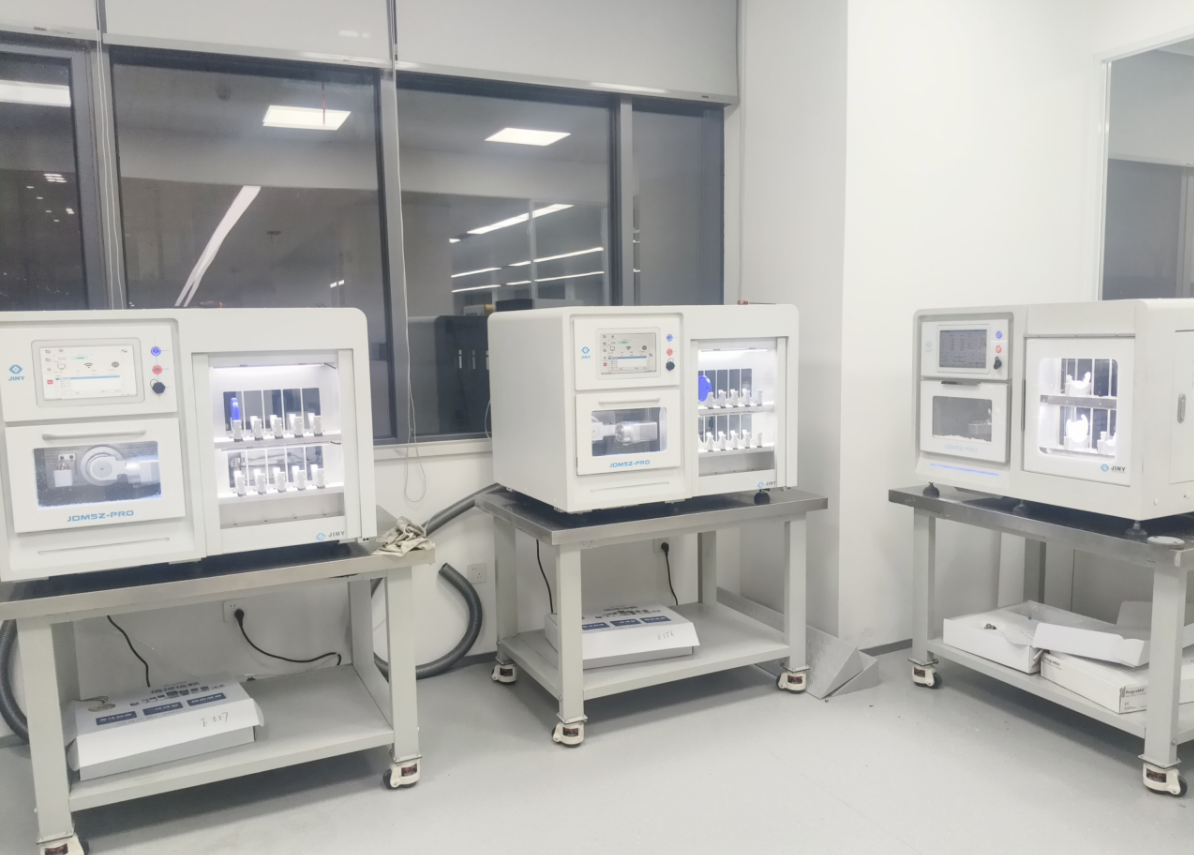
 The Role of Harmonic Drive Gears in Achieving 5–10 μm Accuracy in Dental Milling MachinesA dental milling machine is a CNC machining system used to directly process digital dental models into restorations such as crowns, bridges, veneers, inlays, and implant abutments. Dental milling machines require far higher operational accuracy and motion stability than ordinary equipment. This article explains how harmonic drive gear help dental milling machines achieve stable, continuous, and controllable operation.
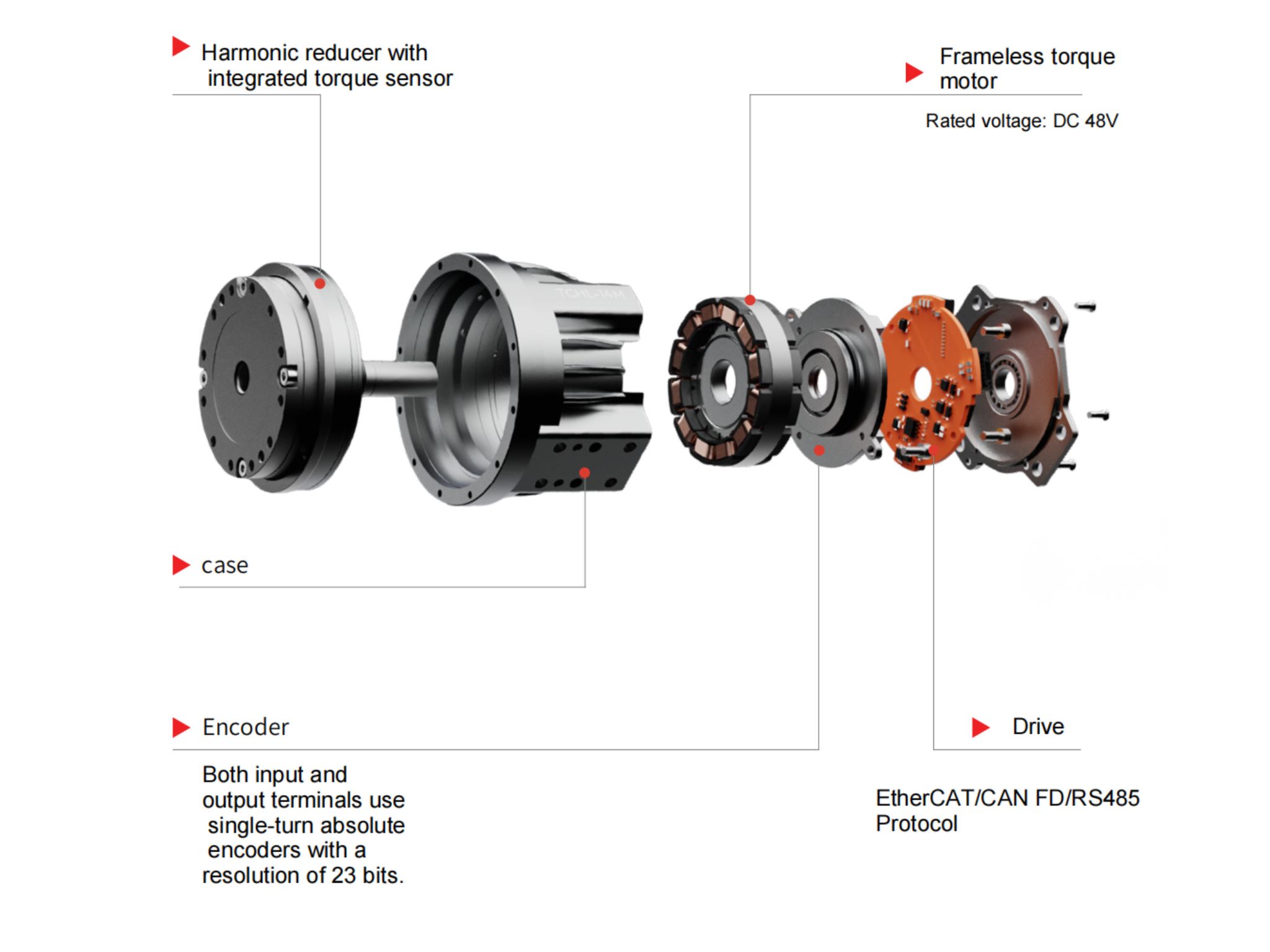
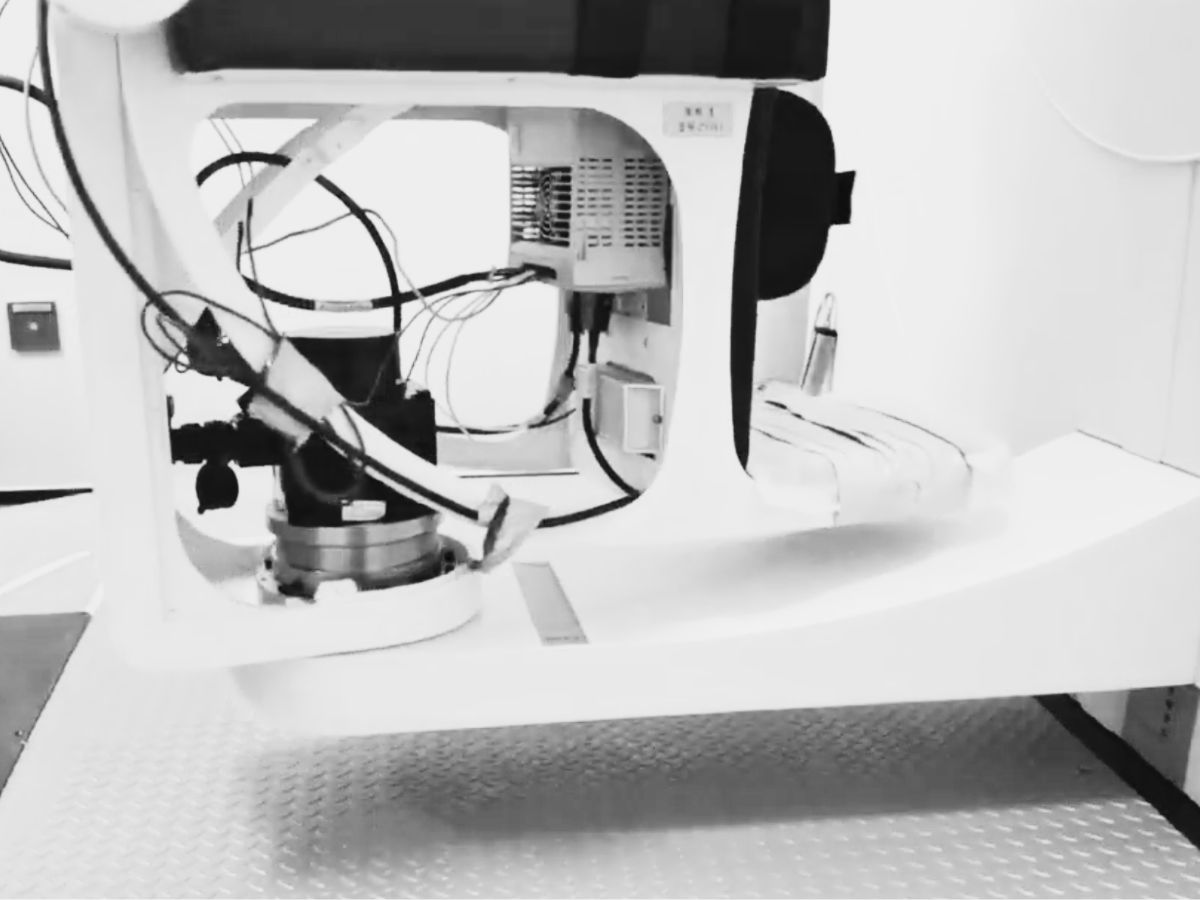
 Why Are Harmonic Rotary Actuators Perfect for Medical Equipment?Harmonic rotary actuators (typically integrated systems consisting of a harmonic drive reducer, frameless torque motor, encoder, and optional brake) are regarded as key components in medical equipment. The core reason is that they simultaneously meet the most stringent medical requirements for precision, compact size, safety, and controllability. The following explanation is structured from three perspectives: technical characteristics, application scenarios, and medical value.
 High-Precision RV Reducers Perfectly Matched for Walking RobotsThe walking axis of a robot is a core component for power transmission and support. RV reducers provide extremely high rigidity, precision, and torque while maintaining a compact size and exceptional reliability, making them an ideal match for the demanding requirements of walking robot joints in terms of load capacity, impact resistance, and precision.
![]() China Implements Zero Tariffs on Machinery Exports to AfricaChina's zero tariffs on machinery exports to Africa boost CNC machine tool competitiveness—5–15% duty savings unlock pricing power, faster tenders & stronger market entry for exporters.
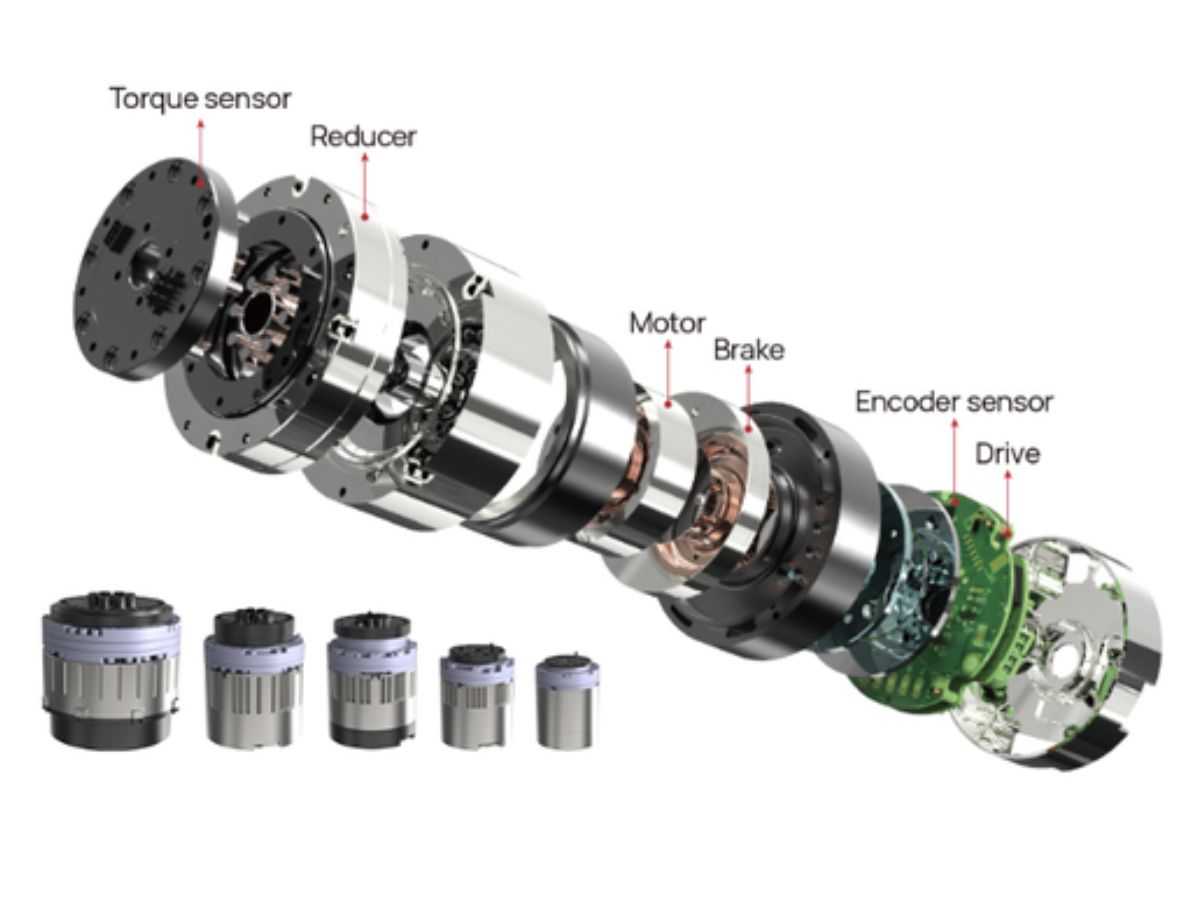
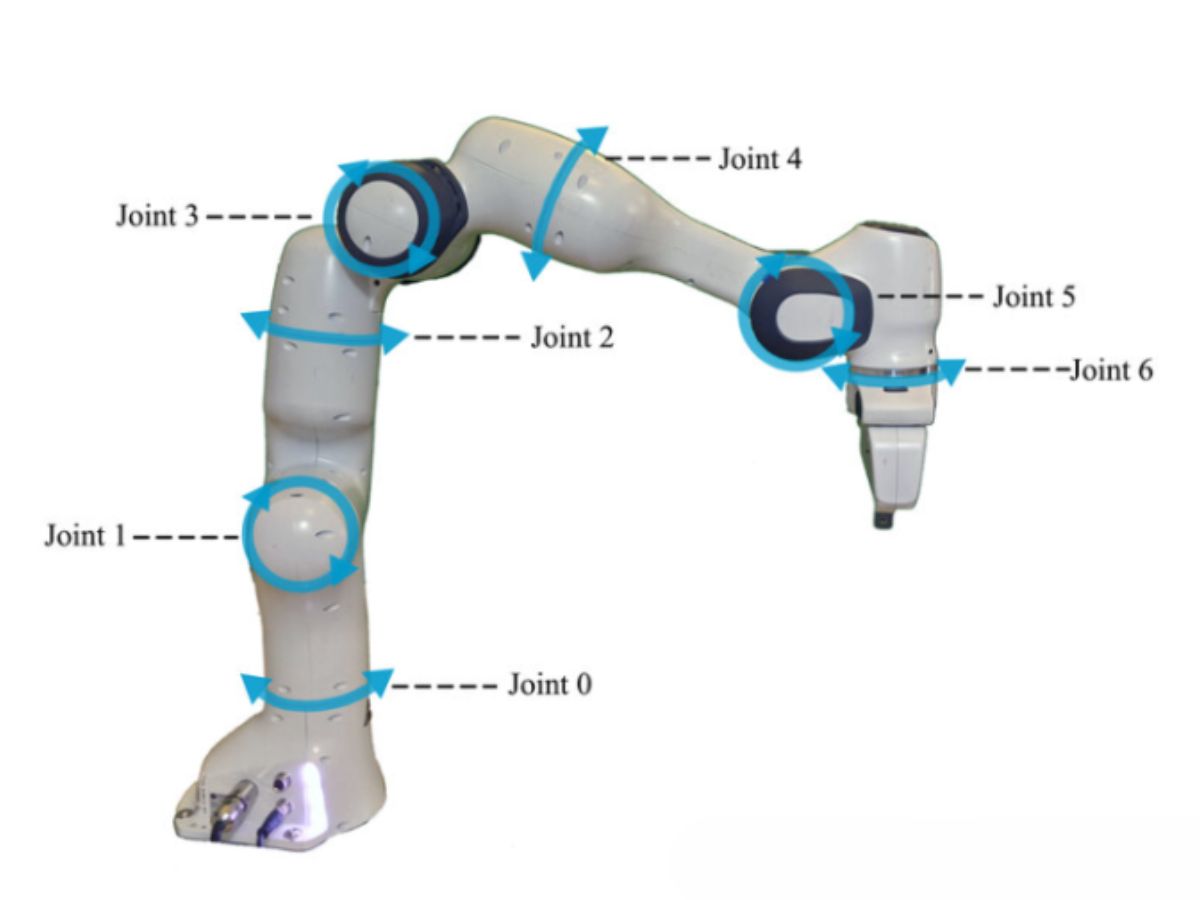
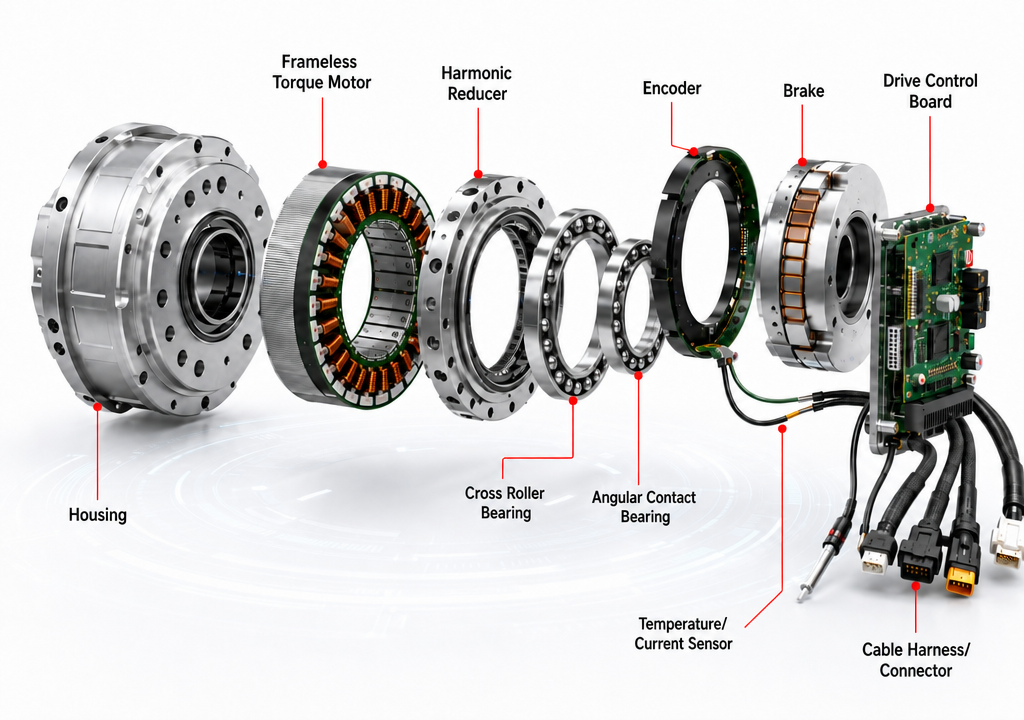
China Implements Zero Tariffs on Machinery Exports to AfricaChina's zero tariffs on machinery exports to Africa boost CNC machine tool competitiveness—5–15% duty savings unlock pricing power, faster tenders & stronger market entry for exporters. What Is the Revolving Joint of a Robot?Structure, Components, and Working Principles Explained?This article will provide you with a comprehensive analysis of a robot's rotary joint, including its integrated components, the role of each component, and how precise control is achieved.
 Which Manufacturers Are Capable of Providing Integrated Frameless Torque Motor and Hollow Rotary Servo Actuator Solutions?A traditional servo rotary actuator consists of a rotor, stator, housing, bearings, end caps, and feedback components. A frameless motor removes all redundant mechanical structures and retains only the electromagnetic conversion core. The rotor becomes a direct part of the load shaft, while the stator is integrated into the machine structure through bonding, locking, or potting.
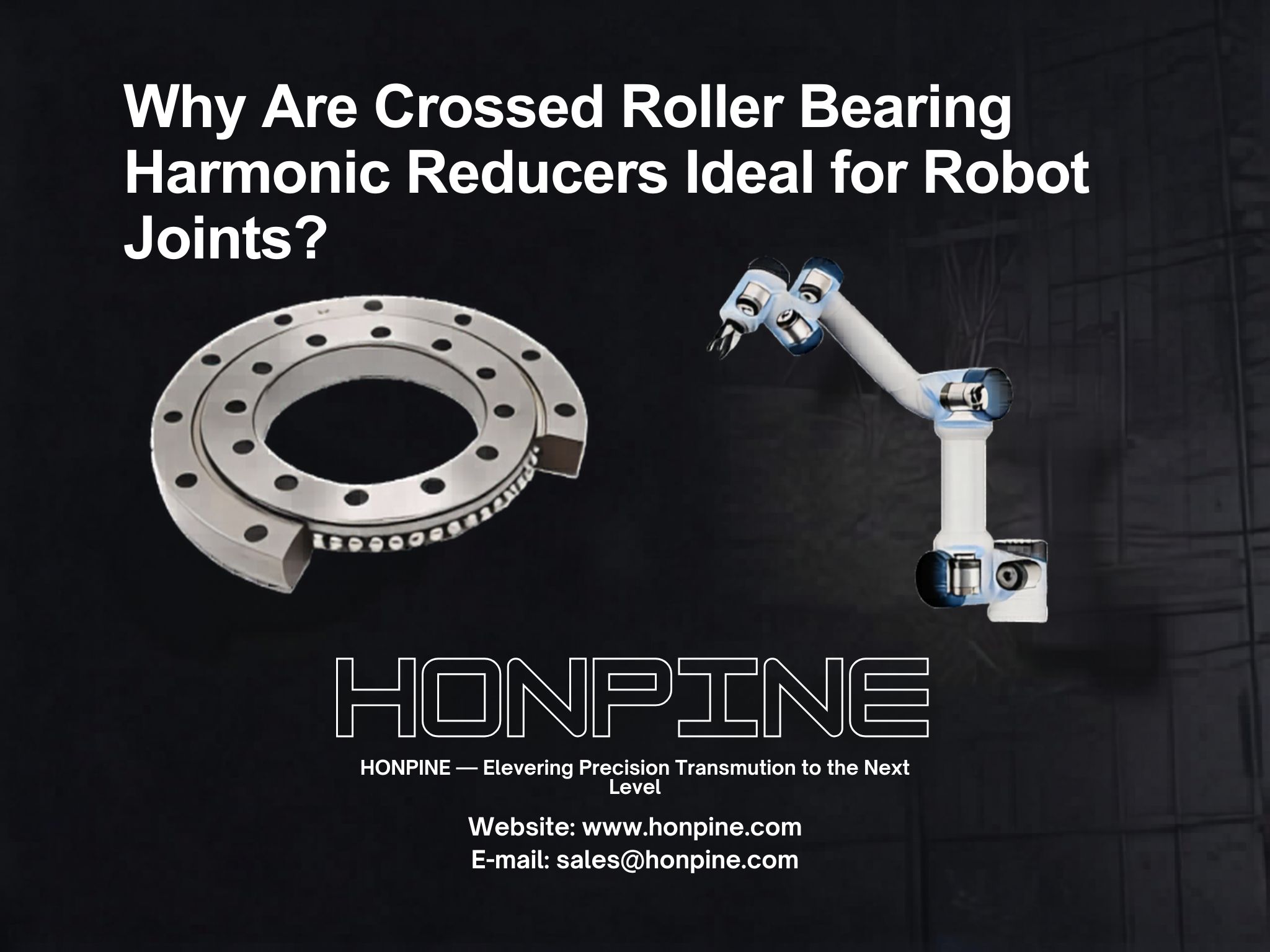
 Why Are Crossed Roller Bearing Harmonic Reducers Ideal for Robot Joints?In robotic harmonic reducers, crossed roller bearings are the key components that ensure motion accuracy and structural rigidity. Their performance directly affects the robot’s repeat positioning accuracy, load capacity, and service life.
 How HONPINE HAG Harmonic Drive Robot Joint Modules Improve Precision, Torque Control, and ReliabilityHONPINE HAG robot joint module is a game-changing innovation developed to meet the emerging demands of the robotics industry. It is a fully closed-loop harmonic robotic joint module.
 Next-Generation Humanoid Robot Joint Design: HONPINE HPJM with Harmonic Drive, Hollow Shaft, and Integrated Encoder ModuleFrom May 8 to 11, 2026, the 22nd Zhengzhou Industrial Equipment Expo (ZIF) was grandly held at the Zhengzhou Zhongyuan International Convention and Exhibition Center (Airport Zone). As one of the highlights of the robotics exhibition hall, HONPINE showcased its latest HPJM Integrated Joint Module series.

Double Click
We provide harmonic drive reducer,planetary reducer,robot joint motor,robot rotary actuators,RV gear reducer,robot end effector,dexterous robot hand
![]() China Implements Zero Tariffs on Machinery Exports to AfricaChina's zero tariffs on machinery exports to Africa boost CNC machine tool competitiveness—5–15% duty savings unlock pricing power, faster tenders & stronger market entry for exporters.
China Implements Zero Tariffs on Machinery Exports to AfricaChina's zero tariffs on machinery exports to Africa boost CNC machine tool competitiveness—5–15% duty savings unlock pricing power, faster tenders & stronger market entry for exporters. Embedded vs. External Torque Sensors in Robotic Joints Module: Engineering Trade-offs and Future TrendsIn recent years, with the rapid growth of humanoid robots and collaborative robots, high-precision force control has become a core capability for achieving compliant and safe interaction. At the heart of this capability lies a critical component inside the robotic joint module: the torque sensor, responsible for perceiving force.
However, the installation method of torque sensors directly determines joint performance, reliability, and cost. Today, two main technical approaches dominate the market: embedded (integrated) and external (add-on) torque sensors.
This distinction goes beyond simply “built-in” versus “attached.” The fundamental difference lies in whether the torque sensing structure is an intrinsic part of the mechanical transmission chain and integrated within the joint itself. A Complete Guide to Choosing Single-Encoder vs. Dual-Encoder Robot Joint ActuatorsIn a robot joint, encoders play a role similar to human vision and proprioception. They continuously measure the position and speed of both the motor rotor and the output shaft, feeding this information back to the controller to form a precise closed-loop control system.
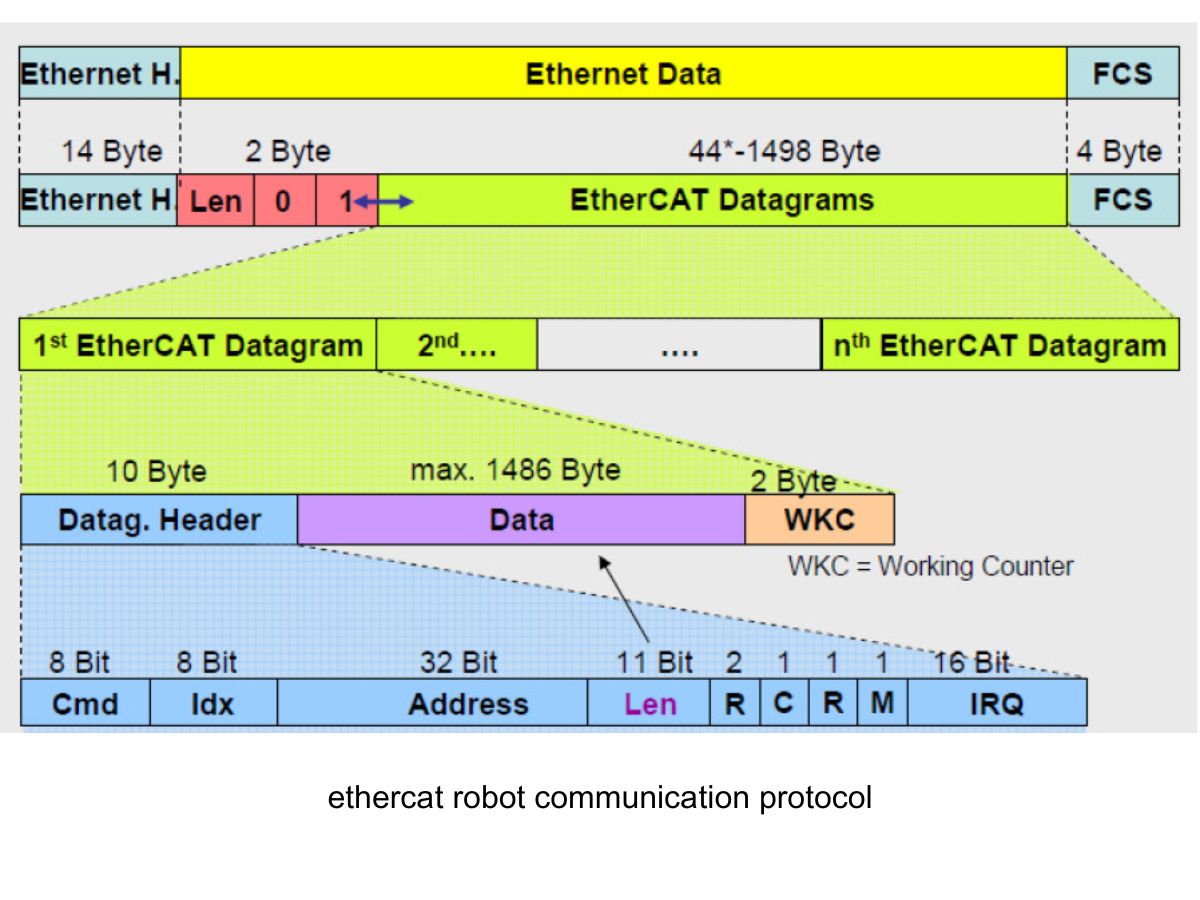
Encoders are also one of the core components of HONPINE joint actuators, directly determining motion accuracy, stability, and safety. Robot Communication Protocols: Why EtherCAT and CAN Are the FutureAccording to statistics released by the EtherCAT Technology Group (ETG) in 2024, EtherCAT has captured 39.2% of the global industrial robot communication protocol market, with an annual growth rate of 12.7%, significantly outperforming other competing protocols. Its advantages are particularly evident in key application scenarios: from multi-joint real-time coordinated control in humanoid robots, to multi-sensor fusion in autonomous driving, and human–machine collaboration in Industry 4.0. EtherCAT is redefining how intelligent systems interact with the physical world.
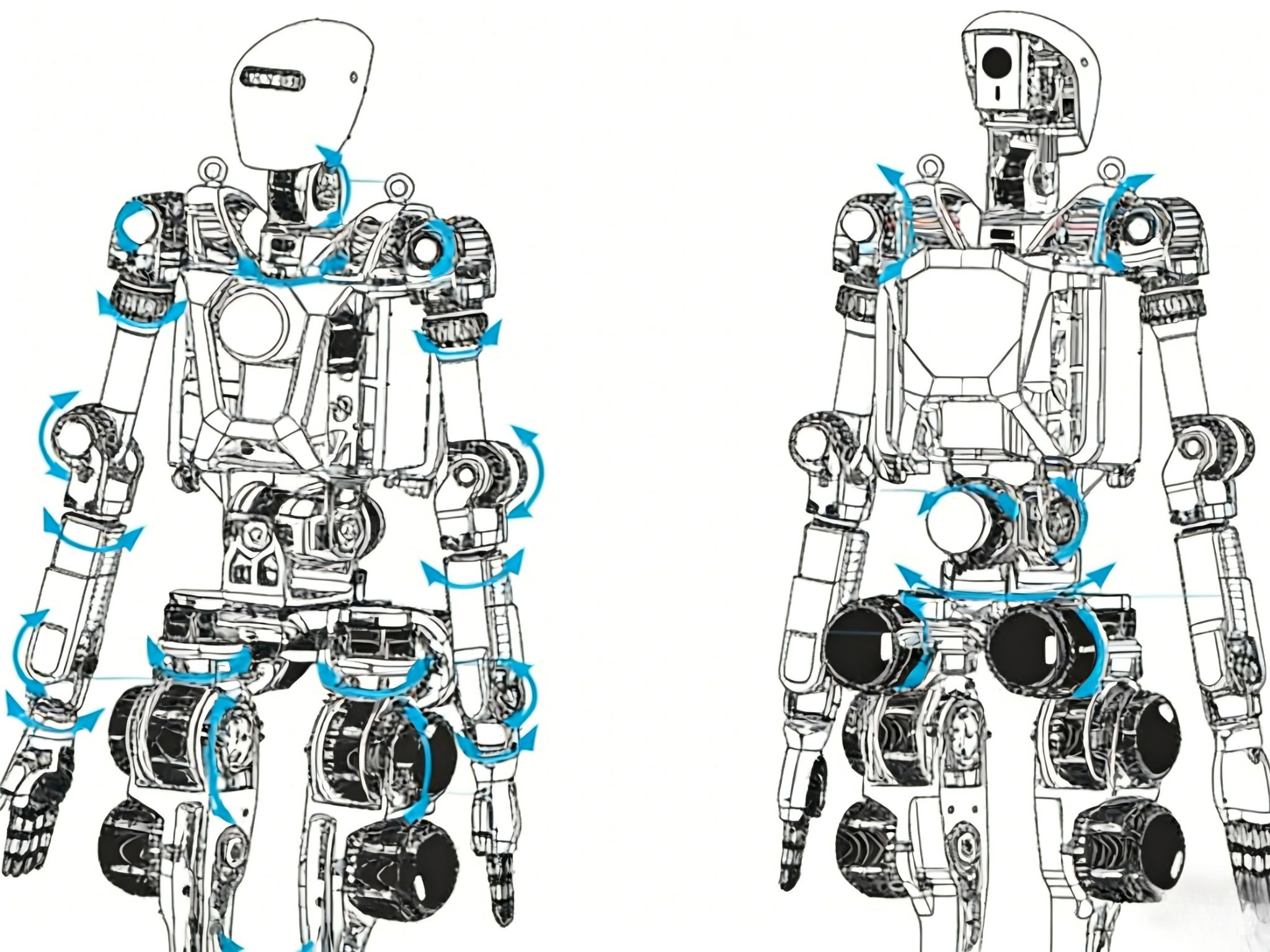
 Why Is It So Difficult for the Price of High-Performance Humanoid Robots to Decrease?And Why Are Harmonic Joint Modules Still Irreplaceable?The core reason lies in one unavoidable requirement: high degrees of freedom.
High DOF is essential for humanoid robots, and this directly leads to harmonic joint modules accounting for a consistently high proportion of total system value. Harmonic Drive Systems VS Nabtesco VS HONPINE Harmonic Drive MotorThe integrated harmonic joint motor is a highly integrated, high-performance robotic joint solution that combines the motor, reducer, encoder, sensors, and other key components into one unit. It provides powerful drive capability and precise motion control for robots. Regarded as the “heart” of humanoid robot motion, it is installed at various joints to control their movement and directly determines the robot’s overall performance. Therefore, choosing a reliable harmonic joint motor is crucial for humanoid robot development.
 How to Find a Reliable Supplier Amid Soaring Demand for Harmonic Drives and Harmonic Actuators?Under the driving forces of AI, embodied intelligence, and other key technologies, the humanoid robot industry is experiencing explosive growth. The demand for harmonic drives and harmonic actuators has surged accordingly, making it increasingly difficult for machinery companies to find reliable suppliers. So, how is HONPINE responding to this surge in demand?
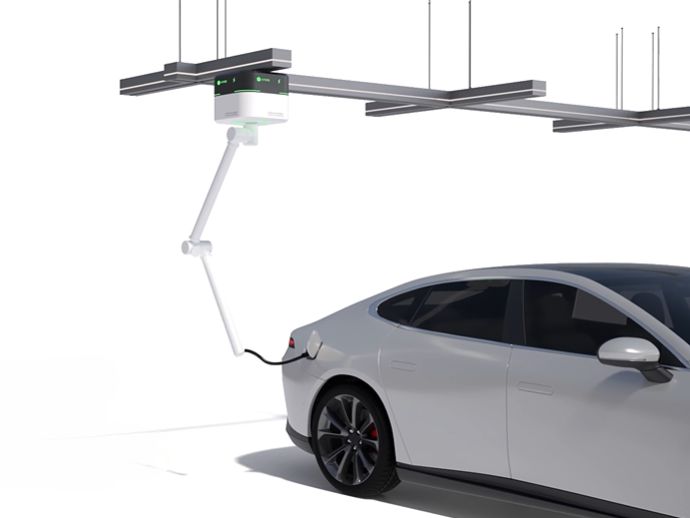
 Harmonic Rotary Actuator Helps Implement the World’s First Track-Changing Aerial Mobile Smart EV DC Charging StationChina’s first track-changing aerial mobile smart EV DC charging station has begun trial operations in over 10 cities. This project utilizes three major technologies: aerial track free lane switching, AI robotic automatic charging, and suspended installation design. The high precision, high torque, and lightweight characteristics of the harmonic rotary actuator have been crucial to the successful implementation of this project.
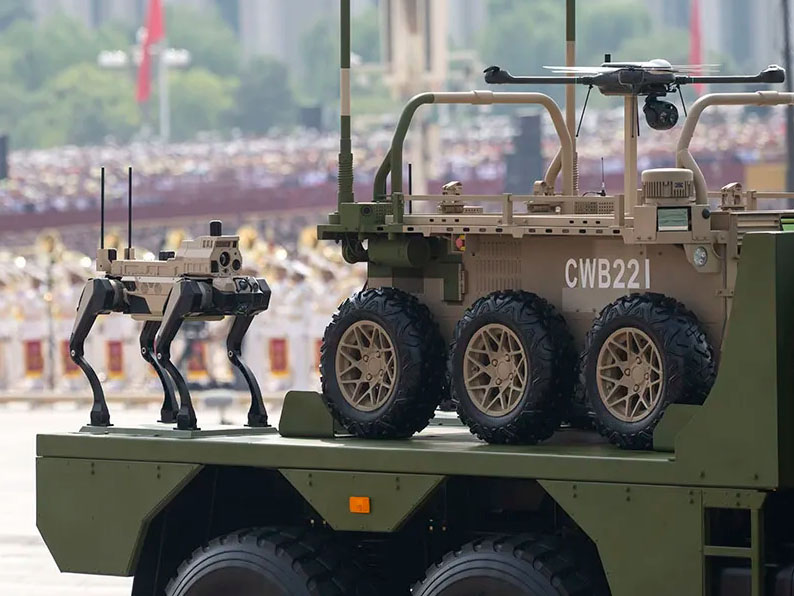
 Robot Dogs with Planetary Joint Motors Performed Well in China's 93rd Victory DayOn September 3, 2025, China held a large-scale military parade for 93rd victory day, during which it showcased the "Mechanical Wolf," a robotic dog belonging to the Army's unmanned combat unit. The HONPINE planetary joint motor perfectly matches the joint requirements of robot dogs.
 Robot Joint Motors Empower Robots with Flexible Movement in Multiple Degrees of FreedomRobot Joint motors can be freely combined to form multi-degree-of-freedom (DOF) robotic arms and serve as the internal framework for service robots, breaking the industry's conventional product design paradigms. They not only meet performance requirements but also foster innovation within the sector. For instance, the smallest models can be applied in gimbals and drones, while the largest models are suitable for humanoid robots and robotic arms. Applications span industrial robots, civilian service robots, specialized robots, machining industries, precision instruments, transportation vehicles, and medical equipment.
 How High-Precision Reducers Drive the Development of Intelligent Manufacturing TechnologyPrecision reducers are key enablers in intelligent manufacturing, providing the critical link between digital algorithms and physical motion. They ensure high-accuracy positioning in laser/visual navigation systems, enable precise wheel control in mobile robots, and guarantee repeatable motion in robotic arms. Their near-zero backlash characteristics allow manufacturers to achieve unprecedented levels of automation precision and reliability.
 Trends in Humanoid Robotics from WAIC 2025: High Torque Micromotors for Robotic Joints Become MainstreamAt the 2025 World Artificial Intelligence Conference (WAIC), official data showed over 150 humanoid robots were exhibited simultaneously, with numerous manufacturers showcasing their products' comprehensive capabilities and latest achievements. The exhibition demonstrated significant expansion in humanoid robots' application scenarios, with major exhibitors presenting cutting-edge research outcomes and remarkably rapid technological iterations. Compared to last year, this year's robots are more lightweight, precise, and dynamic, with increasing adoption of high-torque micro motors in robotic joints.