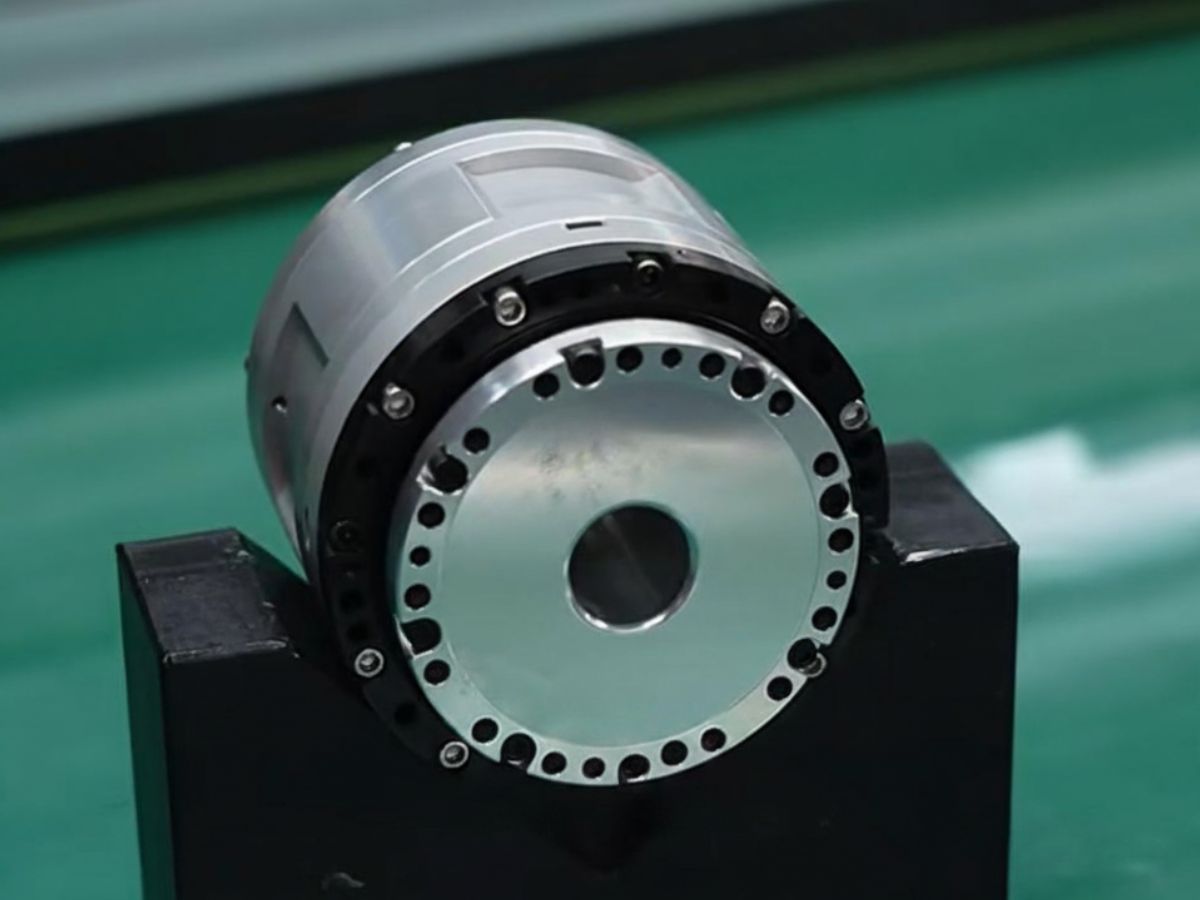









Why HONPINE TCHL Harmonic Gear Motor Is Ideal for Humanoid Robots?
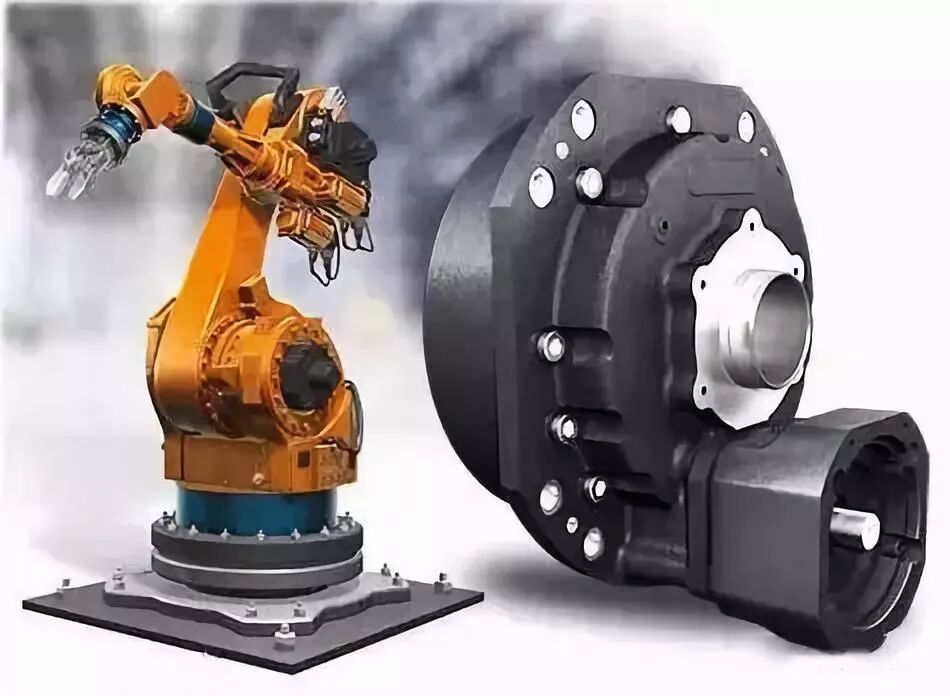
In the field of humanoid robots, harmonic joints are critical components whose performance and design directly affect a robot’s flexibility, load capacity, and cost efficiency. This article introduces why the HONPINE TCHL harmonic gear motor is well suited for humanoid robots.
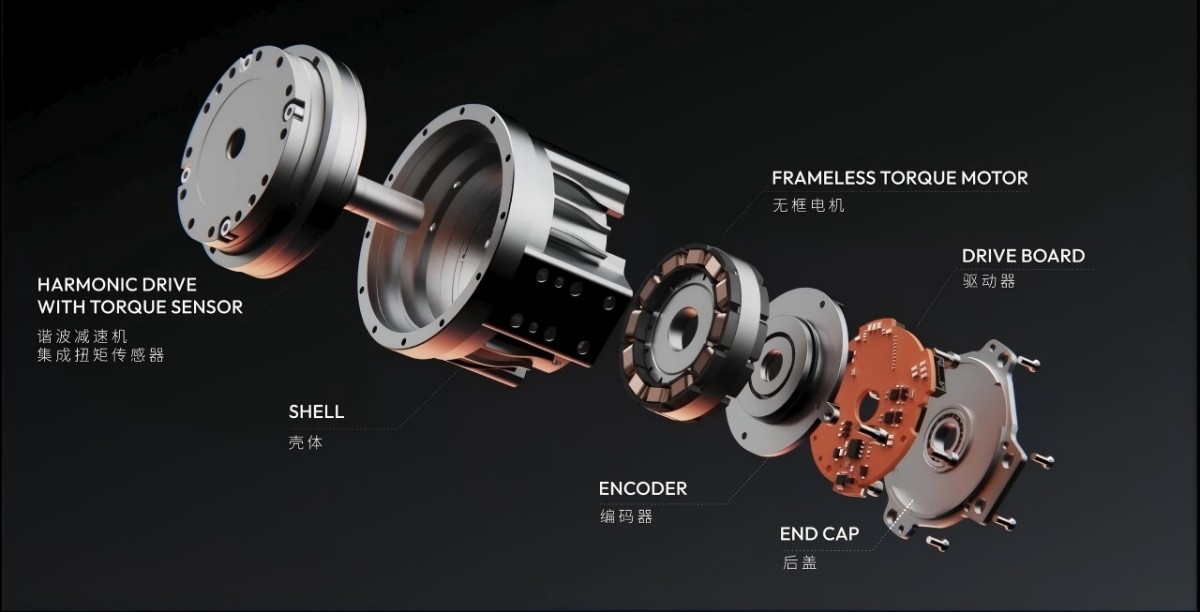
What are the outstanding features of the TCHL harmonic gear motor?
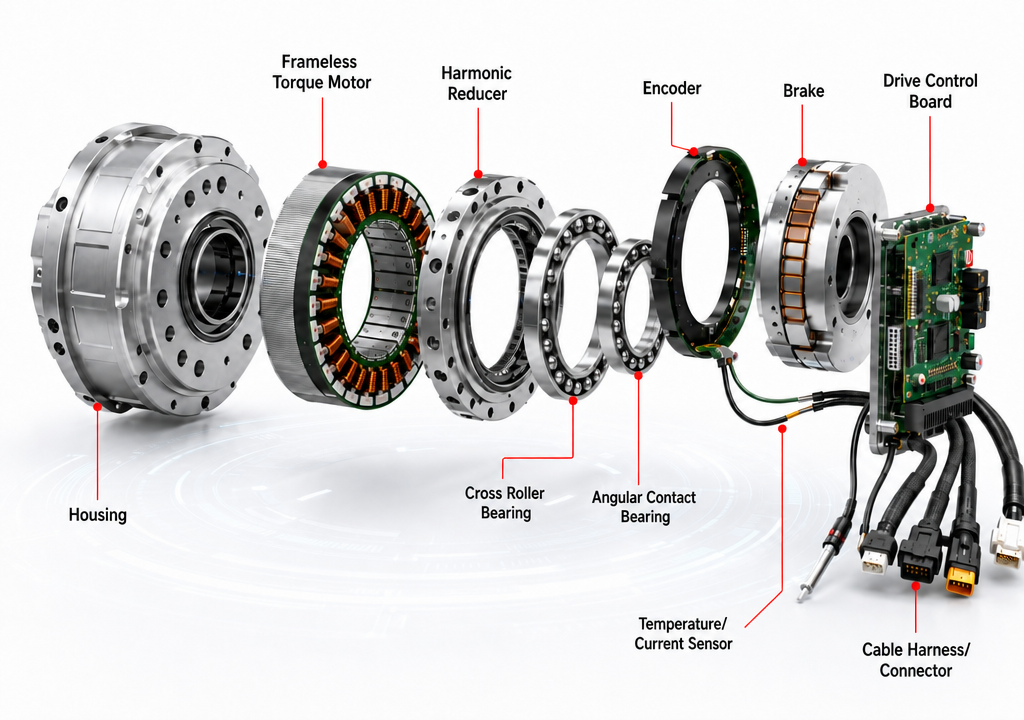
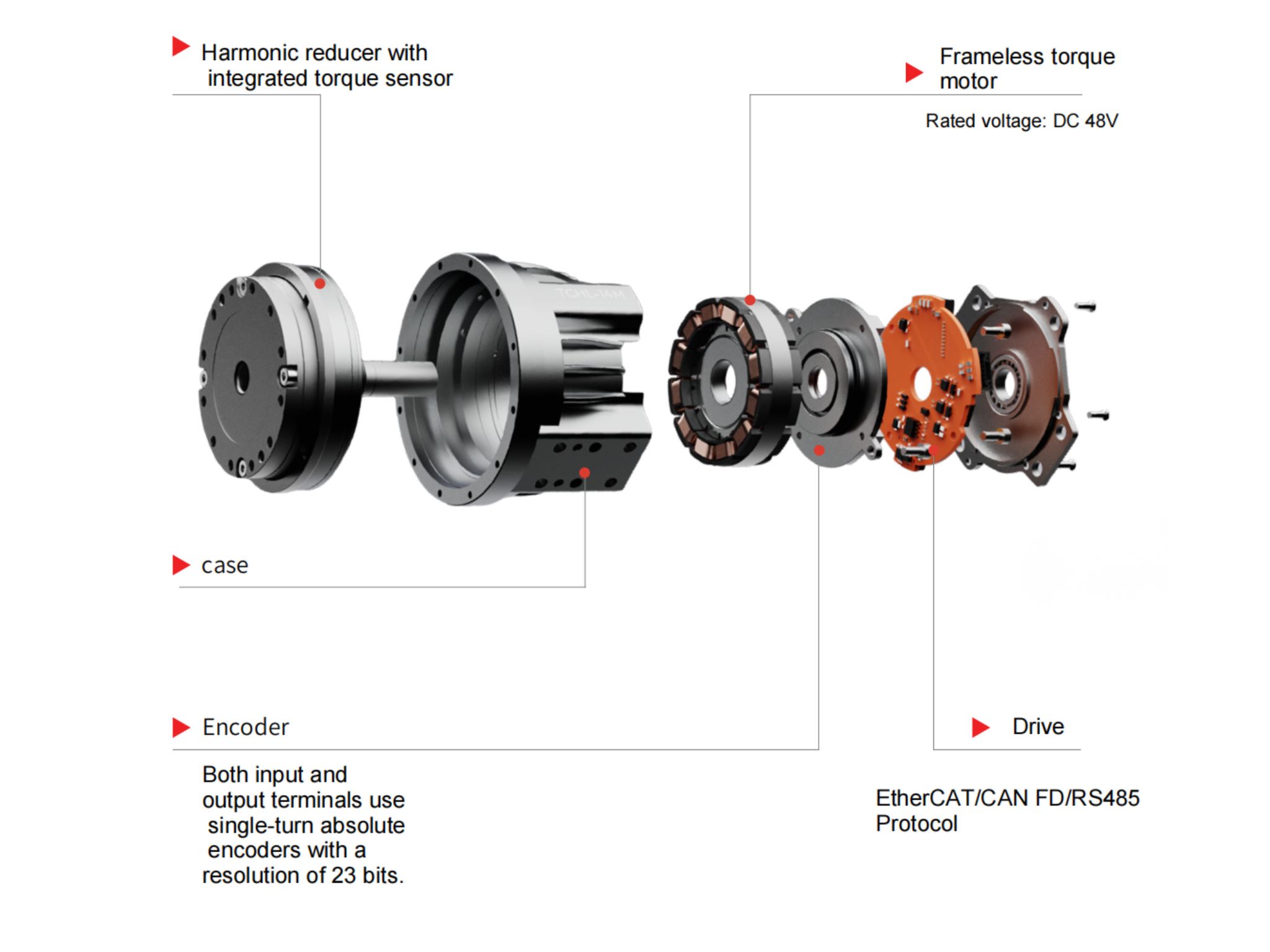
The TCHL harmonic rotary joint module demonstrates outstanding performance and autonomy. Despite its compact size, it achieves +15% higher torque and ultra-high precision of ±5 arcseconds, while reducing axial dimensions by 10%, making it ideal for space-constrained applications. Its large hollow through-hole design reserves wiring space, and when combined with vibration suppression algorithms, it simplifies system design while improving operational stability.
Why are TCHL harmonic gear motor modules commonly used in humanoid robot arms and waists?
From a product performance perspective, the newly launched harmonic gear motor modules mentioned above all emphasize reduced weight and size, as well as improvements in power density, torque density, positioning accuracy, and torque output. Some companies also highlight enhanced protection ratings, improved heat dissipation efficiency, and reduced torque fluctuation.
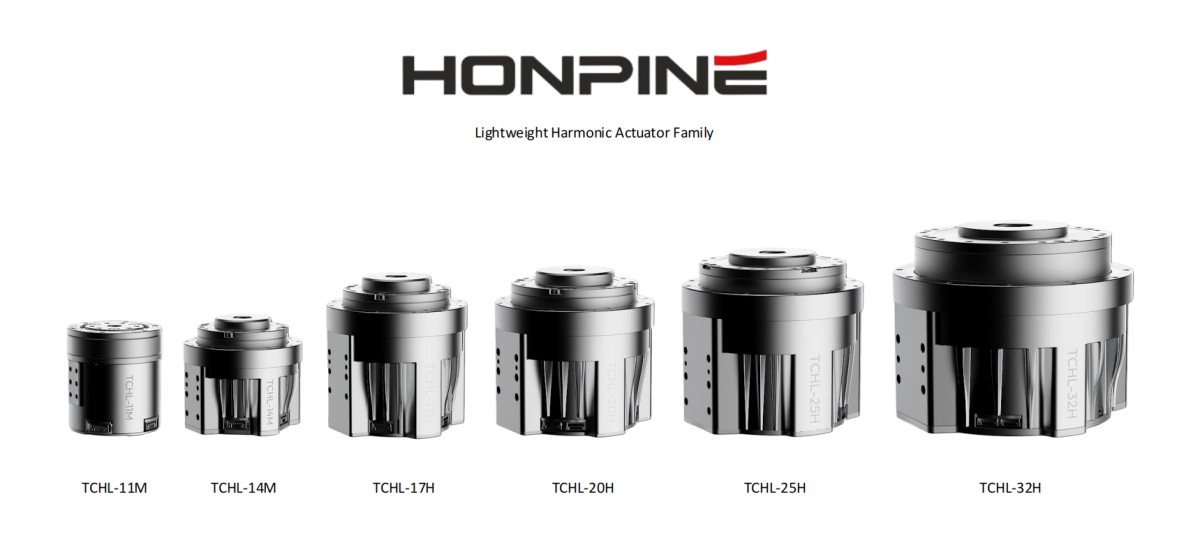 Among these factors, further reductions in weight and size amplify the advantages of harmonic gear motor modules in humanoid robot applications. Improved positioning accuracy helps humanoid robots execute tasks with greater precision.
Enhanced protection ratings and heat dissipation efficiency also help address the material fatigue and wear issues commonly associated with these products.
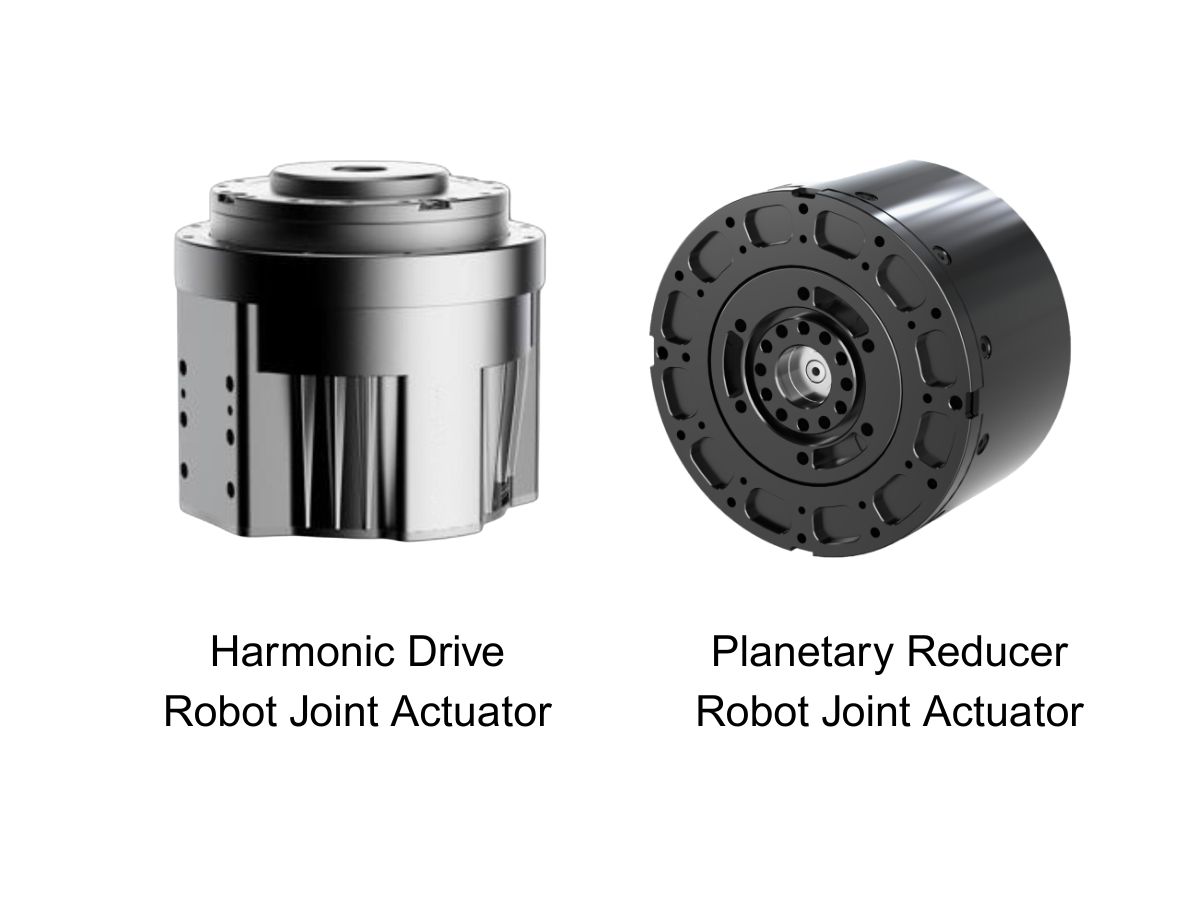
Comparison of development trends between planetary gear motors and harmonic gear motors
It is worth noting that harmonic gear motor modules are gradually absorbing and integrating certain advantages of planetary gear motors through continuous performance optimization.
Traditionally, planetary gear motors have demonstrated significant flexibility advantages, especially in robot legs, fingers, and other joints requiring higher speed. They are characterized by high load capacity, strong wear resistance, and lower reduction ratios.
Looking at new planetary gear motor products in 2025, “weight reduction” is also a major focus. This is mainly achieved through the use of new lightweight materials, more compact structural designs, and improved space utilization. In terms of performance, advances in cooling, noise reduction, higher thrust density, and increased peak torque have become key areas of innovation.
It can be seen that planetary gear motors are also evolving technologically and continuously moving closer to the strengths traditionally associated with harmonic gear motors. This is a positive development. From the technological competition and collaboration surrounding joint modules — the “hidden protagonists” — it is clear that these new products are not the result of isolated hardware improvements. Instead, they are part of a systematic engineering evolution driven by complete robot system requirements and upstream-downstream industry collaboration. Through competition, mutual learning, and integration, these technologies are jointly pushing the performance limits of motion execution components.
In the future, as joint modules continue to achieve breakthroughs in precision, load capacity, and energy efficiency, the motion capabilities and application scenarios of humanoid robots will expand even further. The foundation of this progress lies deeply within these continuously operating “joints.”

About Author
Theodore Li serves as the Technical Director at HONPINE, overseeing the R&D strategy for replication products, guiding team selection, and managing both pre-sales and after-sales operations.

Read More
Learn more about the story of HONPINE and industry trends related to precision transmission.
 What is robot joint actuator?How to Choose the Best Robot Rotary Joint Actuator?In core robot joint transmission solutions, planetary and harmonic rotary actuators each have their own strengths. Choosing the right type based on application requirements is essential to achieve the optimal balance between performance and cost.
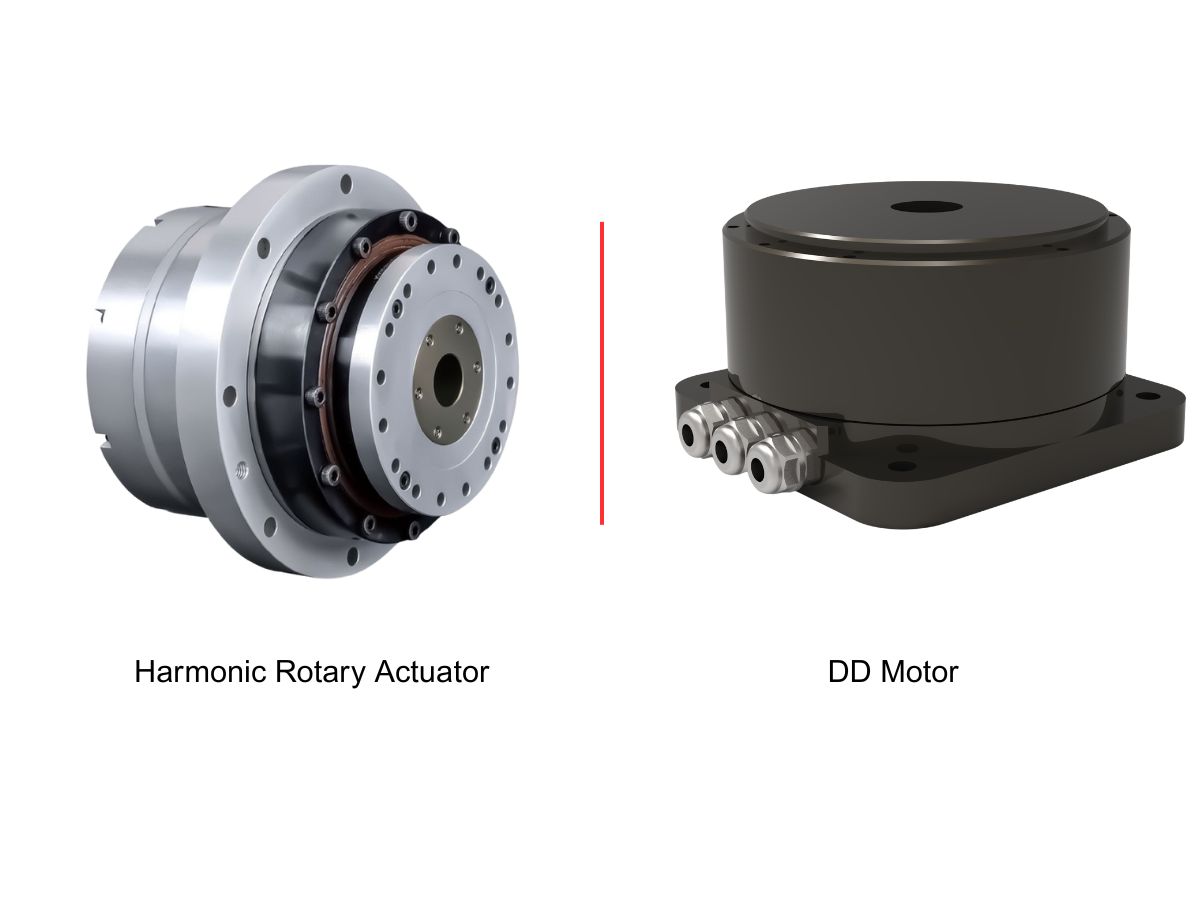
 DD Motors VS Harmonic Rotary ActuatorsThis article provides an in-depth comparison between Direct Drive (DD) motors and harmonic rotary actuators, covering their transmission principles, advantages and disadvantages, and typical application fields.
 OMG Ultra Compact Harmonic Drive Joint Module with Built-in Torque SensorHONPINE TCHL series harmonic drive joint module is a game-changing product that achieves disruptive improvements in multiple aspects such as lightweight design, integration level, and connection convenience. This article will analyze its revolutionary enhancements with you.
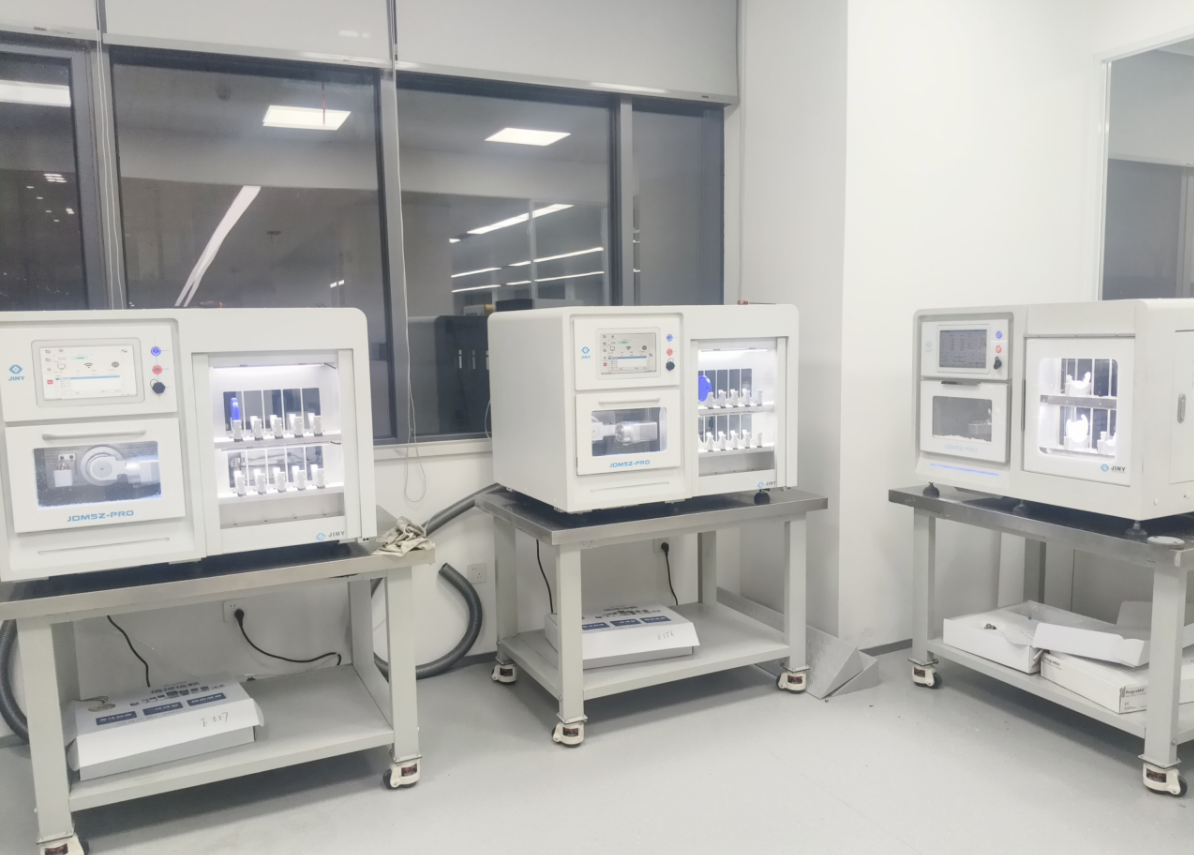
 The Role of Harmonic Drive Gears in Achieving 5–10 μm Accuracy in Dental Milling MachinesA dental milling machine is a CNC machining system used to directly process digital dental models into restorations such as crowns, bridges, veneers, inlays, and implant abutments. Dental milling machines require far higher operational accuracy and motion stability than ordinary equipment. This article explains how harmonic drive gear help dental milling machines achieve stable, continuous, and controllable operation.
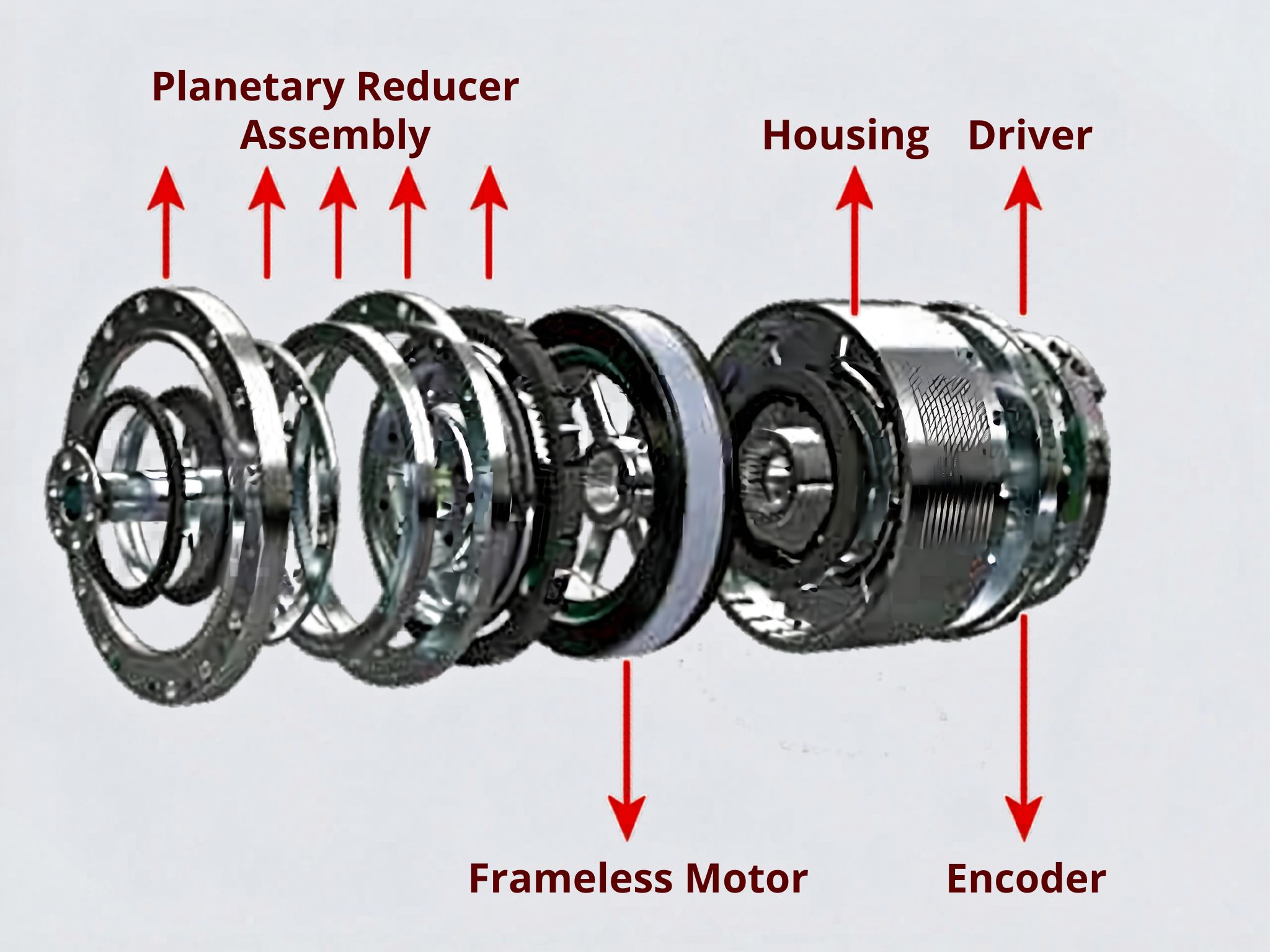
 Why Are Harmonic Rotary Actuators Perfect for Medical Equipment?Harmonic rotary actuators (typically integrated systems consisting of a harmonic drive reducer, frameless torque motor, encoder, and optional brake) are regarded as key components in medical equipment. The core reason is that they simultaneously meet the most stringent medical requirements for precision, compact size, safety, and controllability. The following explanation is structured from three perspectives: technical characteristics, application scenarios, and medical value.
 High-Precision RV Reducers Perfectly Matched for Walking RobotsThe walking axis of a robot is a core component for power transmission and support. RV reducers provide extremely high rigidity, precision, and torque while maintaining a compact size and exceptional reliability, making them an ideal match for the demanding requirements of walking robot joints in terms of load capacity, impact resistance, and precision.
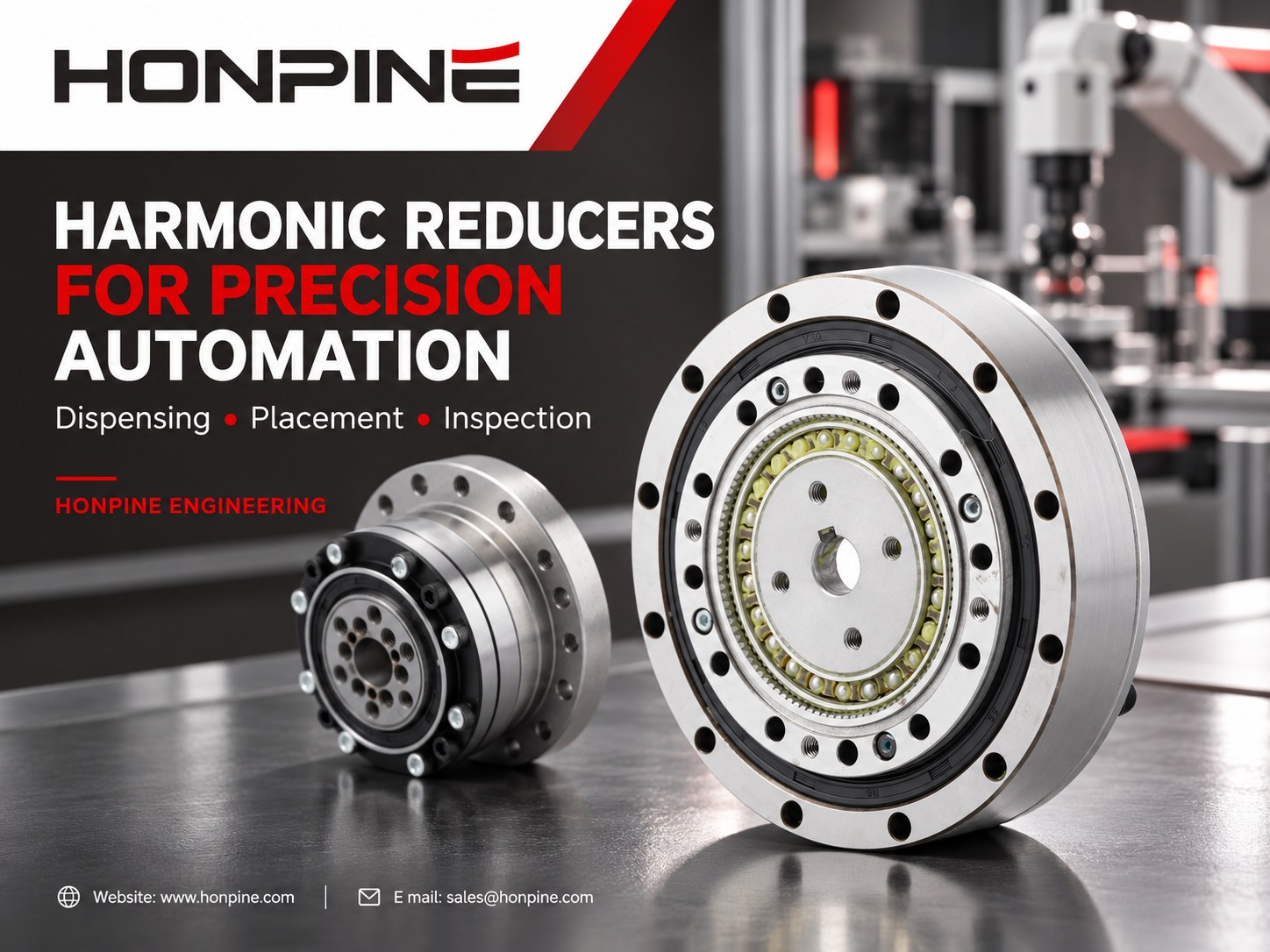
 Why Are Harmonic Reducers Suitable for High-Precision Automation Equipment?Precision automation equipment depends on consistent rotary motion, reliable positioning and compact transmission design. From dispensing head orientation and component angular alignment to automated inspection indexing, harmonic reducers offer a practical solution for applications requiring low backlash and high reduction ratios in limited installation space. This article explains how harmonic reducers support repeatable motion, compares key design configurations, and outlines how to select a suitable reduction ratio and reducer structure based on load, speed, accuracy and machine cycle-time requirements.
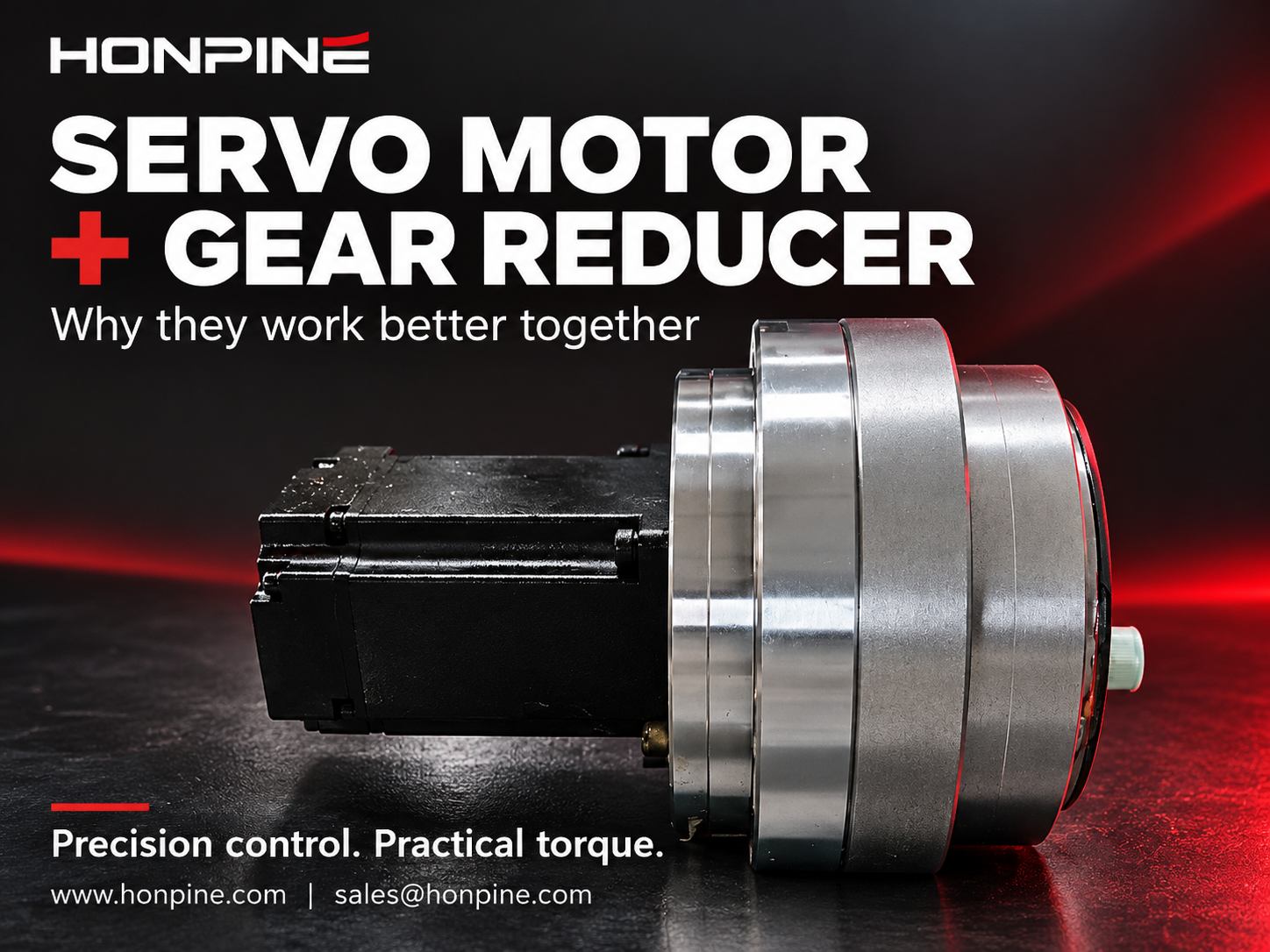
 Why Are Servo Motors and Gear Reducers an Ideal Match?Servo motors provide fast, precise motion control, while gear reducers adapt their speed and torque to the load. This guide explains how servo motors and gear reducers work together through torque multiplication, reflected inertia reduction and finer theoretical position resolution. Learn how inertia matching, backlash, torsional stiffness and reduction ratio influence performance in robotics and industrial automation.
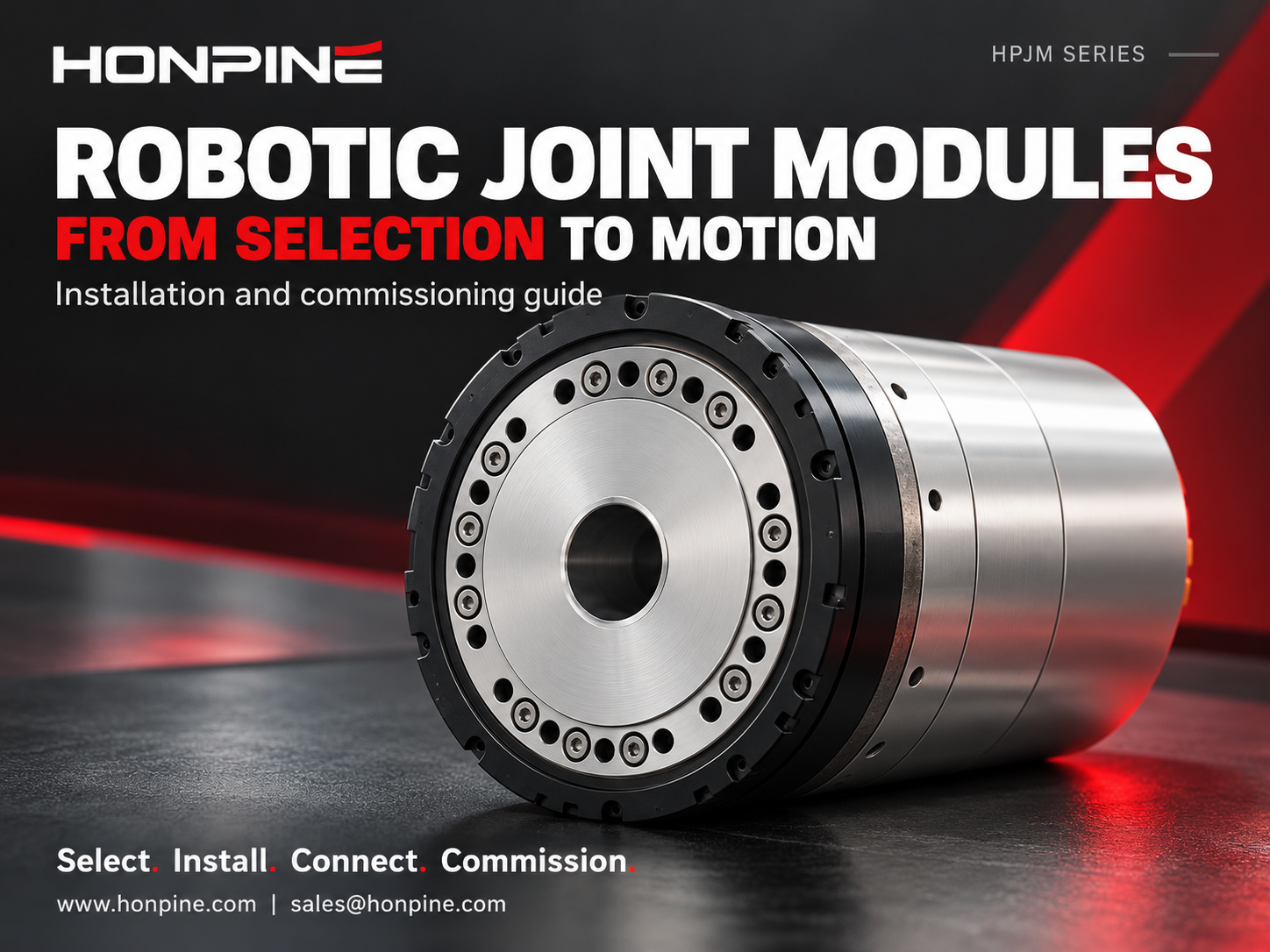
 How to Select and Use Robotic Joint Modules?How do you take robotic joint modules from selection to controlled motion? Using the HONPINE HPJM harmonic joint module as an example, Technical Director Theodore Li explains the key steps in mechanical installation, electrical wiring, CAN and EtherCAT configuration, and control commissioning. Learn what to confirm before integration and how to approach setup so each joint can respond correctly to your controller.
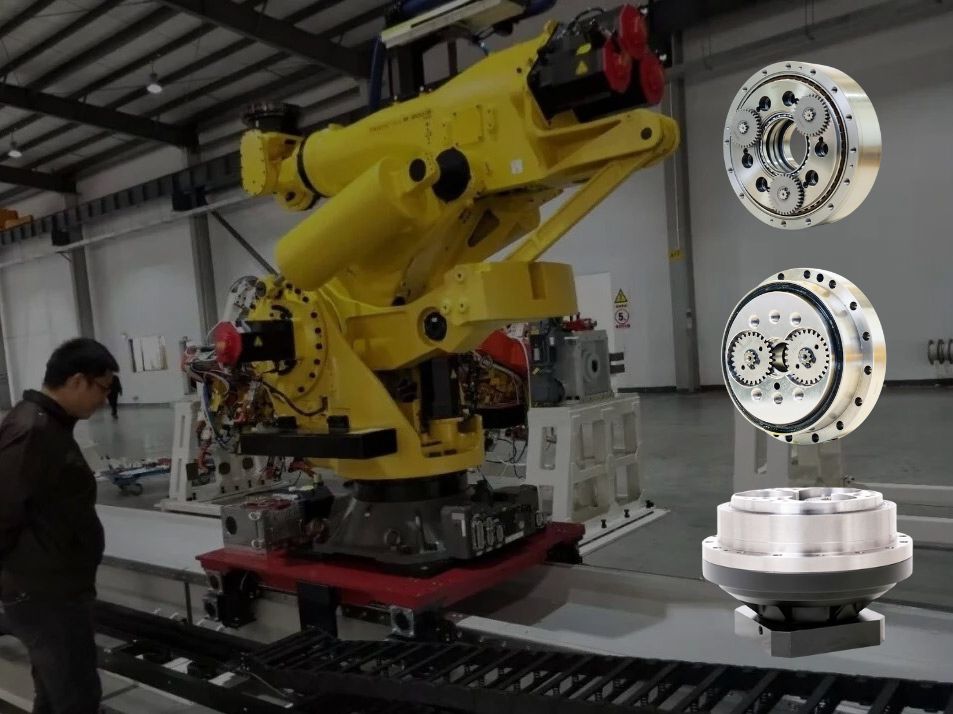
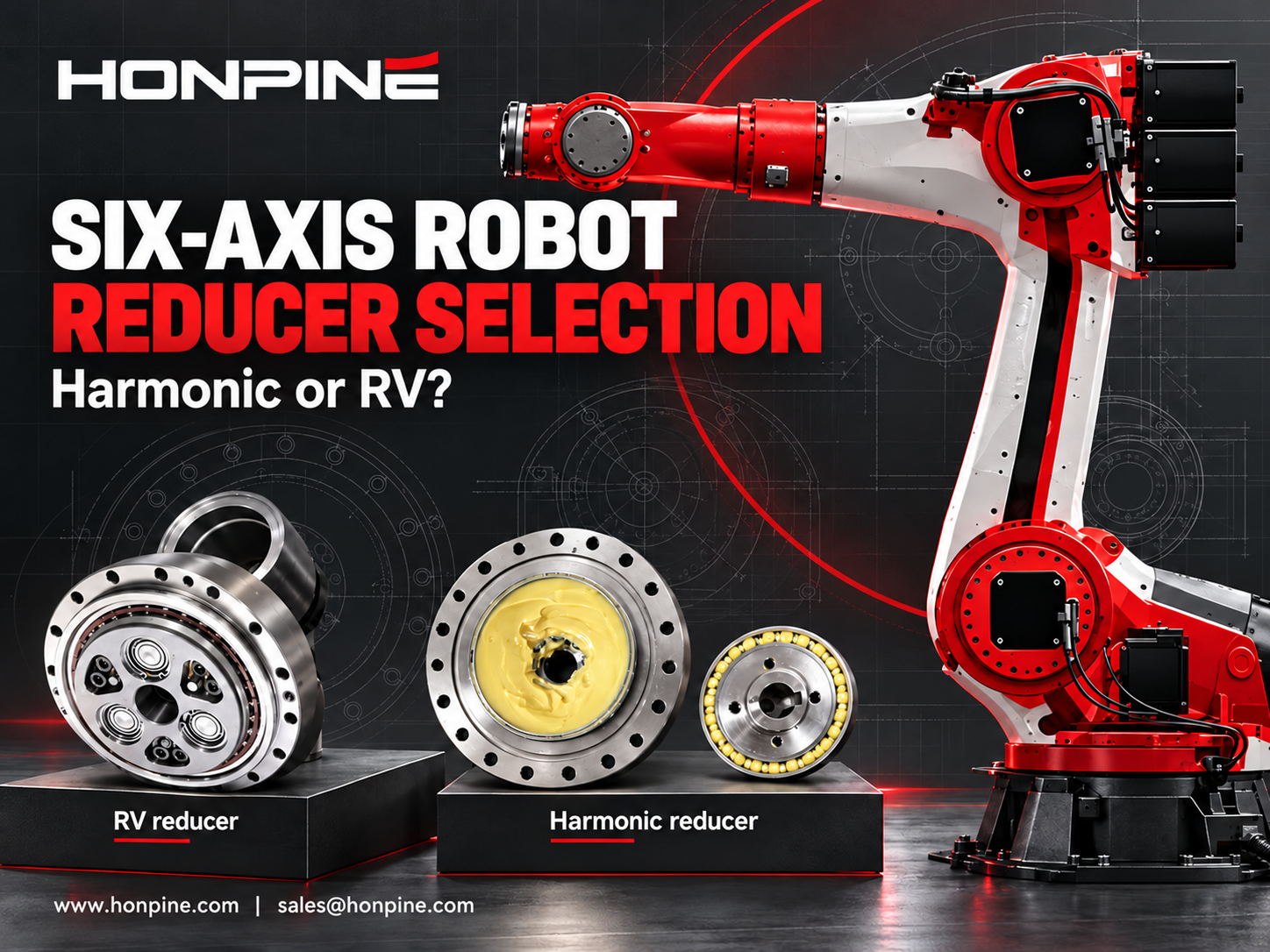
 How to Select Harmonic and RV Reducers for Each Axis of a Six-Axis Robot?What determines whether a six-axis robot joint needs a harmonic reducer or an RV reducer? The answer depends on torque, inertia, impact loads, bearing loads and installation space. This guide explains how to evaluate harmonic and RV reducers for the base, shoulder, elbow and wrist, with practical checks for stiffness, backlash and service life. Use the requirements of each axis to select a suitable reducer configuration.
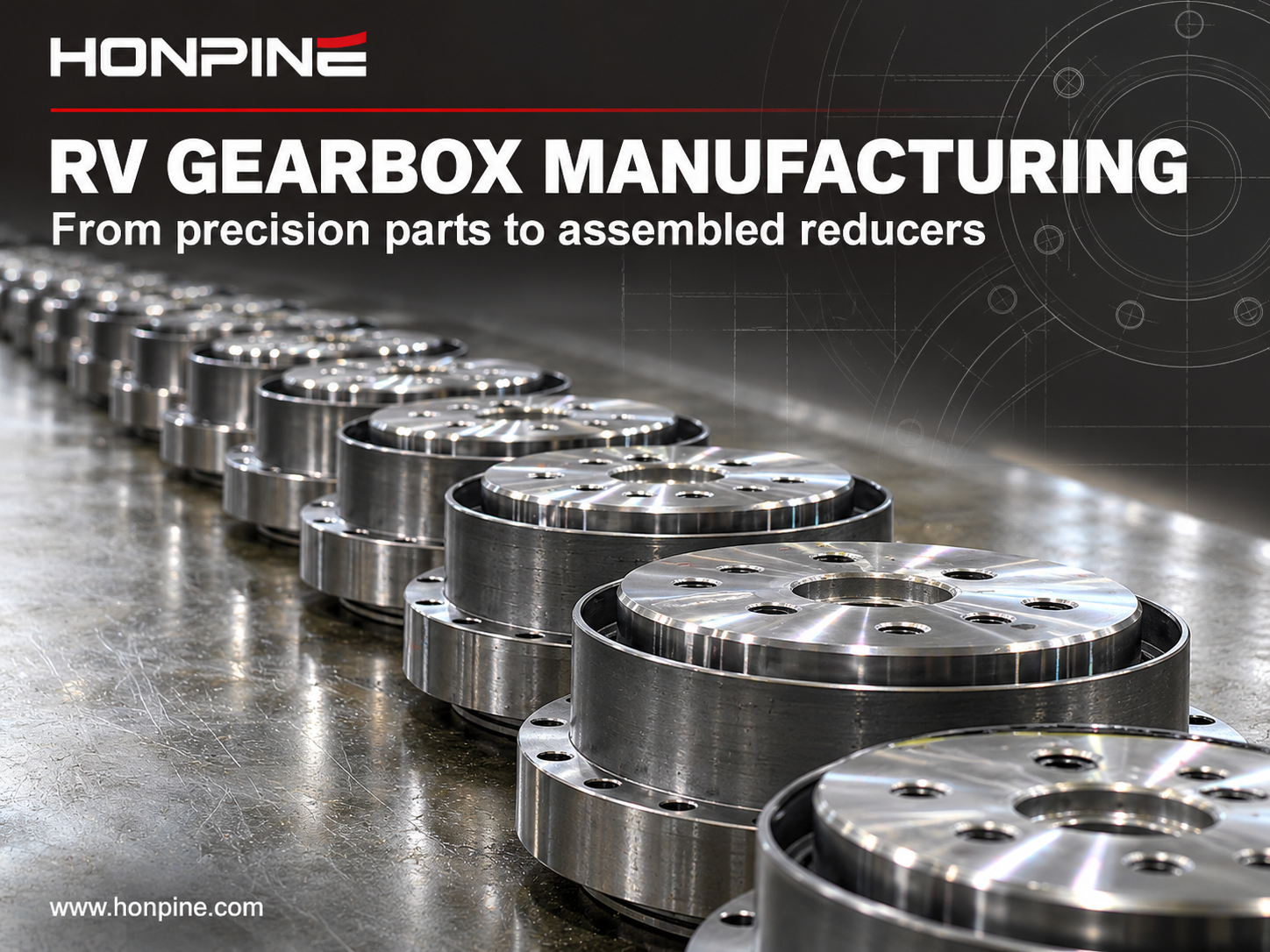
 Top 7 RV Reducer Gearbox Manufacturers: Why Does Nabtesco Still Dominate?What sets RV reducer gearbox manufacturers apart, and why does Nabtesco remain a benchmark in this market? RV reducer production demands precise component machining, careful assembly and extensive engineering know-how. This article introduces seven manufacturers across RV reducers and related transmission technologies, examines the strengths behind Nabtesco's position, and explores HONPINE's development capabilities to help you understand the supplier landscape.
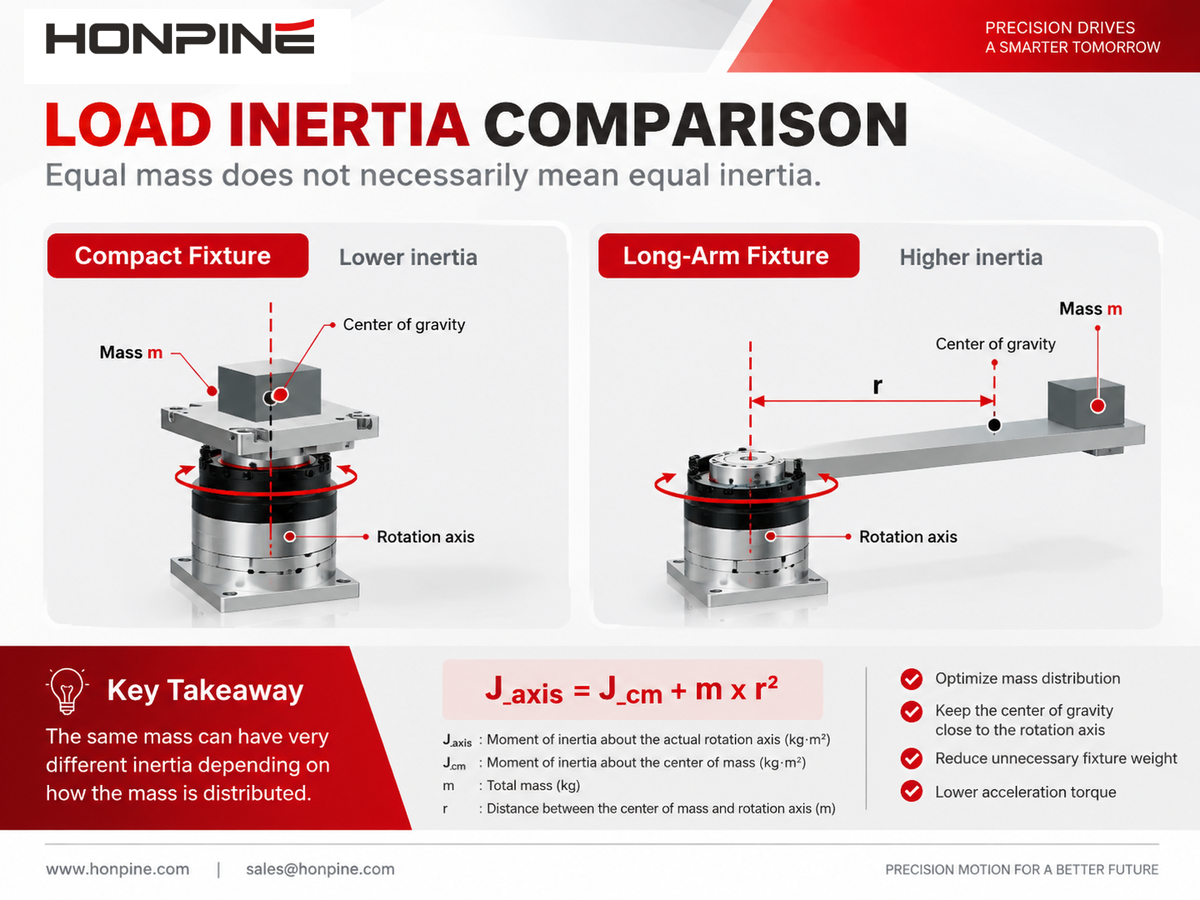
 How to Calculate Torque for a Harmonic Rotary Actuator in a Flipping Mechanism?How much torque does a harmonic rotary actuator need to flip a 10 kg load through 180 degrees? The answer depends on more than weight. Center-of-gravity offset, load inertia, acceleration and operating frequency all affect actuator selection. In this guide, Theodore Li, Technical Director at HONPINE, explains the calculation process using a horizontal-axis flipping example and outlines the checks needed for peak torque, continuous operation, output speed and bearing loads.
Double Click
We provide harmonic drive reducer,planetary reducer,robot joint motor,robot rotary actuators,RV gear reducer,robot end effector,dexterous robot hand
 What is robot joint actuator?How to Choose the Best Robot Rotary Joint Actuator?In core robot joint transmission solutions, planetary and harmonic rotary actuators each have their own strengths. Choosing the right type based on application requirements is essential to achieve the optimal balance between performance and cost.
 Harmonic Rotary Actuators for Semiconductor Equipment: Precision Motion, Hollow-Shaft Design and FOC ControlHello everyone, I’m Theodore Li, Technical Director at HONPINE. In semiconductor manufacturing equipment, rotary motion is not simply about making a mechanism rotate. Limited installation space, cable and tube routing, low-speed stability, precise positioning and continuously adjustable motion profiles can all influence the performance of the machine. This is why harmonic rotary actuators are becoming an important motion solution for semiconductor equipment. In this article, I will discuss how harmonic transmission, FOC-based motor control, encoder feedback, large hollow-shaft design and flexible mechanical interfaces work together to meet practical semiconductor motion requirements, based on our experience with developing equipment, overhead transport, wafer handling, cleaning and crystal-growth applications.
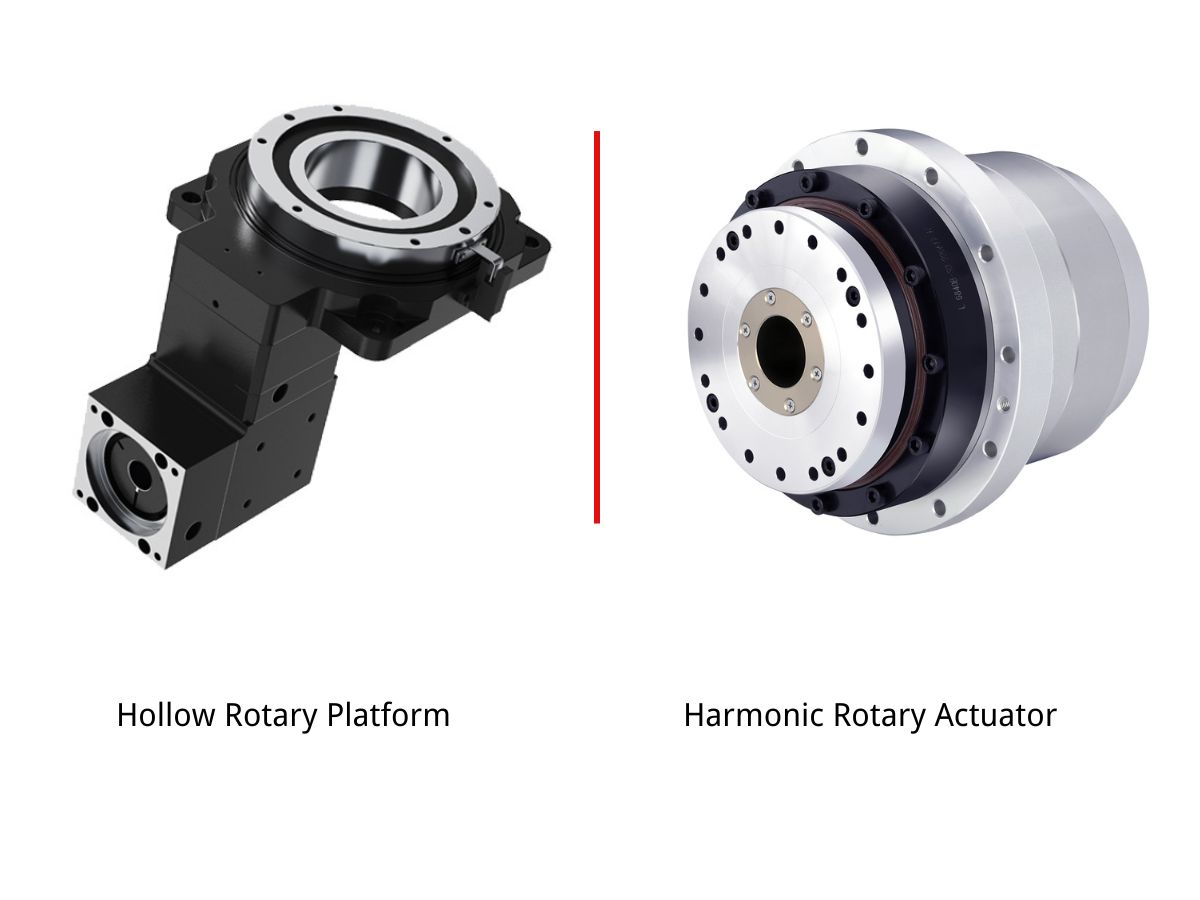
 Hollow Rotary Platform vs. Harmonic Rotary Actuator: Application Comparison and InterchangeabilityHello everyone, I’m Theodore Li, Technical Director at HONPINE. For engineers designing precision rotary stations for industrial automation, one question often comes up: when a machine requires high-precision rotation, indexing, or rotary positioning, should you choose a hollow rotary platform or a harmonic rotary actuator? Can they be used interchangeably? Although both are precision rotary motion solutions, their mechanical structures and application characteristics are quite different. In actual equipment, choosing the wrong solution can lead to insufficient load capacity, inadequate rigidity, vibration, speed limitations, or reduced service life. In this article, I’ll compare their application characteristics and explain where they can be used interchangeably, where one is more suitable than the other, and what engineers should check before making a replacement.
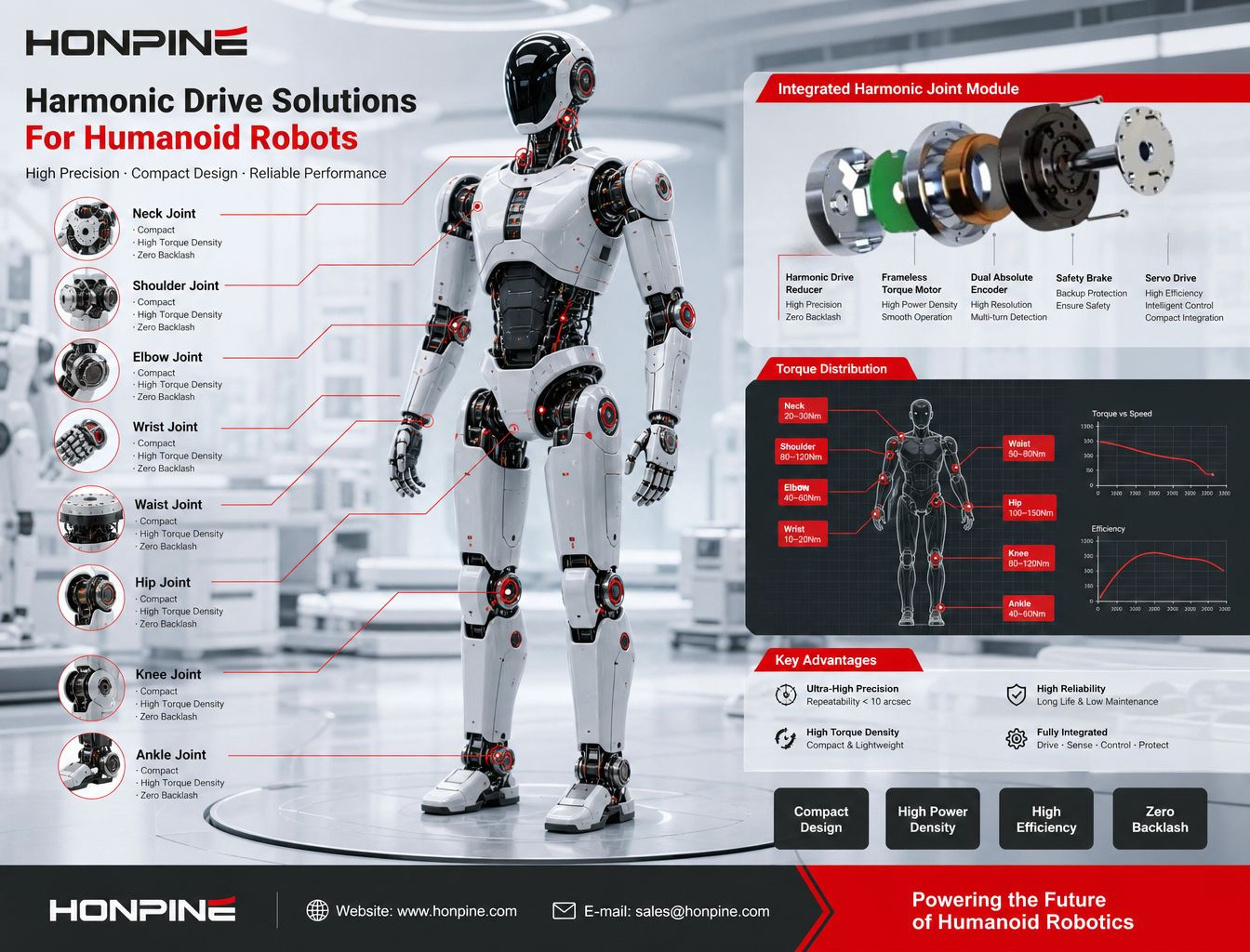
 Humanoid Robot Joint Module Selection Guide: Choosing the Right Harmonic Joint Module for Every Robot JointSelecting the right joint module is one of the most important decisions in humanoid robot design.
Different robot joints require different levels of torque, speed, stiffness, and payload capacity. Using the same actuator throughout the robot often increases weight, reduces efficiency, and limits motion performance.
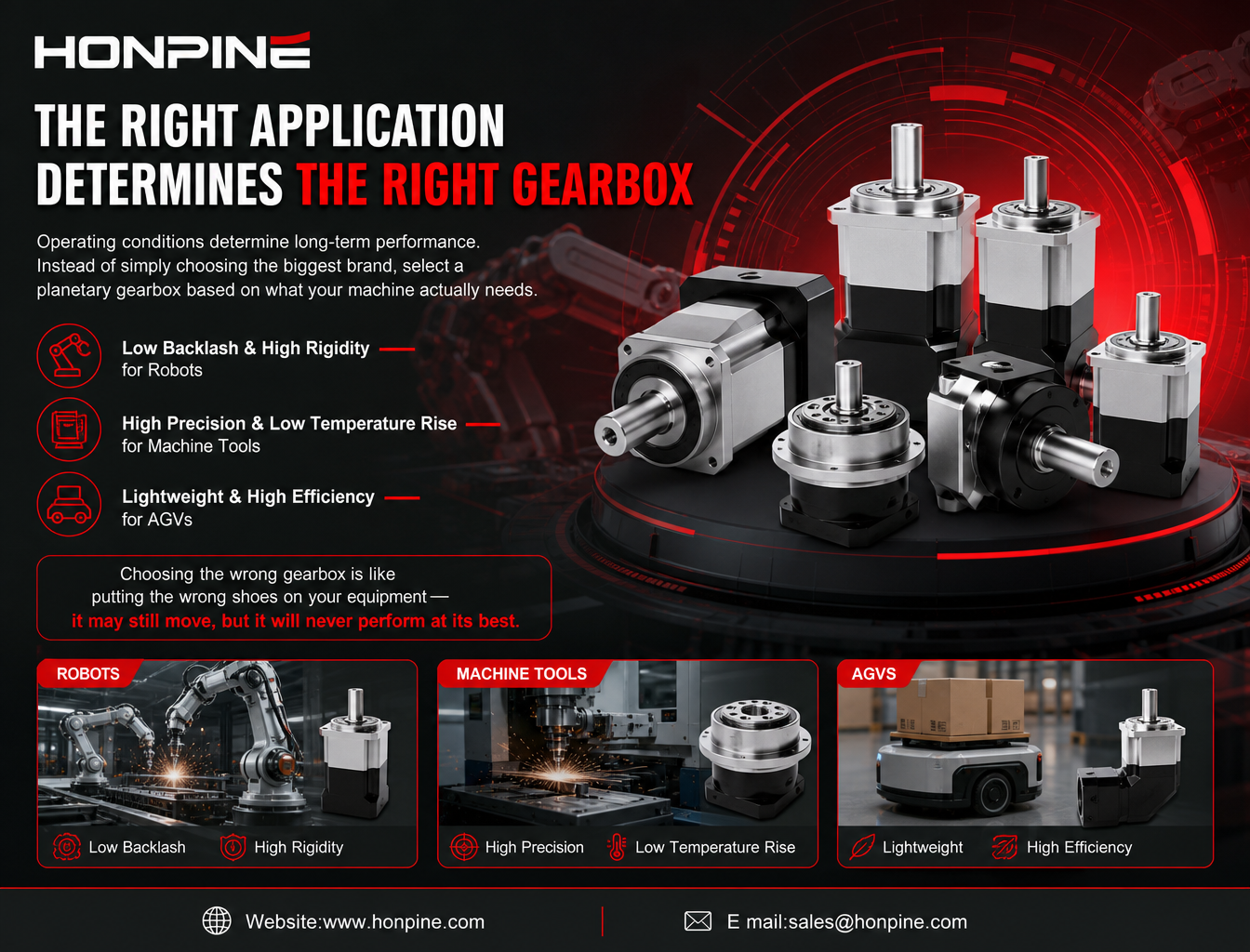
The Honpine HPJM-PRO Series Harmonic Joint Modules provide a complete range of integrated joint actuators for humanoid robots, enabling engineers to optimize every joint from the head to the lower body. Honpine Planetary Gearbox Selection Guide: How to Choose the Right Gearbox for Robots, CNC Machines, and AGVsThe right application determines the right gearbox. Operating conditions determine long-term performance. Instead of simply choosing the biggest brand, select a planetary gearbox based on what your machine actually needs: low backlash and high rigidity for robots, high precision and low temperature rise for machine tools, and lightweight, high-efficiency designs for AGVs. Choosing the wrong gearbox is like putting the wrong shoes on your equipment—it may still move, but it will never perform at its best.
 How the HONPINE JRM Planetary Joint Module Improves Robot Motion Performance?The JRM-C Planetary Joint Module is a lightweight, high-torque actuator module specially designed for humanoid robots, wheeled robots, quadruped robots, and other intelligent robotic systems.
 Why Do Most People Choose Nabtesco as Their RV Reducer Gearbox Supplier?The article explains Nabtesco’s dominance in RV reducers due to its high precision and reliability, while noting that the industry has few suppliers because of extreme manufacturing difficulty. It also briefly mentions competitors like Sumitomo, Spinea, and HONPINE offering cost and delivery advantages.
 What Is the Revolving Joint of a Robot?Structure, Components, and Working Principles Explained?This article will provide you with a comprehensive analysis of a robot's rotary joint, including its integrated components, the role of each component, and how precise control is achieved.
 Which Manufacturers Are Capable of Providing Integrated Frameless Torque Motor and Hollow Rotary Servo Actuator Solutions?A traditional servo rotary actuator consists of a rotor, stator, housing, bearings, end caps, and feedback components. A frameless motor removes all redundant mechanical structures and retains only the electromagnetic conversion core. The rotor becomes a direct part of the load shaft, while the stator is integrated into the machine structure through bonding, locking, or potting.
 Why Are Crossed Roller Bearing Harmonic Reducers Ideal for Robot Joints?In robotic harmonic reducers, crossed roller bearings are the key components that ensure motion accuracy and structural rigidity. Their performance directly affects the robot’s repeat positioning accuracy, load capacity, and service life.
 How HONPINE HAG Harmonic Drive Robot Joint Modules Improve Precision, Torque Control, and ReliabilityHONPINE HAG robot joint module is a game-changing innovation developed to meet the emerging demands of the robotics industry. It is a fully closed-loop harmonic robotic joint module.
 Comprehensive Analysis of Braking Dissipation Modules for Robotic Harmonic Joint ActuatorsIn discussions about robotic joint actuator modules, the motor, gearbox, encoder, brake, and driver usually receive the most attention, while the braking dissipation module is often underestimated. In real engineering projects, many 48V joint systems operate normally during no-load commissioning. However, once they enter conditions involving large inertia, rapid acceleration and deceleration, gravity-axis lowering, or frequent backdriving, issues such as DC bus overvoltage, driver alarms, unexpected shutdowns, and even thermal failures of power devices begin to appear.