

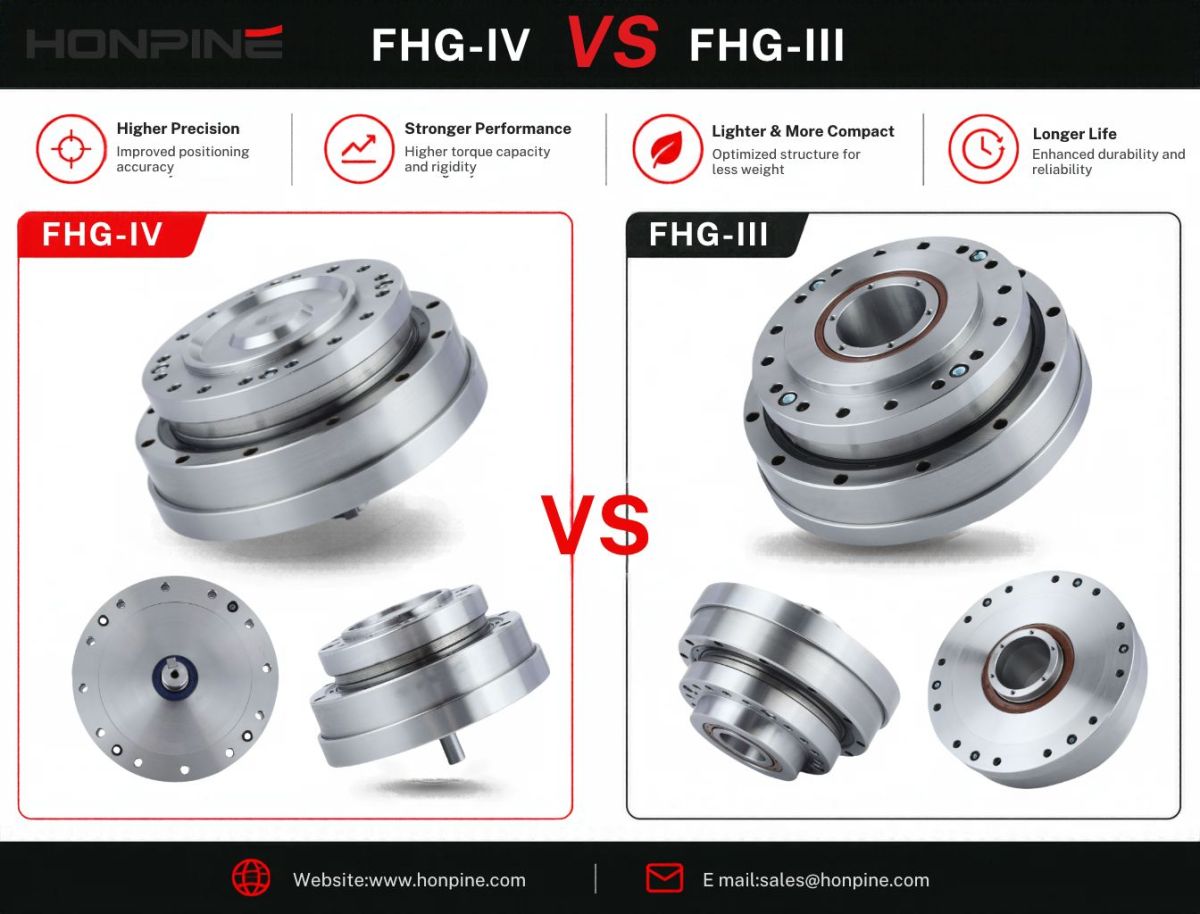
FHG-IV Harmonic Drive Reducer: Eliminate the Coupling for a More Compact Design
Standard hollow-type harmonic drive reducers, such as the FHG-I, feature a hollow input bore. To connect the reducer to a motor, an additional input flange and bellows coupling are typically required. The coupling alone usually adds approximately 20–40 mm of axial length to the assembly.
The FHG-IV takes a different approach. It features an integrated protruding input shaft, allowing a motor with a compatible keyed hollow output shaft to be mounted directly onto the reducer shaft.
By eliminating the need for a separate coupling, the FHG-IV simplifies the transmission structure, reduces installation space, and makes mechanical integration more straightforward.
3 Key Advantages of the FHG-IV Harmonic Drive Reducer
1. Space Saving: Significantly Reduced Axial Length
The challenge: A conventional motor-coupling-reducer configuration requires additional space for the coupling between the motor and reducer. Depending on the coupling design, this component typically occupies 20–50 mm of axial space, increasing the overall length of the transmission assembly.
The FHG-IV solution: With its protruding input shaft, the FHG-IV allows a compatible motor to be mounted directly onto the reducer shaft. Alternatively, the input shaft can be connected through a simple gear or timing belt arrangement.
Eliminating the separate coupling helps shorten the transmission assembly and creates more flexibility for compact equipment design.
2. Lower Costs: Fewer Components and Less Assembly Work
The challenge: A conventional transmission system requires an additional coupling, increasing component procurement costs. During assembly, technicians must secure both ends of the coupling to the motor and reducer while carefully checking and adjusting shaft alignment. This adds assembly time and labor costs.
The FHG-IV solution: Customers can select a harmonic drive reducer with an integrated input shaft, eliminating the need to purchase a separate coupling. The simplified connection also reduces assembly steps and alignment work.
For manufacturers producing automated equipment in large volumes, reducing component quantities and assembly time can help lower the overall bill of materials (BOM) cost.
3. Improved Transmission Reliability for Specific Motor Configurations
The FHG-IV provides a practical connection solution for motors with keyed hollow output shafts and transmission systems using pulleys or gears.
Its protruding input shaft supports direct shaft engagement or keyed connections, depending on the motor and transmission configuration. This eliminates the separate flexible coupling, reducing potential issues associated with coupling deformation, loosening, or connection failure during high-speed operation.
For applications that require a rigid mechanical connection, the FHG-IV offers a more straightforward transmission arrangement.
Where Is the FHG-IV Harmonic Drive Reducer Suitable for Automation Applications?
Application 1: Custom Automation Equipment with Braked or Keyed Motors
Many servo motors and stepper motors, particularly those used in customized automation equipment, feature keyed output shafts.
When using a conventional hollow-type harmonic reducer, an additional input flange or adapter with a compatible keyway may be required to connect the motor.
The FHG-IV provides a protruding input shaft that can be supplied with a keyway or customized to match the motor interface. This makes motor integration more convenient and is particularly suitable for custom automation machinery, non-standard equipment, and packaging machines.
Application 2: Multi-Axis Linkage Systems Driven by Timing Belts or Gears
In some automated production lines, a single high-power motor drives multiple reducers through a common transmission shaft, timing belts, or gear arrangements.
In these configurations, the motor does not necessarily need to be mounted directly against each reducer.
The FHG-IV's protruding input shaft provides a convenient interface for mounting timing belt pulleys or gears, making it suitable for multi-station rotary indexing tables, multi-axis linkage mechanisms, and gantry robotic systems.
Application 3: Right-Angle or Parallel-Axis Transmission in Space-Constrained Equipment
In certain equipment designs, the motor cannot be installed coaxially with the harmonic reducer. For example, the motor may need to be mounted sideways because of internal structural limitations.
In such cases, gears or timing belts can be used to transmit power to the FHG-IV input shaft, enabling a more flexible transmission layout.
This configuration can be considered for compact robotic joints, medical automation equipment, and miniature inspection systems where installation space is particularly limited.
Application 4: Production Lines Requiring Quick Motor Replacement and Maintenance
In automated production lines, motors may need to be replaced due to wear, failure, or changes in process requirements. Some applications also require motors with different speeds to accommodate production adjustments.
With the FHG-IV, a compatible motor can be disconnected and replaced without dismantling a separate coupling assembly. Depending on the mounting configuration, this can simplify maintenance procedures and reduce equipment downtime.
For production environments where maintenance efficiency and equipment availability are important, a simplified motor connection can provide practical benefits.
FHG-IV: Simplifying Transmission Structures for More Compact Automation Equipment
The HONPINE FHG-IV harmonic drive reduceroffers an alternative to conventional hollow-input configurations by integrating a protruding input shaft. By reducing the number of transmission components, it helps simplify mechanical integration, save installation space, and streamline assembly and maintenance.
Important selection considerations: Eliminating the coupling entirely requires the motor's output shaft bore dimensions, fit tolerances, and alignment accuracy to be compatible with the FHG-IV input shaft. Customers should also confirm that a rigid mechanical connection without the flexible buffering provided by a coupling is suitable for their application.
Contact HONPINE for technical consultation, model selection assistance, and 3D drawings. Our engineering team can help verify the motor interface, shaft tolerances, and installation configuration to ensure compatibility with your equipment design.
Read More
Learn more about the story of HONPINE and industry trends related to precision transmission.
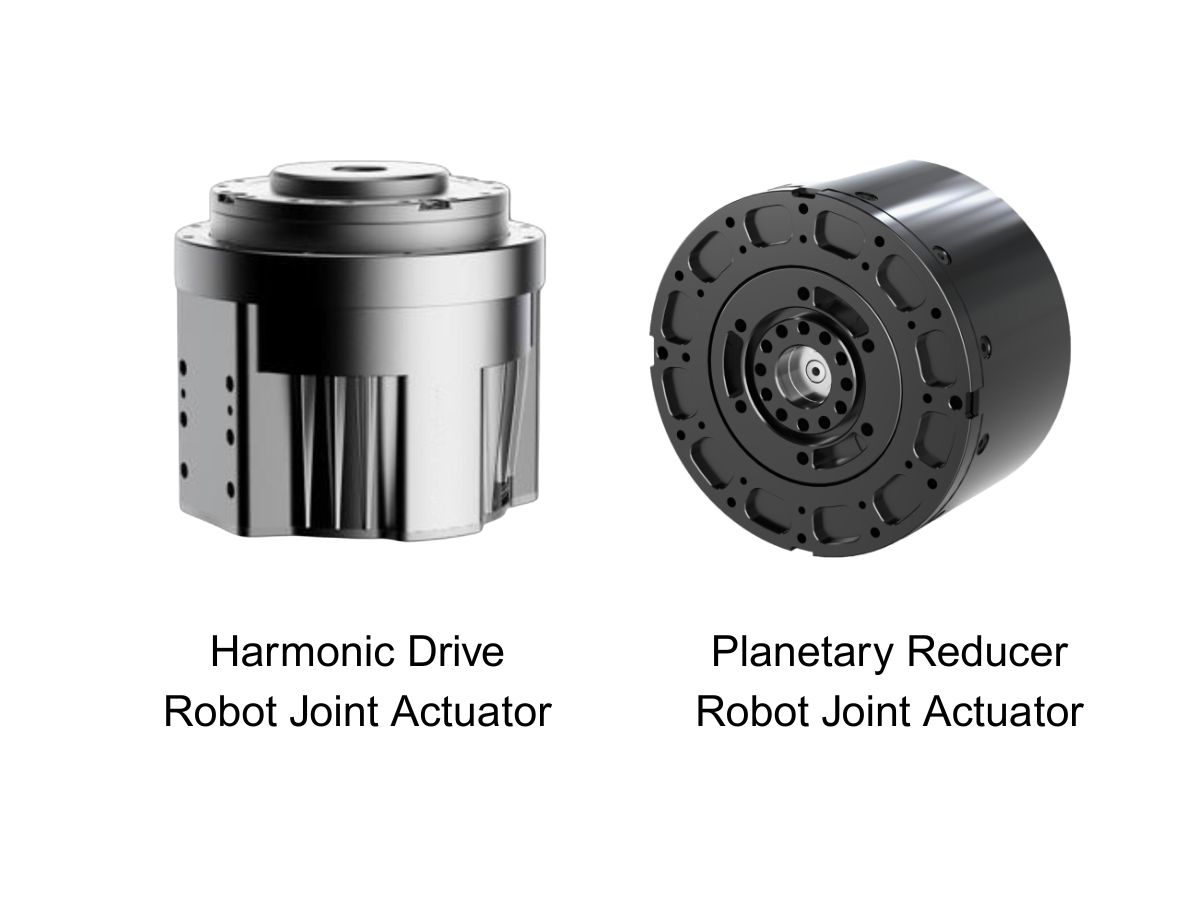
 What is robot joint actuator?How to Choose the Best Robot Rotary Joint Actuator?In core robot joint transmission solutions, planetary and harmonic rotary actuators each have their own strengths. Choosing the right type based on application requirements is essential to achieve the optimal balance between performance and cost.
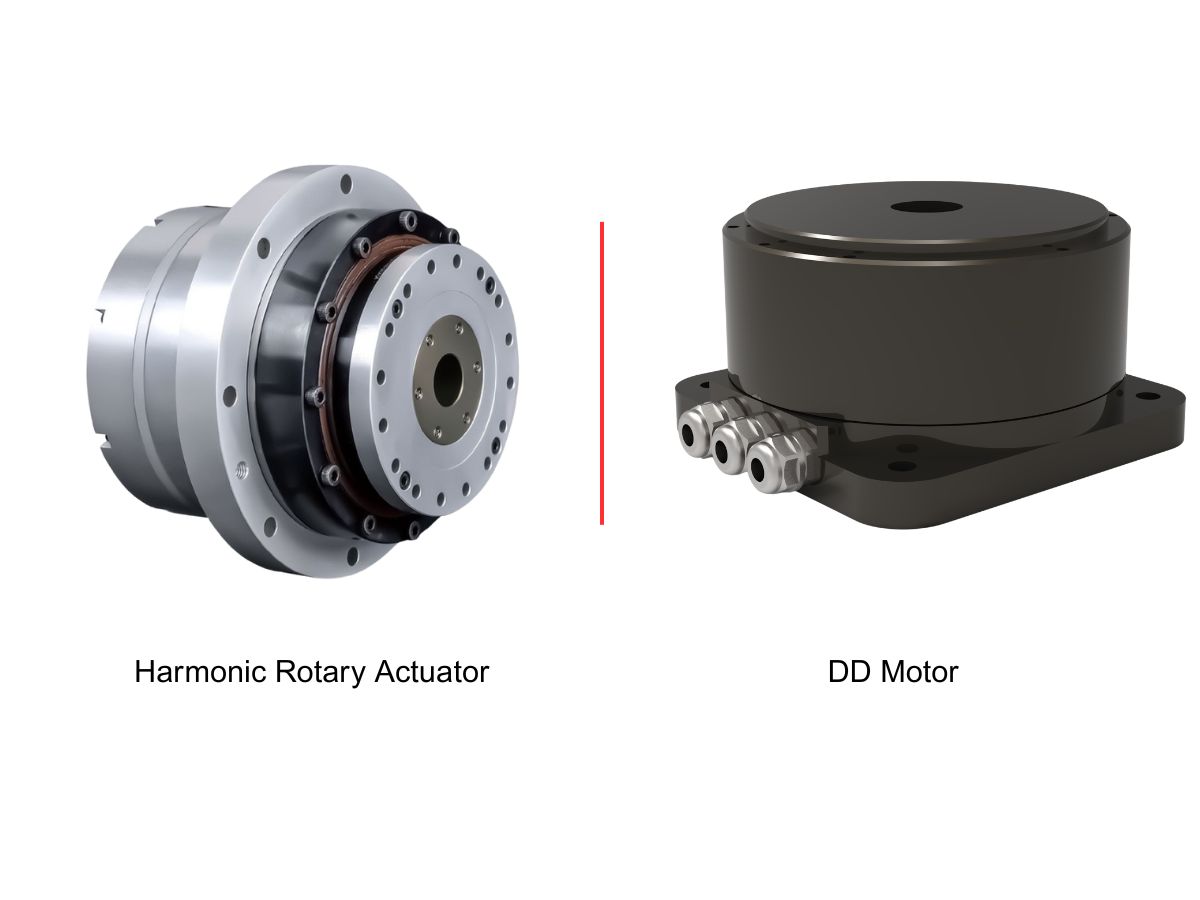
 DD Motors VS Harmonic Rotary ActuatorsThis article provides an in-depth comparison between Direct Drive (DD) motors and harmonic rotary actuators, covering their transmission principles, advantages and disadvantages, and typical application fields.
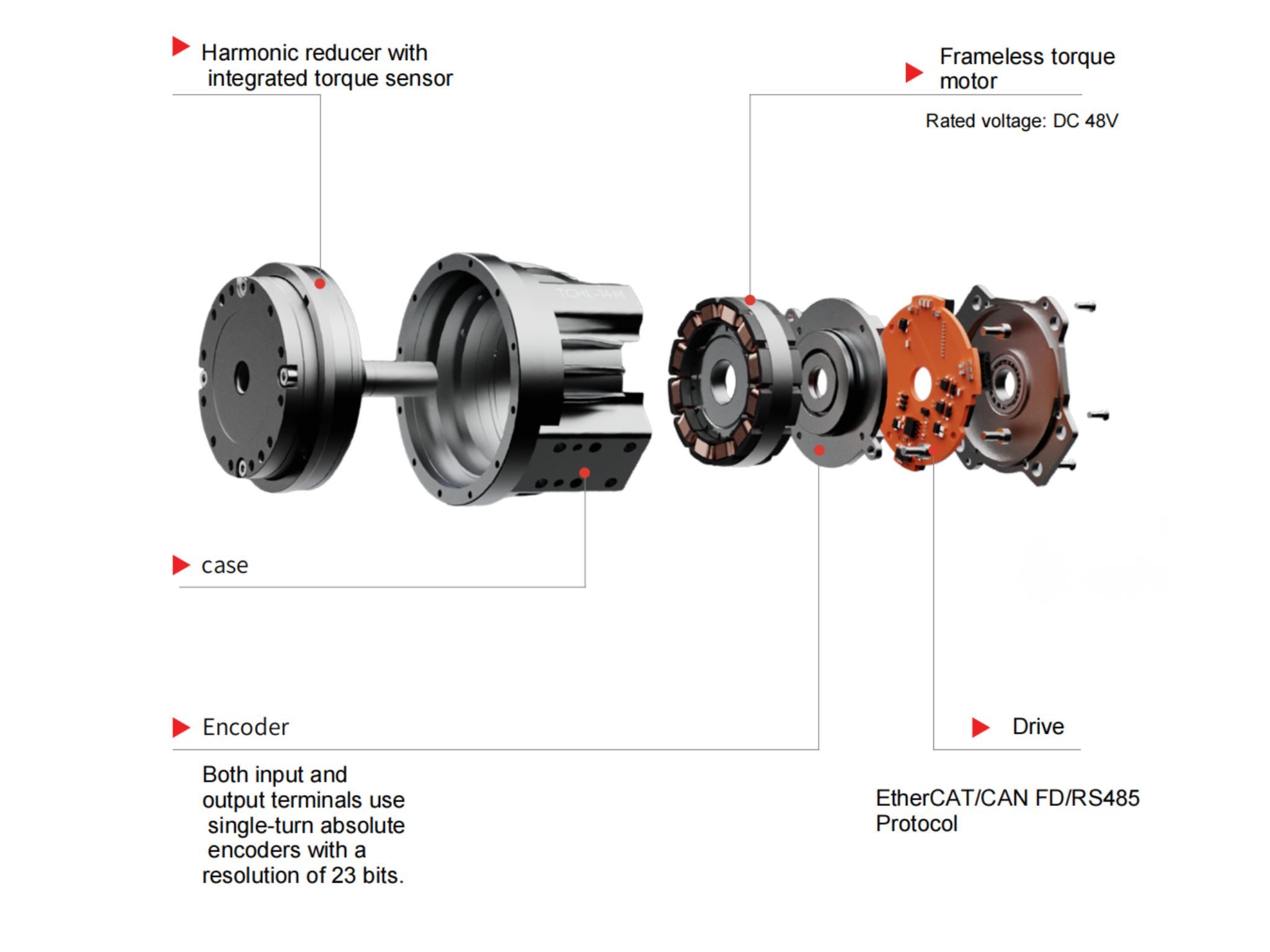
 OMG Ultra Compact Harmonic Drive Joint Module with Built-in Torque SensorHONPINE TCHL series harmonic drive joint module is a game-changing product that achieves disruptive improvements in multiple aspects such as lightweight design, integration level, and connection convenience. This article will analyze its revolutionary enhancements with you.
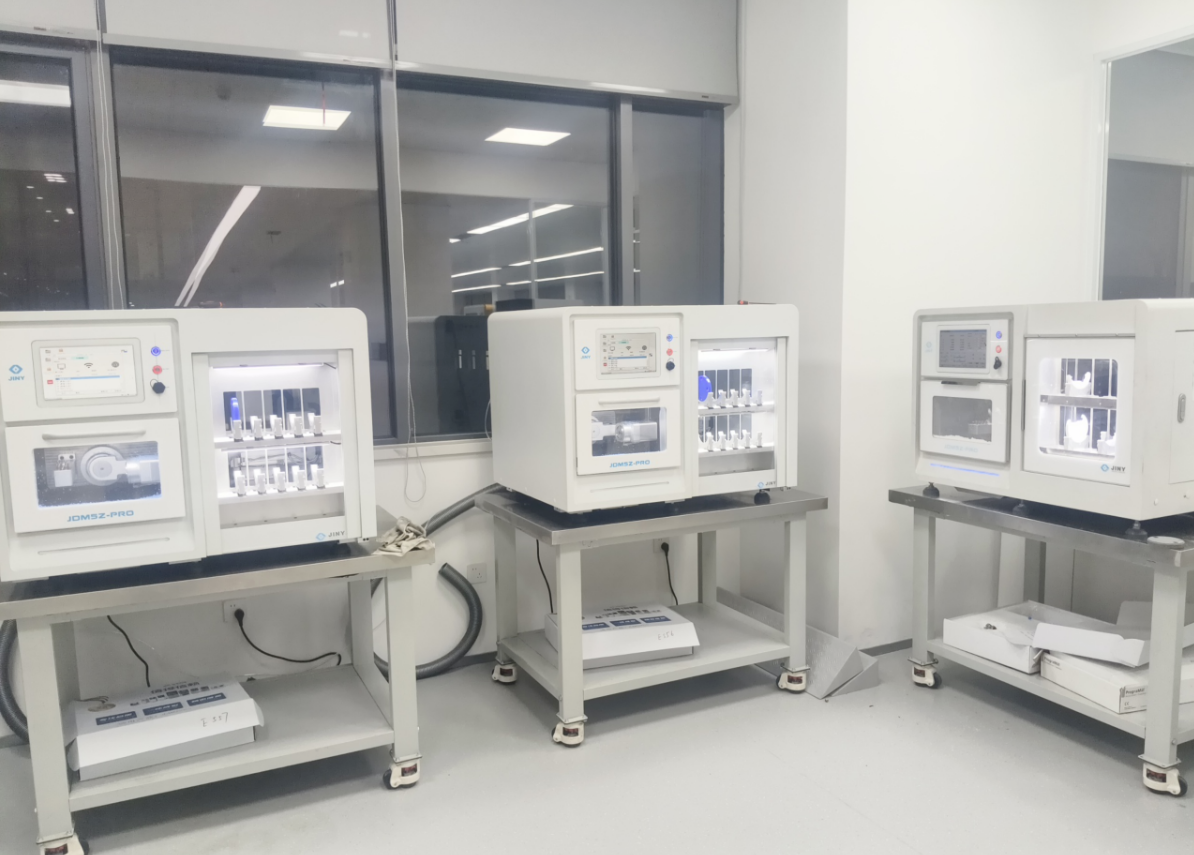
 The Role of Harmonic Drive Gears in Achieving 5–10 μm Accuracy in Dental Milling MachinesA dental milling machine is a CNC machining system used to directly process digital dental models into restorations such as crowns, bridges, veneers, inlays, and implant abutments. Dental milling machines require far higher operational accuracy and motion stability than ordinary equipment. This article explains how harmonic drive gear help dental milling machines achieve stable, continuous, and controllable operation.
 Why Are Harmonic Rotary Actuators Perfect for Medical Equipment?Harmonic rotary actuators (typically integrated systems consisting of a harmonic drive reducer, frameless torque motor, encoder, and optional brake) are regarded as key components in medical equipment. The core reason is that they simultaneously meet the most stringent medical requirements for precision, compact size, safety, and controllability. The following explanation is structured from three perspectives: technical characteristics, application scenarios, and medical value.
 High-Precision RV Reducers Perfectly Matched for Walking RobotsThe walking axis of a robot is a core component for power transmission and support. RV reducers provide extremely high rigidity, precision, and torque while maintaining a compact size and exceptional reliability, making them an ideal match for the demanding requirements of walking robot joints in terms of load capacity, impact resistance, and precision.
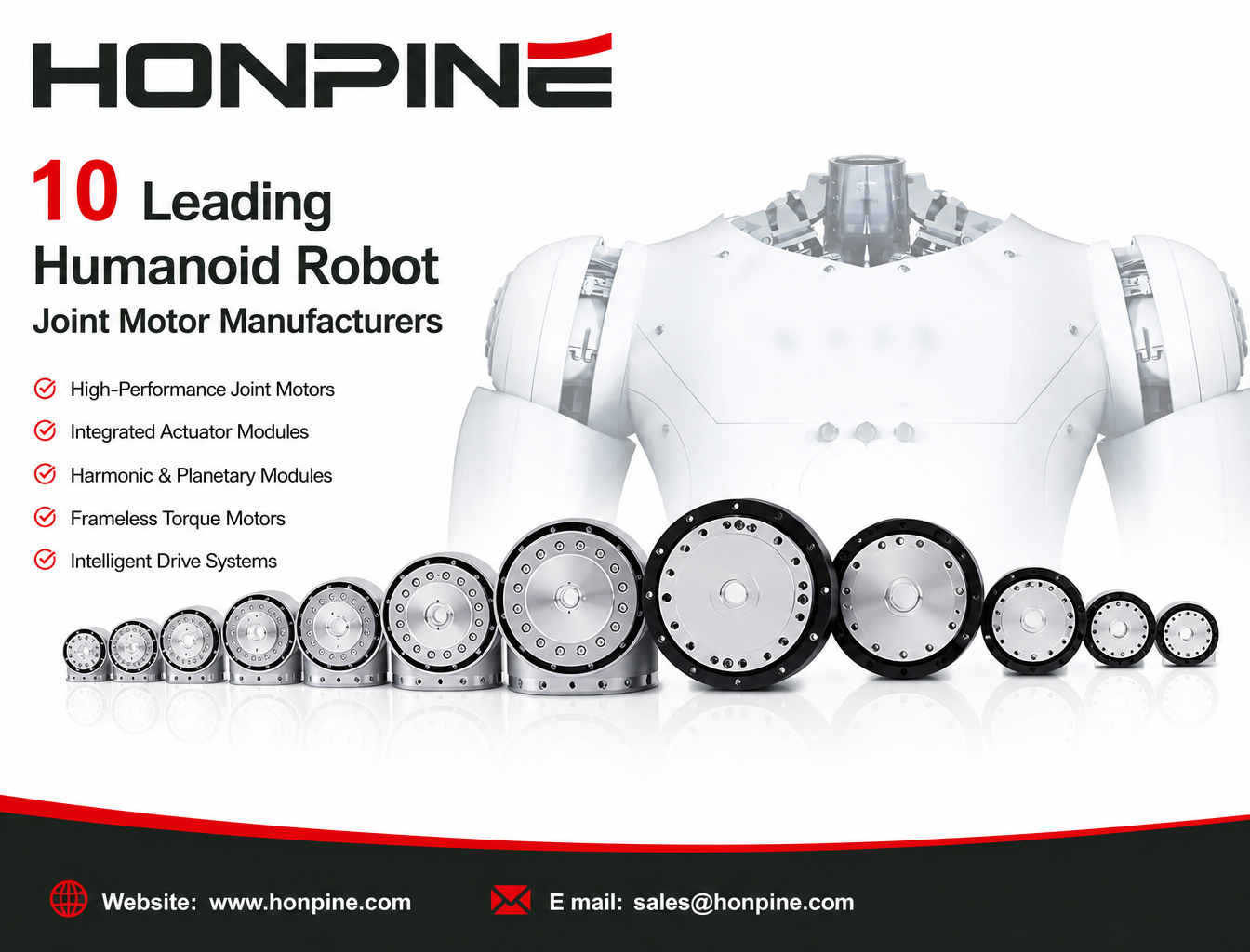
 Top 10 Humanoid Robot Joint Motor ManufacturersThe rapid development of humanoid robotics is driving demand for high-performance joint motors and integrated actuator modules. From harmonic and planetary joint modules to frameless torque motors and intelligent drive systems, manufacturers are developing different solutions to meet the requirements of humanoid robot joints. But which supplier should you choose? In this article, we introduce 10 humanoid robot joint motor manufacturers from China and Japan, comparing their product portfolios, technical features, torque capabilities, and application areas to help robotics developers and manufacturers make more informed sourcing decisions.
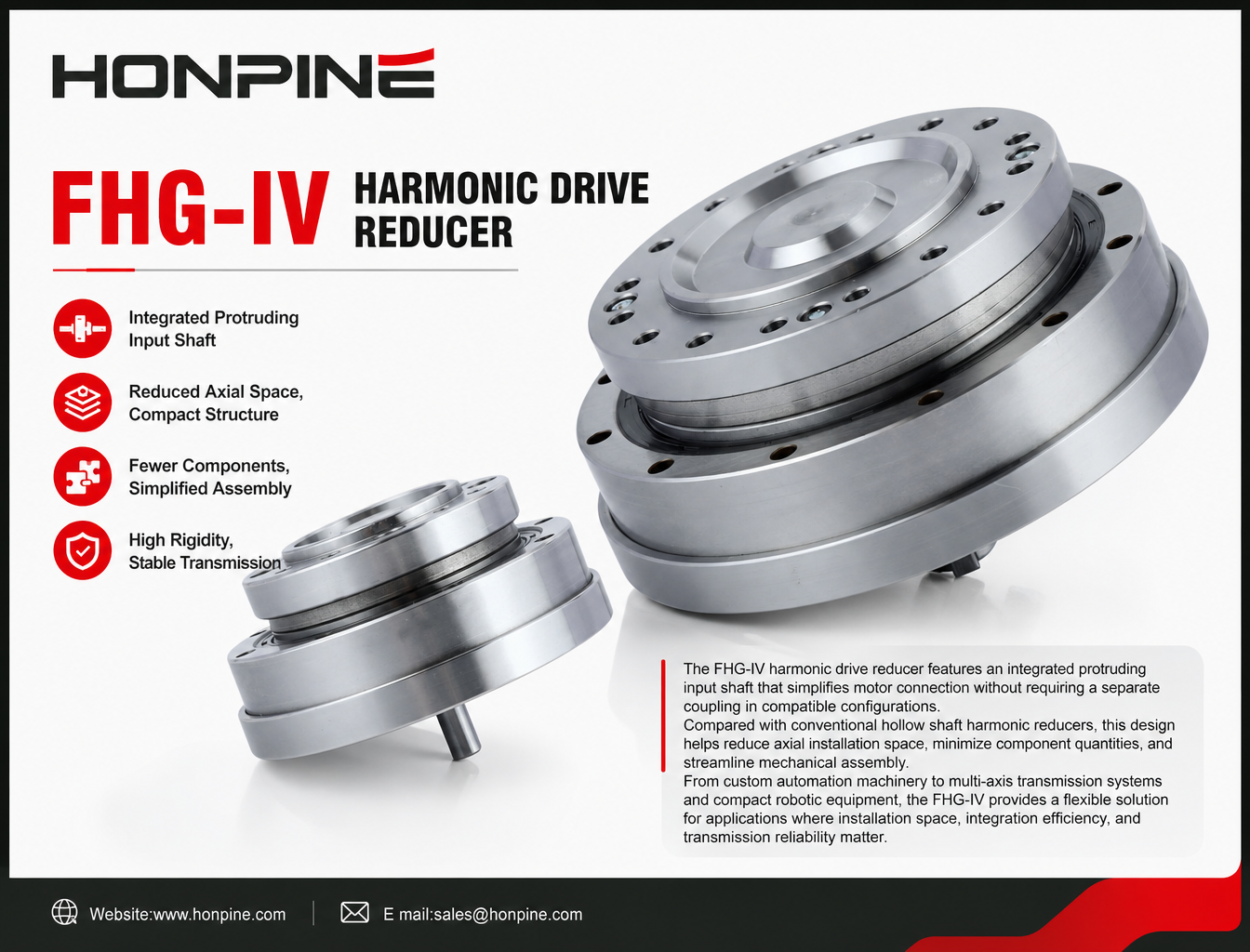
 FHG-IV Harmonic Drive Reducer: Eliminate the Coupling for a More Compact DesignThe FHG-IV harmonic drive reducer features an integrated protruding input shaft that simplifies motor connection without requiring a separate coupling in compatible configurations. Compared with conventional hollow shaft harmonic reducers, this design helps reduce axial installation space, minimize component quantities, and streamline mechanical assembly. From custom automation machinery to multi-axis transmission systems and compact robotic equipment, the FHG-IV provides a flexible solution for applications where installation space, integration efficiency, and transmission reliability matter.
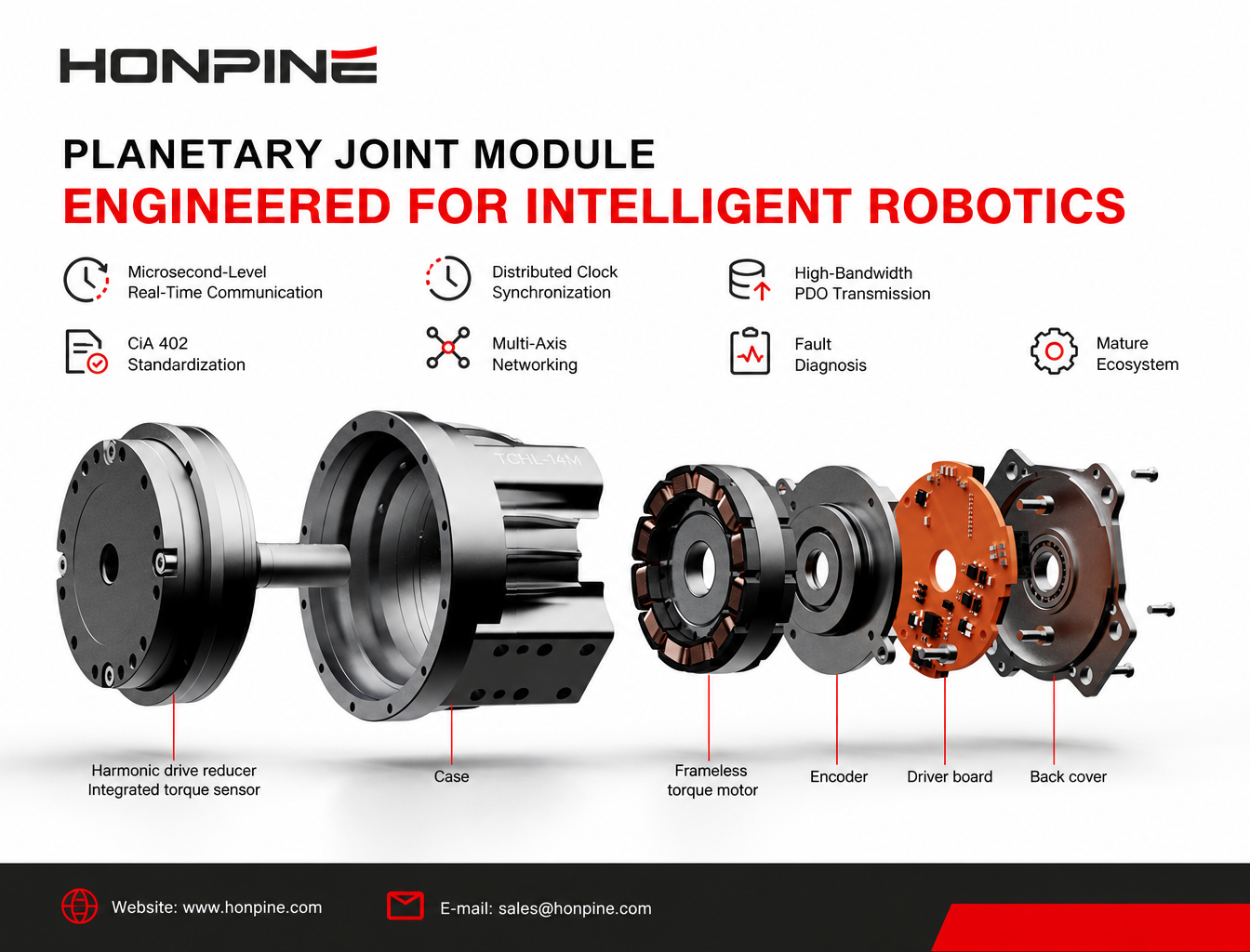
 Why Is EtherCAT Becoming the Mainstream Communication Bus for Robotic Joint Modules?Why is EtherCAT becoming the mainstream communication solution for intelligent robotic joint modules? This article explores seven key advantages, including microsecond-level real-time communication, Distributed Clock synchronization, CiA 402 standardization, high-bandwidth PDO transmission, multi-axis networking, fault diagnosis, and a mature development ecosystem. Learn how EtherCAT supports the advanced control requirements of humanoid robots, collaborative robots, and high-precision automation equipment.
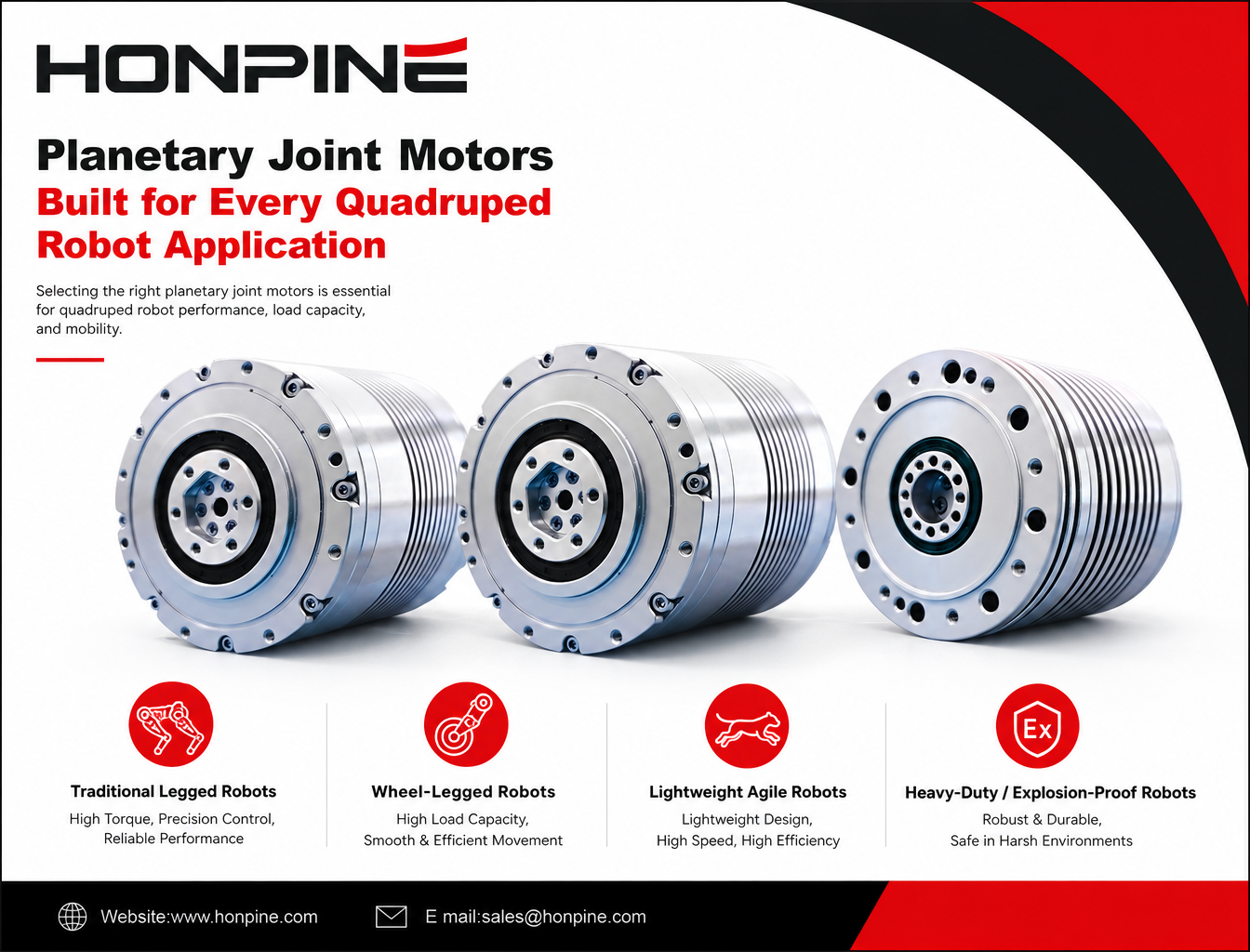
 How to Select Planetary Joint Motors for Quadruped Robots?Selecting the right planetary joint motors is essential for quadruped robot performance, load capacity, and mobility. This guide explores motor selection for traditional legged robots, wheel-legged robots, lightweight agile robots, and heavy-duty or explosion-proof quadruped robots. Learn how to match HONPINE JRM planetary joint modules to different joint positions based on rated torque, peak torque, rotational speed, voltage, and weight requirements.
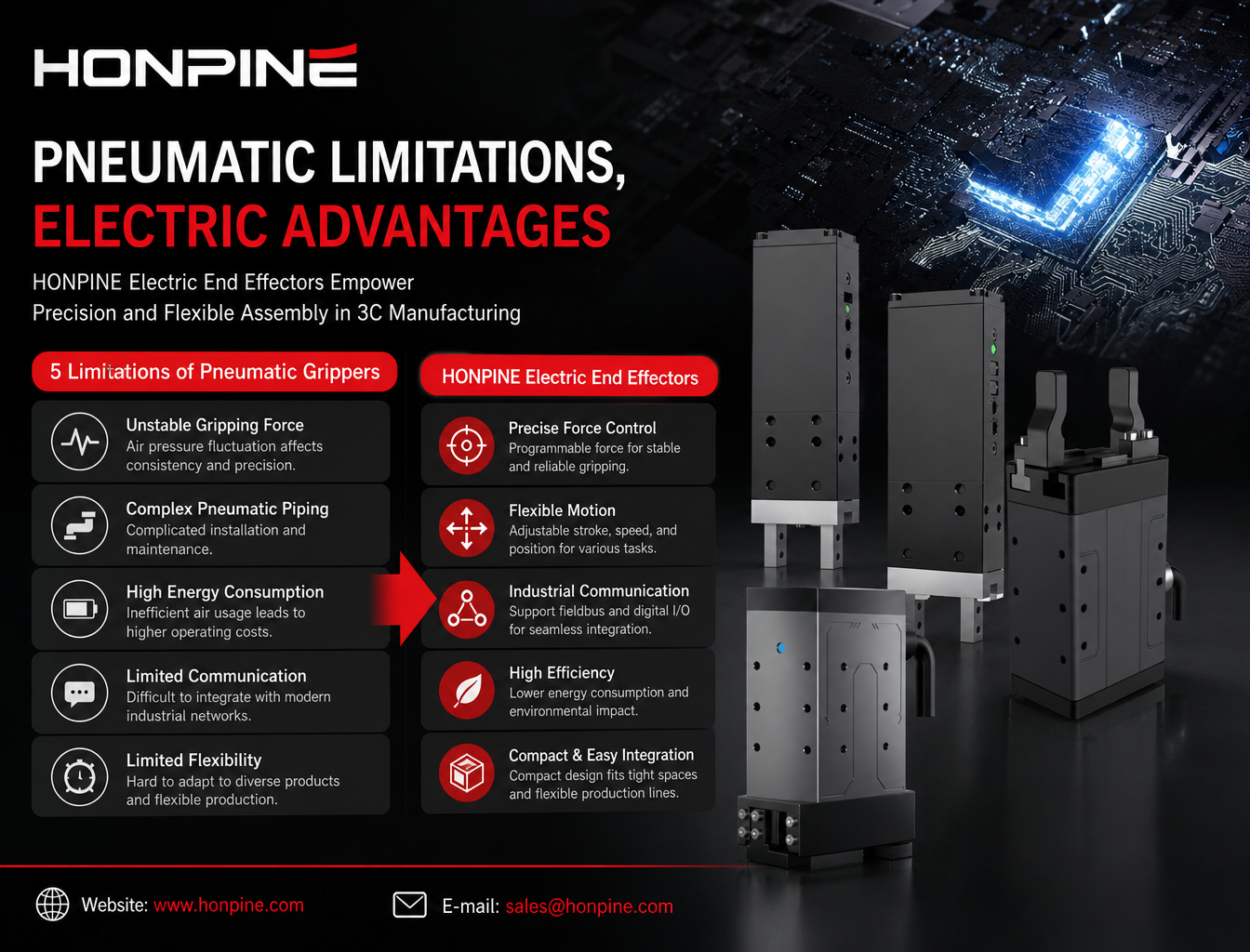
 Why Are End Effectors in 3C Automation Shifting from Pneumatic Grippers to Electric Grippers?As 3C manufacturing evolves toward thinner components, higher assembly precision, and more flexible production lines, traditional pneumatic grippers are facing increasing limitations. Fluctuating gripping force, complex pneumatic piping, high energy consumption, and limited communication capabilities make them less suitable for modern precision assembly. Electric grippers offer programmable force control, flexible motion, and industrial communication capabilities, making them an increasingly attractive alternative. In this article, we explore five major limitations of pneumatic grippers and explain how HONPINE electric end effectors support precision assembly, flexible automation, and digital manufacturing in the 3C industry.
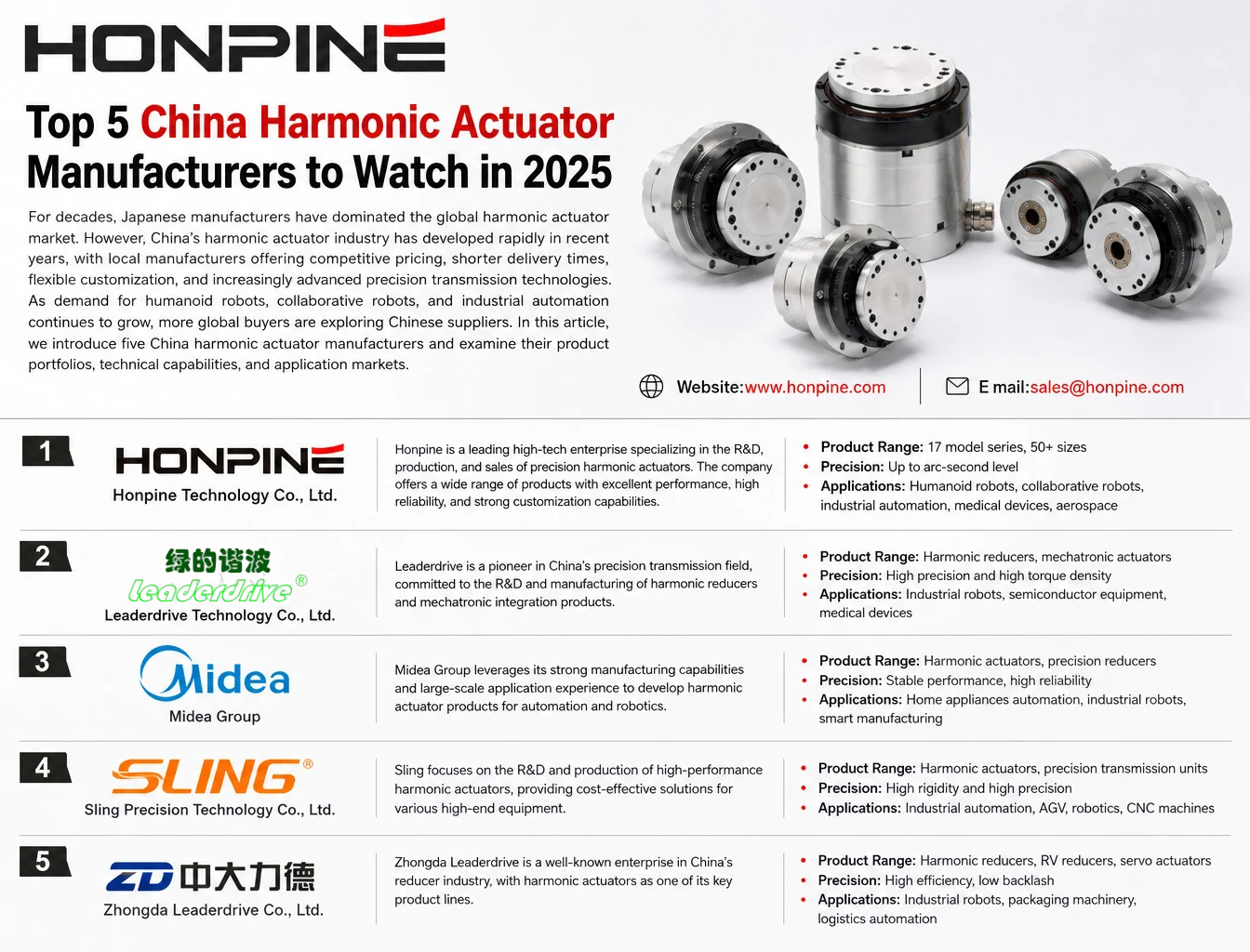
 Top 5 China Harmonic Actuator Manufacturers in 2026For decades, Japanese manufacturers have been well known in the global harmonic actuator market. However, China's harmonic actuator industry has developed rapidly in recent years, with local manufacturers offering competitive pricing, shorter delivery times, and increasingly advanced precision transmission technologies. As demand for humanoid robots, collaborative robots, and industrial automation continues to grow, more global buyers are exploring Chinese suppliers. In this article, we introduce five China harmonic actuator manufacturers and examine their products, technical capabilities, and application markets.
Double Click
We provide harmonic drive reducer,planetary reducer,robot joint motor,robot rotary actuators,RV gear reducer,robot end effector,dexterous robot hand
 What is robot joint actuator?How to Choose the Best Robot Rotary Joint Actuator?In core robot joint transmission solutions, planetary and harmonic rotary actuators each have their own strengths. Choosing the right type based on application requirements is essential to achieve the optimal balance between performance and cost.
 DD Motors VS Harmonic Rotary ActuatorsThis article provides an in-depth comparison between Direct Drive (DD) motors and harmonic rotary actuators, covering their transmission principles, advantages and disadvantages, and typical application fields.
 OMG Ultra Compact Harmonic Drive Joint Module with Built-in Torque SensorHONPINE TCHL series harmonic drive joint module is a game-changing product that achieves disruptive improvements in multiple aspects such as lightweight design, integration level, and connection convenience. This article will analyze its revolutionary enhancements with you.
 Top 10 Humanoid Robot Joint Motor ManufacturersThe rapid development of humanoid robotics is driving demand for high-performance joint motors and integrated actuator modules. From harmonic and planetary joint modules to frameless torque motors and intelligent drive systems, manufacturers are developing different solutions to meet the requirements of humanoid robot joints. But which supplier should you choose? In this article, we introduce 10 humanoid robot joint motor manufacturers from China and Japan, comparing their product portfolios, technical features, torque capabilities, and application areas to help robotics developers and manufacturers make more informed sourcing decisions.
 FHG-IV Harmonic Drive Reducer: Eliminate the Coupling for a More Compact DesignThe FHG-IV harmonic drive reducer features an integrated protruding input shaft that simplifies motor connection without requiring a separate coupling in compatible configurations. Compared with conventional hollow shaft harmonic reducers, this design helps reduce axial installation space, minimize component quantities, and streamline mechanical assembly. From custom automation machinery to multi-axis transmission systems and compact robotic equipment, the FHG-IV provides a flexible solution for applications where installation space, integration efficiency, and transmission reliability matter.
 Why Is EtherCAT Becoming the Mainstream Communication Bus for Robotic Joint Modules?Why is EtherCAT becoming the mainstream communication solution for intelligent robotic joint modules? This article explores seven key advantages, including microsecond-level real-time communication, Distributed Clock synchronization, CiA 402 standardization, high-bandwidth PDO transmission, multi-axis networking, fault diagnosis, and a mature development ecosystem. Learn how EtherCAT supports the advanced control requirements of humanoid robots, collaborative robots, and high-precision automation equipment.
 How to Select Planetary Joint Motors for Quadruped Robots?Selecting the right planetary joint motors is essential for quadruped robot performance, load capacity, and mobility. This guide explores motor selection for traditional legged robots, wheel-legged robots, lightweight agile robots, and heavy-duty or explosion-proof quadruped robots. Learn how to match HONPINE JRM planetary joint modules to different joint positions based on rated torque, peak torque, rotational speed, voltage, and weight requirements.
 Why Are End Effectors in 3C Automation Shifting from Pneumatic Grippers to Electric Grippers?As 3C manufacturing evolves toward thinner components, higher assembly precision, and more flexible production lines, traditional pneumatic grippers are facing increasing limitations. Fluctuating gripping force, complex pneumatic piping, high energy consumption, and limited communication capabilities make them less suitable for modern precision assembly. Electric grippers offer programmable force control, flexible motion, and industrial communication capabilities, making them an increasingly attractive alternative. In this article, we explore five major limitations of pneumatic grippers and explain how HONPINE electric end effectors support precision assembly, flexible automation, and digital manufacturing in the 3C industry.
 Top 5 China Harmonic Actuator Manufacturers in 2026For decades, Japanese manufacturers have been well known in the global harmonic actuator market. However, China's harmonic actuator industry has developed rapidly in recent years, with local manufacturers offering competitive pricing, shorter delivery times, and increasingly advanced precision transmission technologies. As demand for humanoid robots, collaborative robots, and industrial automation continues to grow, more global buyers are exploring Chinese suppliers. In this article, we introduce five China harmonic actuator manufacturers and examine their products, technical capabilities, and application markets.
 Robot Joint Module Selection Guide: How to Choose the Right Joint Module Based on Load, Precision, Force Control, and Motion RequirementsRobot Joint Module Selection Guide covering torque, speed, reducers, encoders, torque sensors, drive systems, and thermal management for collaborative and humanoid robots.
 How to Choose a High-Precision Rotary Actuator for Industrial Applications?Choosing the right precision rotary actuator requires more than checking rated torque. This guide explains how to calculate load torque, select the appropriate gear ratio, and evaluate structural configurations, mounting flanges, electromagnetic brakes, encoder resolution, and cable exit directions. Discover how HONPINE HAS, HAT, HAM, and HPG rotary actuator series meet different industrial motion control and precision positioning requirements.
 What Kind of Robot Joint Module Should You Choose for High-Precision Humanoid Robot Control?As humanoid robots move beyond basic walking and demonstration tasks toward complex real-world applications, their joint modules must deliver more than just high torque. Precise positioning, accurate torque control, structural stiffness, and dynamic response all play important roles in performing delicate operations. So, what kind of joint module should you choose for a humanoid robot designed to handle high-precision tasks? In this article, Theodore Li, Technical Director at HONPINE, introduces the HAG Harmonic Joint Module and explains five key features that make it suitable for demanding humanoid robot applications.