

Why Are Harmonic Drive Actuators Ideal for Space-Constrained Industrial Automation Equipment?
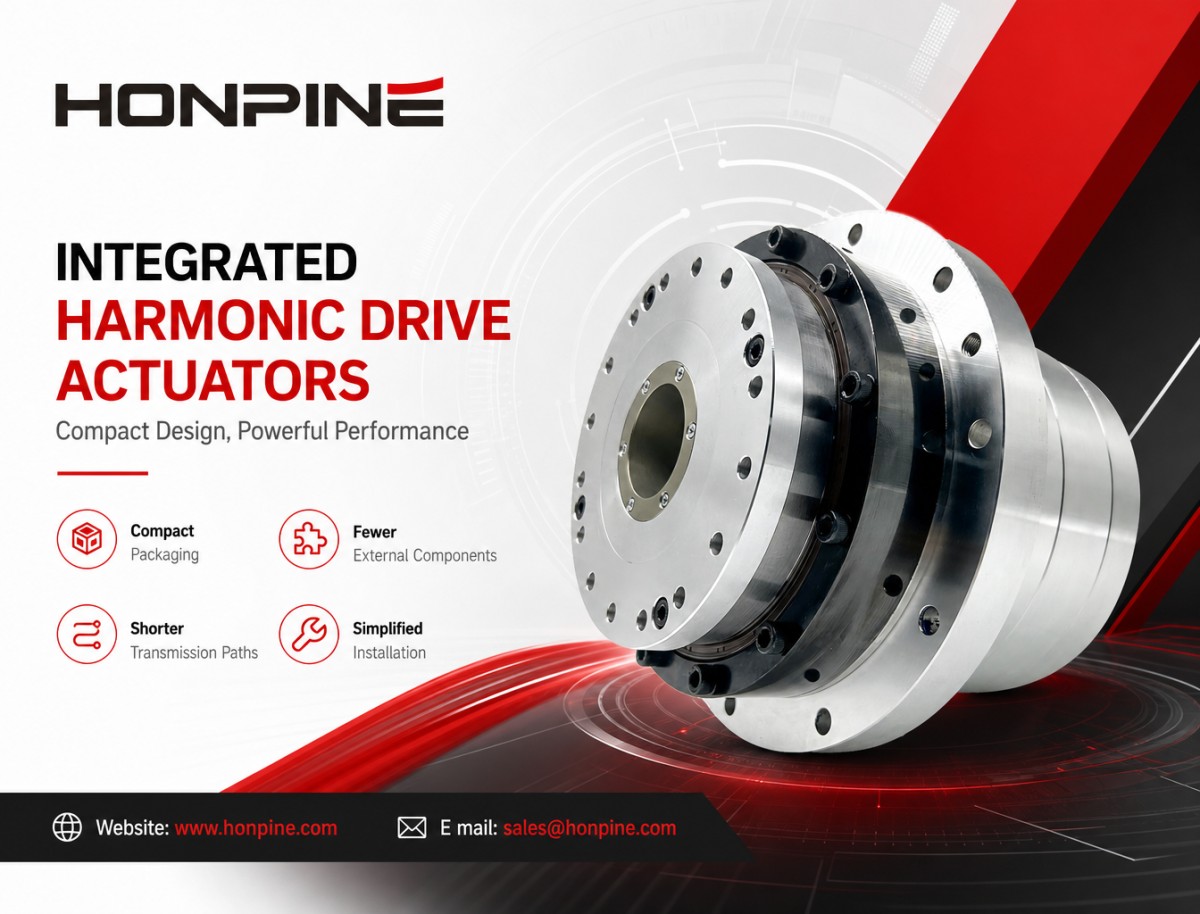
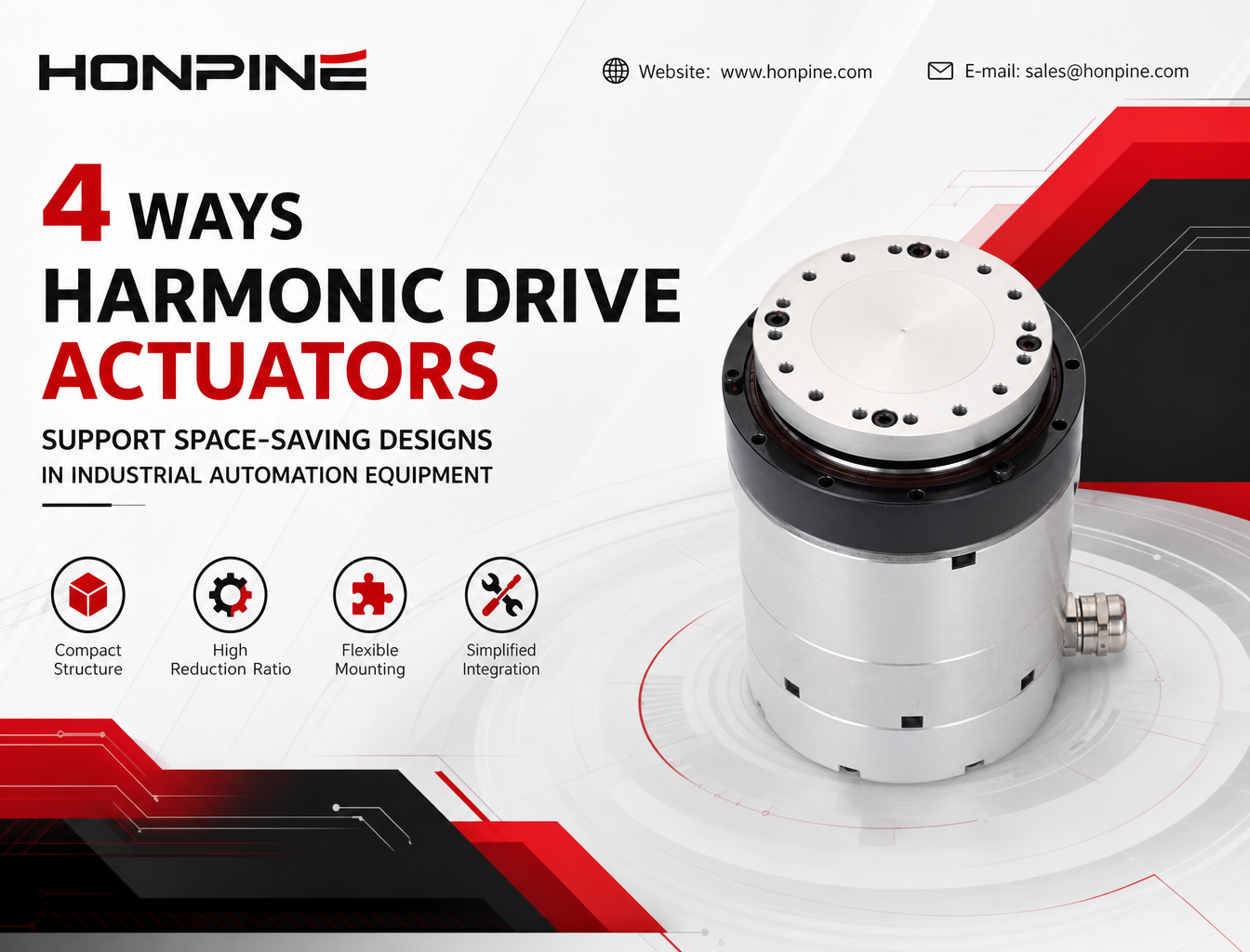
In modern industrial automation, limited installation space often makes mechanical design more challenging. Harmonic drive actuators offer a compact motion-control solution by integrating key drive components into a single unit. Their high reduction ratios, streamlined mechanical structures, and flexible mounting options can help equipment manufacturers reduce space requirements, simplify assembly, and optimize internal layouts.
This article explores four ways integrated harmonic drive actuators support space-saving designs in industrial automation equipment.
1. Compact Design: Overcoming Space Constraints
Highly Integrated Structure for a Smaller Footprint
An integrated harmonic drive actuator combines key components, such as the motor, harmonic reducer, bearings, and encoder, within a compact assembly. Compared with a system built from separate components, this configuration can reduce the overall installation footprint and simplify mechanical packaging.
Coaxial designs, in which the input and output axes share the same centerline, can help minimize the need for additional transmission stages and connecting structures. This can reduce the overall axial space required by the drive system, making it easier to integrate the actuator into compact machinery.
Adapting to Complex Mechanical Layouts
Some rotary actuator designs use right-angle transmission arrangements, with the input and output axes positioned at 90 degrees to each other. Where appropriate, this configuration can eliminate the need for separate direction-changing transmission components and help engineers accommodate tight or angled installation spaces.
The actual space savings depend on the actuator architecture, required output torque, motor dimensions, and mounting configuration.
2. Fewer Connection Components: Simplifying Mechanical Layouts
Reducing Additional Mechanical Interfaces
A conventional drive system may require a separate servo motor, coupling, gearbox, mounting flange, and support structure. An integrated harmonic drive actuator combines key drive components into a single assembly, potentially reducing the number of external connections and mounting components.
Fewer mechanical interfaces can simplify assembly and alignment while reducing the potential for coupling-related errors and mechanical vibration. However, the actual positioning performance still depends on the actuator's transmission characteristics, structural stiffness, mounting accuracy, and control system.
Simplifying Cabling and Electrical Connections
Depending on the design, an integrated actuator may incorporate an encoder, brake, or drive electronics alongside the motor and harmonic reducer. This can reduce the number of separate electrical modules and external interfaces required.
Some designs also feature hollow shafts or central bores that allow cables, pneumatic tubes, or other services to pass through the actuator. These features can make internal routing more organized and help prevent interference in compact automation equipment.
Not every integrated actuator includes a built-in drive or a hollow shaft, so these features should be verified for the selected model.
3. Shorter Transmission Paths: Optimizing Power Transmission
Streamlining the Mechanical Drive Train
Integrated harmonic drive actuators combine the motor and reduction mechanism into a compact drive unit. Compared with certain conventional arrangements, this can eliminate the need for additional couplings, belts, long shafts, or intermediate transmission stages.
A shorter mechanical transmission path can reduce the number of interfaces that require alignment and maintenance. It may also reduce losses associated with additional transmission components, although overall efficiency depends on the motor, reducer, operating speed, load, and duty cycle.
Improving Space Utilization at the Point of Motion
A compact actuator can often be mounted closer to the mechanism it drives, such as a robotic joint, rotary positioning platform, or automated inspection fixture.
This arrangement can reduce the need for bulky intermediate transmission structures and make the overall machine layout more flexible. In space-constrained equipment, placing the drive unit close to the output mechanism can help engineers achieve a more compact design without sacrificing the required motion-control functionality.
4. Simplified Installation: Greater Design Flexibility
Modular Design for Easier Integration
An integrated harmonic drive actuator can serve as a self-contained motion-control module. Depending on its design, it may be installed through a mounting flange or bolted interface, reducing the need to assemble and align multiple independent drive components on-site.
This modular approach can simplify machine assembly, reduce integration effort, and make it easier to standardize drive units across different equipment configurations.
Reducing Installation and Maintenance Space
Separate drive components often require individual mounting locations, access for alignment, and sufficient clearance for connections. By consolidating key components into one assembly, an integrated actuator can reduce these layout requirements.
A compact drive unit can also provide greater flexibility when arranging multiple axes within a machine enclosure or designing modular automation systems. Nevertheless, engineers should still allow sufficient space for cable routing, heat dissipation, maintenance access, and component replacement.
Conclusion: A Compact Motion Solution for Industrial Automation
Integrated harmonic drive actuators can help equipment manufacturers optimize mechanical layouts through four main advantages: compact packaging, fewer external components, shorter transmission paths, and simplified installation.
By combining high-ratio harmonic transmission with a carefully engineered actuator structure, these systems can support space-efficient designs in automated assembly equipment, precision positioning systems, inspection machinery, and compact robotic mechanisms.
For engineers selecting a harmonic drive actuator, the most suitable solution should be evaluated not only by its external dimensions but also by output torque, reduction ratio, positioning accuracy, torsional stiffness, duty cycle, thermal performance, and mounting requirements.
The key is to optimize the complete drive system—not simply minimize the size of an individual component.
Read More
Learn more about the story of HONPINE and industry trends related to precision transmission.
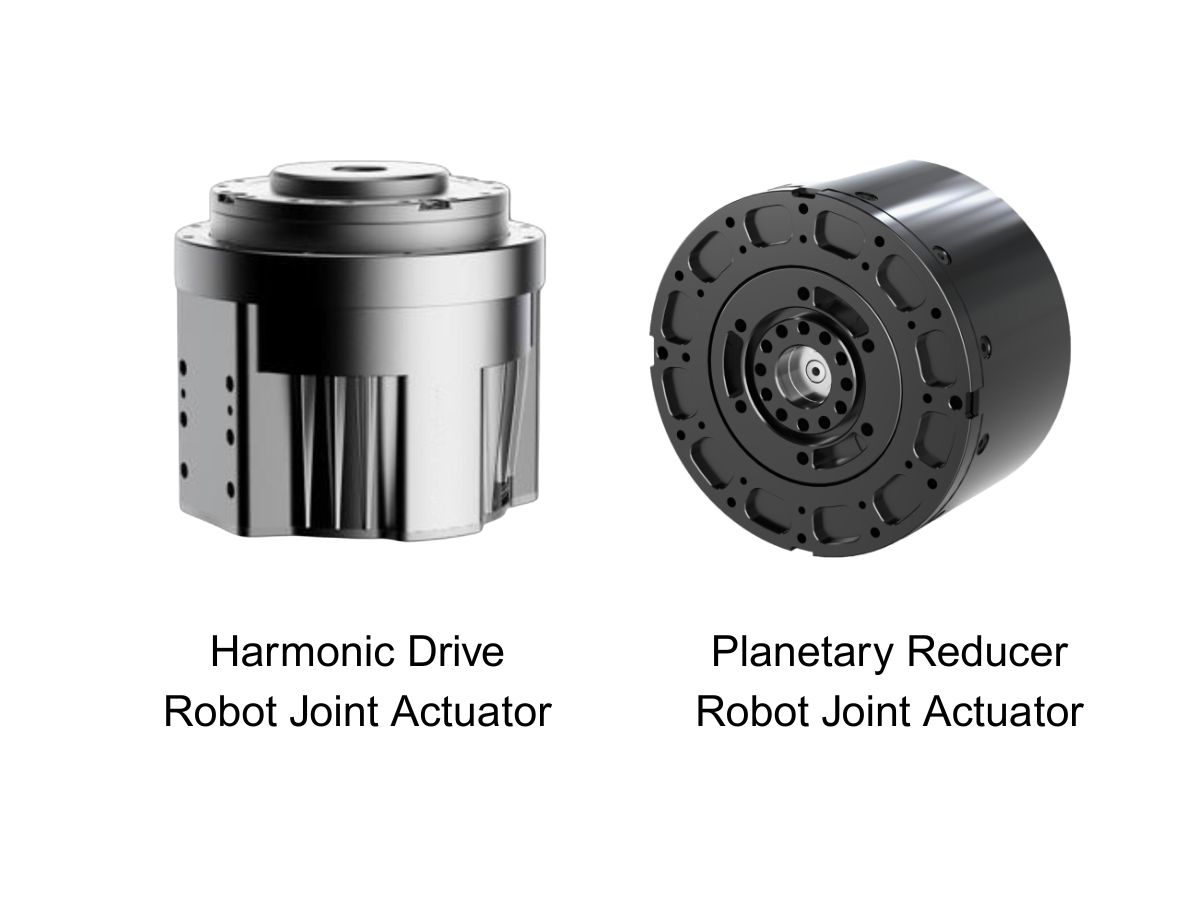
 What is robot joint actuator?How to Choose the Best Robot Rotary Joint Actuator?In core robot joint transmission solutions, planetary and harmonic rotary actuators each have their own strengths. Choosing the right type based on application requirements is essential to achieve the optimal balance between performance and cost.
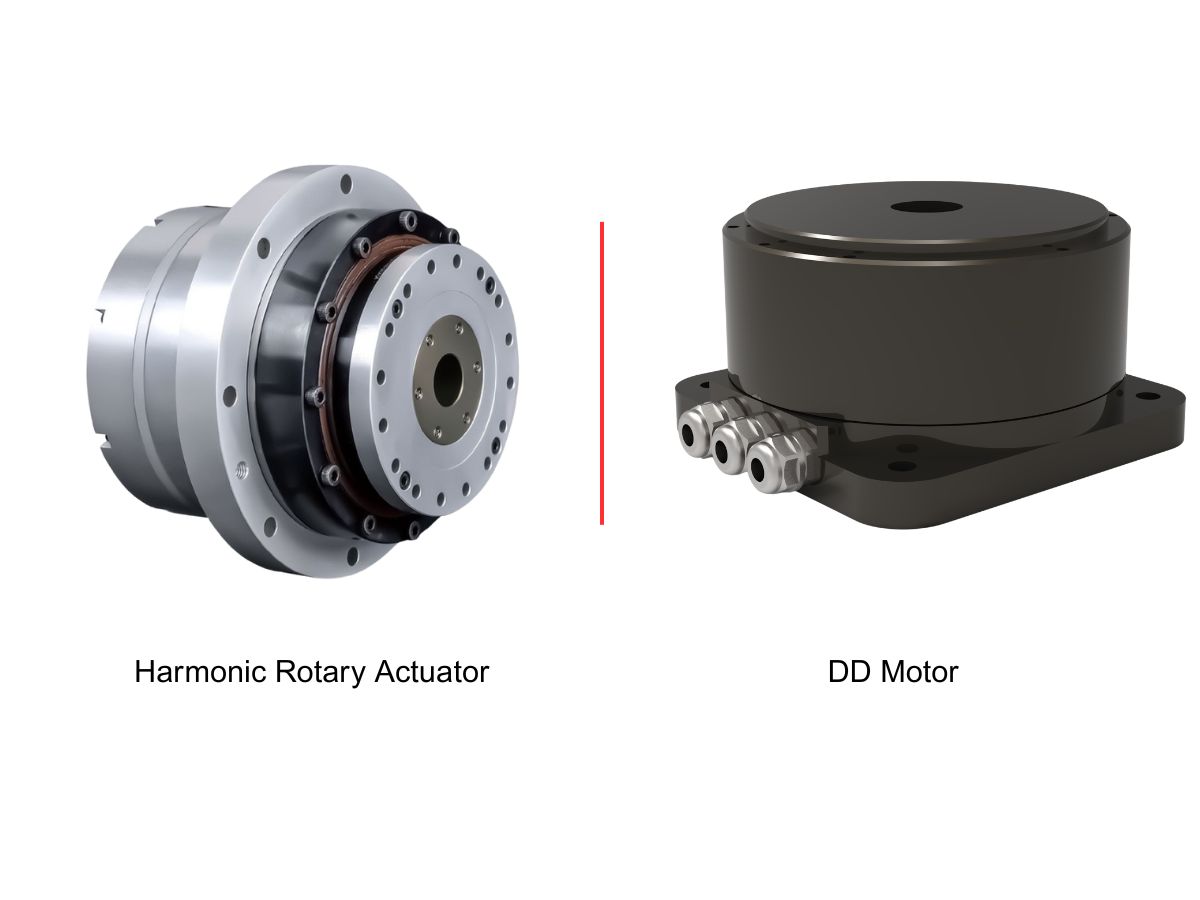
 DD Motors VS Harmonic Rotary ActuatorsThis article provides an in-depth comparison between Direct Drive (DD) motors and harmonic rotary actuators, covering their transmission principles, advantages and disadvantages, and typical application fields.
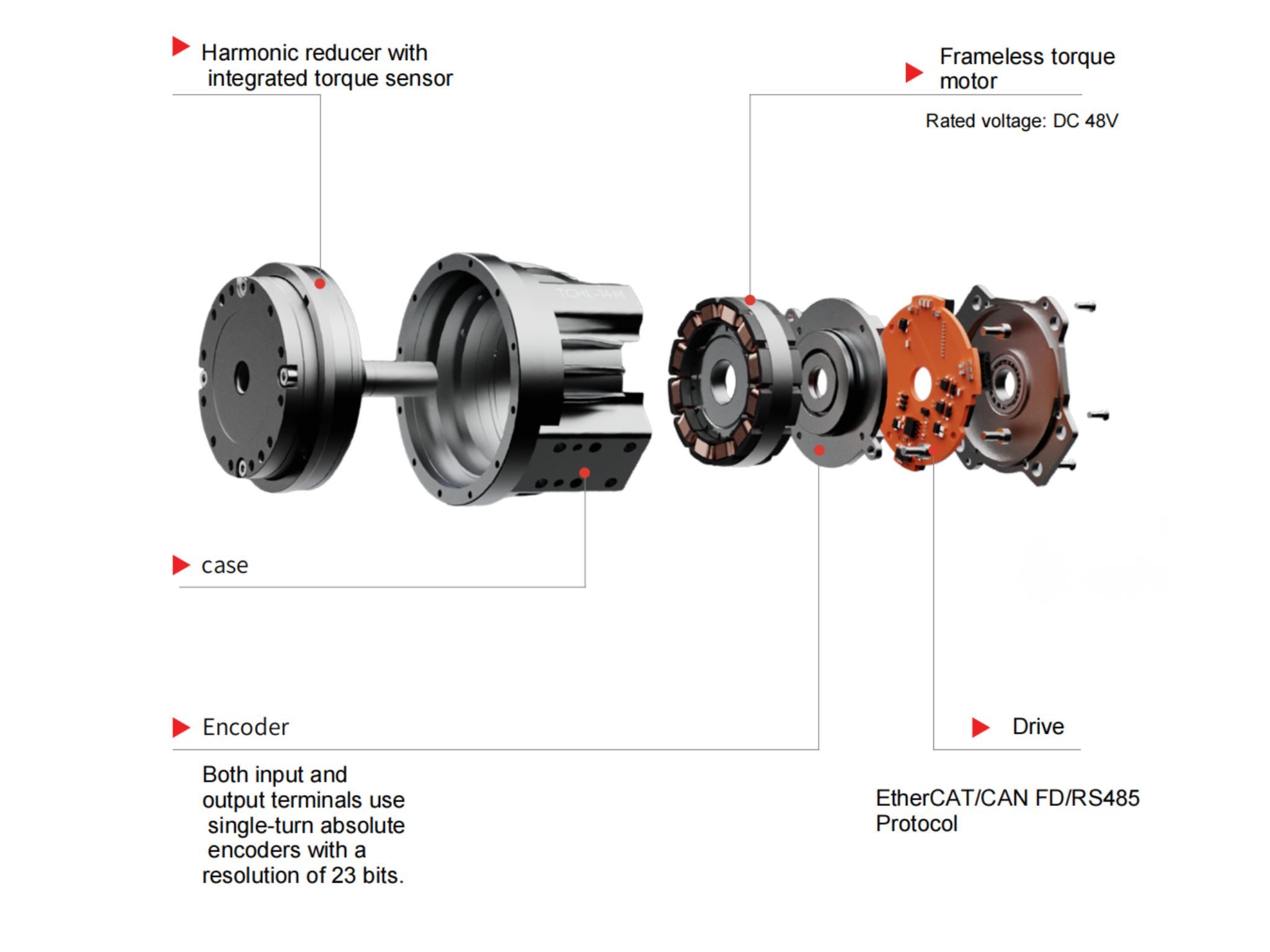
 OMG Ultra Compact Harmonic Drive Joint Module with Built-in Torque SensorHONPINE TCHL series harmonic drive joint module is a game-changing product that achieves disruptive improvements in multiple aspects such as lightweight design, integration level, and connection convenience. This article will analyze its revolutionary enhancements with you.
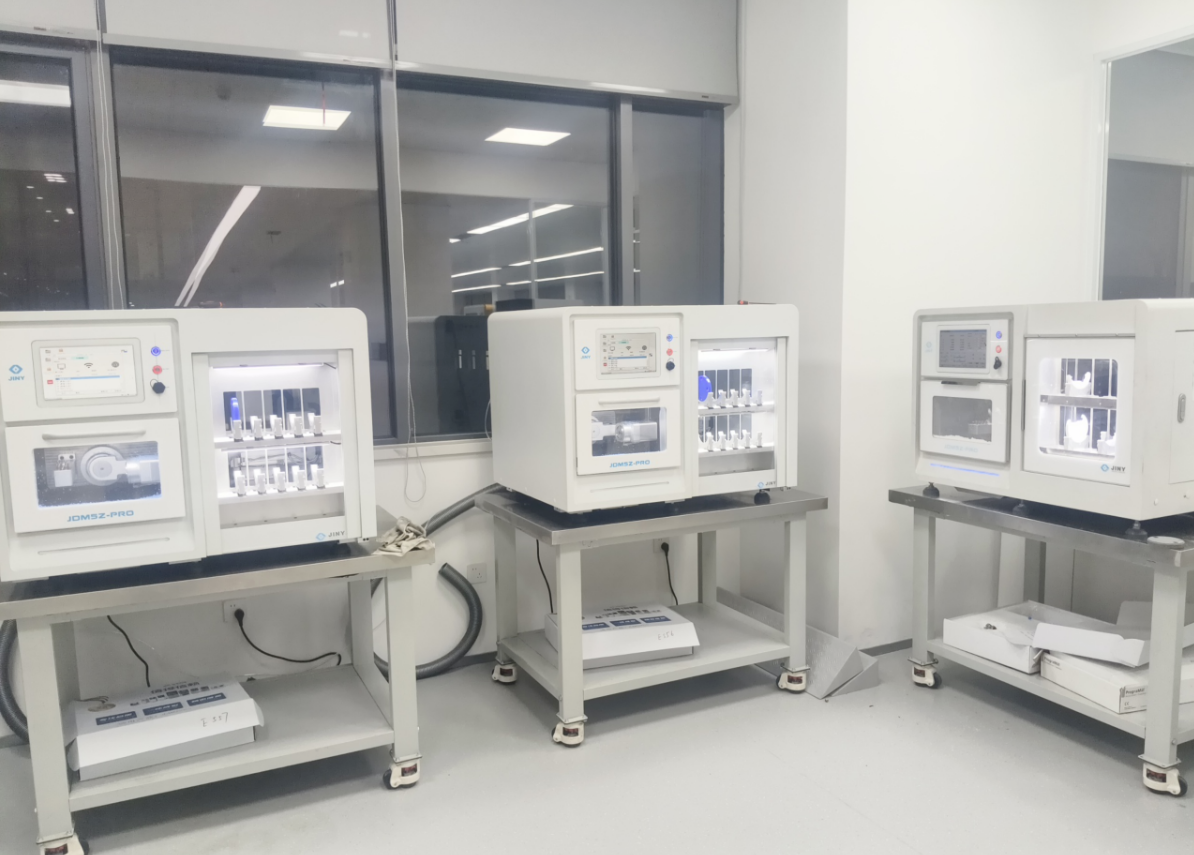
 The Role of Harmonic Drive Gears in Achieving 5–10 μm Accuracy in Dental Milling MachinesA dental milling machine is a CNC machining system used to directly process digital dental models into restorations such as crowns, bridges, veneers, inlays, and implant abutments. Dental milling machines require far higher operational accuracy and motion stability than ordinary equipment. This article explains how harmonic drive gear help dental milling machines achieve stable, continuous, and controllable operation.
 Why Are Harmonic Rotary Actuators Perfect for Medical Equipment?Harmonic rotary actuators (typically integrated systems consisting of a harmonic drive reducer, frameless torque motor, encoder, and optional brake) are regarded as key components in medical equipment. The core reason is that they simultaneously meet the most stringent medical requirements for precision, compact size, safety, and controllability. The following explanation is structured from three perspectives: technical characteristics, application scenarios, and medical value.
 High-Precision RV Reducers Perfectly Matched for Walking RobotsThe walking axis of a robot is a core component for power transmission and support. RV reducers provide extremely high rigidity, precision, and torque while maintaining a compact size and exceptional reliability, making them an ideal match for the demanding requirements of walking robot joints in terms of load capacity, impact resistance, and precision.
 Why Are Harmonic Drive Actuators Ideal for Space-Constrained Industrial Automation Equipment?In modern industrial automation, limited installation space often makes mechanical design more challenging. Harmonic drive actuators offer a compact motion-control solution by integrating key drive components into a single unit. Their high reduction ratios, streamlined mechanical structures, and flexible mounting options can help equipment manufacturers reduce space requirements, simplify assembly, and optimize internal layouts. This article explores four ways integrated harmonic drive actuators support space-saving designs in industrial automation equipment.
 How Does a Harmonic Joint Actuator with a Torque Sensor Improve Robot Force Control?Learn how the HONPINE TCHL harmonic joint actuator uses an integrated output torque sensor to support force feedback, collision detection, compliant assembly, rehabilitation robotics, and teleoperation.
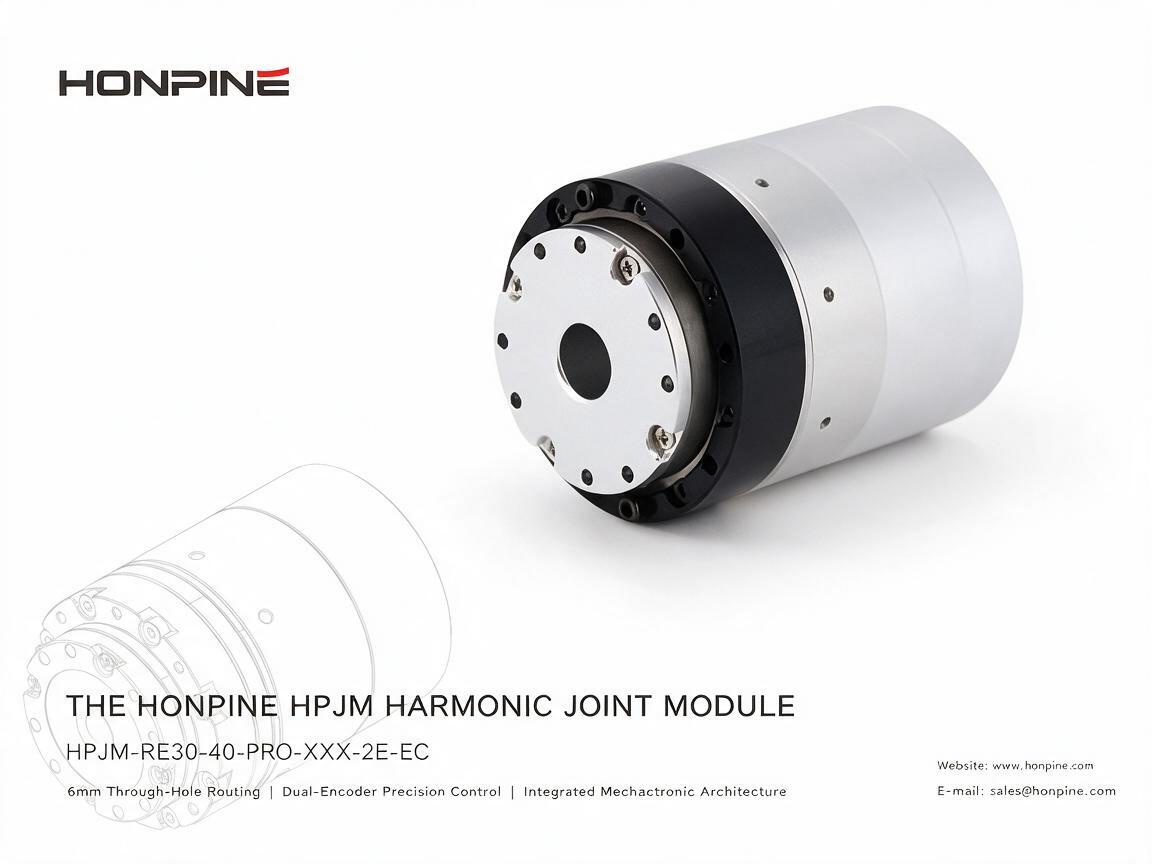
 Ultra-Compact Harmonic Joint Module with a 6 mm Hollow ShaftAs humanoid robots and compact robotic systems evolve, joint modules must deliver high torque density, precise motion control, and flexible cable routing within increasingly limited installation space. The HONPINE HPJM-RE30-40-PRO harmonic joint module addresses these challenges with a compact design, a 6 mm hollow shaft, dual-encoder feedback, and an integrated motor and FOC drive. In this article, we explore its key design features and explain how its hollow-shaft structure, EtherCAT connectivity, and flexible mounting options support the development of humanoid robots, drones, optical platforms, and precision automation equipment.
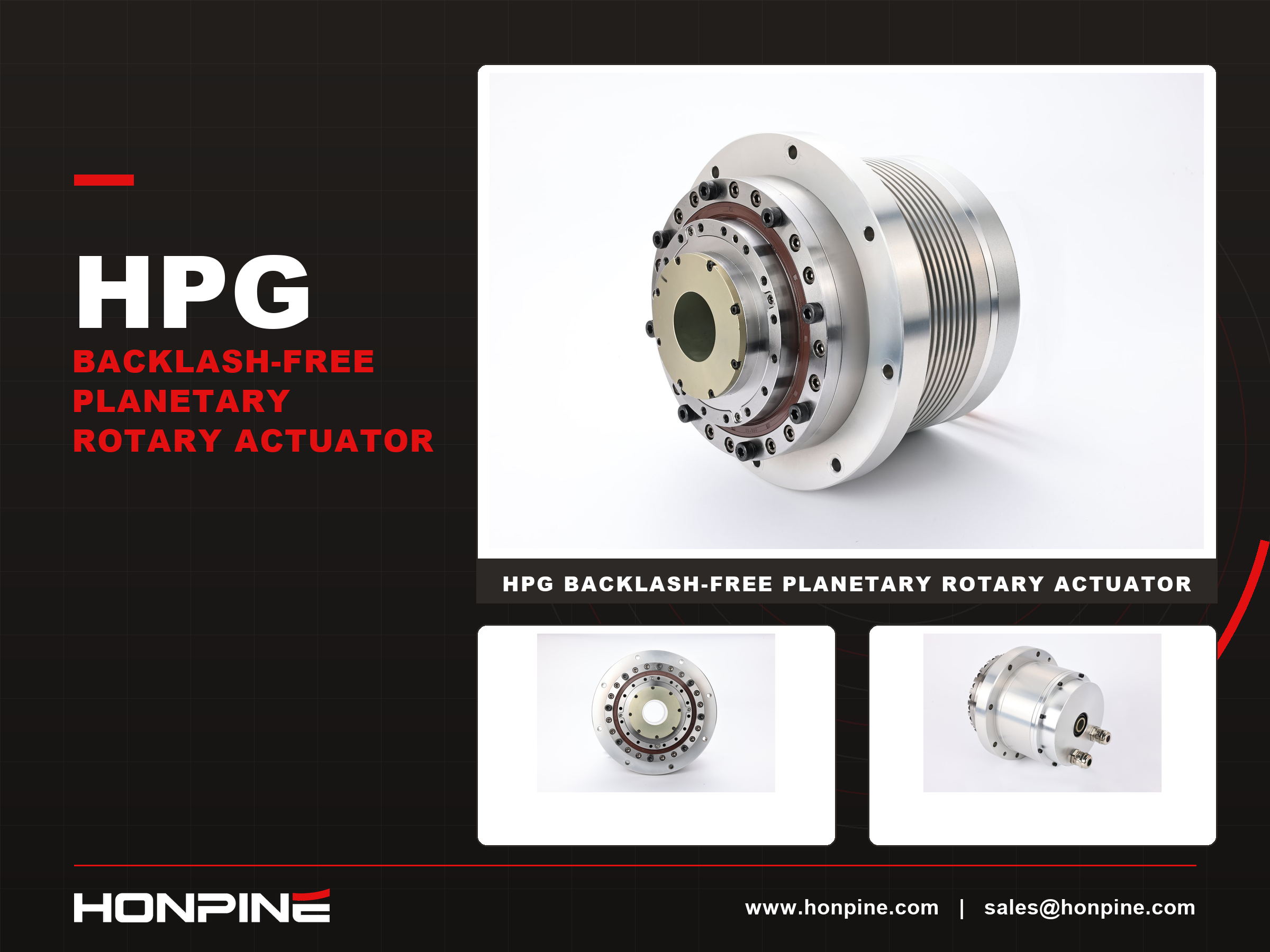
 How Does the HONPINE HPG Backlash-Free Planetary Rotary Actuator Balance CNC Accuracy and Rigidity?Discover the HONPINE HPG precision backlash-free planetary rotary actuator for CNC rotary tables. Explore positioning accuracy, torsional rigidity, low backlash, and drive selection.
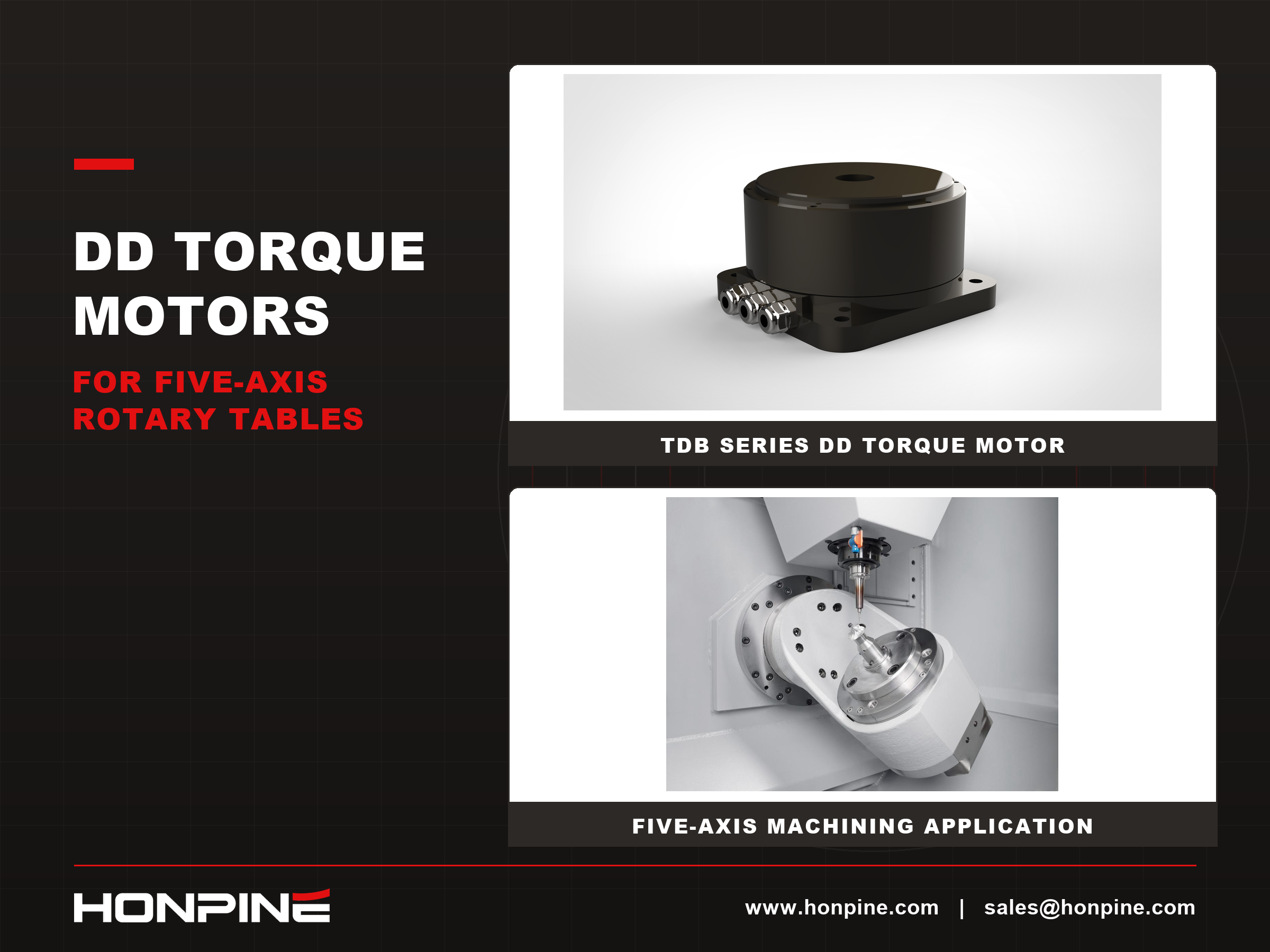
 Why Are DD Torque Motors Ideal for High-End Five-Axis Rotary Tables?Choosing the right drive mechanism is critical to the performance of a five-axis rotary table. Worm gears, cam roller drives, harmonic reducers, RV cycloidal reducers, and DD torque motors each offer different advantages in positioning accuracy, torsional stiffness, speed, and cost. For high-end CNC machining, the challenge is not simply achieving low backlash, but maintaining accuracy under cutting loads and during continuous multi-axis motion. This article compares five common drive technologies and explains why direct-drive torque motors are an attractive option for applications requiring high dynamic response, reduced transmission errors, and consistent machining performance.
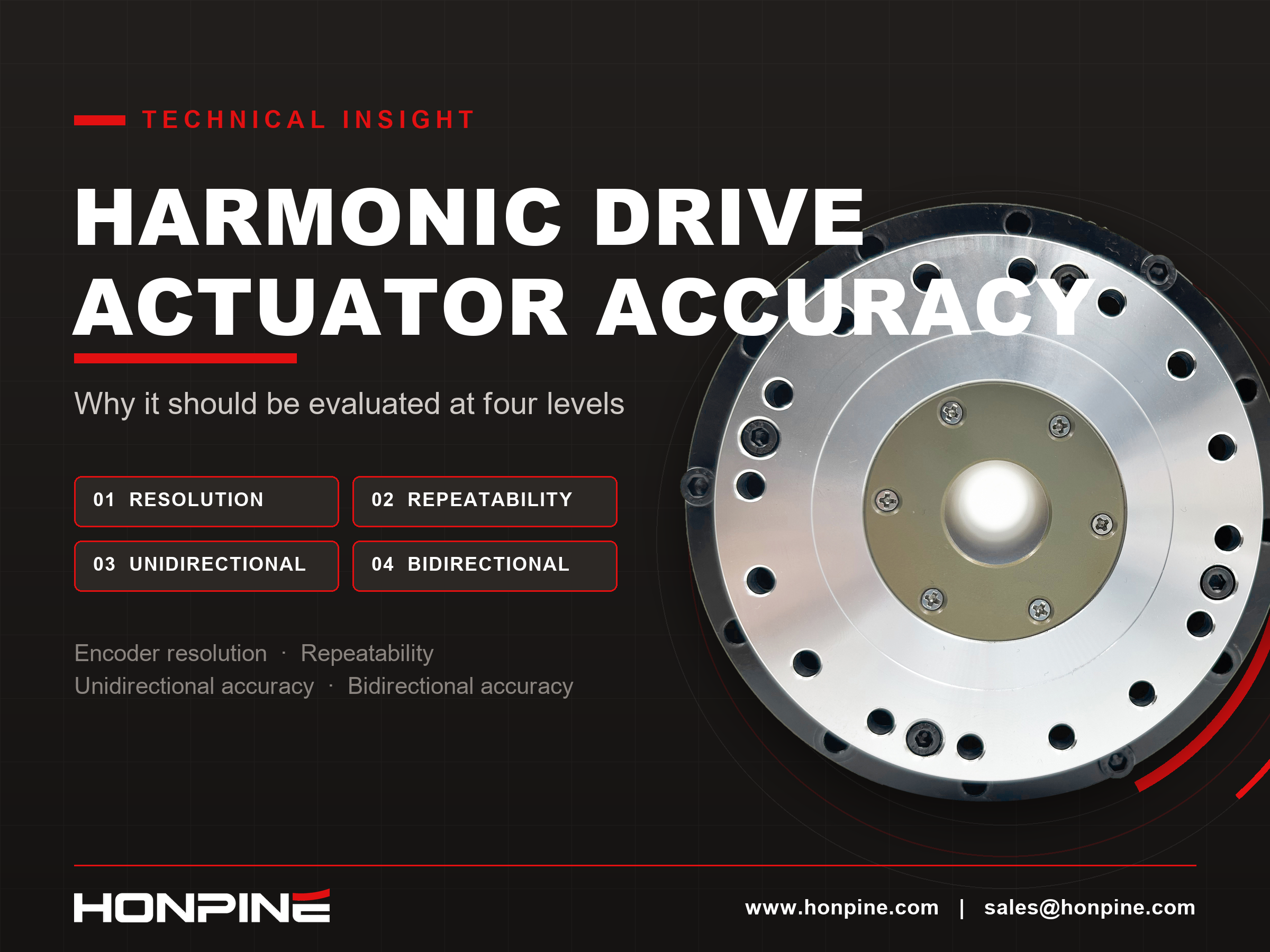
 Harmonic Drive Actuator Accuracy: Why It Should Be Evaluated at Four LevelsHarmonic drive actuator accuracy involves more than encoder resolution. Why should engineers evaluate it at four levels? Resolution, repeatability, unidirectional positioning accuracy, and bidirectional positioning accuracy describe different aspects of motion performance. Understanding these differences helps engineers select harmonic rotary actuators for semiconductor equipment, EFEM systems, and 3C automation without confusing theoretical encoder increments with actual positioning performance.
Double Click
We provide harmonic drive reducer,planetary reducer,robot joint motor,robot rotary actuators,RV gear reducer,robot end effector,dexterous robot hand
 What is robot joint actuator?How to Choose the Best Robot Rotary Joint Actuator?In core robot joint transmission solutions, planetary and harmonic rotary actuators each have their own strengths. Choosing the right type based on application requirements is essential to achieve the optimal balance between performance and cost.
 DD Motors VS Harmonic Rotary ActuatorsThis article provides an in-depth comparison between Direct Drive (DD) motors and harmonic rotary actuators, covering their transmission principles, advantages and disadvantages, and typical application fields.
 OMG Ultra Compact Harmonic Drive Joint Module with Built-in Torque SensorHONPINE TCHL series harmonic drive joint module is a game-changing product that achieves disruptive improvements in multiple aspects such as lightweight design, integration level, and connection convenience. This article will analyze its revolutionary enhancements with you.
 Why Are Harmonic Drive Actuators Ideal for Space-Constrained Industrial Automation Equipment?In modern industrial automation, limited installation space often makes mechanical design more challenging. Harmonic drive actuators offer a compact motion-control solution by integrating key drive components into a single unit. Their high reduction ratios, streamlined mechanical structures, and flexible mounting options can help equipment manufacturers reduce space requirements, simplify assembly, and optimize internal layouts. This article explores four ways integrated harmonic drive actuators support space-saving designs in industrial automation equipment.
 How Does a Harmonic Joint Actuator with a Torque Sensor Improve Robot Force Control?Learn how the HONPINE TCHL harmonic joint actuator uses an integrated output torque sensor to support force feedback, collision detection, compliant assembly, rehabilitation robotics, and teleoperation.
 Ultra-Compact Harmonic Joint Module with a 6 mm Hollow ShaftAs humanoid robots and compact robotic systems evolve, joint modules must deliver high torque density, precise motion control, and flexible cable routing within increasingly limited installation space. The HONPINE HPJM-RE30-40-PRO harmonic joint module addresses these challenges with a compact design, a 6 mm hollow shaft, dual-encoder feedback, and an integrated motor and FOC drive. In this article, we explore its key design features and explain how its hollow-shaft structure, EtherCAT connectivity, and flexible mounting options support the development of humanoid robots, drones, optical platforms, and precision automation equipment.
 How Does the HONPINE HPG Backlash-Free Planetary Rotary Actuator Balance CNC Accuracy and Rigidity?Discover the HONPINE HPG precision backlash-free planetary rotary actuator for CNC rotary tables. Explore positioning accuracy, torsional rigidity, low backlash, and drive selection.
 Why Are DD Torque Motors Ideal for High-End Five-Axis Rotary Tables?Choosing the right drive mechanism is critical to the performance of a five-axis rotary table. Worm gears, cam roller drives, harmonic reducers, RV cycloidal reducers, and DD torque motors each offer different advantages in positioning accuracy, torsional stiffness, speed, and cost. For high-end CNC machining, the challenge is not simply achieving low backlash, but maintaining accuracy under cutting loads and during continuous multi-axis motion. This article compares five common drive technologies and explains why direct-drive torque motors are an attractive option for applications requiring high dynamic response, reduced transmission errors, and consistent machining performance.
 Harmonic Drive Actuator Accuracy: Why It Should Be Evaluated at Four LevelsHarmonic drive actuator accuracy involves more than encoder resolution. Why should engineers evaluate it at four levels? Resolution, repeatability, unidirectional positioning accuracy, and bidirectional positioning accuracy describe different aspects of motion performance. Understanding these differences helps engineers select harmonic rotary actuators for semiconductor equipment, EFEM systems, and 3C automation without confusing theoretical encoder increments with actual positioning performance.
 Why Do Many Customers Choose HONPINE HPJM Harmonic Joint Modules for Just 2 mm More Hollow Bore Diameter?Why do many customers choose HONPINE HPJM harmonic joint modules for just 2 mm more hollow bore diameter? In compact robotic joints, this small dimensional difference can create a surprisingly large increase in available space. Because the cross-sectional area of a circular bore increases with the square of its diameter, an extra 2 mm can significantly improve internal cable routing and simplify system integration. This article examines the impact of hollow bore diameter, compares selected HONPINE HPJM models with comparable harmonic joint modules, and explains why bore size matters in humanoid robots, collaborative robots, and industrial automation.
 Harmonic Drive Backlash in Arcmin: What the Specification Really Tells YouChoosing the right force control harmonic joint actuator involves more than comparing torque and dimensions. Torque sensor specifications, encoder feedback, communication protocols, functional safety, and hollow-shaft size can all affect system integration and control performance. In this guide, HONPINE Technical Director compares the TCHL and HAG harmonic joint actuator series, explaining their key differences and providing a practical selection framework for humanoid robots, collaborative manipulators, precision assembly, polishing, and other force-controlled applications.
 How to Choose a Force Control Harmonic Joint Actuator? An In-Depth Comparison of HONPINE TCHL and HAGChoosing the right force control harmonic joint actuator involves more than comparing torque and dimensions. Torque sensor specifications, encoder feedback, communication protocols, functional safety, and hollow-shaft size can all affect system integration and control performance. In this guide, HONPINE Technical Director compares the TCHL and HAG harmonic joint actuator series, explaining their key differences and providing a practical selection framework for humanoid robots, collaborative manipulators, precision assembly, polishing, and other force-controlled applications.