

Zero-Backlash Harmonic Actuator for Medical Applications
In high-precision machine tool equipment and medical applications, the Zero-Backlash Harmonic Actuator is redefining motion control with exceptional accuracy, compact design, and reliable performance. As demand grows for safer, smoother, and more responsive systems, this advanced actuator solution offers a powerful balance of precision engineering and application versatility worth exploring.
Why engineers search for zero-backlash harmonic actuators in medical systems
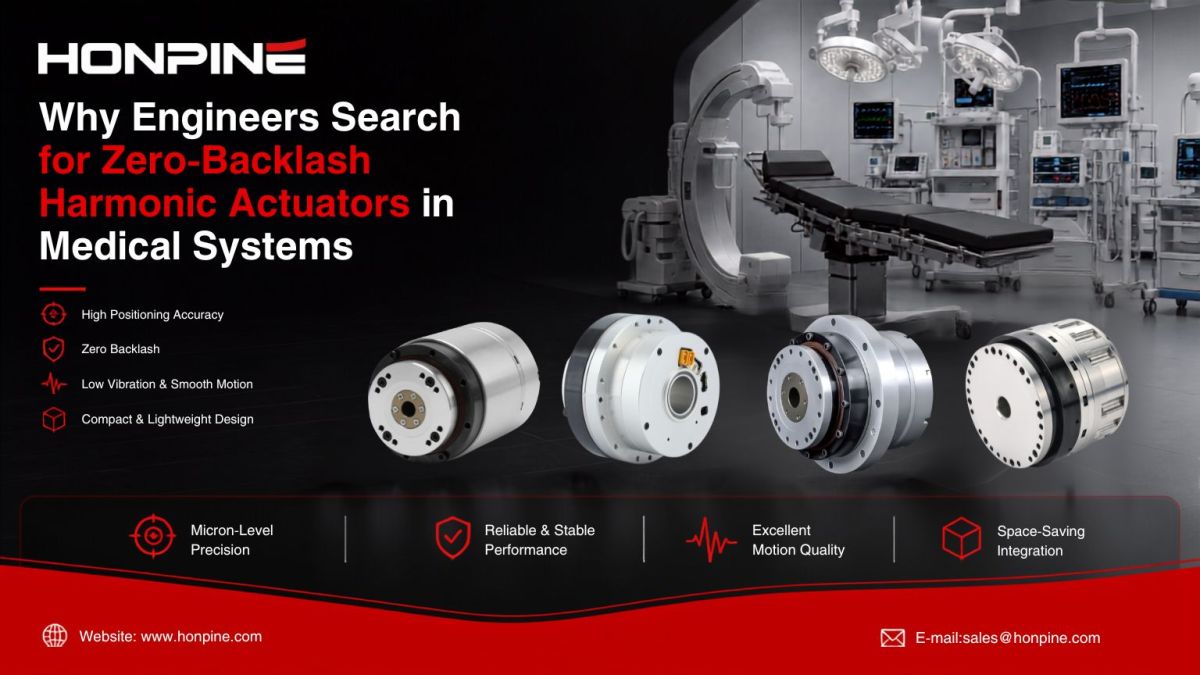
Most readers searching this topic want a practical answer first: can a zero-backlash harmonic actuator deliver cleaner, safer, and more repeatable motion in medical equipment than conventional drive solutions?
In many cases, the answer is yes, especially when the application depends on tight positioning accuracy, compact packaging, low vibration, and predictable control under changing loads.
Medical systems do not tolerate motion uncertainty well. Whether the device guides a surgical arm, controls diagnostic movement, or adjusts a treatment platform, backlash can directly reduce precision and operator confidence.
That is why the zero-backlash harmonic actuator attracts attention from both machine tool engineers and medical device developers. It addresses a real performance gap rather than offering a purely theoretical improvement.
The core search intent behind this topic is usually commercial and technical at the same time. Readers want to understand performance benefits, application fit, design tradeoffs, and selection criteria before committing to integration.
What zero backlash actually changes in medical motion control
Backlash is the lost motion caused by clearance between mechanical components. In medical applications, even a small amount can create overshoot, hesitation, positioning drift, or inconsistent response near reversal points.
A zero-backlash harmonic actuator minimizes or removes that mechanical play. The result is more faithful motion transfer from the motor to the output, particularly in tasks requiring precise starts, stops, and directional changes.
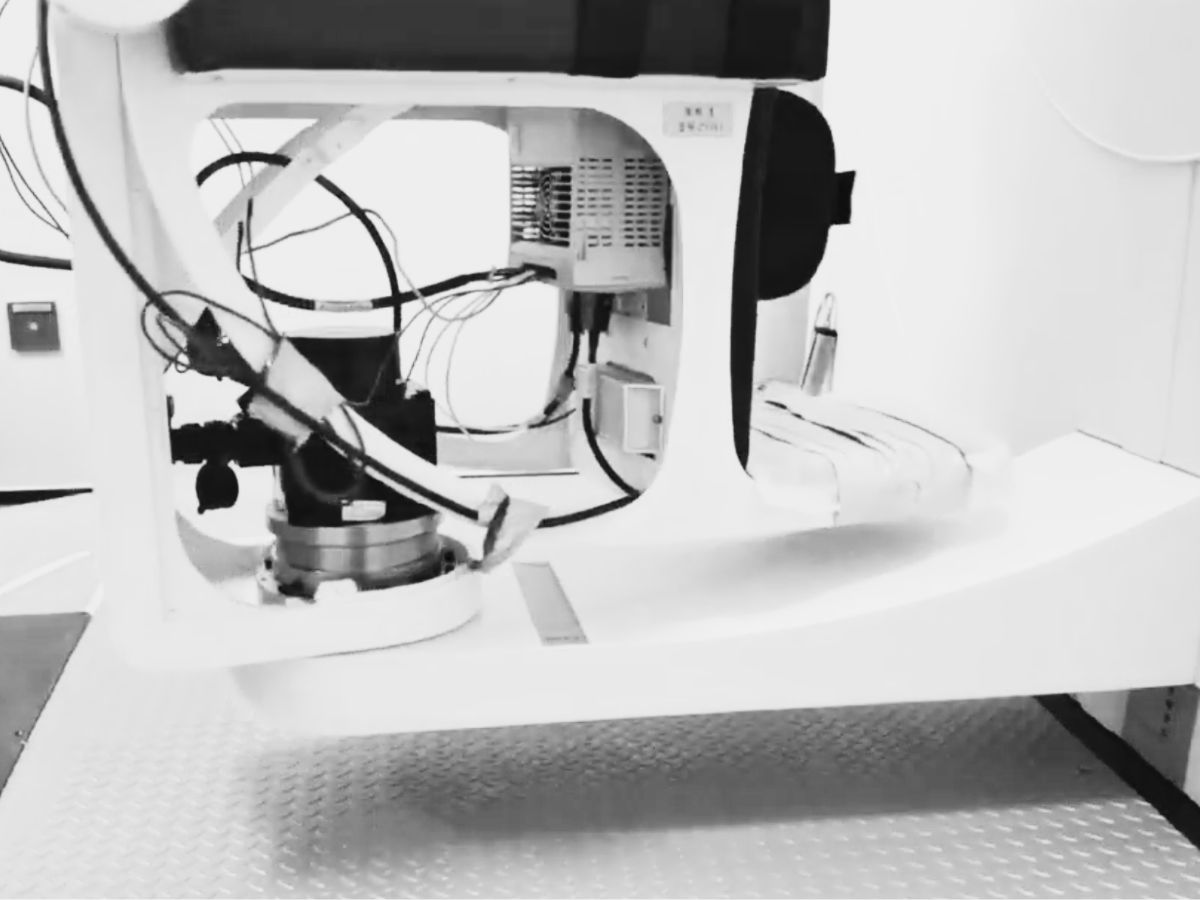
This matters in imaging tables, robotic-assisted systems, laboratory automation, rehabilitation devices, and compact handling mechanisms. Motion becomes smoother, more controllable, and easier to tune at the system level.
Engineers also care about repeatability. A device may hit the target once during testing, but in regulated applications, it must repeatedly achieve the same position and behavior over long operating cycles.
Zero-backlash architecture supports that consistency. It reduces the hidden mechanical variability that often forces software compensation, repeated calibration, or tighter maintenance intervals later in the product lifecycle.
Why harmonic actuator design fits compact and high-precision equipment
Harmonic drive principles are valued because they combine high reduction ratios, compact dimensions, and excellent positional control. That combination is particularly useful when installation space is limited but motion demands remain strict.
Medical equipment designers often work with crowded assemblies. They need motors, sensors, wiring, shielding, and safety elements to coexist in a tight mechanical envelope without sacrificing serviceability or stability.
A zero-backlash harmonic actuator helps by concentrating torque transmission into a smaller footprint than many traditional alternatives. This can simplify layout decisions and allow more freedom in device architecture.
Compactness alone is not enough, though. The actuator must also support low inertia mismatch, stable dynamic response, and efficient integration with closed-loop control systems used in advanced equipment platforms.
That is where harmonic solutions often stand out. They are not just small. They support precision motion behavior that aligns well with servo-driven, sensor-informed, and safety-conscious machine designs.
Which medical applications benefit most from this actuator type
Not every medical device needs a zero-backlash harmonic actuator, but several categories benefit strongly from it. The best fit appears where motion quality directly affects treatment quality, imaging clarity, or operator control.
Robotic-assisted surgical platforms are an obvious example. These systems demand controlled articulation, minimal positional error, and smooth response across complex movement paths in tightly constrained workspaces.
Diagnostic and imaging systems also benefit. Positioning mechanisms for detectors, tables, or scanning modules must move with stability and stop accurately to preserve image quality and maintain workflow efficiency.
Rehabilitation and assistive devices are another strong use case. Here, smooth torque transmission and responsive control improve patient interaction, device comfort, and confidence during repetitive or guided movement.
Laboratory and pharmaceutical automation can also gain value. When small motion errors accumulate across handling, dosing, or alignment tasks, a zero-backlash system helps improve repeatability and reduce downstream quality risk.
What decision-makers care about beyond raw precision
Technical buyers rarely choose an actuator based on accuracy figures alone. They also evaluate reliability, lifecycle cost, integration effort, regulatory implications, and how the component affects the final product experience.
For management teams, the key question is usually broader: does this actuator reduce operational risk while supporting a more competitive machine or medical device platform? Precision is only one part of that answer.
If the actuator improves first-pass motion tuning, lowers maintenance frequency, and reduces the need for software compensation, it can create meaningful cost advantages across engineering and field support stages.
Buyers also look at noise, smoothness, thermal behavior, and long-term wear patterns. In environments where clinicians or patients interact directly with equipment, mechanical refinement has visible business value.
That is why specification review should include both measurable and practical criteria. The right actuator is not simply the most advanced on paper, but the one that best supports the product’s real operating context.
How to evaluate a zero-backlash harmonic actuator before selection
A useful evaluation starts with the motion profile. Define travel range, duty cycle, peak torque, holding torque, acceleration demands, and reversal frequency before comparing models or gear configurations.
Then examine repeatability, torsional stiffness, and allowable radial and axial loads. These factors often matter more than catalog reduction ratio alone when the actuator must hold stable performance in real assemblies.
Control compatibility is also critical. The actuator should match the servo system, encoder resolution, and control loop behavior planned for the final machine, otherwise integration gains can disappear during tuning.
Environmental requirements must be reviewed early. Medical and precision machine environments may involve cleaning routines, temperature constraints, limited lubrication tolerance, or specific material expectations depending on exposure conditions.
It is also sensible to assess installation geometry. In some assemblies, associated transmission components such as a Shaft Input Right Angle 90 Degree Spiral Bevel Gearbox may support layout optimization where directional power transfer is needed.
Common concerns: wear, reliability, and control complexity
Some engineers hesitate because harmonic systems are perceived as specialized or delicate. That concern is understandable, but it should be tested against the actual application rather than assumed from legacy experience.
A properly specified zero-backlash harmonic actuator can deliver robust long-term performance. Reliability depends less on the concept itself and more on correct load matching, mounting quality, lubrication strategy, and duty cycle control.
Another concern is whether tighter mechanical response makes control harder. In practice, reduced backlash often simplifies servo tuning because the mechanical system behaves more predictably around reversals and fine positioning tasks.
There can still be engineering challenges, especially where shock loads, unexpected side loads, or poorly constrained structures exist. Those issues should be addressed in the surrounding mechanism, not left to the actuator alone.
Validation testing remains essential. Teams should verify torque margins, thermal stability, positional drift, and noise behavior under realistic conditions rather than relying only on idealized bench measurements.
How machine tool expertise strengthens medical actuator design
The machine tool industry has long prioritized rigidity, repeatability, precision transmission, and controlled motion under demanding conditions. Those strengths translate well into modern medical equipment development.
When actuator solutions draw from machine tool engineering discipline, they often bring better structural thinking, tighter tolerances, and stronger attention to real-world mechanical behavior over long service periods.
This is especially valuable in medical applications where the device may appear lightweight or compact but still requires industrial-grade consistency. Precision cannot depend on software alone when mechanics remain unstable.
Cross-industry thinking also improves component selection. Designers become more likely to compare actuator stiffness, mounting constraints, and transmission alignment as a system instead of treating the motor as an isolated purchase.
In some compact layouts, a second-stage directional solution such as the Shaft Input Right Angle 90 Degree Spiral Bevel Gearbox may complement broader motion architecture when spatial constraints shape the final design.
How to judge whether this actuator is worth the investment
The best investment cases are usually found where backlash already causes measurable cost, risk, or performance limitations. That may include rejected parts, unstable imaging, poor haptic response, or long setup and calibration time.
If a conventional actuator meets tolerance, reliability, and user-experience targets without heavy compensation, upgrading may not be necessary. Precision components should solve a problem, not simply add technical prestige.
On the other hand, if the current design struggles with repeatability, motion smoothness, or packaging efficiency, a zero-backlash harmonic actuator can unlock improvements across multiple system metrics at once.
Decision-makers should compare total system impact, not unit price alone. Better control response, smaller form factor, and lower maintenance burden may justify a higher component cost over the equipment lifecycle.
A careful review usually includes prototype testing, failure mode analysis, and expected service demands. This approach turns actuator selection from a catalog choice into a defendable engineering and business decision.
Final assessment for buyers and technical teams
The zero-backlash harmonic actuator is most valuable where precise motion is mission-critical, space is limited, and performance inconsistency creates real operational or clinical risk.
For medical applications, its value lies in smoother motion, stronger repeatability, compact integration, and more predictable control behavior. Those advantages matter because they directly support equipment quality and user trust.
For machine tool and advanced equipment professionals, the technology deserves attention not as a trend, but as a practical solution to hard mechanical problems that software alone cannot reliably fix.
The right choice still depends on load conditions, control architecture, lifecycle expectations, and installation constraints. But when the application truly demands zero-backlash behavior, harmonic actuator design offers a compelling path forward.
Readers evaluating this technology should focus on measurable application needs, realistic test data, and full system integration quality. That is the clearest route to deciding whether the actuator will create lasting value.
Read More
Learn more about the story of HONPINE and industry trends related to precision transmission.
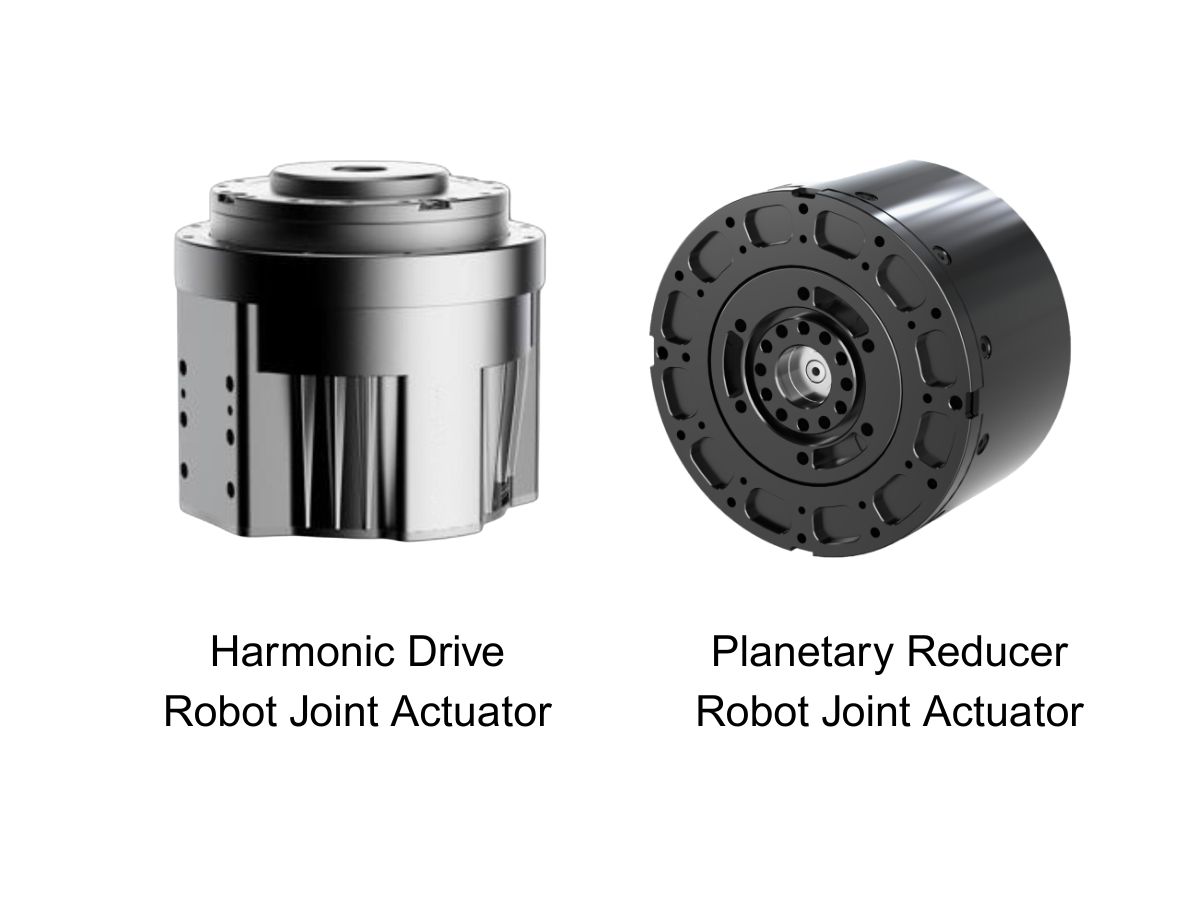
 What is robot joint actuator?How to Choose the Best Robot Rotary Joint Actuator?In core robot joint transmission solutions, planetary and harmonic rotary actuators each have their own strengths. Choosing the right type based on application requirements is essential to achieve the optimal balance between performance and cost.
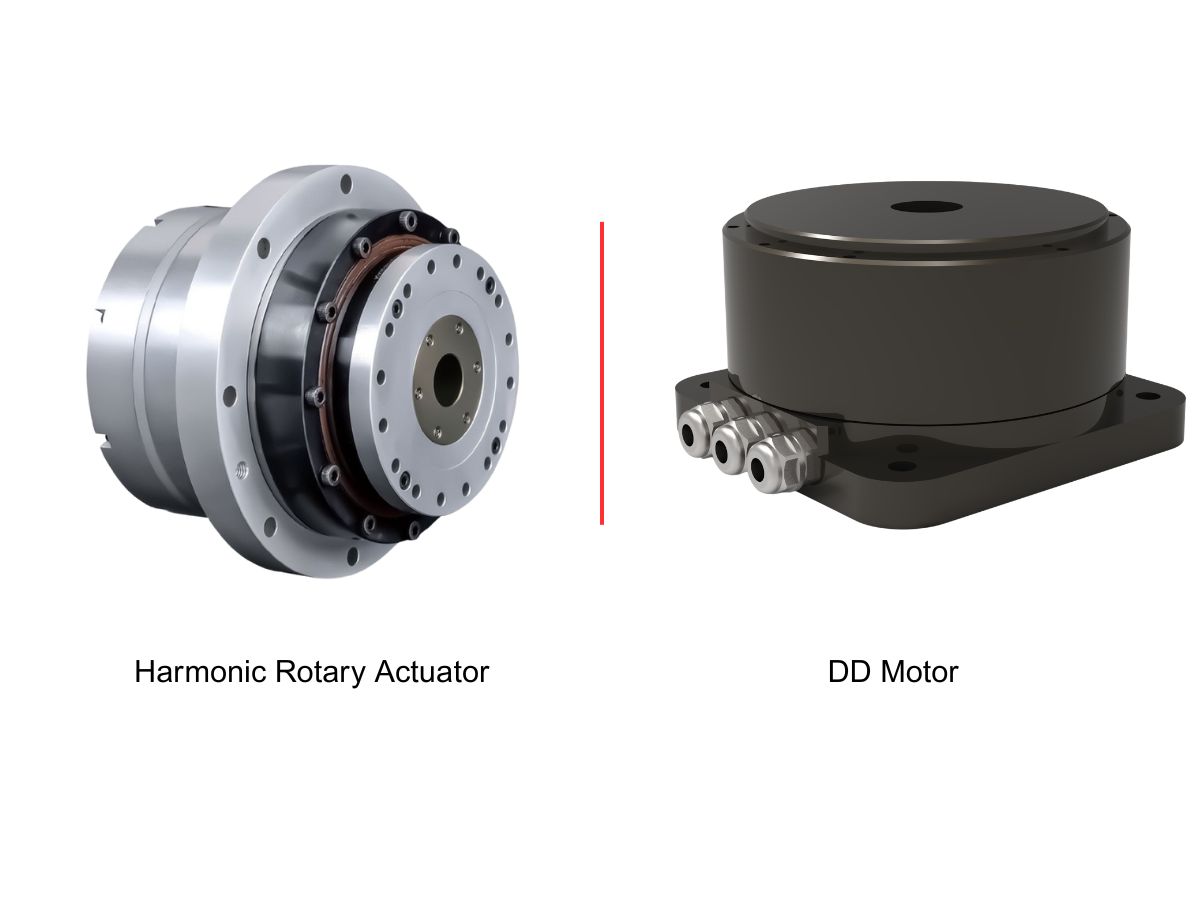
 DD Motors VS Harmonic Rotary ActuatorsThis article provides an in-depth comparison between Direct Drive (DD) motors and harmonic rotary actuators, covering their transmission principles, advantages and disadvantages, and typical application fields.
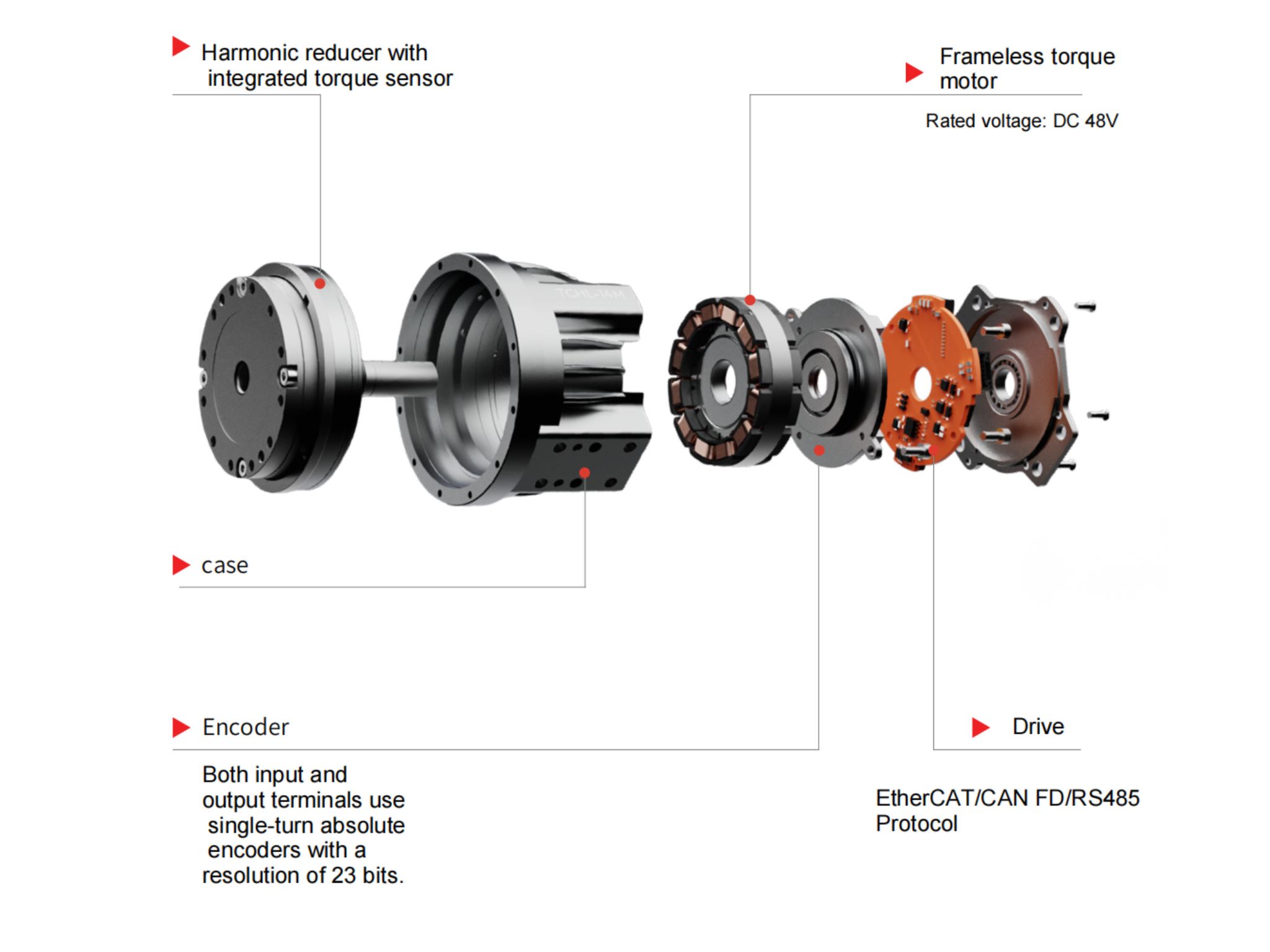
 OMG Ultra Compact Harmonic Drive Joint Module with Built-in Torque SensorHONPINE TCHL series harmonic drive joint module is a game-changing product that achieves disruptive improvements in multiple aspects such as lightweight design, integration level, and connection convenience. This article will analyze its revolutionary enhancements with you.
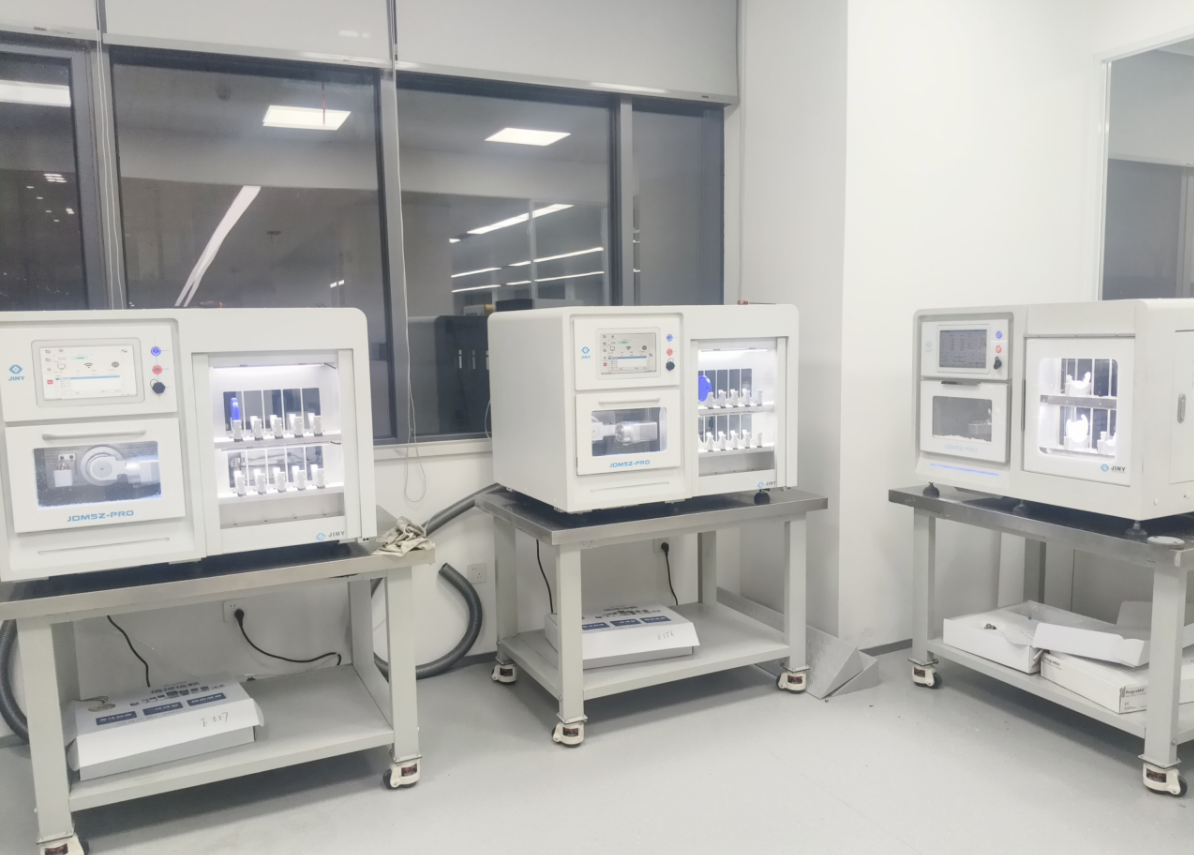
 The Role of Harmonic Drive Gears in Achieving 5–10 μm Accuracy in Dental Milling MachinesA dental milling machine is a CNC machining system used to directly process digital dental models into restorations such as crowns, bridges, veneers, inlays, and implant abutments. Dental milling machines require far higher operational accuracy and motion stability than ordinary equipment. This article explains how harmonic drive gear help dental milling machines achieve stable, continuous, and controllable operation.
 Why Are Harmonic Rotary Actuators Perfect for Medical Equipment?Harmonic rotary actuators (typically integrated systems consisting of a harmonic drive reducer, frameless torque motor, encoder, and optional brake) are regarded as key components in medical equipment. The core reason is that they simultaneously meet the most stringent medical requirements for precision, compact size, safety, and controllability. The following explanation is structured from three perspectives: technical characteristics, application scenarios, and medical value.
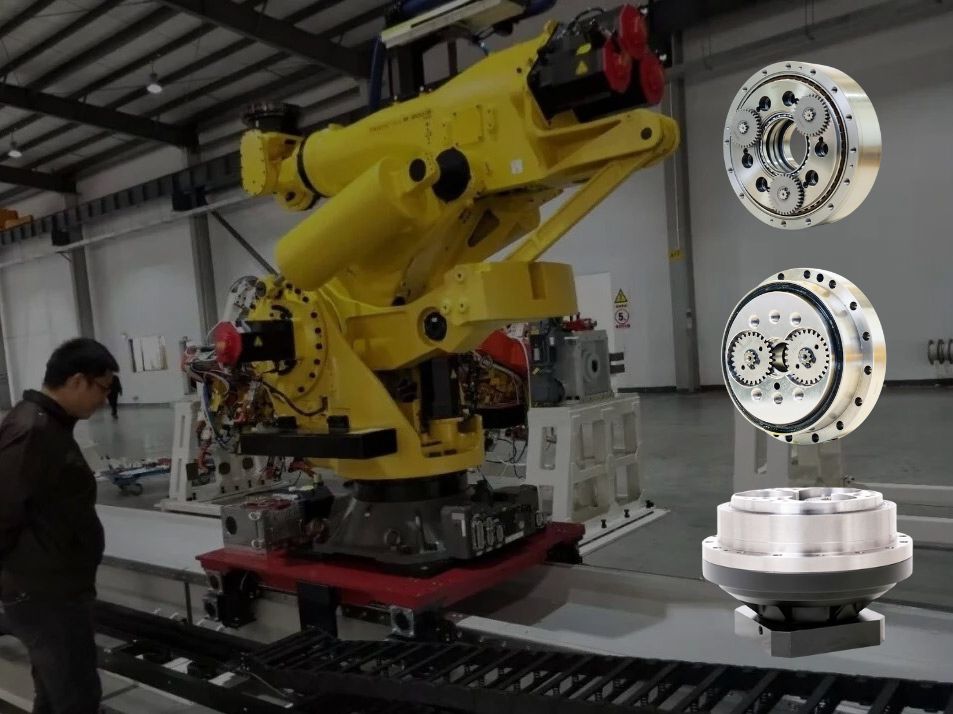
 High-Precision RV Reducers Perfectly Matched for Walking RobotsThe walking axis of a robot is a core component for power transmission and support. RV reducers provide extremely high rigidity, precision, and torque while maintaining a compact size and exceptional reliability, making them an ideal match for the demanding requirements of walking robot joints in terms of load capacity, impact resistance, and precision.
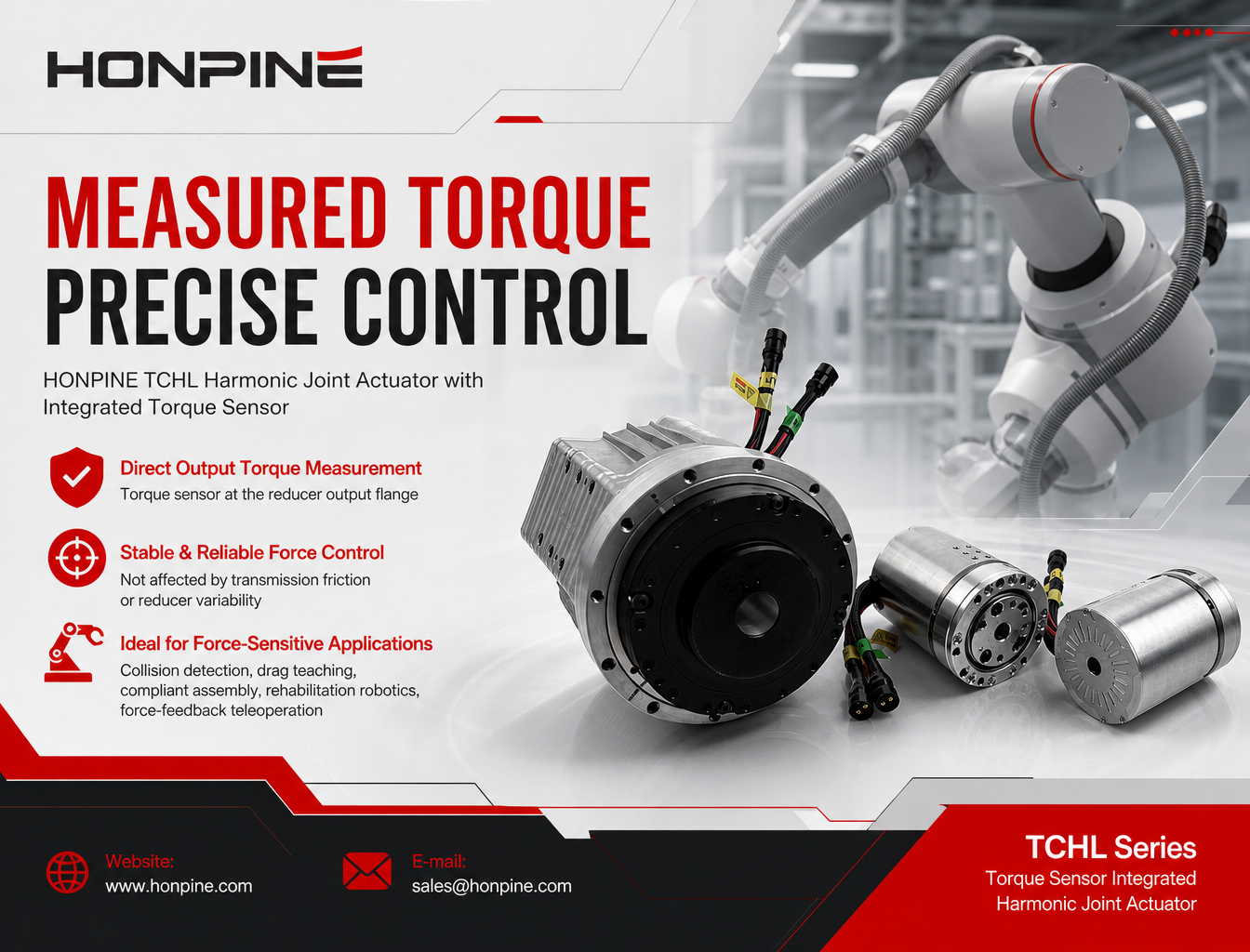
 How Does a Harmonic Joint Actuator with a Torque Sensor Improve Robot Force Control?Learn how the HONPINE TCHL harmonic joint actuator uses an integrated output torque sensor to support force feedback, collision detection, compliant assembly, rehabilitation robotics, and teleoperation.
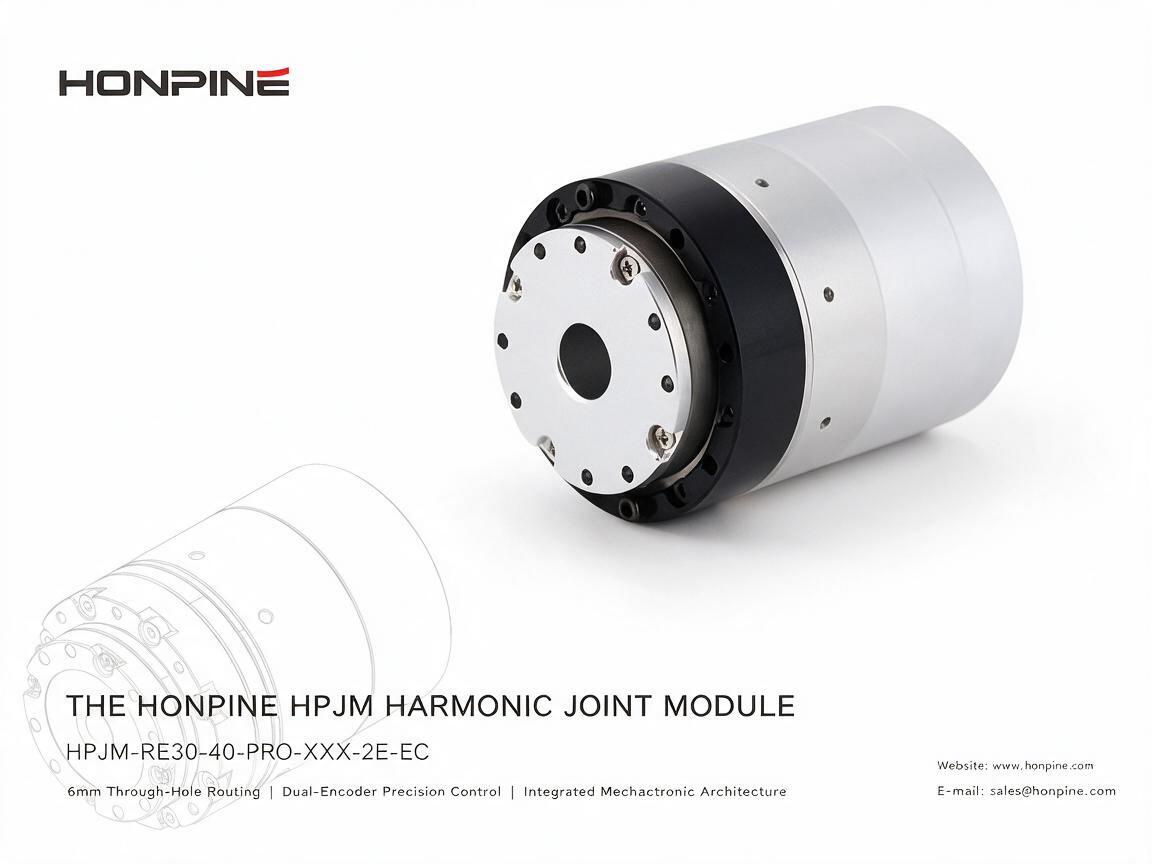
 Ultra-Compact Harmonic Joint Module with a 6 mm Hollow ShaftAs humanoid robots and compact robotic systems evolve, joint modules must deliver high torque density, precise motion control, and flexible cable routing within increasingly limited installation space. The HONPINE HPJM-RE30-40-PRO harmonic joint module addresses these challenges with a compact design, a 6 mm hollow shaft, dual-encoder feedback, and an integrated motor and FOC drive. In this article, we explore its key design features and explain how its hollow-shaft structure, EtherCAT connectivity, and flexible mounting options support the development of humanoid robots, drones, optical platforms, and precision automation equipment.
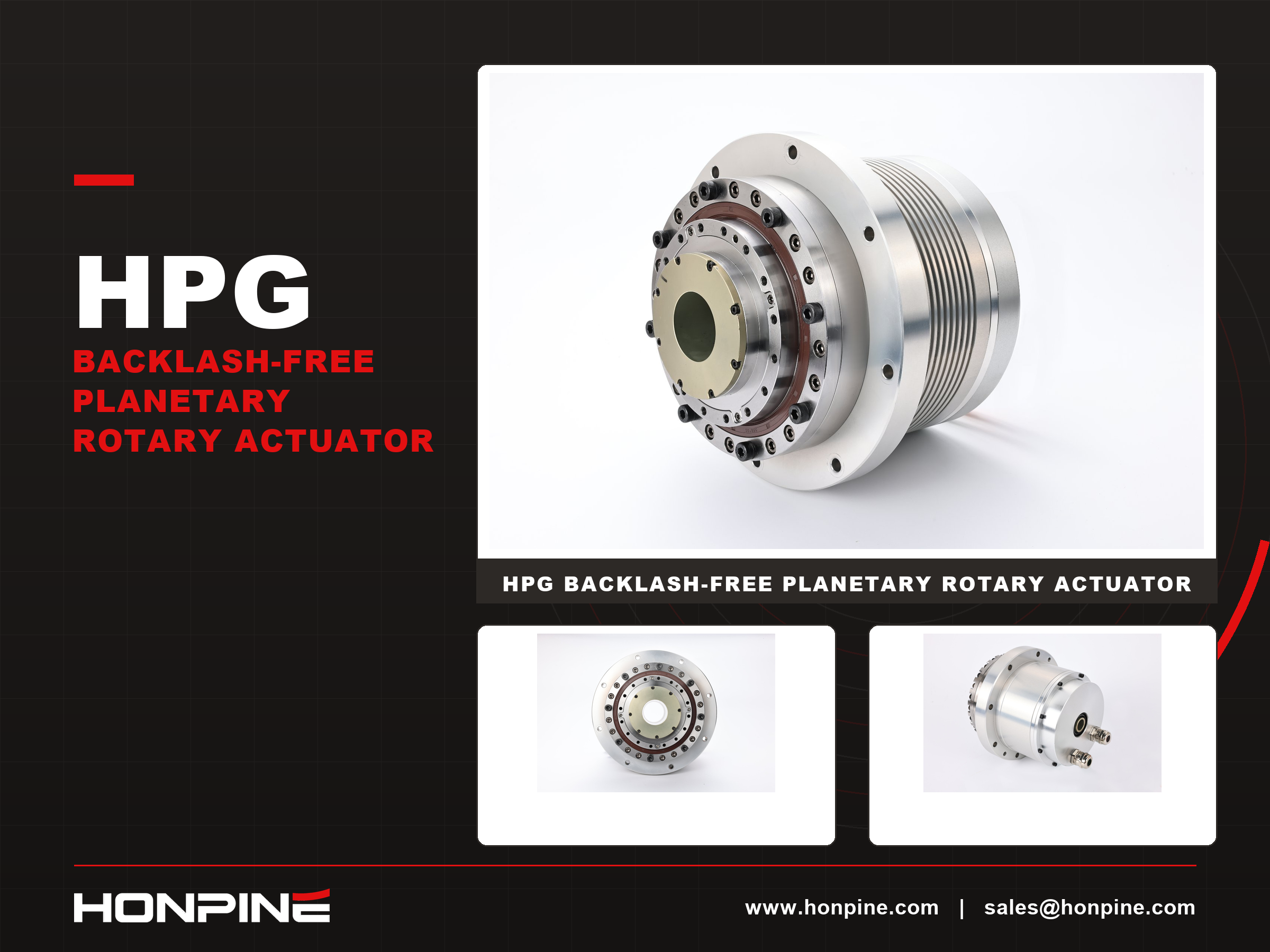
 How Does the HONPINE HPG Backlash-Free Planetary Rotary Actuator Balance CNC Accuracy and Rigidity?Discover the HONPINE HPG precision backlash-free planetary rotary actuator for CNC rotary tables. Explore positioning accuracy, torsional rigidity, low backlash, and drive selection.
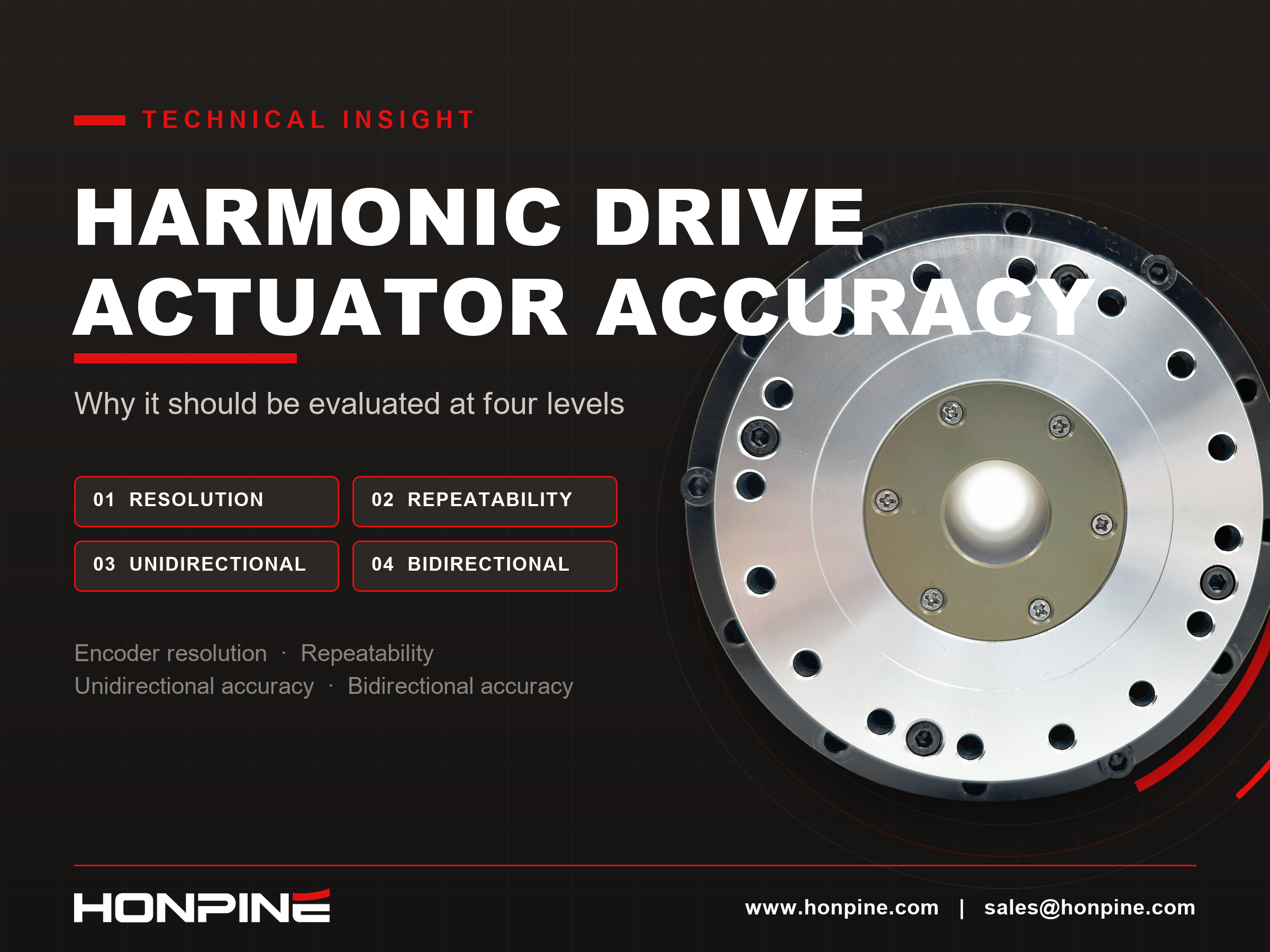
 Harmonic Drive Actuator Accuracy: Why It Should Be Evaluated at Four LevelsHarmonic drive actuator accuracy involves more than encoder resolution. Why should engineers evaluate it at four levels? Resolution, repeatability, unidirectional positioning accuracy, and bidirectional positioning accuracy describe different aspects of motion performance. Understanding these differences helps engineers select harmonic rotary actuators for semiconductor equipment, EFEM systems, and 3C automation without confusing theoretical encoder increments with actual positioning performance.
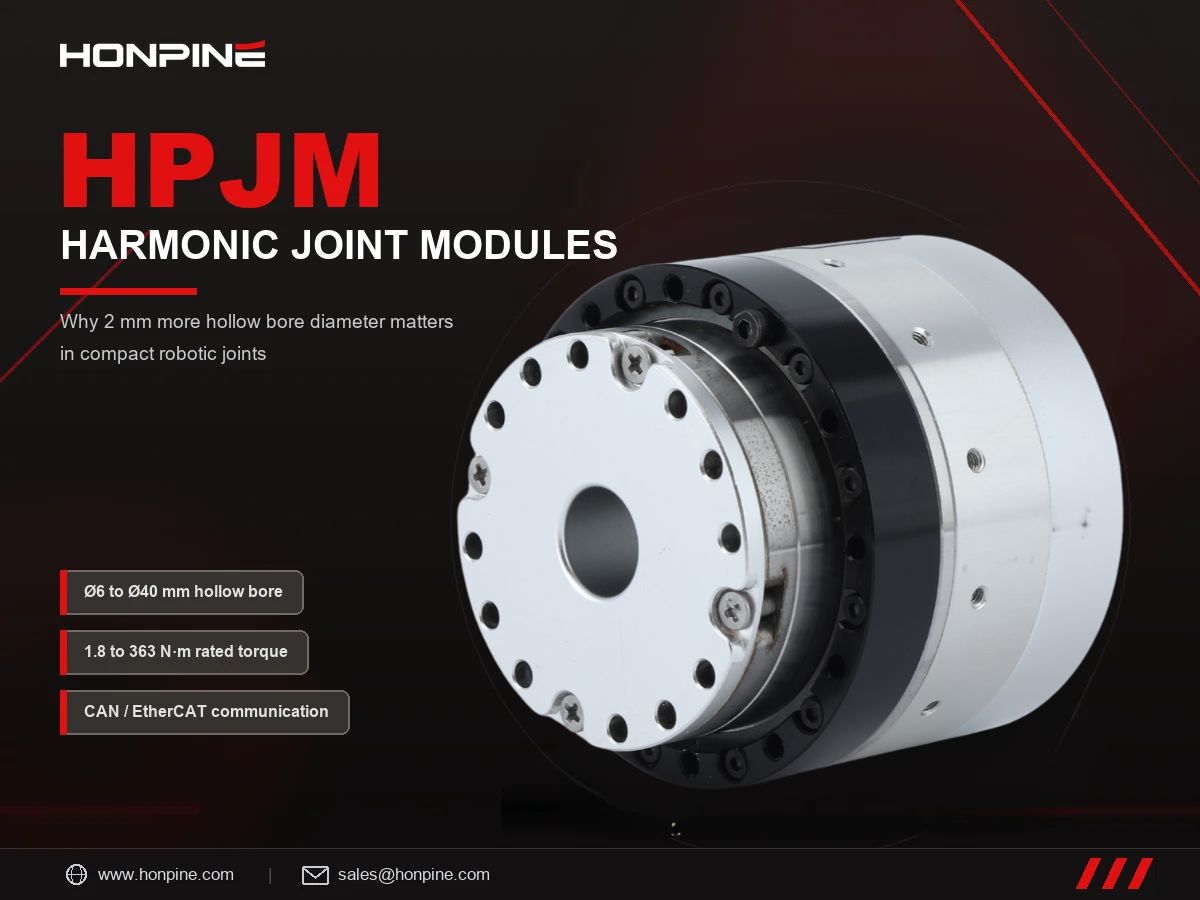
 Why Do Many Customers Choose HONPINE HPJM Harmonic Joint Modules for Just 2 mm More Hollow Bore Diameter?Why do many customers choose HONPINE HPJM harmonic joint modules for just 2 mm more hollow bore diameter? In compact robotic joints, this small dimensional difference can create a surprisingly large increase in available space. Because the cross-sectional area of a circular bore increases with the square of its diameter, an extra 2 mm can significantly improve internal cable routing and simplify system integration. This article examines the impact of hollow bore diameter, compares selected HONPINE HPJM models with comparable harmonic joint modules, and explains why bore size matters in humanoid robots, collaborative robots, and industrial automation.
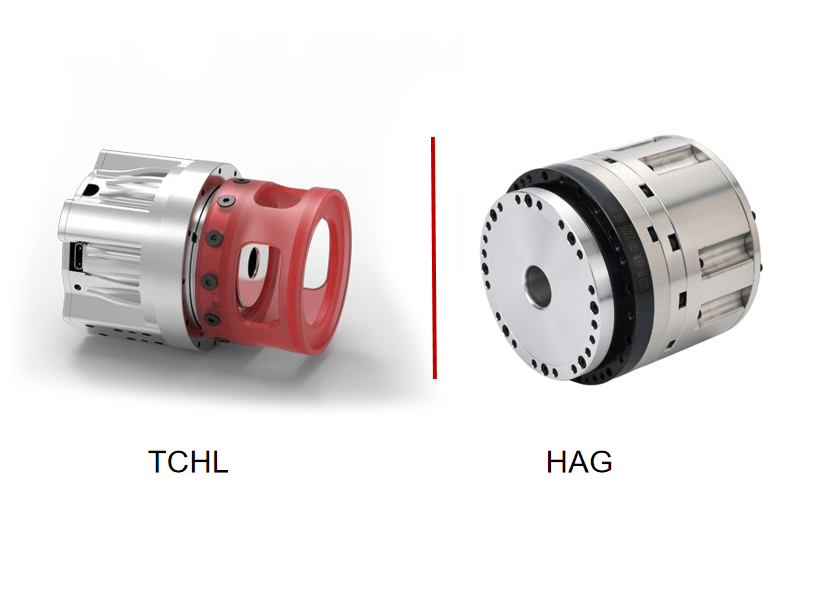
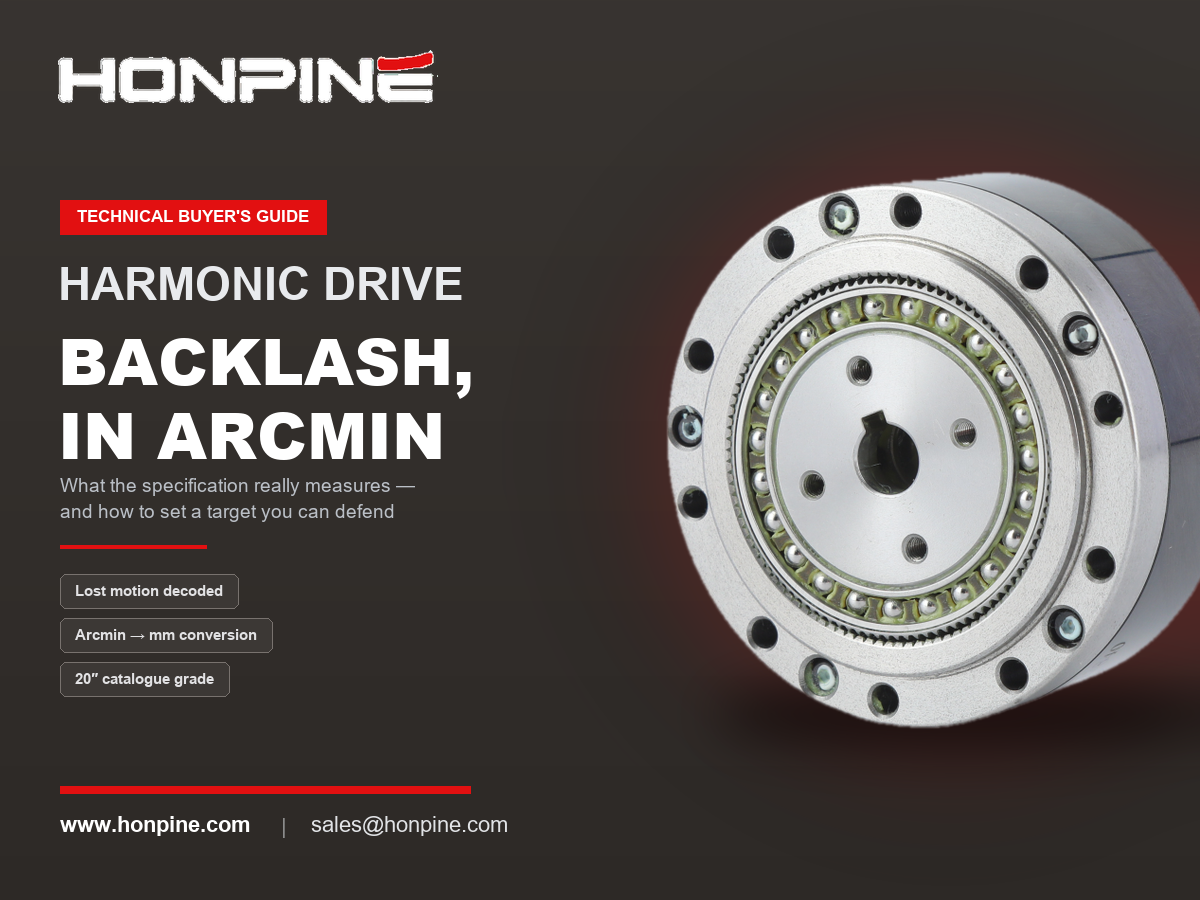
 Harmonic Drive Backlash in Arcmin: What the Specification Really Tells YouChoosing the right force control harmonic joint actuator involves more than comparing torque and dimensions. Torque sensor specifications, encoder feedback, communication protocols, functional safety, and hollow-shaft size can all affect system integration and control performance. In this guide, HONPINE Technical Director compares the TCHL and HAG harmonic joint actuator series, explaining their key differences and providing a practical selection framework for humanoid robots, collaborative manipulators, precision assembly, polishing, and other force-controlled applications.
Double Click
We provide harmonic drive reducer,planetary reducer,robot joint motor,robot rotary actuators,RV gear reducer,robot end effector,dexterous robot hand
 What is robot joint actuator?How to Choose the Best Robot Rotary Joint Actuator?In core robot joint transmission solutions, planetary and harmonic rotary actuators each have their own strengths. Choosing the right type based on application requirements is essential to achieve the optimal balance between performance and cost.
 DD Motors VS Harmonic Rotary ActuatorsThis article provides an in-depth comparison between Direct Drive (DD) motors and harmonic rotary actuators, covering their transmission principles, advantages and disadvantages, and typical application fields.
 OMG Ultra Compact Harmonic Drive Joint Module with Built-in Torque SensorHONPINE TCHL series harmonic drive joint module is a game-changing product that achieves disruptive improvements in multiple aspects such as lightweight design, integration level, and connection convenience. This article will analyze its revolutionary enhancements with you.
 How Does a Harmonic Joint Actuator with a Torque Sensor Improve Robot Force Control?Learn how the HONPINE TCHL harmonic joint actuator uses an integrated output torque sensor to support force feedback, collision detection, compliant assembly, rehabilitation robotics, and teleoperation.
 Ultra-Compact Harmonic Joint Module with a 6 mm Hollow ShaftAs humanoid robots and compact robotic systems evolve, joint modules must deliver high torque density, precise motion control, and flexible cable routing within increasingly limited installation space. The HONPINE HPJM-RE30-40-PRO harmonic joint module addresses these challenges with a compact design, a 6 mm hollow shaft, dual-encoder feedback, and an integrated motor and FOC drive. In this article, we explore its key design features and explain how its hollow-shaft structure, EtherCAT connectivity, and flexible mounting options support the development of humanoid robots, drones, optical platforms, and precision automation equipment.
 How Does the HONPINE HPG Backlash-Free Planetary Rotary Actuator Balance CNC Accuracy and Rigidity?Discover the HONPINE HPG precision backlash-free planetary rotary actuator for CNC rotary tables. Explore positioning accuracy, torsional rigidity, low backlash, and drive selection.
 Harmonic Drive Actuator Accuracy: Why It Should Be Evaluated at Four LevelsHarmonic drive actuator accuracy involves more than encoder resolution. Why should engineers evaluate it at four levels? Resolution, repeatability, unidirectional positioning accuracy, and bidirectional positioning accuracy describe different aspects of motion performance. Understanding these differences helps engineers select harmonic rotary actuators for semiconductor equipment, EFEM systems, and 3C automation without confusing theoretical encoder increments with actual positioning performance.
 Why Do Many Customers Choose HONPINE HPJM Harmonic Joint Modules for Just 2 mm More Hollow Bore Diameter?Why do many customers choose HONPINE HPJM harmonic joint modules for just 2 mm more hollow bore diameter? In compact robotic joints, this small dimensional difference can create a surprisingly large increase in available space. Because the cross-sectional area of a circular bore increases with the square of its diameter, an extra 2 mm can significantly improve internal cable routing and simplify system integration. This article examines the impact of hollow bore diameter, compares selected HONPINE HPJM models with comparable harmonic joint modules, and explains why bore size matters in humanoid robots, collaborative robots, and industrial automation.
 Harmonic Drive Backlash in Arcmin: What the Specification Really Tells YouChoosing the right force control harmonic joint actuator involves more than comparing torque and dimensions. Torque sensor specifications, encoder feedback, communication protocols, functional safety, and hollow-shaft size can all affect system integration and control performance. In this guide, HONPINE Technical Director compares the TCHL and HAG harmonic joint actuator series, explaining their key differences and providing a practical selection framework for humanoid robots, collaborative manipulators, precision assembly, polishing, and other force-controlled applications.
 How to Choose a Force Control Harmonic Joint Actuator? An In-Depth Comparison of HONPINE TCHL and HAGChoosing the right force control harmonic joint actuator involves more than comparing torque and dimensions. Torque sensor specifications, encoder feedback, communication protocols, functional safety, and hollow-shaft size can all affect system integration and control performance. In this guide, HONPINE Technical Director compares the TCHL and HAG harmonic joint actuator series, explaining their key differences and providing a practical selection framework for humanoid robots, collaborative manipulators, precision assembly, polishing, and other force-controlled applications.
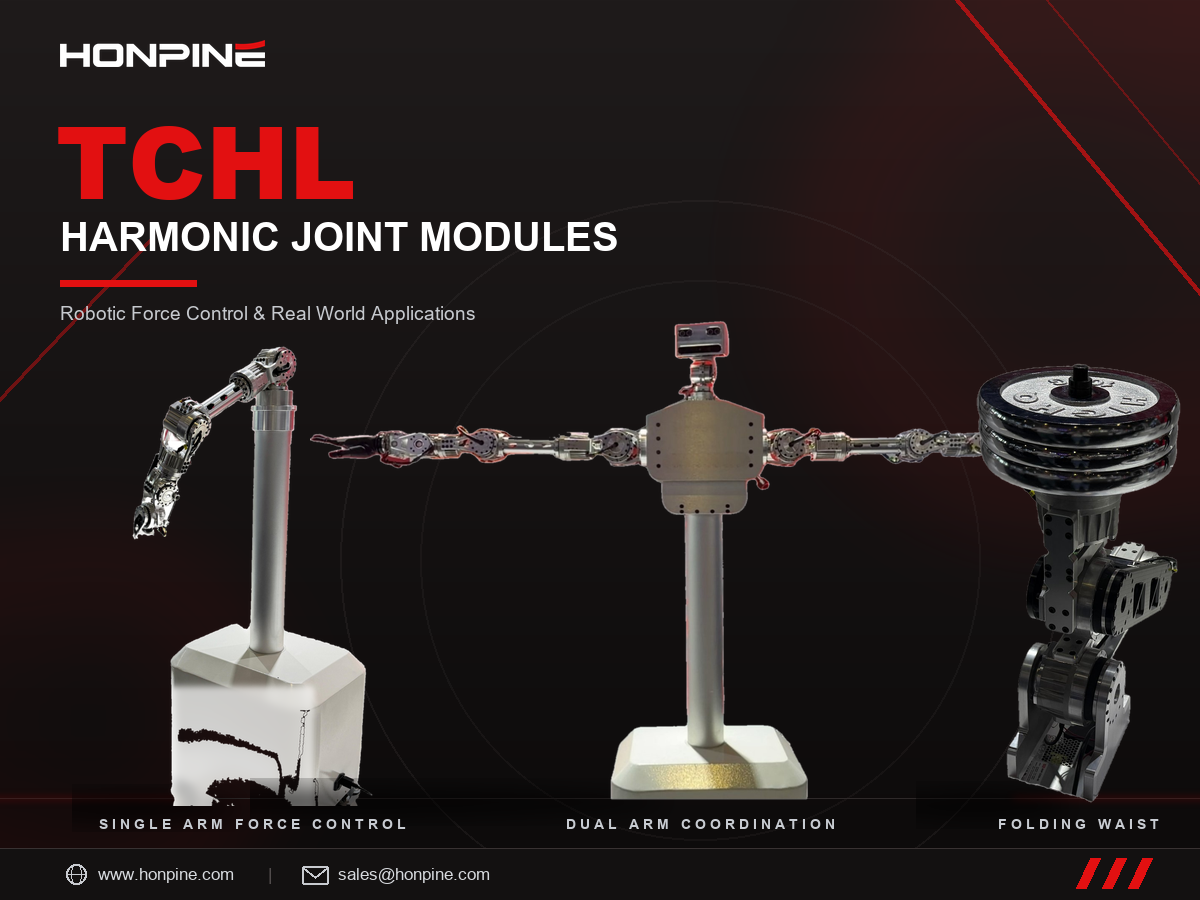
 HONPINE TCHL Harmonic Joint Modules: Robotic Force Control and Real-World ApplicationsHello everyone, I’m Theodore Li, Technical Director at HONPINE.
HONPINE TCHL harmonic joint modules have been deployed in a range of robotic motion-control applications, including dual-arm humanoid robots, single-arm compliant force control, and folding waist mechanisms for wheeled humanoid robots. As integrated motion components, they support a wide range of applications in robotics, intelligent manufacturing, and industrial automation.
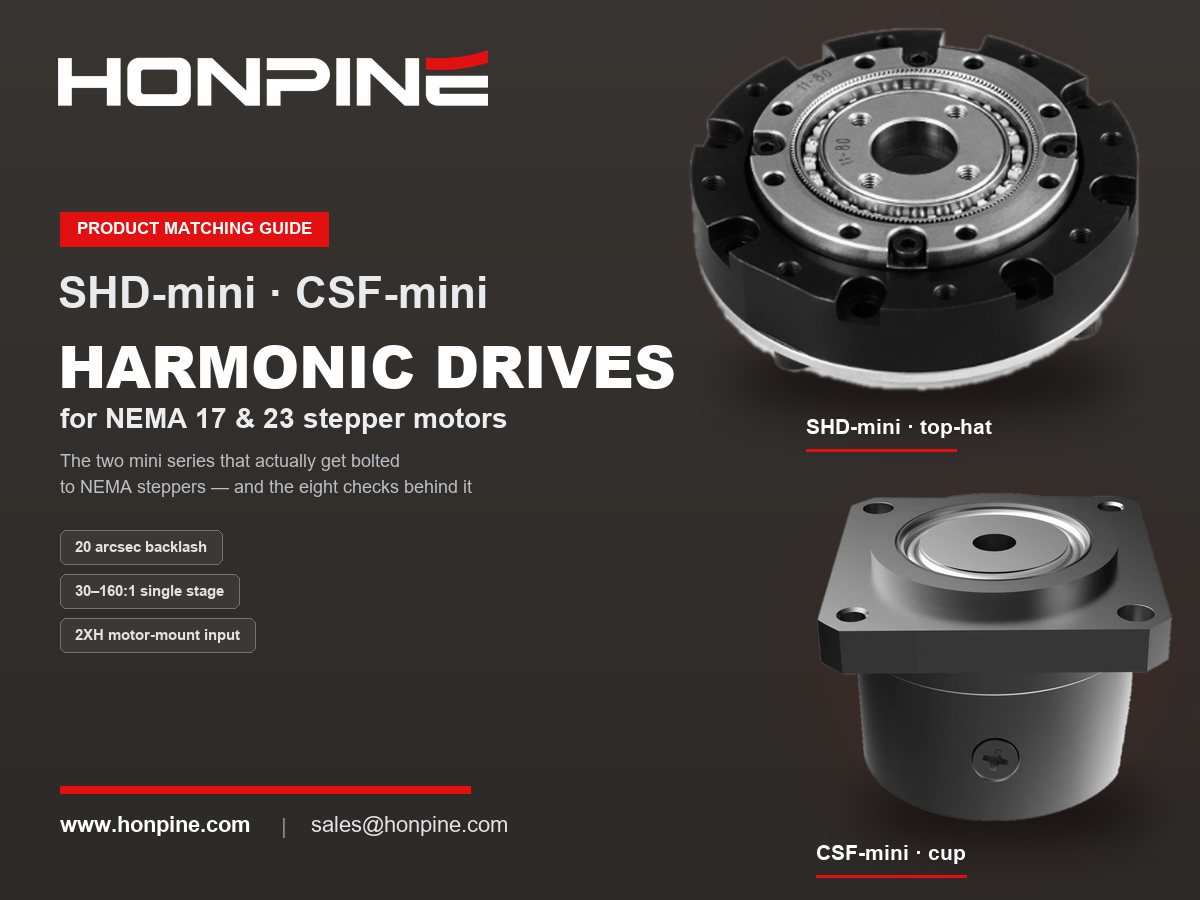
From core components to integrated motion units, HONPINE showcases the possibilities of precision transmission technology across different robotic applications through a diverse product portfolio and practical motion demonstrations. NEMA 17 & NEMA 23 Harmonic Drive Matching Guide: Pairing Stepper Motors with Harmonic ReducersPairing a stepper motor with a harmonic drive is not a budget compromise. A stepper's weak points — the coarse step angle, torque collapse above roughly 400 rpm, and the lack of a precision transmission — are exactly what a harmonic drive fixes: it pulls the operating point into the low-speed, high-torque sweet spot, refines a 1.8° step angle into arc-second resolution, and delivers near-zero backlash. This guide explains what NEMA frame sizes mean at the mounting interface, which harmonic frames match NEMA 17 and NEMA 23, the eight checks to run in order — including the input-side no-load starting torque most often missed — and the pairing's real weakness: silent failure. Includes HONPINE SHD and CSF specifications.