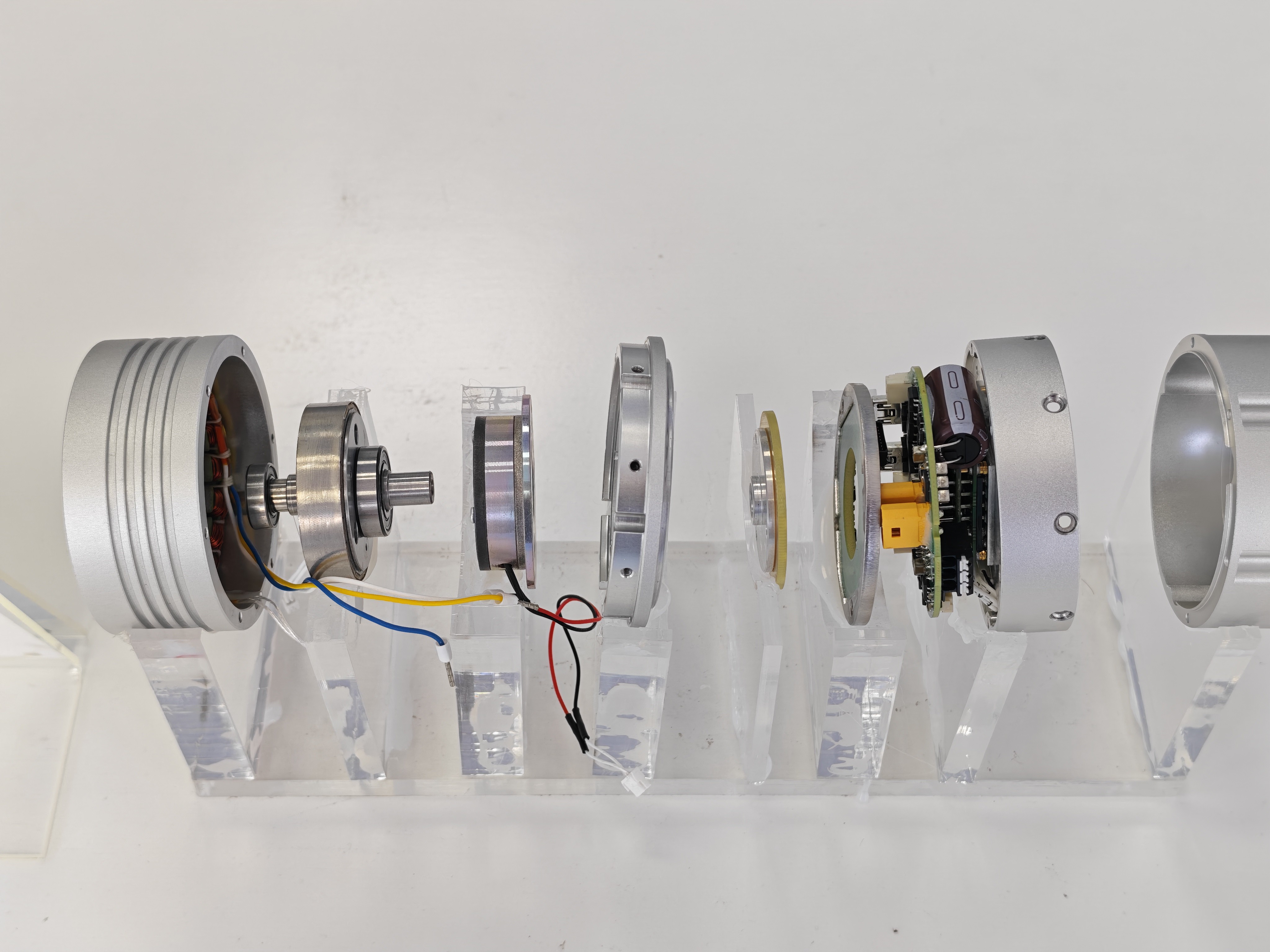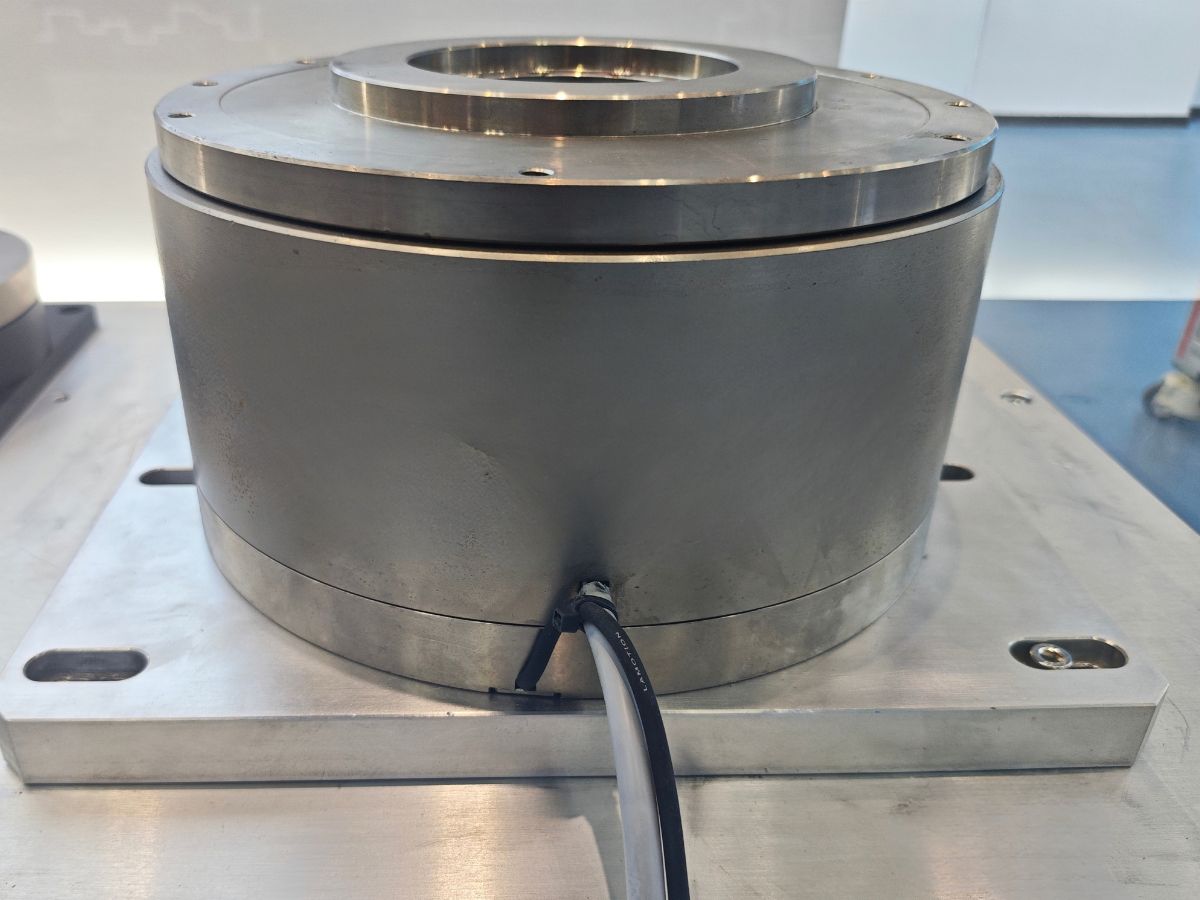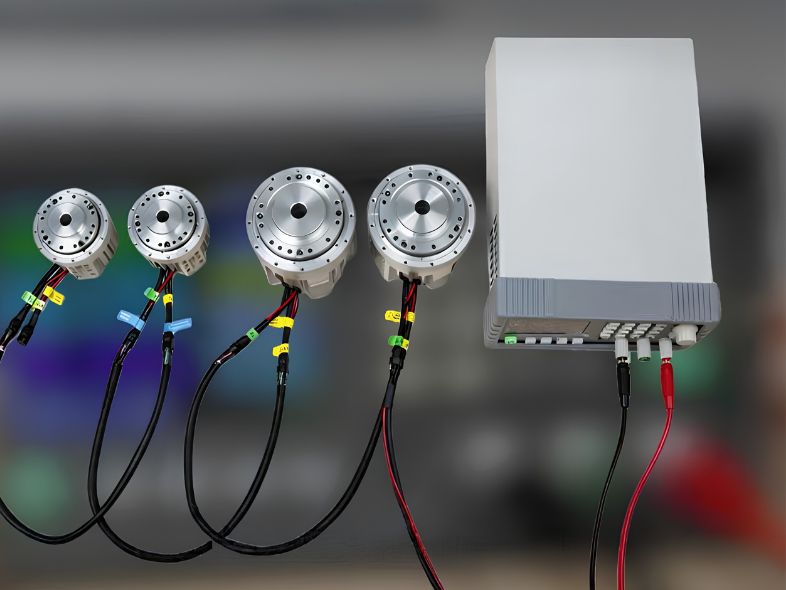









Harmonic Rotary Actuator: Ultimate Engineering & Selection Guide for Modern Automation
In the era of Industry 4.0 and advanced robotics, the demand for power sources in automation has reached unprecedented levels: higher torque density, compact footprints, extreme accuracy, and uncompromising safety. Harmonic Rotary Actuators have emerged as the definitive solution for high-precision joints and motion control, thanks to their zero-backlash operation, high reduction ratios, and ultra-compact integration.
This guide explores the key advantages of Harmonic Rotary Actuators, addresses technical design considerations with practical engineering solutions, and offers a comprehensive technology comparison to streamline your selection process.
1. Why Harmonic Rotary Actuators Lead Robotics & Automation: 4 Key Advantages
Traditional automation systems rely on fragmented assemblies—combining separate servo motors, planetary/RV gearboxes, external drives, and encoders. These setups are often bulky, prone to cable wear, and lack integrated force feedback.
All-in-one Harmonic Rotary Actuators solve these critical bottlenecks:
High-Torque Hollow-Shaft Integration
Industry Challenge: In 360° continuous rotation or multi-axis robotic joints, external cables and pneumatic lines easily tangle, bend, or break. This leads to premature wear, increased footprint, and costly downtime.
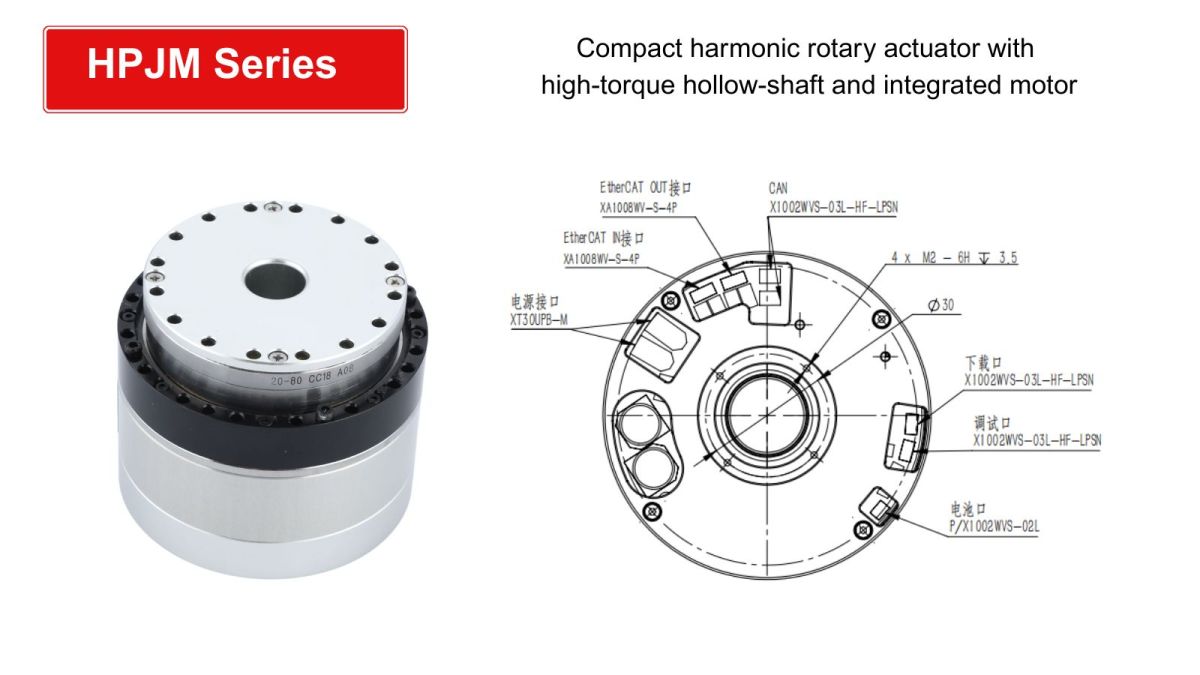
Actuator Solution:Combining a **large-aperture hollow shaft** with high-torque strain wave gearing allows power cables, communication buses, optical fibers, and pneumatic tubing to pass directly through the center axis. This enables a clean, "cable-free" exterior and frictionless 360° rotation.
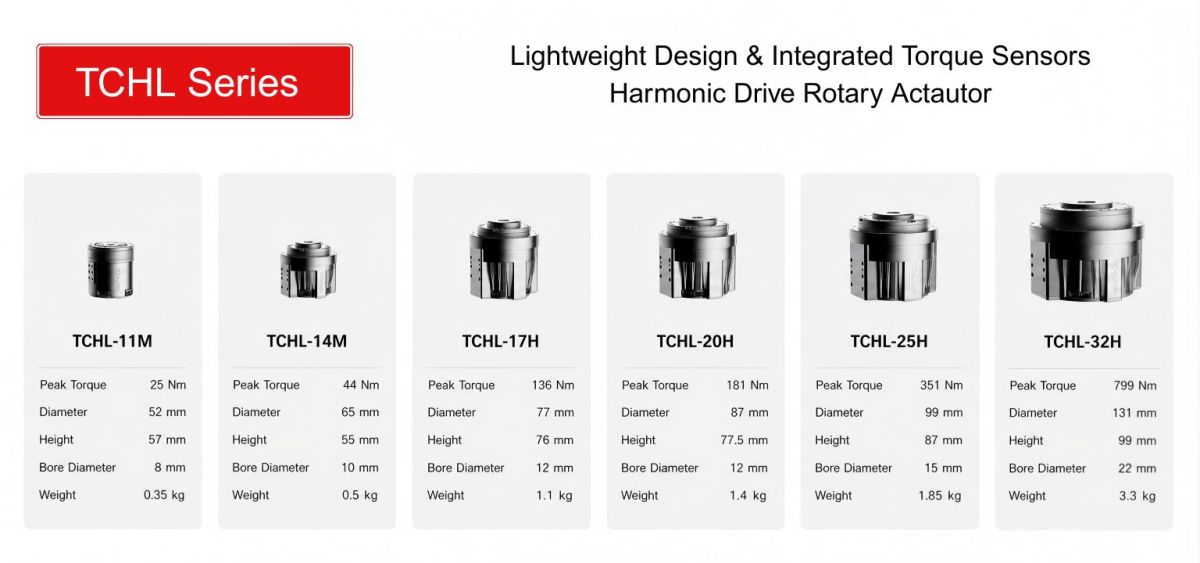
Lightweight Design & Integrated Torque Sensors
Industry Challenge:Collaborative robots (Cobots), humanoid robot joints, and Autonomous Mobile Robots (AMRs) require an exceptional power-to-weight ratio. Standard servo drives cannot sense external forces directly, limiting collision detection and safety.
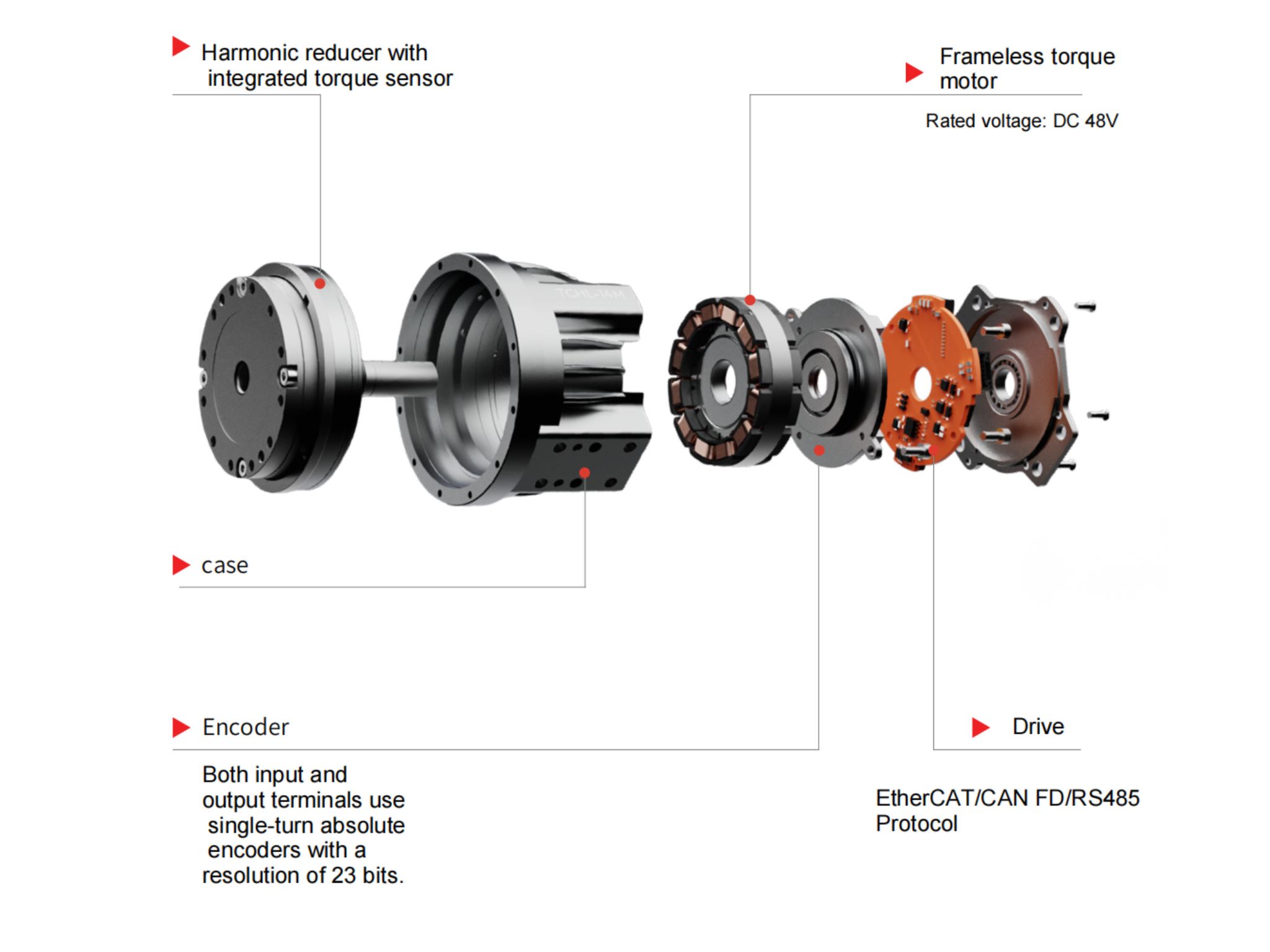
Actuator Solution:Utilizing high-strength aluminum/titanium alloys alongside frameless motors minimizes dead weight. With integrated high-precision torque sensors and dual encoders at the output shaft, the system bypasses drive-train friction to deliver millisecond-level force feedback for precise compliance control** and responsive collision detection.
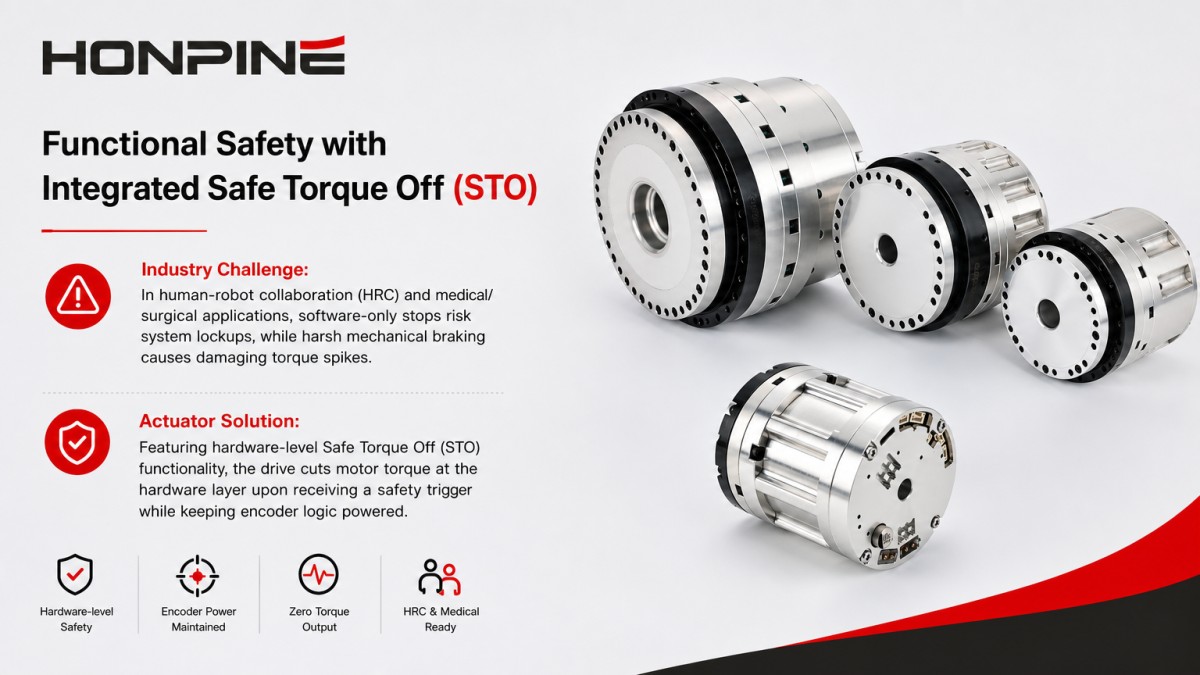
Functional Safety with Integrated Safe Torque Off (STO)
Industry Challenge:In human-robot collaboration (HRC) and medical/surgical applications, software-only stops risk system lockups, while harsh mechanical braking causes damaging torque spikes.
Actuator Solution:Featuring hardware-level Safe Torque Off (STO) functionality, the drive cuts motor torque at the hardware layer upon receiving a safety trigger while keeping encoder logic powered.
Extreme Compactness & Zero-Backlash Precision
Industry Challenge:Conventional gearboxes exhibit backlashes that accumulate positioning errors over time or under reversing loads.
Actuator Solution:Utilizing continuous multi-tooth engagement between the flexspline and circular spline, harmonic drives achieve true **zero-backlash**. Combined with high-resolution absolute encoders, they deliver repeatability up to **±10–15 arc-seconds**, ensuring micro-meter accuracy over long operational cycles.
2,Technical Considerations & Engineering Solutions
Understanding the physical boundaries of harmonic technology allows engineers to maximize system performance:
Torsional Rigidity Management
Behavior:The elastic deformation of the flexspline gives harmonic gears lower torsional stiffness compared to heavy-duty RV reducers under sudden, extreme loads.
Engineering Solution:Implement high-order feedforward algorithms or dual-loop closed-loop positioning control via output encoders to eliminate micro-resonances. Hardware can also be upgraded to **high-rigidity flexspline** variants.
Thermal Management at High Speeds
Behavior:Continuous operation at high speeds (>4,000 RPM input) generates friction heat along sliding gear teeth.
Engineering Solution:Pair actuators with active cooling channels or heat sinks and use long-life synthetic grease. Matching optimal reduction ratios ensures the motor operates within its peak efficiency band.
3. Technology Selection Matrix: Choosing the Right Drive Solution
Selecting the optimal drive technology depends on your specific application priorities:
4. Frequently Asked Questions (FAQ)
Q1: When should I choose a DD Motor over a Harmonic Rotary Actuator for high-speed applications?
A:DD Motors feature no mechanical transmission parts, eliminating backlash and wear, making them ideal for continuous high-speed rotation (1,000+ RPM) and high dynamic response. However, DD motors are heavier and offer lower torque per unit weight. Therefore, **Harmonic Rotary Actuators** are preferred for suspended robotic arms due to their lightweight design, while **DD Motors** excel in fixed-base rotary index tables.
Q2: How does integrated STO (Safe Torque Off) simplify CE / UL certification?
A: An actuator with built-in STO means the drive layer is pre-certified to SIL3 / PL e safety standards by accredited bodies (e.g., TÜV). Original Equipment Manufacturers (OEMs) can bypass designing external redundant safety contactor circuits, reducing hardware costs and accelerating overall machine
Q3: What is the main difference between a Hollow Rotary Table and a Harmonic Rotary Actuator?
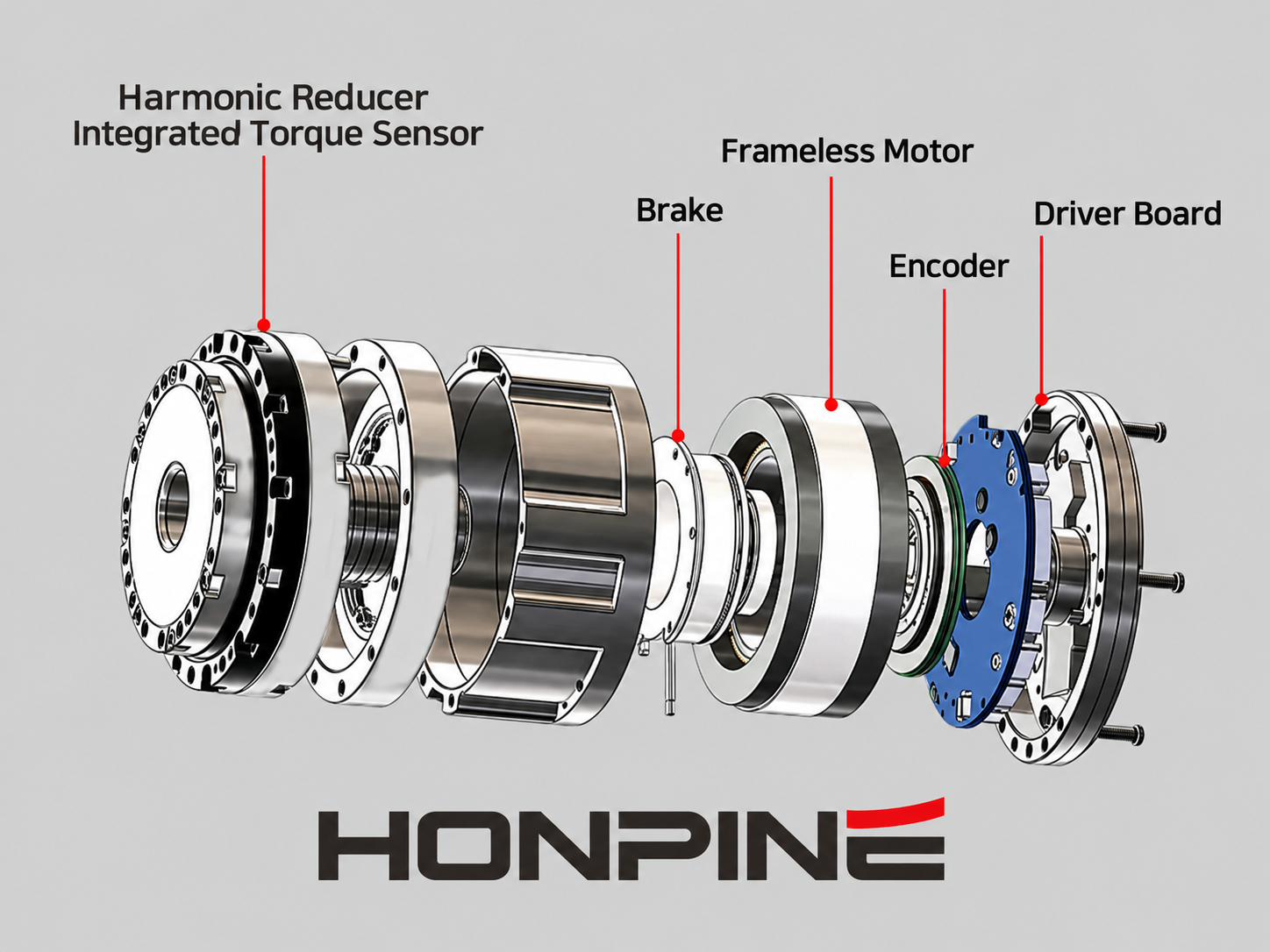
A:A hollow rotary table typically consists of a standard servo motor, cross-roller bearing, and spur gear/belt stage, offering a cost-effective solution for simple indexing with a larger footprint. In contrast, a Harmonic Rotary Actuator integrates a **frameless servo motor, harmonic gear, dual encoders, and torque sensors** into an ultra-compact module specifically engineered for space-constrained robotic joints and high-end automation.
Read More
Learn more about the story of HONPINE and industry trends related to precision transmission.
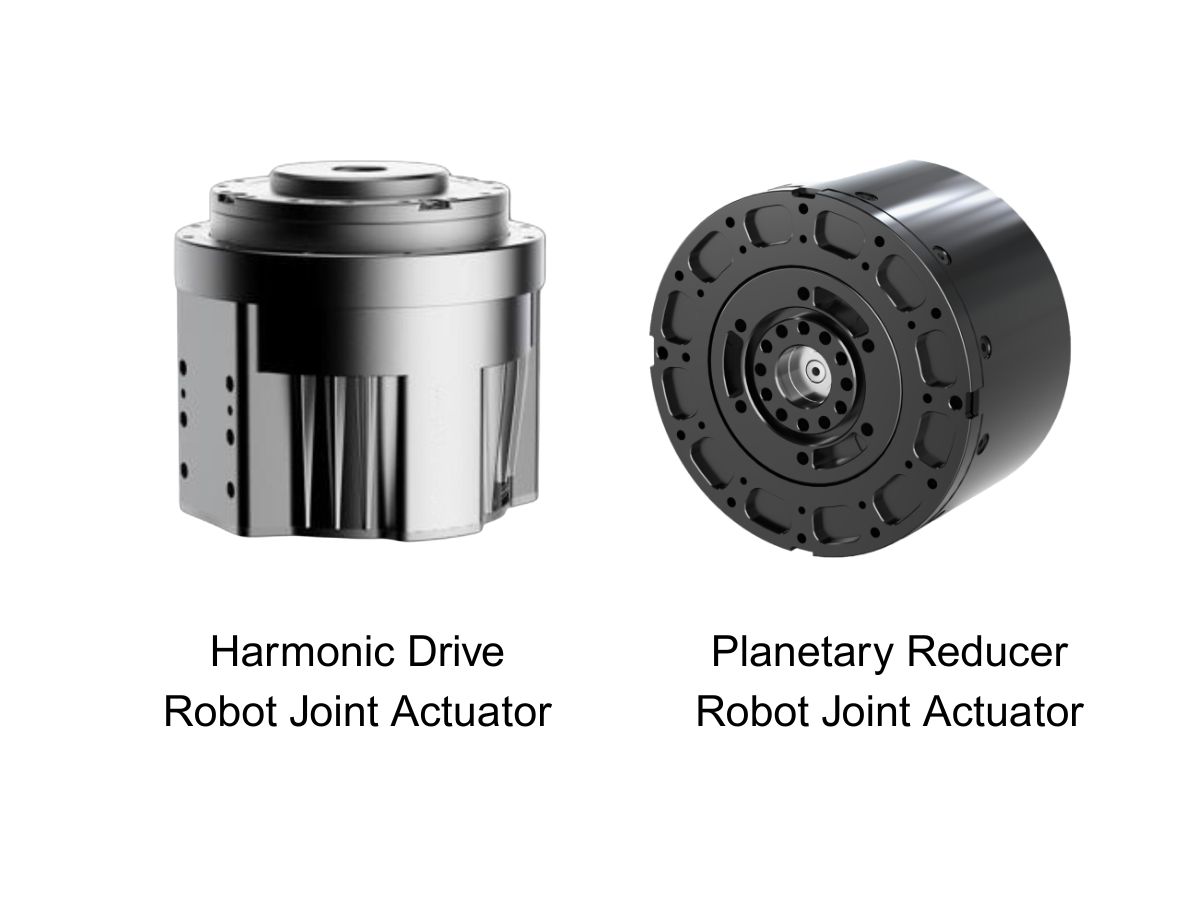
 What is robot joint actuator?How to Choose the Best Robot Rotary Joint Actuator?In core robot joint transmission solutions, planetary and harmonic rotary actuators each have their own strengths. Choosing the right type based on application requirements is essential to achieve the optimal balance between performance and cost.
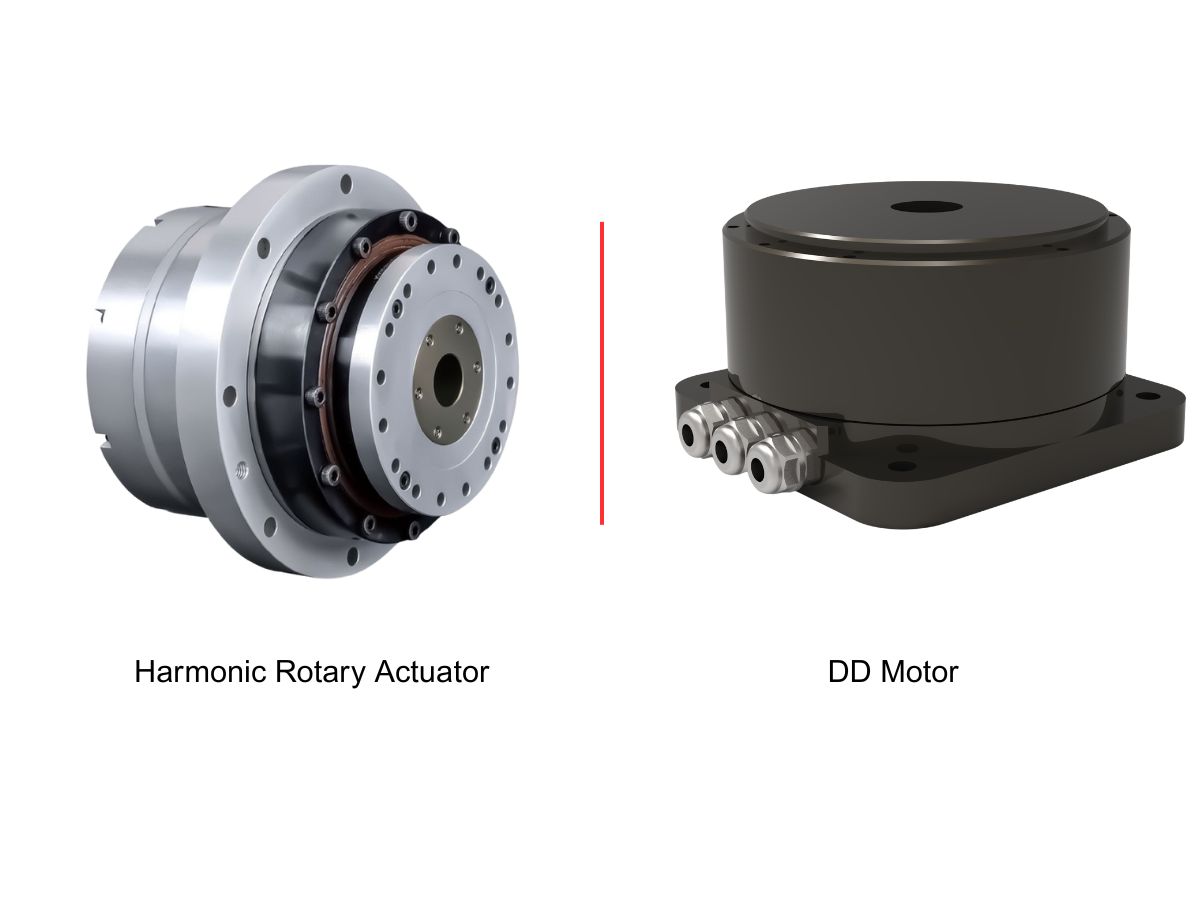
 DD Motors VS Harmonic Rotary ActuatorsThis article provides an in-depth comparison between Direct Drive (DD) motors and harmonic rotary actuators, covering their transmission principles, advantages and disadvantages, and typical application fields.
 OMG Ultra Compact Harmonic Drive Joint Module with Built-in Torque SensorHONPINE TCHL series harmonic drive joint module is a game-changing product that achieves disruptive improvements in multiple aspects such as lightweight design, integration level, and connection convenience. This article will analyze its revolutionary enhancements with you.
 The Role of Harmonic Drive Gears in Achieving 5–10 μm Accuracy in Dental Milling MachinesA dental milling machine is a CNC machining system used to directly process digital dental models into restorations such as crowns, bridges, veneers, inlays, and implant abutments. Dental milling machines require far higher operational accuracy and motion stability than ordinary equipment. This article explains how harmonic drive gear help dental milling machines achieve stable, continuous, and controllable operation.
 Why Are Harmonic Rotary Actuators Perfect for Medical Equipment?Harmonic rotary actuators (typically integrated systems consisting of a harmonic drive reducer, frameless torque motor, encoder, and optional brake) are regarded as key components in medical equipment. The core reason is that they simultaneously meet the most stringent medical requirements for precision, compact size, safety, and controllability. The following explanation is structured from three perspectives: technical characteristics, application scenarios, and medical value.
 High-Precision RV Reducers Perfectly Matched for Walking RobotsThe walking axis of a robot is a core component for power transmission and support. RV reducers provide extremely high rigidity, precision, and torque while maintaining a compact size and exceptional reliability, making them an ideal match for the demanding requirements of walking robot joints in terms of load capacity, impact resistance, and precision.
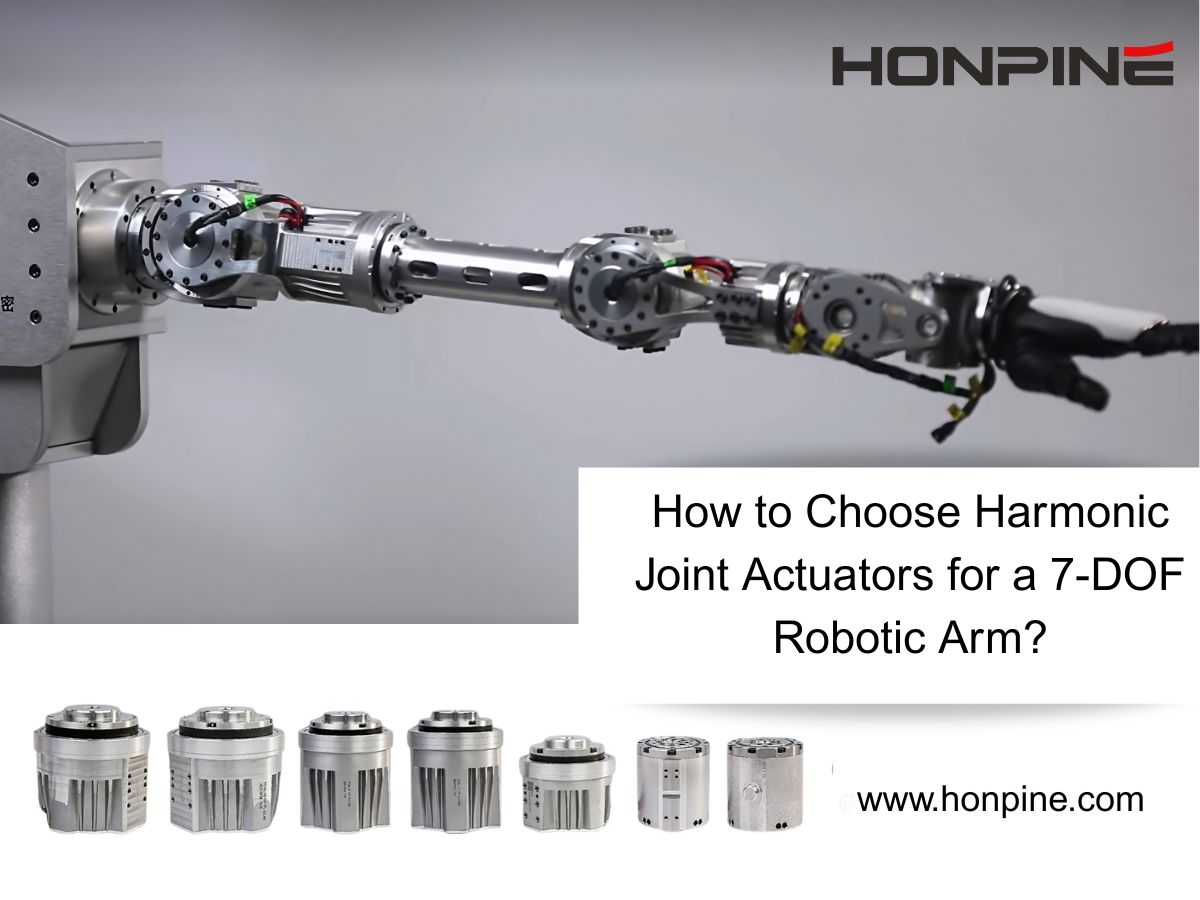
 How to Choose Harmonic Joint Actuators for a 7-DOF Robotic Arm?I'm Theodore Li, Technical Director at HONPINE. Choosing harmonic joint actuators for a 7-DOF robotic arm starts with the torque, weight, and installation needs of each joint. This guide uses a TCHL 20 shoulder and TCHL 14 wrist configuration as an example, then explores torque sensing, compliant control, and HAG Series considerations for demanding robotic applications.
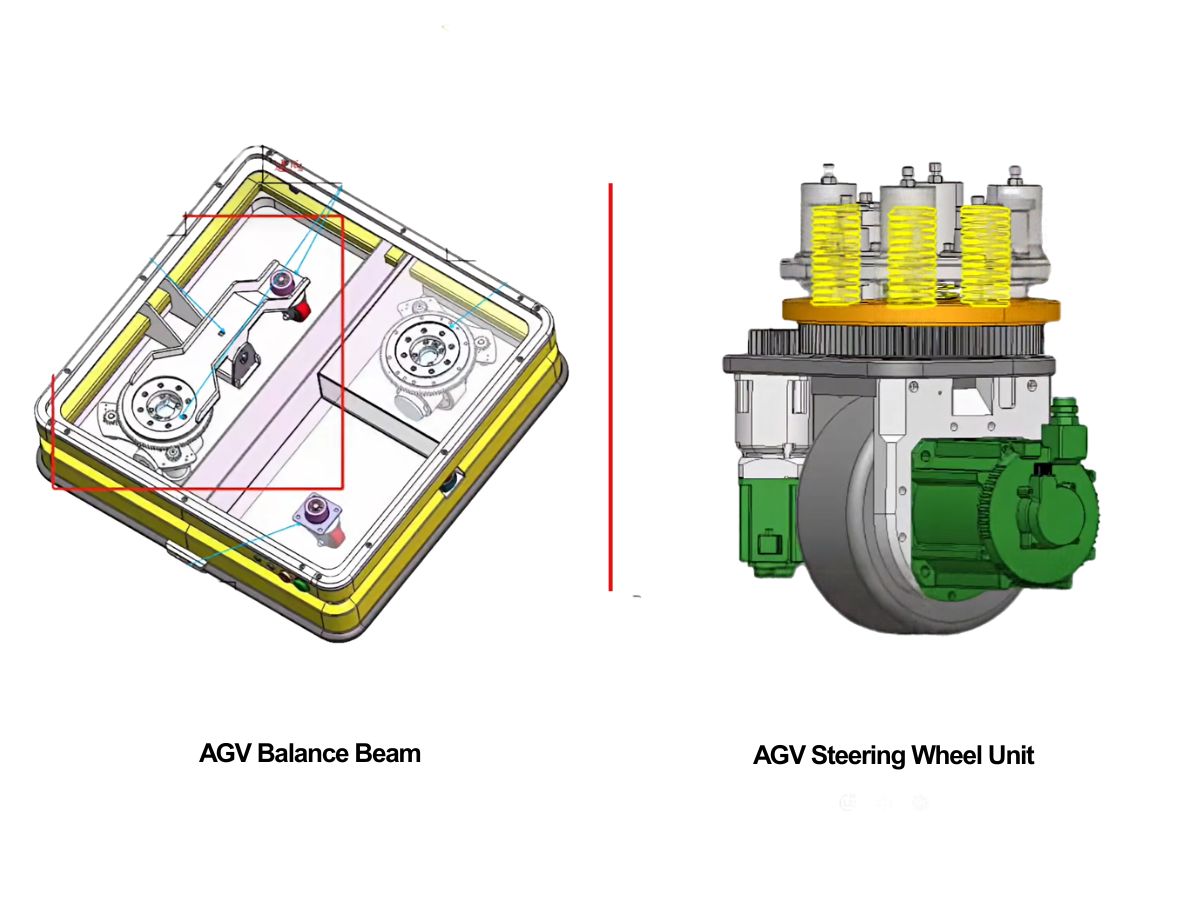
 AGV Suspension: Should You Choose a Balance Beam or a Spring-Loaded Steering Drive Unit?Choosing an AGV suspension system starts with the vehicle’s load range and floor conditions. Balance beams and spring-loaded steering drive units offer different approaches to maintaining wheel contact and managing wheel loads. This HONPINE guide compares both options and explains how to evaluate traction, suspension travel, installation space, and maintenance before choosing a configuration.
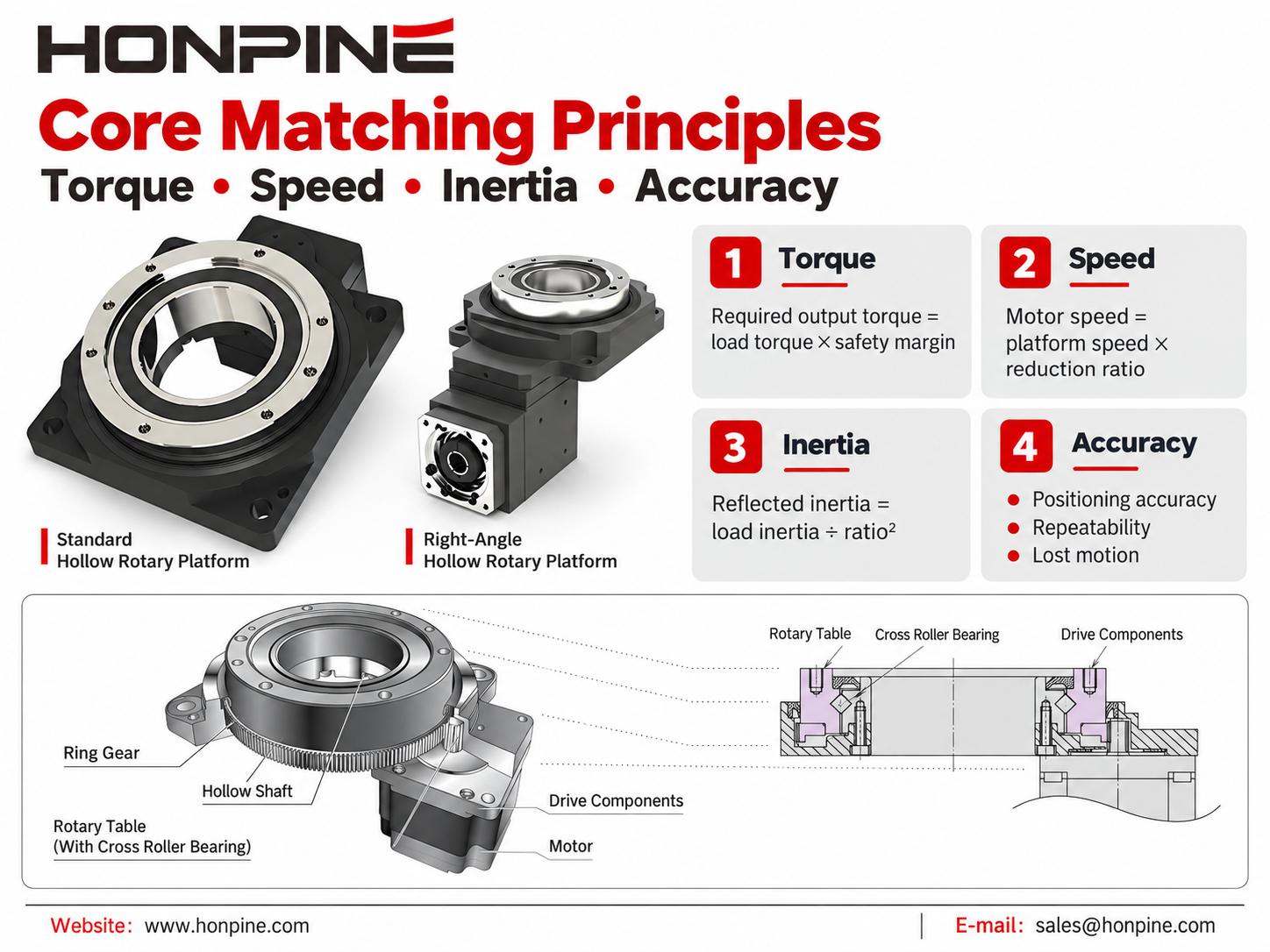
 Hollow Rotary Platform Motor Matching: A Complete GuideSelecting the right motor for a hollow rotary platform is essential for achieving precise positioning, stable operation, and efficient automation. This guide explains how to match servo motors, stepper motors, and brushless DC motors with hollow rotary platforms based on torque, speed, inertia, accuracy, and installation requirements. Explore practical motor selection guidelines, typical application combinations, and space-saving mounting solutions to find the right configuration for your automation project.
 Can Robots Feel Touch? HONPINE HAG Force-Controlled Harmonic Robot Joint MotorsCan robots respond to a gentle touch? The HONPINE HAG robot joint motor with torque sensor combines a harmonic reducer, integrated torque sensing, and closed-loop control to detect external forces and support smooth, compliant motion. In this article, HONPINE founder Allen Li demonstrates the module's response to light contact and hand-guided movement, explains its key force-control technologies, and shares the vision behind joint modules designed for practical industrial robotics.
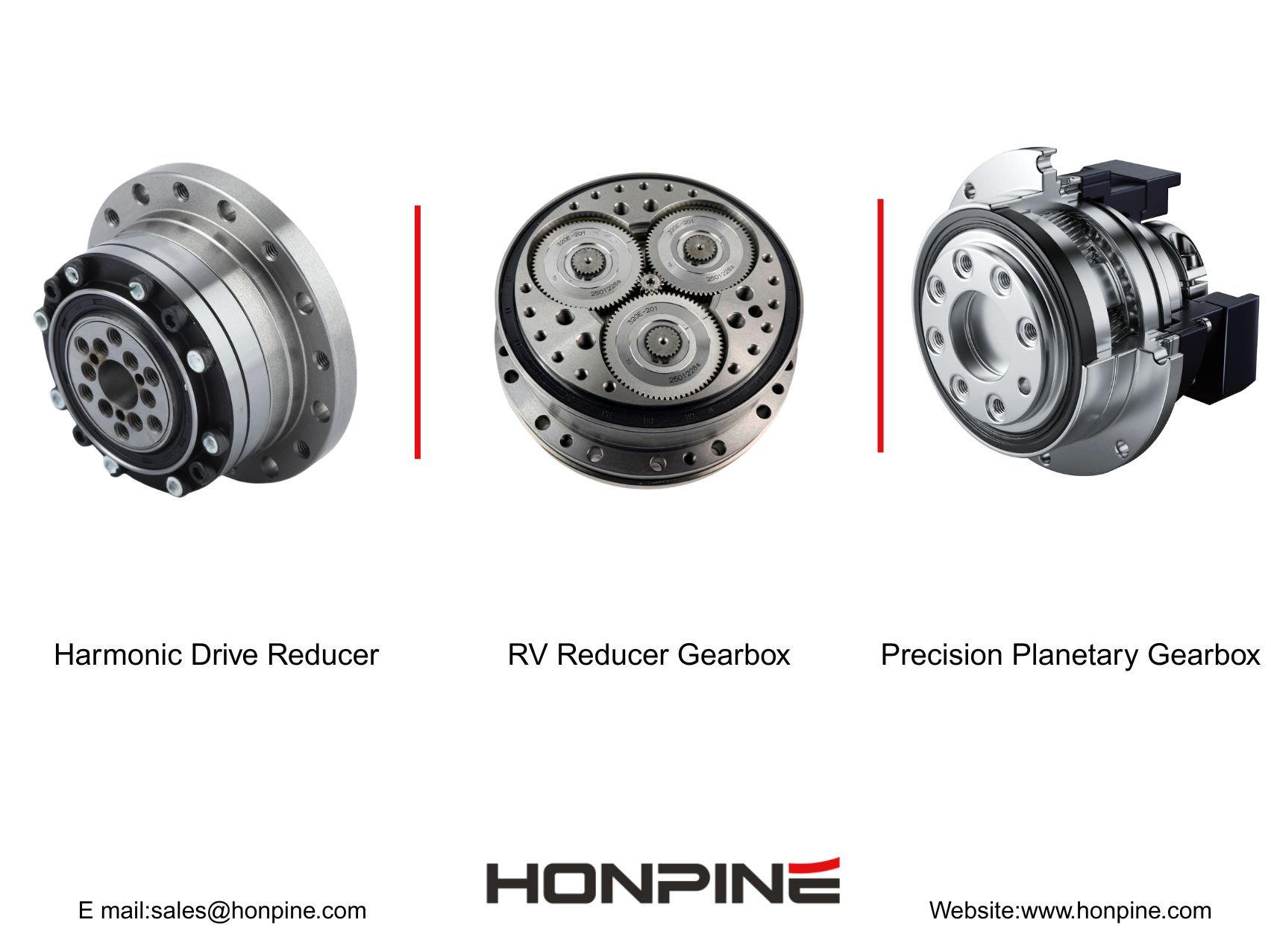
 Does a Higher Gearbox Ratio Mean More Torque? Planetary, Harmonic, and RV Gearboxes ExplainedDoes a higher gearbox ratio mean more torque? This engineering guide explains the relationship between gearbox ratio, output torque, and output speed, and compares planetary gearboxes, harmonic gearboxes, and RV gearboxes. Learn why reduction ratio alone cannot determine gearbox torque capacity, efficiency, dynamic response, precision, or service life, and what engineers should consider when selecting a gearbox for robotics, CNC machines, servo systems, and industrial motion control.
 High-Precision Hollow Harmonic Rotary Actuator for CNC Machines and Heavy-Duty Rotary AxesHONPINE 58 Series Hollow Harmonic Rotary Actuator is designed for CNC rotary tables, precision rotary axes, laser processing equipment, and heavy-duty rotary positioning applications. With a 50 mm hollow bore, up to 2,722 N·m peak torque, integrated crossed roller bearing, multi-turn absolute encoder options, positioning accuracy below 30 arcsec, and repeat positioning accuracy below 5 arcsec, it combines high torque capacity with precision rotary motion and flexible mechanical integration.
Double Click
We provide harmonic drive reducer,planetary reducer,robot joint motor,robot rotary actuators,RV gear reducer,robot end effector,dexterous robot hand
 What is robot joint actuator?How to Choose the Best Robot Rotary Joint Actuator?In core robot joint transmission solutions, planetary and harmonic rotary actuators each have their own strengths. Choosing the right type based on application requirements is essential to achieve the optimal balance between performance and cost.
 DD Motors VS Harmonic Rotary ActuatorsThis article provides an in-depth comparison between Direct Drive (DD) motors and harmonic rotary actuators, covering their transmission principles, advantages and disadvantages, and typical application fields.
 OMG Ultra Compact Harmonic Drive Joint Module with Built-in Torque SensorHONPINE TCHL series harmonic drive joint module is a game-changing product that achieves disruptive improvements in multiple aspects such as lightweight design, integration level, and connection convenience. This article will analyze its revolutionary enhancements with you.
 How to Choose Harmonic Joint Actuators for a 7-DOF Robotic Arm?I'm Theodore Li, Technical Director at HONPINE. Choosing harmonic joint actuators for a 7-DOF robotic arm starts with the torque, weight, and installation needs of each joint. This guide uses a TCHL 20 shoulder and TCHL 14 wrist configuration as an example, then explores torque sensing, compliant control, and HAG Series considerations for demanding robotic applications.
 AGV Suspension: Should You Choose a Balance Beam or a Spring-Loaded Steering Drive Unit?Choosing an AGV suspension system starts with the vehicle’s load range and floor conditions. Balance beams and spring-loaded steering drive units offer different approaches to maintaining wheel contact and managing wheel loads. This HONPINE guide compares both options and explains how to evaluate traction, suspension travel, installation space, and maintenance before choosing a configuration.
 Hollow Rotary Platform Motor Matching: A Complete GuideSelecting the right motor for a hollow rotary platform is essential for achieving precise positioning, stable operation, and efficient automation. This guide explains how to match servo motors, stepper motors, and brushless DC motors with hollow rotary platforms based on torque, speed, inertia, accuracy, and installation requirements. Explore practical motor selection guidelines, typical application combinations, and space-saving mounting solutions to find the right configuration for your automation project.
 Can Robots Feel Touch? HONPINE HAG Force-Controlled Harmonic Robot Joint MotorsCan robots respond to a gentle touch? The HONPINE HAG robot joint motor with torque sensor combines a harmonic reducer, integrated torque sensing, and closed-loop control to detect external forces and support smooth, compliant motion. In this article, HONPINE founder Allen Li demonstrates the module's response to light contact and hand-guided movement, explains its key force-control technologies, and shares the vision behind joint modules designed for practical industrial robotics.
 Does a Higher Gearbox Ratio Mean More Torque? Planetary, Harmonic, and RV Gearboxes ExplainedDoes a higher gearbox ratio mean more torque? This engineering guide explains the relationship between gearbox ratio, output torque, and output speed, and compares planetary gearboxes, harmonic gearboxes, and RV gearboxes. Learn why reduction ratio alone cannot determine gearbox torque capacity, efficiency, dynamic response, precision, or service life, and what engineers should consider when selecting a gearbox for robotics, CNC machines, servo systems, and industrial motion control.
 High-Precision Hollow Harmonic Rotary Actuator for CNC Machines and Heavy-Duty Rotary AxesHONPINE 58 Series Hollow Harmonic Rotary Actuator is designed for CNC rotary tables, precision rotary axes, laser processing equipment, and heavy-duty rotary positioning applications. With a 50 mm hollow bore, up to 2,722 N·m peak torque, integrated crossed roller bearing, multi-turn absolute encoder options, positioning accuracy below 30 arcsec, and repeat positioning accuracy below 5 arcsec, it combines high torque capacity with precision rotary motion and flexible mechanical integration.
 How Does the HONPINE JRM Planetary Robot Joint Module Address Temperature Rise in Continuous Operation?HONPINE JRM planetary robot joint modules are designed for long-duration and high-load robotic operation. This article examines how motor electromagnetic optimization, high-efficiency planetary transmission, GaN-based drive technology, and system-level low-loss design help control temperature rise. Using the C6345 planetary robot joint module as a test example, HONPINE also presents full-load thermal validation under continuous operation, including motor efficiency up to 92%, planetary gearbox efficiency up to 97%, and a final equilibrium temperature of 61.42°C at a 25°C ambient temperature.
 Direct Drive Motor Sizing: A Complete Guide to Torque Calculation and SelectionSelecting a direct drive motor for a precision rotary system requires more than matching motor torque to the equipment weight. Engineers need to evaluate gravity torque, inertial torque, wind torque, friction, rotational inertia, speed, acceleration, duty cycle, and positioning requirements. In this guide, Theodore Li, Technical Director at HONPINE, explains a practical approach to direct drive motor sizing and torque calculation using an azimuth and elevation turntable as an engineering example. The article covers continuous and peak torque calculation, motor selection criteria, and the application of frameless direct drive motors in integrated rotary systems.
 How Integrated Robot Joint Modules Are Reshaping Robot Wiring and Control Architecture?Integrated robot joint modules are changing how robots are designed by combining the motor, reducer, drive, encoder, and sensing components into a compact motion unit. Compared with traditional distributed architectures, this integrated approach can reduce cable complexity, simplify power and communication connections, and support more compact robot structures. As humanoid robots demand higher levels of motion coordination, response speed, precision, and integration, robot joint modules are becoming an increasingly important interface between intelligent control systems and physical movement. This article explains how integrated robot joint modules reshape robot wiring and control architecture, using the HONPINE TCHL harmonic drive robot joint module as an example.