








Precision Planetary Reducer Selection Guide: Practical Methods for Gear Ratio, Torque, and Inertia Matching
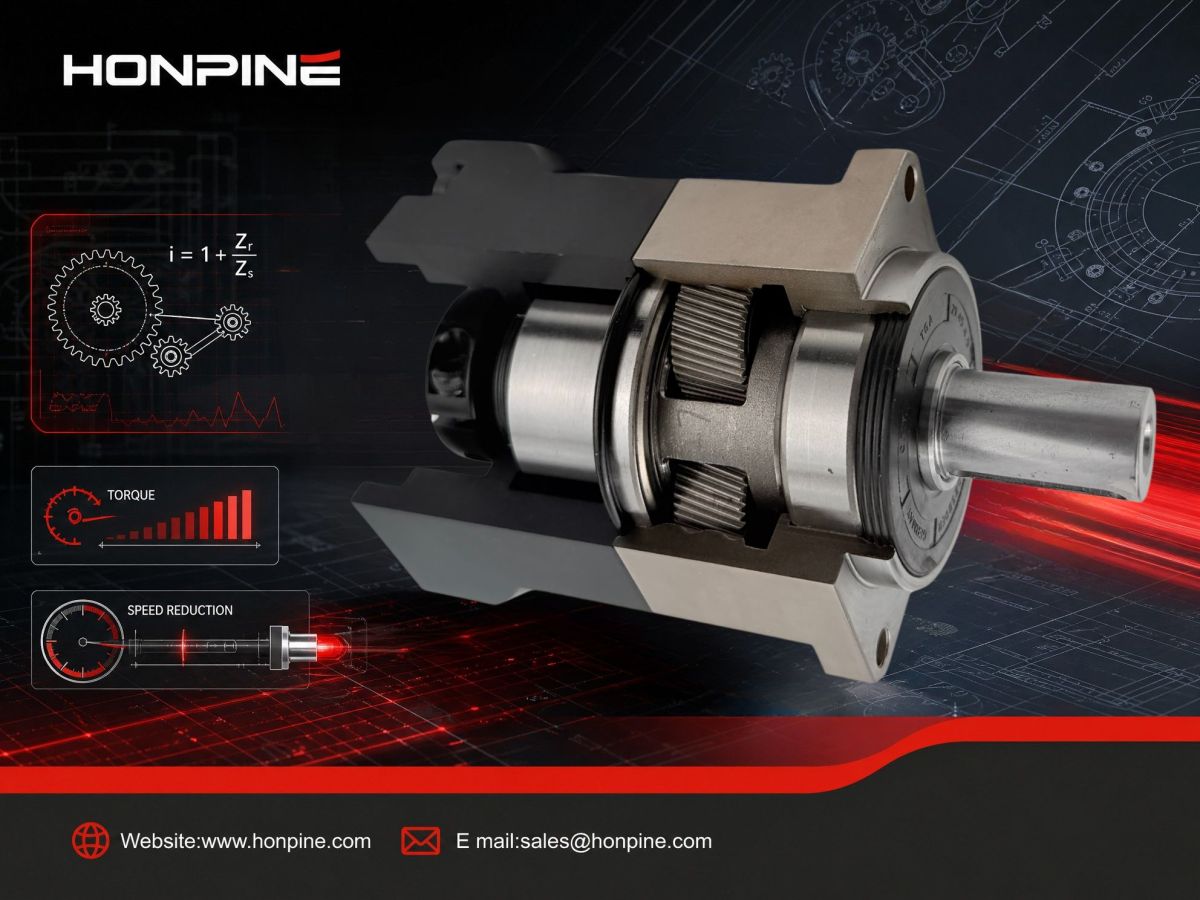
Selecting the right precision planetary reducer is one of the most important steps in designing a high-performance motion control system. With numerous technical parameters to consider, the selection process can appear complicated. In practice, however, three core factors determine the optimal solution: gear ratio, output torque, and inertia matching.
By accurately calculating these three parameters, engineers can efficiently identify the most suitable precision planetary reducers for servo systems, CNC machinery, industrial equipment, and robotic automation applications.
This guide summarizes the essential formulas and practical engineering considerations to simplify the selection process.
1. Gear Ratio Calculation: Determining the Required Speed Reduction
The gear ratio defines how much the precision planetary reducer decreases the motor speed while proportionally increasing the output torque.
Formula:
Gear Ratio = Motor Rated Speed ÷ Required Output Speed
Example
Servo motor rated speed: 3000 rpm
Required output speed: 60 rpm
Gear Ratio = 3000 ÷ 60 = 50:1
When selecting a planetary gearbox robotic automation reducer, the calculated ratio should be compared with the manufacturer's available standard ratios, such as 40:1, 50:1, or 70:1.
If the exact ratio is unavailable, choose the closest standard ratio and verify that the actual output speed still satisfies the application requirements.
Typical ratio ranges include:
Single-stage precision planetary reducer: 3:1–10:1
Two-stage reducers: up to several dozen
Three-stage reducers: several hundred to over one thousand
Higher reduction ratios generally require additional gear stages, resulting in larger dimensions, increased weight, and higher manufacturing costs. Therefore, engineers should balance performance and cost during selection.
2. Torque Calculation: Ensuring Safe Load Capacity
Torque verification is one of the most critical steps when selecting a planetary reducer manufacturer solution. It determines whether the gearbox can reliably withstand actual operating loads.
Formula:
Required Output Torque = Maximum Motor Torque × Gear Ratio × Transmission Efficiency × Service Factor
Parameter Selection
Maximum Motor Torque
Always use the motor's peak (maximum) torque, including overload capability, rather than only the rated torque. This ensures sufficient capacity during acceleration, impact loading, or sudden load changes.
Transmission Efficiency
Most precision planetary reducers operate with efficiencies between 90% and 97%.
Single-stage: typically higher efficiency
Multi-stage: slightly lower efficiency
For conservative calculations, 90% is commonly used.
Service Factor
The service factor depends on operating conditions.
Smooth operation
Examples: conveyor systems, continuous conveying
Recommended factor:
1.2–1.5
Moderate shock loads
Examples: packaging machinery, cutting equipment
Recommended factor:
1.5–2.0
Heavy shock or frequent start-stop operation
Examples: stamping presses, crushers, heavy-duty automation equipment
Recommended factor:
2.5 or higher
Example
Maximum motor torque: 5 Nm
Gear ratio: 50
Efficiency: 93%
Service factor: 1.8
Required Output Torque
= 5 × 50 × 0.93 × 1.8
≈ 418.5 Nm
The selected precision planetary reducer should have a rated output torque exceeding 418.5 Nm, with additional safety margin for long-term reliability.
3. Inertia Matching: Achieving Stable Servo Performance
Inertia matching is essential for servo control accuracy, positioning precision, and dynamic response. It is especially important when selecting a planetary gearbox robotic automation reducer for high-speed automation systems and robot planetary applications.
Formula:
Reflected Load Inertia = Actual Load Inertia ÷ (Gear Ratio)²
The inertia ratio is calculated as:
Inertia Ratio = Reflected Load Inertia ÷ Motor Rotor Inertia
General recommendations:
Standard servo applications:
≤ 5:1
High-speed, high-precision positioning:
≤ 3:1
Example
Load inertia: 0.5 kg·m²
Gear ratio: 10
Reflected Load Inertia
= 0.5 ÷ 10²
= 0.005 kg·m²
If the motor rotor inertia is 0.001 kg·m², then:
Inertia Ratio
= 0.005 ÷ 0.001
= 5
This falls within the generally acceptable range.
If the inertia ratio exceeds the recommended limit, engineers should either:
increase the gear ratio, or
select a motor with higher rotor inertia.
Proper inertia matching significantly improves servo stability, acceleration performance, and positioning accuracy in robotic automation reducer systems.
Recommended Planetary Reducer Selection Procedure
For efficient engineering design, the following sequence is recommended:
Step 1: Determine the Gear Ratio
Calculate the required reduction ratio from the motor speed and desired output speed to narrow down suitable precision planetary reducer models.
Step 2: Verify Output Torque
Calculate the required output torque using the motor peak torque, gear ratio, efficiency, and service factor. Eliminate models that cannot provide sufficient torque capacity.
Step 3: Check Inertia Matching
Reflect the load inertia to the motor shaft using the square of the gear ratio and verify that the inertia ratio meets servo design recommendations.
If inertia matching is unsatisfactory, adjust the gear ratio and repeat the torque verification.
Following these three calculations helps ensure that the selected precision planetary reducers provide optimal performance, reliability, and service life.
Professional Precision Planetary Reducer Selection Support
Real-world applications often involve complex operating conditions that make service factor selection, inertia estimation, and torque calculation more challenging. Choosing the right planetary reducer robotic automation reducer requires not only theoretical calculations but also practical engineering experience.
As an experienced planetary reducer manufacturer, Honpine specializes in the design and production of high-performance precision planetary reducers for servo systems, industrial automation, CNC machinery, and robot planetary applications.
Simply provide:
Motor specifications
Required output speed
Load type
Operating conditions
Our engineering team will perform complete gear ratio, torque, and inertia matching calculations and recommend the most suitable precision planetary reducer or planetary gearbox robotic automation reducer for your application.
Contact Honpine today to receive expert selection assistance, technical documentation, and detailed information about our full range of precision planetary reducers for robotic automation and industrial motion control.
Read More
Learn more about the story of HONPINE and industry trends related to precision transmission.
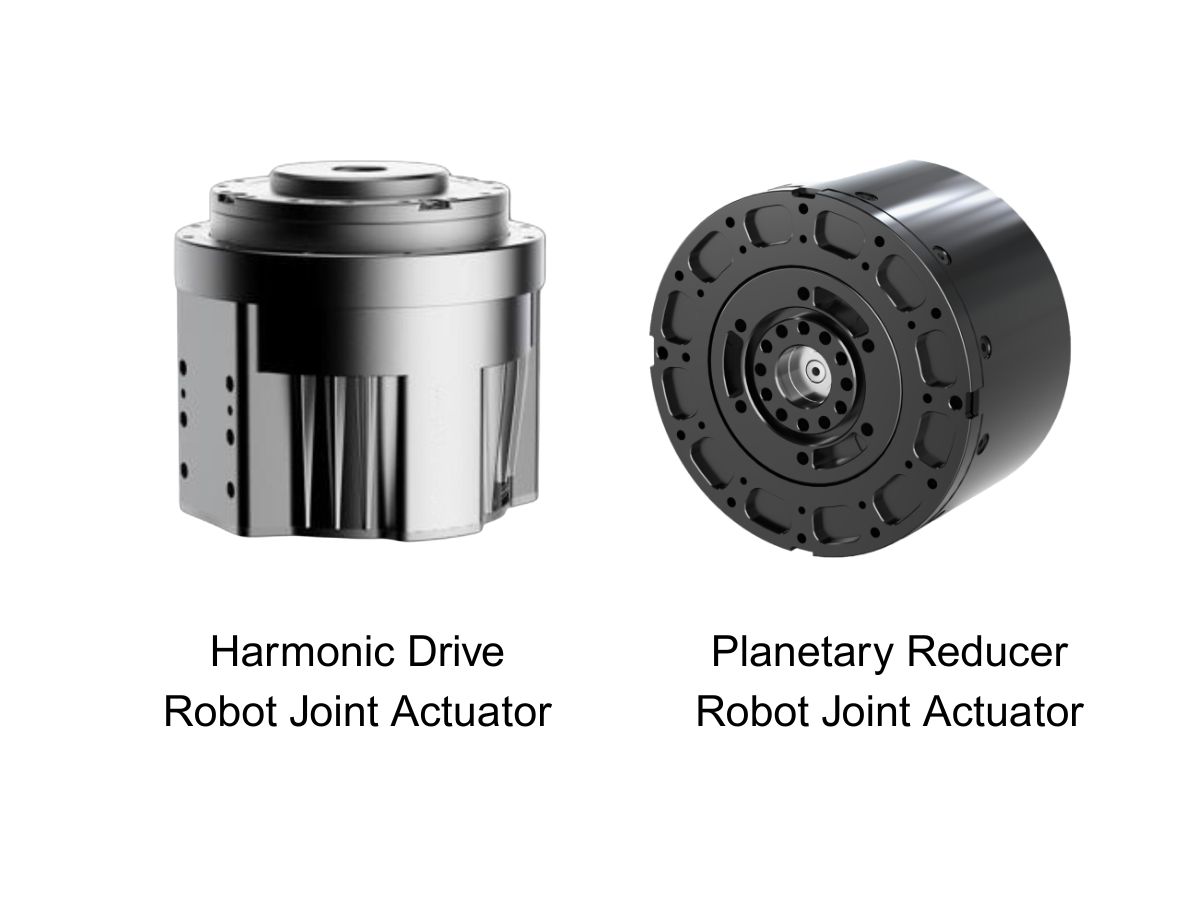
 What is robot joint actuator?How to Choose the Best Robot Rotary Joint Actuator?In core robot joint transmission solutions, planetary and harmonic rotary actuators each have their own strengths. Choosing the right type based on application requirements is essential to achieve the optimal balance between performance and cost.
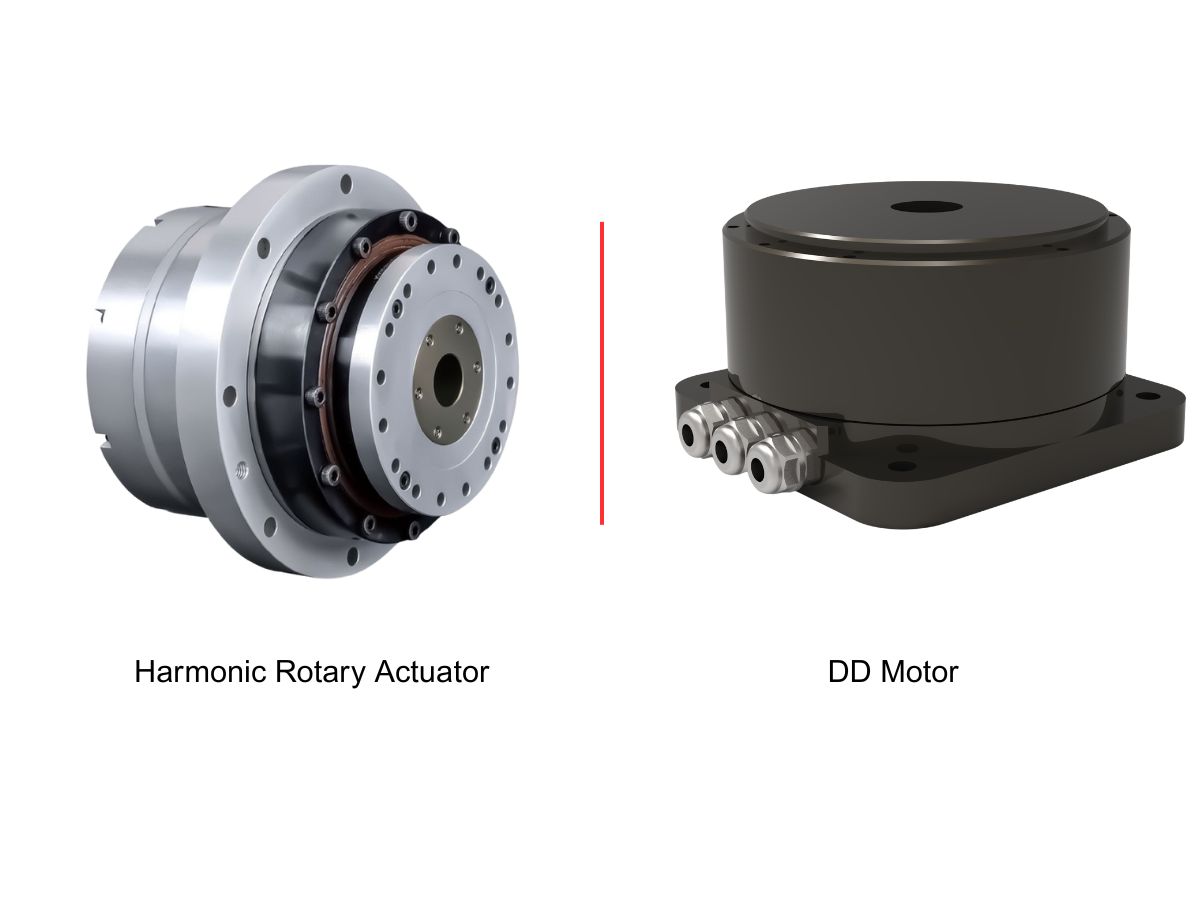
 DD Motors VS Harmonic Rotary ActuatorsThis article provides an in-depth comparison between Direct Drive (DD) motors and harmonic rotary actuators, covering their transmission principles, advantages and disadvantages, and typical application fields.
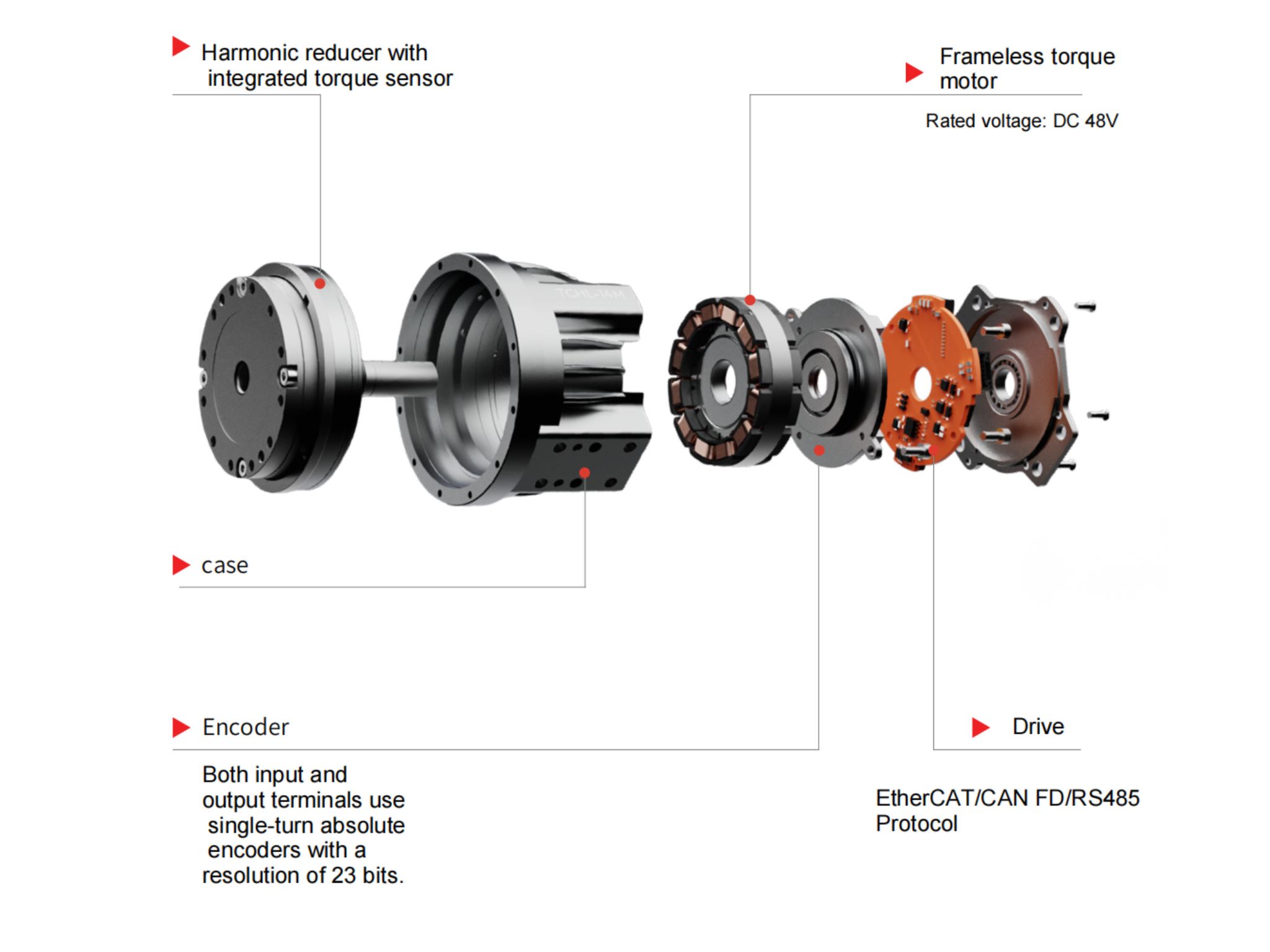
 OMG Ultra Compact Harmonic Drive Joint Module with Built-in Torque SensorHONPINE TCHL series harmonic drive joint module is a game-changing product that achieves disruptive improvements in multiple aspects such as lightweight design, integration level, and connection convenience. This article will analyze its revolutionary enhancements with you.
 The Role of Harmonic Drive Gears in Achieving 5–10 μm Accuracy in Dental Milling MachinesA dental milling machine is a CNC machining system used to directly process digital dental models into restorations such as crowns, bridges, veneers, inlays, and implant abutments. Dental milling machines require far higher operational accuracy and motion stability than ordinary equipment. This article explains how harmonic drive gear help dental milling machines achieve stable, continuous, and controllable operation.
 Why Are Harmonic Rotary Actuators Perfect for Medical Equipment?Harmonic rotary actuators (typically integrated systems consisting of a harmonic drive reducer, frameless torque motor, encoder, and optional brake) are regarded as key components in medical equipment. The core reason is that they simultaneously meet the most stringent medical requirements for precision, compact size, safety, and controllability. The following explanation is structured from three perspectives: technical characteristics, application scenarios, and medical value.
 High-Precision RV Reducers Perfectly Matched for Walking RobotsThe walking axis of a robot is a core component for power transmission and support. RV reducers provide extremely high rigidity, precision, and torque while maintaining a compact size and exceptional reliability, making them an ideal match for the demanding requirements of walking robot joints in terms of load capacity, impact resistance, and precision.
 Why Are Harmonic Reducers Suitable for High-Precision Automation Equipment?Precision automation equipment depends on consistent rotary motion, reliable positioning and compact transmission design. From dispensing head orientation and component angular alignment to automated inspection indexing, harmonic reducers offer a practical solution for applications requiring low backlash and high reduction ratios in limited installation space. This article explains how harmonic reducers support repeatable motion, compares key design configurations, and outlines how to select a suitable reduction ratio and reducer structure based on load, speed, accuracy and machine cycle-time requirements.
 Why Are Servo Motors and Gear Reducers an Ideal Match?Servo motors provide fast, precise motion control, while gear reducers adapt their speed and torque to the load. This guide explains how servo motors and gear reducers work together through torque multiplication, reflected inertia reduction and finer theoretical position resolution. Learn how inertia matching, backlash, torsional stiffness and reduction ratio influence performance in robotics and industrial automation.
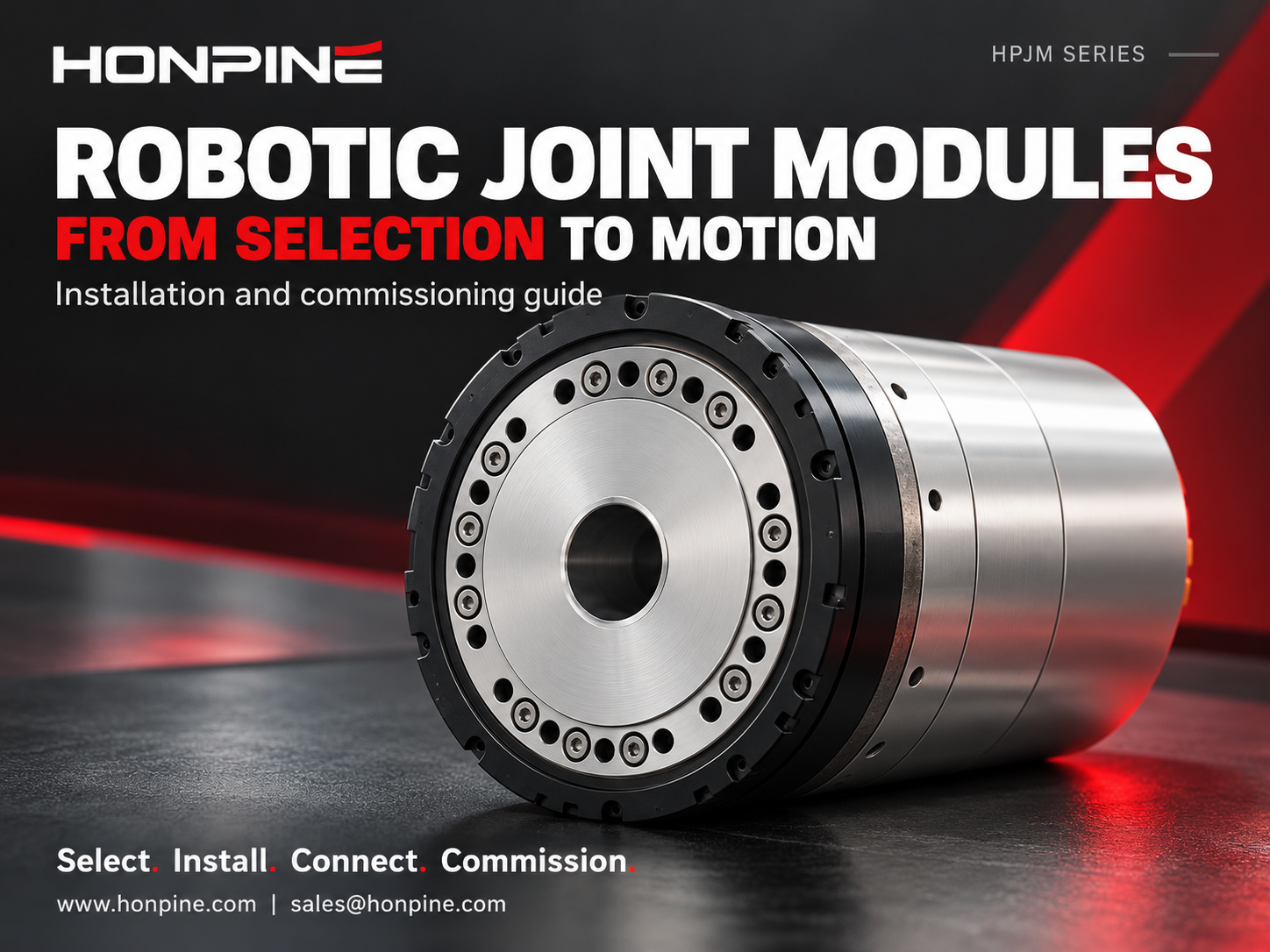
 How to Select and Use Robotic Joint Modules?How do you take robotic joint modules from selection to controlled motion? Using the HONPINE HPJM harmonic joint module as an example, Technical Director Theodore Li explains the key steps in mechanical installation, electrical wiring, CAN and EtherCAT configuration, and control commissioning. Learn what to confirm before integration and how to approach setup so each joint can respond correctly to your controller.
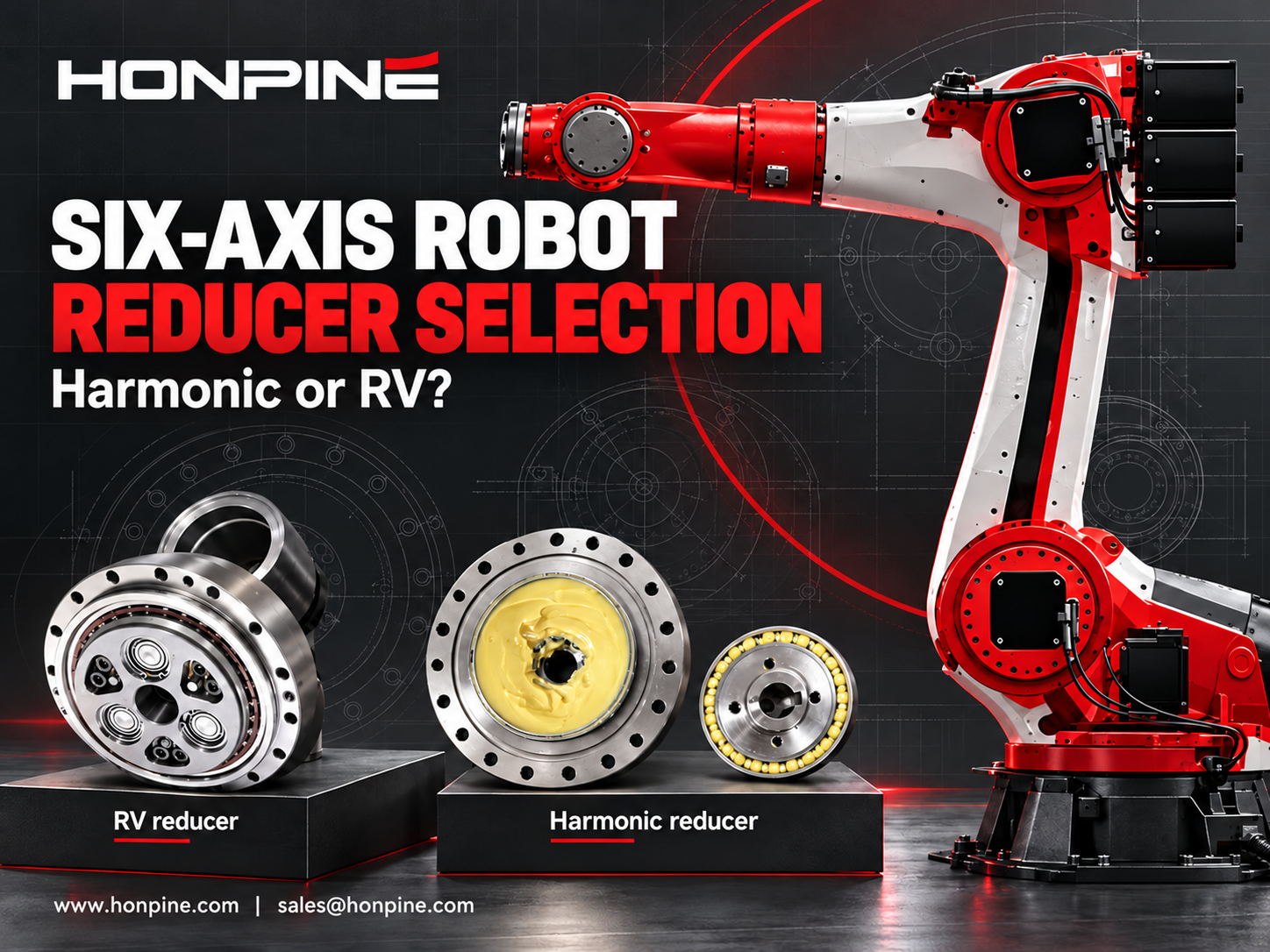
 How to Select Harmonic and RV Reducers for Each Axis of a Six-Axis Robot?What determines whether a six-axis robot joint needs a harmonic reducer or an RV reducer? The answer depends on torque, inertia, impact loads, bearing loads and installation space. This guide explains how to evaluate harmonic and RV reducers for the base, shoulder, elbow and wrist, with practical checks for stiffness, backlash and service life. Use the requirements of each axis to select a suitable reducer configuration.
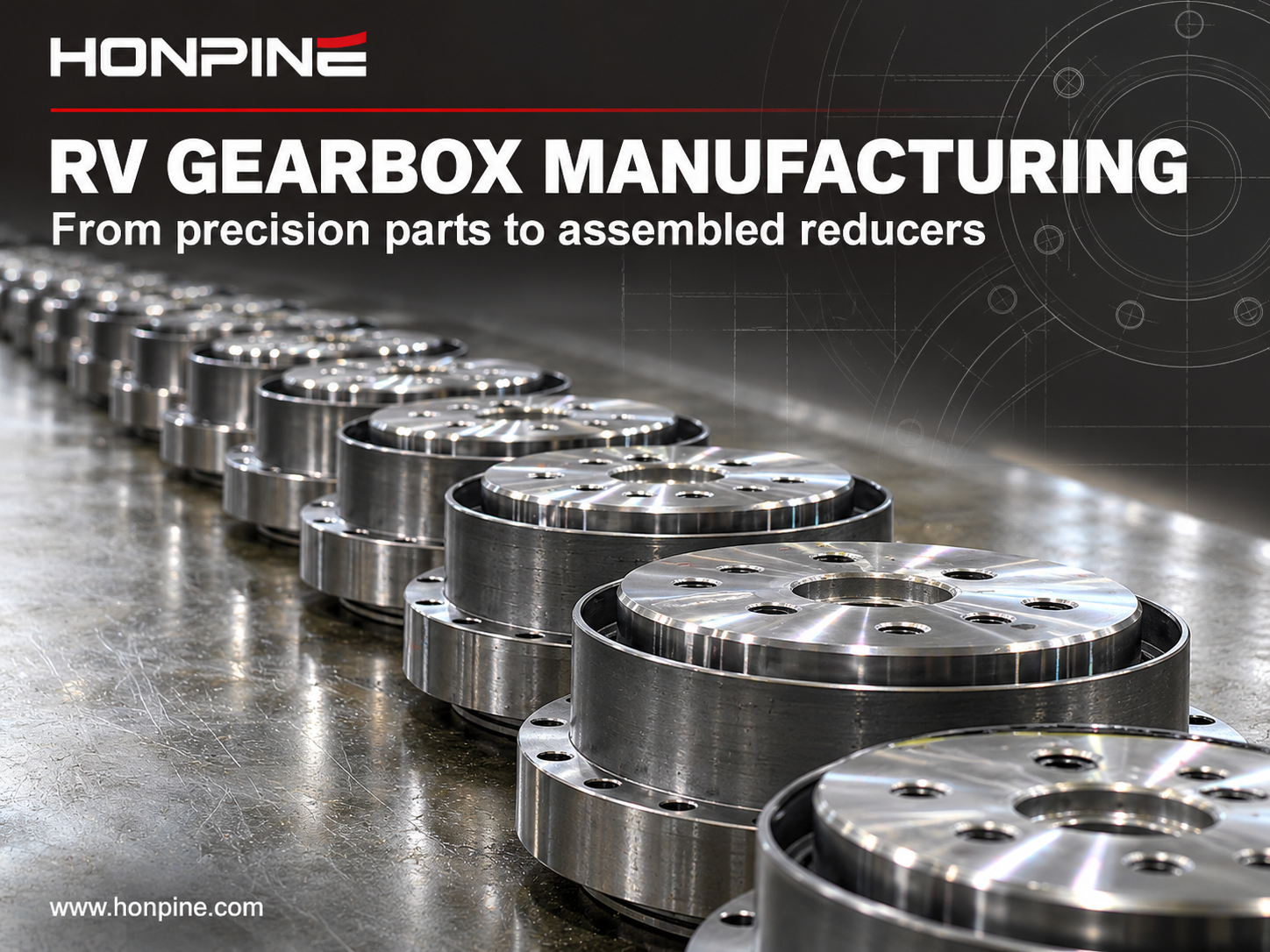
 Top 7 RV Reducer Gearbox Manufacturers: Why Does Nabtesco Still Dominate?What sets RV reducer gearbox manufacturers apart, and why does Nabtesco remain a benchmark in this market? RV reducer production demands precise component machining, careful assembly and extensive engineering know-how. This article introduces seven manufacturers across RV reducers and related transmission technologies, examines the strengths behind Nabtesco's position, and explores HONPINE's development capabilities to help you understand the supplier landscape.
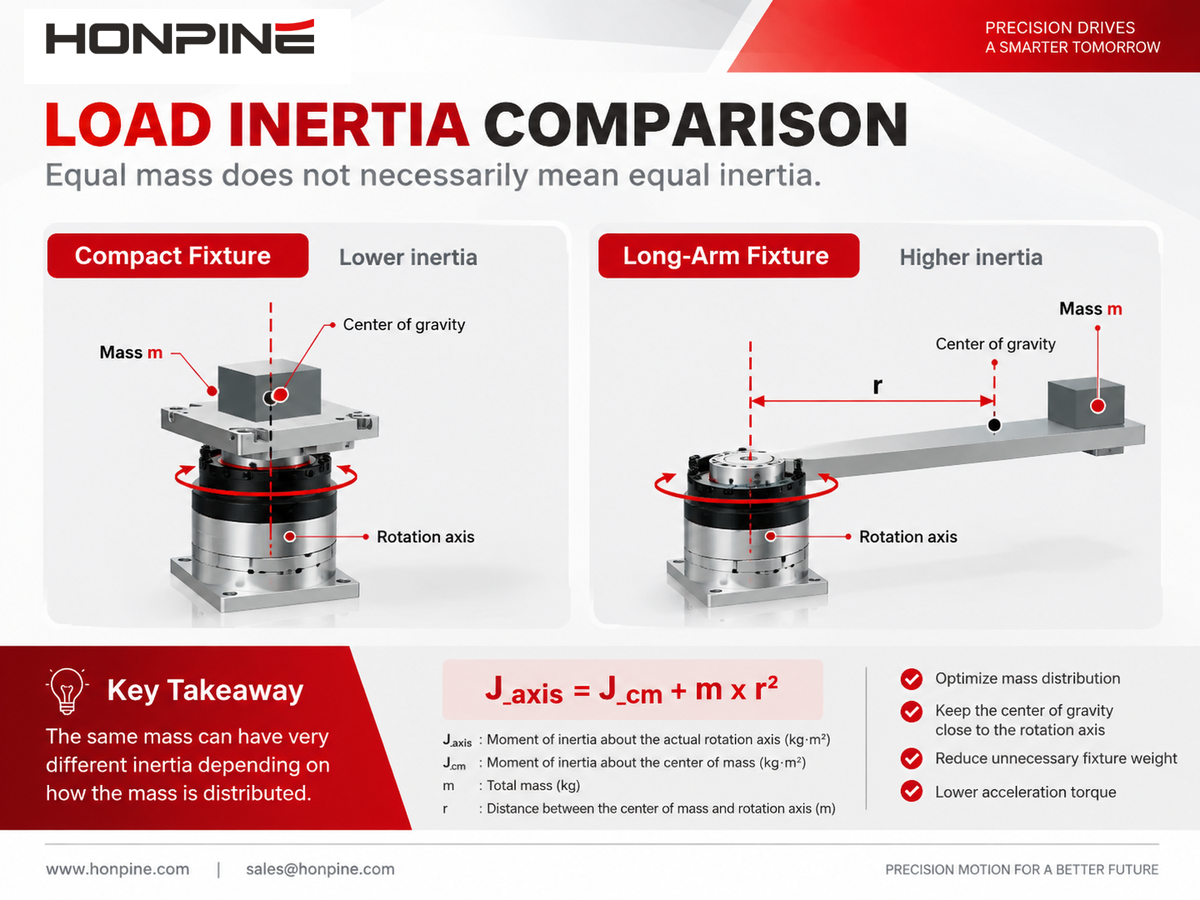
 How to Calculate Torque for a Harmonic Rotary Actuator in a Flipping Mechanism?How much torque does a harmonic rotary actuator need to flip a 10 kg load through 180 degrees? The answer depends on more than weight. Center-of-gravity offset, load inertia, acceleration and operating frequency all affect actuator selection. In this guide, Theodore Li, Technical Director at HONPINE, explains the calculation process using a horizontal-axis flipping example and outlines the checks needed for peak torque, continuous operation, output speed and bearing loads.
Double Click
We provide harmonic drive reducer,planetary reducer,robot joint motor,robot rotary actuators,RV gear reducer,robot end effector,dexterous robot hand
 What is robot joint actuator?How to Choose the Best Robot Rotary Joint Actuator?In core robot joint transmission solutions, planetary and harmonic rotary actuators each have their own strengths. Choosing the right type based on application requirements is essential to achieve the optimal balance between performance and cost.
 DD Motors VS Harmonic Rotary ActuatorsThis article provides an in-depth comparison between Direct Drive (DD) motors and harmonic rotary actuators, covering their transmission principles, advantages and disadvantages, and typical application fields.
 OMG Ultra Compact Harmonic Drive Joint Module with Built-in Torque SensorHONPINE TCHL series harmonic drive joint module is a game-changing product that achieves disruptive improvements in multiple aspects such as lightweight design, integration level, and connection convenience. This article will analyze its revolutionary enhancements with you.
 Why Are Harmonic Reducers Suitable for High-Precision Automation Equipment?Precision automation equipment depends on consistent rotary motion, reliable positioning and compact transmission design. From dispensing head orientation and component angular alignment to automated inspection indexing, harmonic reducers offer a practical solution for applications requiring low backlash and high reduction ratios in limited installation space. This article explains how harmonic reducers support repeatable motion, compares key design configurations, and outlines how to select a suitable reduction ratio and reducer structure based on load, speed, accuracy and machine cycle-time requirements.
 Why Are Servo Motors and Gear Reducers an Ideal Match?Servo motors provide fast, precise motion control, while gear reducers adapt their speed and torque to the load. This guide explains how servo motors and gear reducers work together through torque multiplication, reflected inertia reduction and finer theoretical position resolution. Learn how inertia matching, backlash, torsional stiffness and reduction ratio influence performance in robotics and industrial automation.
 How to Select and Use Robotic Joint Modules?How do you take robotic joint modules from selection to controlled motion? Using the HONPINE HPJM harmonic joint module as an example, Technical Director Theodore Li explains the key steps in mechanical installation, electrical wiring, CAN and EtherCAT configuration, and control commissioning. Learn what to confirm before integration and how to approach setup so each joint can respond correctly to your controller.
 How to Select Harmonic and RV Reducers for Each Axis of a Six-Axis Robot?What determines whether a six-axis robot joint needs a harmonic reducer or an RV reducer? The answer depends on torque, inertia, impact loads, bearing loads and installation space. This guide explains how to evaluate harmonic and RV reducers for the base, shoulder, elbow and wrist, with practical checks for stiffness, backlash and service life. Use the requirements of each axis to select a suitable reducer configuration.
 Top 7 RV Reducer Gearbox Manufacturers: Why Does Nabtesco Still Dominate?What sets RV reducer gearbox manufacturers apart, and why does Nabtesco remain a benchmark in this market? RV reducer production demands precise component machining, careful assembly and extensive engineering know-how. This article introduces seven manufacturers across RV reducers and related transmission technologies, examines the strengths behind Nabtesco's position, and explores HONPINE's development capabilities to help you understand the supplier landscape.
 How to Calculate Torque for a Harmonic Rotary Actuator in a Flipping Mechanism?How much torque does a harmonic rotary actuator need to flip a 10 kg load through 180 degrees? The answer depends on more than weight. Center-of-gravity offset, load inertia, acceleration and operating frequency all affect actuator selection. In this guide, Theodore Li, Technical Director at HONPINE, explains the calculation process using a horizontal-axis flipping example and outlines the checks needed for peak torque, continuous operation, output speed and bearing loads.
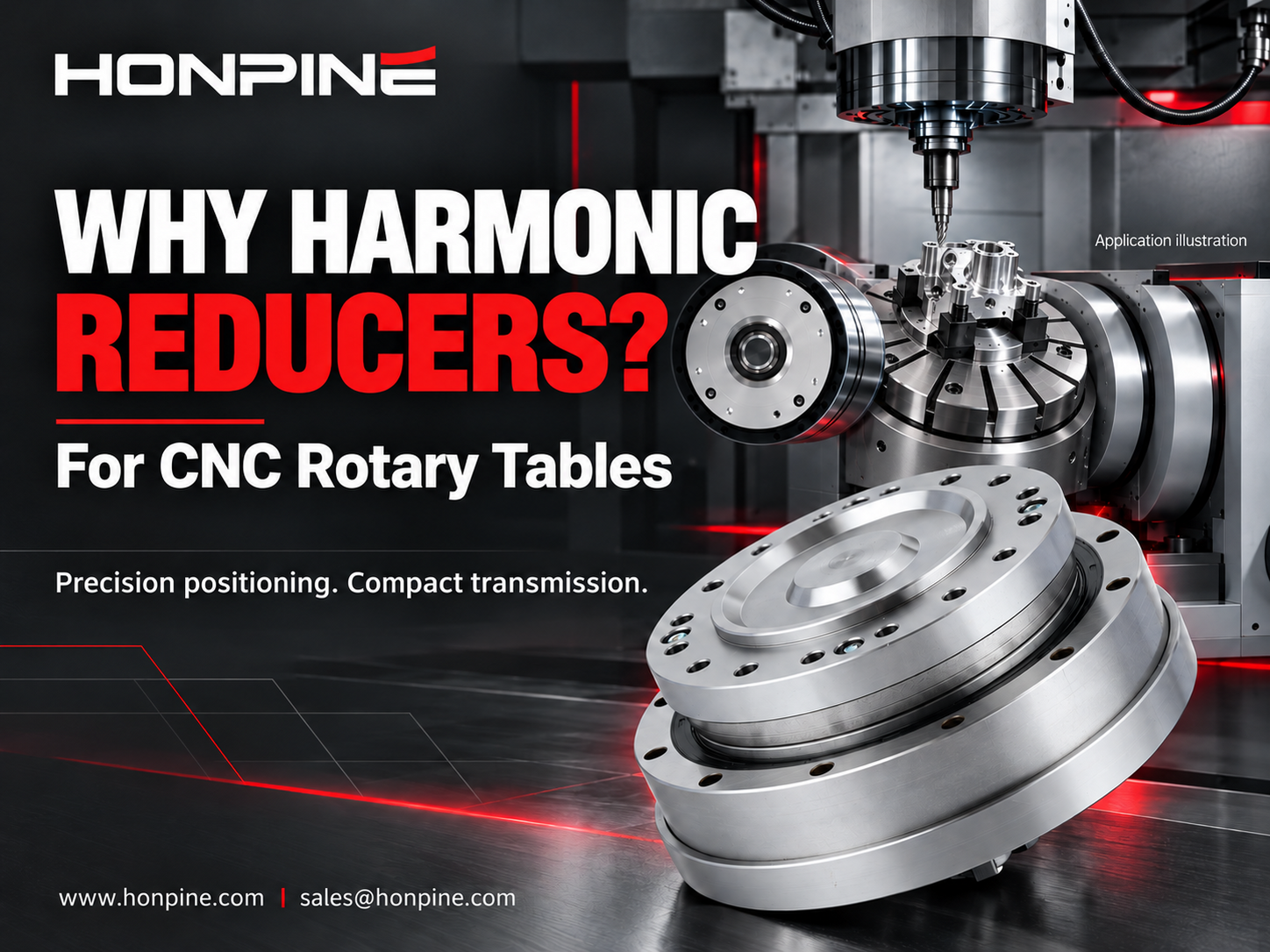
 Why Are Harmonic Reducers Suitable for CNC Machine Tool Rotary Tables?Why choose harmonic reducers for CNC rotary tables? Accurate indexing depends on more than the motor: backlash, torsional stiffness and torque capacity all affect how reliably a rotary table holds its position during machining. This guide explains the key transmission requirements of fourth and fifth axis rotary tables, explores common machine tool applications, and introduces HONPINE harmonic reducer configurations for different installation and load requirements.
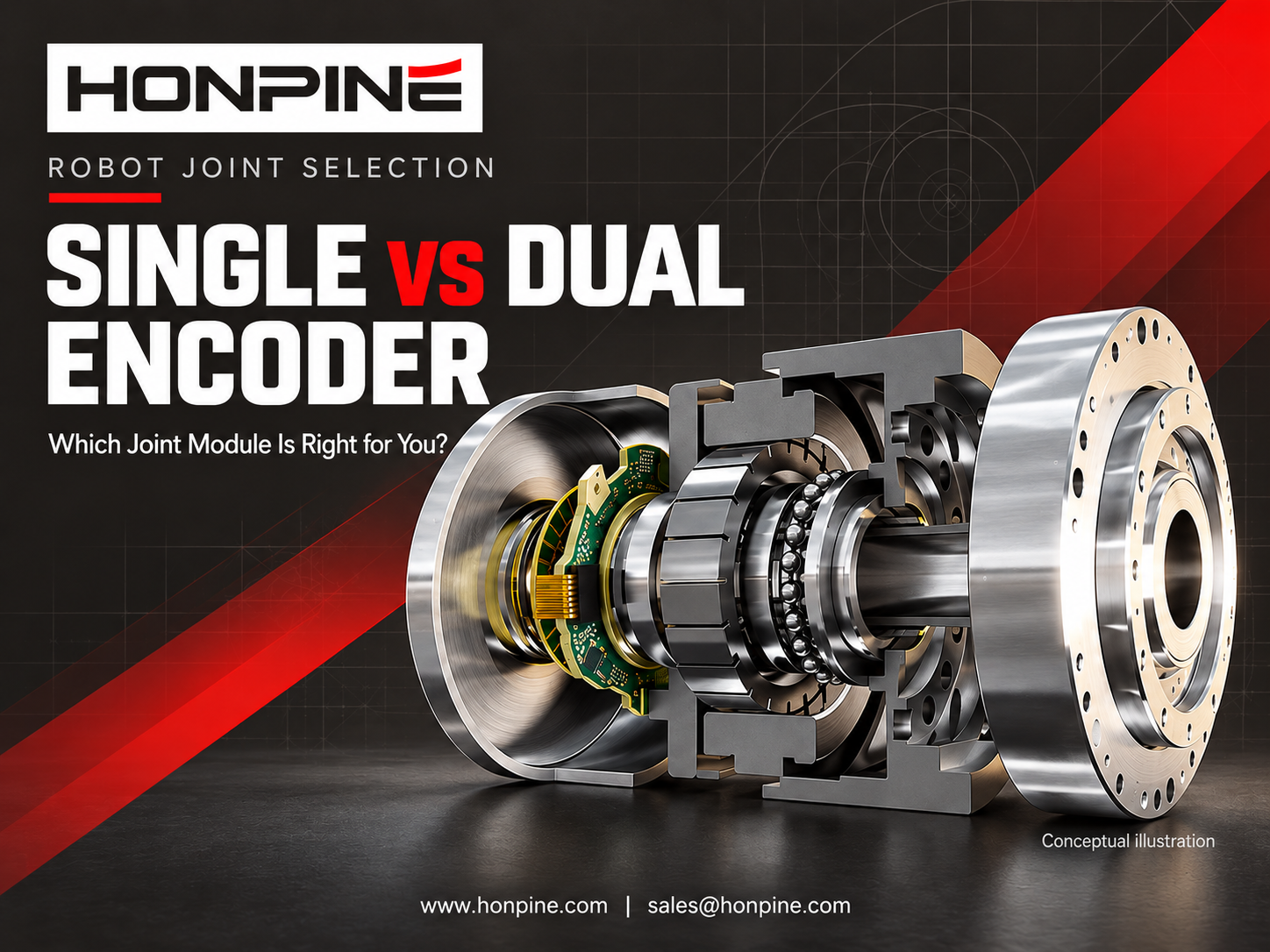
 What’s the Difference Between Single and Dual Encoder Robot Joint Modules?Does your robot need a dual encoder joint module, or is a single encoder enough? The answer depends on positioning requirements, transmission behavior, force control strategy and budget. This guide compares motor-side and output-side feedback, explains where dual encoders can improve control, and examines their costs and limitations. Learn when a single encoder can meet your needs and when additional output feedback is worth considering.
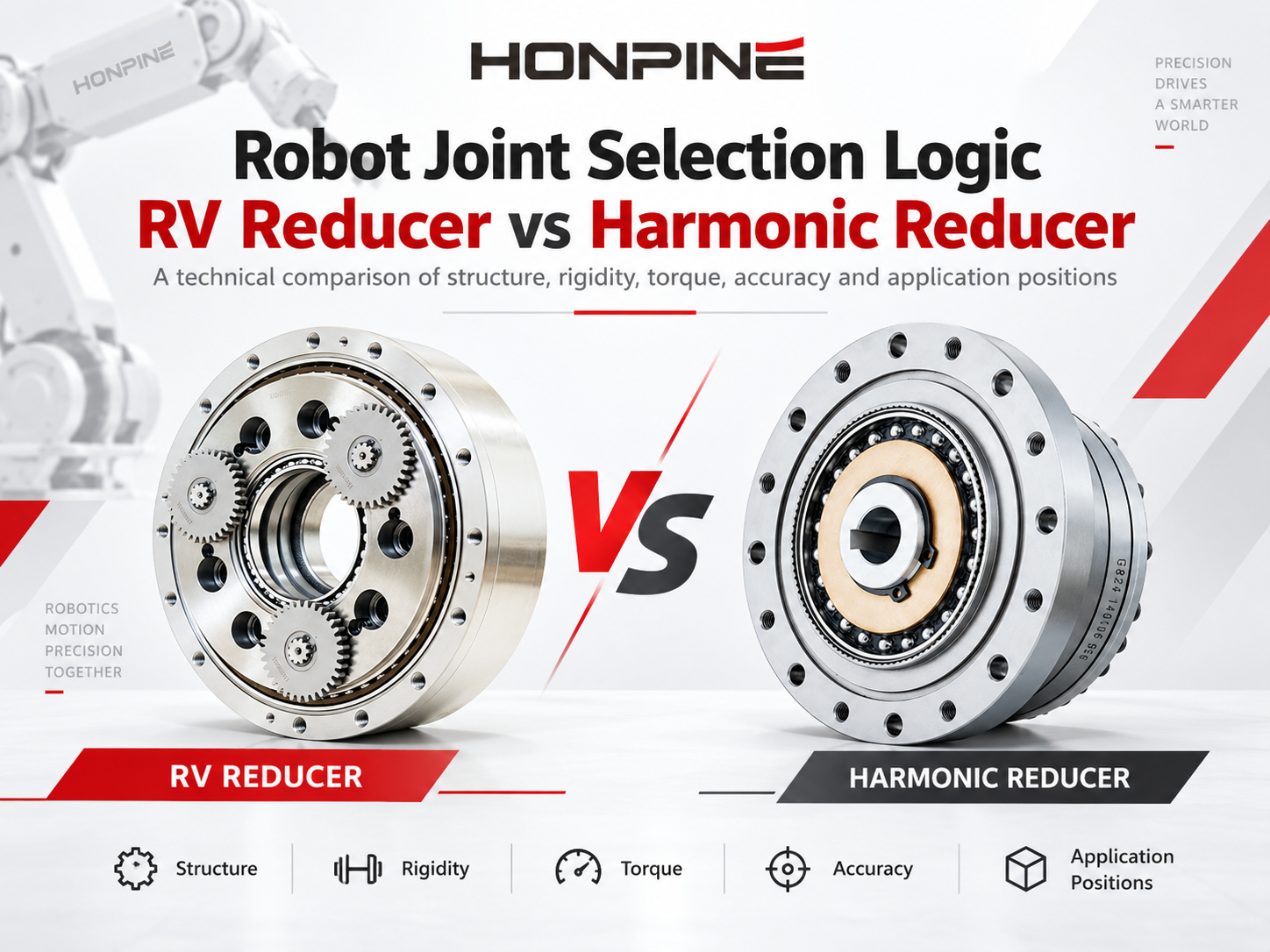
 RV vs Harmonic Reducer: How to Choose the Right Gearbox for Robot Joints?RV vs harmonic reducer: which gearbox is right for your robot joint? The answer depends on torque, rigidity, accuracy, installation space and operating conditions. This guide compares their working principles and five key performance factors, then explains how to evaluate joint loads, reducer life, temperature and lubrication. Whether you are designing a robot base, shoulder, elbow or wrist, use these considerations to match the reducer to the requirements of each joint.