








Automate 2026 Sends a New Signal: Humanoid Robots Enter the Era of Accountability
AUTOMATE is the leading industrial automation and robotics exhibition in North America. Organized by the Association for Advancing Automation (A3), it is widely recognized as a global benchmark event in the automation industry.
This year’s exhibition covers the entire industrial automation value chain, including industrial robots, intelligent production lines, motion control, machine vision, Industrial IoT, collaborative robots, and smart manufacturing solutions. Downstream applications extend to automotive manufacturing, electronics and semiconductors, logistics and warehousing, medical devices, aerospace, and food packaging.
The event also features multiple technical summits and targeted business matchmaking sessions. It is expected to gather thousands of exhibitors and tens of thousands of professional buyers and industry decision-makers worldwide, making it a key platform for companies seeking to expand into the North American industrial market and capture global automation trends.
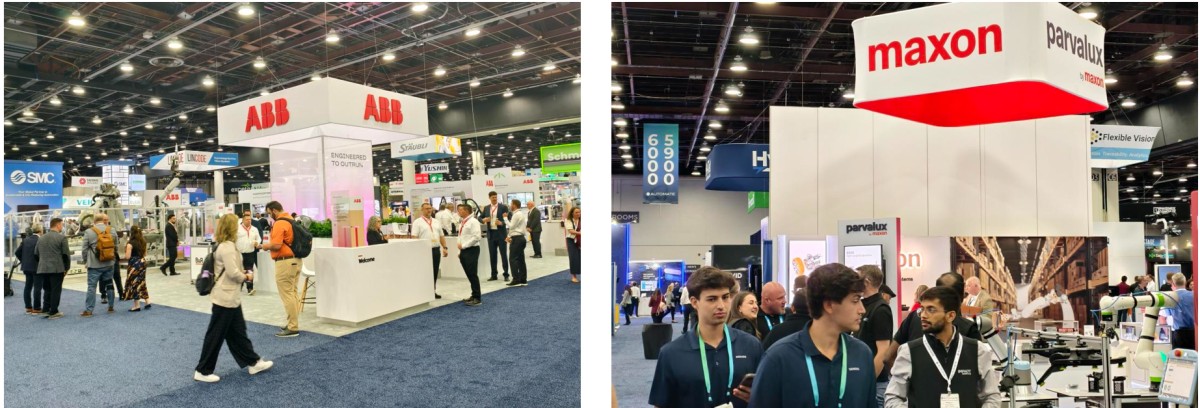
At Automate 2026, humanoid robots remain the most attention-grabbing exhibits. They appear in warehouse, logistics, manufacturing, and human-robot collaboration scenarios, demonstrating grasping, handling, walking, navigation, and basic manipulation tasks.
However, compared to previous years, the industry is no longer focused on whether robots can “move,” but rather on whether they can:
operate reliably in real environments
integrate into existing production lines
safely coexist with humans
and, most importantly, determine who is responsible when something goes wrong
From “Can It Move” to “Can It Be Trusted”
This shift is also why NVIDIA’s announcement of Halos for Robotics during the event is significant.
Halos is a full-stack safety system designed for robotics and physical AI, arriving at a critical transition period where humanoid robots are moving from laboratory prototypes to industrial deployment.
When robots are still in experimental stages, safety is just a specification on a datasheet.
But once they enter factories and warehouses, safety becomes a prerequisite for testing, procurement, and scaled deployment.
The Era of Responsibility in Humanoid Robotics
In the past few years, the industry mainly focused on answering:
“Can robots work?”
In the coming years, a more important question emerges:
“If something goes wrong, how is responsibility assigned, and why should customers trust robots in real production environments?”
The transition from “movement capability” to “deployable trust” is not about a single model upgrade—it requires an entire system covering:
safety mechanisms
validation frameworks
operations & maintenance
and responsibility allocation systems
China Introduces Lifecycle Regulation for Humanoid Robots
At the same time, China has introduced the Humanoid Robot Full Lifecycle Management Standard, assigning each humanoid robot a unique 29-character identification code.
This enables:
traceability from production to deployment
full lifecycle monitoring
risk prevention
and responsibility attribution
The industry is moving from technological demonstration toward institutionalized governance.
Traditional Safety Frameworks Are Becoming Insufficient
Industrial robots succeeded historically because their safety boundaries were clear:
fixed positions
repetitive tasks
predefined trajectories
physical isolation via fences, light curtains, and emergency stops
Industrial safety mainly deals with:
mechanical failure
controller malfunction
trajectory deviation
human intrusion into hazardous zones
These risks are complex but manageable through physical isolation and redundant engineering.
Humanoid Robots Break the Boundary
Humanoid and autonomous mobile robots operate differently:
open environments
shared human workspaces
perception-driven decision-making (vision, language, sensors)
The key shift is:
Safety is no longer only about whether a robot deviates from a predefined path.
It is about whether the AI misinterprets the environment while still functioning “normally.”
From Functional Safety to SOTIF
This risk is closer to the automotive concept of SOTIF (Safety of the Intended Functionality).
Functional safety focuses on system failures (motor failure, sensor damage, controller crash)
SOTIF focuses on unsafe behavior caused by perception or decision limitations even when the system is technically functioning correctly
“Embodied Hallucination” in Robotics
In humanoid robots, this risk can be described as embodied hallucination:
Hardware is functioning normally, but the model misinterprets complex edge cases such as:
sudden lighting changes
reflective surfaces on the ground
oil stains on workpieces
slight object position deviations
This can lead to:
failed grasping
force miscontrol
navigation errors
spatial perception drift
Unlike AI hallucinations in text, these errors occur in the physical world, where consequences are real.
Safety Is Expanding Beyond Hardware
As robots move into real production environments, safety boundaries extend beyond physical isolation into:
algorithmic constraints
behavior validation
runtime monitoring
From components to full systems, every layer matters.
Even failures in core components such as:
robotic joints
planetary reducers
RV reducers
can trigger cascading system risks.
Halos for Robotics: Toward “Trustworthy Deployment”
According to NVIDIA’s disclosures, Halos covers:
computing platforms
sensor connectivity
safety software stack
validated applications
system verification
It is not a single feature, but a system-level safety architecture for robotics deployment.
Its goal is to bridge the gap between:
AI’s probabilistic behavior and
industrial safety’s deterministic requirements
Adding a Safety Layer Between AI and Action
Halos introduces a safety layer between model output and physical execution:
safety computation
sensor fusion
runtime monitoring
simulation validation
system checks
The goal is not to make AI perfect, but to make its behavior:
observable
constrained
auditable
NVIDIA’s Expanding Physical AI Ecosystem
Halos is part of a broader ecosystem:
Isaac Sim → simulation & digital twin
Cosmos → world models
GR00T → foundation models for robotics
Jetson Thor → edge computing
Halos → safety & deployment assurance
Together, they form a full robotics infrastructure stack from training to deployment.
From Tool Provider to Infrastructure Gatekeeper
This mirrors NVIDIA’s strategy in AI:
CUDA created developer lock-in
GPU became the entry point
ecosystem became the moat
In robotics, the same pattern may emerge:
hardware is only the entry point;
simulation, models, safety, and deployment tools define long-term value.
Industrial Customers Are Redefining Robot Metrics
At Automate 2026, manufacturers are evaluating humanoid robots using industrial KPIs:
MTBF (Mean Time Between Failures)
OEE (Overall Equipment Effectiveness)
uptime and recovery time
SLA (Service Level Agreement)
ROI (Return on Investment)
These metrics determine whether robots are:
experimental demos or
production assets
From Capability Competition to Reliability Competition
The industry is shifting from:
“Can it demonstrate ability?” to
“Can it sustain performance over thousands of hours in real conditions?”
Real factory environments include:
dust
oil
lighting variation
mixed materials
human interference
A successful demo does not guarantee production readiness.
The First Line of Defense: Reducers and Actuators
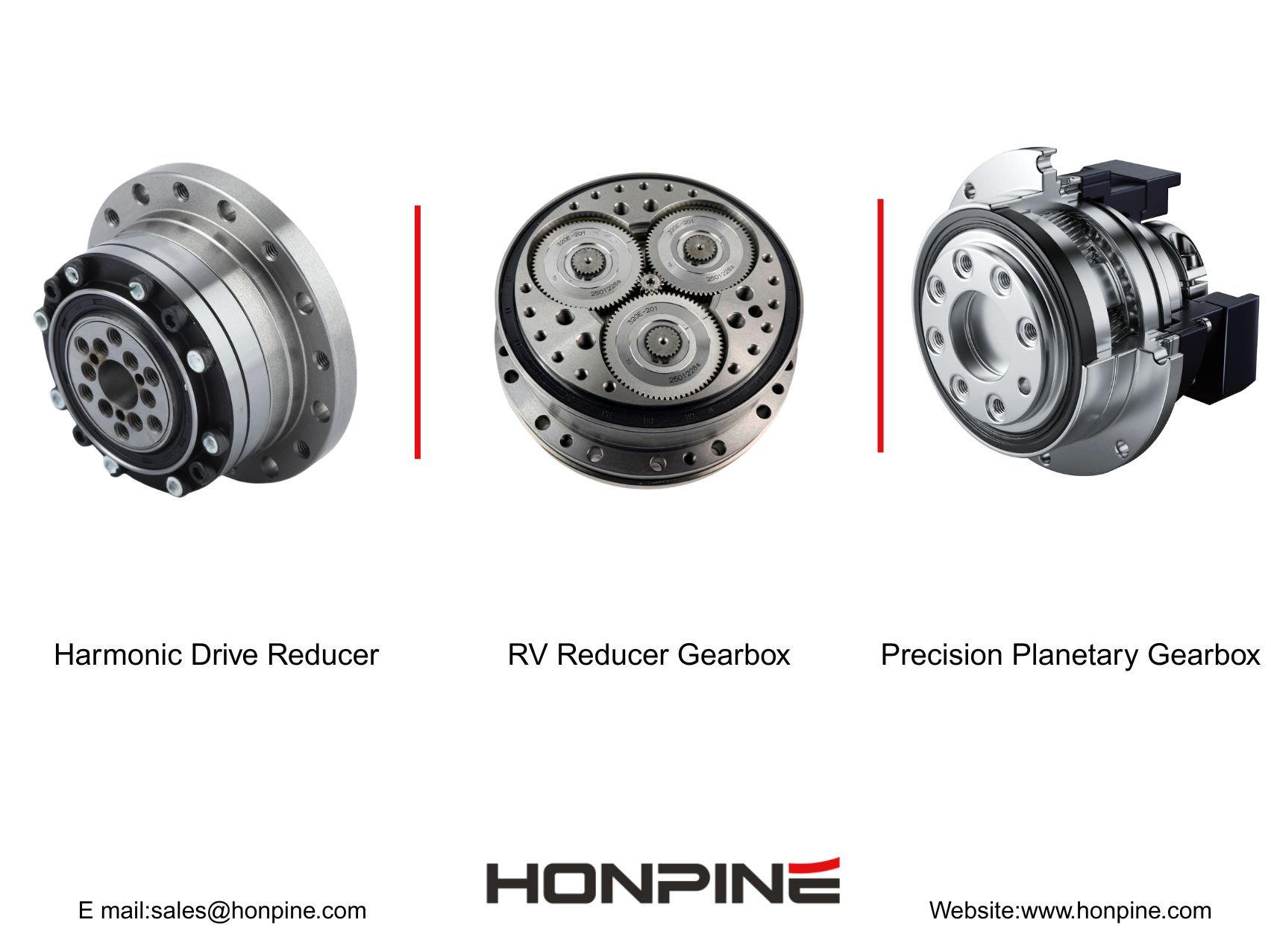
Precision reducers and joint actuators are the foundation of robot safety.
Harmonic Reducers
Used in lightweight, high-precision joints (arm, wrist, hand).
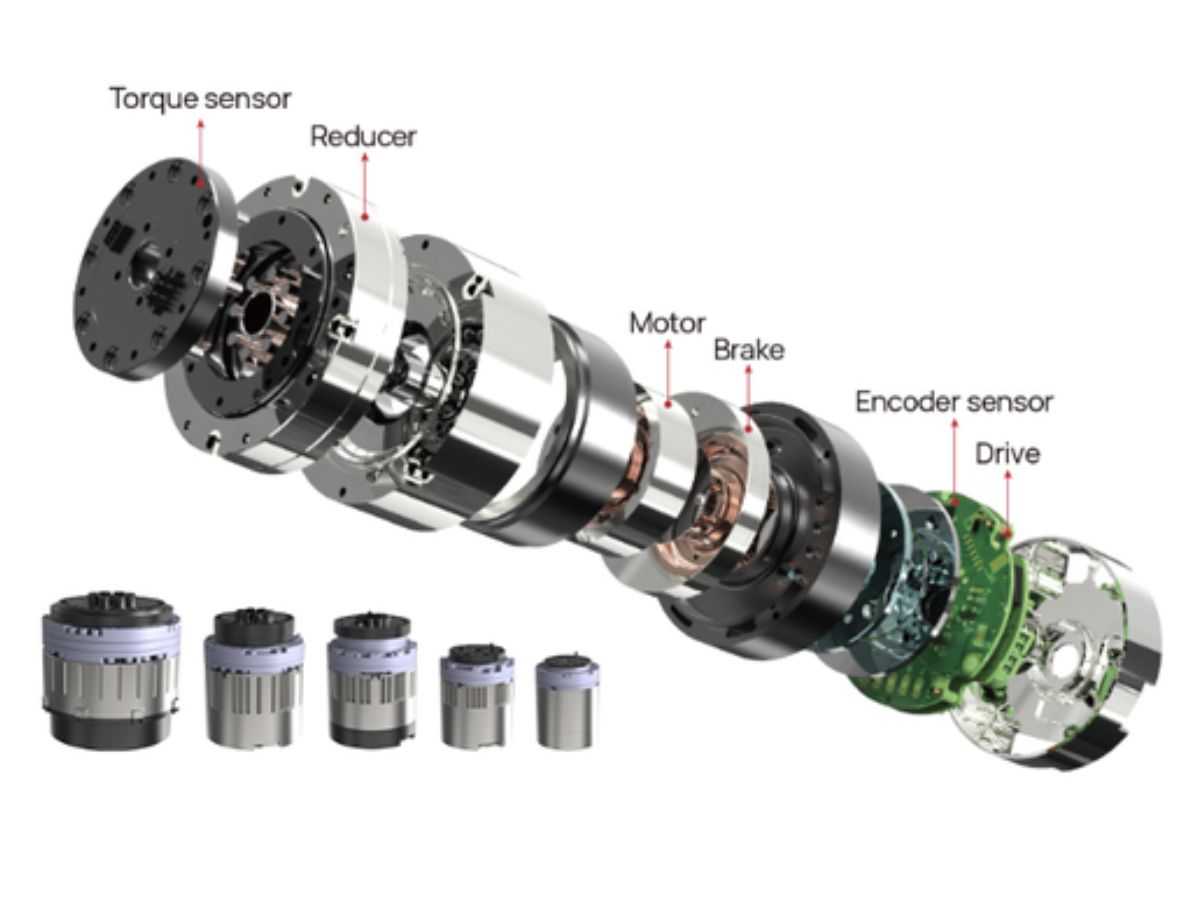
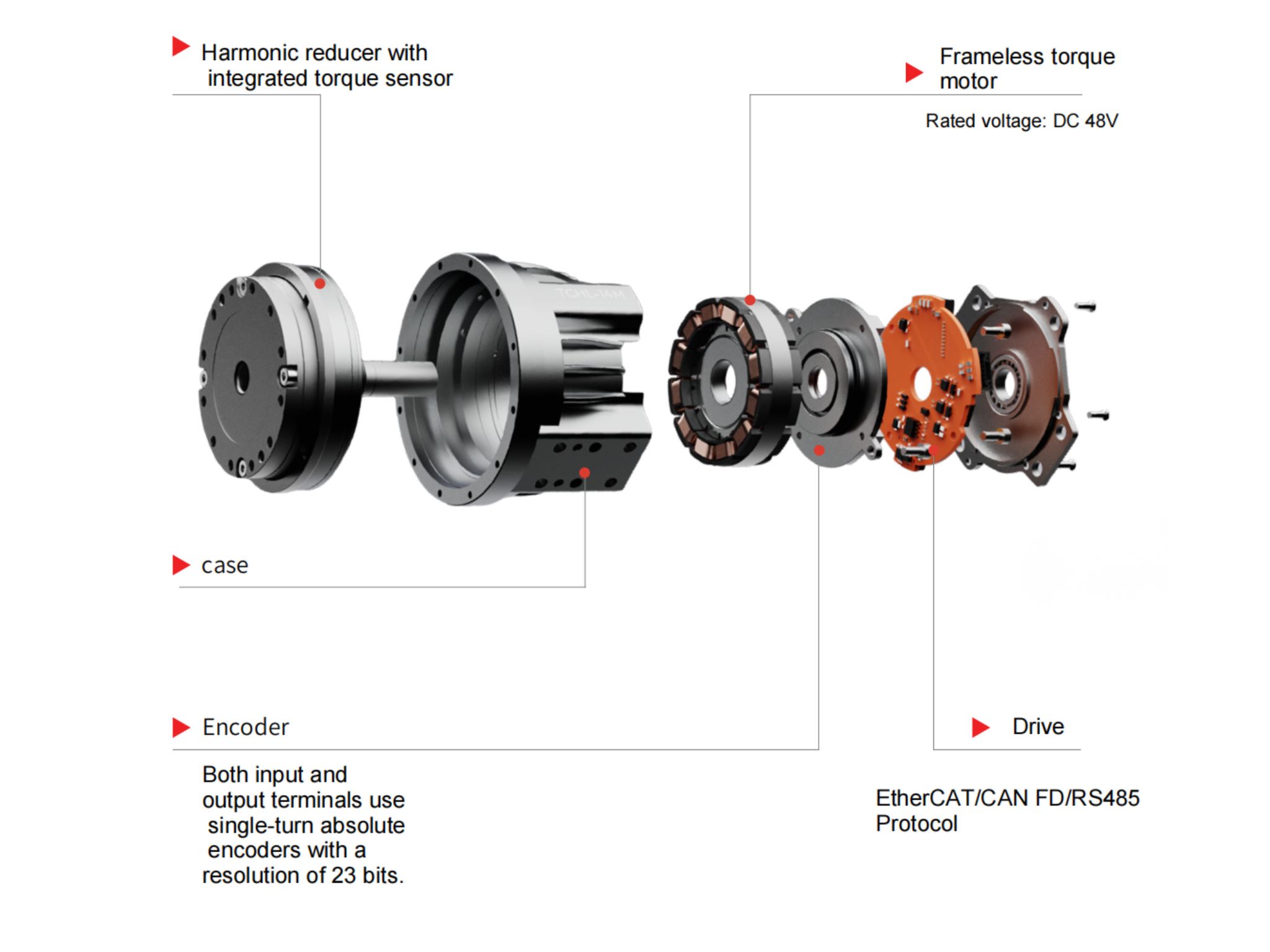
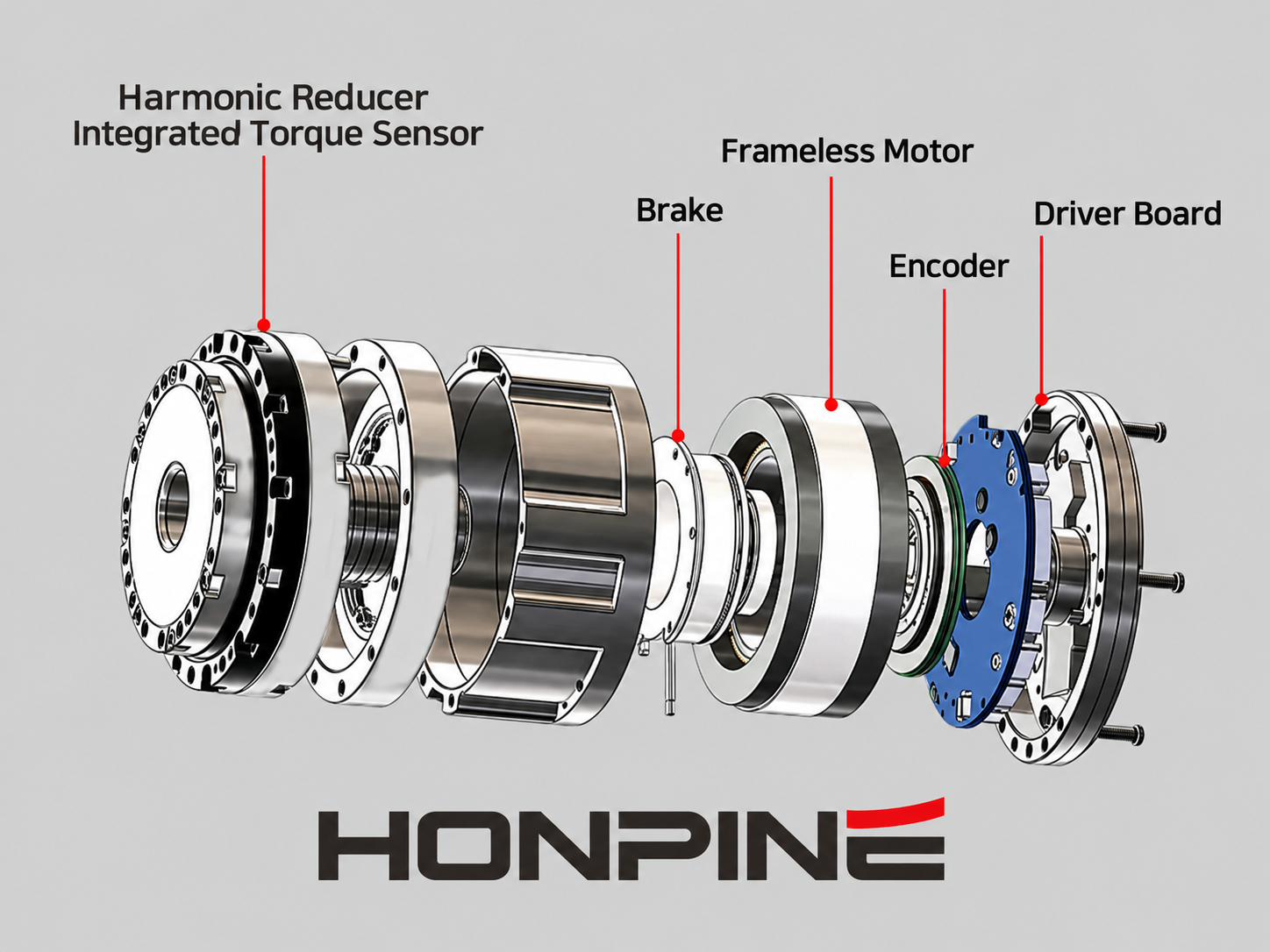
HONPINE harmonic joint modules integrate:
high-performance motor
high-resolution encoder
built-in driver
This integration reduces wiring complexity and mechanical failure risks.
Planetary Reducers
Lower cost, widely used in hands and lower-limb joints.
Often combined with harmonic systems in humanoid robots.
RV Reducers
High rigidity and torque capacity, used in:
upper arms
base joints
heavy-load applications
Robot End Effectors: From “Can Grab” to “Can Grab Reliably”
Electric Grippers
high stability
low cost
ideal for industrial structured environments
Dexterous Hands
high flexibility
long-term direction for humanoid robots
driven by motors, reducers, and tendon systems
From Capability to Trust
The humanoid robotics industry is undergoing a fundamental evaluation shift:
From proving what robots can do
to proving what robots will not do wrong
NVIDIA’s Halos does not redefine the industry overnight, but it highlights a critical reality:
Safety is no longer an add-on—it is the entry ticket to deployment.
The real competition is no longer only about capability ceilings, but about risk floors.
Learn More
Harmonic Reducer Technical Specifications
Gripper and Dexterous Hand Solutions
Read More
Learn more about the story of HONPINE and industry trends related to precision transmission.
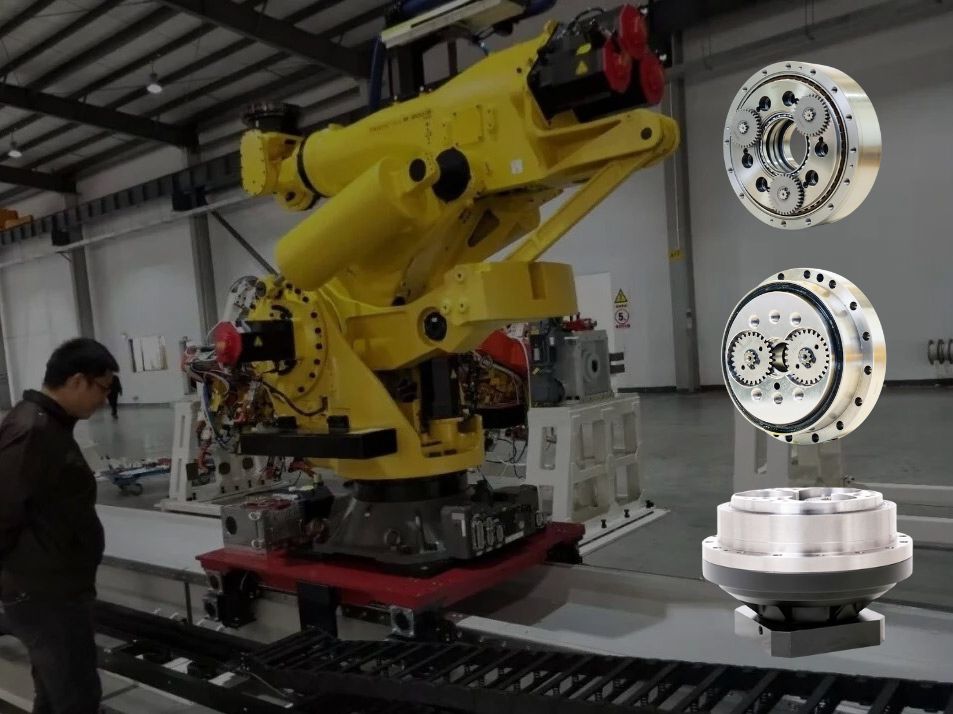
 What is robot joint actuator?How to Choose the Best Robot Rotary Joint Actuator?In core robot joint transmission solutions, planetary and harmonic rotary actuators each have their own strengths. Choosing the right type based on application requirements is essential to achieve the optimal balance between performance and cost.
 DD Motors VS Harmonic Rotary ActuatorsThis article provides an in-depth comparison between Direct Drive (DD) motors and harmonic rotary actuators, covering their transmission principles, advantages and disadvantages, and typical application fields.
 OMG Ultra Compact Harmonic Drive Joint Module with Built-in Torque SensorHONPINE TCHL series harmonic drive joint module is a game-changing product that achieves disruptive improvements in multiple aspects such as lightweight design, integration level, and connection convenience. This article will analyze its revolutionary enhancements with you.
 The Role of Harmonic Drive Gears in Achieving 5–10 μm Accuracy in Dental Milling MachinesA dental milling machine is a CNC machining system used to directly process digital dental models into restorations such as crowns, bridges, veneers, inlays, and implant abutments. Dental milling machines require far higher operational accuracy and motion stability than ordinary equipment. This article explains how harmonic drive gear help dental milling machines achieve stable, continuous, and controllable operation.
 Why Are Harmonic Rotary Actuators Perfect for Medical Equipment?Harmonic rotary actuators (typically integrated systems consisting of a harmonic drive reducer, frameless torque motor, encoder, and optional brake) are regarded as key components in medical equipment. The core reason is that they simultaneously meet the most stringent medical requirements for precision, compact size, safety, and controllability. The following explanation is structured from three perspectives: technical characteristics, application scenarios, and medical value.
 High-Precision RV Reducers Perfectly Matched for Walking RobotsThe walking axis of a robot is a core component for power transmission and support. RV reducers provide extremely high rigidity, precision, and torque while maintaining a compact size and exceptional reliability, making them an ideal match for the demanding requirements of walking robot joints in terms of load capacity, impact resistance, and precision.
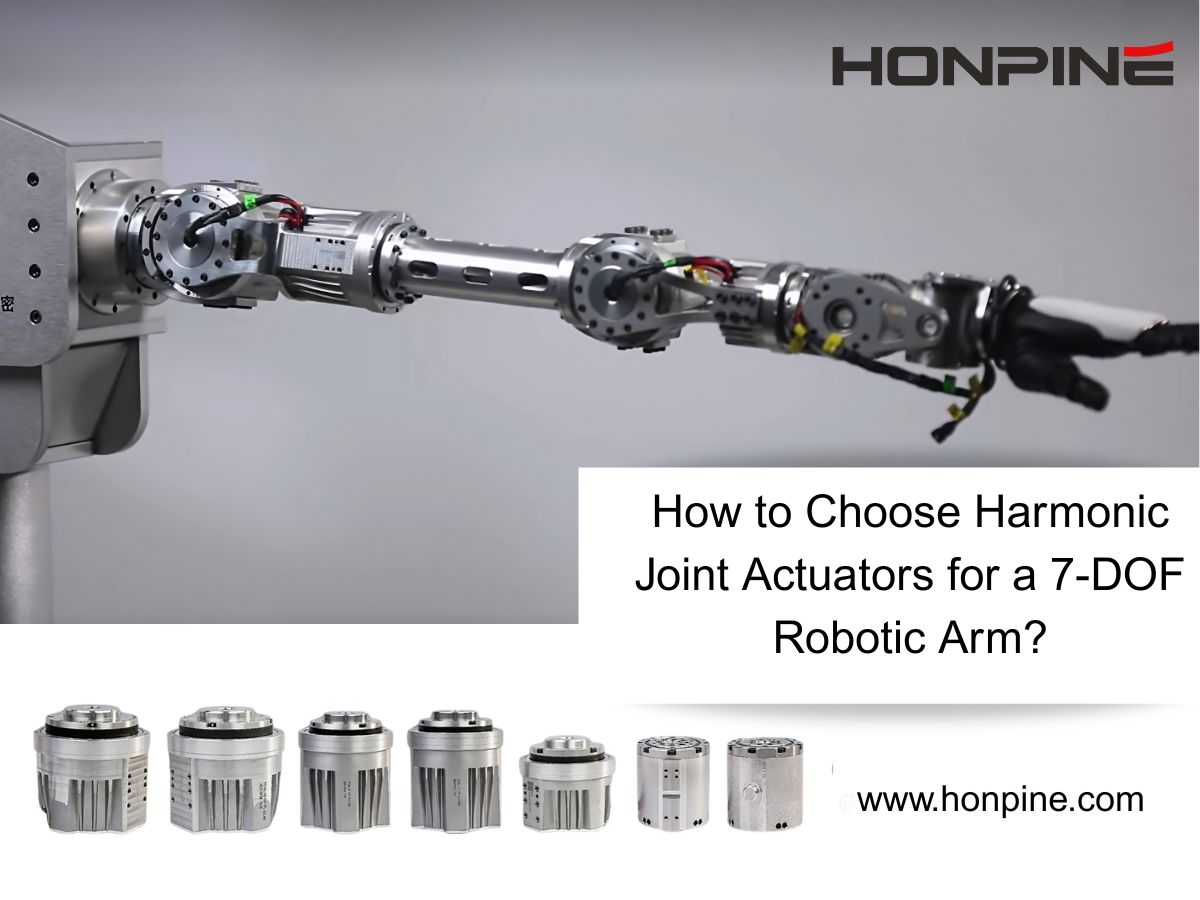
 How to Choose Harmonic Joint Actuators for a 7-DOF Robotic Arm?I'm Theodore Li, Technical Director at HONPINE. Choosing harmonic joint actuators for a 7-DOF robotic arm starts with the torque, weight, and installation needs of each joint. This guide uses a TCHL 20 shoulder and TCHL 14 wrist configuration as an example, then explores torque sensing, compliant control, and HAG Series considerations for demanding robotic applications.
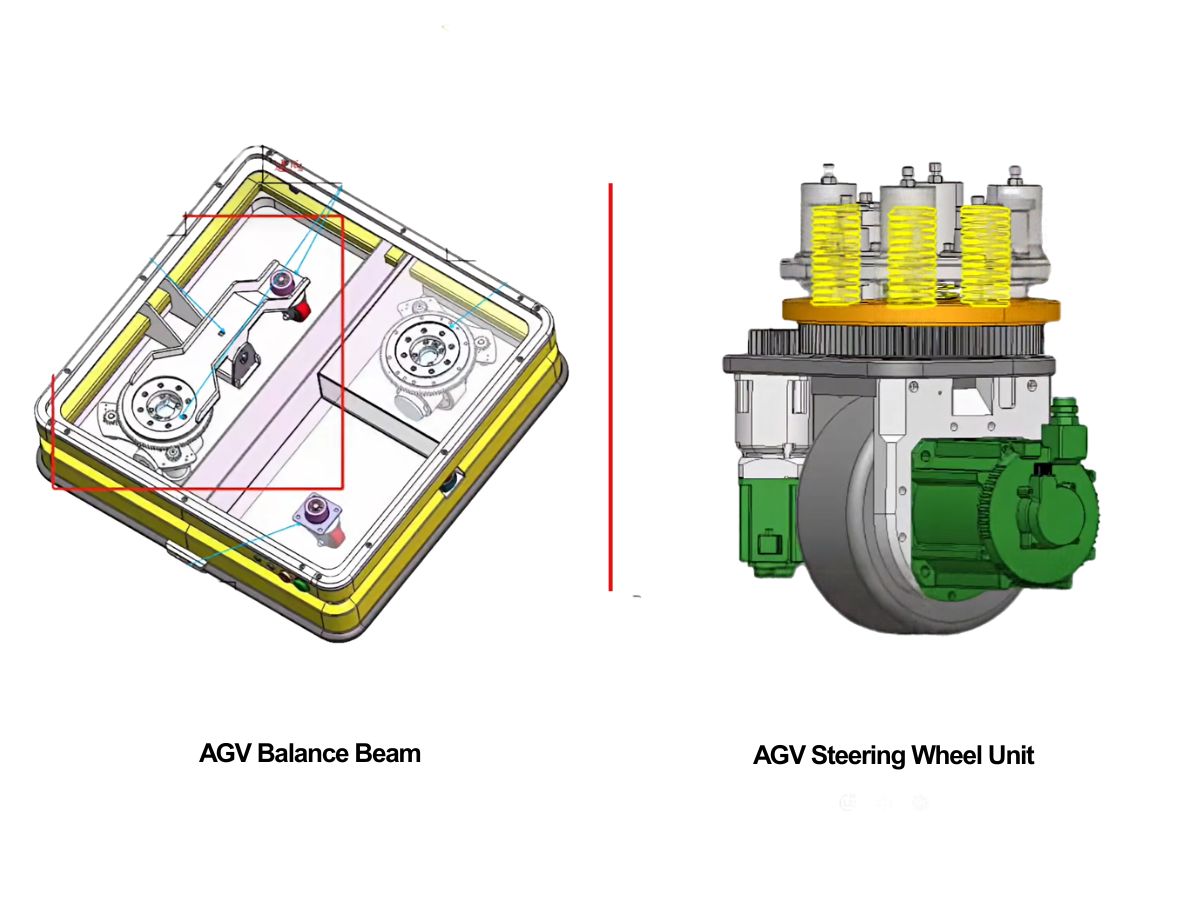
 AGV Suspension: Should You Choose a Balance Beam or a Spring-Loaded Steering Drive Unit?Choosing an AGV suspension system starts with the vehicle’s load range and floor conditions. Balance beams and spring-loaded steering drive units offer different approaches to maintaining wheel contact and managing wheel loads. This HONPINE guide compares both options and explains how to evaluate traction, suspension travel, installation space, and maintenance before choosing a configuration.
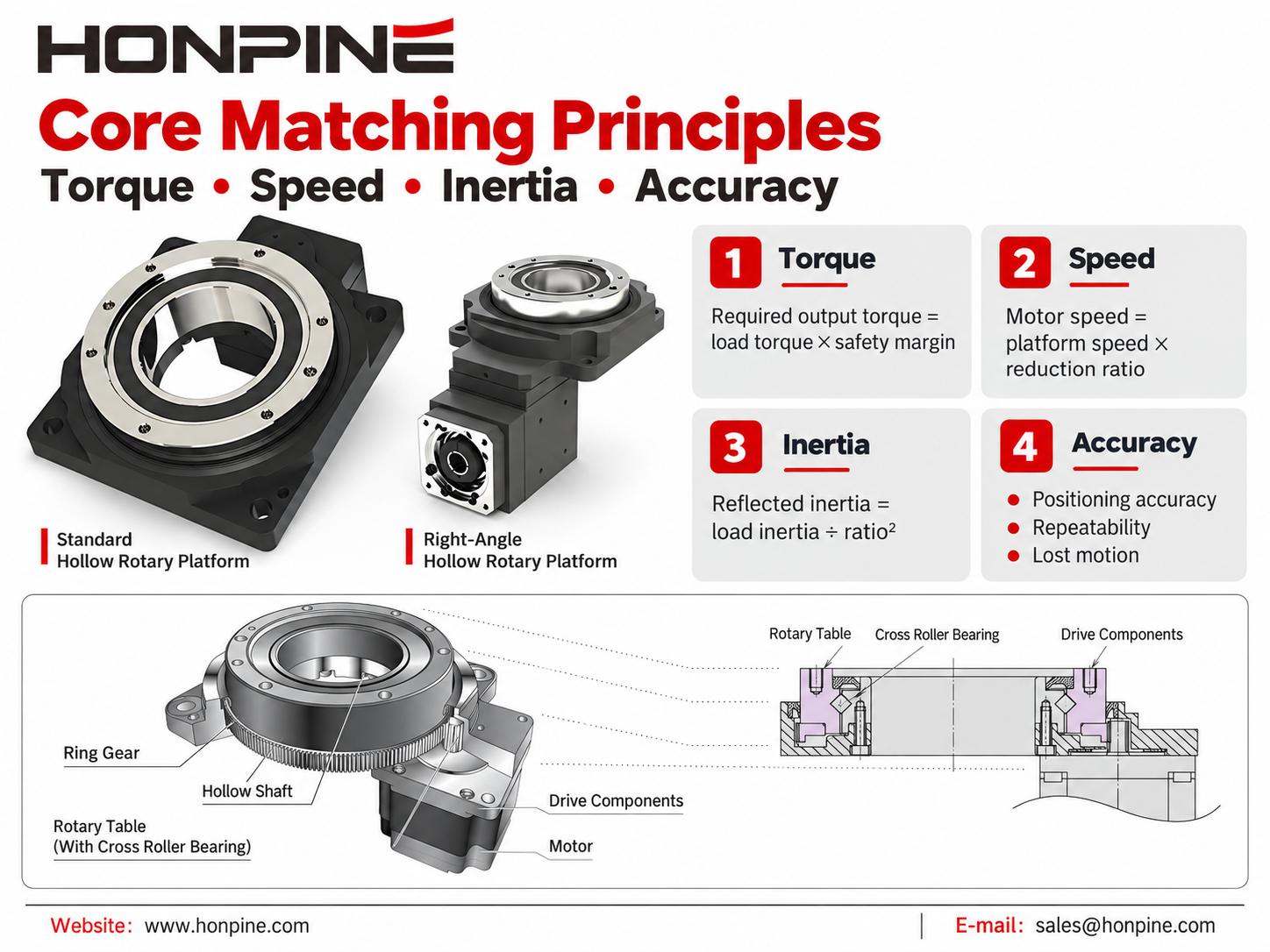
 Hollow Rotary Platform Motor Matching: A Complete GuideSelecting the right motor for a hollow rotary platform is essential for achieving precise positioning, stable operation, and efficient automation. This guide explains how to match servo motors, stepper motors, and brushless DC motors with hollow rotary platforms based on torque, speed, inertia, accuracy, and installation requirements. Explore practical motor selection guidelines, typical application combinations, and space-saving mounting solutions to find the right configuration for your automation project.
 Can Robots Feel Touch? HONPINE HAG Force-Controlled Harmonic Robot Joint MotorsCan robots respond to a gentle touch? The HONPINE HAG robot joint motor with torque sensor combines a harmonic reducer, integrated torque sensing, and closed-loop control to detect external forces and support smooth, compliant motion. In this article, HONPINE founder Allen Li demonstrates the module's response to light contact and hand-guided movement, explains its key force-control technologies, and shares the vision behind joint modules designed for practical industrial robotics.
 Does a Higher Gearbox Ratio Mean More Torque? Planetary, Harmonic, and RV Gearboxes ExplainedDoes a higher gearbox ratio mean more torque? This engineering guide explains the relationship between gearbox ratio, output torque, and output speed, and compares planetary gearboxes, harmonic gearboxes, and RV gearboxes. Learn why reduction ratio alone cannot determine gearbox torque capacity, efficiency, dynamic response, precision, or service life, and what engineers should consider when selecting a gearbox for robotics, CNC machines, servo systems, and industrial motion control.
 High-Precision Hollow Harmonic Rotary Actuator for CNC Machines and Heavy-Duty Rotary AxesHONPINE 58 Series Hollow Harmonic Rotary Actuator is designed for CNC rotary tables, precision rotary axes, laser processing equipment, and heavy-duty rotary positioning applications. With a 50 mm hollow bore, up to 2,722 N·m peak torque, integrated crossed roller bearing, multi-turn absolute encoder options, positioning accuracy below 30 arcsec, and repeat positioning accuracy below 5 arcsec, it combines high torque capacity with precision rotary motion and flexible mechanical integration.
Double Click
We provide harmonic drive reducer,planetary reducer,robot joint motor,robot rotary actuators,RV gear reducer,robot end effector,dexterous robot hand
 Multi-Robot Collaboration: From Single-Robot Intelligence to System IntelligenceHello, I’m Allen Li, Founder of HONPINE. As robotics continues to evolve, I believe the next major step will not come only from making individual robots more intelligent, but from enabling multiple robots to work together as coordinated systems. Multi-robot collaboration introduces new requirements for communication, task allocation, motion coordination, state awareness, and safety. This evolution also changes the role of the robot joint. A future intelligent robot joint will need to do more than generate precise motion. With technologies such as dual encoders, torque sensing, integrated drives, real-time communication, and safety functions, the robot joint can become an intelligent motion node connecting robot intelligence with physical movement. In this article, I would like to share how I see the relationship between multi-robot collaboration, system intelligence, and the next generation of HONPINE robot joint modules.
 Automate 2026 Sends a New Signal: Humanoid Robots Enter the Era of AccountabilityAUTOMATE is the leading industrial automation and robotics exhibition in North America. Organized by the Association for Advancing Automation (A3), it is widely recognized as a global benchmark event in the automation industry.
 Thailand Industrial Show Opens With Smart Manufacturing FocusAutomation production line insights from the Thailand Industrial Show: explore smart manufacturing trends, energy storage EOL testing, and automotive module assembly opportunities in Southeast Asia.
 EU CE Rule Makes PL Certification MandatoryEU CE Rule Makes PL Certification Mandatory: learn how new EU requirements affect harmonic reducers, ISO 13849-1 PLd compliance, customs clearance, and market access.
 China Pavilion at INNOPROM 2026 Expands by 50%China Pavilion at INNOPROM 2026 expands by 50%, spotlighting AI smart factory solutions, CNC machine tools, robotics, and new opportunities for Russia-CIS industrial markets.
 India Tops China Machine Tool Exports, Up 41.2%India tops China machine tool exports as Q1 shipments rise 41.2%. See what this shift means for CNC suppliers, tenders, delivery risks, and after-sales strategy.
 Embedded vs. External Torque Sensors in Robotic Joints Module: Engineering Trade-offs and Future TrendsIn recent years, with the rapid growth of humanoid robots and collaborative robots, high-precision force control has become a core capability for achieving compliant and safe interaction. At the heart of this capability lies a critical component inside the robotic joint module: the torque sensor, responsible for perceiving force.
However, the installation method of torque sensors directly determines joint performance, reliability, and cost. Today, two main technical approaches dominate the market: embedded (integrated) and external (add-on) torque sensors.
This distinction goes beyond simply “built-in” versus “attached.” The fundamental difference lies in whether the torque sensing structure is an intrinsic part of the mechanical transmission chain and integrated within the joint itself. A Complete Guide to Choosing Single-Encoder vs. Dual-Encoder Robot Joint ActuatorsIn a robot joint, encoders play a role similar to human vision and proprioception. They continuously measure the position and speed of both the motor rotor and the output shaft, feeding this information back to the controller to form a precise closed-loop control system.
Encoders are also one of the core components of HONPINE joint actuators, directly determining motion accuracy, stability, and safety. Robot Communication Protocols: Why EtherCAT and CAN Are the FutureAccording to statistics released by the EtherCAT Technology Group (ETG) in 2024, EtherCAT has captured 39.2% of the global industrial robot communication protocol market, with an annual growth rate of 12.7%, significantly outperforming other competing protocols. Its advantages are particularly evident in key application scenarios: from multi-joint real-time coordinated control in humanoid robots, to multi-sensor fusion in autonomous driving, and human–machine collaboration in Industry 4.0. EtherCAT is redefining how intelligent systems interact with the physical world.
 Why Is It So Difficult for the Price of High-Performance Humanoid Robots to Decrease?And Why Are Harmonic Joint Modules Still Irreplaceable?The core reason lies in one unavoidable requirement: high degrees of freedom.
High DOF is essential for humanoid robots, and this directly leads to harmonic joint modules accounting for a consistently high proportion of total system value. Harmonic Drive Systems VS Nabtesco VS HONPINE Harmonic Drive MotorThe integrated harmonic joint motor is a highly integrated, high-performance robotic joint solution that combines the motor, reducer, encoder, sensors, and other key components into one unit. It provides powerful drive capability and precise motion control for robots. Regarded as the “heart” of humanoid robot motion, it is installed at various joints to control their movement and directly determines the robot’s overall performance. Therefore, choosing a reliable harmonic joint motor is crucial for humanoid robot development.
 How to Find a Reliable Supplier Amid Soaring Demand for Harmonic Drives and Harmonic Actuators?Under the driving forces of AI, embodied intelligence, and other key technologies, the humanoid robot industry is experiencing explosive growth. The demand for harmonic drives and harmonic actuators has surged accordingly, making it increasingly difficult for machinery companies to find reliable suppliers. So, how is HONPINE responding to this surge in demand?